
When consumers shop for products ranging from automobiles and household appliances to electronics and industrial equipment, one of the most prominent selling points often highlighted by manufacturers is the warranty. A long warranty is frequently presented as evidence of confidence, quality, and customer commitment.
Marketing campaigns proudly advertise five-year, ten-year, or even lifetime warranty coverage as a reason for buyers to choose one product over another. At first glance, this argument appears convincing. If a company is willing to stand behind its product for an extended period, the product must be reliable.
However, the relationship between warranty length and reliability is more complicated than many people realize. In some cases, long warranties genuinely reflect superior engineering and manufacturing standards.
In other situations, they function as strategic marketing tools designed to overcome consumer doubts, differentiate products in crowded markets, or compensate for concerns about long-term durability.
The phrase “Long Warranties Are a Confession About Reliability” challenges conventional assumptions and encourages consumers to think more critically about what warranties actually communicate. Rather than automatically interpreting a lengthy warranty as proof of exceptional quality, buyers should ask why such a warranty is necessary in the first place.
If reliability were universally recognized and trusted, would manufacturers need to emphasize warranty coverage so heavily? The answer depends on the product category, market competition, consumer psychology, and the economics of risk management.
Companies carefully calculate warranty programs based on expected failure rates, repair costs, and customer behavior. A warranty is not simply a promise. It is a financial instrument that reflects the manufacturer’s understanding of its product’s strengths and weaknesses.
Also Read: 8 Family Cars With Secret Performance Versions
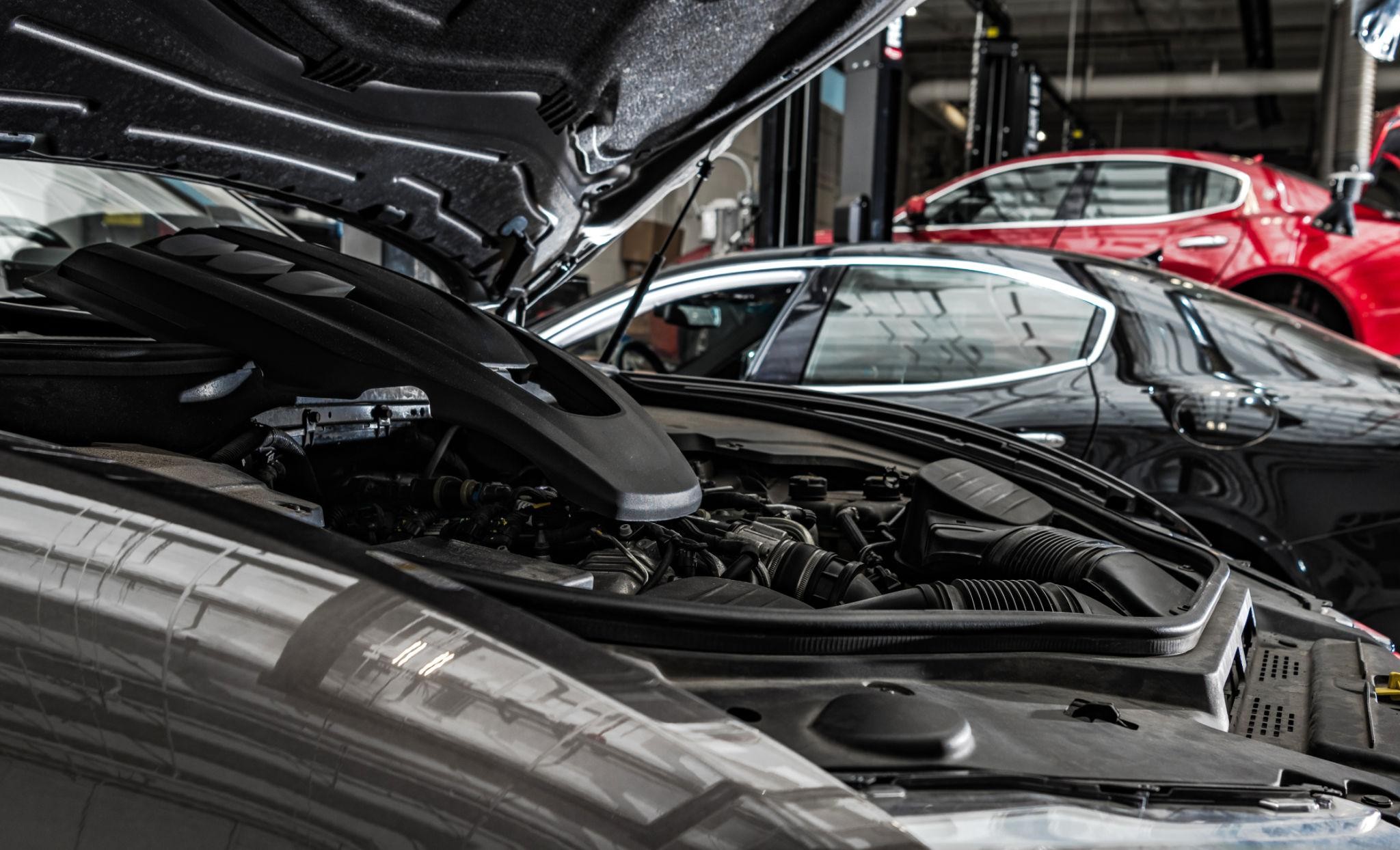
Understanding What a Warranty Really Represents
A warranty is often misunderstood as a simple guarantee that a product will perform flawlessly for a specific period. In reality, warranties are contractual agreements that allocate risk between manufacturers and consumers.
They define the circumstances under which a company will repair, replace, or compensate for product failures. Every warranty reflects detailed calculations about expected product performance and financial exposure.
Manufacturers do not create warranty programs randomly. They rely on extensive testing, historical failure data, engineering analyses, and predictive models. Before introducing a warranty, companies estimate how many products are likely to fail, how much repairs will cost, and how these expenses will affect profitability. A warranty, therefore, reflects a calculated business decision rather than a purely customer-focused promise.
The existence of a long warranty does not necessarily mean a product is exceptionally reliable. In many cases, companies know that actual failure rates are low enough that honoring the warranty will cost less than the additional sales generated by offering it. The warranty becomes a marketing investment rather than a direct statement about quality.
Consumers often assume that warranty length directly correlates with durability. While there is sometimes a connection, this relationship is not always strong. Some highly reliable products carry relatively short warranties, while some less proven products feature extensive coverage designed to encourage hesitant buyers.
A warranty should therefore be interpreted as a financial and strategic tool. It provides useful information, but it does not tell the complete story about reliability. Understanding this distinction helps consumers evaluate products more intelligently and avoid relying solely on warranty duration as a measure of quality.
Why Companies Offer Long Warranties?
One of the primary reasons companies offer long warranties is to reduce perceived purchasing risk. Consumers naturally worry about expensive products failing after purchase. A lengthy warranty alleviates these concerns and makes buyers more comfortable committing to a purchase.
In highly competitive markets, products often appear similar in terms of features, design, and performance. Warranty coverage becomes a differentiating factor that allows manufacturers to stand out. When technical specifications are difficult for consumers to evaluate, warranty length serves as an easily understood comparison point.
Marketing departments recognize that warranties create powerful psychological effects. A ten-year warranty sounds impressive, even if most product failures occur outside the covered conditions or require specific maintenance procedures. The perceived value of protection can significantly influence buying behavior.
Some companies use long warranties to address existing concerns about reliability. If a brand has experienced quality issues in the past, extended coverage may help rebuild consumer confidence. In this context, the warranty acts as reassurance rather than proof of superior engineering.
Long warranties can also strengthen customer loyalty. When consumers believe a company will support them for many years, they may develop greater trust in the brand. This trust can lead to repeat purchases, positive reviews, and stronger long-term relationships between businesses and customers.

The Economics Behind Warranty Decisions
Every warranty program is governed by economics. Manufacturers carefully estimate expected warranty claims and compare those costs against projected increases in sales. The goal is to maximize profitability while maintaining customer satisfaction.
Advanced statistical models help companies predict product failure rates over time. Engineers collect data from laboratory testing, field performance, and previous product generations. This information allows businesses to estimate the financial impact of warranty obligations with remarkable accuracy.
In many cases, only a small percentage of customers ever file warranty claims. Some consumers forget about coverage, fail to complete registration requirements, or choose not to pursue repairs for minor issues. These behavioral patterns reduce actual warranty expenses.
Companies also structure warranties to limit costs. Coverage often excludes certain components, wear items, misuse, environmental damage, or maintenance-related failures. These exclusions significantly reduce the financial burden associated with long-term protection programs.
As a result, a long warranty may cost a manufacturer far less than consumers assume. The warranty creates a strong perception of value while exposing the company to a manageable level of financial risk. This economic reality explains why warranty length is not always a direct indicator of reliability.
Also Read: 9 Vehicles with Worst Blind Spots

Consumer Psychology and Warranty Influence
Consumers are naturally attracted to certainty. Purchasing decisions involve risk, especially when products are expensive or technically complex. Long warranties provide psychological reassurance that reduces anxiety and increases confidence.
Behavioral economics shows that people often overvalue guarantees. Even when the probability of failure is low, consumers may place significant importance on warranty coverage because it offers peace of mind. This emotional benefit can be more influential than objective reliability statistics.
Marketing professionals understand that warranties simplify decision-making. Instead of comparing engineering details or performance data, consumers can rely on a straightforward metric. A longer warranty feels safer and easier to evaluate than technical specifications.
The framing effect also plays an important role. A product advertised with a ten-year warranty appears more trustworthy than an identical product with a three-year warranty, even if actual reliability differences are minimal. Presentation influences perception as much as factual performance.
Because warranties affect emotions as well as logic, they can shape consumer beliefs about quality. This psychological influence explains why warranty length often has a stronger impact on purchasing behavior than independent reliability data or long-term ownership studies.

When Long Warranties Truly Reflect Reliability
Not every long warranty is a marketing tactic. In many cases, extended coverage genuinely reflects confidence in product durability. Companies with rigorous engineering standards may offer long warranties because they expect very few failures.
Industries with strong quality control systems often use warranties as evidence of proven performance. Manufacturers that consistently achieve low defect rates can afford longer coverage because warranty claims remain relatively uncommon.
Some products undergo extensive testing under extreme conditions before reaching consumers. When manufacturers accumulate significant reliability data, they may confidently extend warranty periods based on demonstrated durability rather than marketing considerations alone.
Brands that build reputations around long-term performance frequently align warranty policies with actual product longevity. In these situations, warranty length reinforces an already established record of reliability rather than attempting to create one.
Consumers should therefore avoid assuming that all long warranties are suspicious. The key is examining warranty coverage alongside independent reliability evidence, customer experiences, and brand history. When these factors align, a long warranty may indeed reflect exceptional product quality.

How Consumers Should Evaluate Reliability
The first step in evaluating reliability is examining independent testing and performance reviews. Third-party assessments often provide a more objective picture of durability than manufacturer marketing materials.
Customer feedback can also reveal valuable insights. Long-term ownership experiences frequently highlight recurring issues, maintenance concerns, and reliability trends that warranty advertisements do not address.
Consumers should carefully read warranty terms and conditions. Coverage duration alone means little if important components are excluded or claim procedures are overly restrictive. Understanding what is actually covered is essential.
Brand reputation matters significantly. Companies that consistently deliver dependable products across multiple generations often deserve greater trust than newer brands relying heavily on warranty promotions to establish credibility.
Finally, buyers should consider total ownership costs rather than focusing exclusively on warranty length. Reliability, maintenance requirements, repair expenses, parts availability, and customer service quality all contribute to the ownership experience. A comprehensive evaluation provides a much clearer picture of product quality than warranty duration alone.
