
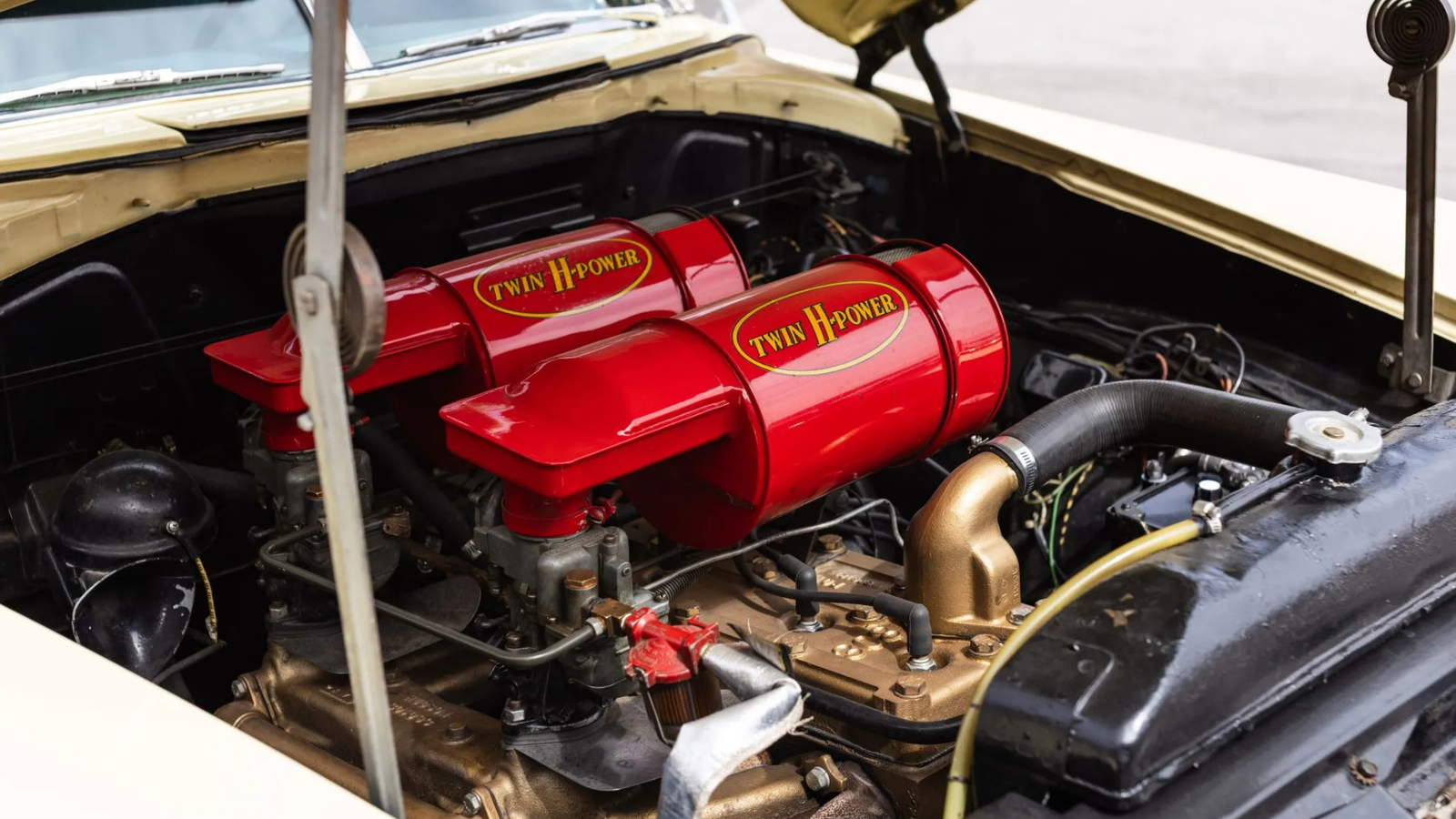
Inline-six engines have sustained a well-earned standing in automotive engineering circles across several decades of continuous development and practical application. Their inherent mechanical balance, which arises from the symmetrical arrangement of six cylinders in a single straight bank, produces a self-cancelling effect on primary and secondary vibration forces that other engine configurations cannot achieve without additional balancing hardware.
This characteristic reduces the mechanical stress imposed on bearings, pistons, and crankshaft components during sustained operation, contributing directly to the extended service life for which these engines are known. Proper maintenance remains the essential condition upon which long engine life depends.
Regular lubrication with oil of the correct specification and viscosity, attentive cooling system management, including periodic coolant replacement and radiator inspection, and timely renewal of wear items such as timing components, filters, and gaskets collectively determine whether an engine reaches its mechanical potential.
Where these maintenance requirements are diligently observed, many inline-six engines have been documented in reliable fleet and private ownership records as exceeding 300,000 miles of accumulated service. Several well-documented instances extend considerably further, with verified reports of engines remaining in active daily service beyond 500,000 miles without requiring internal reconstruction.
Such figures are not incidental. They reflect deliberate engineering decisions regarding materials selection, internal tolerances, lubrication architecture, and thermal management that distinguish durable platforms from those of lesser longevity.
Ten such platforms are examined in the sections that follow, each assessed based on its engineering design, its documented performance in real-world operation, and the accumulated ownership experience that long-term records have established.
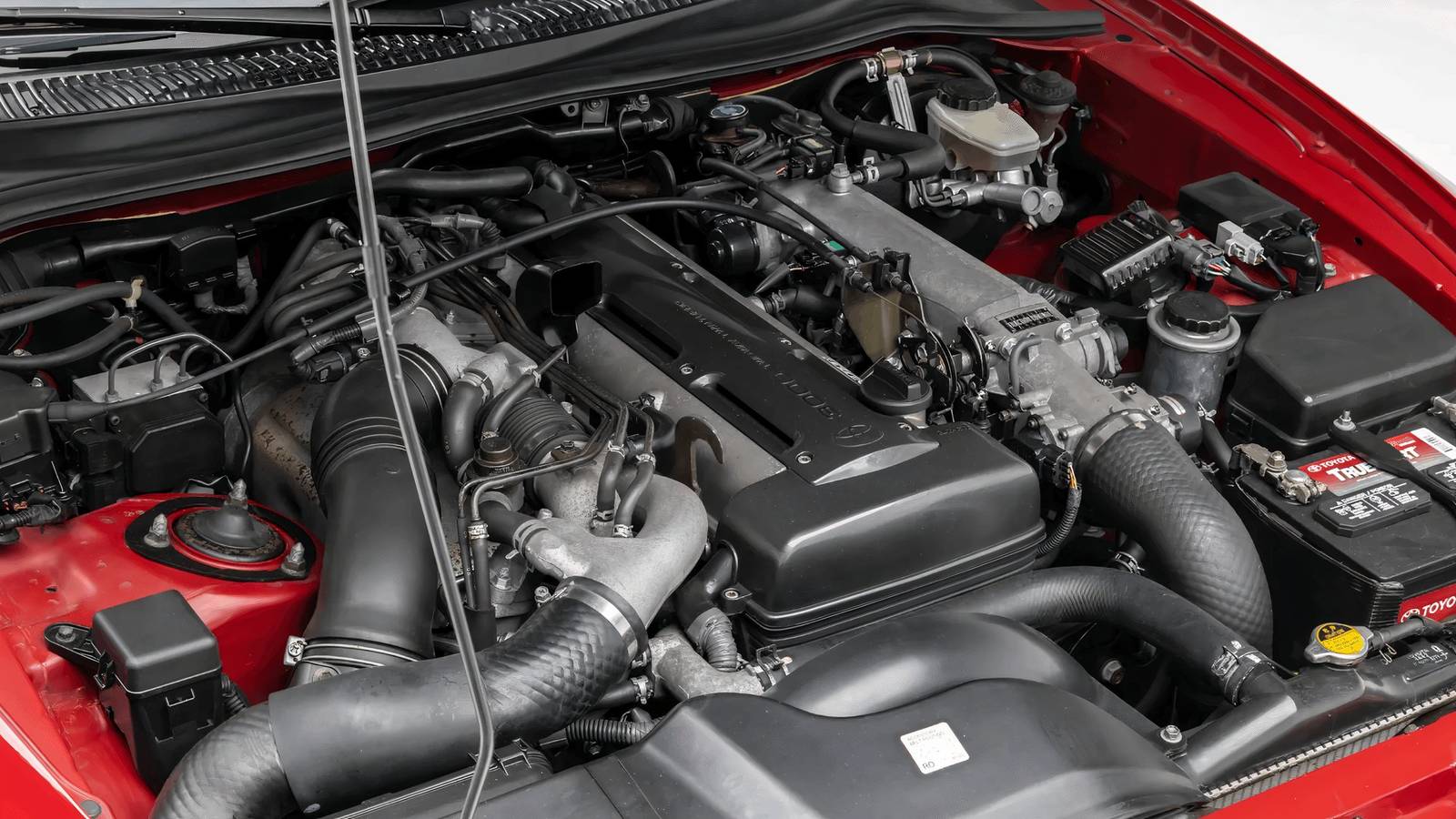
1. Toyota 2JZ-GE and 2JZ-GTE
Among the inline-six engine families produced during the modern era of automotive engineering, few have achieved the degree of professional respect and widespread acknowledgement accorded to Toyota’s 2JZ engine series. This engine was installed in vehicles including the Toyota Supra across its production variants, the Lexus GS series, and a range of export-market saloons that required an engine capable of combining high refinement with sustained mechanical durability.
Its reputation has been affirmed across decades of documented real-world service in markets spanning North America, Europe, Asia, and beyond, and it continues to be referenced as a benchmark of inline-six engineering. Structurally, the 2JZ family employs a cast iron cylinder block mated to an aluminium alloy cylinder head.
This combination of materials reflects a considered engineering approach. Cast iron at the block level provides high thermal mass, dimensional stability under sustained heat cycles, and resistance to the mechanical deformation that can occur when internal pressures fluctuate across long periods of operation.
The aluminium head contributes to reduced weight at the upper assembly and facilitates heat dissipation from the combustion chamber, while the interface between the two materials is managed through careful design of the head gasket and cylinder bore geometry to accommodate differential thermal expansion without compromising sealing integrity.
The naturally aspirated variant, designated the 2JZ-GE, is broadly recognised for its disciplined combustion behaviour, conservative internal stress levels, and well-designed lubrication channels that ensure adequate oil delivery to bearing surfaces even under sustained high-rpm operation. Its compression ratio and combustion geometry were calibrated to extract reliable performance without placing excessive thermal or mechanical load upon internal components.
Owners operating this variant within the manufacturer’s specified maintenance intervals have consistently reported high-mileage service without the need for internal mechanical intervention. The turbocharged variant, designated the 2JZ-GTE, was developed with reinforced internal assemblies appropriate to the elevated cylinder pressures that forced induction introduces.
Forged pistons, strengthened connecting rods, and an enhanced oiling circuit were incorporated to support reliable operation under boost conditions. Importantly, the fundamental block architecture shared with the naturally aspirated variant retained its structural integrity under these elevated demands, confirming that the original engineering foundation was sufficiently robust to accommodate the additional mechanical loading of forced induction without requiring a wholly different block design.
This adaptability reflects sound original engineering rather than accidental circumstance, and it has secured the 2JZ’s position as a reference platform in discussions of inline-six durability across engineering and automotive publishing communities.
Documented service records from private owners and fleet operators alike confirm that well-maintained 2JZ engines remain in active service at mileage figures that would cause concern in less robustly engineered alternatives. This practical evidence, accumulated across multiple decades and markets, reinforces the technical assessment that the 2JZ family represents one of the most durably engineered inline-six platforms in the documented history of automotive production.
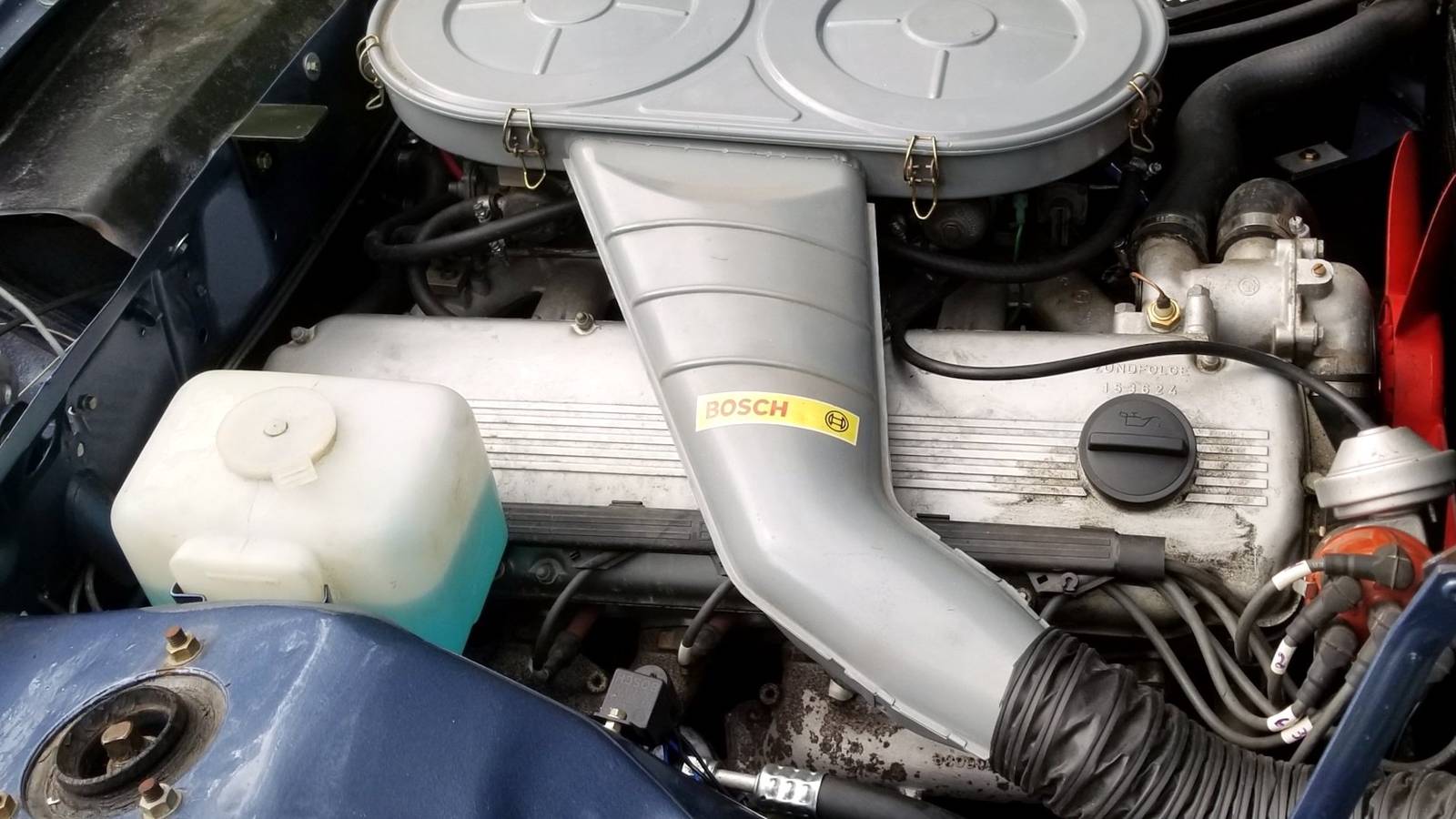
2. BMW M30 Inline-Six
BMW’s M30 inline-six engine is widely regarded as one of the most durable petrol engines produced by the company. Introduced in the late 1960s and remaining in production until the early 1990s, it powered a wide range of BMW models, including early versions of the 5 Series and 7 Series.
These vehicles required engines capable of delivering steady highway performance while maintaining dependable long-term operation, a requirement the M30 met consistently throughout its production life. The engine features a cast-iron block paired with a single overhead camshaft design. This configuration is mechanically straightforward compared to later multi-camshaft engines, reducing the number of moving parts involved in valve operation.
Fewer moving components generally reduce wear points, which contributes to extended service life when proper maintenance practices are followed. The design also supports predictable servicing routines, allowing technicians and owners to maintain engine health with standard procedures.
One of the strongest attributes associated with the M30 is its ability to operate at very high mileage levels when routine maintenance is observed. Regular oil changes, valve clearance adjustments, and proper attention to cooling system components all contribute to sustained reliability.
Many documented examples have exceeded several hundred thousand miles without internal rebuilds, particularly vehicles used primarily for highway driving, where engine load remains consistent and less stressful compared to stop-and-go conditions.
Cooling system condition plays a central role in maintaining long service life. Rubber hoses, thermostats, and radiators naturally degrade with age, and failure to replace these components at appropriate intervals can lead to elevated operating temperatures.
Excess heat places stress on internal engine parts, making cooling system upkeep an important factor in preserving durability. When these systems are maintained properly, the M30 continues to perform with stable operating characteristics across extended use periods.
Another factor supporting continued serviceability is parts availability. Due to the engine’s long production span and widespread use across multiple BMW models, replacement components remain accessible in many markets. This availability reduces downtime and allows owners to keep vehicles in operation long after production ended.
The M30’s reputation for durability is reinforced by its use in both everyday passenger vehicles and long-distance touring applications. Its ability to maintain consistent performance under continuous highway operation made it a preferred choice for drivers covering large distances regularly.
Many examples remain in service today, demonstrating the long operational life achievable through a combination of robust engineering and consistent maintenance practices.
Also Read: 8 Forgotten JDM Sedans With Sports Car Engines
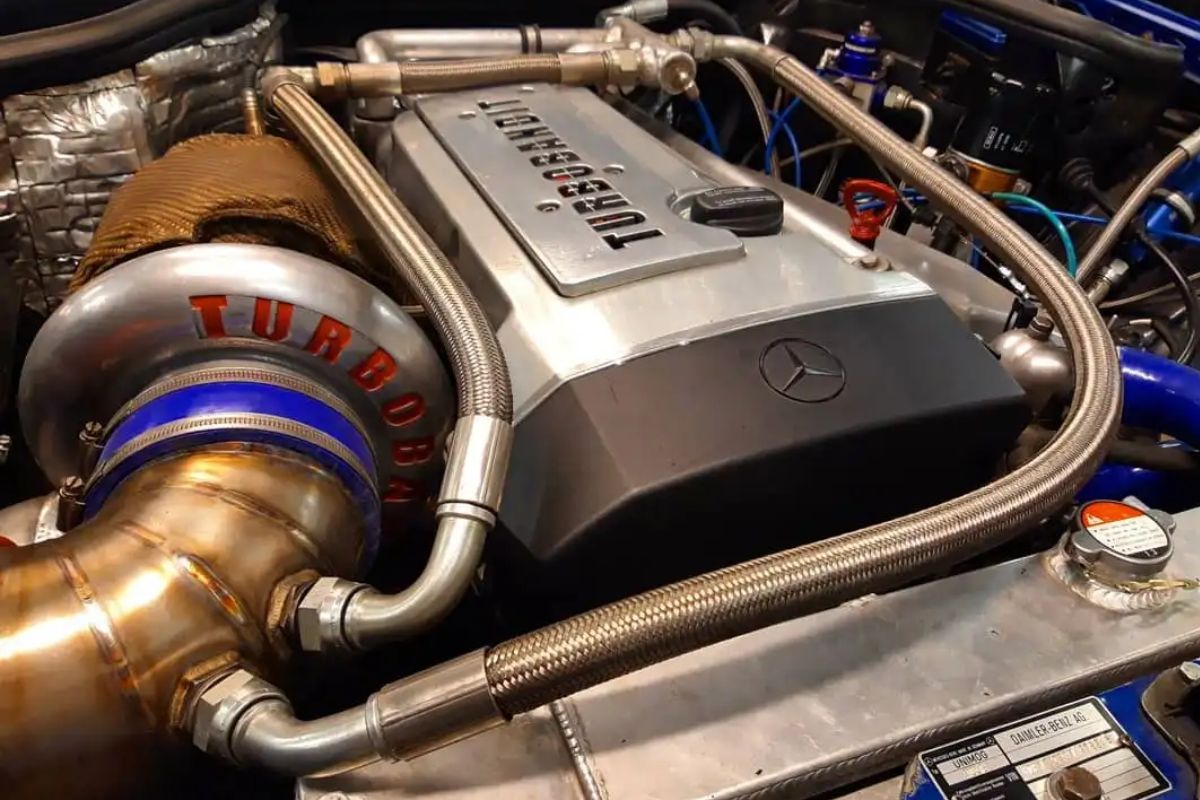
3. Mercedes-Benz M104 Inline-Six
The Mercedes-Benz M104 inline-six engine represents one of the company’s most refined gasoline engine designs from the 1990s. It was developed to deliver smooth performance, efficient combustion, and long-distance reliability in premium vehicles such as the E-Class and S-Class. These models demanded engines capable of maintaining consistent operation under sustained highway conditions, and the M104 was engineered with that requirement in focus.
This engine features a dual overhead camshaft layout with four valves per cylinder. This configuration improves airflow into and out of the combustion chamber, resulting in more efficient fuel combustion and stable power delivery. Improved airflow also contributes to more consistent engine temperatures during operation, which supports long-term mechanical stability.
Internal components were manufactured with strong tolerances and durable materials designed to handle extended periods of operation. Bearings, pistons, and valvetrain components were engineered to maintain structural integrity across high mileage use. Many well-maintained units have surpassed 300,000 miles without requiring internal rebuilds, particularly in vehicles used primarily for long-distance driving.
A major strength of the M104 lies in its balanced mechanical design. The inline-six configuration naturally provides smooth internal motion, reducing vibration levels compared to many other engine layouts. Reduced vibration lowers mechanical stress on internal components such as bearings and seals, contributing to slower wear rates and extended service life.
Cooling system maintenance remains essential for long-term reliability. Components such as water pumps, thermostats, and radiators must be serviced at appropriate intervals to prevent overheating conditions. Elevated temperatures can accelerate wear and reduce engine lifespan, making thermal management an important aspect of maintenance.
The M104 continues to be respected among automotive technicians and enthusiasts due to its combination of engineering precision and long-term durability. Its ability to maintain stable operation across extended mileage ranges reinforces its reputation as one of Mercedes-Benz’s strongest gasoline inline-six engines from its era.
4. Toyota 1JZ-GE / 1JZ-GTE
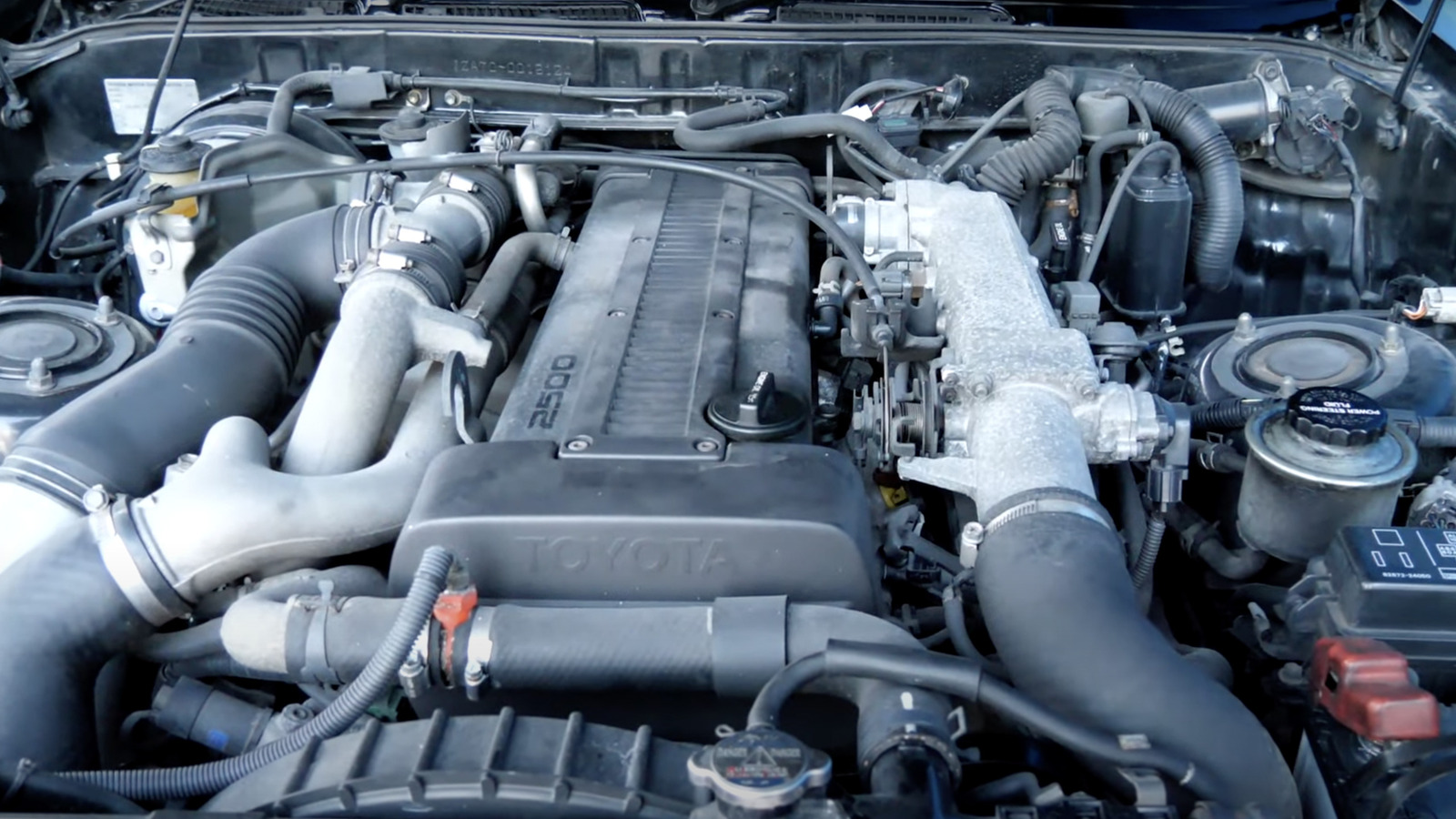
The Toyota 1JZ engine family is closely related to the 2JZ series, sharing many design principles while featuring a smaller displacement. It was engineered with a cast iron engine block, providing strong structural support capable of handling sustained mechanical stress across long service periods.
The 1JZ-GE serves as the naturally aspirated version of the engine, designed for smooth and consistent daily driving performance. It delivers power in a controlled manner, supporting reliability in a wide range of operating conditions. The 1JZ-GTE adds turbocharging, increasing output while maintaining structural strength through reinforced internal components designed to handle higher combustion pressures.
Both versions reflect Toyota’s engineering approach focused on durability through controlled internal stress levels. Rather than pushing components to their limits, the engine design maintains conservative operating parameters that reduce long-term wear. This approach allows both variants to remain operational at high mileage levels when maintained correctly.
These engines were used across various Toyota models in multiple global markets, including performance-oriented and executive sedans. Their long production history has resulted in extensive real-world usage data, showing consistent reliability across different driving environments and conditions.
Routine maintenance plays an important role in sustaining engine durability. Regular oil changes, timing component inspections, and proper cooling system care all contribute to long service life. When these maintenance practices are followed consistently, many 1JZ engines continue operating smoothly decades after production ended, maintaining performance stability even at high mileage levels.
5. BMW M50 Inline-Six
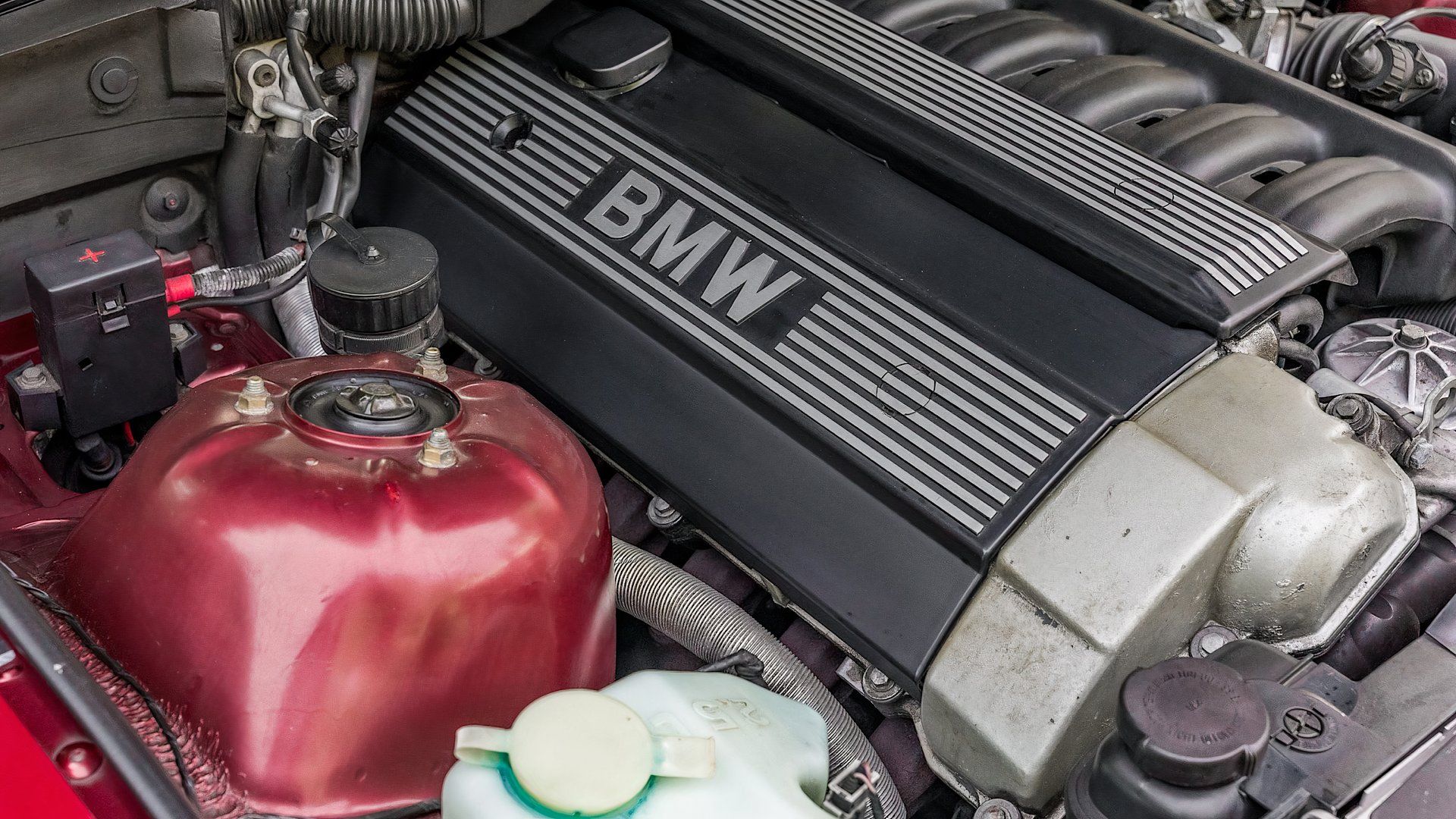
The BMW M50 engine represents a major step in BMW inline-six development, introducing four-valve-per-cylinder architecture and electronic fuel injection while retaining a cast-iron block in early production versions. This combination brought improved airflow and combustion efficiency while maintaining a strong mechanical foundation suited for long-term operation.
The design approach focused on balancing improved breathing capability with structural integrity. The four-valve setup allowed better intake and exhaust flow compared to earlier two-valve engines, while the iron block provided resistance to wear under repeated thermal cycles. This combination supported stable performance across a wide range of driving conditions, including urban traffic and sustained highway use.
Durability of the M50 is often linked to its relatively straightforward internal layout compared to later BMW engines that introduced higher levels of electronic and mechanical integration. Fewer layers of mechanical complication reduce potential failure points, which contributes to long service life when routine maintenance is observed.
Many units reach mileage figures between 200,000 and 300,000 miles without requiring major internal repair work, provided servicing routines remain consistent. Oil quality and replacement intervals remain central to engine protection, particularly for maintaining bearing health and internal lubrication stability.
Cooling system condition holds strong importance for this engine. Components such as expansion tanks, radiator units, water pumps, and coolant hoses require periodic inspection and replacement to maintain stable operating temperature control. Temperature irregularities place stress on cylinder head components and gasket surfaces, which can reduce engine service life if left unaddressed.
Valve cover gasket maintenance also plays a role in preserving engine condition by preventing oil leakage that can affect ignition components and external engine cleanliness. Proper sealing of the valve cover area helps maintain stable lubrication conditions and reduces contamination risks in the engine bay.
When routine maintenance requirements are observed with consistency, the M50 demonstrates strong durability characteristics across both city and highway driving environments. Its combination of improved combustion design and mechanical simplicity has secured its reputation as one of BMW’s most reliable inline-six engines from its era.
6. Mercedes-Benz OM606 Diesel Inline-Six
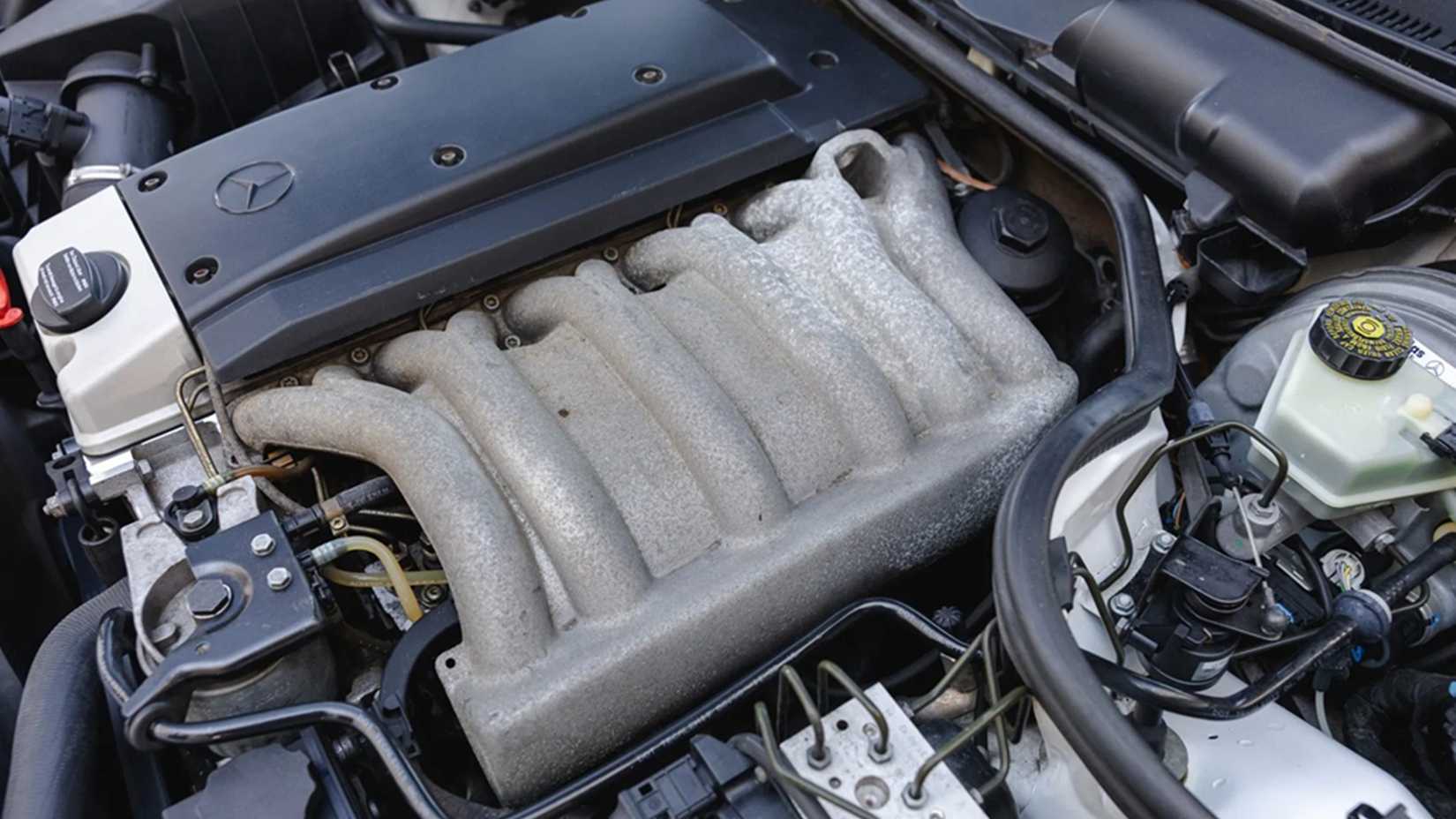
The Mercedes-Benz OM606 diesel engine is widely regarded as one of the most durable diesel inline-six engines produced by the company. Its construction uses a cast iron block combined with heavy-duty internal components designed to withstand sustained load conditions over extended periods of operation.
This engine produces strong low-end torque output, making it suitable for passenger vehicles as well as light commercial applications where pulling capability under load remains a primary requirement. Its internal design supports continuous operation under strain without rapid wear when servicing routines are properly followed.
A defining characteristic of the OM606 is its ability to remain in service for extremely high mileage durations. Many documented units continue operating decades after production ended, with mileage figures that reflect long-term use in both private ownership and fleet applications.
The engineering philosophy behind the OM606 prioritizes mechanical strength and operational endurance rather than high-output performance. This approach results in lower internal stress levels during operation, which contributes to extended service life across major engine components such as pistons, crankshaft assemblies, and valve train systems.
Fuel injection system reliability plays an important role in maintaining consistent engine operation. Proper calibration and maintenance of injection components support efficient combustion and reduce strain on internal parts. Cooling system maintenance also holds importance, as stable operating temperatures reduce wear caused by thermal variation.
When maintenance procedures are followed consistently, the OM606 demonstrates stable performance across long operational periods without frequent major repairs. Its reputation among diesel engine users is strongly connected to its ability to remain functional under demanding usage conditions, including high load and extended running hours.
7. Toyota 1HZ Diesel Inline-Six
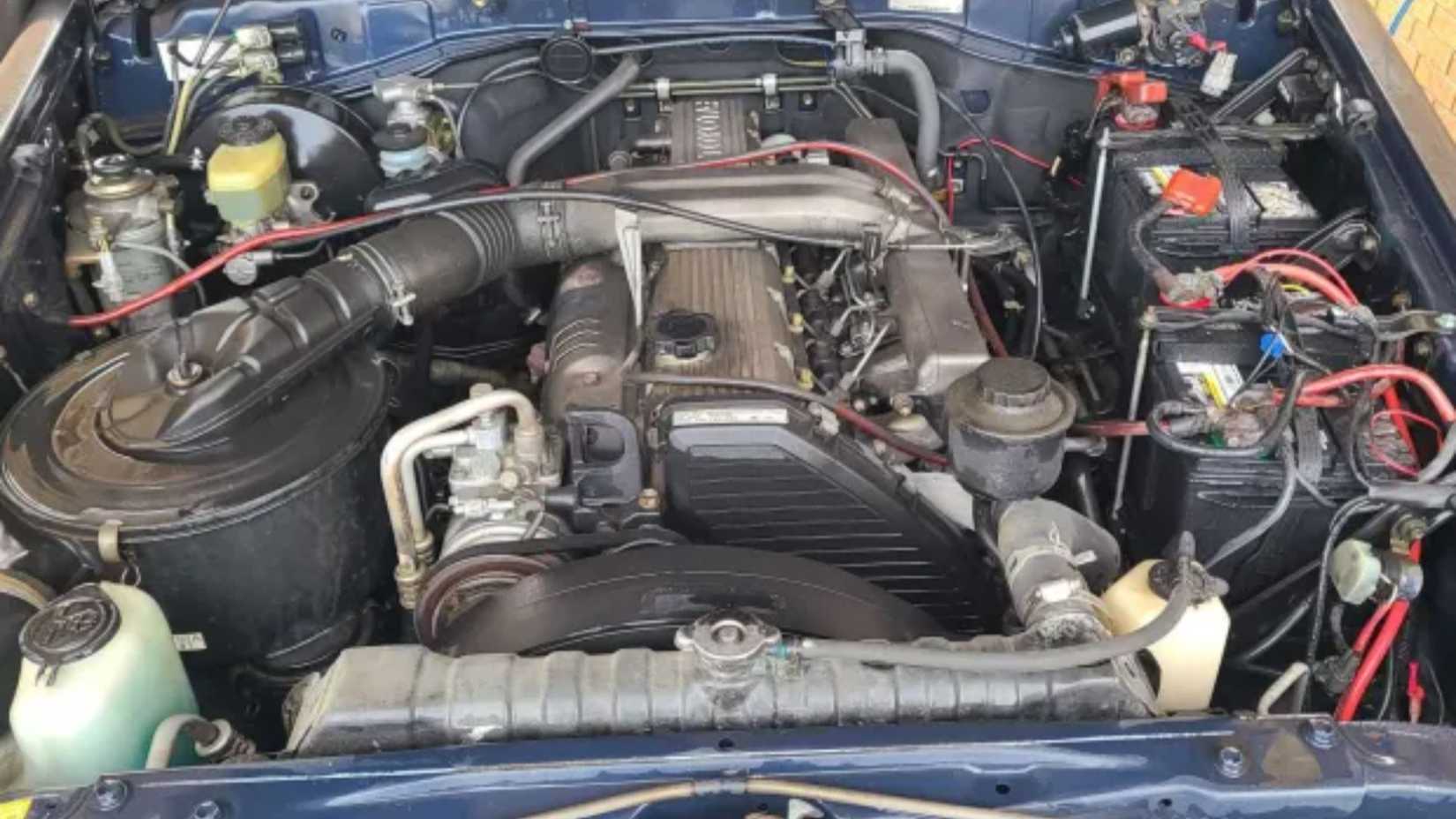
The Toyota 1HZ diesel engine is a naturally aspirated inline-six designed primarily for utility-based applications, including use in the Land Cruiser series. Its engineering approach prioritizes mechanical durability and operational simplicity rather than high power output.
This engine uses a mechanical fuel injection system and contains minimal electronic components compared to modern diesel engines. The reduction in electronic dependency lowers potential failure points and supports consistent operation in environments where diagnostic equipment and advanced servicing infrastructure may be limited.
The 1HZ is widely used in regions with varied road quality and operating conditions. Its design allows it to function reliably under such circumstances, which has contributed to its reputation for endurance in utility and off-road applications.
Many units accumulate high mileage figures while continuing to operate within acceptable performance ranges. Its low internal operating stress levels contribute to extended service life, particularly when maintenance practices are observed consistently as time goes on.
Routine servicing, including oil changes, fuel system maintenance, and cooling system care, plays an important role in maintaining long-term reliability. When these requirements are met, the engine demonstrates stable operation across extended service periods in both private and commercial use cases.
8. Nissan RB25DET / RB26DETT
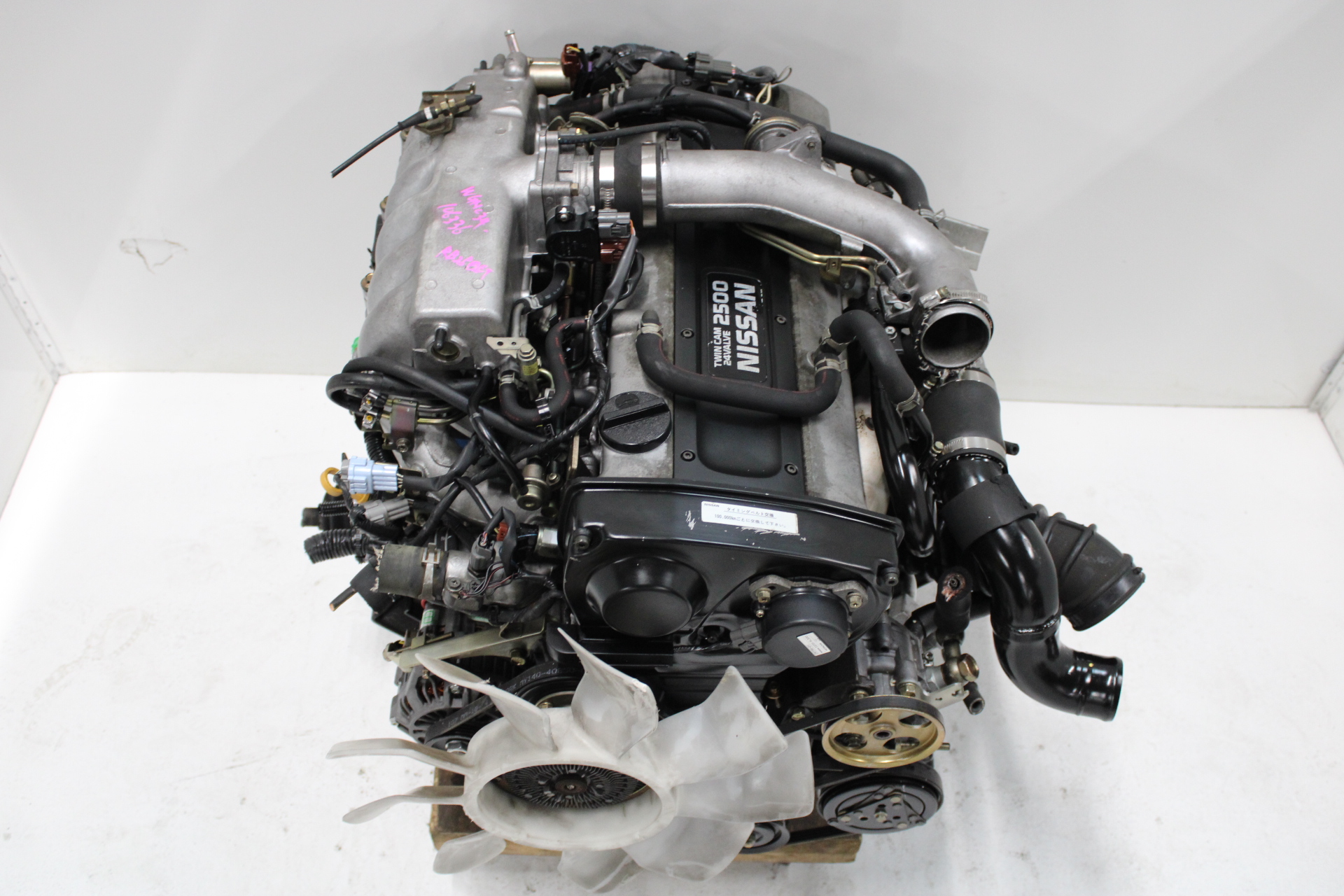
Nissan’s RB engine family, covering the RB25DET and RB26DETT variants, has earned recognition for robust internal construction and strong mechanical endurance. Many versions use cast iron engine blocks, a material choice that supports long service life by resisting warping under heat cycles and sustained mechanical load. This structural foundation provides a stable base for both everyday driving and higher-performance use cases.
The RB25DET was designed with turbocharging for balanced road use, offering steady power delivery suitable for daily driving conditions. Its configuration allows it to function effectively under varied driving demands without excessive strain when maintained properly. The RB26DETT, developed for higher output applications, uses reinforced internal components such as strengthened pistons and connecting rods, supporting sustained operation at higher engine speeds.
Despite a strong performance reputation in motorsport and tuning communities, both engines maintain strong durability in factory specification when serviced correctly. Many examples remain functional at high mileage levels across multiple regions where these engines were widely sold or imported. Their continued operation in aging vehicles demonstrates the strength of their mechanical design when routine maintenance is observed.
Oil quality and replacement intervals are central to maintaining internal protection, especially for turbocharged applications where heat load is higher. Cooling system condition also plays a central role in long-term reliability, as stable operating temperature reduces stress on internal components.
When these maintenance requirements are respected, both RB engine variants continue to operate reliably for extended periods of service life in both passenger and performance-oriented vehicles.
9. Ford 4.0L Cologne Inline-Six
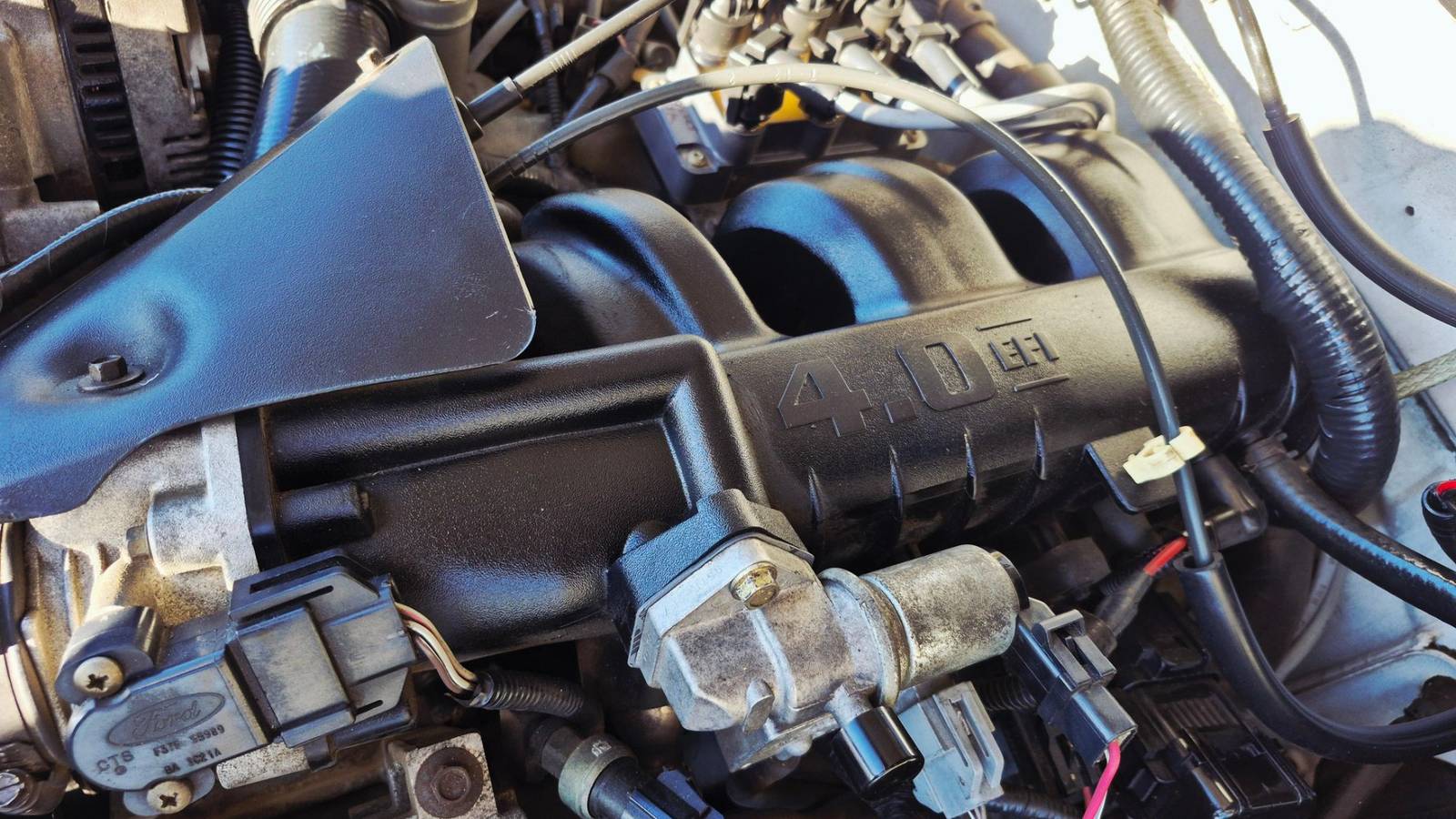
Ford’s 4.0L Cologne inline-six engine was used in several SUVs and light trucks, including the Ford Explorer, where it served as a dependable power unit for utility-focused applications. Its design prioritizes mechanical simplicity and steady operation rather than high-output performance, which supports durability in work-oriented driving environments.
The engine delivers consistent torque output suitable for hauling and general transport duties. Its internal configuration allows it to perform reliably under sustained load conditions, which is important for vehicles used in commercial or heavy-use personal applications. The design avoids unnecessary mechanical complications, which reduces potential failure points and supports long-term operation.
When routine servicing is observed, many units remain functional for extended mileage periods. This includes regular oil changes, cooling system upkeep, and replacement of wear components such as belts and hoses. Vehicles equipped with this engine often remain in active service for long periods, especially where maintenance practices are consistent and operating conditions are stable.
The durability of the 4.0L Cologne engine is strongly associated with its low mechanical strain characteristics. Because it is not engineered for high-performance output, internal stress levels remain within moderate ranges during normal use. This contributes to reduced wear rates across engine components such as bearings, pistons, and valve train elements.
Its straightforward mechanical layout also supports ease of repair, which benefits long-term usability in regions where maintenance infrastructure varies.
Also Read: 10 Strongest V8 Engines Ever Put in a Production Car
10. Chrysler Slant-Six (225 Inline-Six)
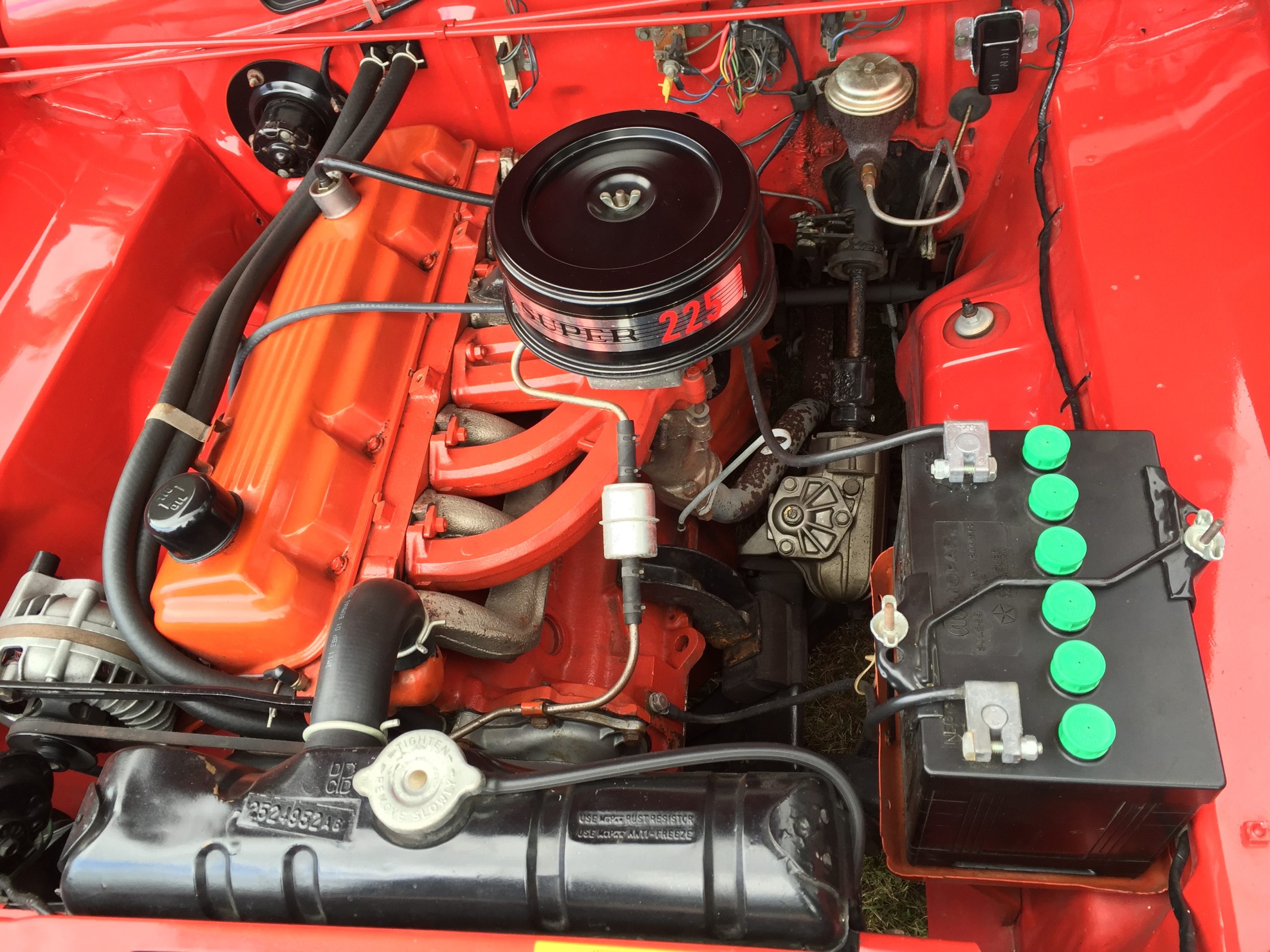
The Chrysler Slant-Six engine, particularly the 225 cubic inch variant, holds an important position in American automotive engineering history. Its unique inclined cylinder layout was designed to improve packaging efficiency within vehicle engine bays, allowing for a lower hood line while maintaining strong structural characteristics.
This design also contributed to stable internal operation under long-term use. The engine gained widespread recognition for dependable operation in demanding conditions. It was frequently used in fleet vehicles, delivery applications, and commercial transport roles where consistent performance and ease of maintenance were valued more than high power output.
Its mechanical simplicity allowed technicians to perform repairs without requiring highly specialised procedures or equipment. Many Slant-Six engines remained in service for extended periods, supported primarily by routine maintenance practices such as oil changes, ignition system servicing, and cooling system care.
The engine’s internal durability allowed it to continue operating even under less favourable maintenance conditions, though proper servicing extended its usable lifespan considerably. Its long production history contributed to widespread familiarity among mechanics, which further improved its serviceability in the field.
Replacement parts remained accessible for many years after production ended, allowing vehicles equipped with the engine to remain operational well beyond typical service expectations. The Slant-Six engine is frequently referenced in discussions of durable American powertrains due to its ability to remain functional under varied operating conditions.
Its mechanical design prioritises endurance and repair simplicity, which contributed to its long presence in both consumer and commercial vehicles.
