

BMW has built a reputation as one of the world’s leading luxury automobile manufacturers, known for combining performance, innovation, comfort, and advanced engineering into a premium driving experience.
While most drivers are familiar with headline features such as powerful engines, premium interiors, advanced infotainment systems, and sophisticated safety technologies, many BMW vehicles also include a surprising number of hidden or lesser-known functions that often go unnoticed by owners.
These features are designed to improve convenience, safety, personalization, and driving enjoyment, yet many remain buried within vehicle settings, key fob functions, or onboard software menus.
Modern BMW models are equipped with highly sophisticated electronic systems that offer much more than basic transportation. From customizable lighting and remote access functions to intelligent climate control settings and advanced parking assistance technologies, BMW engineers have integrated numerous capabilities that can make everyday driving easier and more enjoyable.
Unfortunately, many owners never take the time to fully explore their vehicle’s capabilities, leaving valuable features unused throughout the life of the car.
The growing complexity of modern vehicles has also contributed to this phenomenon. Today’s BMW models contain dozens of digital menus, driver assistance systems, and personalization options. While dealerships often provide a basic overview during delivery, there is rarely enough time to explain every function available.
As a result, many drivers only discover hidden features months or even years after purchasing their vehicle. Some stumble upon them accidentally, while others learn about them through online forums, owner communities, or detailed user manuals.
Understanding these hidden features can help owners get more value from their investment. Whether it is improving convenience during daily commutes, enhancing passenger comfort on long trips, increasing vehicle security, or simplifying parking in crowded urban environments, these overlooked functions can significantly enhance the ownership experience.
Many of these features are available across multiple BMW model ranges, including sedans, coupes, SUVs, and performance-oriented vehicles.
This guide explores nine hidden features found in many BMW models that owners frequently overlook. By learning how these systems work and when to use them, drivers can unlock capabilities that make their BMW even more practical, intelligent, and enjoyable.
Whether you are a new BMW owner or have been driving one for years, you may discover functions you never realized your vehicle already possessed.
Also Read: 10 Strongest V8 Engines Ever Put in a Production Car

1. Remote Window and Sunroof Control
One of the most convenient hidden features in many BMW models is the ability to control windows and, in some cases, the sunroof using the key fob. This function is often overlooked because it is not prominently advertised during delivery, yet it significantly improves everyday comfort and usability.
In many BMW vehicles, this feature allows drivers to open or close the entire cabin ventilation system without even entering the car, making it especially useful in extreme weather conditions.
When the vehicle has been parked under direct sunlight for a long period, the interior temperature can rise rapidly, sometimes becoming uncomfortable or even unsafe for certain materials inside the cabin.
By holding the unlock button on the key fob, the windows roll down simultaneously in many models, allowing trapped hot air to escape before the driver enters. This simple action can noticeably reduce the initial heat buildup inside the vehicle.
In some BMW configurations, the sunroof also opens slightly along with the windows. This creates a natural airflow path that accelerates heat dissipation. Instead of stepping into a stagnant hot environment, the driver is greeted with a cabin that has already begun to cool down naturally. This demonstrates how BMW integrates small but meaningful engineering decisions to improve user experience in real-world conditions.
Interestingly, the reverse function is equally useful. By holding the lock button on the key fob, drivers can close all open windows and the sunroof automatically.
This is particularly helpful in situations where a window has been accidentally left open, or when sudden weather changes occur. Instead of returning to the vehicle, the driver can secure it remotely within seconds.
This feature also adds a layer of practical safety and convenience in crowded environments. In busy parking lots, drivers can quickly ventilate the cabin before entering, reducing discomfort and improving readiness for driving. Although simple in concept, it reflects BMW’s focus on blending technology with everyday usability in subtle but effective ways.
2. Automatic Side Mirror Folding
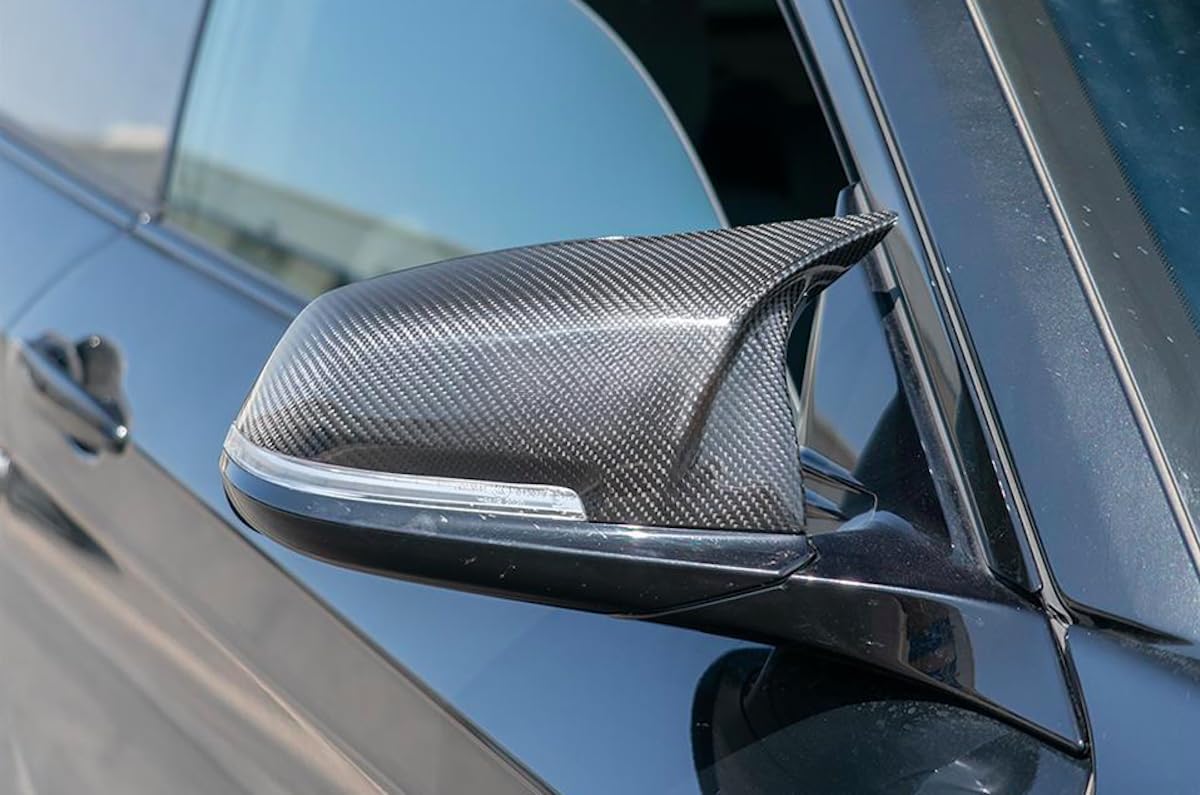
Another highly practical yet underutilized feature in BMW models is automatic side mirror folding. While many drivers are aware that their mirrors can fold using a button inside the cabin, fewer realize that this function can often be controlled remotely through the key fob or automatic locking behavior.
In many BMW vehicles, holding the lock button for a few seconds activates the folding mechanism. The mirrors retract inward toward the vehicle body, reducing the car’s width and protecting them from potential damage. This is particularly useful when parking in narrow streets, tight residential lanes, or crowded urban garages where space is limited and accidental contact with other vehicles is more likely.
The importance of this feature becomes clearer when considering the complexity of modern side mirrors. Today’s BMW mirrors often include integrated indicators, heating elements, blind spot monitoring sensors, and sometimes even cameras. Because of this, repairing or replacing a damaged mirror can be expensive and time-consuming. Automatic folding helps reduce that risk significantly.
In addition to protection, folded mirrors also improve spatial efficiency. In environments where vehicles are parked closely together, such as multi-level parking structures or street parking in dense cities, reducing the vehicle’s width by a few inches can make navigation and parking much easier. This can be the difference between a stressful parking experience and a smooth one.
BMW also allows customization of mirror behavior through its infotainment system in many models. Drivers can choose whether mirrors fold automatically when locking the car or only through manual activation. This personalization ensures that the feature adapts to different driving habits and regional preferences.
Automatic side mirror folding is a simple yet highly effective feature that improves both convenience and vehicle protection. Despite its usefulness, many owners only discover it long after purchasing their BMW, highlighting how much hidden functionality is built into the vehicle.

3. Follow Me Home Lighting
Follow Me Home lighting is one of BMW’s subtle safety-oriented features designed to improve visibility when exiting the vehicle in low-light conditions. Although it may appear simple, it plays an important role in enhancing nighttime safety and convenience, especially in poorly lit parking areas or residential driveways.
This feature keeps certain exterior lights illuminated for a short duration after the engine is turned off. Typically, headlights or low beam lights remain active for a preset period, illuminating the path in front of the vehicle as the driver walks away. This added visibility helps prevent accidents such as tripping, missteps, or difficulty locating entrances in the dark.
Many drivers are unaware of how this system is activated. In several BMW models, it can be triggered by briefly pulling the headlight high beam lever after switching off the ignition. Once activated, the system automatically determines the duration of illumination based on factory settings or user customization within the vehicle menu.
The usefulness of this feature becomes especially clear in environments with limited street lighting. For example, underground parking lots, rural areas, or poorly maintained outdoor parking spaces can present visibility challenges. Follow Me Home lighting reduces reliance on external light sources by providing immediate illumination where the driver needs it most.
Another important aspect of this system is its contribution to personal safety. Illuminating the surrounding area as the driver exits the vehicle, it reduces vulnerability in unfamiliar or isolated locations. This can be particularly reassuring during late-night travel or when parking in less populated areas.
In addition, BMW often allows users to adjust the duration of the lighting through the infotainment system. Drivers can select how long the lights remain active, allowing customization based on personal preference and environmental conditions. This flexibility ensures that the feature remains useful in a wide variety of situations.
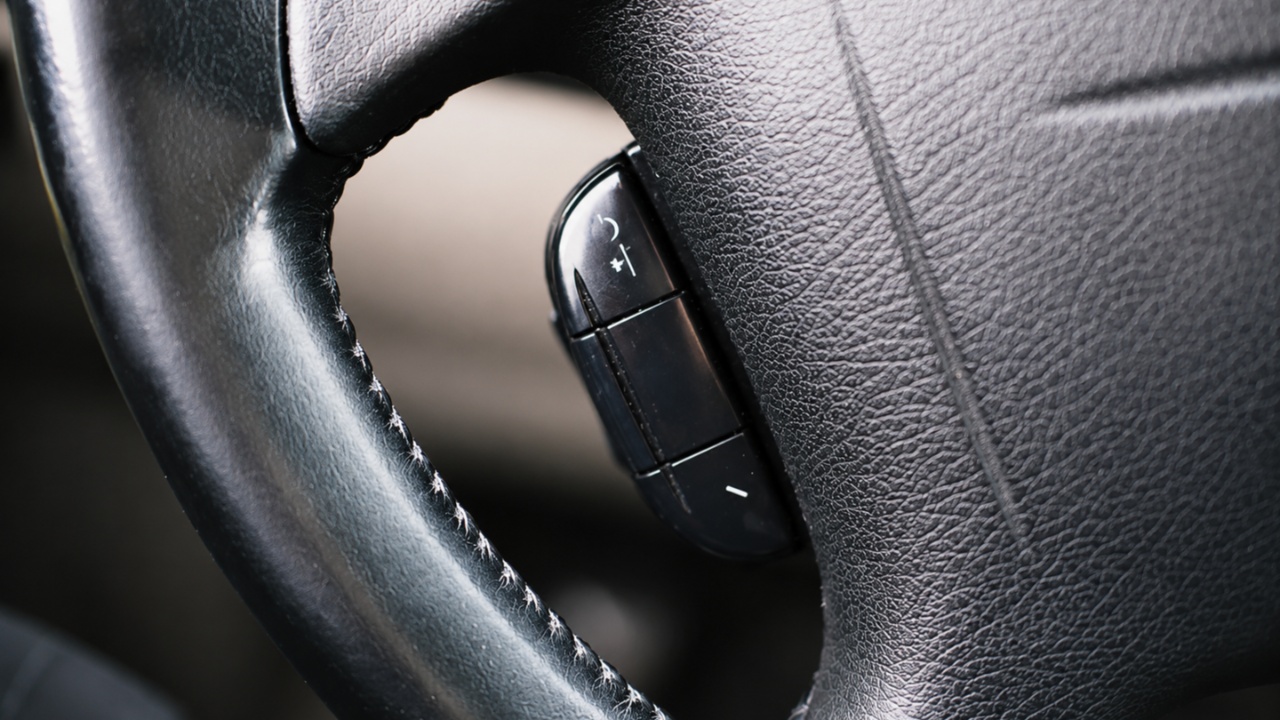
4. Hidden Climate Control Ventilation
BMW climate control systems are designed with more intelligence than many drivers realize, particularly when it comes to residual ventilation and post-engine shutdown airflow management. This hidden feature helps maintain cabin comfort even after the vehicle has been turned off.
Residual ventilation works by using remaining electrical energy to continue circulating air through the cabin for a short period. This can help reduce heat buildup in summer or prevent stale air from lingering inside the vehicle after parking. Although it does not operate at full air conditioning power, it still provides noticeable airflow that improves comfort.
This feature is particularly useful in situations where the driver needs to remain in the vehicle for a short time after parking. For example, waiting briefly in a parked car while finishing a phone call or reviewing navigation details becomes more comfortable due to continued air circulation.
In some BMW models, owners can also precondition the cabin before entering the vehicle. This means the climate system can begin cooling or heating the interior before the driver gets inside. When combined with remote app functionality, this feature becomes even more powerful, especially in extreme weather conditions.
Many drivers overlook this system because it is typically hidden within deeper climate or vehicle settings menus. It is not part of the standard controls used during everyday driving, so unless actively explored, it remains unnoticed.
The result is that many BMW owners never experience the full comfort potential of their climate system. Yet once discovered, it becomes one of the most appreciated convenience features, especially during seasonal temperature extremes.
Also Read: 10 Cars With the Strongest Stock Engines Sold Today
5. Customizable Driving Profiles
BMW driving profiles offer a highly advanced level of vehicle personalization that extends far beyond basic drive modes like comfort or sport. These profiles allow drivers to fine-tune multiple aspects of vehicle behavior to match specific driving preferences and conditions.
At a basic level, drivers can adjust steering weight, throttle response, suspension firmness, and transmission shift timing. However, the system often goes much deeper than this, allowing combinations of settings that create truly personalized driving experiences. For example, a driver might prefer sporty steering with comfort-oriented suspension for daily use.
One of the most powerful aspects of this feature is the ability to save multiple profiles. This means different driving styles can be assigned to different situations. A fuel-efficient profile may be used for long highway commutes, while a performance-focused profile can be reserved for spirited weekend driving.
In many BMW models, these profiles can also be linked to individual driver keys or user accounts. When a specific key or digital profile is detected, the car automatically loads the associated settings. This creates a seamless transition between drivers without manual adjustments.
Another often overlooked element is how these profiles interact with infotainment and navigation settings. Drivers can customize display layouts, audio preferences, and even shortcut configurations as part of their driving profile. This creates a fully integrated personalization system rather than just mechanical adjustments.
Despite its capabilities, many owners only use default driving modes and never explore deeper customization options. This means they miss out on one of the most powerful personalization systems available in modern vehicles, designed specifically to adapt the car to the driver rather than forcing the driver to adapt to the car.
6. Gesture Control Infotainment System
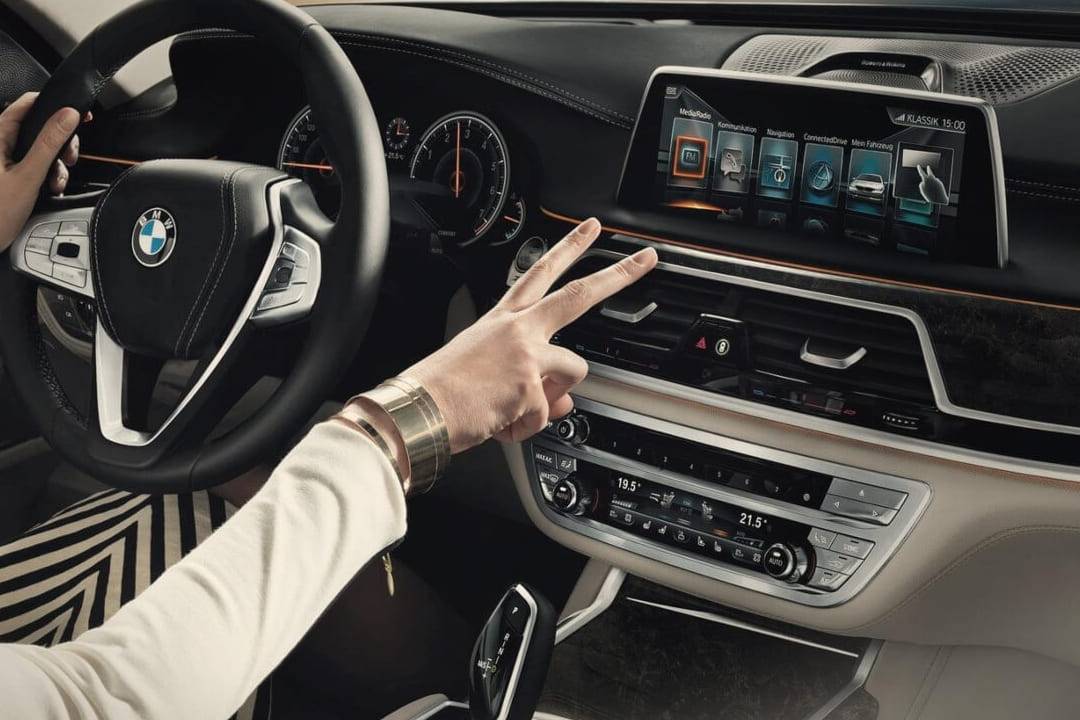
BMW’s gesture control system is one of the most overlooked advanced technologies in modern models, largely because many drivers either do not realize it exists or assume it is a gimmick. In reality, it is a fully functional interface that allows users to control key infotainment actions without touching the screen or physical buttons.
This system typically uses a small camera near the infotainment display to detect hand movements. Simple gestures can adjust volume, accept or reject phone calls, or switch between media tracks. For example, rotating a finger in the air may increase or decrease volume, while a swipe motion can skip songs or change audio sources.
One reason this feature remains hidden for many users is that it may not be activated by default in some models or markets. Even when enabled, drivers often forget it is available because traditional controls like steering wheel buttons are more familiar and easier to use without learning gestures.
However, in certain driving conditions, gesture control becomes surprisingly useful. When driving at night or in heavy traffic, minimizing distractions can improve safety. Instead of reaching for the touchscreen, drivers can adjust settings with a simple hand motion, keeping their focus on the road.
The system also reflects BMW’s broader push toward futuristic cabin interaction. While not essential for basic driving, it enhances the sense of technological sophistication and adds an extra layer of convenience once mastered.
Despite its usefulness, gesture control is often underutilized because it requires a short learning curve. Many owners try it once or twice and then forget about it, unaware of how much refinement has gone into making it responsive and accurate in newer models.
7. Hidden Digital Speed Display and HUD Customization
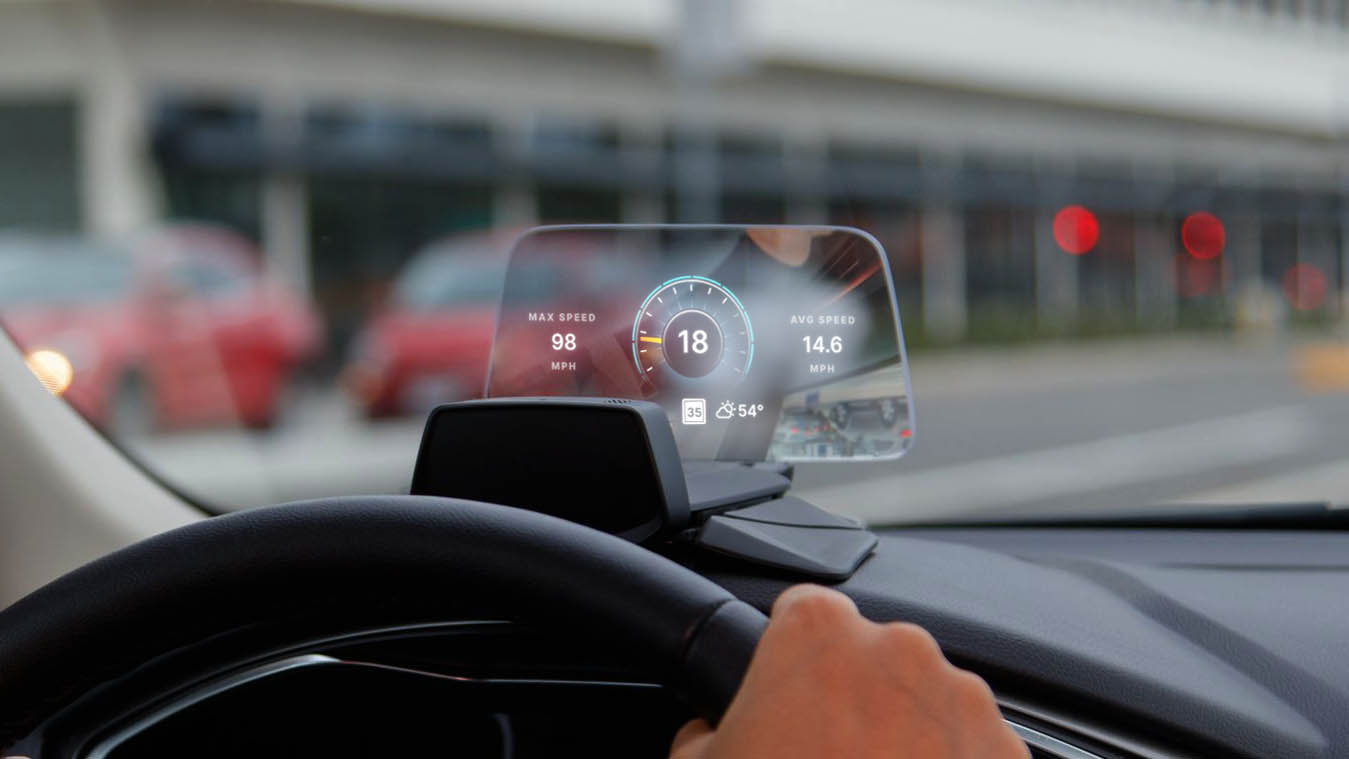
Many BMW models equipped with a digital instrument cluster or Head-Up Display include a range of customization options that go far beyond what most drivers initially configure. One commonly overlooked feature is the ability to display a precise digital speed readout in multiple locations simultaneously.
While most drivers rely on the traditional speedometer, BMW systems can show exact speed values in the instrument cluster and project them onto the windshield via the Head-Up Display. This improves visibility and helps maintain more consistent speed awareness without taking eyes off the road.
Beyond speed display, the customization options extend to navigation prompts, traffic information, lane guidance, and driver assistance alerts. Many of these settings can be individually toggled through the iDrive system, allowing drivers to tailor what information is shown and when.
Another hidden aspect is the ability to adjust layout themes. Depending on the model generation, drivers can switch between different visual styles such as sport-oriented layouts with prominent tachometer displays or more minimal designs focused on navigation and efficiency.
Most owners never explore these deeper configuration menus, sticking with factory defaults. As a result, they miss the opportunity to optimize the display for their personal driving style or daily commute needs.
The Head-Up Display itself can also be fine-tuned for brightness, height positioning, and content priority. These adjustments significantly improve readability in different lighting conditions, especially during long highway drives or night driving.
8. Parking Assistant Plus and Invisible Camera Views
BMW’s Parking Assistant Plus system is often misunderstood as just a standard parking sensor setup, but it actually includes multiple hidden viewing modes and automated capabilities that many drivers never fully explore.
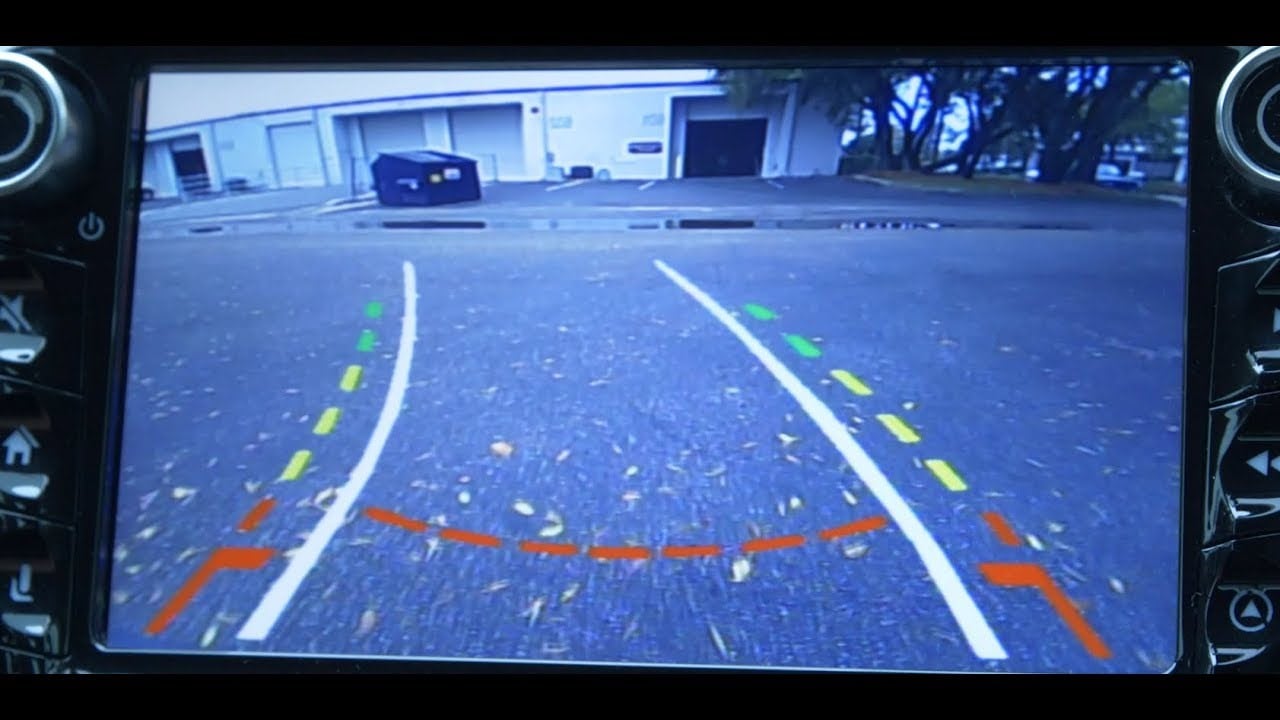
One of the most impressive features is the 360-degree surround view system. This combines multiple cameras placed around the vehicle to create a top-down digital representation of the car and its surroundings. This view helps eliminate blind spots when parking in tight spaces.
What many drivers do not realize is that the system also offers selectable individual camera angles. These can show front wheel positioning, curb proximity, or rear obstacle distances in more detail than the default display.
Another hidden capability is automatic parking assistance. In certain situations, the vehicle can identify suitable parallel or perpendicular parking spaces and take partial or full control of steering to guide the car into place.
Despite being highly advanced, many owners avoid using this feature because they do not fully trust automated parking systems. However, once understood, it can significantly reduce stress in crowded urban environments where parking spaces are limited.
Some BMW models also include a remote parking function through the key or smartphone app, allowing the vehicle to move slowly into or out of tight spaces without the driver inside. This is particularly useful in narrow garages or constrained parking layouts.
These features demonstrate BMW’s focus on combining precision engineering with real-world usability, even though many drivers only use basic parking sensors throughout their ownership experience.
9. BMW Digital Key and Smartphone Vehicle Access
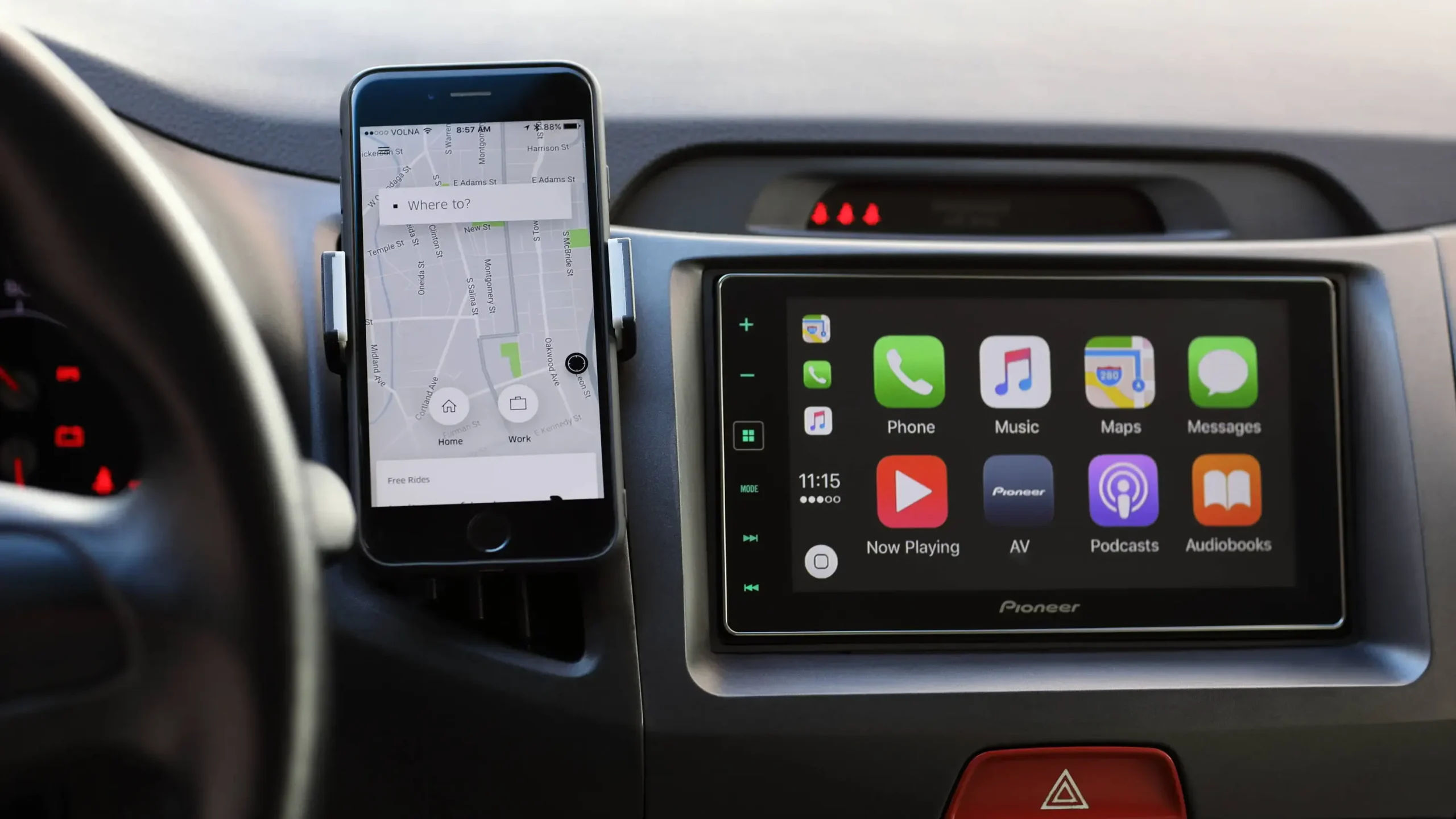
One of the most modern yet underused features in newer BMW models is the Digital Key system, which allows drivers to use their smartphone as a replacement for the physical key fob.
With compatible devices, the vehicle can be locked, unlocked, and even started using near field communication technology or digital authentication methods. This eliminates the need to carry a traditional key in many daily scenarios.
A major hidden benefit of this system is the ability to share digital access with other users. Owners can temporarily grant driving permission to family members or trusted individuals without physically handing over a key.
This feature is especially useful in households with multiple drivers. Access levels can often be controlled, allowing restrictions on speed or vehicle functions depending on the configuration supported by the model.
Many drivers are unaware that the Digital Key can also integrate with BMW mobile applications, providing remote monitoring capabilities such as fuel level checks, location tracking, and vehicle status updates.
Despite its convenience, adoption remains limited because some users prefer physical keys or are unaware that their vehicle supports the feature. In addition, setup may require initial configuration through dealership systems or compatible smartphone hardware.
As automotive technology continues evolving, digital access systems like this are becoming more common, positioning BMW at the forefront of connected vehicle innovation.
