
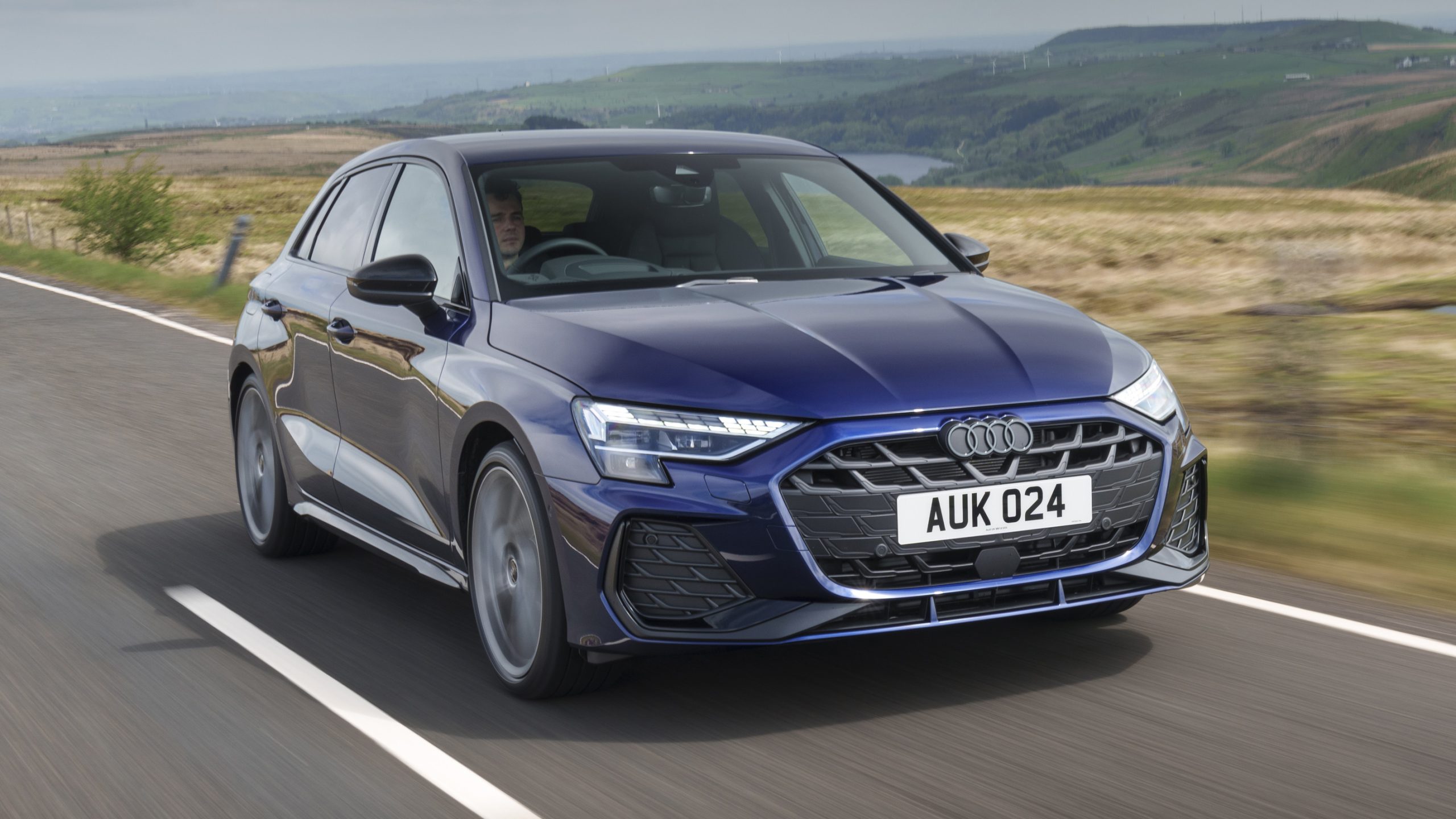
Audi has built its reputation on luxury, performance, advanced technology, and sophisticated design. For many buyers, the four-ring badge represents a step above mainstream transportation, offering a driving experience that feels more refined and engaging.
However, not every Audi model delivers the same value. While some vehicles fully justify their premium price tags through excellent engineering, comfort, and long-term satisfaction, others struggle with reliability concerns, high maintenance costs, or disappointing ownership experiences.
This difference becomes especially important in the luxury segment, where buyers expect more than attractive styling. Premium vehicle shoppers want strong performance, high-quality interiors, cutting-edge technology, and dependable ownership.
Certain Audi models excel in these areas and have earned loyal followings among drivers who appreciate their blend of luxury and capability.
At the same time, some Audi vehicles have proven harder to recommend. Whether due to costly repairs, aging technology, or stronger alternatives from competitors, these models often fail to provide the value buyers expect when spending premium money.
In this article, we examine both sides of Audi’s lineup. First, we highlight five Audi models that genuinely deserve their premium status because of their outstanding combination of luxury, performance, practicality, and engineering. Then we look at five Audi models that buyers may want to avoid due to notable weaknesses and ownership concerns.
Understanding which Audis stand out for the right reasons and which ones require caution can help shoppers make smarter decisions and enjoy a more rewarding ownership experience.
Also Read: 8 Small Cars That Outperform SUVs in IIHS Tests
5 Audi Models Worth the Premium
1. Audi A6
The Audi A6 has long represented one of the smartest purchases in the luxury sedan segment. While flagship models often attract attention through extravagant features and eye-catching prices, the A6 succeeds by delivering nearly everything buyers want from a premium sedan without venturing into excessive territory.
It is the kind of vehicle that quietly demonstrates Audi’s strengths every time it is driven. One reason the A6 earns a place on this list is its balance. Luxury sedans often lean heavily toward either comfort or sportiness, but the A6 manages to blend both characteristics effectively.
The suspension provides a composed ride over rough pavement while maintaining enough precision to make winding roads enjoyable. Drivers who spend long hours commuting frequently appreciate this combination because it reduces fatigue without feeling disconnected from the road.
The interior is another major reason for its inclusion. Audi has consistently been praised for cabin design, and the A6 showcases this expertise exceptionally well.
Materials feel expensive, controls operate with precision, and the full layout creates a sense of sophistication. Rather than overwhelming occupants with unnecessary complexity, the cabin emphasizes usability alongside luxury.
Technology integration further strengthens the A6’s appeal. Modern luxury buyers expect advanced digital displays, connectivity features, and driver assistance systems. The A6 delivers these elements in a manner that feels polished and intuitive. Features enhance the ownership experience rather than serving as distractions.
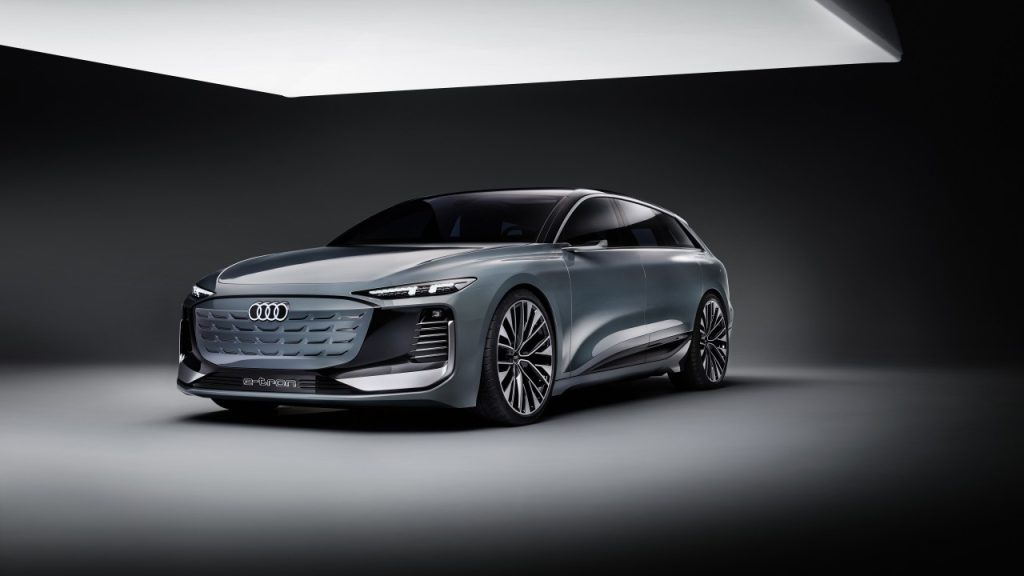
Business professionals and families alike often gravitate toward the A6 because of its practicality. Rear seat space is generous, cargo capacity is useful, and the vehicle remains comfortable during extended journeys. It serves multiple purposes without compromise.
What truly justifies the premium price is the feeling of completeness. The A6 may not be Audi’s most powerful model or its most expensive offering, but it consistently delivers excellence across numerous categories. That ability to satisfy a wide range of needs makes it one of the strongest luxury sedan choices available.
Specifications
- Engine: 3.0L Turbocharged V6
- Torque: 500 Nm
- Horsepower: 335 hp
- Length/Width: 4939 mm / 1886 mm
2. Audi Q7
Luxury SUVs face a difficult challenge because they must combine comfort, practicality, technology, and performance within a single package. The Audi Q7 succeeds in this mission better than many competitors, which is why it deserves recognition as one of the Audi models truly worth its premium pricing.
Unlike smaller luxury SUVs that prioritize appearance over usability, the Q7 focuses on delivering genuine versatility. Families often require seating flexibility, cargo capacity, and long-distance comfort, and the Q7 addresses these needs exceptionally well.
The available third row increases passenger capacity while still maintaining the upscale atmosphere expected from a luxury vehicle.
One aspect that stands out immediately is ride quality. Large SUVs can sometimes feel cumbersome, but the Q7 moves with impressive composure.
Highway travel becomes remarkably relaxing thanks to excellent noise isolation and a suspension system that smooths out imperfections without feeling overly soft. Passengers benefit just as much as the driver, making the vehicle ideal for road trips and daily family duties.
Audi’s attention to interior craftsmanship is evident throughout the cabin. Soft-touch materials, elegant design details, and high-quality construction create an environment that feels worthy of its premium positioning. Every major touchpoint reflects the level of refinement buyers expect when spending luxury SUV money.
Performance also contributes significantly to the Q7’s appeal. Despite its size, acceleration is confident, and handling remains surprisingly controlled. The available all-wheel drive system adds confidence during poor weather conditions while preserving stability during spirited driving.
Another reason this model deserves praise is how well it ages compared with many competitors. The design remains attractive years after purchase, and the blend of luxury and practicality helps maintain its relevance in a rapidly changing market.
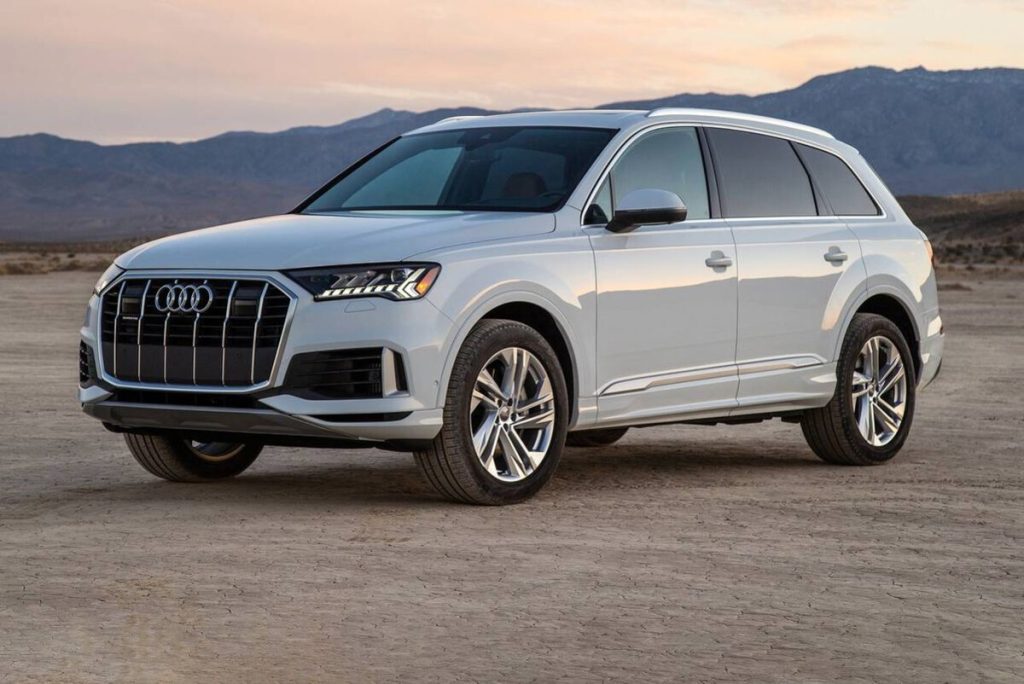
Many luxury SUVs excel in one area while compromising another. The Q7 distinguishes itself by delivering a comprehensive package that serves families, professionals, and long-distance travelers equally well. That versatility makes it one of the most convincing examples of why some Audi models deserve their premium status.
Specifications
- Engine: 3.0L Turbocharged V6
- Torque: 500 Nm
- Horsepower: 335 hp
- Length/Width: 5064 mm / 1970 mm
3. Audi RS6 Avant
Performance vehicles often force buyers to make a choice between practicality and excitement. The Audi RS6 Avant refuses to accept that compromise.
It is one of the rare vehicles capable of carrying a family, luggage, and everyday necessities while simultaneously delivering performance levels that rival dedicated sports cars. That unique combination is the primary reason it deserves a place among Audi models worth the premium.
Imagine a vehicle that can comfortably handle a morning school run and later accelerate with the urgency expected from a high-performance machine. The RS6 Avant accomplishes exactly that. Audi transformed the practical wagon formula into something extraordinary by combining everyday usability with engineering designed for serious enthusiasts.
The heart of the RS6 Avant is its powerful twin-turbocharged V8 engine. The vehicle delivers explosive acceleration, yet the power arrives with remarkable smoothness. Unlike some high-performance cars that feel demanding during normal driving, the RS6 remains civilized when used as a daily commuter. This dual personality is one of its most impressive qualities.
Its appearance also contributes to its appeal. Rather than relying on excessive styling tricks, the RS6 Avant communicates its capability through muscular proportions, wider bodywork, and subtle performance details. People who appreciate automotive design often admire the vehicle because it looks purposeful rather than flashy.
The interior follows a similar philosophy. Drivers are surrounded by premium materials, supportive seats, and advanced technology. Every journey feels special regardless of distance. Whether tackling a winding mountain road or spending hours on a highway, the cabin provides an environment that combines comfort with performance-focused intent.
Practicality remains a major strength. The cargo area can accommodate luggage, sports equipment, and family necessities with ease. This flexibility makes the RS6 Avant appealing to buyers who need a versatile vehicle but refuse to sacrifice driving enjoyment.
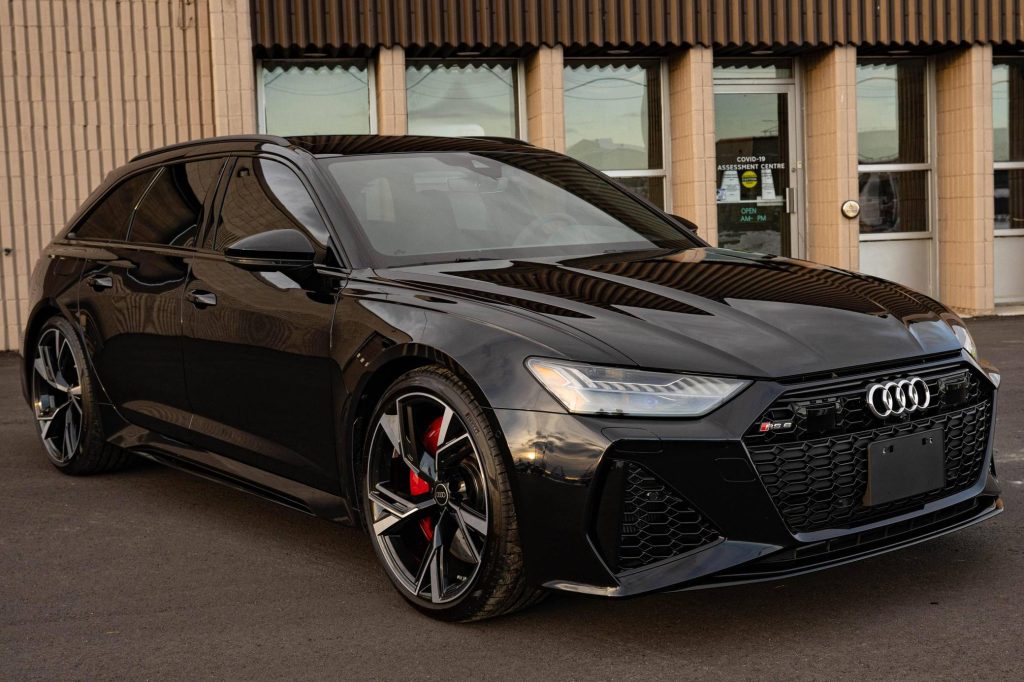
Very few automobiles successfully blend luxury, practicality, and supercar-level performance. The RS6 Avant achieves this balance in a way that feels natural rather than forced.
It represents the kind of engineering achievement that justifies a premium price because there are very few alternatives capable of delivering the same experience.
Specifications
- Engine: 4.0L Twin Turbocharged V8
- Torque: 800 Nm
- Horsepower: 621 hp
- Length/Width: 4995 mm / 1951 mm
4. Audi TT RS
Some vehicles earn recognition because they excel at transporting families. Others succeed because they prioritize comfort and luxury. The Audi TT RS belongs to a different category entirely. This is a machine built for drivers who value engagement, precision, and excitement every time they turn the key.
The first thing that separates the TT RS from many modern performance cars is its character. In an automotive world increasingly dominated by turbocharged four-cylinder engines, the TT RS stands apart thanks to its distinctive five-cylinder powerplant.
The engine delivers a sound that enthusiasts instantly recognize and appreciate. It creates an emotional connection that many competitors struggle to replicate.
Driving enjoyment sits at the center of the TT RS experience. The compact dimensions make the vehicle feel agile and responsive. Quick steering inputs are met with immediate reactions, creating confidence on twisty roads and race tracks alike. Drivers become active participants in the experience rather than passive occupants.
Another reason this model earns its place on this list is its ability to blend performance with premium craftsmanship. High-performance cars sometimes sacrifice refinement in pursuit of speed, but Audi ensured that the TT RS retained the quality expected from a luxury brand.
Materials, controls, and technology all contribute to an environment that feels sophisticated despite the vehicle’s sporting mission.
Design also plays a significant role in its appeal. The TT’s shape has remained recognizable for decades because Audi understood the importance of timeless styling. The TT RS enhances that formula with aggressive details that communicate performance without abandoning elegance.
Unlike larger performance vehicles that rely on sheer power, the TT RS emphasizes precision. Every component feels engineered with purpose. Braking, cornering, acceleration, and driver feedback work together to create a cohesive experience that rewards enthusiastic driving.
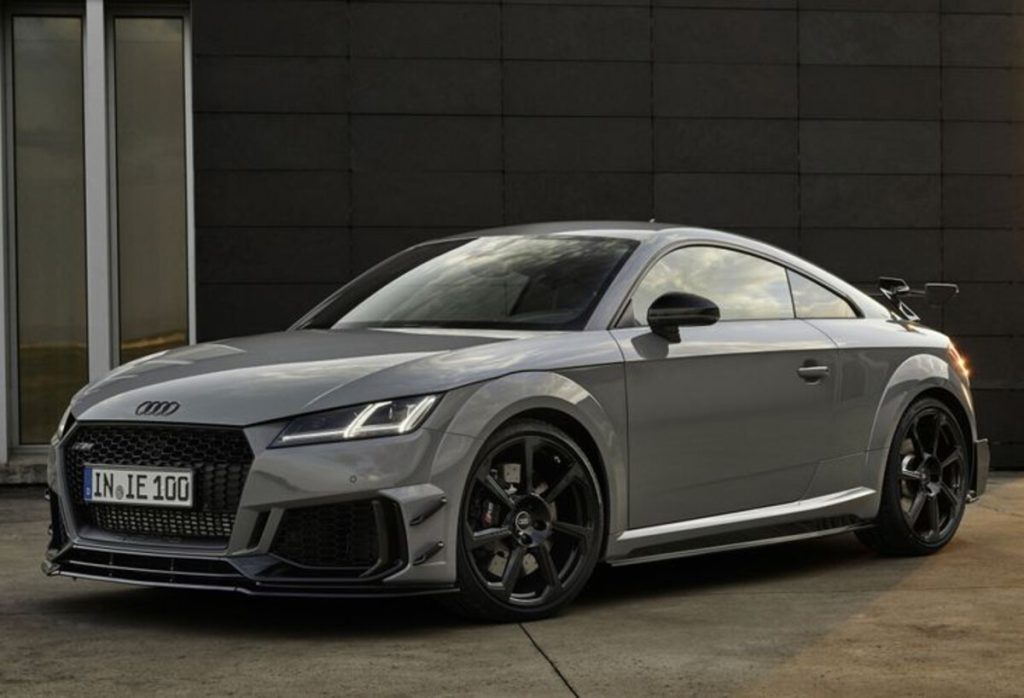
The TT RS may not be the most practical Audi ever produced, but practicality is not the reason people buy it. They choose it because it delivers a memorable driving experience every time the road becomes interesting. For enthusiasts seeking a premium sports car with genuine personality, few options are as compelling.
Specifications
- Engine: 2.5L Turbocharged Inline 5 Cylinder
- Torque: 480 Nm
- Horsepower: 394 hp
- Length/Width: 4201 mm / 1832 mm
5. Audi e-tron GT
The transition toward electric vehicles has created a difficult challenge for luxury manufacturers. Building an EV is one thing. Creating an electric vehicle that still feels special enough to justify a premium price is something entirely different.
Audi answered that challenge with the e-tron GT, a model that demonstrates how electrification and luxury can work together without sacrificing excitement.
Rather than treating electric power as merely an efficiency solution, Audi approached the e-tron GT as a grand touring machine designed to provide performance, comfort, and visual appeal in equal measure. The result is one of the most impressive electric vehicles the company has ever produced.
One of the strongest arguments in favor of the e-tron GT is its design. Many electric vehicles prioritize aerodynamics to such an extent that they lose emotional appeal.
The e-tron GT manages to look sleek, athletic, and elegant while still achieving the efficiency targets expected from a modern EV. Even years after its introduction, it remains one of the most attractive electric sedans on the market.
Acceleration is another area where the vehicle excels. Electric power delivers immediate torque, and the e-tron GT uses that characteristic to produce breathtaking performance. Yet speed is only part of the story.
Audi also focused on ride quality, ensuring the car remains comfortable during long journeys. This combination of comfort and performance is exactly what buyers expect from a luxury grand tourer.
The interior further reinforces its premium status. High-quality materials, advanced digital displays, and thoughtful design create a cabin that feels futuristic without becoming overwhelming. Every detail contributes to an environment that feels worthy of its price point.
Technology integration deserves recognition as well. From driver assistance systems to battery management features, the vehicle showcases Audi’s commitment to innovation. Owners benefit from technology that enhances convenience while maintaining the driving experience Audi customers value.
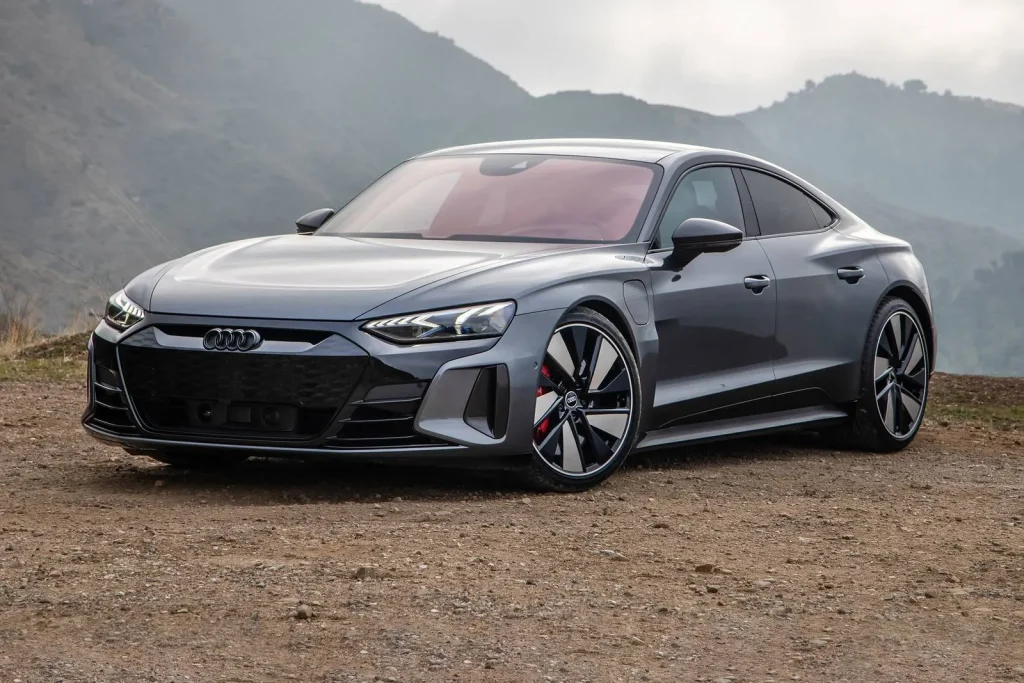
The e-tron GT proves that electric vehicles can still deliver emotion, luxury, and excitement. It successfully combines cutting-edge technology with traditional Audi strengths, making it one of the few electric luxury cars that genuinely feels worth its premium positioning.
Specifications
- Engine: Dual Electric Motors
- Torque: 830 Nm
- Horsepower: 522 hp
- Length/Width: 4989 mm / 1964 mm
5 Audi Models To Avoid
1. Audi A8 (Early D3 Generation)
Luxury flagships are supposed to showcase the very best a manufacturer can offer. The early D3 generation Audi A8 certainly attempted to do that, introducing advanced technology, sophisticated suspension systems, and a luxurious interior that impressed buyers when new. Unfortunately, many of those innovations became sources of frustration as the vehicles aged.
One of the biggest concerns surrounding the early A8 is complexity. Luxury flagships often feature cutting-edge systems that eventually become expensive to maintain.
The A8 embraced this philosophy wholeheartedly, packing numerous electronic systems into the vehicle. While impressive during its showroom years, those components have proven costly when failures occur.
Air suspension issues are frequently cited by owners and independent repair specialists. The system delivers an excellent ride when functioning properly, but repairs can become expensive. Components such as compressors, sensors, and suspension parts may require attention as mileage increases, creating ownership costs that quickly exceed expectations.
Electronic reliability is another concern. Advanced luxury features were a major selling point, yet aging electronics can create a variety of problems. Diagnosing and repairing these issues often requires specialized knowledge and equipment, increasing maintenance expenses.
Depreciation also works against the A8. Many examples can be purchased at surprisingly affordable prices today, which may tempt used car buyers. However, the low purchase price can create a false sense of value because maintenance costs remain consistent with a vehicle that originally occupied the top of Audi’s lineup.
The cabin remains impressive, and the vehicle still provides a refined driving experience. Yet luxury shoppers considering a used example must understand the financial commitment involved. Repair bills can accumulate quickly, especially when multiple systems require attention simultaneously.
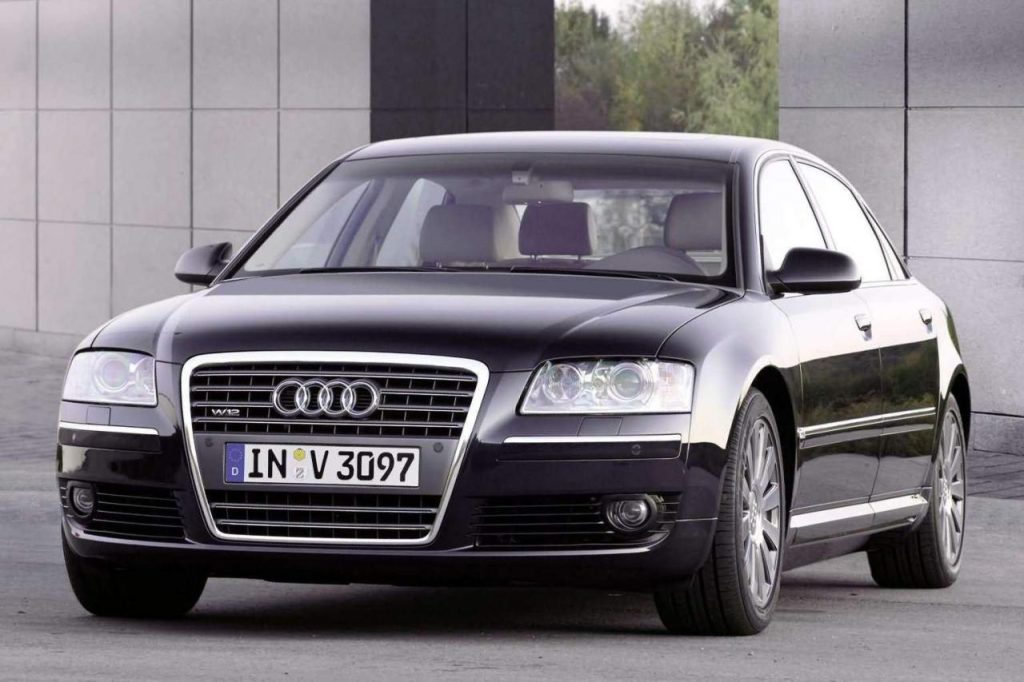
The early A8 demonstrates that technological sophistication can be both a strength and a weakness. While it showcased Audi’s engineering capabilities, it also introduced complexities that make ownership more challenging than many buyers anticipate.
Specifications
- Engine: 4.2L V8
- Torque: 430 Nm
- Horsepower: 335 hp
- Length/Width: 5062 mm / 1894 mm
2. Audi Q5 2.0T (First Generation)
Popularity does not always guarantee perfection. The first-generation Audi Q5 became one of the brand’s best-selling SUVs thanks to its attractive styling, comfortable interior, and practical dimensions. Despite these strengths, certain versions developed a reputation for mechanical issues that continue to concern used vehicle buyers.
The primary reason for caution involves the early 2.0-liter turbocharged engine. Some examples became known for excessive oil consumption, a problem that frustrated owners and occasionally led to expensive repairs. While not every vehicle experienced this issue, it occurred frequently enough to affect the model’s reputation.
Timing chain tensioner problems also became a concern for some owners. If left unaddressed, these issues could lead to serious engine damage. Preventive maintenance and timely repairs help reduce risk, but they add to the full ownership expense.
Another challenge stems from the reality of luxury vehicle maintenance. The Q5 may have entered the market as a compact luxury SUV, but repair costs often reflect its premium positioning. Parts, labor, and diagnostic procedures generally cost more than those associated with mainstream alternatives.
Inside, the Q5 remains an appealing place to spend time. Audi’s attention to design and material quality helped the vehicle stand out when new, and many examples still feel upscale today. The driving experience is comfortable, refined, and suitable for daily use.
The issue is not that the Q5 lacks strengths. Rather, it is that buyers must carefully verify maintenance history and vehicle condition before making a purchase. A well-maintained example can provide satisfying ownership, but neglected vehicles have the potential to generate significant expenses.
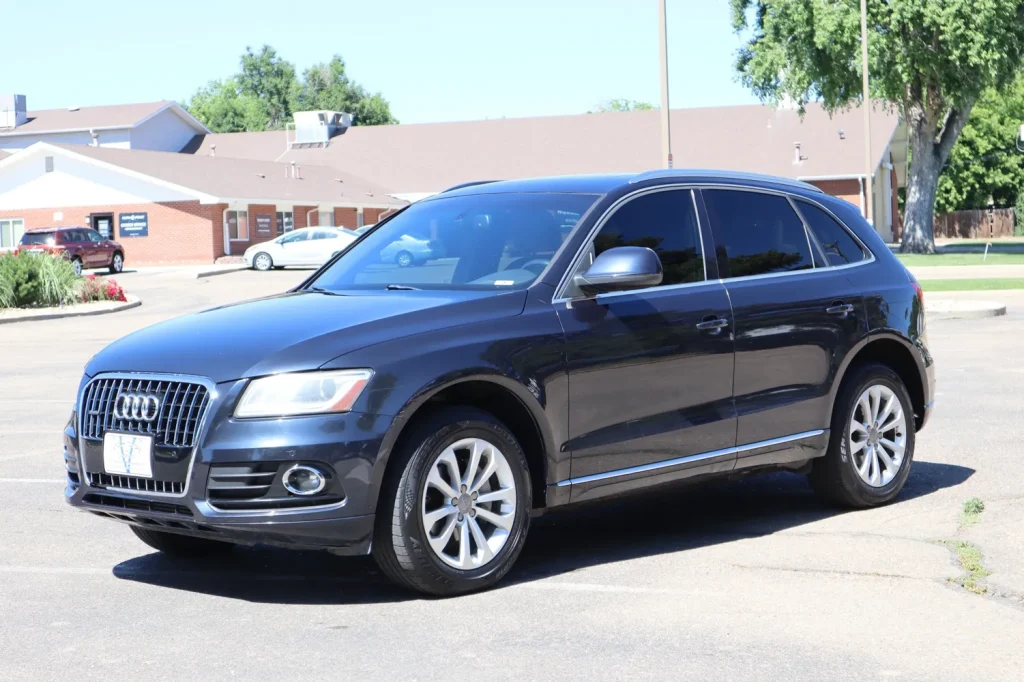
For shoppers seeking a used luxury SUV, there are often safer choices within Audi’s own lineup or among competing brands. The first-generation Q5’s known engine concerns make it a model that deserves scrutiny before any purchase decision.
Specifications
- Engine: 2.0L Turbocharged Inline 4
- Torque: 350 Nm
- Horsepower: 220 hp
- Length/Width: 4629 mm / 1898 mm
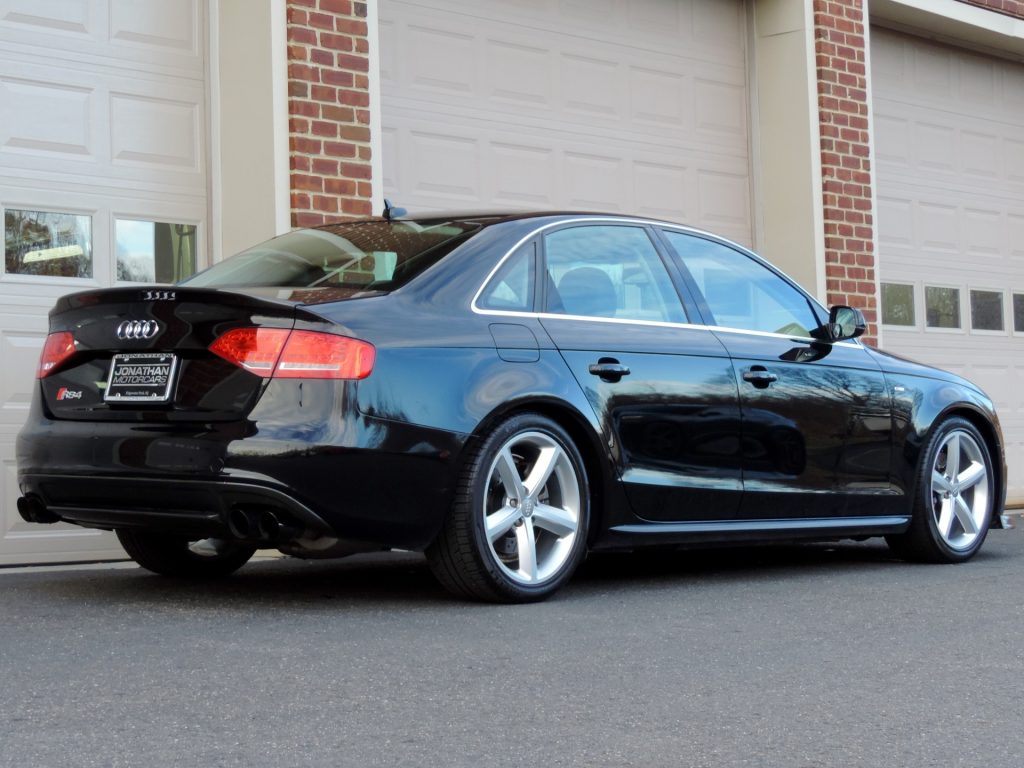
3. Audi A4 2.0T (B8 Generation)
The Audi A4 has traditionally been one of the brand’s most important vehicles. It serves as an entry point into the luxury sedan market and has often been praised for its refined cabin, comfortable ride, and sophisticated styling.
However, not every version of the A4 deserves the same level of praise. The B8 generation, equipped with the early 2.0-liter turbocharged engine, developed several issues that make it a model buyers should approach carefully.
At first glance, the A4 appears to be an excellent used luxury car. It offers an elegant design that has aged gracefully, a premium interior filled with quality materials, and driving manners that balance comfort with responsiveness. These strengths helped it attract a large customer base when new and continue to make it appealing in the used market.
The biggest concern revolves around engine reliability. Many owners reported excessive oil consumption, sometimes requiring frequent top-offs between service intervals. In severe cases, repairs involved expensive internal engine work. For a luxury sedan expected to deliver worry-free ownership, this issue became a major disappointment.
Timing chain tensioner failures also damaged the model’s reputation. If the problem was ignored, it could result in catastrophic engine damage and extremely costly repairs. While some vehicles received updates or repairs, buyers considering a used example must verify service history carefully.
Maintenance costs represent another factor. Luxury vehicles naturally cost more to maintain than mainstream alternatives, but unexpected engine-related repairs can quickly turn an affordable used purchase into a financial burden.
The cabin remains one of the car’s strongest qualities. Comfortable seating, solid construction, and an upscale atmosphere continue to impress even years after production. Unfortunately, a pleasant interior cannot completely offset concerns about long-term reliability.
For shoppers who find an exceptionally well-maintained example with documented repairs, ownership can be rewarding.
However, the risk associated with common engine problems means there are stronger Audi options available. That is why the B8 A4 2.0T earns a place among Audi models that buyers should approach with caution.
Specifications
- Engine: 2.0L Turbocharged Inline 4
- Torque: 350 Nm
- Horsepower: 211 hp
- Length/Width: 4703 mm / 1826 mm
4. Audi Allroad (Early C5 Generation)
The Audi Allroad was an ambitious vehicle that attempted to combine the comfort of a luxury wagon with the capability of an SUV. On paper, the formula sounded excellent.
Buyers received all-wheel drive traction, increased ground clearance, and the practicality of a wagon body. Unfortunately, the early C5-generation Allroad became known for reliability concerns that often overshadowed its strengths.
One of the most significant issues involves the air suspension system. When functioning properly, it provides a comfortable ride and adjustable ride height that allows the vehicle to adapt to different conditions.
As the vehicle ages, however, components such as air springs, compressors, and sensors can fail. Repairs are often expensive, and recurring issues are not uncommon.
The available twin-turbocharged V6 engine delivered impressive performance for its time, but it also introduced complexity. Turbocharger-related repairs and maintenance costs can become substantial as mileage increases. Owners who neglect routine maintenance frequently face even larger expenses later.
Despite these concerns, the Allroad possesses undeniable charm. The wagon body style offers excellent cargo capacity while maintaining a lower center of gravity than a traditional SUV. Many enthusiasts appreciate its distinctive character and versatility.
The problem is that ownership often requires significant dedication. Prospective buyers must be prepared for higher maintenance expenses than they might expect from a similarly priced used vehicle. A low purchase price can be misleading because repair costs often remain consistent with the vehicle’s original luxury positioning.
Interior quality remains impressive for its age, and the vehicle still feels special compared with many mainstream alternatives. Yet the combination of suspension complexity and potential mechanical expenses makes it difficult to recommend to the average buyer.
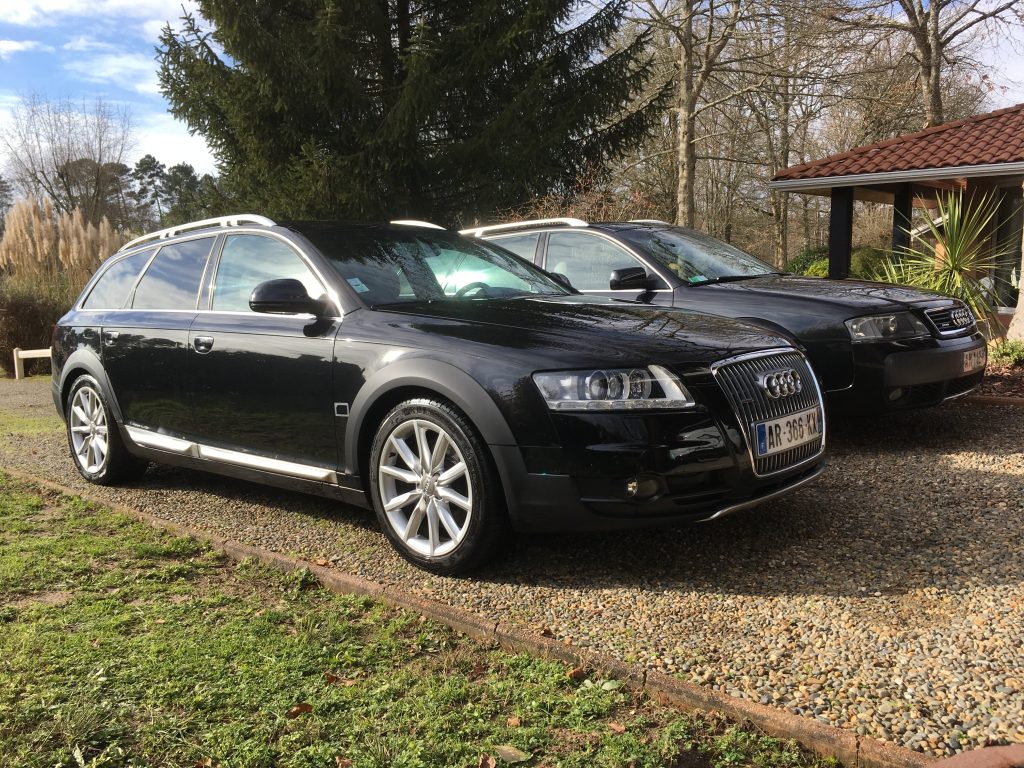
Enthusiasts willing to invest time and money may find the Allroad rewarding. For most consumers seeking dependable transportation, however, there are more practical choices available. The vehicle’s unique concept deserves admiration, but its ownership demands place it firmly among Audi models that require careful consideration.
Specifications
- Engine: 2.7L Twin Turbocharged V6
- Torque: 350 Nm
- Horsepower: 250 hp
- Length/Width: 4826 mm / 1854 mm
5. Audi S6 (V10 Generation)
Performance luxury sedans occupy a special niche because they combine everyday usability with serious power. The V10-powered Audi S6 certainly delivered impressive performance credentials when it was introduced.
Sharing engineering influences with some of the most exciting vehicles of its era, the S6 appeared to offer a compelling blend of luxury and speed. Unfortunately, long-term ownership can be far more challenging than the initial driving experience suggests.
The centerpiece of the vehicle is its naturally aspirated 5.2-liter V10 engine. This powerplant produces a distinctive sound and delivers smooth, effortless acceleration. For enthusiasts, the engine alone is enough to make the car memorable. However, that same engine also contributes significantly to ownership costs.
Maintenance and repairs can become extremely expensive. The complexity of the V10 means labor-intensive procedures are often required even for routine service tasks. Parts availability and specialized expertise further increase costs, especially as the vehicle continues to age.
Fuel consumption is another factor buyers must consider. High-performance engines rarely prioritize efficiency, and the S6 is no exception. Owners frequently face substantial fuel expenses, particularly when the vehicle is driven enthusiastically.
Beyond the engine, the vehicle contains numerous sophisticated electronic systems that can become problematic over time. Diagnosing and repairing these components often requires specialized equipment and experienced technicians, adding another layer of expense.
What makes the S6 particularly tempting is how affordable many used examples have become. Luxury performance sedans often depreciate rapidly, creating the illusion of exceptional value.
Buyers see a powerful V10 luxury sedan available for a fraction of its original price and assume they have found a bargain. Unfortunately, maintenance costs rarely depreciate at the same rate.
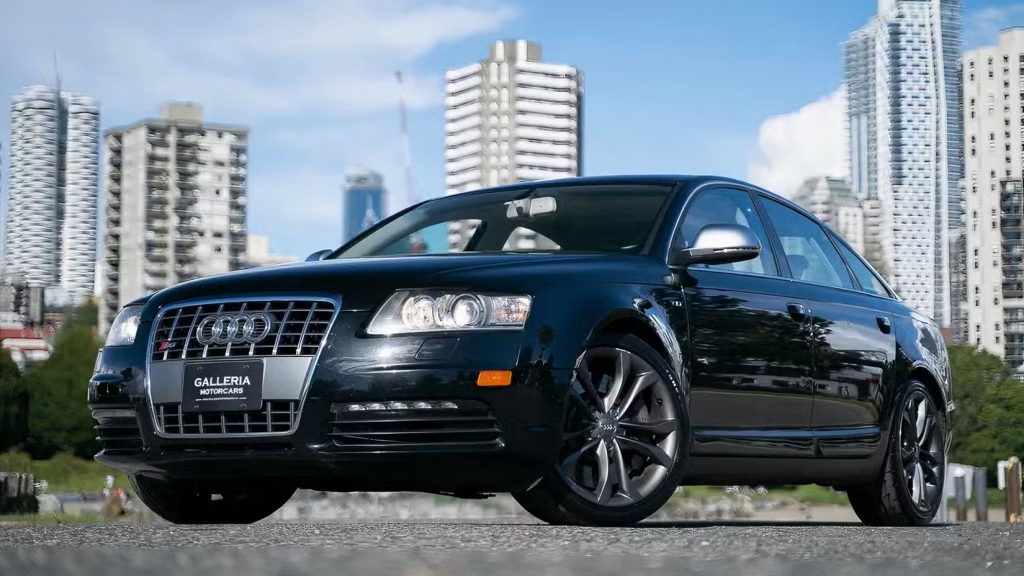
The S6 remains an impressive engineering achievement and a thrilling vehicle to drive. Yet excitement alone cannot outweigh the financial realities of ownership. Unless a buyer is fully prepared for the associated costs, this generation of S6 is better admired from a distance than purchased as a daily driver.
Specifications
- Engine: 5.2L Naturally Aspirated V10
- Torque: 540 Nm
- Horsepower: 435 hp
- Length/Width: 4928 mm / 1855 mm
Also Read: 9 Hidden Features in Kia Models Owners Never Discover
