
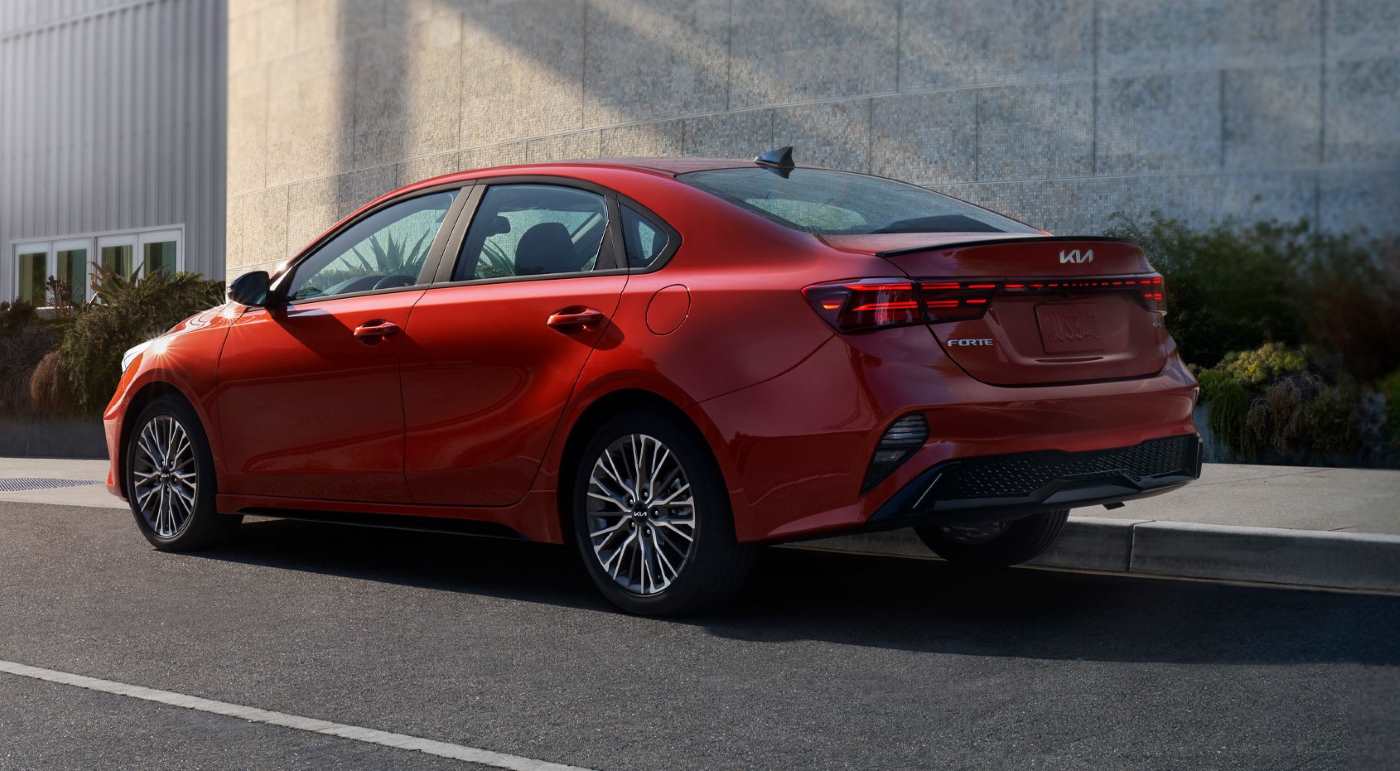
For many years, SUVs have been marketed as the safest vehicles on the road. Their higher seating position, larger dimensions, and heavier curb weights often create the impression that they automatically provide superior protection during a collision.
While size can offer certain advantages, modern crash testing has shown that vehicle safety depends on much more than weight and ride height. Structural engineering, occupant protection systems, crash energy management, and advanced safety technology frequently play a greater role in determining how well a vehicle protects its passengers.
This reality becomes especially clear when examining results from the Insurance Institute for Highway Safety, commonly known as the IIHS. The organization conducts some of the toughest crash evaluations in the automotive industry, including small overlap frontal crashes, side impact tests, roof strength assessments, and pedestrian safety evaluations.
Vehicles that perform exceptionally well earn Top Safety Pick or Top Safety Pick+ recognition, achievements that manufacturers proudly promote.
What surprises many consumers is that numerous compact cars and small sedans consistently outperform larger SUVs in these demanding tests. Engineers designing smaller vehicles have made remarkable progress during the past decade.
Strong passenger safety cages, strategically placed crumple zones, advanced airbag systems, and sophisticated driver assistance technologies have helped many compact cars achieve outstanding crash protection ratings.
In some cases, these small cars score better than certain crossovers and SUVs that cost significantly more. They demonstrate that excellent safety is not limited to larger vehicles and that buyers do not necessarily need an SUV to obtain top-tier occupant protection.
The following eight small cars have distinguished themselves through exceptional IIHS performance. Each has earned praise for crashworthiness, safety technology, or both.
Their results prove that a well-engineered compact vehicle can match or even surpass larger competitors when subjected to some of the most rigorous safety testing in the automotive industry.
Also Read: 9 Hidden Features in Kia Models Owners Never Discover
1. Honda Civic
The Honda Civic has long been recognized as one of the benchmark compact cars in the automotive world. Buyers often choose it because of its fuel efficiency, reliability, practicality, and strong resale value.
However, one of its most impressive qualities receives less attention than it deserves. The Civic has consistently ranked among the safest vehicles in its class and has repeatedly delivered outstanding results in IIHS evaluations.
A key reason for the Civic’s success lies in Honda’s approach to structural engineering. Modern versions utilize the company’s Advanced Compatibility Engineering architecture, a design philosophy intended to distribute crash forces more effectively during collisions.
Instead of concentrating impact energy in a single area, the structure helps redirect forces away from occupants and toward designated crumple zones.
The IIHS has subjected the Civic to a wide range of challenging tests, including the notoriously difficult small overlap frontal crash. This evaluation simulates situations where only a small portion of the front end strikes an object such as a tree, utility pole, or another vehicle.
Many vehicles struggled with this test when it was first introduced, yet the Civic demonstrated impressive occupant protection and maintained passenger compartment integrity.
Another area where the Civic excels is side impact protection. Updated IIHS side crash standards are significantly more demanding than earlier tests because they replicate collisions involving larger and heavier vehicles.
The Civic’s strong performance indicates that Honda engineered the structure to withstand severe impacts while minimizing injury risk to occupants.
Safety technology further strengthens its standing. Many Civic models include Honda Sensing as standard equipment. Features such as automatic emergency braking, lane keeping assistance, adaptive cruise control, and forward collision warning help drivers avoid accidents before they occur.
An additional advantage comes from the vehicle’s balanced design. Some compact cars focus heavily on affordability and sacrifice refinement. The Civic manages to deliver a comfortable ride, predictable handling, and a substantial list of safety features without compromising practicality.
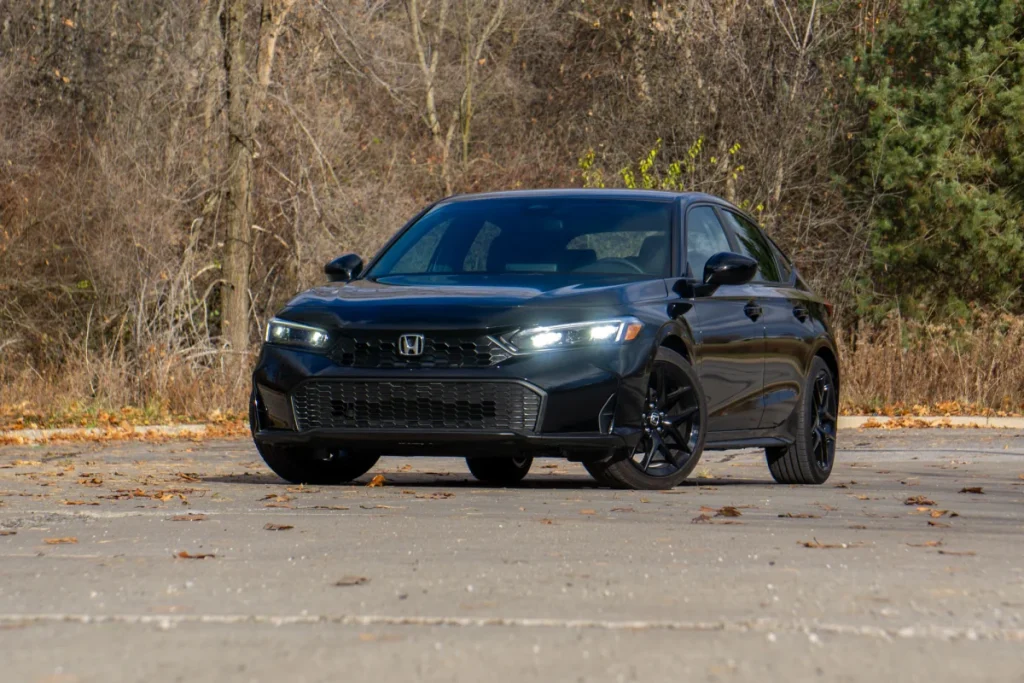
Consumers often assume an SUV automatically provides better protection because of its larger size. The Civic challenges that assumption by earning crash test results that rival or exceed many crossovers. Its combination of crashworthiness and accident avoidance technology makes it one of the strongest safety performers in the small car segment.
For drivers seeking maximum protection without moving into a larger vehicle class, the Honda Civic remains one of the most convincing examples of how modern engineering can produce exceptional safety in a compact package.
Specifications
- Engine: 2.0L Inline 4 or 1.5L Turbo Inline 4
- Torque: Up to 192 lb ft
- Horsepower: Up to 200 hp
- Length/Width: 184.0 in / 70.9 in
2. Mazda3
Safety discussions often focus on crash test numbers, but the Mazda3 stands out because it combines impressive IIHS performance with a level of driver engagement rarely found in the compact segment.
Mazda has spent years refining its engineering philosophy, emphasizing both active and passive safety. The result is a small car that consistently earns recognition among the safest vehicles available.
Rather than relying solely on electronic systems, Mazda begins with a strong structural foundation. The company’s Skyactiv Vehicle Architecture was developed to improve occupant protection while enhancing ride quality and driving dynamics.
High-strength steel is strategically incorporated throughout the body structure to maintain cabin integrity during severe impacts.
When IIHS evaluations are reviewed, the Mazda3 repeatedly demonstrates strong performance across multiple categories. Frontal crash tests, side impact assessments, and roof strength evaluations have highlighted the vehicle’s ability to protect occupants during a variety of collision scenarios.
Maintaining survival space inside the passenger compartment is critical in these situations, and the Mazda3 performs exceptionally well.
One feature that distinguishes the car is its attention to accident prevention. Mazda engineers place considerable emphasis on visibility, steering precision, and predictable vehicle responses.
While these characteristics are sometimes discussed as driving attributes, they also contribute directly to safety because they help drivers maintain control and react effectively to unexpected situations.
Advanced safety technology further enhances the package. Depending on trim level, buyers can access systems such as blind spot monitoring, rear cross traffic alert, adaptive cruise control, lane departure warning, and automatic emergency braking. These features work together to reduce the likelihood of collisions occurring in the first place.
The Mazda3’s premium approach also deserves mention. Unlike some compact cars that feel designed primarily around cost reduction, the Mazda3 presents a more upscale experience. Interior materials, cabin insulation, and full refinement create an environment that feels closer to an entry-level luxury vehicle than a traditional economy car.
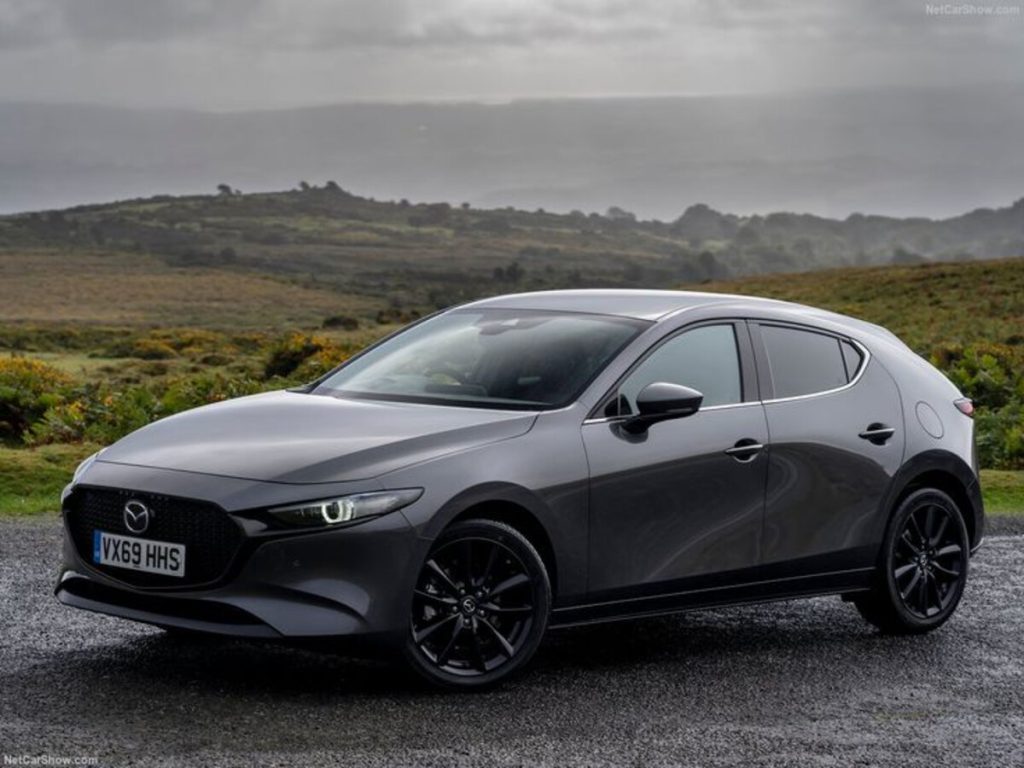
Its crash test achievements become even more impressive when compared with certain larger SUVs that fail to match the same level of IIHS recognition. Size alone cannot compensate for superior engineering, and the Mazda3 serves as evidence of that fact.
For shoppers who value safety but still want an enjoyable driving experience, the Mazda3 occupies a unique position. It delivers outstanding crash protection, advanced driver assistance systems, and premium refinement while remaining firmly within the compact car category.
Specifications
- Engine: 2.5L Inline 4
- Torque: Up to 320 lb-ft
- Horsepower: Up to 250 hp
- Length/Width: 183.5 in / 70.7 in
3. Hyundai Elantra
Not every vehicle earns attention through dramatic styling or headline-grabbing performance numbers. The Hyundai Elantra’s reputation has been built through steady improvement across multiple generations, and safety has become one of its strongest selling points.
Modern versions of the compact sedan demonstrate how far Hyundai has progressed in vehicle engineering, particularly when examined through the lens of IIHS crash testing.
One of the most impressive aspects of the Elantra is the way it balances affordability with occupant protection. Historically, buyers often had to move into more expensive segments to obtain top safety ratings.
Hyundai challenged that assumption by incorporating advanced structural designs and sophisticated safety technology into a vehicle that remains accessible to a broad range of consumers.
The Elantra’s crash performance begins with a reinforced passenger compartment designed to maintain its shape during severe impacts.
Engineers strategically use high-strength steel throughout the body structure to increase rigidity and improve crash energy management. During frontal and side impact tests, this architecture helps reduce intrusion into the cabin, allowing occupants a greater margin of protection.
The IIHS small overlap crash evaluation is particularly revealing because it places enormous stress on a vehicle’s front structure. In these situations, only a limited portion of the vehicle absorbs the impact.
The Elantra has demonstrated strong results in these demanding assessments, helping it earn recognition among the safest compact cars available.
Technology also plays a central role in its success. Hyundai SmartSense includes a comprehensive collection of driver assistance features. Forward collision avoidance assistance, lane keeping assistance, lane following assistance, blind spot monitoring, and rear cross traffic alert work continuously to reduce accident risks.
While crash test ratings evaluate what happens during a collision, these systems focus on helping drivers avoid collisions entirely.
Unlike some vehicles that concentrate exclusively on occupant protection, the Elantra also performs well in areas involving pedestrian safety and lighting performance when properly equipped. These categories have become increasingly important as the IIHS expands its testing criteria.
A practical advantage of the Elantra is that buyers do not need to sacrifice efficiency or comfort to gain these safety benefits. The vehicle remains economical to operate, easy to maneuver in urban environments, and comfortable during daily commuting duties. Families, students, and professionals can all appreciate its blend of usability and protection.
When compared against certain SUVs that fail to achieve equivalent IIHS recognition, the Elantra highlights an important lesson.
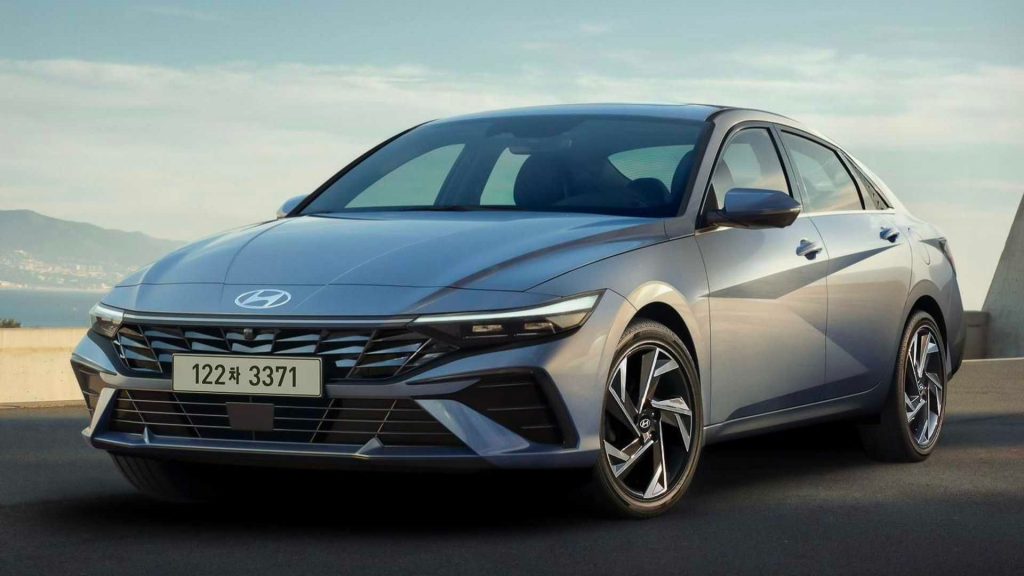
Advanced engineering and thoughtful design often matter more than sheer size. The sedan’s strong safety record proves that compact dimensions do not prevent a vehicle from delivering exceptional occupant protection.
For drivers seeking a practical and highly rated small car, the Hyundai Elantra continues to stand among the segment’s strongest performers in crash testing and accident prevention technology.
Specifications
- Engine: 2.0L Inline 4 or 1.6L Turbo Inline 4
- Torque: Up to 195 lb-ft
- Horsepower: Up to 201 hp
- Length/Width: 184.1 in / 71.9 in
4. Subaru Impreza
The Subaru Impreza approaches safety from a slightly different perspective than many of its compact car rivals.
While crash test performance remains a priority, Subaru combines structural protection with one of the industry’s most distinctive features: standard all-wheel drive. This combination has helped the Impreza establish a reputation for security both before and during a collision.
Many drivers associate safety strictly with crash survivability. Subaru takes a broader view by emphasizing accident avoidance alongside occupant protection.
The Impreza’s symmetrical all-wheel-drive system contributes to stable handling in rain, snow, and slippery conditions. Better traction cannot eliminate accidents, but it can provide drivers with additional control when road conditions deteriorate.
Inside the vehicle’s structure, Subaru employs a reinforced safety cage designed to absorb and redirect crash energy away from occupants.
The company has invested heavily in body rigidity and impact management, resulting in a compact car that consistently performs well in IIHS evaluations. Frontal crash tests, side impacts, and roof strength assessments have repeatedly highlighted the effectiveness of the design.
The passenger compartment remains one of the Impreza’s greatest strengths. During severe impacts, maintaining occupant survival space is critical. IIHS evaluations have shown that the vehicle does an excellent job of preserving cabin integrity, reducing the likelihood of dangerous intrusion into seating areas.
Subaru’s EyeSight driver assistance suite further enhances safety credentials. The system uses cameras to monitor traffic conditions and can assist with automatic emergency braking, adaptive cruise control, lane centering, and lane departure warning. These technologies function as an additional layer of protection during everyday driving.
The Impreza also benefits from a design philosophy that emphasizes visibility. Large windows, carefully positioned pillars, and a driver-focused layout help reduce blind spots and improve situational awareness.
These characteristics may seem simple compared with advanced electronics, yet they play an important role in helping drivers recognize hazards before they become emergencies.
Another factor worth noting is consistency. Some vehicles perform exceptionally well in one area while lagging in another. The Impreza tends to achieve strong results across multiple IIHS categories, creating a well-rounded safety profile that appeals to families and commuters alike.
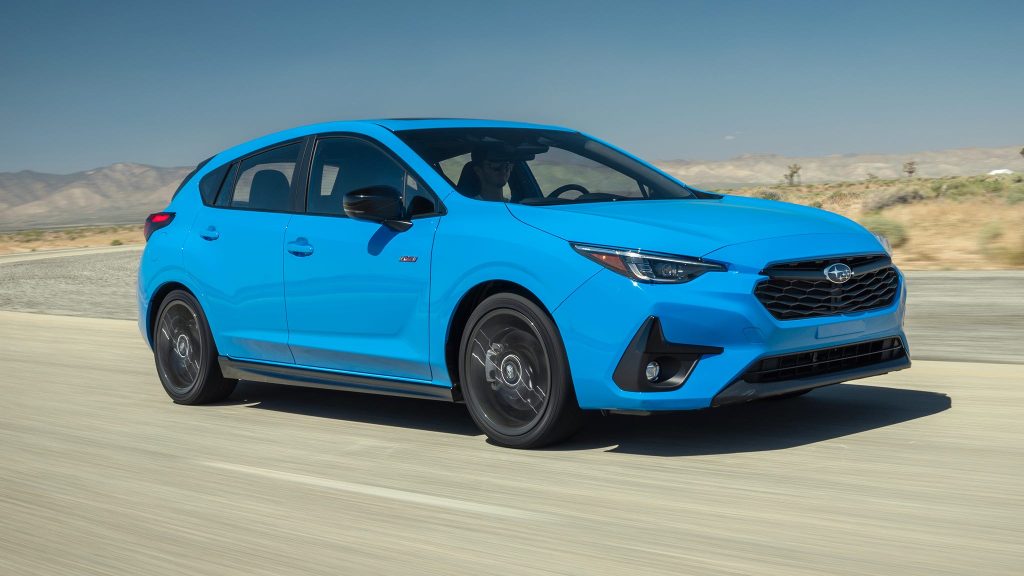
Compact cars occasionally struggle against the perception that they are inherently less safe than larger vehicles. The Impreza challenges that belief through both engineering and testing results. It demonstrates that a carefully designed small car can deliver crash protection levels capable of rivaling many larger crossovers and SUVs.
Drivers seeking year-round confidence, advanced safety technology, and proven IIHS performance continue to find the Subaru Impreza among the most compelling options in the compact vehicle market.
Specifications
- Engine: 2.0L Boxer 4
- Torque: 145 lb ft
- Horsepower: 152 hp
- Length/Width: 176.2 in / 70.1 in
5. Toyota Prius
For decades, the Toyota Prius has been associated primarily with fuel efficiency. Many buyers choose it because of its impressive economy, low operating costs, and reputation for long-term reliability.
What is often overlooked, however, is how well the latest Prius performs in modern crash testing. Recent generations have earned strong IIHS ratings, placing the hybrid among the safest small cars on the market and ahead of numerous SUVs in key evaluations.
The newest Prius benefits from a significantly upgraded platform that emphasizes rigidity and impact protection.
Toyota engineers redesigned the structure with greater use of high-strength materials, creating a passenger compartment capable of maintaining its integrity during severe collisions. This approach helps manage crash energy before it reaches occupants.
IIHS testing has highlighted the vehicle’s effectiveness in frontal and side impact scenarios. These evaluations are particularly important because they replicate common real-world accidents. Maintaining cabin strength while minimizing occupant movement is essential, and the Prius demonstrates strong performance in both areas.
A major contributor to its safety credentials is Toyota Safety Sense. This suite includes automatic emergency braking, pedestrian detection, lane departure alert, adaptive cruise control, lane tracing assistance, and road sign recognition. These systems help drivers identify hazards and respond before a collision occurs.
Unlike many larger vehicles, the Prius combines excellent visibility with predictable handling characteristics. The lower center of gravity contributes to stability during emergency maneuvers, reducing the likelihood of losing control in sudden avoidance situations.
Another advantage is the vehicle’s balanced design. Rather than focusing on one aspect of safety, Toyota addresses crashworthiness, accident prevention, occupant protection, and driver awareness simultaneously. This comprehensive strategy has helped the Prius remain highly competitive in IIHS assessments.
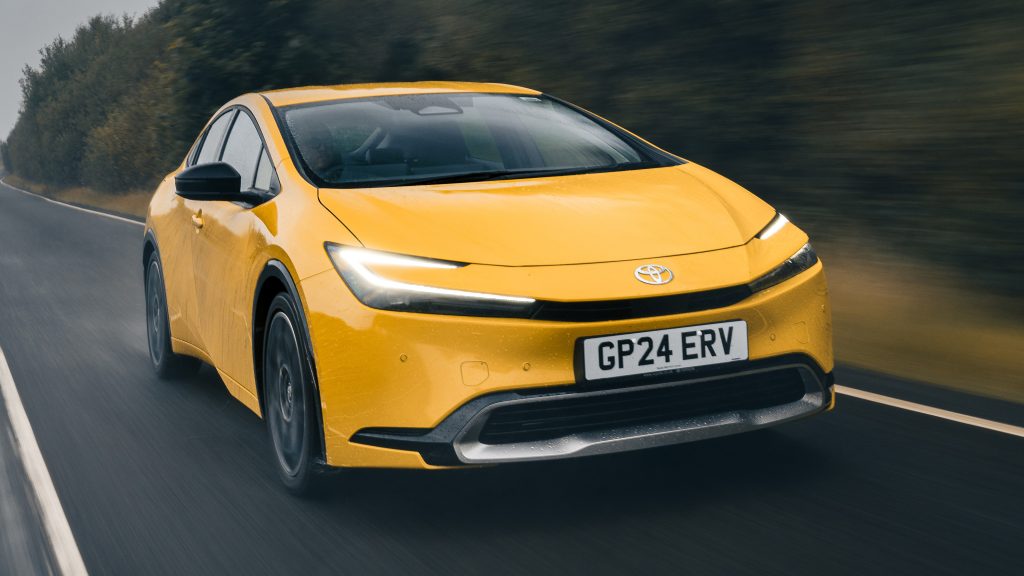
The hybrid’s compact dimensions also make it easier to maneuver in crowded urban environments where many accidents occur. Good visibility and responsive steering allow drivers to navigate traffic confidently without sacrificing protection.
The Prius proves that efficiency and safety can coexist. Buyers do not need to choose between low fuel consumption and strong crash performance. Its results show that a carefully engineered compact car can provide protection levels that rival or surpass those of many larger vehicles.
For drivers seeking an economical vehicle with exceptional safety credentials, the Toyota Prius remains one of the strongest contenders in the small car segment.
Specifications
- Engine: 2.0L Hybrid Inline 4
- Torque: 139 lb ft
- Horsepower: 194 hp
- Length/Width: 181.1 in / 70.2 in
6. Acura Integra
Luxury compact cars are expected to deliver refinement, technology, and engaging driving dynamics. The Acura Integra manages to provide those qualities while also establishing itself as one of the safest small cars available.
Its impressive IIHS performance demonstrates that premium compact vehicles can offer occupant protection comparable to much larger and heavier SUVs.
The Integra shares much of its engineering foundation with the highly regarded Honda Civic, but Acura adds additional refinement and premium features. Beneath the stylish exterior lies a structure designed to handle severe impacts while protecting occupants inside the cabin.
One of the vehicle’s strongest qualities is its crash energy management system. During a collision, the structure is engineered to absorb and redirect forces away from passengers. This helps preserve survival space and reduces the risk of serious injury. IIHS testing has repeatedly highlighted the effectiveness of this design approach.
Side impact performance is another area where the Integra excels. Modern IIHS side crash tests are far more demanding than earlier versions because they simulate impacts involving larger and heavier vehicles. Achieving strong scores under these conditions requires substantial structural strength and careful engineering.
Acura equips the Integra with an extensive collection of safety technologies. AcuraWatch includes collision mitigation braking, adaptive cruise control, lane-keeping assistance, traffic sign recognition, and road departure mitigation. Together, these systems help create multiple layers of protection before and during potential accidents.
The vehicle also benefits from excellent driving characteristics. Responsive steering, predictable handling, and strong braking performance help drivers react effectively when unexpected hazards appear. Safety is not solely about surviving crashes; it is also about avoiding them whenever possible.
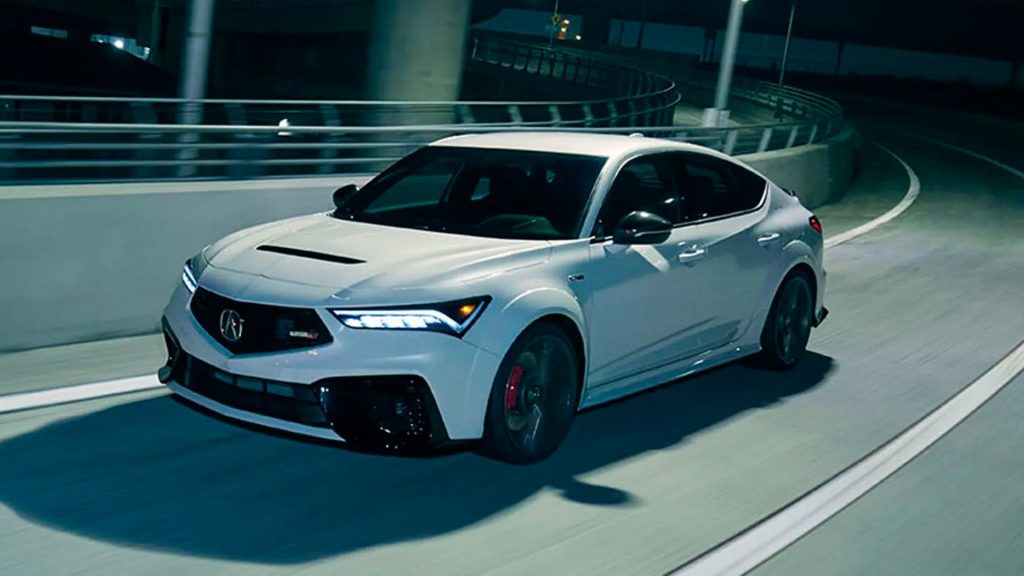
Interior design contributes as well. Controls are logically arranged, visibility is strong, and the driver-focused layout helps reduce distractions. Small details such as these can improve awareness during everyday driving situations.
The Integra’s success in IIHS testing reinforces an important point. Modern safety depends on engineering excellence rather than vehicle size alone. While many consumers automatically gravitate toward SUVs for peace of mind, the Integra demonstrates that a compact luxury car can provide exceptional protection without the compromises associated with larger vehicles.
For buyers seeking a blend of premium comfort, engaging performance, and top-tier safety, the Acura Integra stands as one of the best examples in today’s compact car market.
Specifications
- Engine: 1.5L Turbo Inline 4
- Torque: 192 lb ft
- Horsepower: 200 hp
- Length/Width: 185.8 in / 72.0 in
7. Kia Forte
The Kia Forte may not receive the same level of attention as some of the industry’s best-known compact cars, but its safety credentials deserve serious recognition.
Through continuous improvements in engineering, structural design, and driver assistance technology, the Forte has evolved into one of the small cars capable of achieving crash test results that compare favorably with many larger SUVs.
A major reason for the Forte’s strong IIHS performance is the extensive use of advanced high-strength steel throughout the body structure. This material helps create a rigid safety cage around occupants while allowing designated crumple zones to absorb impact forces.
During a collision, controlling how energy moves through the vehicle is essential, and the Forte demonstrates a carefully engineered approach to this challenge.
The vehicle performs particularly well because Kia has focused on more than just meeting minimum standards.
Engineers have developed systems intended to protect occupants across a variety of accident scenarios, including frontal impacts, side collisions, and rollover events. This balanced approach contributes to Forte’s strong reputation among safety-conscious buyers.
Technology is another important part of the equation. Kia Drive Wise safety systems provide a broad range of accident prevention features.
Depending on trim level, drivers can benefit from forward collision avoidance assistance, lane keeping assistance, lane following assistance, blind spot monitoring, rear cross traffic alert, and driver attention warning systems.
What makes the Forte especially appealing is that these features are often available at a price point significantly lower than many competing vehicles. Buyers do not necessarily need to spend luxury car money to obtain advanced safety equipment and impressive crash protection.
The Forte’s compact size also offers practical advantages in daily driving. Maneuvering through crowded parking lots, city streets, and heavy traffic can be easier than in larger SUVs. Combined with good visibility and predictable handling, these characteristics help reduce driver stress while contributing to accident avoidance.
IIHS evaluations continue to show that well-designed compact sedans can rival much larger vehicles in important safety categories.
The Forte serves as a strong example of this principle. Its structure, technology, and engineering work together to provide occupant protection that exceeds what many consumers expect from an affordable compact car.
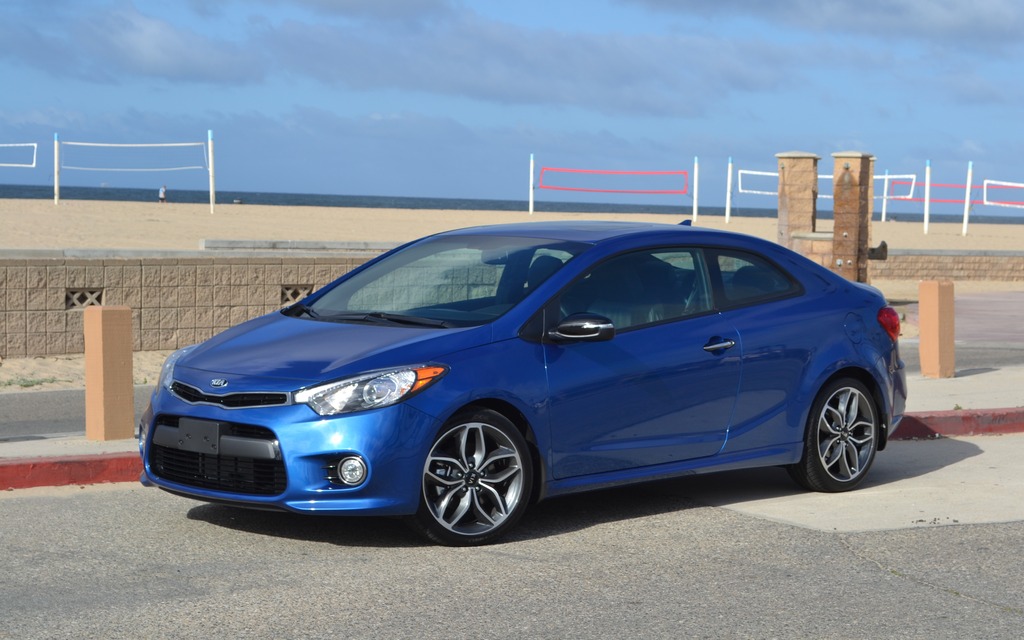
For shoppers who want strong safety ratings without moving into a larger vehicle class, the Kia Forte represents one of the most compelling values in the modern automotive market.
Specifications
- Engine: 2.0L Inline 4 or 1.6L Turbo Inline 4
- Torque: Up to 195 lb-ft
- Horsepower: Up to 201 hp
- Length/Width: 182.7 in / 70.9 in
8. Nissan Sentra
The Nissan Sentra has undergone one of the most significant transformations in the compact sedan segment. Earlier generations were often viewed primarily as economical transportation, but recent models have placed far greater emphasis on safety, structural integrity, and advanced driver assistance systems.
As a result, the Sentra has emerged as a small car capable of delivering impressive IIHS results that rival or surpass many SUVs.
One of the Sentra’s greatest strengths is its body structure. Nissan engineers designed the vehicle with extensive reinforcement in critical areas, helping the passenger compartment remain intact during severe impacts. Protecting occupants begins with preserving cabin space, and the Sentra performs well in this area during crash evaluations.
The vehicle has earned praise for its performance in multiple IIHS categories. Strong results in frontal crash testing, side impact assessments, and roof strength evaluations demonstrate that safety was a priority throughout the development process. These achievements are particularly notable given the vehicle’s affordable positioning within the market.
Nissan Safety Shield 360 plays a central role in the Sentra’s safety story. This package includes automatic emergency braking with pedestrian detection, blind spot warning, rear cross traffic alert, lane departure warning, rear automatic braking, and high beam assist. Together, these technologies create a proactive approach to accident prevention.
Another area where the Sentra stands out is driver confidence. The sedan offers stable handling characteristics and predictable responses during emergency maneuvers. While such traits may not generate headlines, they can make a meaningful difference when drivers need to react quickly to changing road conditions.
Comfort and safety also work together effectively in the Sentra. A well-designed seating position, intuitive controls, and good outward visibility help reduce fatigue during long drives. Maintaining driver focus is an important but often overlooked component of road safety.
The Sentra demonstrates how modern compact cars have evolved far beyond their budget-minded roots. It combines structural protection, sophisticated safety technology, and practical everyday usability in a package that remains accessible to a wide range of consumers.
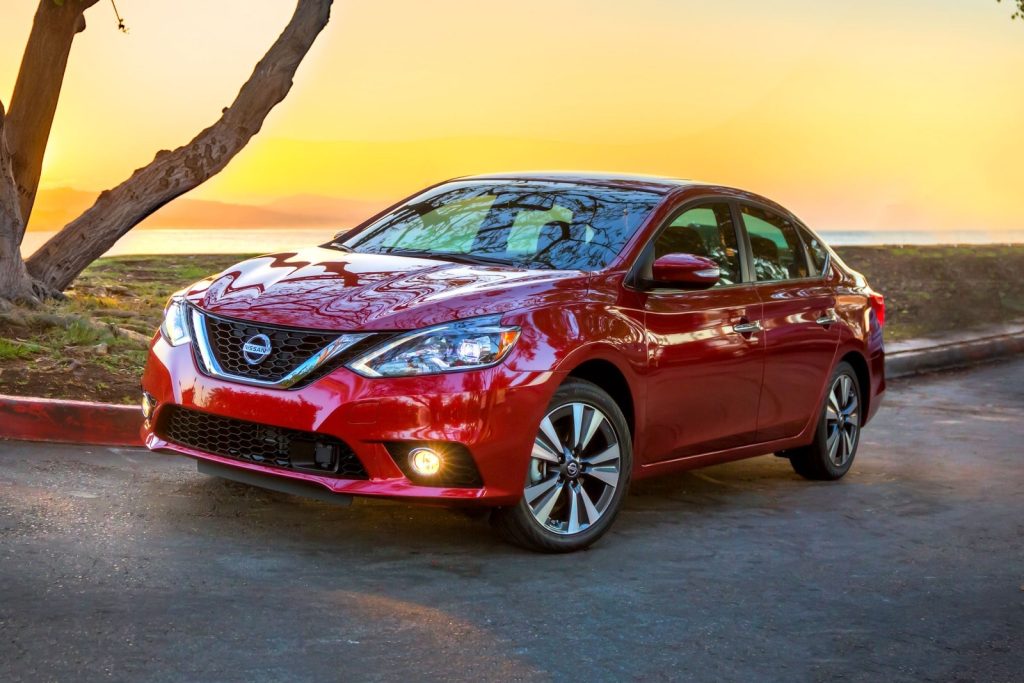
Its success in IIHS testing reinforces a simple but important message. Vehicle size alone does not determine safety. Thoughtful engineering, advanced materials, and modern driver assistance systems can allow a compact sedan to compete successfully against much larger vehicles in demanding crash evaluations.
For drivers prioritizing protection, value, and practicality, the Nissan Sentra continues to prove that small cars deserve a place among the safest vehicles on today’s roads.
Specifications
- Engine: 2.0L Inline 4
- Torque: 146 lb ft
- Horsepower: 149 hp
- Length/Width: 182.9 in / 71.5 in
