
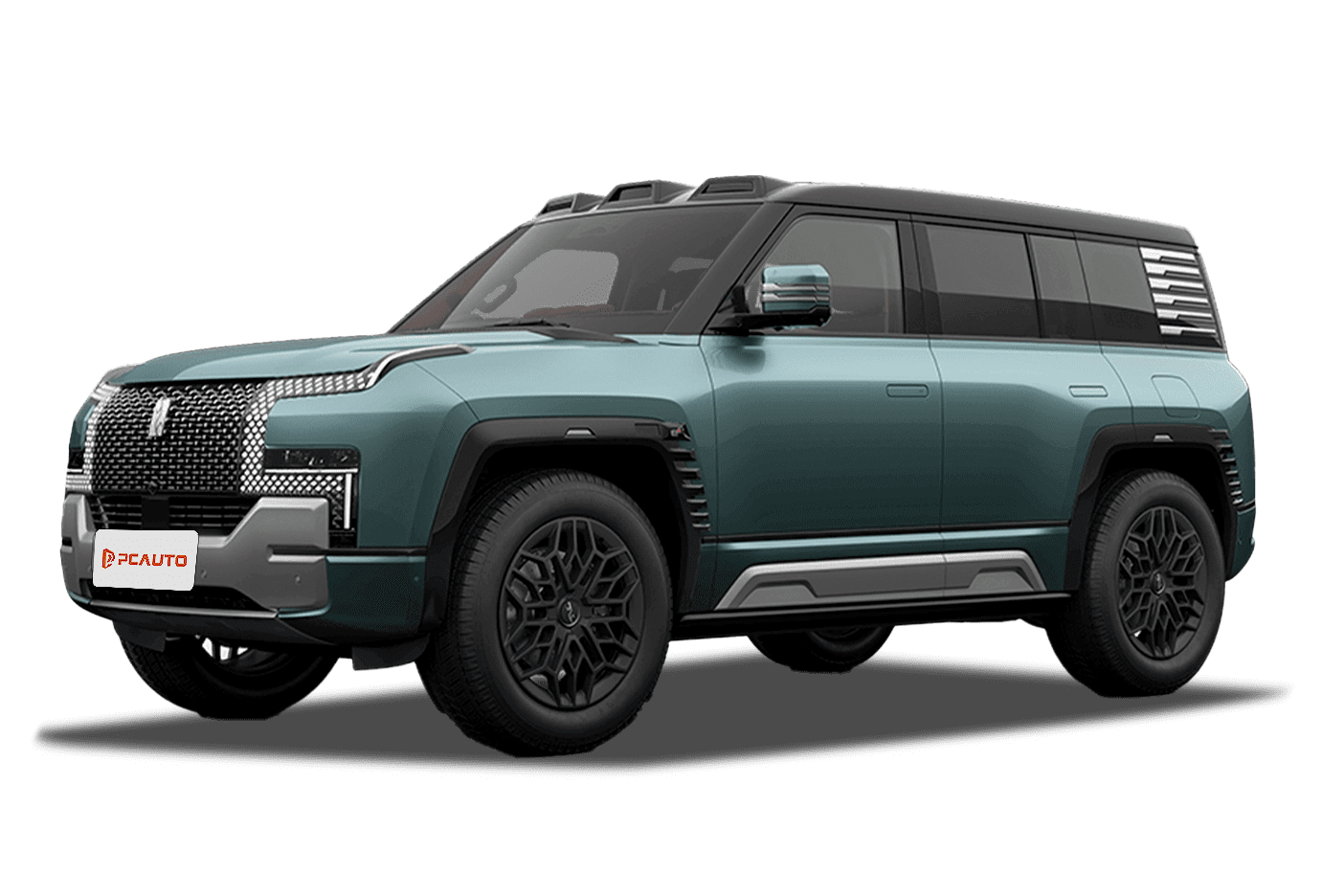
Chinese automotive giant BYD has made one of the boldest commitments yet in the race toward autonomous driving, announcing that it will assume financial responsibility for certain crashes that occur while drivers are using its advanced assisted driving technology.
The move immediately drew attention across the global auto industry because it addresses one of the biggest unresolved questions surrounding self-driving vehicles, who is liable when the technology makes a mistake?
The announcement was made as part of BYD’s latest push to expand adoption of its “God’s Eye” intelligent driving platform, a system that combines cameras, sensors, software, and artificial intelligence to help drivers move through city streets and handle complex traffic situations.
While most automakers continue to place legal responsibility on the driver even when advanced driver assistance features are active, BYD is taking a different approach by putting its own balance sheet behind the technology.
The decision could become a significant moment in the evolution of autonomous driving, particularly as automakers around the world compete to convince consumers that increasingly sophisticated driving systems can be trusted.
Also Read: 5 Best Hybrids vs 5 Best EVs for 2026
A Major Shift in Self-Driving Liability
Under the new policy, BYD says it will cover compensation and repair costs for accidents that occur while drivers are properly using the company’s City Navigation feature, part of its God’s Eye A and God’s Eye B assisted driving systems.
The coverage applies to new buyers for one year after vehicle delivery and also extends to existing owners who upgrade to the latest God’s Eye 5.0 software.
According to BYD, the protection includes vehicle repairs, third-party property damage, and personal injury compensation when a crash is determined to be the fault of the vehicle while the system is operating within its intended conditions.
The company also says drivers using the covered system will not see insurance premium increases related to qualifying incidents.
Chairman Wang Chuanfu described the move as evidence of the company’s confidence in its technology. During BYD’s vehicle intelligence strategy event, Wang said accepting higher levels of liability early demonstrates the company’s belief in the reliability and safety of its intelligent driving systems.
The commitment stands out because most advanced driver assistance systems currently sold worldwide remain classified as Level 2 automation, meaning drivers are still expected to supervise the vehicle and remain responsible for its operation.
Challenging Industry Norms
BYD’s announcement contrasts sharply with the policies followed by many competitors. Tesla’s Full Self Driving system, despite its name, still requires continuous driver supervision and explicitly places responsibility on the driver.
Other major automakers offering advanced driver assistance systems generally maintain similar legal frameworks. Even as technology becomes more capable, manufacturers have largely avoided accepting direct liability for crashes occurring while these systems are engaged.
Industry experts have long identified liability as one of the biggest barriers to broader deployment of autonomous driving technology. Consumers often question whether they can truly trust systems that manufacturers themselves are unwilling to fully stand behind legally. BYD appears determined to address that concern directly.
The company is betting that assuming financial responsibility will increase customer confidence and encourage wider use of its intelligent driving features. The strategy is not entirely new for BYD.
In 2025, the automaker introduced a similar guarantee covering its advanced self-parking technology. According to company figures, usage of that feature reportedly surged after the guarantee was introduced.
The new program expands that concept beyond parking into everyday urban driving, a much more complex and potentially risky environment.
Part of a Larger Autonomous Driving Push
The liability announcement arrived alongside several major technology updates from BYD. The company recently revealed a new self-developed 4-nanometer chip designed to support higher levels of autonomous driving capability.
BYD is also expanding the availability of its God’s Eye B system, offering the LiDAR-equipped package across a much wider range of vehicles, including some of its more affordable models.
This reflects BYD’s broader strategy of making advanced driving technology accessible beyond luxury vehicles.
While some competitors reserve sophisticated driver assistance features for premium models, BYD has aggressively pushed intelligent driving systems deeper into its mainstream lineup. The company says millions of vehicles are already equipped with various versions of the God’s Eye platform, generating enormous volumes of real-world driving data each day.
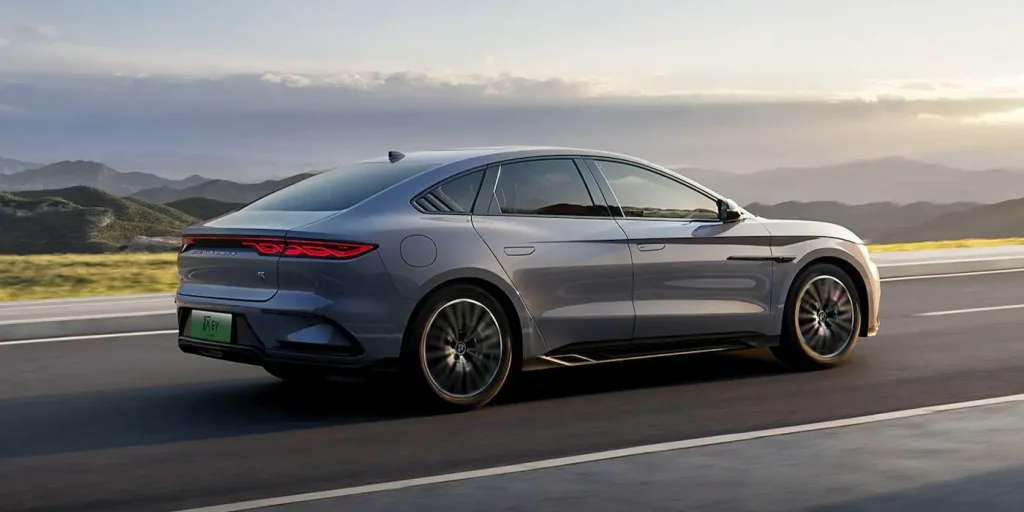
The announcement also comes as competition in China’s intelligent driving sector intensifies. Companies such as Xpeng, Nio, Li Auto, and Tesla are all pursuing increasingly capable assisted driving technologies, creating what many analysts view as one of the most important battlegrounds in the global automotive industry.
What Does It Mean for the Future?
Despite the headlines, BYD’s move does not mean fully autonomous vehicles have arrived. The God’s Eye system remains an advanced driver assistance platform rather than a true hands-off, unsupervised self-driving system.
Drivers are still expected to follow regulations and operate the technology correctly. The liability commitment also applies only under specific circumstances and currently lasts for one year after delivery or software upgrade.
Nevertheless, the announcement represents a notable shift in how automakers may approach autonomous driving accountability.
For years, manufacturers have promoted increasingly sophisticated driving technologies while largely avoiding responsibility when things go wrong. BYD is testing whether taking on that responsibility can become a competitive advantage. Whether rivals follow remains uncertain.
What is clear is that BYD has injected a new dimension into the global self-driving debate. Instead of asking consumers to trust the technology blindly, the company is attaching financial accountability to its promises.
In an industry where liability questions have often slowed progress, that may prove just as significant as any hardware or software breakthrough.
Also Read: 5 Reliable Toyotas vs 5 Reliable Hondas
