
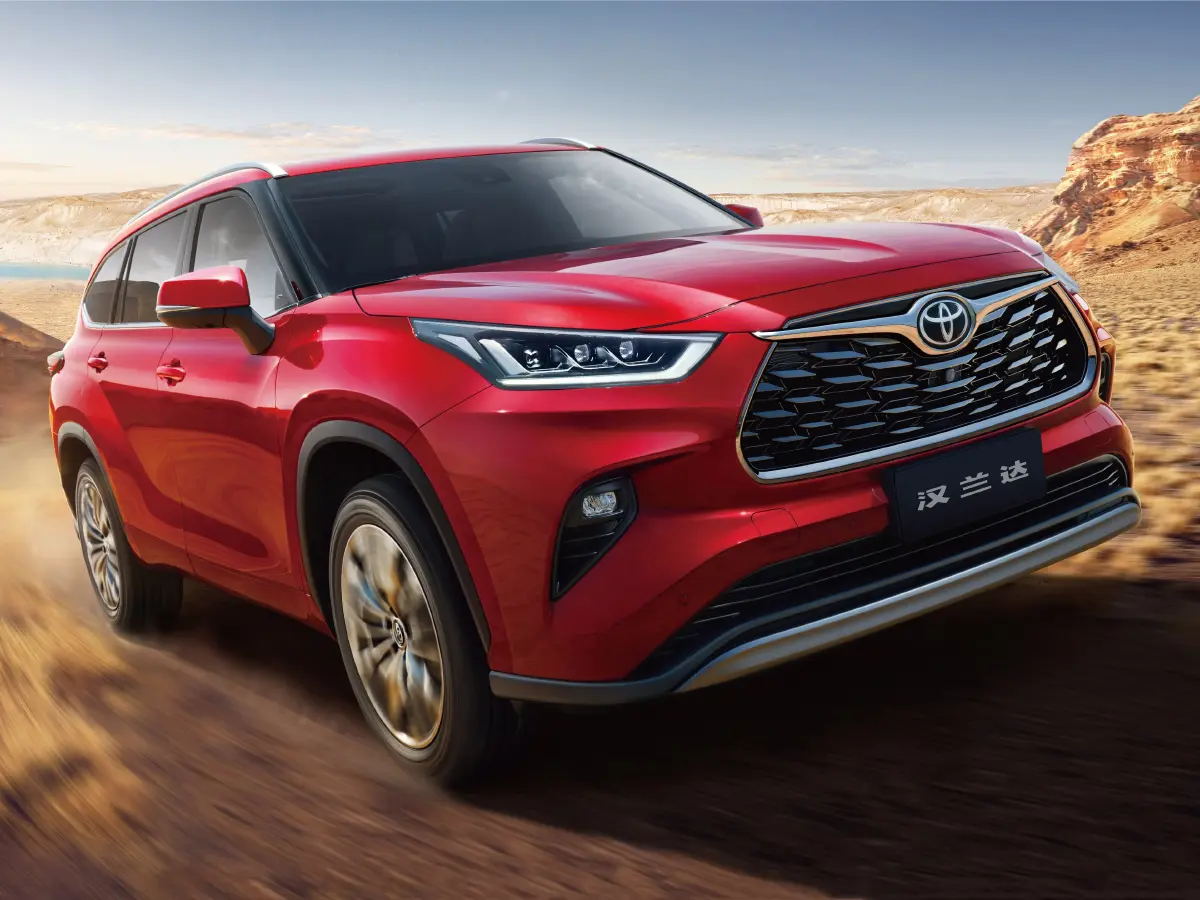
Few automotive rivalries have been as consistent as Toyota versus Honda. For decades, these two Japanese brands have built reputations around reliability, affordability, fuel efficiency, and long-term ownership satisfaction.
Ask mechanics which used vehicles they trust, and Toyota and Honda almost always dominate the conversation. Ask owners which vehicles crossed 200,000 miles with minimal drama, and the answers are usually similar.
Yet reliability alone does not tell the entire story. Some Toyotas are more dependable than others, just as certain Hondas have earned stronger reputations than their stablemates. That makes direct comparisons particularly interesting because buyers often find themselves choosing between two vehicles that appear equally sensible on paper.
One may offer lower maintenance costs, while the other delivers a better driving experience. One might have a stronger engine, while the rival counters with superior fuel economy or interior practicality.
In this comparison, we pair five reliable Toyota models against five reliable Honda models from similar categories. Rather than simply listing dependable vehicles, each section places a Toyota and a Honda head-to-head.
We examine durability records, ownership experiences, engineering strengths, maintenance concerns, and daily usability before giving a slight edge to one competitor.
The goal is not to declare one manufacturer superior to the other. Both have spent decades proving they can build vehicles that remain dependable long after many rivals have become expensive headaches. Instead, this comparison highlights where each model shines and where one gains a meaningful advantage over the other.
From compact sedans and midsize family cars to practical SUVs and versatile crossovers, these matchups represent some of the most trusted vehicles on the road.
If you’re deciding between Toyota and Honda and reliability sits at the top of your priority list, these comparisons will help reveal which model deserves the nod in each category.
Also Read: 8 Things Driver’s Ed Never Taught You About Modern Cars
1. Toyota Corolla vs Honda Civic
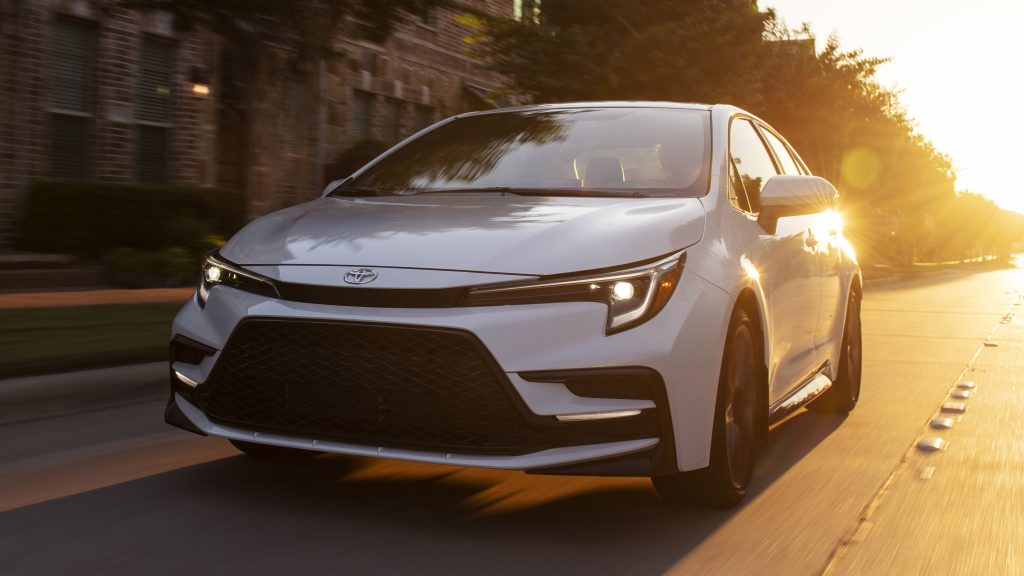
The battle between the Toyota Corolla and Honda Civic has been going on for generations. Both cars have become icons of dependable transportation, and both have earned loyal owners who swear by their long-term durability.
Looking strictly at reliability, these two compact sedans sit near the top of their class, but they reach that reputation through slightly different philosophies.
Toyota built the Corolla around simplicity and consistency. For decades, the company focused on proven engineering rather than chasing aggressive performance targets. As a result, the Corolla developed a reputation for running year after year with minimal complaints.
Taxi operators, delivery drivers, students, and commuters have all relied on the Corolla because it rarely demands expensive attention. Its engines are known for smooth operation and long service life, while maintenance procedures remain straightforward and relatively inexpensive.
Another strength is the Corolla’s resistance to major mechanical failures. Many owners report crossing 200,000 miles with only routine maintenance items such as brakes, fluids, tires, and filters.
The transmission systems used in modern Corollas have also proven durable when serviced according to manufacturer recommendations. Because the vehicle is so common, replacement parts are widely available, and labor costs are usually reasonable.
The Civic approaches the compact sedan formula from a different direction. Honda engineers have traditionally focused on creating vehicles that are enjoyable to drive while still being dependable.
The result is a car that often feels more energetic than the Corolla. Steering response is sharper, handling is more composed, and the cabin design tends to appeal to drivers seeking something beyond basic transportation.
Reliability remains one of the Civic’s strongest traits. Honda’s engines are famous for longevity, and many examples continue running well beyond expected ownership periods.
However, some newer turbocharged variants add complexity that slightly reduces the simplicity advantage Toyota enjoys. While these issues are not widespread, they do create a small distinction between the two rivals.
For buyers seeking maximum reliability with the fewest surprises, the Corolla earns the edge. The Civic remains an outstanding choice, but Toyota’s history of mechanical consistency gives it a slight advantage in this comparison.
Edge: Toyota Corolla
Toyota Corolla Specifications
- Engine: 2.0L Inline 4
- Torque: 151 lb-ft
- Horsepower: 169 hp
- Length/Width: 182.5 in / 70.1 in
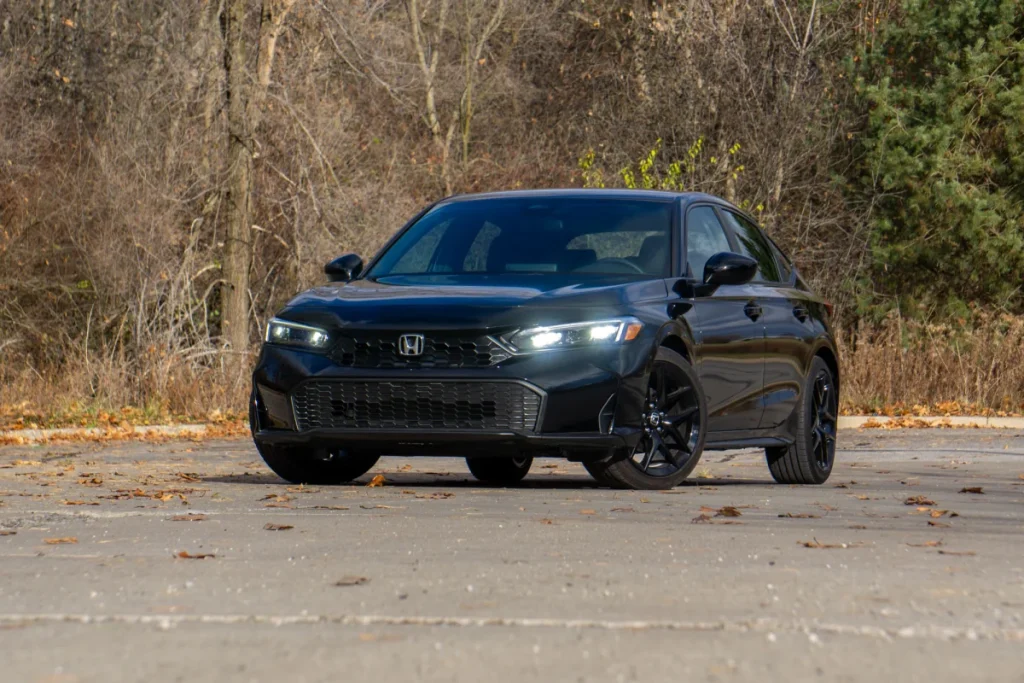
Honda Civic Specifications
- Engine: 2.0L Inline 4
- Torque: 133 lb-ft
- Horsepower: 150 hp
- Length/Width: 184.0 in / 70.9 in
2. Toyota Camry vs Honda Accord
Few automotive matchups are as respected as the Toyota Camry versus the Honda Accord. These midsize sedans have spent decades serving families, commuters, and business travelers, often remaining dependable long after competitors have developed costly problems.
Both are excellent examples of how reliable modern vehicles can be, yet one manages to gain a small advantage.
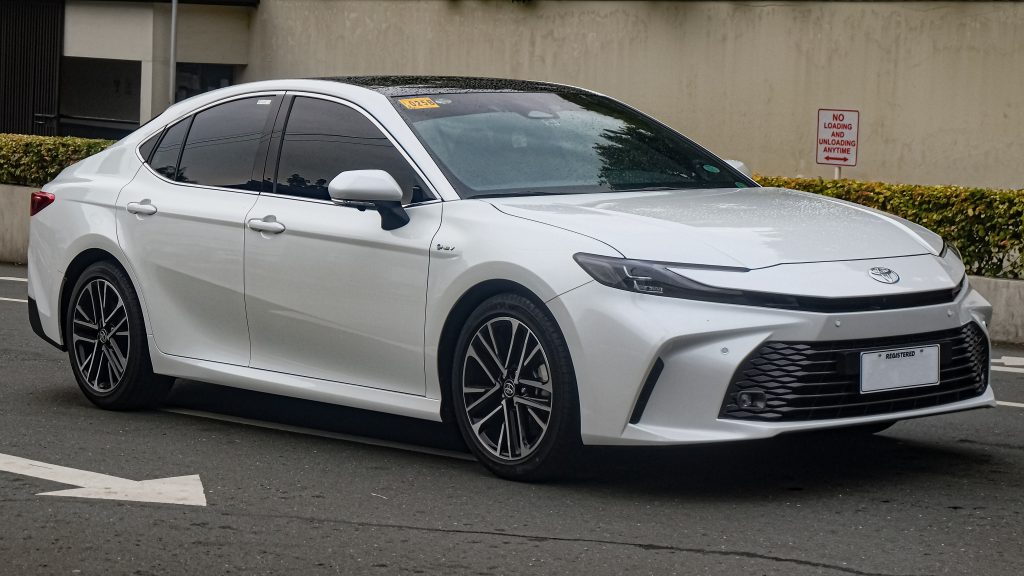
The Toyota Camry’s reputation was not built through flashy marketing campaigns or dramatic performance figures. Instead, it earned trust through years of dependable ownership experiences.
Many mechanics consider the Camry one of the safest recommendations for anyone seeking a long-lasting sedan. Toyota’s four-cylinder engines have consistently demonstrated impressive durability, often reaching extremely high mileage without requiring major internal repairs.
Owners frequently praise the Camry because it delivers exactly what they expect. It starts reliably, handles daily commuting without complaint, and typically avoids the expensive failures that can turn vehicle ownership into a frustrating experience.
The suspension components, transmission systems, and cooling hardware have all contributed to the model’s strong reliability record.
Honda’s Accord has always taken a more ambitious approach. While reliability remains a major focus, Honda combines durability with a more refined driving experience.
The Accord often feels quicker, more responsive, and more engaging behind the wheel. Its steering is usually more precise, and many drivers appreciate the vehicle’s balanced handling characteristics.
Long-term ownership experiences with the Accord are generally excellent. Honda engines have developed a legendary status among enthusiasts because of their ability to accumulate significant mileage while maintaining strong performance. Interior quality also tends to remain solid as the years pass.
The distinction appears when examining ownership costs over extremely long periods. The Camry’s conservative engineering choices have helped it avoid certain issues that occasionally affected some Accord generations.
Toyota’s strategy of gradual improvement rather than dramatic changes often benefits reliability-focused buyers.
Choosing between these sedans is not easy because both are among the most dependable vehicles available. Yet when reliability becomes the primary deciding factor, the Camry’s extraordinary consistency gives it a narrow victory.
The Accord offers more driver involvement, but Toyota retains a slight advantage in long-term dependability.
Edge: Toyota Camry
Toyota Camry Specifications
- Engine: 2.5L Inline 4
- Torque: 184 lb-ft
- Horsepower: 203 hp
- Length/Width: 193.5 in / 72.4 in
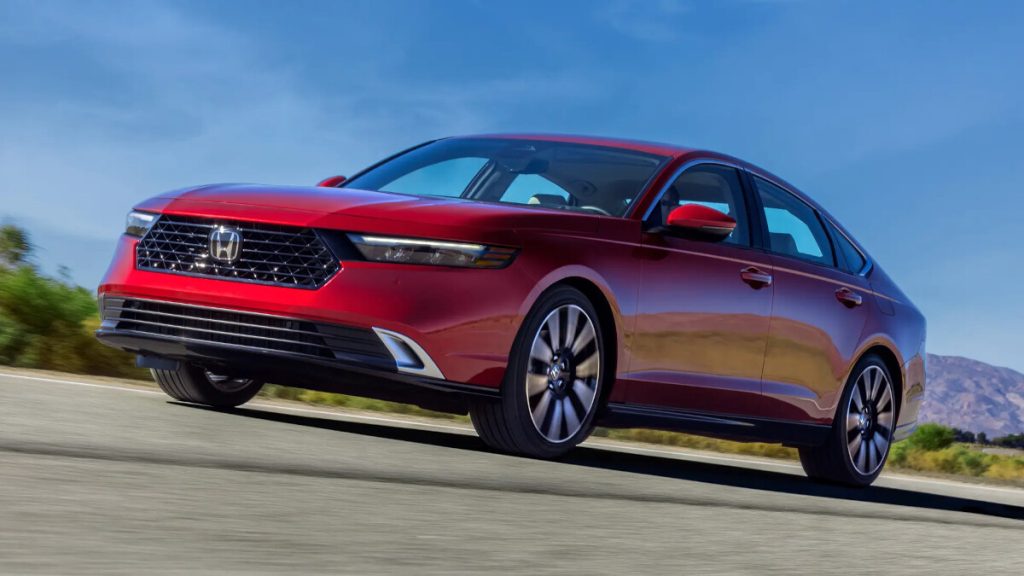
Honda Accord Specifications
- Engine: 1.5L Turbo Inline 4
- Torque: 192 lb-ft
- Horsepower: 192 hp
- Length/Width: 195.7 in / 73.3 in
3. Toyota RAV4 vs Honda CR-V
Compact SUVs have become the default choice for millions of buyers, and two models dominate nearly every reliability discussion in the segment: the Toyota RAV4 and Honda CR-V.
These vehicles appeal to families, commuters, and road-trip enthusiasts because they combine practicality with a reputation for lasting far longer than many competitors. While both are excellent long-term investments, subtle differences separate them when reliability becomes the primary concern.
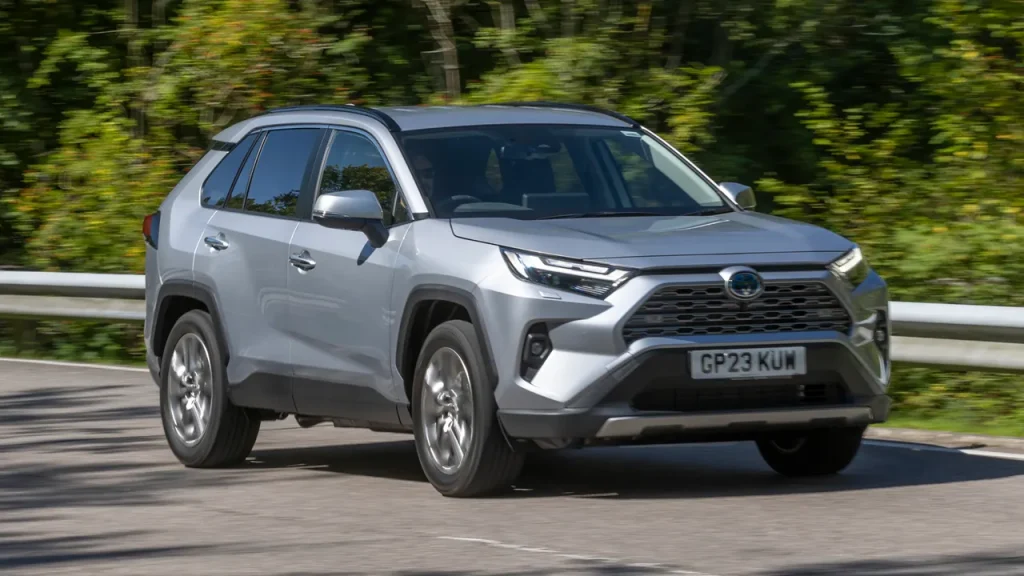
The Toyota RAV4 built its reputation by staying true to Toyota’s philosophy of proven engineering. Instead of constantly reinventing itself, the RAV4 has evolved carefully over the years.
That approach has produced a vehicle known for dependable powertrains, strong resale values, and relatively low ownership costs. Owners often report years of trouble-free service, even when the vehicle is subjected to daily commuting, family hauling duties, and frequent highway travel.
One reason the RAV4 performs so well in reliability studies is its straightforward design. Toyota tends to introduce new technology gradually, allowing engineers to refine systems before widespread adoption.
This reduces the risk of unexpected issues and helps maintain long-term durability. The RAV4’s naturally aspirated engines have proven particularly robust, and even hybrid versions have earned praise for their dependability.
Another advantage comes from maintenance predictability. Routine servicing is usually simple, and parts availability remains excellent.
Mechanics are highly familiar with the platform, making repairs less intimidating and often less expensive than those involving less common vehicles. Buyers looking for an SUV they can keep for ten years or more frequently place the RAV4 near the top of their shopping list.
The Honda CR-V enters the comparison with strengths of its own. Honda has spent decades refining the CR-V into one of the most balanced compact SUVs on the market.
Interior packaging is particularly impressive, providing generous cargo space and passenger comfort. Many owners appreciate the CR-V because it feels spacious without becoming difficult to maneuver in urban environments.
Honda’s engines have traditionally been among the company’s strongest assets. The CR-V delivers excellent fuel economy while maintaining respectable performance.
Reliability records remain impressive, and many examples continue operating reliably well beyond 200,000 miles. Drivers also tend to appreciate the CR-V’s smooth ride quality and confident handling characteristics.
Where Toyota gains a slight edge is in consistency across multiple generations. While the CR-V has occasionally experienced isolated issues involving turbocharged powertrains or ancillary components, the RAV4’s record has been exceptionally stable for years. The differences are small, but buyers seeking maximum peace of mind often lean toward Toyota.
The CR-V remains one of the finest compact SUVs available and deserves its reputation as a dependable family vehicle. However, when the focus narrows strictly to long-term reliability, the RAV4’s track record gives it the victory in this matchup.
Edge: Toyota RAV4
Toyota RAV4 Specifications
- Engine: 2.5L Inline 4
- Torque: 184 lb-ft
- Horsepower: 203 hp
- Length/Width: 180.9 in / 73.0 in
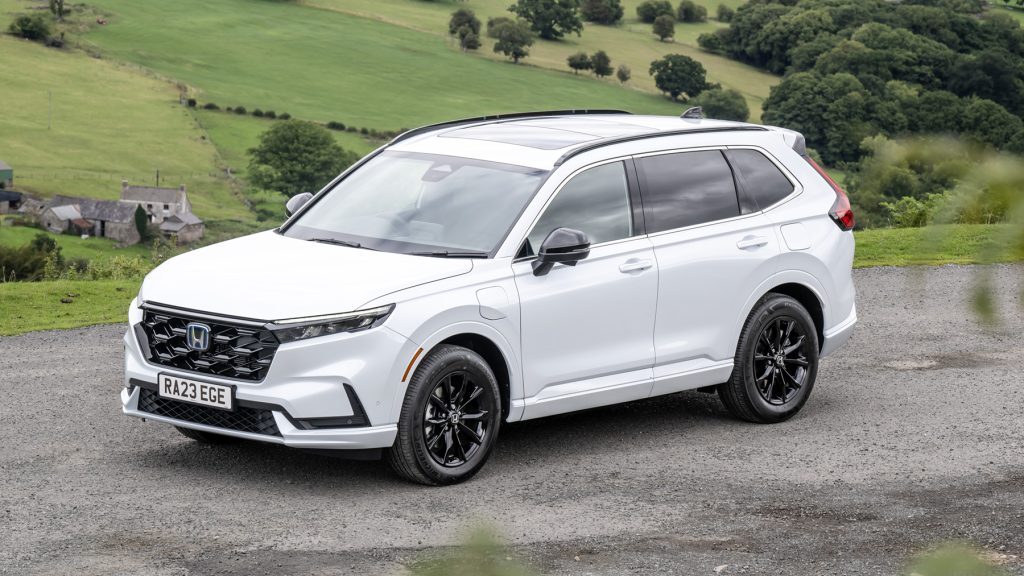
Honda CR-V Specifications
- Engine: 1.5L Turbo Inline 4
- Torque: 179 lb-ft
- Horsepower: 190 hp
- Length/Width: 184.8 in / 73.5 in
4. Toyota Highlander vs Honda Pilot
Three-row family SUVs face a unique challenge. They must carry multiple passengers, handle heavy loads, survive long road trips, and remain dependable despite years of demanding use.
In this category, the Toyota Highlander and Honda Pilot have emerged as two of the most respected choices. Both have earned strong reliability reputations, but their strengths appeal to slightly different buyers.
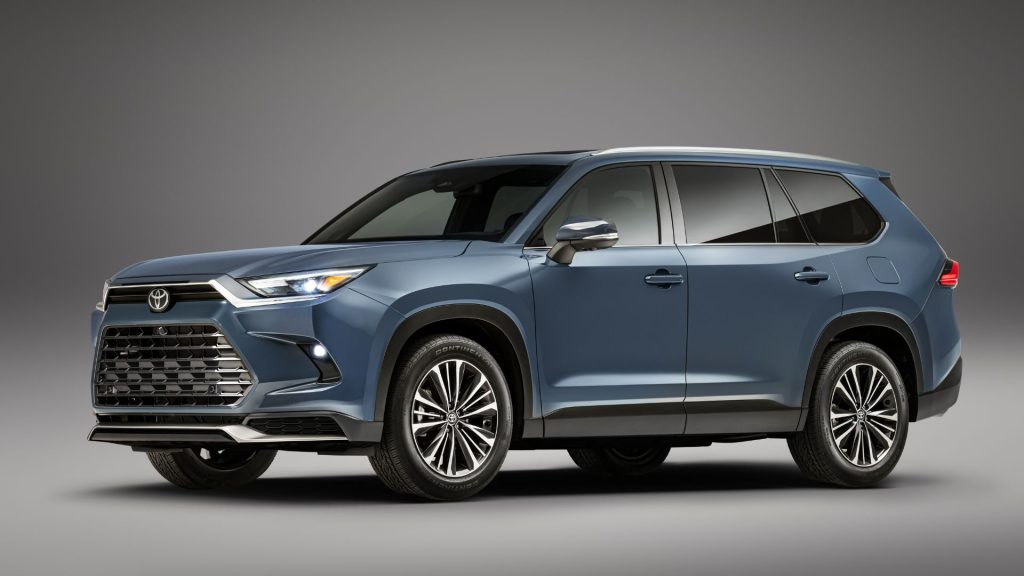
The Toyota Highlander focuses on delivering dependable transportation with minimal ownership stress. Toyota has refined the Highlander through multiple generations, creating a vehicle known for durability and predictable maintenance costs.
Families often choose it because they expect years of service without major mechanical concerns, and the model has consistently rewarded that trust.
A major factor behind the Highlander’s success is its powertrain reliability. Toyota’s V6 engines established an excellent reputation over the years, while newer hybrid systems have also demonstrated impressive durability.
Owners frequently report trouble-free operation even after accumulating significant mileage. This consistency helps the Highlander maintain strong resale values, which further enhances its appeal.
Beyond mechanical dependability, the Highlander offers a calm ownership experience. Controls are intuitive, build quality is solid, and interior materials tend to hold up well over time. Families who keep vehicles for extended periods often appreciate these qualities because they contribute to long-term satisfaction.
The Honda Pilot approaches the segment from a different perspective. Honda designed the Pilot with interior flexibility and passenger space as key priorities.
The cabin feels exceptionally roomy, and access to the third row is generally easier than in many competitors. Large families often gravitate toward the Pilot because it maximizes usable space without becoming difficult to drive.
Honda’s V6 engine has long been one of the strongest in the segment. Smooth power delivery and strong performance make the Pilot feel capable during highway merging, towing, and family vacations.
Reliability is also a significant strength, with many pilots remaining dependable well beyond the average ownership period.
What makes this comparison difficult is that both SUVs perform extremely well in long-term ownership studies. Neither suffers from widespread reliability concerns, and both have developed loyal customer bases.
The deciding factor comes down to consistency. Toyota’s cautious engineering philosophy has historically produced slightly fewer surprises as vehicles age.
The Pilot offers superior interior flexibility and a more spacious feel, making it an excellent family hauler. Yet the Highlander’s long history of dependable service and exceptionally strong reliability reputation allows it to secure a narrow win.
Edge: Toyota Highlander
Toyota Highlander Specifications
- Engine: 2.4L Turbo Inline 4
- Torque: 310 lb-ft
- Horsepower: 265 hp
- Length/Width: 194.9 in / 76.0 in
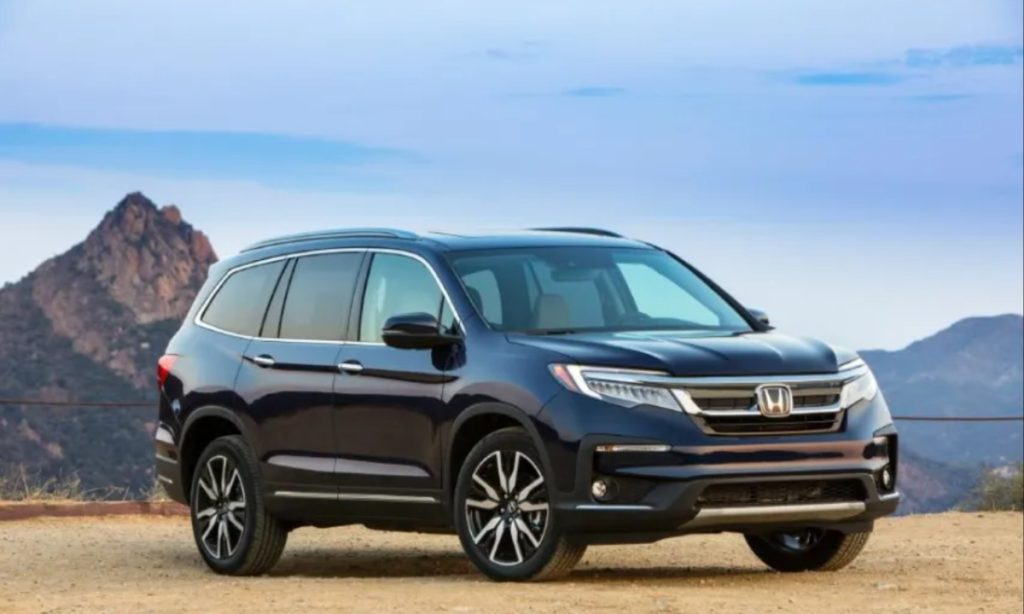
Honda Pilot Specifications
- Engine: 3.5L V6
- Torque: 262 lb-ft
- Horsepower: 285 hp
- Length/Width: 199.9 in / 78.5 in
5. Toyota Prius vs Honda Insight
Hybrid vehicles have transformed from niche products into mainstream transportation, and few models played a bigger role in that transition than the Toyota Prius and Honda Insight. Both vehicles were designed to deliver exceptional fuel economy while maintaining the dependability buyers expect from Japanese manufacturers.
Because hybrid systems introduce additional complexity compared with conventional gasoline vehicles, reliability becomes even more important. In this matchup, two pioneers face off, but one clearly has the stronger legacy.
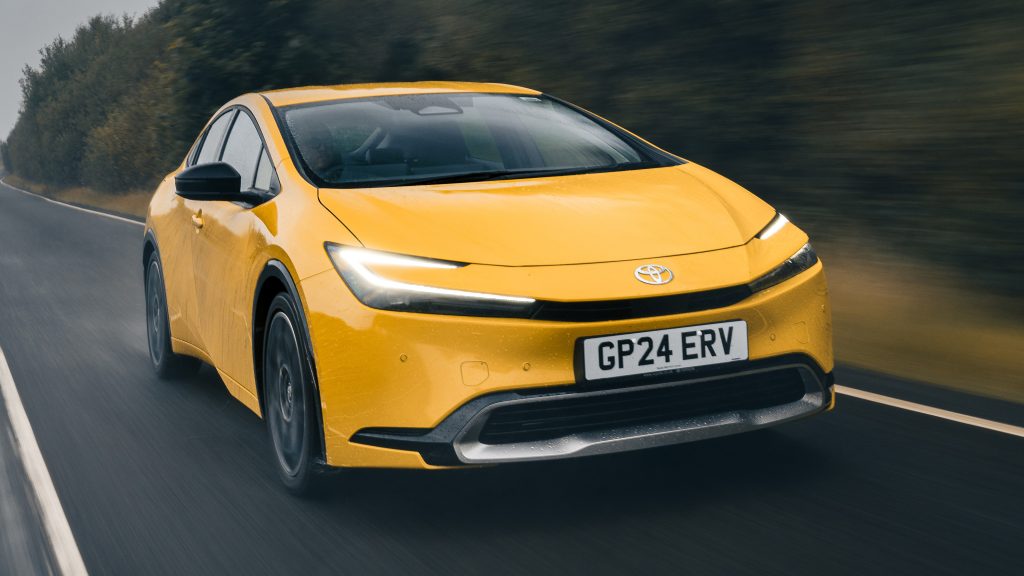
The Toyota Prius is often considered the benchmark for hybrid reliability. Since its introduction, Toyota has spent decades refining the technology, creating a vehicle that repeatedly proves hybrid ownership does not have to be risky.
Early skeptics questioned battery longevity and repair costs, yet countless Prius models have demonstrated that properly maintained hybrid systems can last far longer than many people expected.
One of the Prius’s greatest strengths is its reputation among high-mileage drivers. Taxi fleets, ride-share operators, and commuters have collectively put millions of miles on these vehicles. Stories of Prius models surpassing 250,000 or even 300,000 miles are remarkably common.
That kind of track record does not happen by accident. Toyota invested heavily in perfecting the relationship between the gasoline engine, electric motor, battery pack, and electronic control systems.
Maintenance requirements also remain surprisingly manageable. Brake components often last longer because regenerative braking reduces wear.
The hybrid system itself has proven durable, and many owners find operating costs lower than those of traditional gasoline-powered vehicles. This combination of efficiency and longevity helped establish the Prius as one of the most trusted hybrids ever produced.
The Honda Insight deserves significant credit as well. Honda introduced hybrid technology early and created a vehicle that successfully balanced efficiency with a more conventional driving experience. Many drivers preferred the Insight because it looked and felt more like a traditional sedan than the distinctive Prius.
Reliability in the Insight is generally strong. Honda’s engineering expertise is evident in the vehicle’s smooth operation and durable powertrain components.
Owners frequently praise the car’s fuel economy, comfortable ride quality, and low maintenance expenses. The Insight also benefits from Honda’s reputation for building long-lasting engines and transmissions.
Despite those strengths, the Insight never accumulated the same depth of long-term reliability evidence as the Prius.
Toyota’s hybrid system has simply been tested on a larger scale and over a longer period. The Prius became the standard by which other hybrids were measured, and its success created a level of confidence that few competitors have matched.
The Insight remains an excellent used hybrid and a smart choice for buyers seeking dependable transportation. However, when comparing reliability records, longevity data, and real-world ownership experiences, the Prius stands in a class of its own.
Toyota’s decades of hybrid leadership ultimately secured the victory.
Edge: Toyota Prius
Toyota Prius Specifications
- Engine: 2.0L Hybrid Inline 4
- Torque: 139 lb-ft
- Horsepower: 194 hp
- Length/Width: 181.1 in / 70.2 in
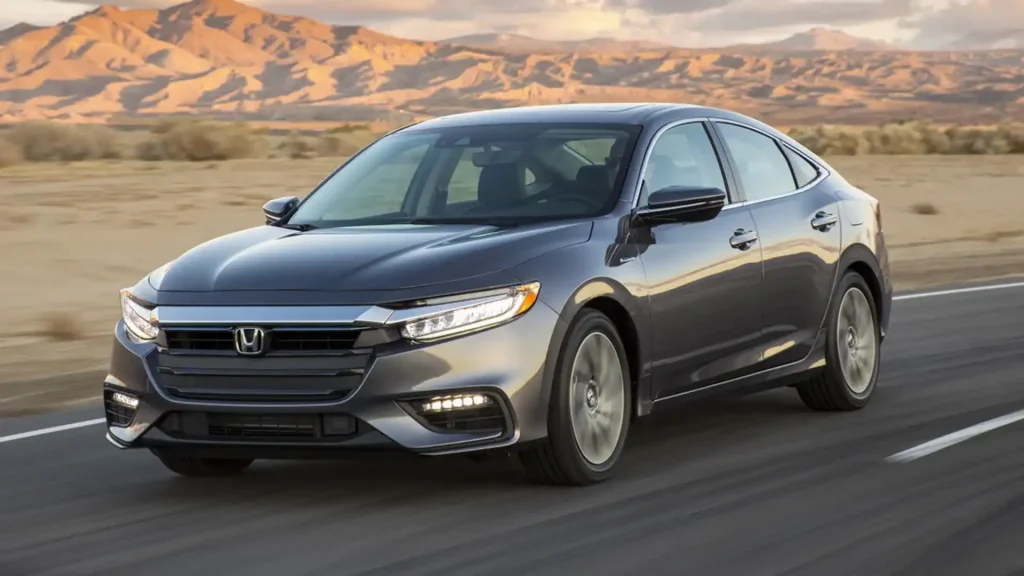
Honda Insight Specifications
- Engine: 1.5L Hybrid Inline 4
- Torque: 197 lb-ft
- Horsepower: 151 hp
- Length/Width: 183.6 in / 71.6 in
Also Read: 10 Hidden Features in Hyundai Cars That Add Real Value
