Parking seems like one of the simplest parts of driving. Once the journey is over, motorists simply find a legal space, leave the vehicle, and continue with their day. In reality, parking regulations are often surprisingly complex.
Across the United States, cities and states have created thousands of rules governing where, when, and how vehicles can be parked. While many of these laws address practical concerns such as traffic flow, emergency access, and public safety, some are so unusual that they sound almost fictional.
Many strange parking laws date back decades. They were often introduced to solve specific local problems that no longer exist or that have become far less common over time.
Yet because laws are not always removed when circumstances change, some of these regulations remain part of local legal codes. As a result, drivers can occasionally encounter rules that seem completely disconnected from modern life.
These odd parking laws provide an interesting look at the history of American communities. Some reflect concerns about horses and wagons that shared roads with early automobiles. Others were designed to maintain public order, protect infrastructure, or address highly specific situations that lawmakers felt deserved special attention.
What makes these laws particularly fascinating is that many were perfectly logical when they were first written. The passage of time is what transformed them into curiosities. A regulation that once addressed a genuine local issue may appear bizarre to modern drivers who live in a very different transportation environment.
Although most of these laws are rarely enforced today, they remain memorable examples of how detailed and sometimes unusual traffic regulations can become.
From restrictions involving building entrances to highly specific rules about where vehicles may remain unattended, these laws demonstrate that parking regulations can be just as strange as any driving law.
Here are ten of the weirdest parking laws that have been associated with different parts of the United States.
Also Read: 10 Cars Where a Routine Repair Costs Over $5,000
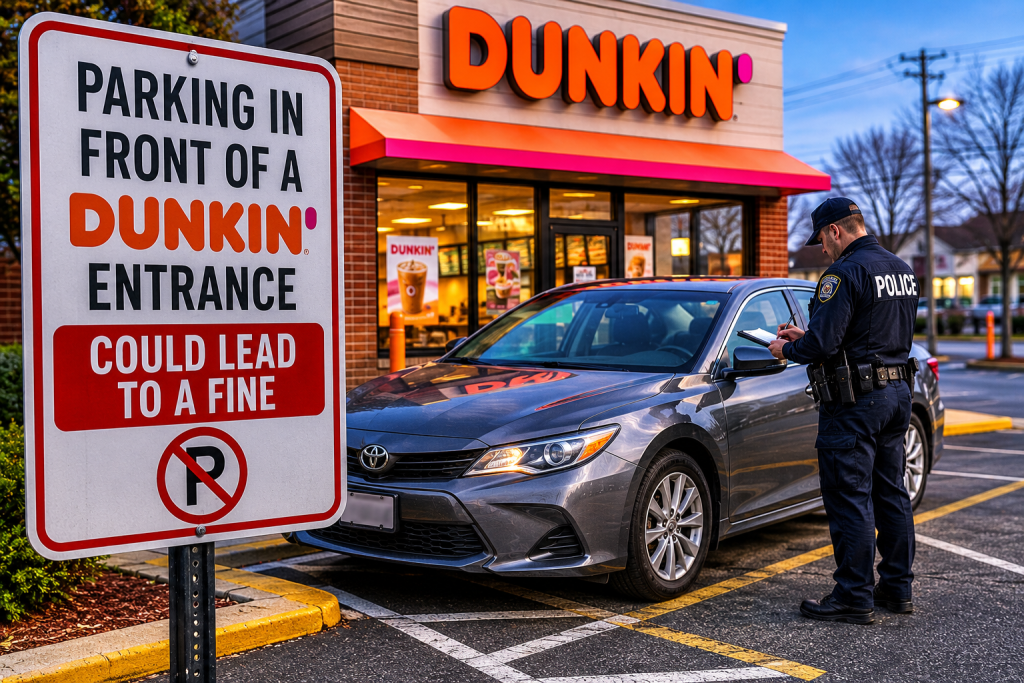
1. Parking in Front of a Dunkin’ Entrance Could Lead to a Fine (Certain Local Ordinances in New England)
Most drivers expect parking laws to focus on fire hydrants, intersections, and loading zones. In some New England communities, however, local ordinances became famous for prohibiting vehicles from blocking business entrances, including those belonging to popular coffee shops.
Over time, stories about motorists being ticketed near Dunkin’ locations helped turn these regulations into a piece of parking folklore.
The rule itself is not really about coffee. Instead, it concerns maintaining access to commercial properties and preventing congestion in busy parking lots. During peak hours, customers sometimes stop directly in front of entrances for convenience.
While this may save a few seconds for the driver, it can create obstacles for pedestrians, delivery workers, and emergency responders.
Local authorities discovered that blocked entrances often caused traffic backups extending into public roads. In areas with heavy customer traffic, the problem became significant enough to justify specific enforcement efforts.
Drivers who viewed the space as a temporary stopping point sometimes learned that parking restrictions applied even for very short periods.
What makes this law memorable is the image it creates. Many people can picture a motorist rushing in for a coffee while leaving the vehicle directly in front of the door. The situation feels harmless, yet local regulations often classify it as an obstruction rather than a simple convenience.
Another interesting aspect is how strongly community habits influence local laws. A parking issue that rarely occurs in one town may become common in another, leading lawmakers to adopt very targeted rules. This helps explain why some parking regulations appear oddly specific when viewed from outside the community.
Although modern enforcement typically focuses on obstruction rather than a particular business, stories surrounding these ordinances continue to circulate. They remain a good example of how everyday routines can inspire surprisingly unusual parking regulations.
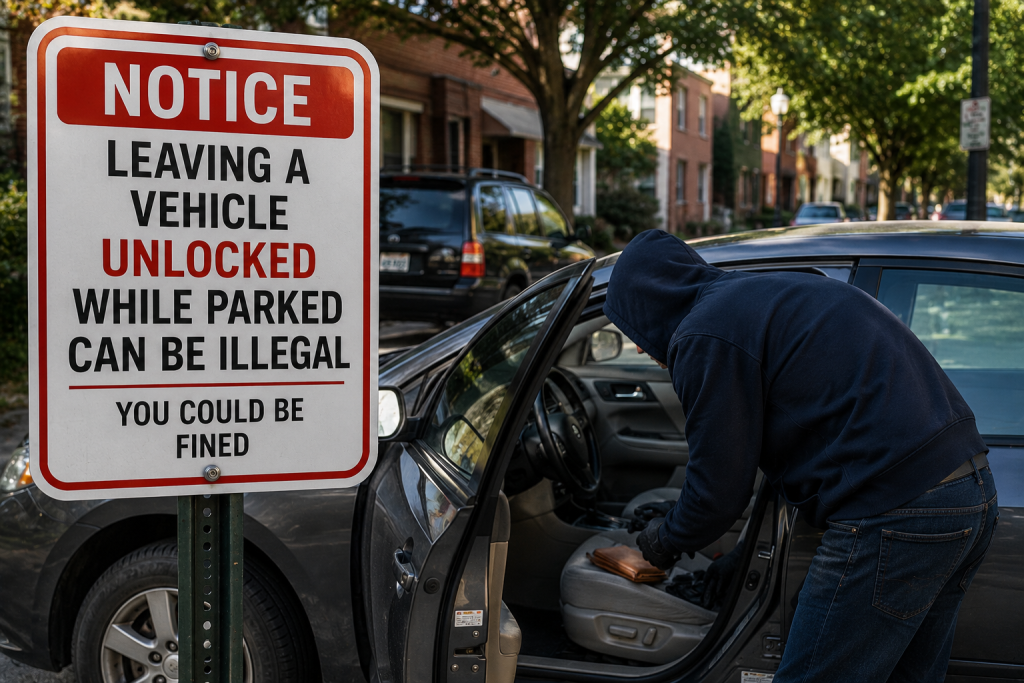
2. Leaving a Vehicle Unlocked While Parked Can Be Illegal (Various Cities Across the US)
Many people think of theft prevention as a personal responsibility rather than a legal requirement. Yet several American cities have adopted regulations making it unlawful to leave an unattended vehicle unlocked or with the keys accessible inside.
At first glance, the concept seems unusual. After all, the owner is the person most likely to suffer from a theft. Why would the government become involved? The answer lies in the broader impact stolen vehicles can have on public safety and law enforcement resources.
Officials in some jurisdictions argued that unlocked cars present opportunities for criminals. Once stolen, vehicles may be used in additional crimes, abandoned in hazardous locations, or involved in collisions. By requiring owners to secure their vehicles, lawmakers hoped to reduce theft rates and the problems that often follow.
The regulation effectively transforms what many consider common sense into a legal obligation. Instead of merely recommending that drivers lock their doors, the law creates a formal requirement. This approach reflects a belief that prevention is more effective than responding after a crime has occurred.
Unlike many strange laws that originated generations ago, this type of ordinance addresses concerns that remain relevant today. Vehicle theft continues to affect communities throughout the country, making the regulation more practical than some of the older rules on this list.
There is also a philosophical dimension to the law. It raises questions about where personal responsibility ends and legal responsibility begins. Some people view locking a vehicle as an individual choice, while others see it as a public safety measure that benefits the entire community.
Whatever one’s opinion, the idea that a parked car can be considered illegally unsecured surprises many drivers. That surprise has helped make the law one of the most frequently discussed examples of unusual parking regulations in the United States.
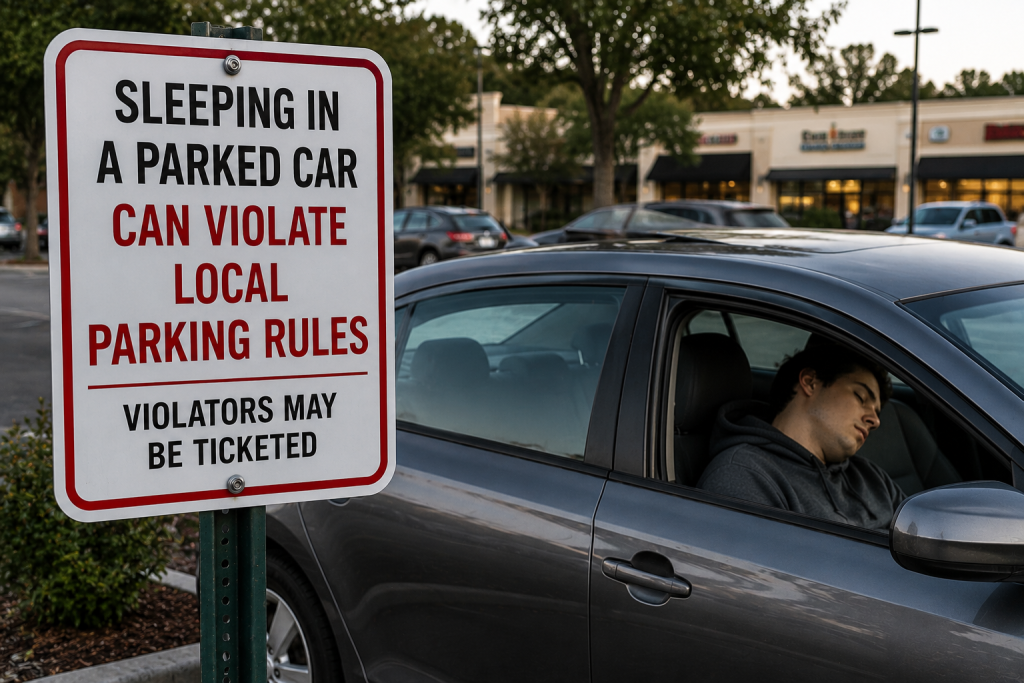
3. Sleeping in a Parked Car Can Violate Local Parking Rules (Various Municipalities)
For travelers facing long journeys, sleeping in a parked vehicle may seem like a practical and safe decision. Across parts of the United States, however, local ordinances have at times restricted or prohibited overnight occupancy of vehicles parked in certain locations.
These regulations often surprise drivers who assume a legally parked car can be used however they choose.
The reasoning behind such laws varies widely. In some communities, officials wanted to prevent long-term vehicle habitation in public spaces. In others, concerns focused on sanitation, safety, tourism, or the use of parking lots as unofficial campsites.
Rather than targeting sleeping itself, many ordinances regulate where and when a vehicle may remain occupied.
Consider a tourist arriving late at night after every hotel in town has closed for check-in. Pulling into a public lot for a few hours of rest might appear harmless. Yet local regulations can treat the situation differently depending on the location. Some areas allow it, while others impose restrictions or require special permits.
The unusual nature of the law comes from the contrast between safety advice and legal requirements. Road safety campaigns frequently encourage tired drivers to stop and rest rather than continue driving while fatigued. At the same time, certain parking regulations may limit where that rest can occur.
This contradiction has sparked debate in many communities. Supporters argue that regulations help manage public spaces and discourage misuse of parking facilities. Critics contend that drivers should be allowed to rest safely when needed.
The law also illustrates how parking regulations often extend beyond simply positioning a vehicle. In some jurisdictions, what a person does after parking becomes just as important as where the vehicle is located. That broader approach transforms a routine parking situation into a surprisingly complex legal matter.
For many motorists, learning that a parked vehicle can become subject to occupancy restrictions remains one of the more unexpected aspects of American parking law.
4. Parking Too Close to a Mailbox Can Result in Penalties (Certain Local Jurisdictions)
Most drivers pay attention to signs, curbs, and painted lines when looking for a parking space. Far fewer think about mail delivery. Yet in some American communities, parking too close to a mailbox can lead to citations or enforcement actions.
The origin of these regulations is rooted in efficiency rather than traffic control. Postal carriers, particularly those operating delivery vehicles, require clear access to residential mailboxes. When parked cars block that access, mail delivery may be delayed or skipped entirely.
What appears to be a minor inconvenience for one driver can affect an entire neighborhood’s mail service. If carriers must repeatedly exit their vehicles or alter delivery routes, efficiency declines, and schedules become harder to maintain. Local authorities recognized this issue and responded with parking restrictions designed to keep mailbox access unobstructed.
Unlike some unusual laws that seem disconnected from daily life, this regulation remains relevant in many suburban communities. Residential streets often have limited parking, especially during evenings and weekends. Vehicles parked without considering mailbox placement can unintentionally interfere with delivery operations.
The law becomes memorable because it focuses on an object most drivers rarely associate with parking enforcement. People expect restrictions around schools, fire stations, and intersections. A mailbox feels much less obvious, making the rule seem unusual even though its purpose is fairly practical.
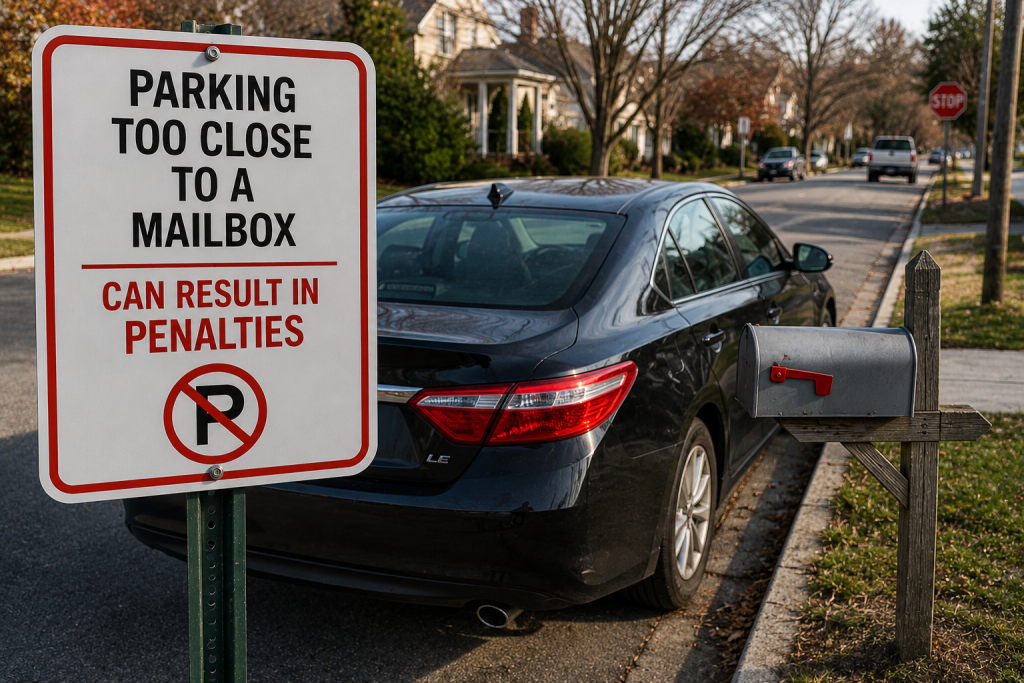
Another interesting aspect is how the regulation demonstrates the interconnected nature of public services. A simple parking decision can influence postal operations, neighborhood convenience, and municipal efficiency. Lawmakers, therefore, viewed mailbox access as worthy of legal protection.
For newcomers to an area, discovering that a mailbox can effectively create a restricted parking zone often comes as a surprise. The regulation highlights how local governments sometimes adopt highly specific rules to address everyday operational needs that might otherwise go unnoticed.
5. Parking in Front of Your Own Driveway Can Still Be Illegal (Multiple States and Cities)
A common assumption among homeowners is that the driveway in front of their property belongs to them in every practical sense. After all, they maintain the home, use the driveway, and likely park there every day.
Yet in many parts of the United States, parking directly across the driveway entrance can still violate local regulations, even when the vehicle belongs to the property owner.
This law surprises people because it appears to punish someone for blocking access to their own property. The explanation lies in how public streets are regulated. While a driveway serves a private residence, the roadway in front of it remains public space governed by municipal rules.
Authorities often enforce these regulations to maintain consistency. If exceptions were made based on vehicle ownership, enforcement could become complicated, and disputes could arise over who is authorized to park where. Uniform rules are easier for parking officers and police departments to administer.
The regulation also addresses practical concerns. Emergency responders may need clear access to properties. Utility workers, sanitation crews, and other service providers can encounter difficulties when driveway entrances are blocked, regardless of who parked the vehicle.
What makes the law stand out is the reaction it generates. Many homeowners are genuinely shocked when they learn they can receive a citation while parked in front of their own house. The situation feels counterintuitive because the blocked access affects the owner rather than a third party.
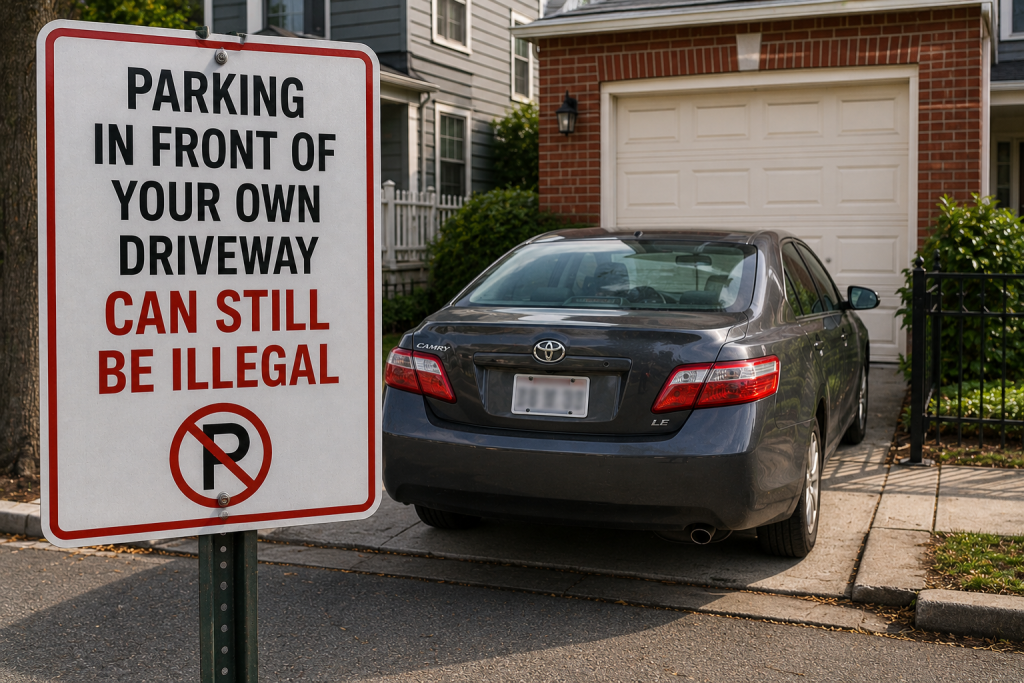
In reality, the rule reflects a broader principle of traffic regulation. Public streets operate according to standardized requirements rather than individual preferences. Once a vehicle occupies roadway space, local parking laws generally apply regardless of ownership considerations.
That distinction between private property and public roadway authority is what keeps this regulation on lists of strange American parking laws. It challenges assumptions that many drivers have held for years.
6. Certain Towns Prohibit Parking on Streets During Snowfall Even When Roads Look Clear
Winter weather has inspired some of the most unusual parking regulations in the country. In numerous northern towns and cities, motorists can be prohibited from parking on public streets during designated snow emergencies, even when there appears to be little or no snow accumulation at the moment.
To someone unfamiliar with winter operations, the rule can seem excessive. If the road is clear and traffic is moving normally, why should parking be restricted? Municipal officials point to snow removal logistics as the answer.
Snowplows require unobstructed access to perform their work effectively. Waiting until roads become heavily covered before moving parked vehicles can create delays and make clearing operations more difficult. By implementing restrictions in advance, communities ensure that equipment can operate efficiently when weather conditions worsen.
The law often catches visitors off guard because it may activate automatically once a snow emergency is declared. A driver who parked legally earlier in the day could return to find that conditions have changed and restrictions are now in effect.
Unlike many laws on this list, the unusual element is not the action being regulated but the timing. Drivers may be required to move vehicles before significant snowfall actually occurs. This preventive approach reflects the importance many northern communities place on maintaining transportation networks during winter storms.
Residents often become accustomed to checking weather forecasts and municipal announcements before leaving vehicles parked overnight. For outsiders, however, the system can feel confusing and unnecessarily strict.
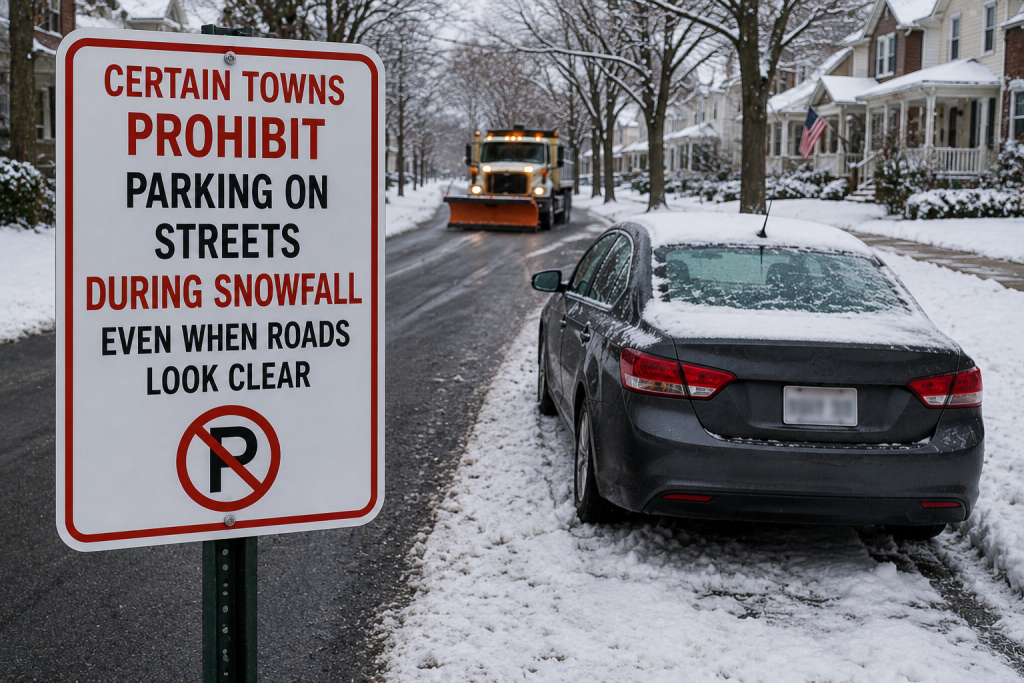
The regulation demonstrates how local geography and climate influence parking laws. What seems unusual in a warm southern state may be perfectly logical in a region that regularly experiences severe winter weather. The result is a rule that continues to surprise people while serving a practical purpose for the communities that enforce it.
7. Parking Within a Certain Distance of a Fire Station Entrance Is Strictly Prohibited
Most drivers understand that emergency vehicles need room to operate. What many people do not realize is just how extensive parking restrictions around fire stations can be.
In numerous American jurisdictions, vehicles are prohibited from parking within a specified distance of a fire station entrance, even if the area appears unused and there are no emergency vehicles currently moving.
The rule originated from a simple but critical concern. Firefighters responding to emergencies often have only seconds to leave the station. Any obstacle near the entrance can delay a response, and even a brief delay may have serious consequences when lives or property are at risk.
Imagine a driver spotting an empty curb space near a firehouse on a quiet afternoon. The location may seem harmless, especially if emergency vehicles are parked inside the building. However, the situation can change instantly when an alarm sounds. Large fire apparatuses require wide turning radii and unobstructed access to the roadway.
Municipalities, therefore, established buffer zones around station entrances. These zones vary by location but are generally much larger than many drivers expect. The unusual aspect is that a perfectly ordinary parking spot can become completely off limits simply because of its proximity to emergency infrastructure.
Unlike some older regulations rooted in historical circumstances, this law remains highly relevant. Fire departments continue to rely on rapid deployment, and parking restrictions remain one of the simplest ways to support emergency operations.
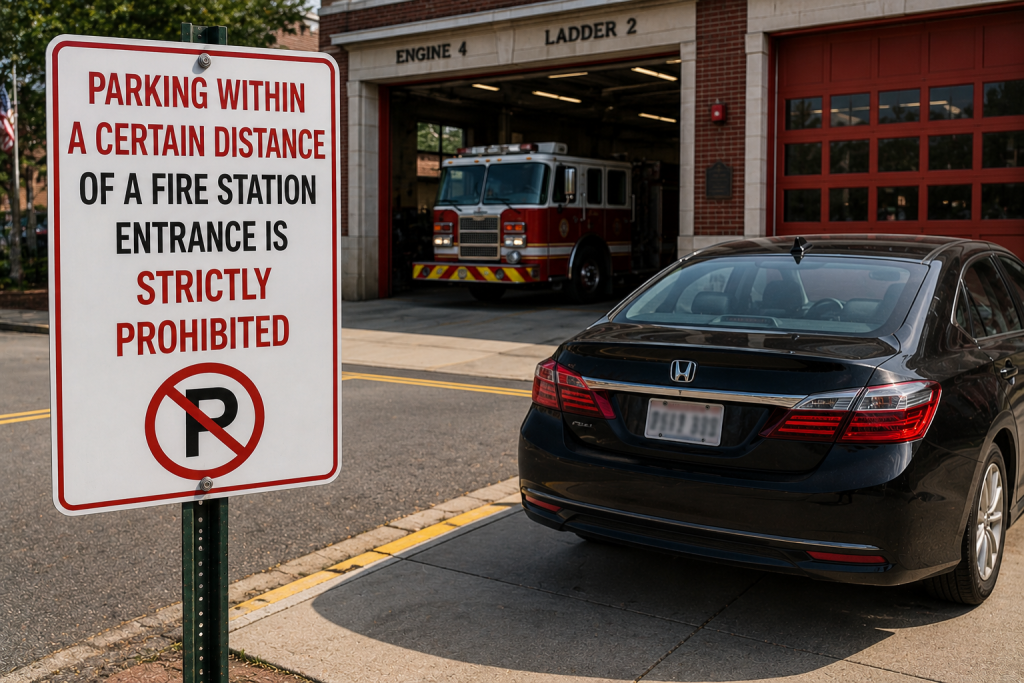
Many first-time visitors to a city do not notice these rules until they see signs, painted curbs, or enforcement activity. The restrictions can appear excessive until one considers the size and maneuverability requirements of modern firefighting equipment.
Because the law focuses on preventing a problem before it occurs rather than responding afterward, it serves as a strong example of proactive public safety regulation. Its strict nature may surprise motorists, but its purpose is easy to understand once the operational needs of emergency responders are considered.
8. Some Beach Communities Ban Overnight Street Parking Regardless of Available Space
Beach towns attract visitors seeking relaxation, scenic views, and easy access to the coast. To many travelers, an empty street near the shoreline can look like the perfect place to leave a vehicle overnight. In several coastal communities across the United States, however, overnight street parking is prohibited regardless of how many spaces appear to be available.
This regulation often puzzles visitors because the streets may seem largely unused during late-night hours. Unlike urban areas, where parking demand remains constant, beach communities can become remarkably quiet after sunset. Empty spaces create the impression that parking restrictions are unnecessary.
Local governments typically have different priorities. Officials may want to discourage long-term vehicle storage, unauthorized camping, or the use of public streets as substitutes for private accommodations. Some towns also conduct nighttime maintenance, street cleaning, or emergency access operations that require clear roadways.
The law has become famous because it affects tourists more than residents. A visitor arriving late may see dozens of vacant spaces and assume parking is permitted. The next morning, they discover that local ordinances say otherwise. This contrast between appearance and legality is what makes the rule memorable.
Another factor involves community character. Coastal towns often work hard to manage traffic, tourism, and limited infrastructure. Overnight parking restrictions can help preserve neighborhood access and reduce congestion during busy travel seasons.
Unlike regulations tied to immediate safety concerns, this law is closely connected to long-term community planning. The objective is not necessarily to prevent accidents but to control how public spaces are used over time.
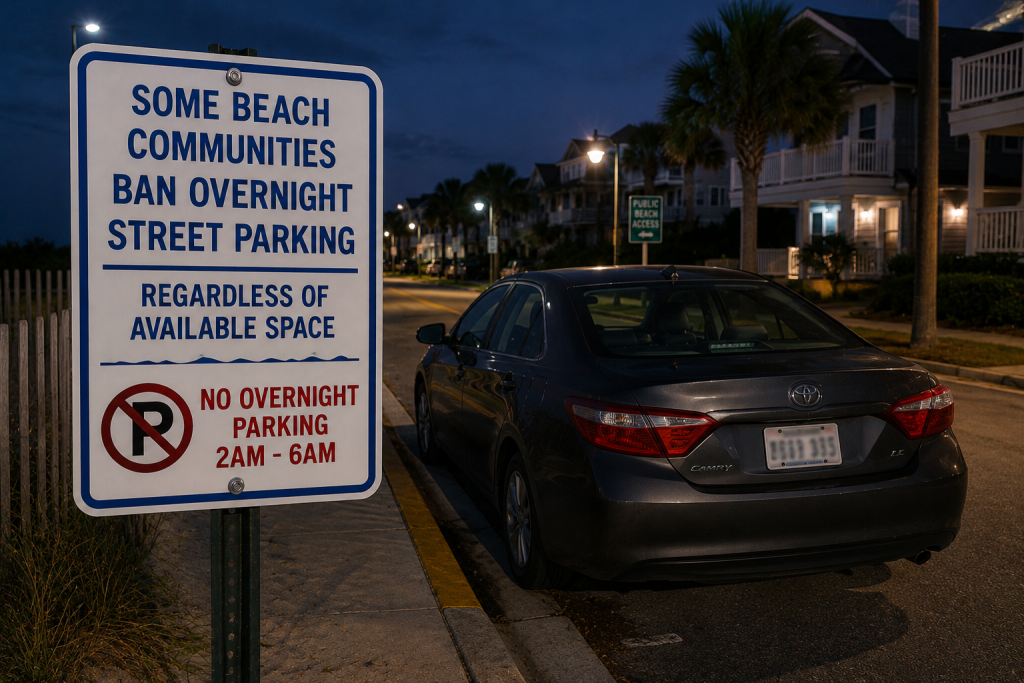
For motorists accustomed to urban environments where available space usually indicates legal parking, these rules can be particularly surprising. They demonstrate that local priorities play a major role in shaping parking regulations and that an empty curb is not always an invitation to leave a vehicle there.
9. Parking a Vehicle for Sale on Public Streets Can Be Illegal
Selling a vehicle is a routine activity, yet many drivers are unaware that parking a car on a public street with a “For Sale” sign can violate local regulations in certain parts of the United States.
At first glance, the restriction seems unnecessary. A parked vehicle displaying a sale notice does not appear dangerous or disruptive. The reasoning becomes clearer when considering how public streets might be used if such activity were unrestricted.
Municipal leaders worried that commercial sellers could effectively transform public roads into free advertising space. Without limitations, streets could become lined with vehicles offered for sale, creating visual clutter and reducing available parking for residents and visitors.
The law, therefore, distinguishes between using a street for transportation and using it as a marketplace. Even though the vehicle itself is legally parked, the commercial purpose behind its placement may violate local ordinances.
What makes this regulation particularly interesting is that it affects ordinary people as well as businesses. Someone attempting to sell a personal vehicle might unknowingly break the rules simply by displaying a sign while parked on a public roadway.
Enforcement practices vary widely. Some communities focus only on repeated violations or obvious commercial activity, while others apply the rules more broadly. Regardless of how frequently citations are issued, the law continues to surprise drivers who assume a parked vehicle can be advertised anywhere.
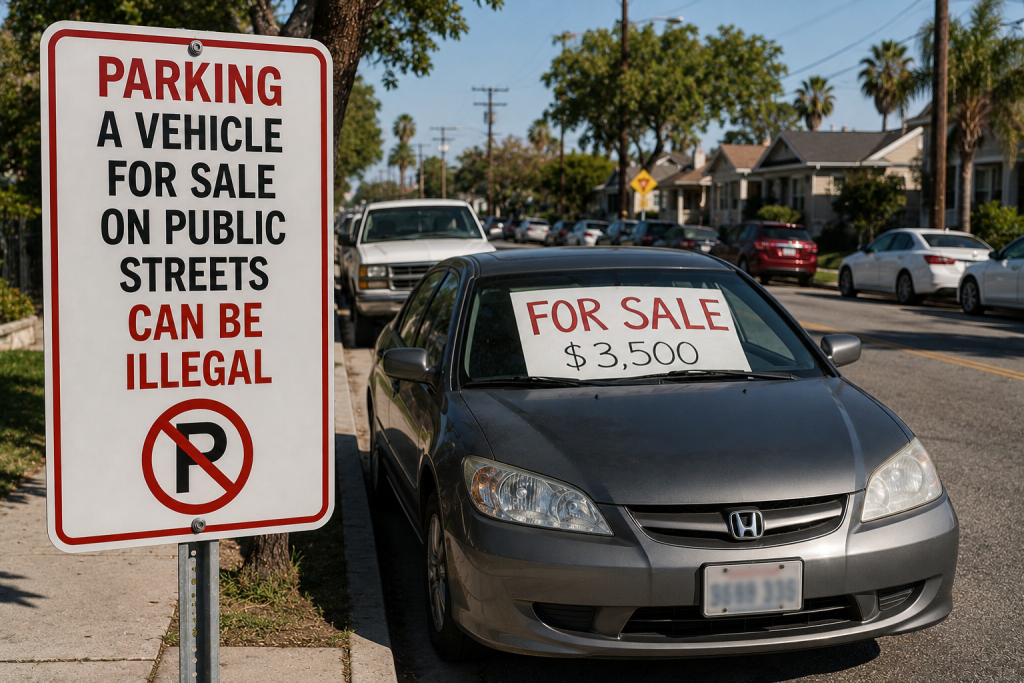
The regulation reflects a broader principle found in many municipal codes. Public spaces are intended to serve shared transportation needs rather than private commercial interests. By limiting vehicle sales on public streets, communities attempt to balance individual convenience with broader public objectives.
For many motorists, discovering that a simple sale sign can change the legal status of a parked vehicle is unexpected. That element of surprise has helped keep the law among the more unusual parking regulations found across America.
10. Parking Too Long in the Same Spot Can Violate Abandonment Laws
The final entry on this list concerns a regulation that catches many people off guard because it can apply even when a vehicle is legally parked. Numerous cities and counties impose time limits on how long a vehicle may remain in the same location before it is considered abandoned or improperly stored.
The exact time period varies. Some jurisdictions allow only a few days, while others permit several weeks. What remains consistent is the idea that public parking spaces are intended for active use rather than indefinite vehicle storage.
The law developed in response to practical problems. Vehicles left untouched for extended periods can occupy valuable parking spaces, accumulate debris, and create uncertainty about ownership or condition. In some cases, abandoned vehicles become targets for vandalism or illegal activity.
A person leaving for an extended vacation might assume a legally parked vehicle can remain where it is indefinitely. In reality, local regulations may require periodic movement or relocation. Failure to comply can result in warnings, citations, or towing.
One reason this law feels unusual is that the vehicle may appear perfectly normal. It is not blocking traffic, violating a sign, or creating an obvious hazard. The issue is simply the length of time it has remained stationary.
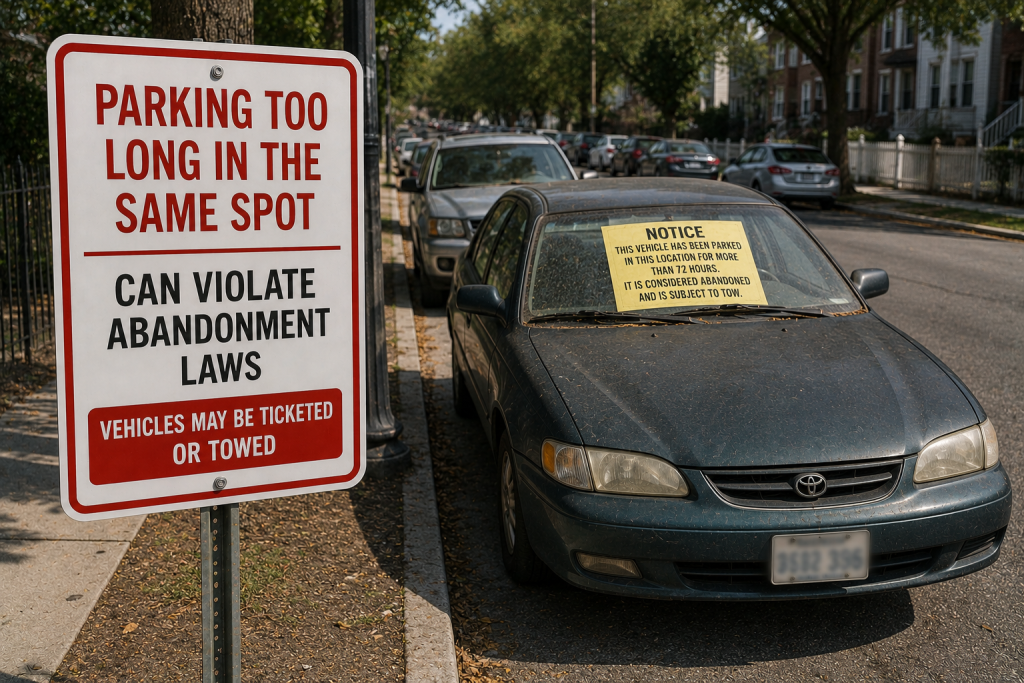
Municipal officials argue that parking spaces function as a shared resource. Allowing vehicles to occupy them indefinitely would reduce availability and create management challenges. Time limits help ensure turnover and maintain access for other users.
The regulation serves as a reminder that parking laws govern more than location. Duration can be just as important as placement. A vehicle parked legally today may become illegal tomorrow if it remains in the same position for too long.
This combination of simplicity and surprise makes abandonment-related parking laws one of the strangest categories of regulations still found throughout the United States.
Also Read: 5 Best Hybrids vs 5 Best EVs for 2026