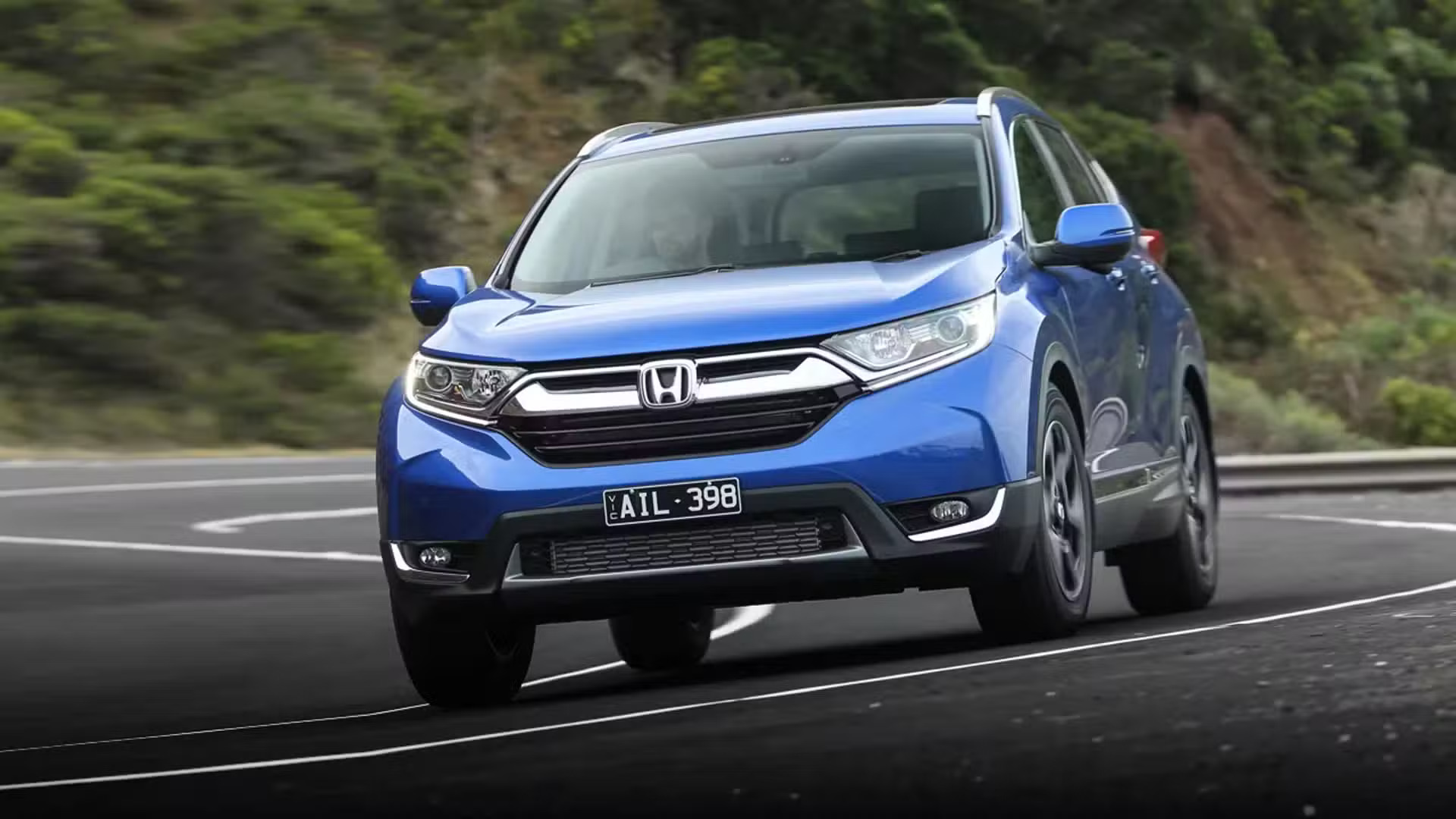
Honda’s SUV lineup has built a global reputation for long-term durability, low maintenance costs, and predictable engineering, making it a frequent benchmark in reliability rankings across compact, midsize, and electrified segments.
From the rugged Passport and family-focused Pilot to efficient hybrids like the CR-V and ZR-V, each model reflects Honda’s consistent focus on proven powertrains and practical design rather than overly complex technology. Even newer additions, such as the Prologue and M-NV, extend this philosophy into the electric era, balancing simplicity with evolving EV systems.
Across the range, common strengths include dependable engines or motors, stable transmissions or drivetrains, and safety systems built for everyday confidence. While features, size, and performance vary widely, Honda SUVs generally prioritize long service life and low ownership stress.
This ranking highlights ten Honda SUVs assessed by their expected reliability for 2026, starting with the class-leading CR-V and moving through progressively more specialized, compact, or electrified models.
1. Honda CR-V
The Honda CR-V is widely regarded as one of the most dependable compact SUVs, earning a reputation for durability, low maintenance costs, and long-term reliability. Often described as the benchmark for practical family commuting, it consistently achieves high reliability ratings, including an 83/100 score from J.D. Power and strong RepairPal reviews. Drivers rarely experience major engine or transmission failures, and many CR-Vs surpass 200,000 miles with only routine servicing such as oil changes and brake replacements. Honda’s emphasis on proven engineering rather than flashy, untested technology strengthens the CR-V’s reputation for dependability.
The CR-V is powered by a refined 190-horsepower turbocharged 1.5-liter four-cylinder engine paired with a continuously variable transmission (CVT), available in front-wheel or all-wheel drive configurations. The setup delivers smooth everyday performance, though acceleration can feel modest compared with rivals. Features like hill-descent control and traction management improve stability on slippery roads and light off-road terrain.
The cabin is designed with everyday usability in mind, offering roomy seating, ample cargo space, and an ergonomic layout that helps make longer trips more comfortable. Technology features include a 9-inch infotainment display with Apple CarPlay and Android Auto compatibility, available navigation, wireless charging, and rear USB-C connectivity, giving passengers access to modern convenience features throughout the vehicle.
Efficiency remains one of the CR-V’s key advantages, with front-wheel-drive versions capable of achieving up to 28 mpg in the city and 33 mpg on the highway. Honda also equips every model with a comprehensive suite of driver-assistance technologies, including adaptive cruise control, lane-keeping assist, automatic emergency braking, and driver-attention monitoring. Combined with its smooth ride and strong reputation for long-term value, the CR-V continues to be a popular choice among families and daily commuters.
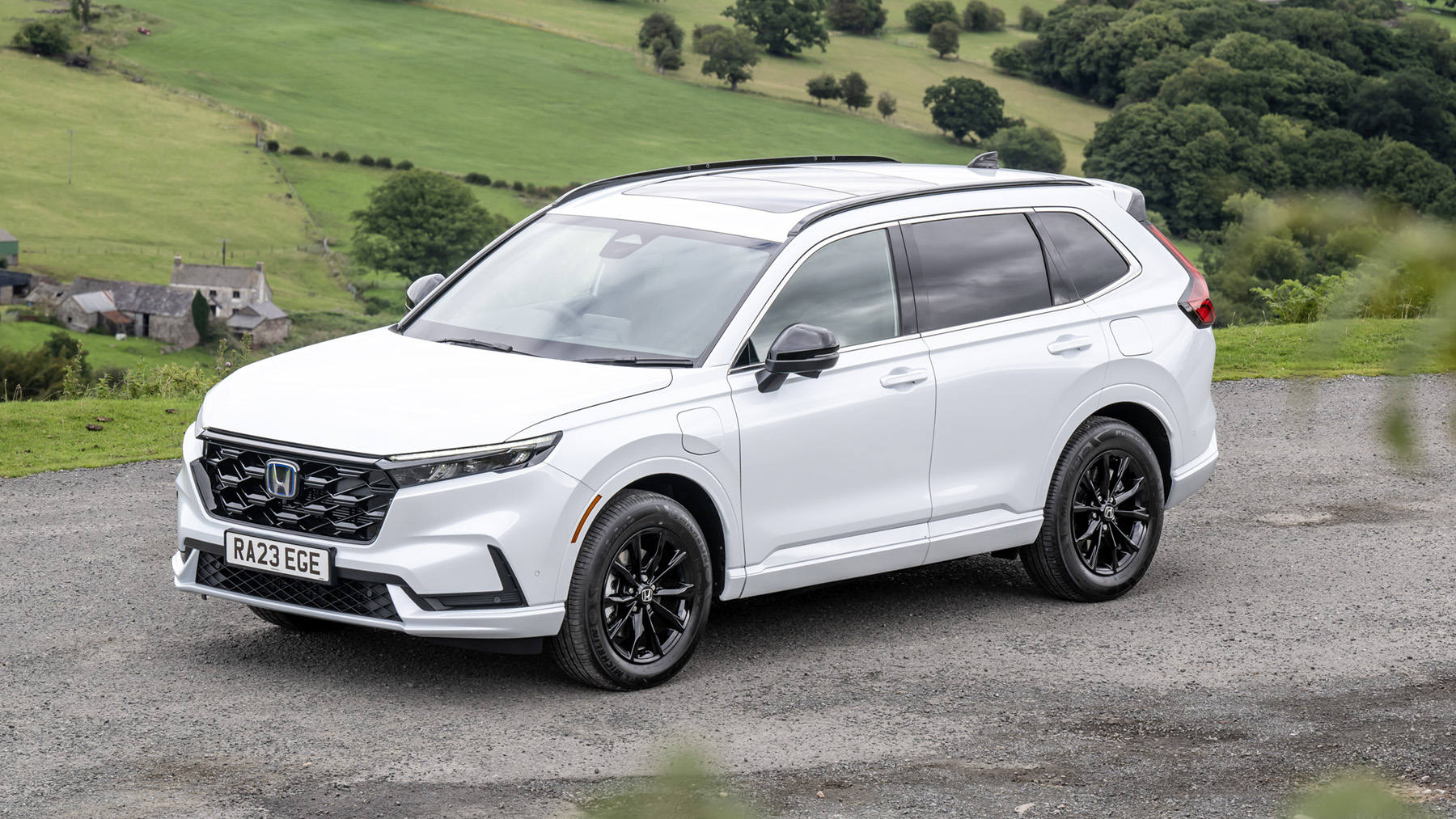
- Engine: 1.5L turbocharged inline-4 (gas) / 2.0L inline-4 hybrid system (two-motor e:HEV)
- Horsepower: 190 hp (1.5L turbo) / 204 hp (hybrid combined)
- Torque: 179 lb-ft (1.5L turbo) / 247 lb-ft (hybrid combined)
- Length: 184.8 in (4,694 mm)
- Width: 73.5 in (1,866 mm)
2. Honda Passport
Honda Passport is a rugged midsize SUV known for durability, simple engineering, and strong off-road capability. It uses a proven V6 powertrain and avoids complex turbocharged systems. Built for long-term reliability, it appeals to drivers who want dependable performance in varied conditions.
Honda Passport features a 3.5-liter V6 engine paired with a 10-speed automatic transmission designed for long-lasting performance and smooth operation. This combination reduces mechanical complexity and improves reliability compared with turbocharged alternatives.
It delivers confident highway performance and capable towing up to 5000 pounds, making it suitable for trailers and outdoor gear. Available All Wheel Drive and terrain drive modes enhance traction on dirt, snow, and uneven surfaces for adventurous use.
The Passport’s interior focuses on space, comfort, and everyday functionality. A large touchscreen, digital instrument display, wireless smartphone connectivity, and upgraded cabin materials create a modern environment, while the roomy rear seats and generous cargo area make it well-suited for family road trips and extended travel.
Honda also equips the SUV with a full suite of standard safety technologies, including adaptive cruise control, lane-keeping assist, blind-spot monitoring, and automatic emergency braking. Strong reliability scores, routine maintenance coverage, and a comprehensive warranty package help strengthen long-term ownership confidence. Paired with its durable powertrain, stable on-road manners, and capability on rougher terrain, the Passport has earned a reputation as a practical SUV built for both daily driving and outdoor adventures.
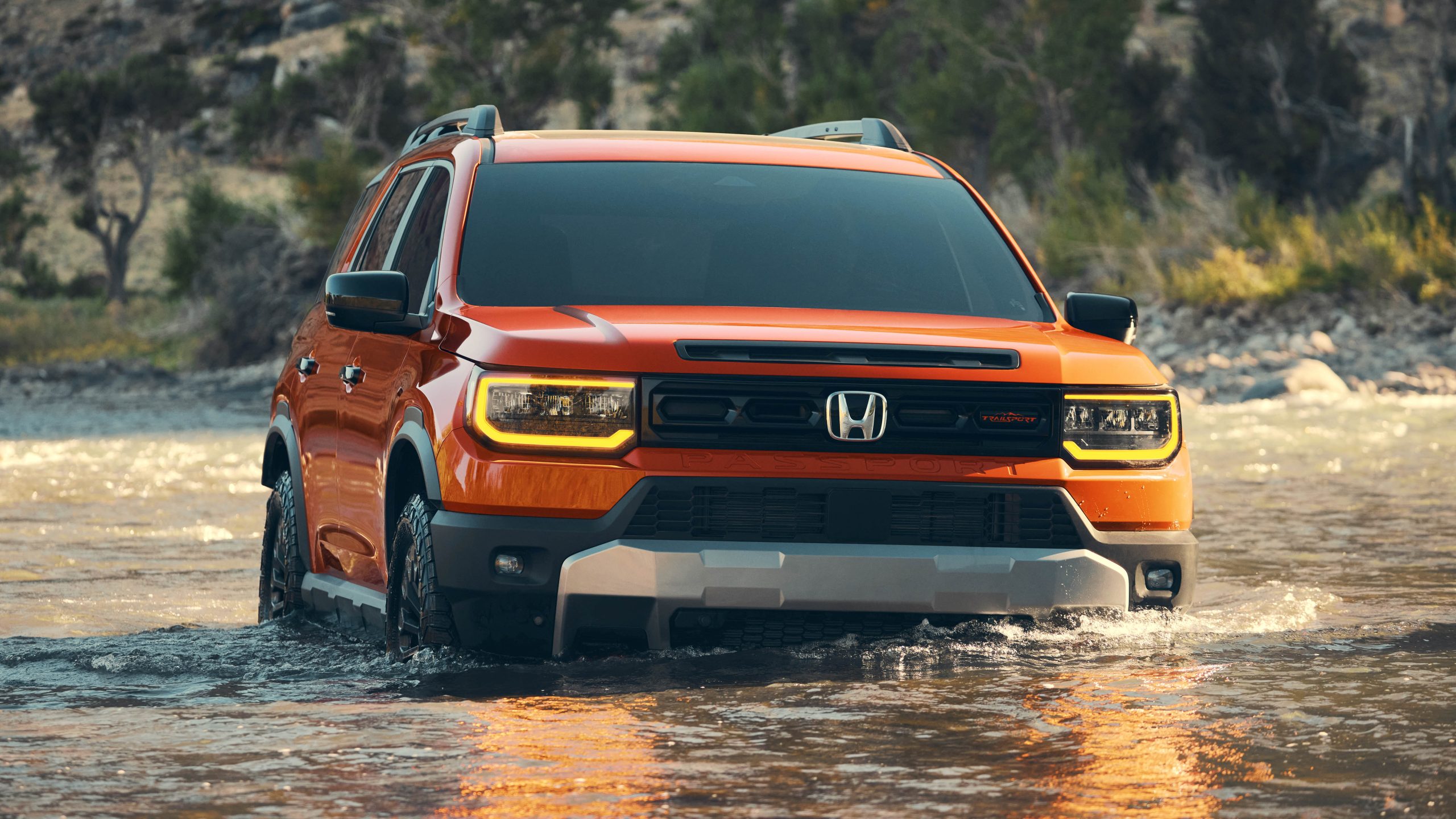
- Engine: 3.5L V6 (gasoline)
- Horsepower: 285 hp @ 6,100 rpm
- Torque: 262 lb-ft @ 5,000 rpm
- Length: 191.5 in
- Width: 79.4 in (without mirrors)
3. Honda HR-V
The Honda HR-V is a subcompact SUV known for simplicity and long-term dependability, built on a straightforward platform with a naturally aspirated engine that runs under low stress. It avoids turbocharged complexity and heavy electronics, reducing breakdown risks. It consistently ranks well in reliability studies, attracts fewer complaints, and holds value strongly and steadily.
Honda HR-V uses a 2.0-liter four-cylinder engine shared with the Civic, producing modest power through a CVT. This setup prioritizes durability over performance, avoiding turbocharged stress. All-wheel drive is optional, while front-wheel drive is standard, maintaining mechanical simplicity and long-term reliability in daily driving conditions across varied environments consistently for owners everywhere today.
Performance is modest with 0–60 mph around 9.4 seconds, reflecting its efficiency-first tuning. Fuel economy reaches up to 26 mpg city and 32 mpg highway for front-wheel drive, with slightly lower AWD figures. Real-world testing shows strong highway efficiency, making it a practical and economical daily commuter SUV for everyday reliability for buyers.
The cabin borrows styling cues from the Civic, featuring a clean dashboard layout, a 9-inch infotainment touchscreen, wireless Apple CarPlay and Android Auto compatibility, and thoughtfully designed storage areas throughout the interior. Passenger comfort is supported by adjustable seating, while the rear cargo area offers ample room for everyday items. Folding the rear seats further increases utility, giving the HR-V the versatility needed for family duties and daily errands.
Honda equips the HR-V with its standard Honda Sensing safety package, which includes adaptive cruise control, lane-keeping assist, automatic emergency braking, and blind-spot monitoring. Although warranty coverage is relatively straightforward, buyers receive a year of complimentary maintenance. Combined with strong safety ratings, affordable operating costs, and a reputation for reliability, the HR-V remains an appealing option for shoppers seeking long-term value and dependable transportation.
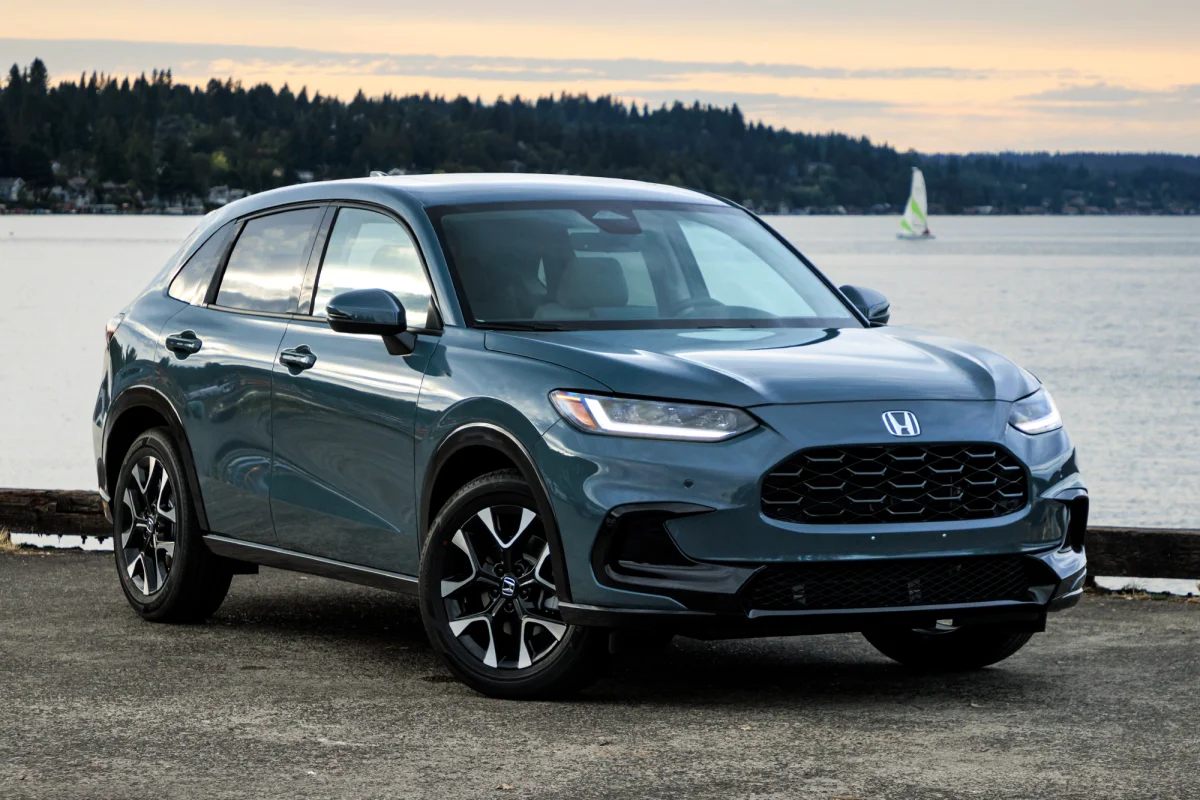
- Engine: 1.5L inline-4 (gas, PH/global markets) / 1.5L e:HEV hybrid system (PH RS e:HEV) / 2.0L DOHC i-VTEC inline-4 (US/North America)
- Horsepower: 119 hp (1.5L gas) / 131 hp (1.5L hybrid combined) / 158 hp (2.0L gas)
- Torque: 145 Nm (1.5L gas) / 253 Nm (1.5L hybrid) / 138 lb-ft (187 Nm) (2.0L gas)
- Length: 4,330–4,385 mm (PH models) / 179.8 in (4,567 mm) (US models)
- Width: 1,790 mm (PH models) / 72.4 in (1,839 mm) (US models)
4. Honda Pilot
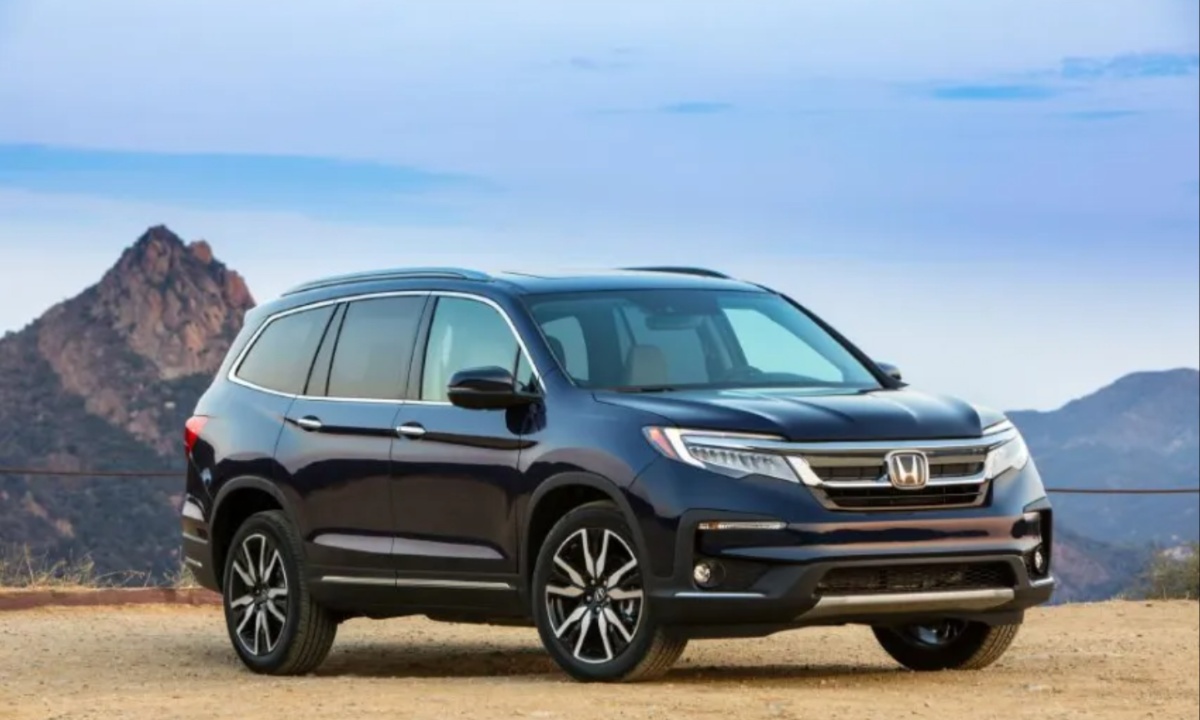
The Honda Pilot is a large three-row family SUV known for strong long-term reliability, solid resale value, and durable mechanical engineering. It is powered by a naturally aspirated 3.5-liter V6 engine that produces about 285 horsepower, paired with a refined 10-speed automatic transmission. This proven combination prioritizes smooth operation and long-term durability over high-strung performance, making it well-suited for daily family use, road trips, and heavy passenger loads.
One of the Pilot’s key strengths is its dependable powertrain. The V6 engine delivers steady, linear power without excessive strain, while the 10-speed automatic transmission provides smooth and consistent shifts. Available all-wheel drive improves traction, and towing capacity reaches up to 5,000 pounds in AWD models, matching many competitors in the segment. While acceleration is average, the focus is clearly on stability and longevity rather than speed.
Family-friendly functionality remains one of the Pilot’s strongest qualities. The cabin accommodates up to eight passengers and provides a roomy third row, while configurable second-row seating allows owners to adapt the interior for passengers or cargo. Even with all seats occupied, the Pilot retains useful storage capacity. Upper trims enhance comfort with features such as leather-trimmed seating, heated front seats, a panoramic moonroof, and a Bose premium sound system, all within a cabin designed to withstand years of daily family use.
Every Pilot comes equipped with a 12.3-inch infotainment display, wireless Apple CarPlay and Android Auto integration, and a digital gauge cluster. Honda also includes its Honda Sensing suite as standard, bringing features such as adaptive cruise control, lane-keeping assistance, blind-spot monitoring, and automatic emergency braking. Together, these technologies support strong safety performance and provide added confidence behind the wheel.
Efficiency varies by configuration, with fuel economy generally ranging from 18 to 27 mpg. TrailSport variants trade some efficiency for increased off-road capability. While warranty coverage aligns with segment norms, Honda adds a complimentary one-year maintenance plan, further strengthening the Pilot’s appeal as a dependable SUV built for long-term family ownership.
- Engine: 3.5L aluminum-alloy V6 (24-valve DOHC)
- Horsepower: 285 hp @ 6,100 rpm
- Torque: 262 lb-ft @ 5,000 rpm
- Length: 200.1 in (Sport, EX-L, Touring, Elite, Black Edition) / 200.4 in (TrailSport)
- Width: 78.5 in (without mirrors)
5. Honda ZR-V
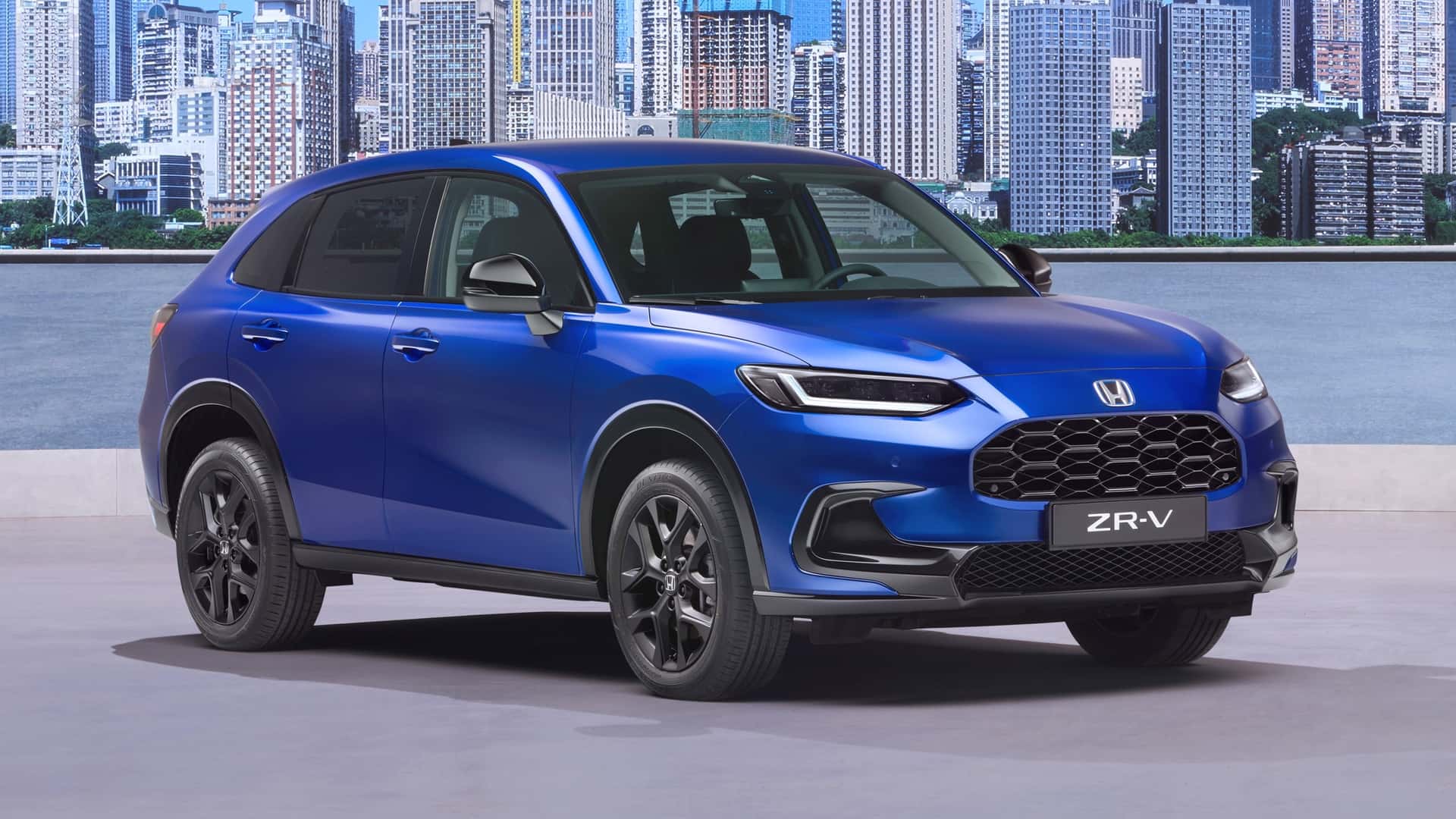
The Honda ZR-V is a global compact crossover designed to deliver strong reliability, comfort, and efficiency across diverse and demanding driving conditions. Positioned between the HR-V and CR-V, it uses a high-clearance chassis and a robust suspension system engineered to handle rough roads, potholes, and challenging weather without frequent mechanical issues. Its straightforward electrical design avoids overly complex sensors that can fail in extreme heat or heavy rain, contributing to a low-maintenance ownership experience.
Reliability is one of the ZR-V’s strongest attributes, largely because it shares its foundation with the Honda Civic platform. This proven architecture provides a durable chassis, refined transmission systems, and long-term structural stability. It also benefits from Honda’s reputation for dependable engineering and consistently high reliability rankings across global markets. The use of established components helps reduce early-life mechanical problems and improves long-term durability compared to newly developed competitors.
Power comes from Honda’s e:HEV hybrid system, which combines a 2.0-liter four-cylinder petrol engine with a small battery pack and dual electric motors. In most conditions, the electric motor drives the wheels while the petrol engine acts as a generator, only directly powering the wheels at higher speeds when most efficient. This system prioritizes fuel efficiency, smoothness, and mechanical simplicity, while also delivering around 44–49 mpg in real-world driving conditions.
Designed with everyday usability in mind, the ZR-V caters primarily to family-oriented buyers who value comfort and straightforward functionality. The interior adopts a clean, uncluttered design, combining user-friendly controls with modern digital instrumentation that is easy to operate. Rather than focusing on upscale luxury features, Honda emphasizes durability and convenience, creating a cabin suited to daily driving demands.
The SUV also comes equipped with a range of standard technology features, including infotainment connectivity, driver-assistance systems, and practical convenience amenities. By prioritizing proven technology over overly complex electronic systems, the ZR-V aims to deliver dependable long-term ownership and minimize potential reliability concerns.
While its design is divisive and pricing starts relatively high compared to rivals, the ZR-V stands out for its dependable hybrid technology, solid engineering, and low-stress ownership experience, making it a practical long-term compact SUV choice.
- Engine: 2.0L inline-4 e:HEV hybrid system (dual-motor) / 1.5L VTEC turbo inline-4 (select markets)
- Horsepower: 181–184 hp (2.0L hybrid) / 180 hp (1.5L turbo)
- Torque: 315 Nm (2.0L hybrid) / 240 Nm (1.5L turbo)
- Length: 4,567–4,570 mm
- Width: 1,840 mm
Also read: 10 Cars Where the Interior Falls Apart Before the Engine
6. Honda BR-V
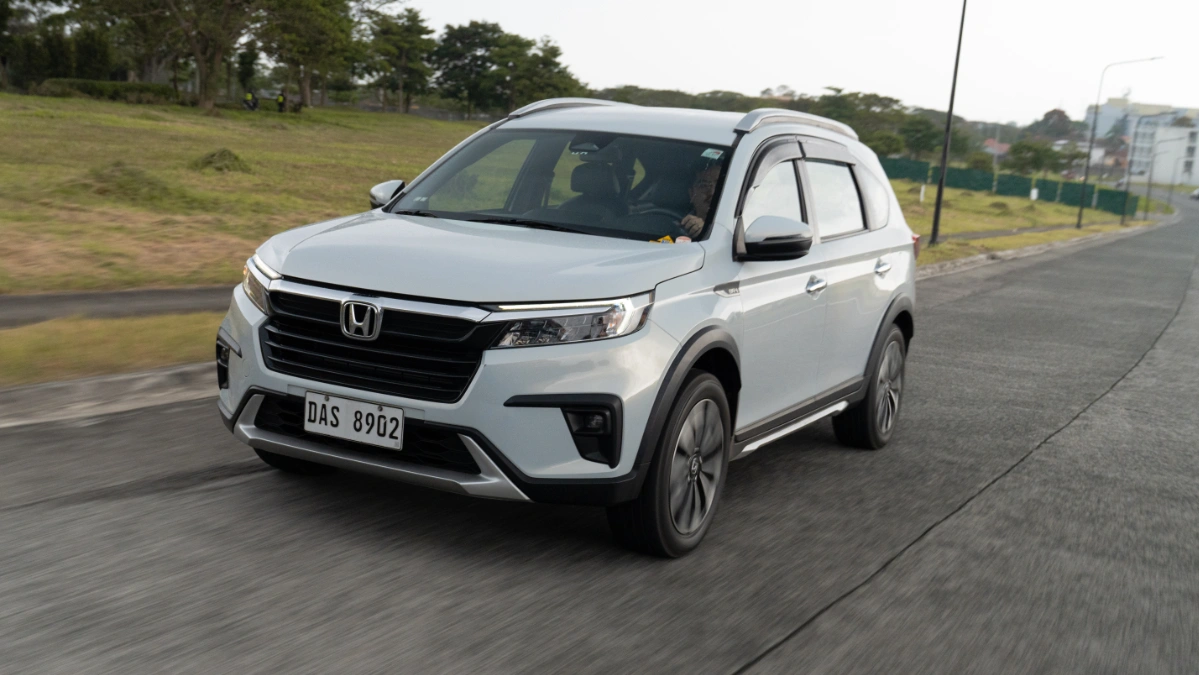
The Honda BR-V is a practical seven-seater designed for families who need long-term durability, low running costs, and dependable everyday usability. It combines SUV-style ground clearance with MPV-like interior space, making it suitable for crowded city driving, uneven roads, and occasional long-distance trips. Its engineering prioritizes mechanical simplicity, avoiding turbocharged systems and hybrid batteries in favor of a straightforward, easy-to-maintain layout.
The BR-V is powered by a proven 1.5-liter i-VTEC four-cylinder engine paired with a CVT transmission. This combination focuses on reliability and predictable performance rather than high output, reducing long-term mechanical stress and keeping servicing costs low. With extended maintenance intervals and widely available parts, it is designed to minimize ownership expenses over many years of use.
Practicality is a major strength of the BR-V. It offers seating for up to seven passengers, with flexible rear seats that can fold flat to expand cargo space when needed. High ground clearance of around 207 mm allows it to handle potholes, rough roads, and light flooding conditions with confidence. Fuel efficiency is another advantage, with strong mileage figures in both city and highway driving, making it economical for daily commuting and family travel.
Safety features include available Honda Sensing technology on higher trims, offering adaptive cruise control, lane-keeping assist, and collision mitigation braking. These systems improve driver confidence in traffic and long-distance journeys. However, the cabin uses mostly hard plastics, sound insulation is moderate at higher speeds, and the suspension can feel firm over sharp bumps.
Despite these limitations, the BR-V remains a dependable family-focused vehicle that balances affordability, space, and long-term mechanical reliability in demanding everyday conditions.
- Engine: 1.5L inline-4 DOHC i-VTEC (gasoline)
- Horsepower: 121 PS (119 hp) @ 6,600 rpm
- Torque: 145 Nm @ 4,300 rpm
- Length: 4,490 mm
- Width: 1,780 mm
7. Honda WR-V
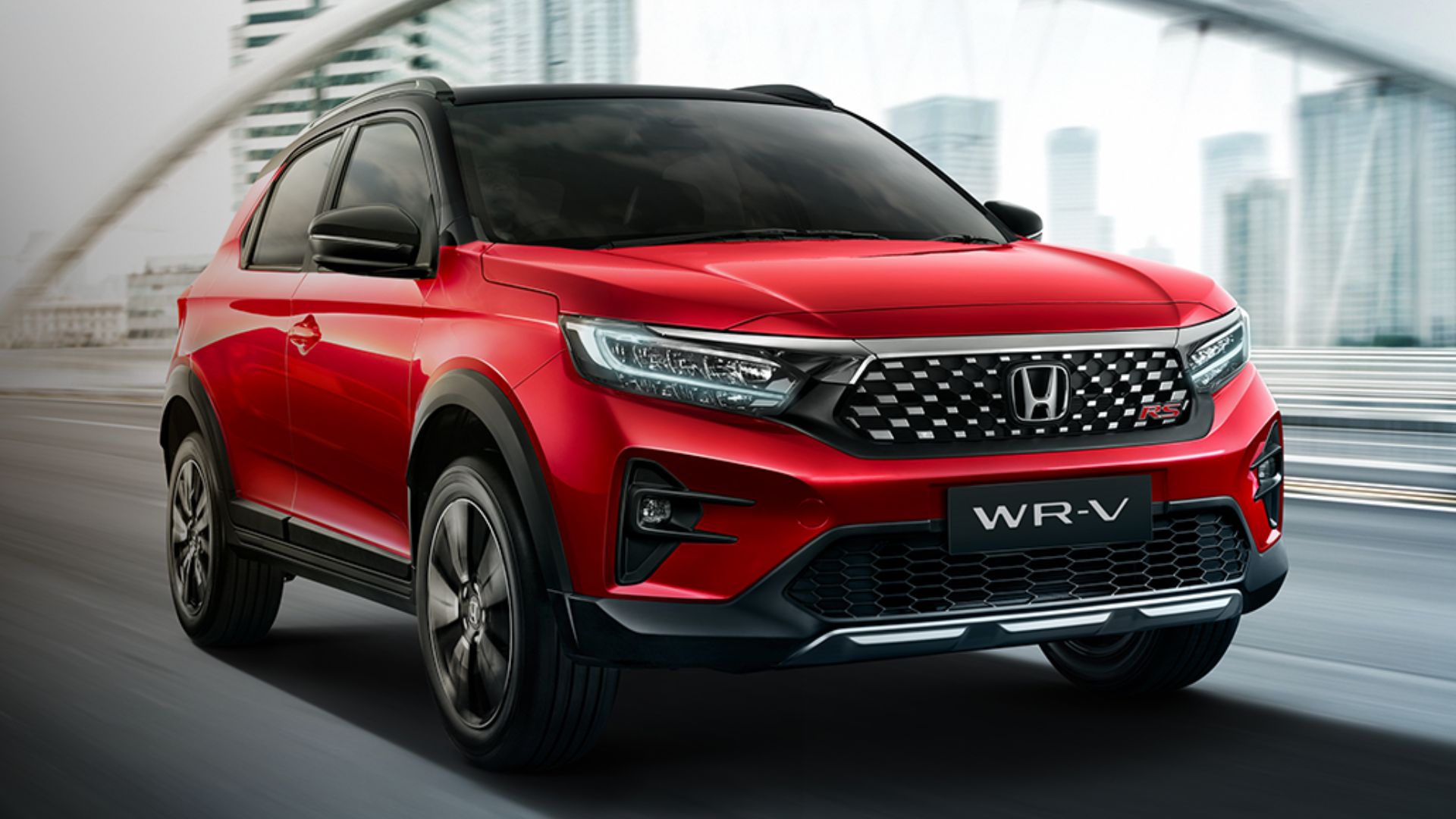
The Honda WR-V is a compact urban crossover designed for tight city streets, frequent stop-and-go traffic, and demanding everyday driving conditions. It focuses on mechanical simplicity and long-term durability, using a small-displacement, naturally aspirated engine that reduces strain and lowers maintenance needs. Its reinforced structure helps absorb constant road vibrations from uneven urban surfaces, while its simplified electronic systems reduce the risk of software or sensor-related issues.
At its core, the WR-V uses a proven 1.5-liter i-VTEC four-cylinder engine paired with a CVT transmission. This setup prioritizes reliability, fuel efficiency, and predictable performance over aggressive power delivery. The engine’s low-stress operation contributes to long service life, making it well-suited for daily commuting and budget-conscious ownership with minimal repair concerns over time.
Practicality is a major advantage of the WR-V. Despite its compact size, it offers generous cabin space with good rear legroom and a flexible cargo area reaching up to around 380–458 liters depending on configuration. Its SUV-inspired ground clearance improves usability on rough roads and uneven surfaces, while compact dimensions make parking and maneuvering in dense urban environments easier.
The WR-V delivers strong value through its combination of safety and technology, particularly in upper trim levels that include the Honda Sensing suite. Features such as adaptive cruise control, lane-keeping assistance, and automatic emergency braking provide additional driver confidence, while the model’s 5-star ASEAN NCAP safety rating highlights its commitment to occupant protection.
Rather than pursuing a premium feel, the WR-V focuses on durability and everyday practicality. The cabin uses hard-wearing materials designed to withstand regular use, making it well-suited for daily commuting and family duties. Although road and engine noise become more noticeable at highway speeds, and the ride can feel firm on rough surfaces, these compromises are offset by the vehicle’s affordability, fuel efficiency, and proven reliability. For buyers seeking a compact SUV with low ownership costs and dependable long-term performance, the WR-V remains a compelling option.
- Engine: 1.5L inline-4 DOHC i-VTEC (naturally aspirated petrol)
- Horsepower: 119–121 hp
- Torque: 142–145 Nm
- Length: 4,060 mm
- Width: 1,780 mm
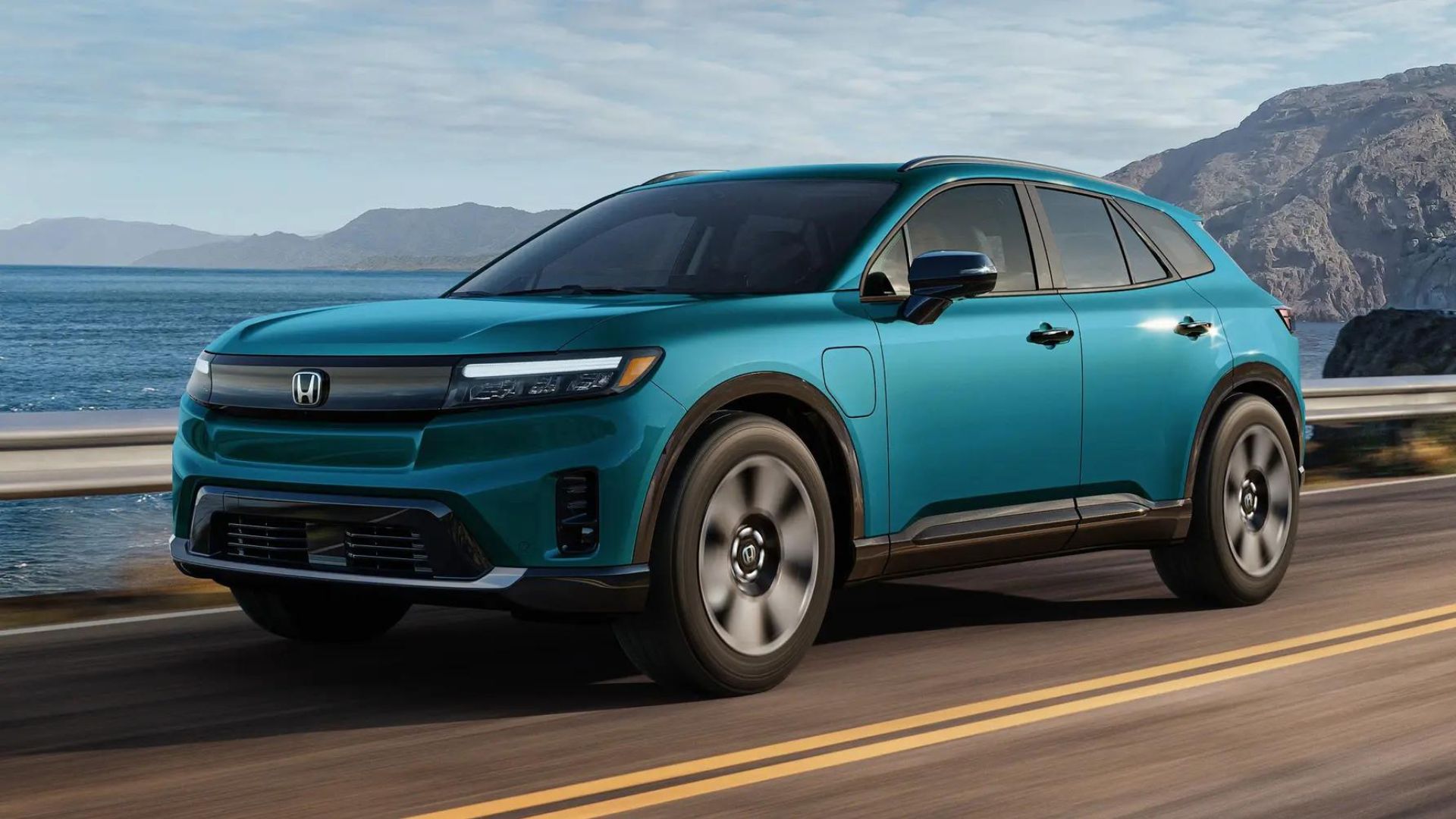
8. Honda Prologue
The Honda Prologue is Honda’s fully electric midsize SUV developed in collaboration with General Motors, using the GM Ultium (BEV3) platform. As an EV, it removes traditional engine components such as oil systems, spark plugs, and exhaust parts, reducing long-term mechanical wear and maintenance needs. However, because it is a newer electric model, its reliability scores sit slightly lower than Honda’s established gas-powered lineup due to early-stage software refinement and evolving battery management systems.
The Prologue is powered by either a 220-hp single-motor front-wheel-drive setup or a 300-hp dual-motor all-wheel-drive configuration. While acceleration is adequate for daily driving, it is not as sporty as some EV rivals. Ride quality is smooth and comfortable, and regenerative braking allows adjustable energy recovery, including near single-pedal driving for efficiency in city traffic.
Range varies by configuration, with EPA estimates between 283 and 308 miles, while real-world testing shows closer to around 240 miles in some AWD versions. An 85 kWh battery supports DC fast charging up to 155 kW, and home charging options make daily usability convenient. Efficiency ratings are strong, with up to 113 MPGe in city driving and competitive highway performance.
Inside, the Prologue offers a spacious and modern cabin with a clean dashboard design influenced by Honda styling, though some shared GM controls feel less refined. A long wheelbase improves rear-seat comfort, and cargo space remains practical for family use. Technology includes an 11.3-inch touchscreen, wireless Apple CarPlay and Android Auto, digital displays, and optional premium audio systems.
Safety is supported by Honda Sensing features such as adaptive cruise control, lane-keeping assist, and emergency braking. Warranty coverage is strong, especially for the battery system with 8 years or 100,000 miles of protection, making it a stable and practical entry into electric vehicle ownership.
- Engine: Single electric motor (FWD) / dual electric motors (AWD)
- Horsepower: 220 hp (FWD) / 300 hp (AWD)
- Torque: 243 lb-ft (FWD) / 355 lb-ft (AWD)
- Length: 192.0 in
- Width: 78.3 in (without mirrors)
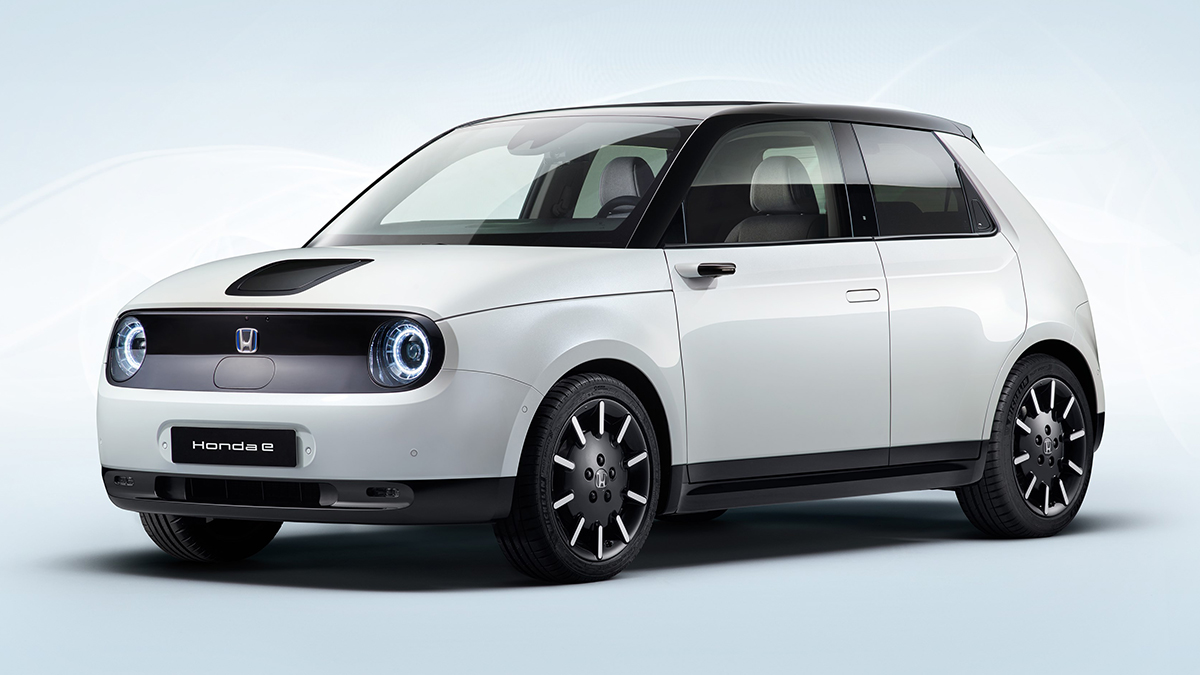
9. Honda e
The Honda e is a compact electric city car designed specifically for dense urban environments, offering a unique blend of advanced technology, simplicity, and dependable electric performance. Built with Honda’s strong manufacturing reputation, it emphasizes durability and low maintenance by using an electric motor system with far fewer moving parts than traditional combustion engines. This eliminates common wear components like oil systems, spark plugs, and exhaust parts, reducing long-term servicing needs and improving mechanical reliability.
The Honda e uses a 35 kWh battery paired with rear-wheel drive electric motors that deliver smooth, instant acceleration ideal for city traffic. While its real-world driving range is modest at roughly 100–130 miles depending on conditions, it performs efficiently in short daily commutes. The battery is backed by an 8-year/100,000-mile warranty, reinforcing long-term ownership confidence despite its smaller capacity compared to rivals.
Its most distinctive feature is its highly digital and futuristic cabin, featuring dual high-resolution screens, camera-based side mirrors, and a minimalist dashboard layout. These innovations improve functionality and visibility in urban driving, though some users report minor drawbacks such as software quirks or adjustment issues with the camera mirror system. The interior also prioritizes comfort and build quality, using high-quality materials that enhance its premium feel despite its compact size.
On the road, the Honda e excels in tight city conditions thanks to its extremely small turning radius, responsive steering, and compact dimensions. It is easy to park, highly maneuverable, and feels quick in urban acceleration. However, limited cargo space and modest highway range make it less practical for long-distance travel or heavy loads.
Despite its limitations, the Honda e stands out as a charming, well-built, and highly reliable urban EV that delivers a premium city-driving experience focused on simplicity, efficiency, and everyday usability.
- Engine/Motor: Rear-mounted permanent magnet synchronous electric motor
- Horsepower: 152 hp (113 kW / 154 PS)
- Torque: 315 Nm (232 lb-ft)
- Length: 3,894 mm
- Width: 1,752 mm
10. Honda M-NV
The Honda M-NV is a compact electric crossover designed for predictable daily commuting, combining Honda’s engineering philosophy with a proven EV platform developed in collaboration with Dongfeng Honda. Built on a rigid architecture shared with the Honda HR-V, it emphasizes mechanical simplicity, long-term durability, and low maintenance costs. By eliminating internal combustion components such as fuel injection systems, gear transmissions, and exhaust hardware, it reduces many traditional failure points found in conventional crossovers.
Reliability is supported by a mature 61.3 kWh CATL battery pack and a single electric motor producing around 161 horsepower. This straightforward EV setup avoids complex multi-motor systems and focuses on stable, consistent performance. The battery is designed for long cycle life with relatively low degradation, while the simplified drivetrain ensures fewer mechanical issues over time. A battery warranty of up to 8 years or 200,000 km further reinforces long-term ownership confidence.
In real-world use, the M-NV delivers practical electric range suited for city and suburban driving, with efficient energy consumption and multiple driving modes including Eco, Normal, and Sport. Charging options include standard AC charging for overnight use and DC fast charging for quicker top-ups, making it adaptable to both home and public charging networks. It also supports V2L functionality in some versions, allowing the vehicle to power external devices.
The Honda M-NV offers a practical and user-friendly interior, combining a clean, ergonomic layout with digital instrument displays and supportive seating designed for everyday comfort. It also includes smart storage areas that improve convenience for daily use. Space is a strong point, with rear seating offering above-average room for its segment and a flexible cargo area of about 437 liters that can be significantly increased when the rear seats are folded down.
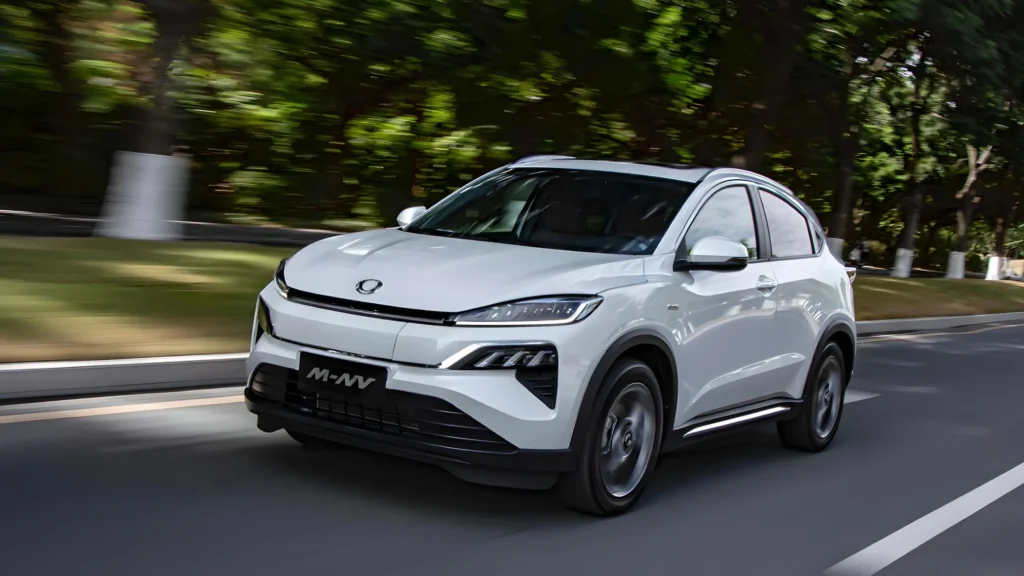
Ride comfort is another highlight, as the suspension is tuned to smooth out common urban road imperfections such as potholes and uneven surfaces. At the same time, it maintains stable and predictable handling, making it well-suited for city commuting.
On the safety side, the M-NV is equipped with essential protection systems including ABS, electronic stability control, and multiple airbags. However, it does not include more advanced driver-assistance technologies found in newer competitors. Even with this limitation, it still delivers reliable everyday usability, low running costs, and straightforward electric performance, making it a practical choice for stress-free urban driving.
- Engine/Motor: Permanent-magnet synchronous electric motor
- Horsepower: 161–163 hp (120 kW)
- Torque: 280 Nm
- Length: 4,324 mm
- Width: 1,785 mm
Also read: 12 Cars Under $25K That’ll Last 200,000 Miles