
When shopping for a used vehicle, most buyers focus on the engine, transmission, fuel economy, and maintenance history. These factors certainly matter because they determine whether a car can continue running reliably for years.
However, there is another aspect of vehicle ownership that often gets overlooked until it becomes impossible to ignore: interior durability. A car can have a dependable powertrain capable of reaching hundreds of thousands of miles, yet still feel worn out, neglected, and uncomfortable because its cabin materials deteriorate far too quickly.
Peeling dashboards, cracked door panels, sagging headliners, broken seat bolsters, faded trim, malfunctioning buttons, and rattling plastic components can make a vehicle feel much older than it actually is.
The difference between mechanical reliability and interior longevity is an important consideration for buyers. Many manufacturers have earned strong reputations for building engines that last well beyond 200,000 miles with proper maintenance. Unfortunately, some of those same vehicles have developed reputations for cabins that age poorly.
While the engine may continue running smoothly, owners are left dealing with cosmetic deterioration, squeaks, broken trim pieces, and worn surfaces that reduce satisfaction. In many cases, repairing interior components can be surprisingly expensive because replacement parts become difficult to find or require extensive labor to install.
Interior quality matters for more than appearance alone. Drivers spend all of their time inside the cabin, interacting with controls, seats, dashboards, and storage areas every day. When these components begin falling apart, the ownership experience suffers significantly.
Even a mechanically dependable vehicle can feel neglected if the interior is plagued by cracked plastics and failing materials. This issue becomes especially noticeable in used cars, where years of exposure to sunlight, temperature fluctuations, and daily wear reveal weaknesses in material selection and manufacturing quality.
The vehicles on this list are not necessarily bad cars. In fact, several are known for excellent engines and strong long-term reliability. However, they have gained recognition among owners and automotive enthusiasts for interiors that often show their age much sooner than the mechanical components.
Understanding these weaknesses can help buyers make informed decisions and know what to inspect before purchasing a used vehicle.
Also Read: 8 Family Cars With Secret Performance Versions
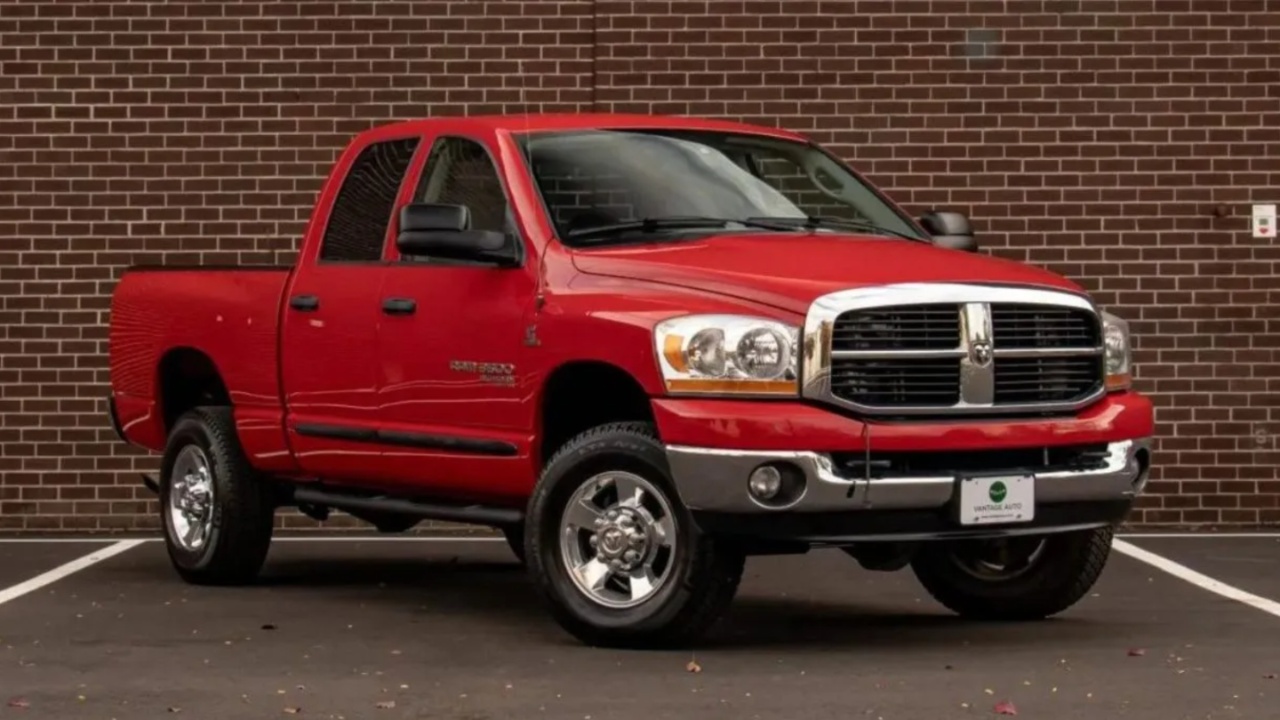
- Engine: 5.9L Magnum V8
- Torque: 335 lb-ft (454 Nm)
- Horsepower: 245 hp
- Length: 227.7 in (5783 mm)
- Width: 79.9 in (2029 mm)
1. Dodge Ram 1500
The early 2000s Dodge Ram 1500 remains one of the most recognizable full-size pickup trucks of its era. Buyers were drawn to its bold styling, powerful engine options, and impressive towing capabilities. Even today, many of these trucks continue serving as work vehicles, daily drivers, and recreational tow rigs.
Despite the truck’s strong mechanical reputation, the interior often tells a very different story. One of the most common complaints involves the dashboard, which has become infamous for cracking and deteriorating over time.
Exposure to heat and ultraviolet radiation can cause the dashboard material to become brittle, leading to extensive cracking across multiple sections. In severe cases, large pieces may break away entirely, exposing underlying components and creating an appearance that suggests far more age than the vehicle actually has.
Owners living in warmer climates have reported particularly severe dashboard failures, making this one of the most widely discussed interior issues associated with the model.
Door panels also contribute to the truck’s reputation for interior deterioration. Many owners have experienced broken clips, loose panels, and cracked armrests after years of regular use. The materials used in these areas often struggle to withstand repeated stress from opening and closing doors, leaning against armrests, and exposure to changing temperatures.
Once mounting points weaken, panels may begin rattling or shifting during driving, creating annoying noises that can be difficult to eliminate. Even trucks that remain mechanically solid can feel worn out because of these persistent cabin issues.
The contrast between mechanical reliability and interior durability is particularly striking in the Dodge Ram 1500. It is not uncommon to find examples with engines and transmissions that continue operating effectively despite cabins that appear heavily aged and neglected.
Buyers considering one of these trucks should carefully inspect dashboard condition, door panel integrity, seat wear, and interior trim quality before making a purchase. A mechanically sound Ram can still provide years of dependable service, but interior restoration costs can quickly add up if significant deterioration has already occurred.
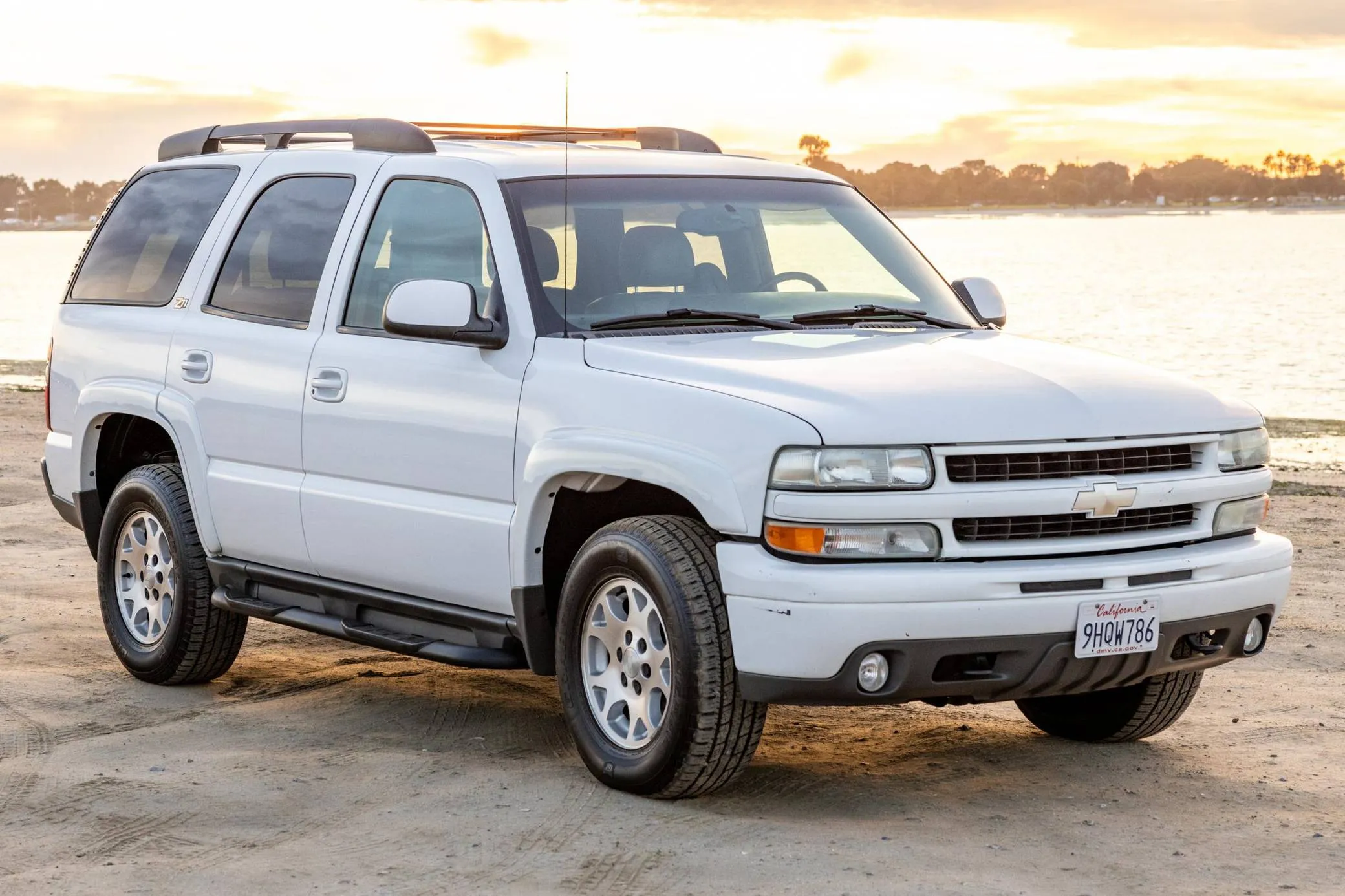
- Engine: 5.3L V8
- Torque: 325 lb-ft (441 Nm)
- Horsepower: 285 hp
- Length: 198.9 in (5052 mm)
- Width: 78.8 in (2002 mm)
2. Chevrolet Tahoe
The 2000 to 2006 Chevrolet Tahoe established itself as one of the most successful full-size sport utility vehicles of its generation. Built on a durable truck-based platform, the Tahoe combined passenger comfort with towing capability and substantial cargo space.
Families appreciated its practicality, while business owners valued its dependability and versatility. Many examples remain on the road today thanks to robust V8 engines that have demonstrated the ability to cover hundreds of thousands of miles when maintained properly. The Tahoe’s reputation for long-term reliability has made it a popular choice in the used vehicle market for years.
Another commonly reported issue involves the instrument cluster. Although technically an electronic concern rather than a material problem, malfunctioning gauges became a frequent complaint in this generation of Tahoe. Speedometers, fuel gauges, and other instruments sometimes provide inaccurate readings or stop functioning entirely.
Because drivers rely heavily on these displays, instrument cluster failures can create frustration and contribute to the feeling that the vehicle’s interior is deteriorating. Repairing or replacing these components can become an unexpected expense for owners.
Seat wear also becomes evident as mileage accumulates. Driver seats in particular often experience significant compression of the cushioning material, resulting in reduced comfort during long trips. Leather upholstery may crack or split, especially in vehicles exposed to harsh sunlight or infrequent conditioning treatments.
Cloth seats generally resist cracking but may suffer from staining, fading, or fabric wear. Even when the Tahoe remains mechanically reliable, deteriorating seating surfaces can make the vehicle feel less refined and comfortable than its mechanical condition would suggest.
The Chevrolet Tahoe serves as a classic example of a vehicle whose mechanical systems often outlast its interior components. Many examples continue providing dependable transportation years after their cabins begin showing substantial signs of age.
Buyers considering a used Tahoe should pay close attention to dashboard condition, seat wear, electronic controls, and trim integrity. A well-maintained example can still offer excellent value, but interior restoration projects can become both time-consuming and expensive if neglected over many years.
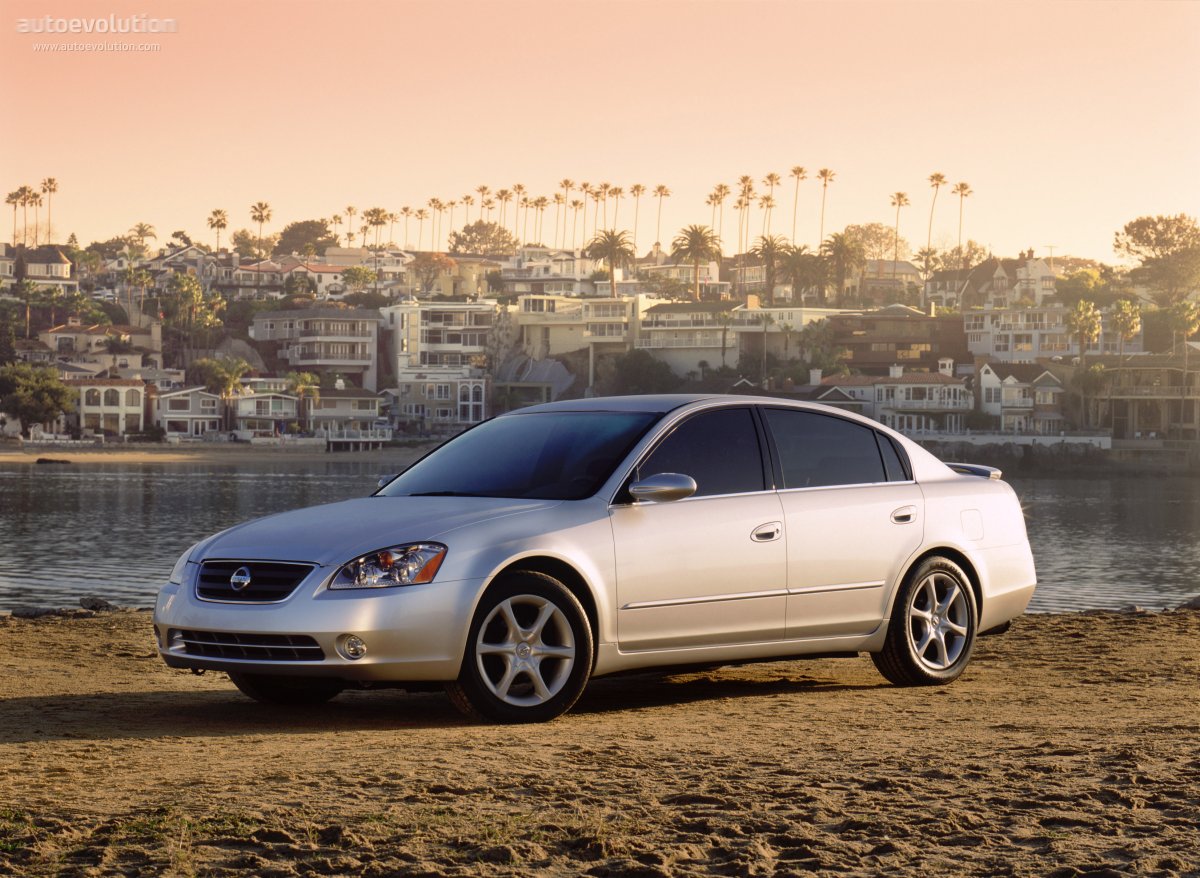
- Engine: 2.5L Inline-4
- Torque: 181 lb-ft (245 Nm)
- Horsepower: 175 hp
- Length: 191.5 in (4864 mm)
- Width: 70.4 in (1788 mm)
3. Nissan Altima
The 2002 to 2006 Nissan Altima represented an important step forward for the model, offering improved performance, larger dimensions, and a more modern driving experience compared with earlier generations. Buyers appreciated the available V6 engine, comfortable ride quality, and competitive pricing.
Many Altimas from this period have accumulated impressive mileage totals, demonstrating that the underlying mechanical components can provide dependable service when maintained properly. This combination of practicality and performance helped make the Altima one of the best-selling midsize sedans of its time.
Despite these strengths, interior durability emerged as one of the model’s most frequently criticized areas. Dashboard materials proved particularly vulnerable to heat and sunlight exposure. In many cases, owners reported cracking, fading, and warping after years of use.
The dashboard often became one of the first visible indicators of aging, creating an impression that the vehicle was older and more worn than its mechanical condition suggested. This issue was especially common in regions characterized by intense summer temperatures and prolonged sun exposure.
These sticky areas attracted dust, dirt, and debris, making the interior difficult to keep clean. As the materials continued deteriorating, the cabin’s appearance declined further, reducing owner satisfaction despite otherwise reliable vehicle performance.
Door panels frequently displayed signs of wear as well. Peeling finishes, fading colors, and surface damage became increasingly common as vehicles aged. Areas subjected to regular contact, such as armrests and door pulls, often deteriorated more rapidly than expected.
These cosmetic problems did not interfere with functionality but contributed to a cabin environment that felt significantly older than the vehicle’s drivetrain would indicate. Replacement parts sometimes proved difficult to locate, particularly as the vehicles entered advanced age.
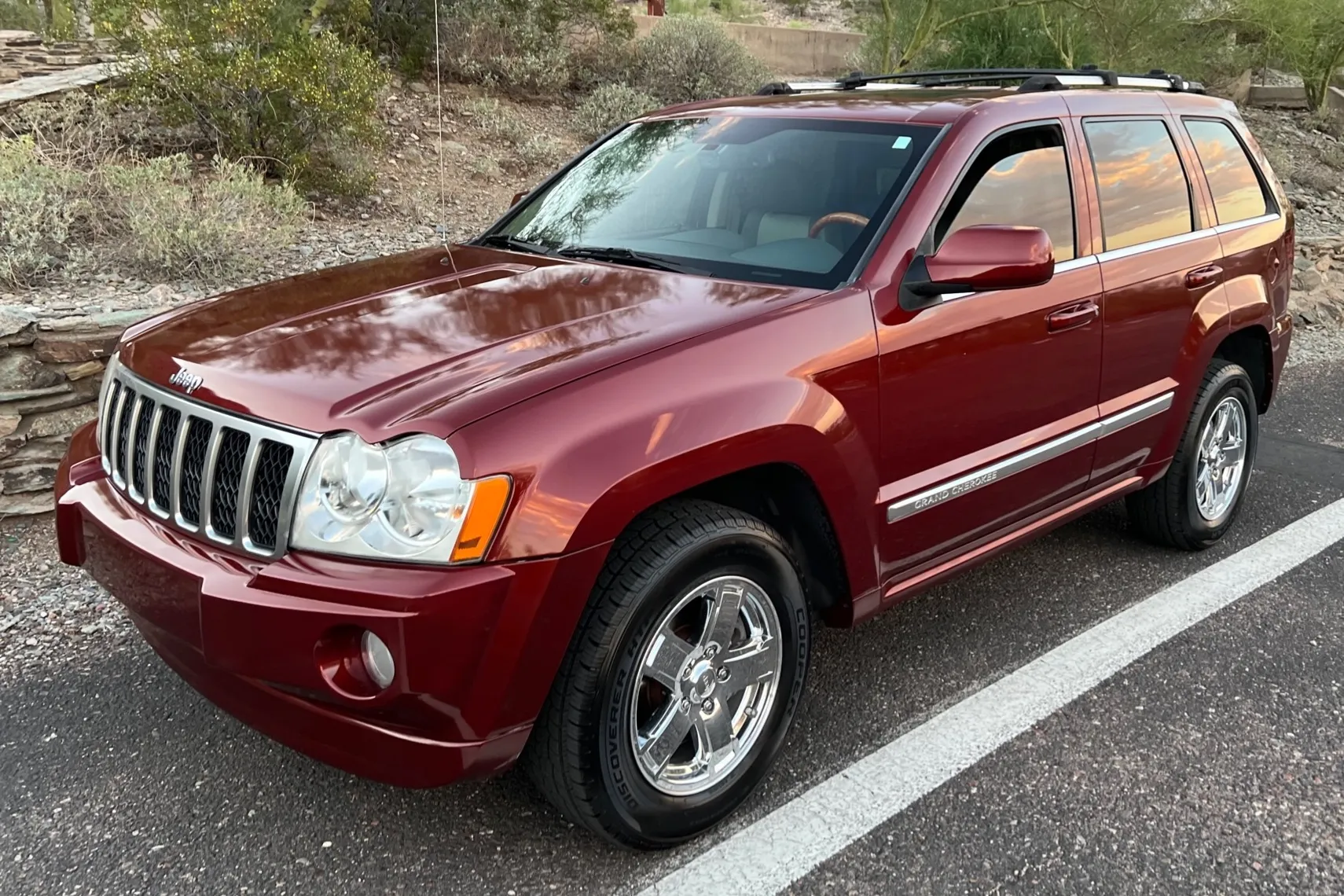
- Engine: 4.0L Inline-6
- Torque: 230 lb-ft (312 Nm)
- Horsepower: 195 hp
- Length: 181.5 in (4610 mm)
- Width: 72.3 in (1836 mm)
4. Jeep Grand Cherokee
The 1999 to 2004 Jeep Grand Cherokee remains a favorite among sport utility vehicle enthusiasts thanks to its combination of off-road capability, strong engine options, and comfortable ride characteristics. Many examples equipped with the legendary inline six-cylinder engine have achieved remarkable longevity.
Owners often praise the vehicle’s ability to handle challenging terrain while still serving effectively as a daily driver. This versatility helped the Grand Cherokee establish a loyal customer base and maintain popularity in the used vehicle market for many years.
While rattles may seem minor individually, their cumulative effect can make the cabin feel less refined and substantially older. Drivers often find these sounds particularly frustrating because locating and repairing their sources can be challenging.
Dashboard deterioration represents another common concern. Cracking becomes increasingly likely as the vehicle ages, especially when exposed to prolonged sunlight and high temperatures.
Once cracks appear, they often spread over time, affecting both appearance and perceived quality. The dashboard serves as one of the most visible interior components, making any deterioration difficult to ignore. Even mechanically sound Grand Cherokees can appear neglected because of extensive dashboard damage.
The Jeep Grand Cherokee highlights the difference between drivetrain durability and interior longevity. Many examples continue operating reliably years after their cabins begin showing significant signs of aging.
Buyers considering one of these SUVs should carefully evaluate dashboard condition, switch functionality, trim stability, and seating surfaces. A mechanically healthy Grand Cherokee can still provide years of enjoyable service, but interior repairs may become necessary to restore the vehicle’s original level of comfort and appeal.
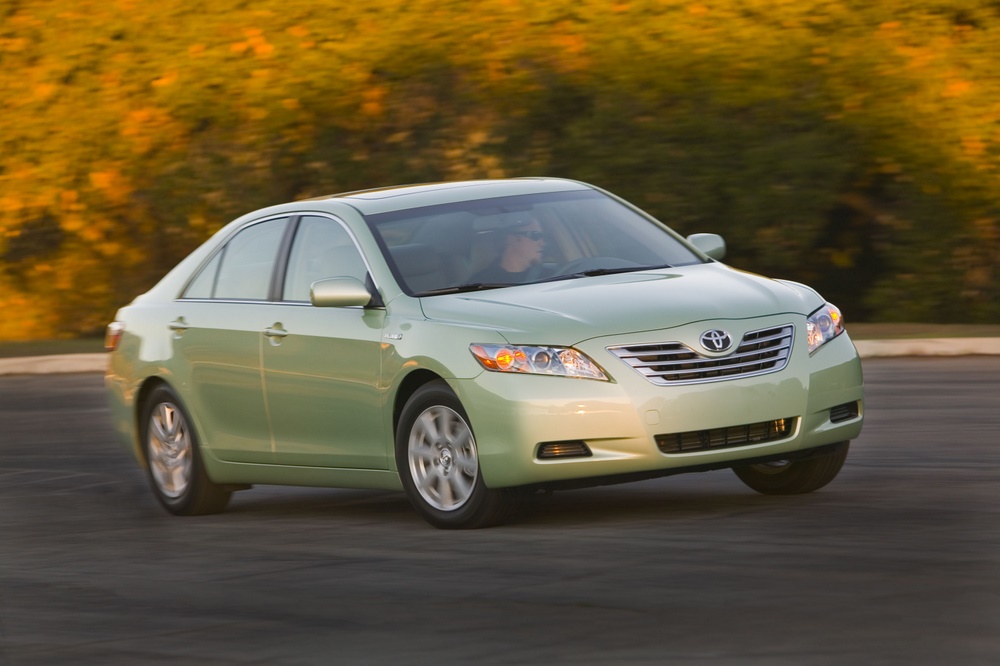
- Engine: 2.4L Inline-4
- Torque: 167 lb-ft (226 Nm)
- Horsepower: 158 hp
- Length: 189.2 in (4806 mm)
- Width: 71.7 in (1821 mm)
5. Toyota Camry
The 2007 to 2011 Toyota Camry is widely regarded as one of the most reliable midsize sedans ever produced. Known for exceptional longevity, low operating costs, and strong resale values, the Camry has become a benchmark for dependable transportation.
Many examples exceed 250,000 miles with relatively few major mechanical issues, reinforcing Toyota’s reputation for engineering durable vehicles. Owners frequently cite the engine, transmission, and reliability as key reasons for choosing the Camry over competing models.
Given this outstanding mechanical reputation, the interior issues that affected certain Camry models became particularly surprising. One of the most widely reported problems involved dashboard deterioration. In some vehicles, dashboard materials began cracking, melting, or developing an unusually sticky surface.
These issues often appeared after years of exposure to sunlight and heat, especially in warmer climates. Because the dashboard occupies a prominent position within the cabin, deterioration was immediately noticeable and often disappointing to owners who expected Toyota-level durability throughout the vehicle.
The sticky dashboard problem generated significant attention because it affected both appearance and functionality. In some cases, sunlight reflecting off the glossy surface created visibility concerns for drivers.
The material could also attract dust and become difficult to clean effectively. As the deterioration progressed, owners found it increasingly challenging to maintain the cabin’s original appearance. The issue stood in stark contrast to the vehicle’s otherwise excellent reputation for reliability and quality.
Door panels occasionally exhibited similar material degradation. Soft touch surfaces could become sticky, discolored, or worn after prolonged exposure to environmental conditions.
While these issues generally did not affect structural integrity, they contributed to an aged and neglected appearance. For many owners, the contrast between a flawlessly functioning powertrain and a deteriorating interior created a frustrating ownership experience. The vehicle remained highly dependable, yet its cabin often failed to reflect that durability.
Also Read: 9 Vehicles with Worst Blind Spots

- Engine: 2.7L V6
- Torque: 190 lb-ft (258 Nm)
- Horsepower: 200 hp
- Length: 191.5 in (4864 mm)
- Width: 70.0 in (1778 mm)
6. Chrysler Sebring
The Chrysler Sebring occupied an important place in Chrysler’s lineup during the 2000s, offering buyers an affordable midsize sedan and convertible with attractive styling and a comfortable ride. The vehicle appealed to drivers seeking a practical daily commuter without the premium pricing associated with luxury brands.
Throughout its production run, the Sebring was available with several engine choices that, when properly maintained, could provide respectable long-term reliability. While it never achieved the legendary durability associated with some Japanese competitors, many owners were able to accumulate significant mileage without experiencing catastrophic mechanical failures.
As a result, there are still examples on the road today that continue to serve as dependable transportation despite their age.
Unfortunately, the interior became one of the vehicle’s most criticized aspects almost from the moment it was introduced. Many reviewers and owners pointed to the extensive use of hard plastic materials throughout the cabin.
While these materials helped reduce manufacturing costs, they often created an inexpensive appearance that stood out even when the car was new. Compared with rivals that offered softer surfaces and more refined finishes, the Sebring’s interior felt less premium and less durable. As the years passed, these concerns became more pronounced because the materials frequently showed wear faster than expected.
Convertible models faced additional challenges because their interiors experienced greater exposure to environmental conditions. Even when the top was kept closed most of the time, increased sunlight exposure often accelerated fading and wear on seats, dashboards, and door panels.
Leather upholstery frequently developed cracks and wrinkles, while cloth materials could become faded or stained. The open-air nature of convertible ownership made interior preservation more difficult, causing many examples to appear heavily worn despite remaining mechanically functional.
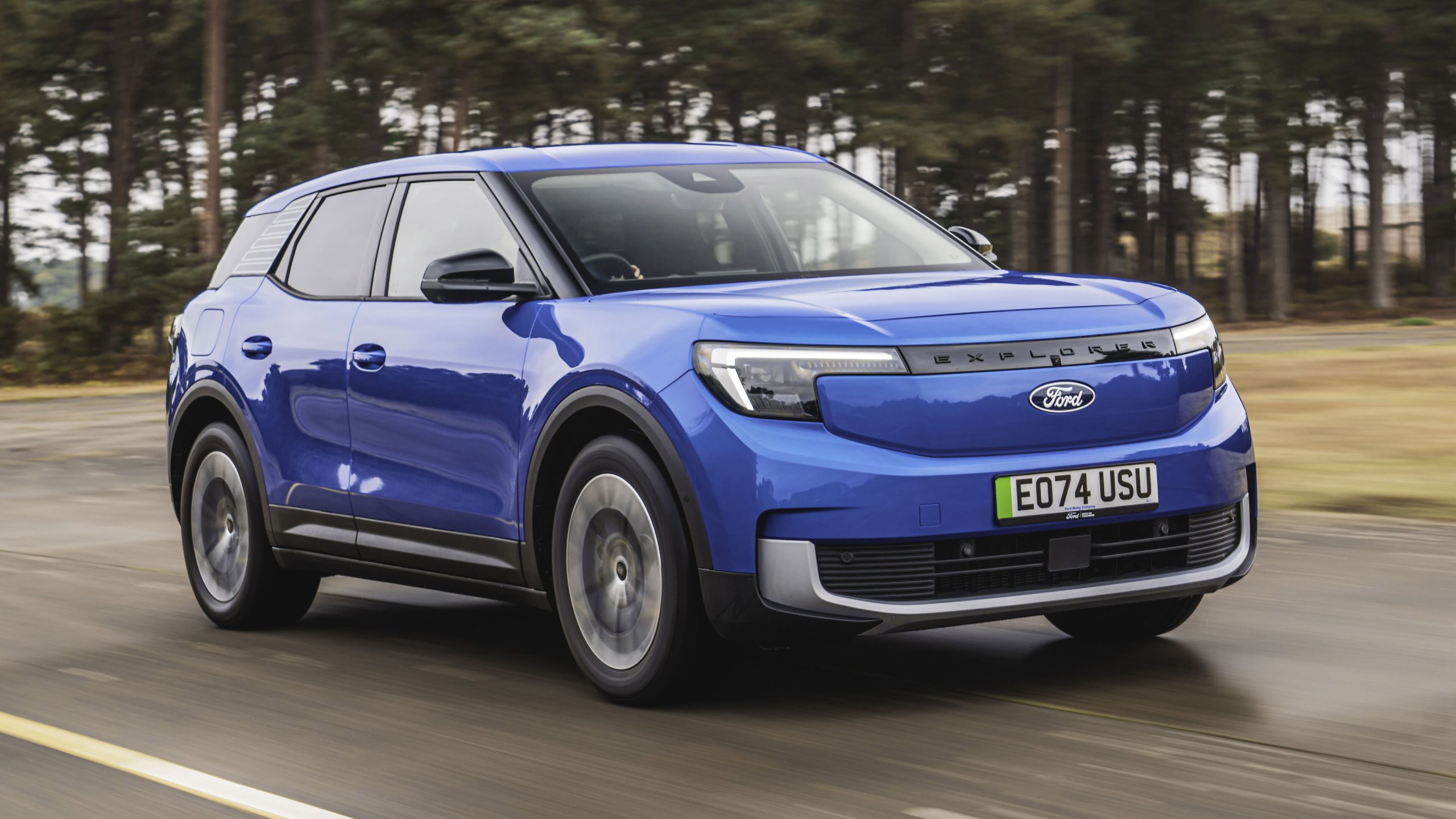
- Engine: 4.0L SOHC V6
- Torque: 254 lb-ft (344 Nm)
- Horsepower: 210 hp
- Length: 189.5 in (4813 mm)
- Width: 72.1 in (1831 mm)
7. Ford Explorer
The 2002 to 2005 Ford Explorer played a major role in the continued popularity of midsize sport utility vehicles in North America. Designed to accommodate families while still offering towing capability and cargo versatility, the Explorer became a common sight on roads across the country.
Many buyers appreciated its spacious cabin, comfortable ride quality, and availability of V6 and V8 engines. Properly maintained examples have demonstrated the ability to cover substantial mileage, making the Explorer a frequent choice among used vehicle shoppers seeking a practical and capable SUV.
Despite its strengths, the interior quality of this generation often failed to match the durability of its powertrain. One of the most common complaints involved plastic trim pieces that became increasingly fragile as vehicles aged. Panels located around the dashboard, center console, and cargo area frequently developed cracks or loosened over time.
Exposure to changing temperatures often accelerated deterioration, particularly in regions with harsh seasonal weather. As these components aged, the interior began to exhibit signs of wear that contrasted sharply with the vehicle’s ongoing mechanical dependability.
Seat durability also emerged as a concern, particularly in vehicles used extensively by families. Driver seats often showed visible wear on bolsters and seating surfaces due to constant entry and exit.
Cloth upholstery could become stained and worn, while leather surfaces sometimes crack or fade with age. Over time, seat cushions frequently lose their original support, reducing comfort during longer journeys. Even if the engine and transmission remained in good condition, deteriorating seats could make the vehicle feel significantly older.
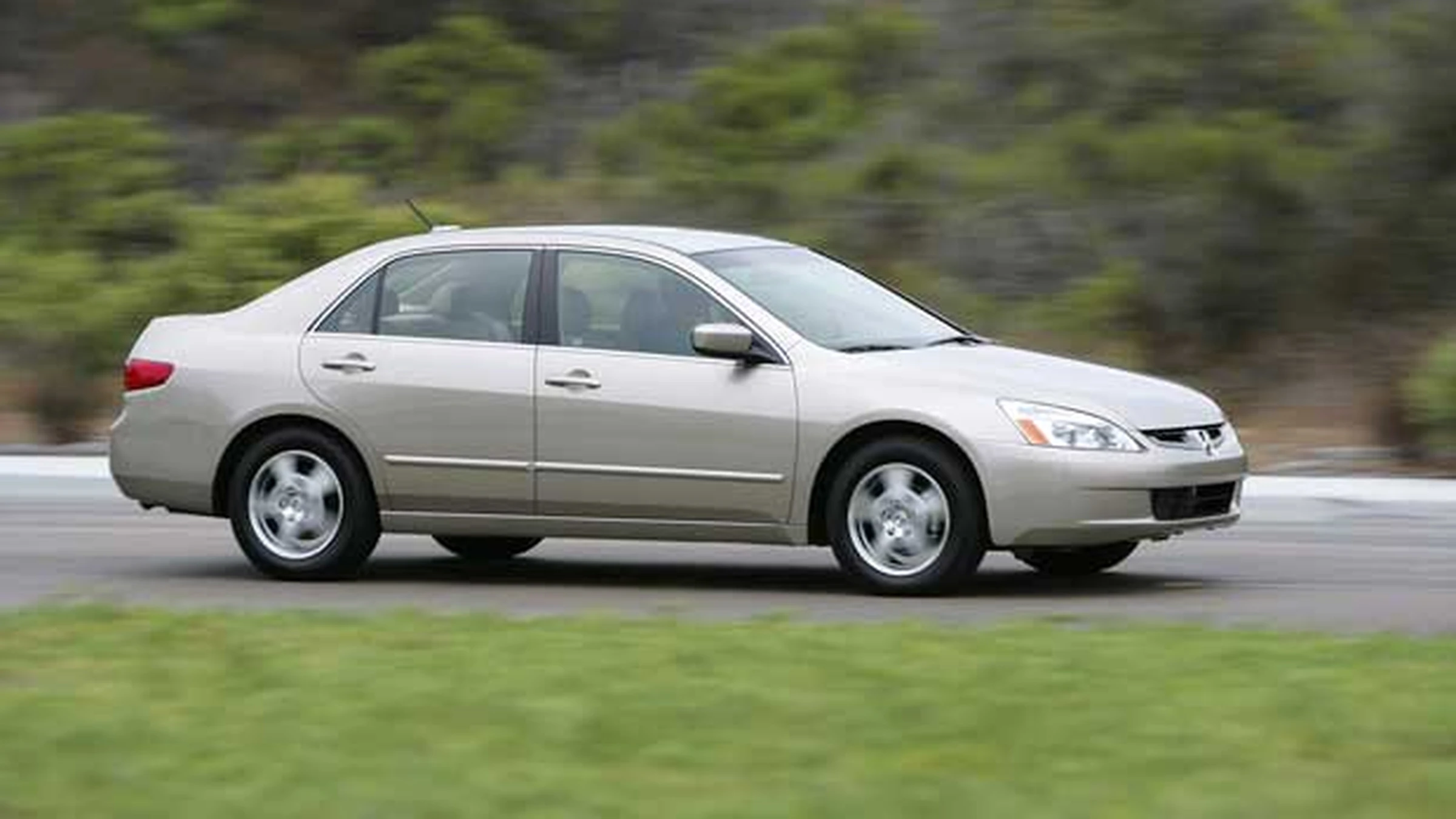
- Engine: 2.4L Inline-4
- Torque: 160 lb-ft (217 Nm)
- Horsepower: 160 hp
- Length: 189.5 in (4813 mm)
- Width: 71.5 in (1816 mm)
8. Honda Accord
The 2003 to 2007 Honda Accord is frequently praised as one of the most dependable midsize sedans ever produced. Known for its efficient engines, strong resale value, and excellent reliability record, the Accord has become a favorite among commuters, families, and first-time car buyers.
Many examples have surpassed 250,000 miles while continuing to deliver dependable transportation. Owners often report relatively low maintenance costs and long service life, reinforcing Honda’s reputation for engineering vehicles that can withstand years of daily use.
Although the Accord excelled mechanically, certain aspects of its interior aged less gracefully than buyers might have expected. One of the more noticeable issues involved fading and discoloration of interior trim materials.
Areas exposed to direct sunlight often experienced gradual color changes that became increasingly apparent over time. While the deterioration typically occurred slowly, it could significantly affect the cabin’s appearance after several years of ownership. This issue was especially noticeable in lighter colored interiors where fading stood out more clearly.
Headliner problems also became a source of frustration for some owners. As vehicles aged, the adhesive securing the fabric to the roof structure occasionally weakened, causing sections of the headliner to sag.
While not every Accord experienced this issue, it became common enough to earn attention among long-term owners. A sagging headliner can make the entire interior feel neglected and worn, even when the rest of the vehicle remains in excellent condition. Repairing the problem often requires removing and reupholstering the entire headliner assembly.
Leather-equipped models faced additional challenges as mileage accumulated. Driver seat bolsters frequently developed cracks, wrinkles, and visible wear due to repeated use.
The deterioration was most apparent in vehicles that spent considerable time parked outdoors or received minimal leather conditioning. Cloth seats generally held up better, but they were not immune to staining and gradual wear. Regardless of upholstery type, seating surfaces often showed their age before major mechanical systems required significant attention.
- Engine: 2.3L Inline-4
- Torque: 154 lb-ft (209 Nm)
- Horsepower: 160 hp
- Length: 184.4 in (4684 mm)
- Width: 70.1 in (1781 mm)
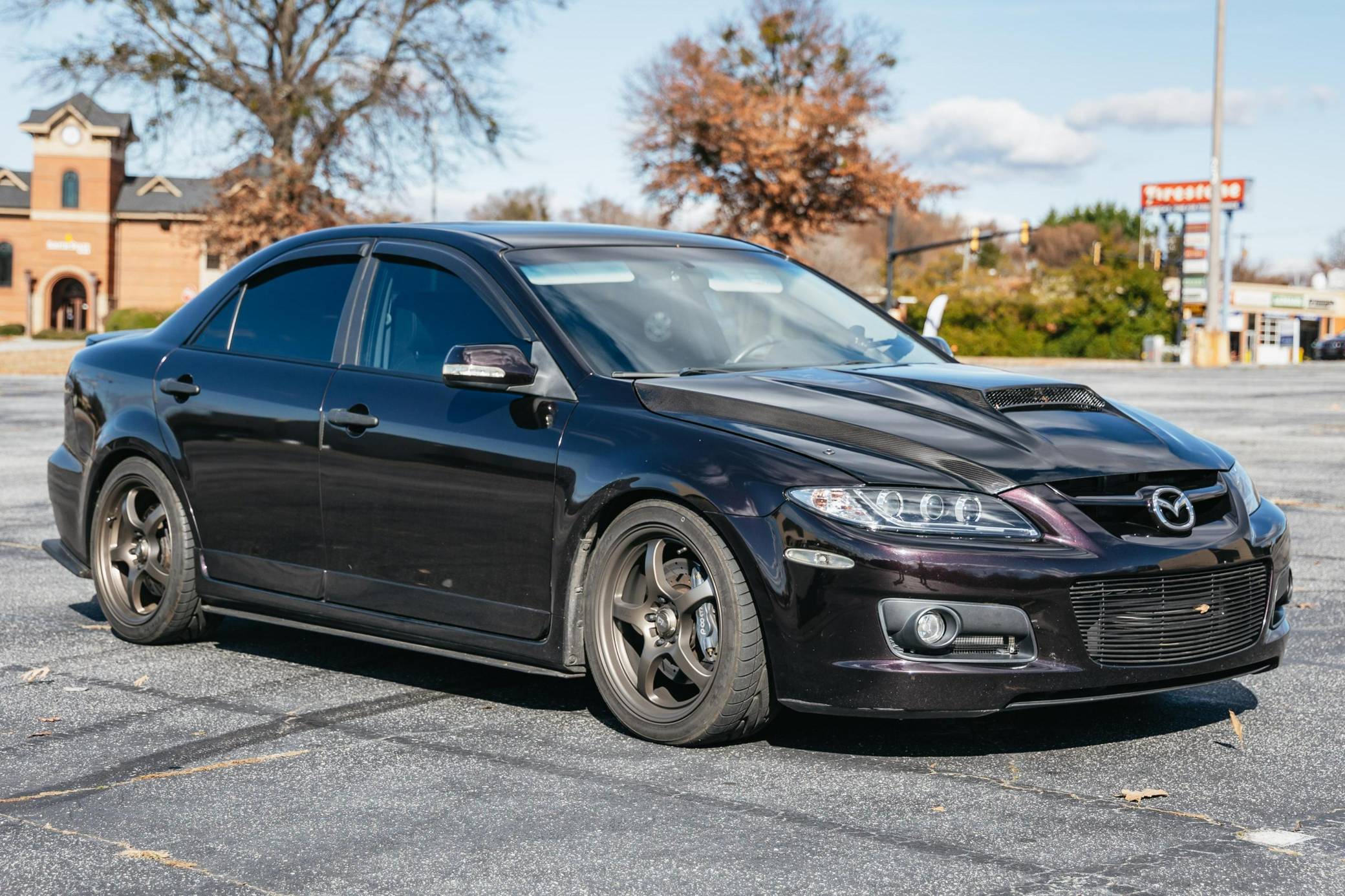
9. Mazda6
The first-generation Mazda6 introduced a fresh and engaging alternative to traditional midsize sedans. Praised for its responsive handling, attractive styling, and enjoyable driving dynamics, the Mazda6 appealed to buyers who wanted more excitement than many competitors offered.
In addition to its sporty character, the vehicle featured generally reliable engines that were capable of delivering years of dependable service. Many examples remain on the road today, demonstrating that the model possessed a solid mechanical foundation capable of supporting long-term ownership.
Rattles and squeaks represented another commonly reported concern. As mileage increased, trim pieces located throughout the cabin could begin producing noises during normal driving.
These sounds often originated from dashboard assemblies, door panels, or center console components. Although they rarely indicated serious structural problems, they could become irritating during daily commuting. Owners frequently noted that the vehicle continued performing well mechanically even as interior noises became more pronounced.
Seat materials also displayed varying levels of durability depending on usage patterns and environmental conditions. Cloth upholstery sometimes exhibited premature wear in high-contact areas, while leather seats could develop cracking and fading after prolonged exposure to sunlight.
Driver seats typically showed the greatest deterioration because of constant use. Over time, worn seating surfaces reduced the premium feel that Mazda intended to create and contributed to a more aged cabin environment.
The Mazda6 highlights the reality that a vehicle can be enjoyable to drive and mechanically dependable while still experiencing significant interior aging. Buyers considering a used example should carefully inspect dashboard condition, seat wear, and trim stability before making a purchase. A well-maintained Mazda6 can provide a rewarding ownership experience, but interior restoration expenses may become necessary if previous owners did not adequately preserve the cabin.
- Engine: 2.2L Ecotec Inline-4
- Torque: 150 lb-ft (203 Nm)
- Horsepower: 144 hp
- Length: 188.3 in (4783 mm)
- Width: 69.8 in (1773 mm)
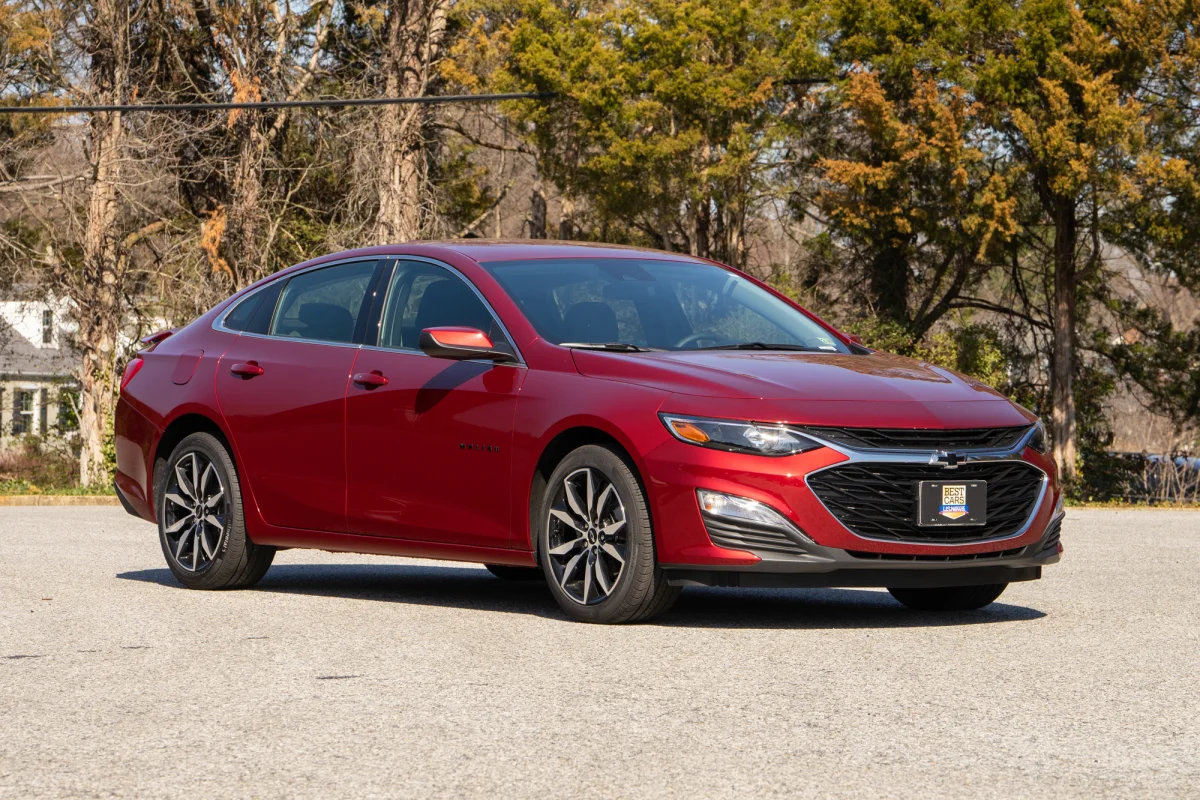
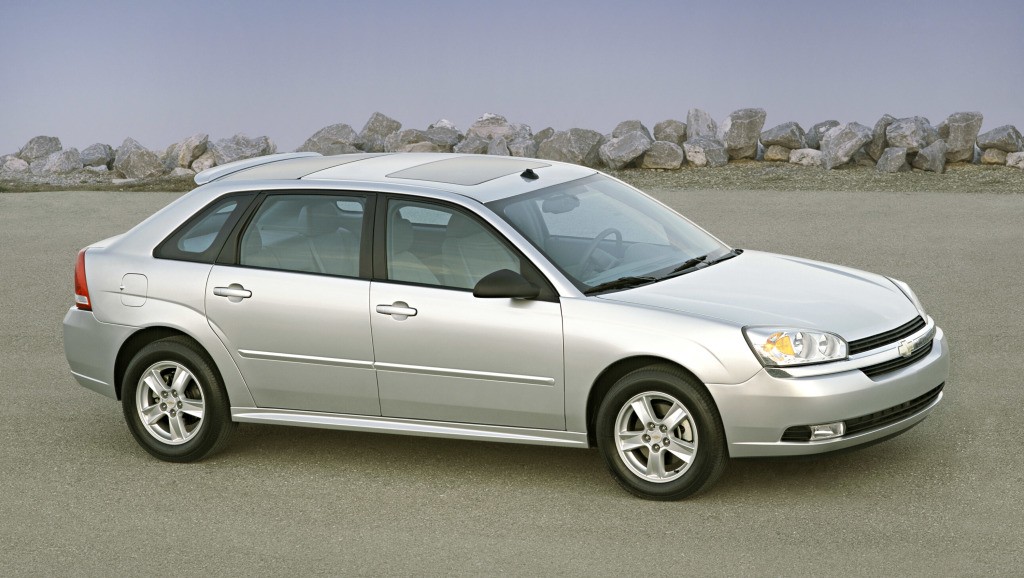
10. Chevrolet Malibu
The 2004 to 2008 Chevrolet Malibu was designed to compete in the highly competitive midsize sedan segment by offering practicality, affordability, and comfortable transportation. The vehicle attracted a broad range of buyers, including families, commuters, and fleet operators.
Its engine lineup provided adequate performance and generally respectable reliability, allowing many examples to remain operational long after their initial purchase. While the Malibu may not have achieved the same reputation for longevity as some competitors, many owners experienced dependable service when routine maintenance was performed consistently.
Interior quality, however, frequently emerged as one of the model’s most significant weaknesses. The extensive use of hard plastic materials throughout the cabin contributed to an appearance that many buyers considered less refined than rival vehicles. Although these materials were durable in some respects, they often failed to age gracefully. Over time, scratches, fading, and surface wear became increasingly visible, causing the cabin to appear older than the vehicle’s mechanical condition might suggest.
Center console components and storage compartments also demonstrated varying levels of durability. Hinges, latches, and armrests often experience wear from repeated use. Broken console lids and loose compartment covers became relatively common complaints among long-term owners.
These issues may seem minor individually, but together they contributed to a cabin environment that felt less robust and less carefully engineered than competing midsize sedans.
The Chevrolet Malibu represents a vehicle whose interior often ages faster than its powertrain. Many examples continued providing reliable transportation despite visible signs of cabin deterioration.
Buyers interested in a used Malibu should thoroughly evaluate dashboard condition, seat materials, console components, and trim integrity before committing to a purchase. While the vehicle can still offer practical and affordable transportation, understanding its interior weaknesses helps ensure realistic expectations regarding long-term ownership and maintenance.
