Truck ownership is often judged not just by performance, but by how well a vehicle holds its value over time. Toyota has built a reputation for producing pickups that consistently outperform the market in durability, reliability, and long-term resale strength. From modern best-sellers like the Toyota Tacoma to older cult favorites and global workhorses, these trucks share a common identity rooted in engineering longevity and strong buyer demand.
Many of them are capable of reaching very high mileage with routine maintenance, while still remaining desirable in the used market years later. Their appeal is further strengthened by low operating costs, widespread parts availability, and a reputation for mechanical simplicity that reduces long-term risk.
Across different generations and vehicle sizes, Toyota trucks demonstrate a consistent pattern of retaining value far better than most competitors, making them a preferred choice for buyers who want both utility and financial stability from their vehicle.
1. Toyota Tacoma
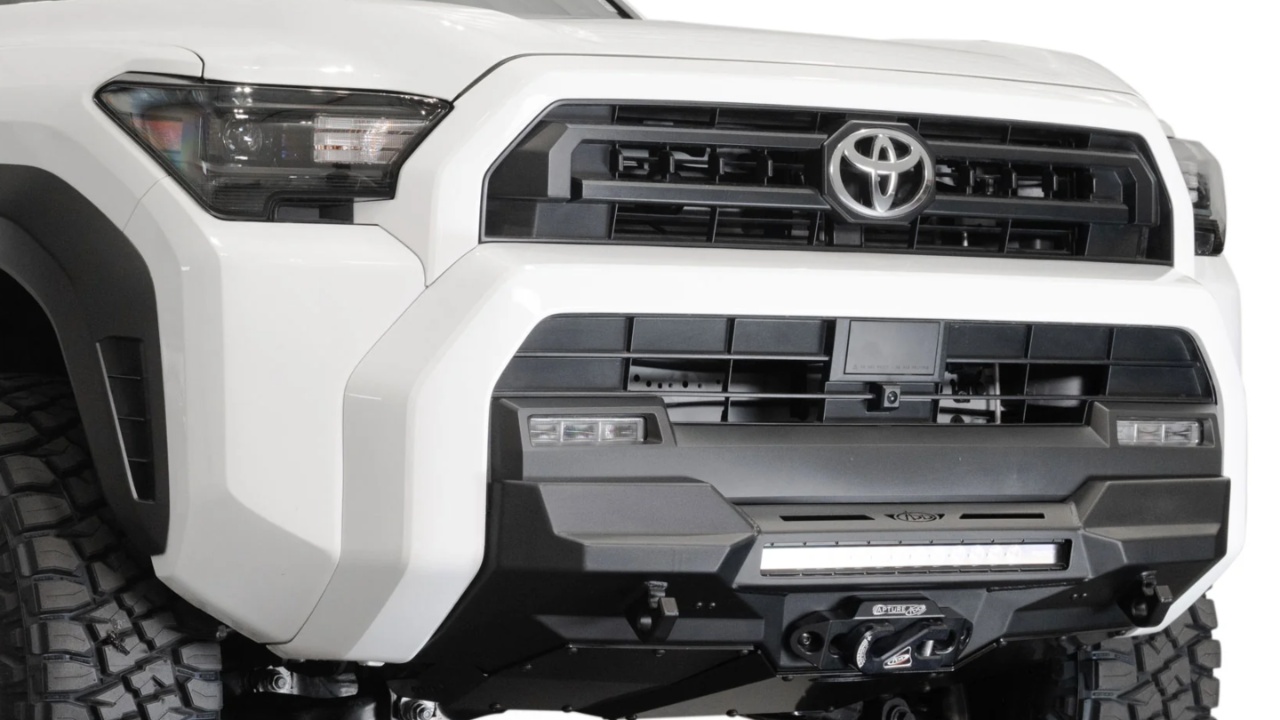
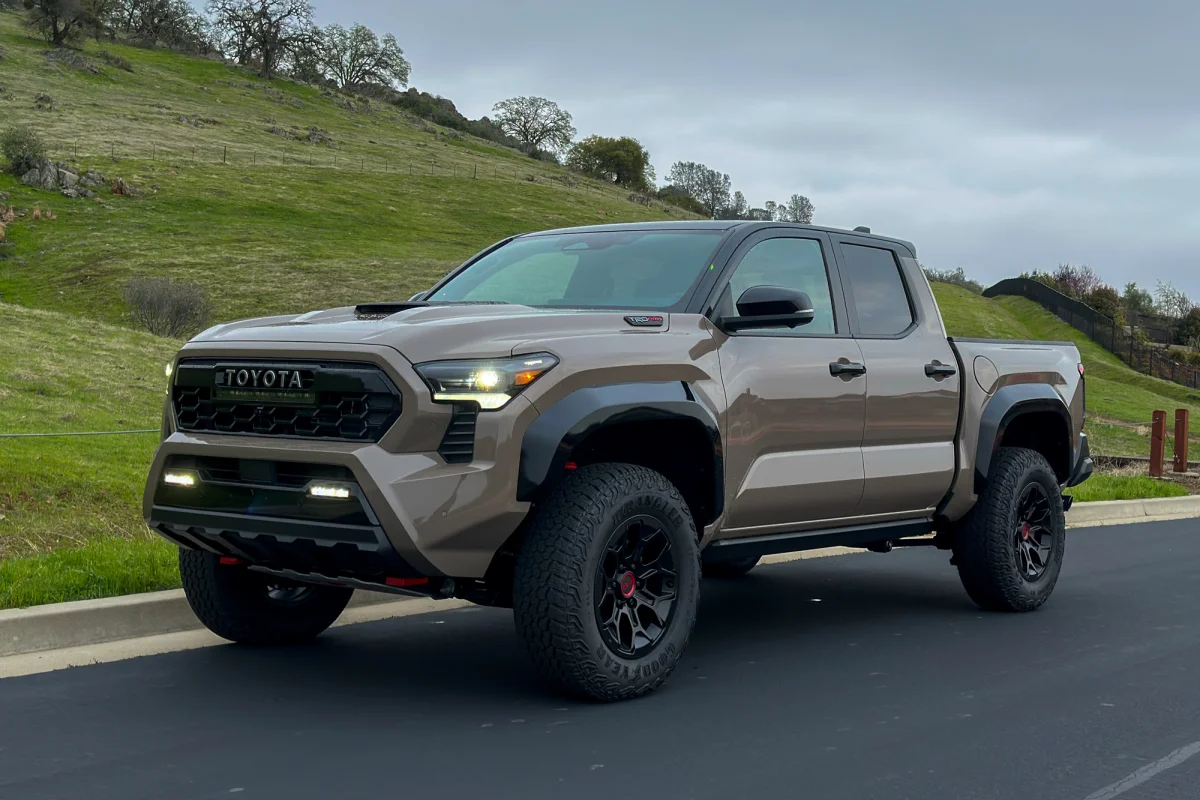
The Toyota Tacoma is widely recognized as one of the best vehicles for retaining its value over time. Often considered the benchmark for resale value in North America, the Tacoma can retain between 60% and 75% of its original purchase price after five years, significantly outperforming most competitors. Its strong resale value is driven by a combination of legendary reliability, durability, and consistently high demand in the used-truck market.
A key factor behind the Tacoma’s popularity is its reputation for long-term dependability. Many owners report their trucks exceeding 200,000 miles with minimal issues, thanks to robust engineering and relatively low maintenance costs.
This reliability makes the Tacoma appealing to a wide range of buyers, including commuters, tradespeople, and outdoor enthusiasts. Additionally, off-road-focused trims such as the TRD Off-Road, TRD Pro, and Trailhunter command even higher resale values because of their enhanced suspension systems and adventure-ready features.
Performance-wise, the latest Tacoma is powered by a turbocharged 2.4-liter four-cylinder engine. Depending on the trim level, output ranges from 228 to 278 horsepower and up to 317 lb-ft of torque. Buyers can choose between an eight-speed automatic or a six-speed manual transmission, along with rear- or four-wheel drive. The truck offers improved ride quality, especially in models equipped with coil-spring rear suspension, while maintaining excellent off-road capability.
The Tacoma also provides practical utility, with a maximum towing capacity of 6,500 pounds and a payload capacity of up to 1,705 pounds. Inside, the redesigned cabin features modern technology, including digital displays, wireless Apple CarPlay and Android Auto, advanced safety systems, and improved comfort. Combined with strong warranty coverage and complimentary maintenance, the Tacoma remains one of the smartest long-term truck investments available.
- Engine: 2.4L turbocharged inline-4 i-FORCE (SR) / 2.4L turbocharged inline-4 i-FORCE (mid/upper trims) / 2.4L turbocharged hybrid i-FORCE MAX
- Horsepower: 228 hp (SR) / 270 hp (manual) / 278 hp (automatic) / 326 hp (i-FORCE MAX hybrid)
- Torque: 243 lb-ft (SR) / 310 lb-ft (manual) / 317 lb-ft (automatic) / 465 lb-ft (i-FORCE MAX hybrid)
- Length: 213.0–227.4 in (5,410–5,776 mm)
- Width: 76.9 in (1,953 mm) (most models)
2. Toyota Hilux
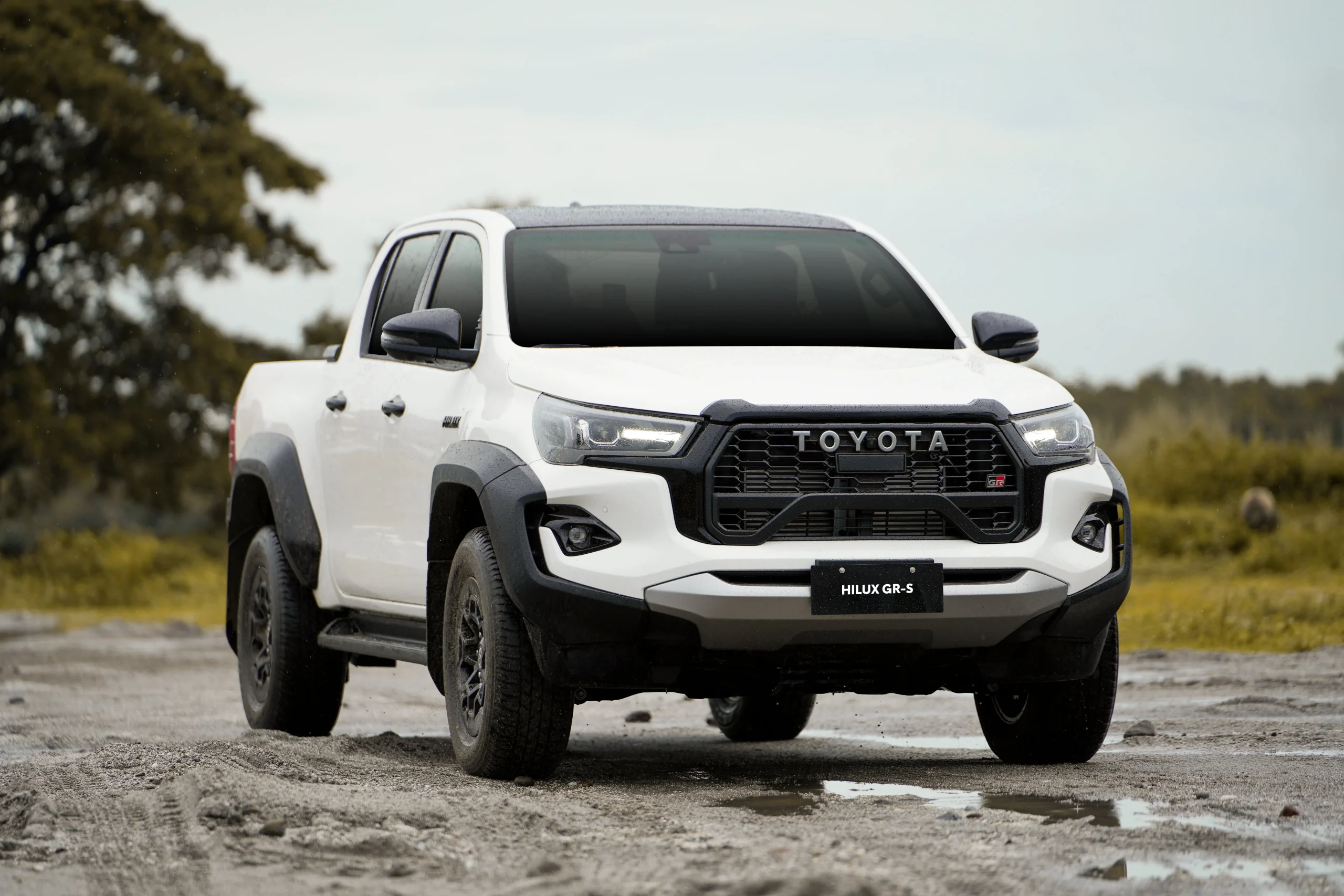
Known globally for its exceptional durability and long-term reliability, this pickup has become a benchmark for toughness in the light commercial vehicle segment. It combines a rugged ladder-frame chassis with heavy-duty diesel engines designed to withstand harsh environments, heavy payloads, and years of continuous use, prioritizing practicality and endurance over comfort or luxury features.
This focus on resilience has made it a trusted option for farmers, businesses, and operators in remote regions where dependable performance is essential. Strong resale value and consistent demand in the used market further reinforce its standing, particularly across Southeast Asia, Africa, and Australia, where reliability remains a top purchasing priority.
Beyond its core toughness, the Hilux has evolved significantly to meet modern expectations. Recent versions include more refined interiors, advanced infotainment systems, and comfort-focused features such as leather seats, dual-zone climate control, and driver assistance technologies. Toyota has introduced a 2.8-liter engine option and a 48V mild hybrid system aimed at improving efficiency and drivability, though these updates focus on refinement rather than performance transformation.
Special variants like the GR Sport add styling upgrades, suspension tweaks, and off-road enhancements, reflecting Toyota’s attempt to appeal to lifestyle buyers without alienating traditional users. Despite these improvements, the Hilux remains fundamentally utilitarian, prioritizing reliability over luxury or speed. Critics note its firm ride, basic cabin feel, and slow infotainment, but supporters value its unmatched longevity and low maintenance costs.
The Hilux continues to function less like a depreciating vehicle and more like a long-term asset, reinforcing its status as a global automotive icon.
- Engine: 2.4L turbo-diesel (2GD-FTV) / 2.8L turbo-diesel (1GD-FTV) / dual-motor electric AWD (Hilux BEV)
- Horsepower: 148 hp (2.4L diesel) / 201–224 hp (2.8L diesel) / ~193 hp (BEV combined system output)
- Torque: 343–400 Nm (2.4L diesel) / 420–550 Nm (2.8L diesel, depending on tuning/transmission) / 473 Nm (BEV)
- Length: ~5,200–5,320 mm (ICE variants) / 5,320 mm (BEV)
- Width: ~1,800–1,885 mm (ICE variants) / 1,855 mm (BEV)
3. Toyota Tundra
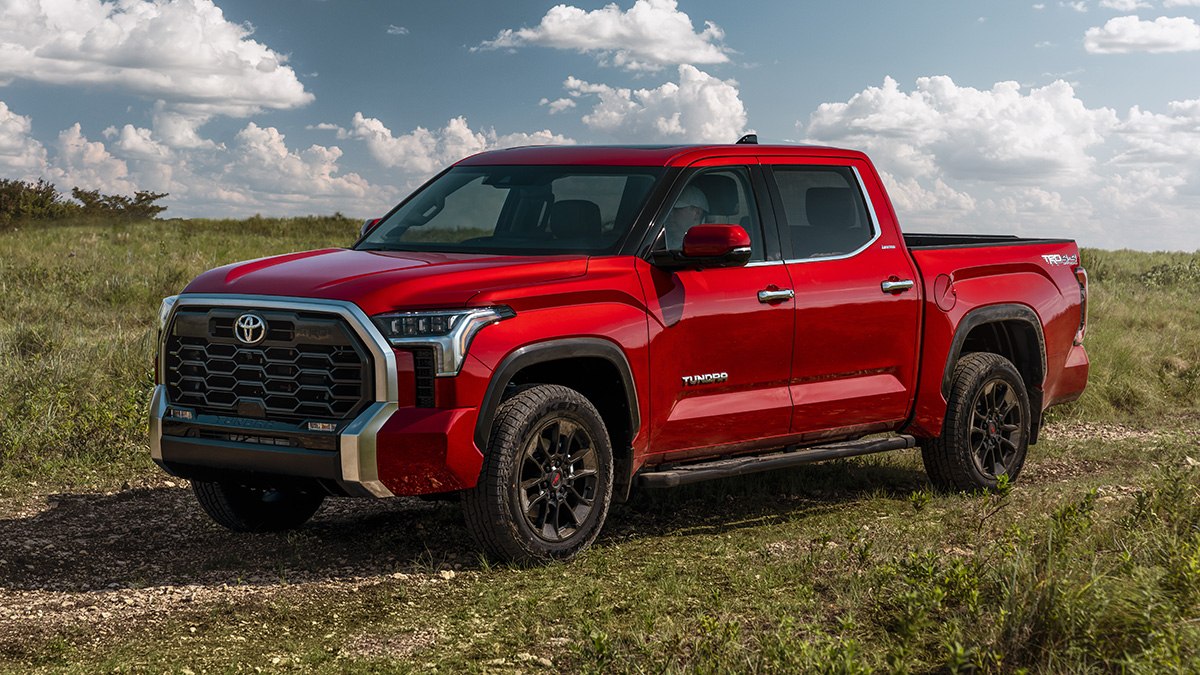
An exceptional resale value defines the Toyota Tundra, which retains roughly 60% of its original worth after five years of ownership. While rival full-size domestic pickups face steep depreciation, the Tundra acts as a strong financial asset due to its legendary longevity and minimal mechanical issues. Automotive tracking studies consistently rank it as a leader for vehicles surpassing the 250,000-mile mark, providing owners with an incredibly dependable long-term investment.
A smooth-shifting 10-speed automatic transmission manages the truck’s 3.4-liter twin-turbo V-6, an engine that generates up to 389 horsepower. In terms of capability, the Tundra tops out at a 1,940-pound payload limit and a 12,000-pound towing capacity, numbers that are more modest than those of its segment peers. However, it trades some of that maximum work capacity for daily ride comfort by utilizing a coil-spring rear suspension. For efficiency, standard four-wheel-drive configurations earn EPA estimates of 17 mpg in the city and 22 mpg on the highway.
The interior leans toward functional, purposeful design over opulent luxury, offering a massive optional 14.0-inch touchscreen equipped with wireless Apple CarPlay and Android Auto. Front-row space is highly generous, though the second-row legroom lags slightly behind rival crew cabs. For cargo, the truck features up to an eight-foot bed, a highly accommodating center console, and flexible under-seat storage partitions.
Driver protection is anchored by the standard Toyota Safety Sense 2.5 suite, delivering adaptive cruise control, lane-keeping assist, and automated emergency braking on all trims. Finally, Toyota sweetens ownership costs by bundling an unmatched two years or 25,000 miles of complimentary scheduled maintenance. This is paired with a standard three-year or 36,000-mile limited warranty to ensure peace of mind.
- Engine: 3.4L twin-turbo V6 (i-FORCE) / 3.4L twin-turbo V6 hybrid (i-FORCE MAX)
- Horsepower: 348 hp (base SR) / 389 hp (standard output) / 437 hp (i-FORCE MAX hybrid)
- Torque: 405 lb-ft (base SR) / 479 lb-ft (standard output) / 583 lb-ft (i-FORCE MAX hybrid)
- Length: 233.6–245.6 in (5,931–6,238 mm)
- Width: 80.2 in (2,037 mm)
4. Toyota Land Cruiser Prado
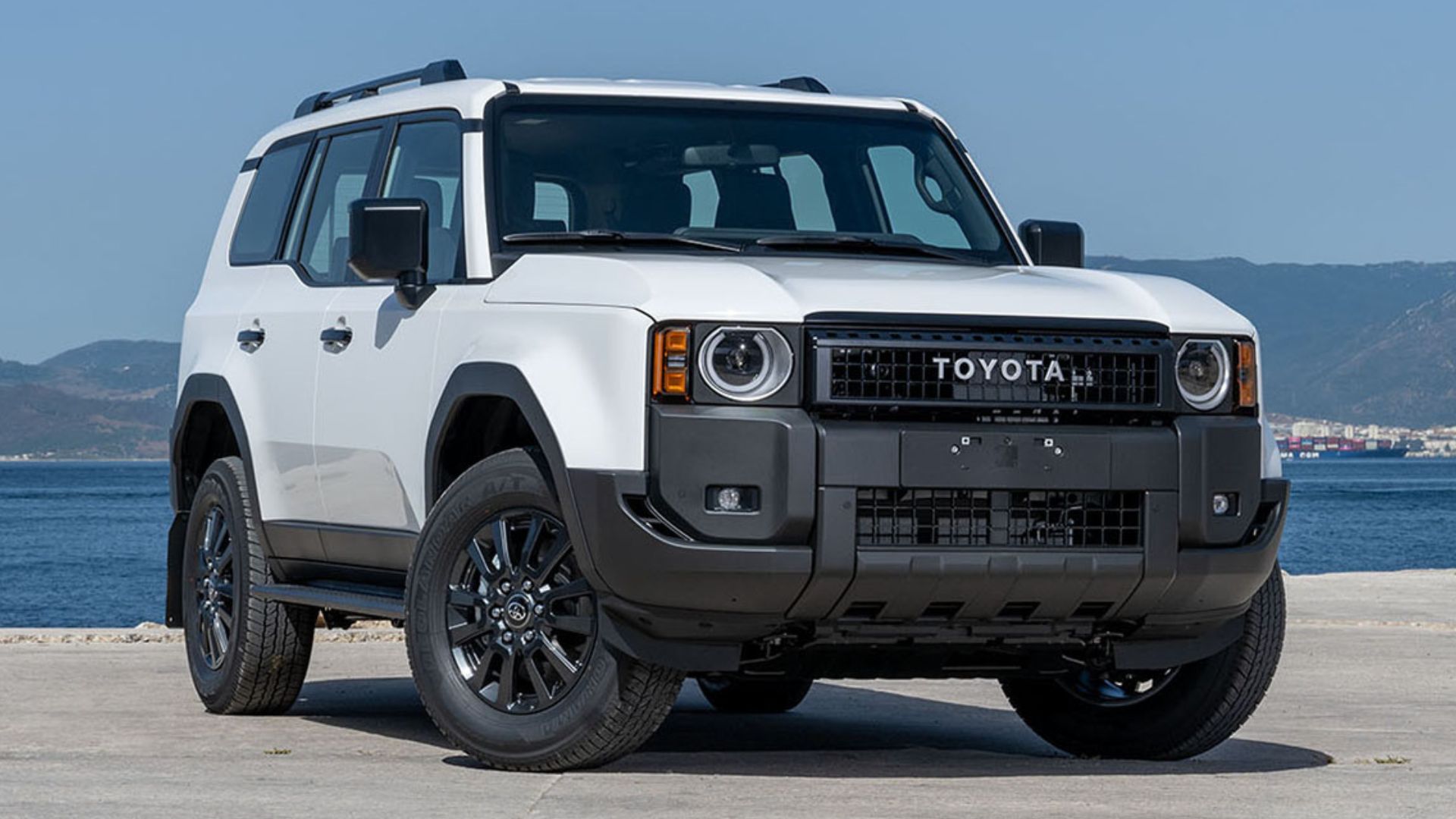
Few vehicles hold a candle to the Toyota Land Cruiser Prado 250 Series when it comes to combining elite resale value with rugged durability. By borrowing the heavy-duty, body-on-frame truck architecture of the legendary Hilux, Toyota has created a vehicle that seamlessly blends commercial-grade strength with high-end passenger comfort. Thanks to this robust design, the Prado easily conquers the harshest environments while completely outpacing its luxury European rivals in long-term value retention.
Driven by massive global demand, low ownership costs, and legendary reliability, the Prado remains highly coveted in secondary markets. Buyers can drive one for a decade and still reclaim a significant portion of their initial investment.
The latest generation introduces a more muscular, trail-ready aesthetic inspired by the Land Cruiser 300 Series. Inside, the cabin balances utility and technology with twin 12.3-inch digital displays, wireless Apple CarPlay, a 14-speaker JBL sound system, and intuitive physical controls. The range-topping Kakadu variant adds premium touches like heated and ventilated leather seats, a panoramic sunroof, and a refrigerated console box.
The Prado is powered by a dependable 2.8-liter turbo-diesel four-cylinder engine. This latest version features an eight-speed automatic transmission, full-time four-wheel drive, and a new 48-volt mild-hybrid system. With an output of 150kW of power and 500Nm of torque, the SUV delivers a driving experience that feels remarkably quiet, solid, and confident.
It also functions as a highly capable off-roader, easily balancing its refined on-road manners with rugged utility. The vehicle boasts a 3,500kg braked towing capacity and is packed with advanced off-road technology. Features such as low-range gearing and a limited-slip rear differential ensure this gentle giant can confidently tackle the toughest terrains.
- Engine: 2.4L turbocharged inline-4 gasoline (T24A-FTS) / 2.8L turbo-diesel inline-4 (1GD-FTV) / 2.4L turbo hybrid inline-4 + electric motor
- Horsepower: 267–277 hp (2.4L turbo gasoline) / 201–204 hp (2.8L diesel) / 326 hp (2.4L hybrid)
- Torque: 430 Nm (2.4L turbo gasoline) / 500 Nm (2.8L diesel) / 630 Nm (2.4L hybrid combined)
- Length: 4,990–4,995 mm
- Width: 1,980 mm
5. Toyota 4Runner
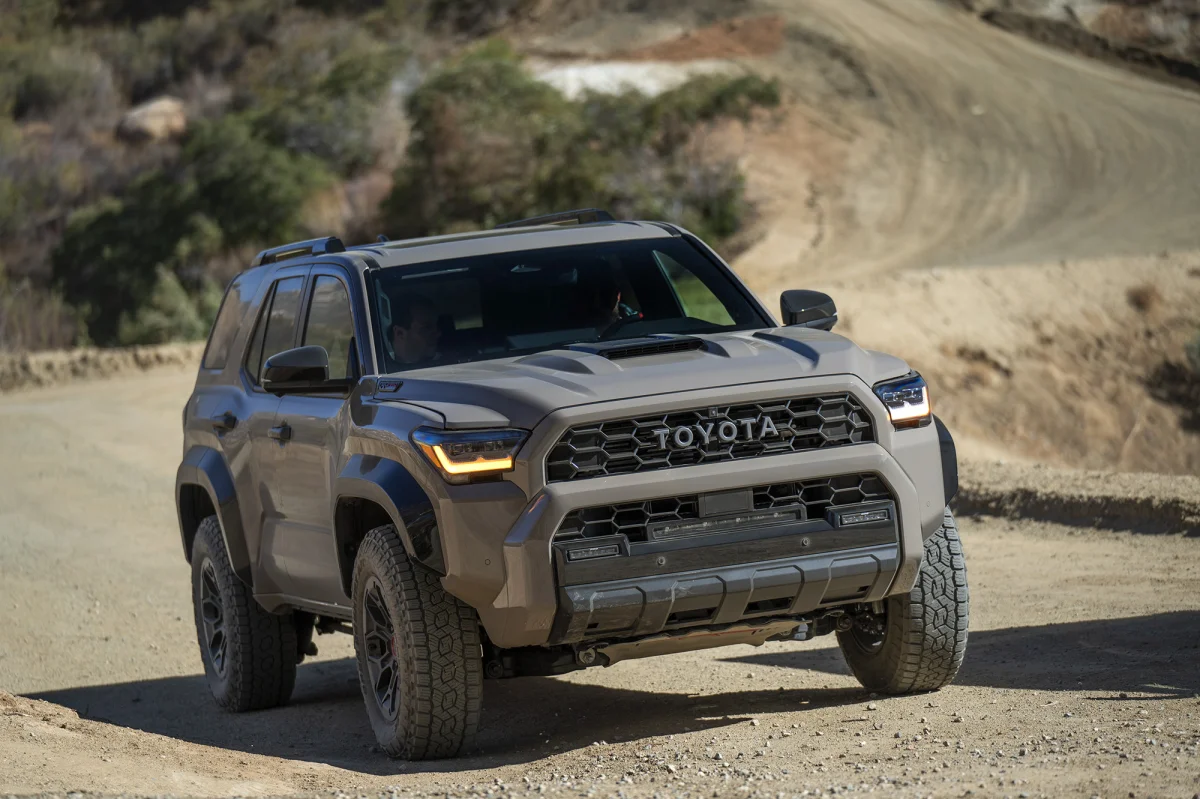
Fiercely retaining its value better than almost any other SUV, the Toyota 4Runner remains an absolute powerhouse on automotive resale charts. Its rugged body-on-frame architecture, built on a traditional and heavy-duty truck chassis shared with the Tacoma, provides the structural integrity needed to endure decades of extreme off-roading. Because of this tough construction, it can handle harsh terrain and heavy towing without wearing out.
A cornerstone of the 4Runner’s legendary investment appeal is its mechanical reliability. While historically celebrated for its bulletproof, old-school powertrain components, the modern lineup features a potent 278-hp turbocharged 2.4-liter four-cylinder engine paired with an efficient eight-speed automatic transmission. This setup delivers 6,000 pounds of robust towing capacity and improved on-road manners while confidently preserving the vehicle’s iconic trail-ready spirit.
Off-road enthusiasts and overlanders fuel a massive, cult-like market for the 4Runner. Available with high- and low-range four-wheel drive, a locking rear differential, and disconnecting stabilizer bars, it dominates the dirt with sharp steering and excellent visibility.
Standard wireless Apple CarPlay and Android Auto deliver seamless connectivity inside a cabin that prioritizes utility and modern tech, complete with an optional third row. The 4Runner completely avoids the steep depreciation curve plaguing modern crossovers because it is backed by Toyota’s TSS 3.0 advanced safety suite and rare complimentary scheduled maintenance. Furthermore, older models never feel outdated quickly since Toyota utilizes long production cycles, ensuring well-maintained vehicles consistently command top dollar regardless of the miles on the odometer.
- Engine: 2.4L turbocharged inline-4 (i-FORCE) / 2.4L turbocharged hybrid inline-4 (i-FORCE MAX)
- Horsepower: 278 hp (i-FORCE) / 326 hp (i-FORCE MAX hybrid)
- Torque: 317 lb-ft (i-FORCE) / 465 lb-ft (i-FORCE MAX hybrid)
- Length: 194.9 in (4,950 mm)
- Width: 78.0 in (1,981 mm) (without mirrors)
Also read: 5 Cars to Buy Before Prices Rise and 5 to Wait On
6. Toyota Hilux Surf
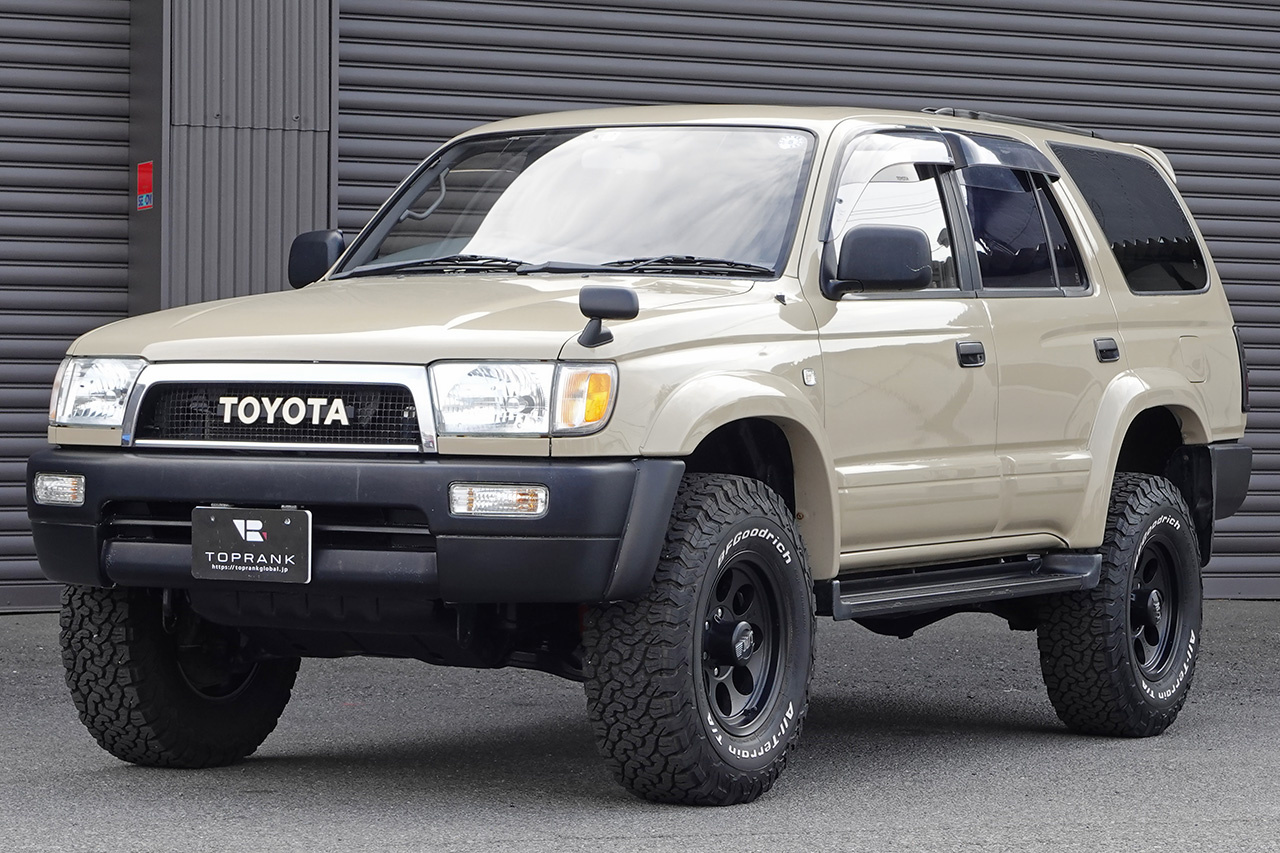
The Toyota Hilux Surf has earned a loyal following among enthusiasts thanks to its combination of rugged truck-based engineering, exceptional reliability, and growing collector appeal. Originally developed as the Japanese domestic-market counterpart to the Toyota 4Runner, the Surf blended the toughness of the Hilux pickup with the practicality of an SUV, creating a vehicle that remains highly sought after decades after production ended.
A key factor behind the Surf’s enduring value is its robust construction. Early generations were built directly on the Hilux platform, while later models adopted chassis components from the Land Cruiser Prado. This body-on-frame design provided outstanding durability both on and off the road, making the Surf a favorite among off-road enthusiasts, overlanders, and drivers operating in challenging environments.
The vehicle’s reputation is further strengthened by its dependable engine lineup, particularly the highly regarded turbodiesel variants such as the 3.0-liter 1KZ-TE. Known for their longevity and mechanical simplicity, these engines are capable of covering hundreds of thousands of kilometers with routine maintenance, contributing to the Surf’s reputation as a vehicle that “refuses to die.”
More than a decade after leaving production, the Hilux Surf continues to attract strong interest from enthusiasts and off-road buyers alike. Access to widely available components shared with the Hilux and Land Cruiser Prado has helped support long-term ownership, while expanding import eligibility in several countries has increased demand for older examples. As surviving vehicles become harder to find, the model’s appeal has grown beyond its original role as a practical SUV.
The Hilux Surf is valued not only for its durability and proven off-road credentials but also for its growing status as a sought-after classic. The combination of reliability, capability, and relative rarity has allowed it to maintain strong market value, securing its place among Toyota’s most admired SUVs.
- Engine: 2.8L turbo-diesel mild-hybrid (MHEV) / 2.4L turbo-hybrid i-FORCE MAX
- Horsepower: 210 hp (2.8L diesel MHEV) / 326 hp (2.4L i-FORCE MAX hybrid)
- Torque: 500 Nm (2.8L diesel MHEV) / 630 Nm (2.4L i-FORCE MAX hybrid)
- Length: 4,850 mm
- Width: 1,920 mm
7. Toyota T100
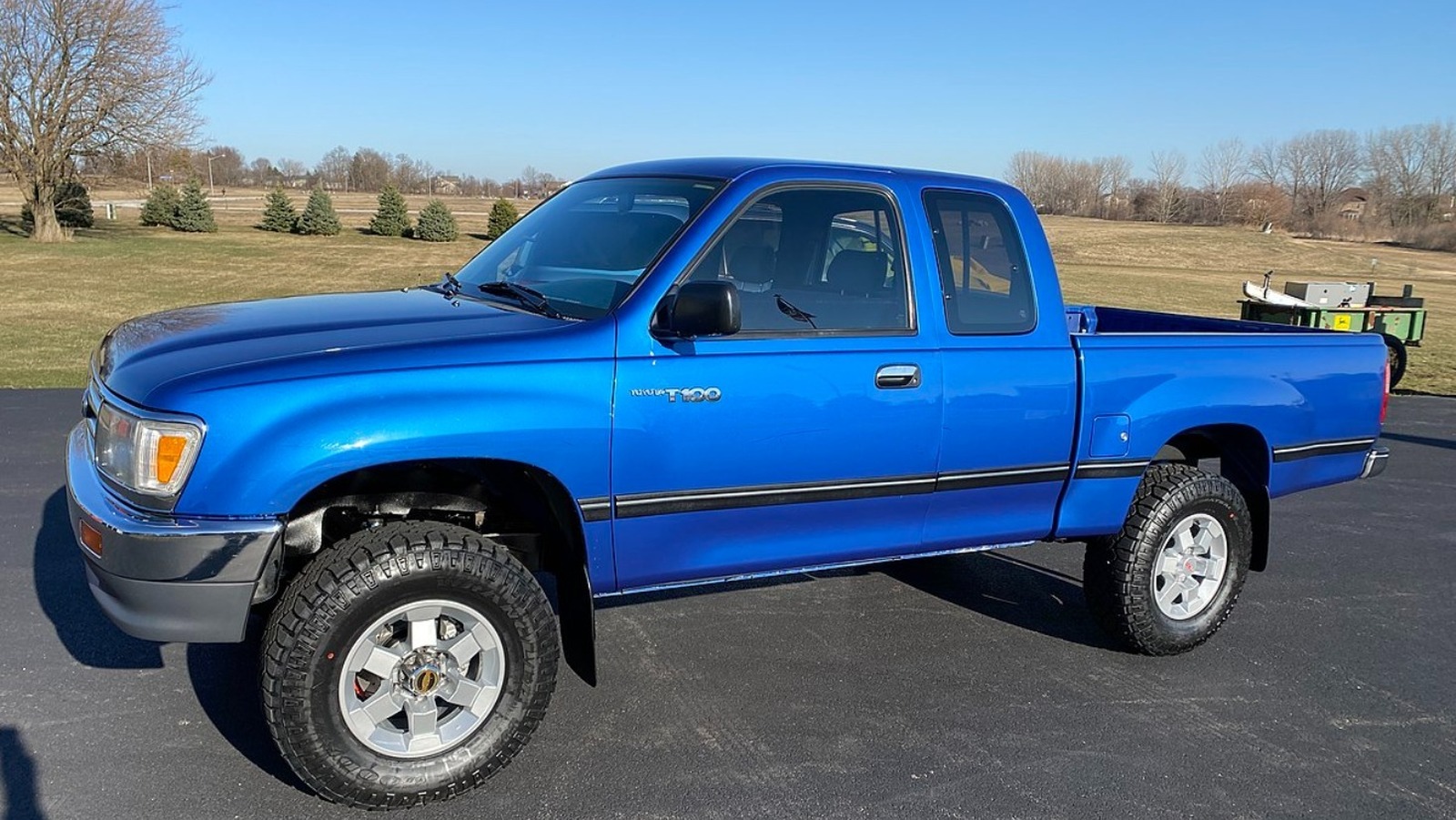
Originally introduced in the 1990s as Toyota’s opening salvo into the full-size pickup arena, the T100 faced heavy criticism for failing to match the sheer scale and V8 power of its American competitors. Decades later, however, history has completely vindicated this unique truck. Its smaller, lighter footprint and agile handling have transformed it into a highly practical everyday workhorse, prized by truck purists who value maneuverability over unnecessary bulk.
As the final Toyota pickup destined for North American shores to be built entirely in Japan, the T100 boasts an extraordinary level of craftsmanship. The exceptional fit, finish, and metal quality have allowed its structure to endure decades of hard labor. This uncompromising production standard earned the truck multiple J.D. Power Initial Quality Survey Awards during its original run, cementing a legacy of excellence that still attracts used buyers today.
At the core of the T100’s enduring legacy is an analog mechanical setup that effortlessly surpasses the 300,000-mile mark with basic upkeep. Models built from 1995 onward feature the legendary 3.4-liter 5VZ-FE V6 engine, a powertrain celebrated for its unyielding reliability and smooth performance. Because the truck completely predates today’s overengineered, hyper-digital electrical systems, it remains incredibly cheap to operate, keeping average annual repair bills around a modest $355.
Because it was overlooked when new, clean examples of the T100 are exceptionally rare today, triggering a massive surge in demand among collectors and enthusiasts. This dedicated cult following has flipped the traditional depreciation curve upside down. Well-maintained, rust-free models frequently command top dollar on the used market, routinely selling for anywhere between $7,000 and $10,000+ even after crossing 200,000 miles on the odometer.
Prospective buyers must weigh the truck’s legendary reliability against its clear generational limitations. With a maximum towing capacity of 5,000 pounds and a modest 190 horsepower, it is poorly suited for heavy-duty hauling and delivers subpar fuel economy by modern standards. Furthermore, because these 1990s frames are highly susceptible to corrosion, anyone hunting for a classic 2WD or 4WD T100 should make a thorough undercarriage rust inspection their absolute highest priority.
- Engine: 2.7L inline-4 / 3.4L V6
- Horsepower: 150 hp (2.7L I4) / 190 hp (3.4L V6)
- Torque: 177 lb-ft (2.7L I4) / 220 lb-ft (3.4L V6)
- Length: 209.1 in
- Width: 75.2 in
8. Toyota Stout
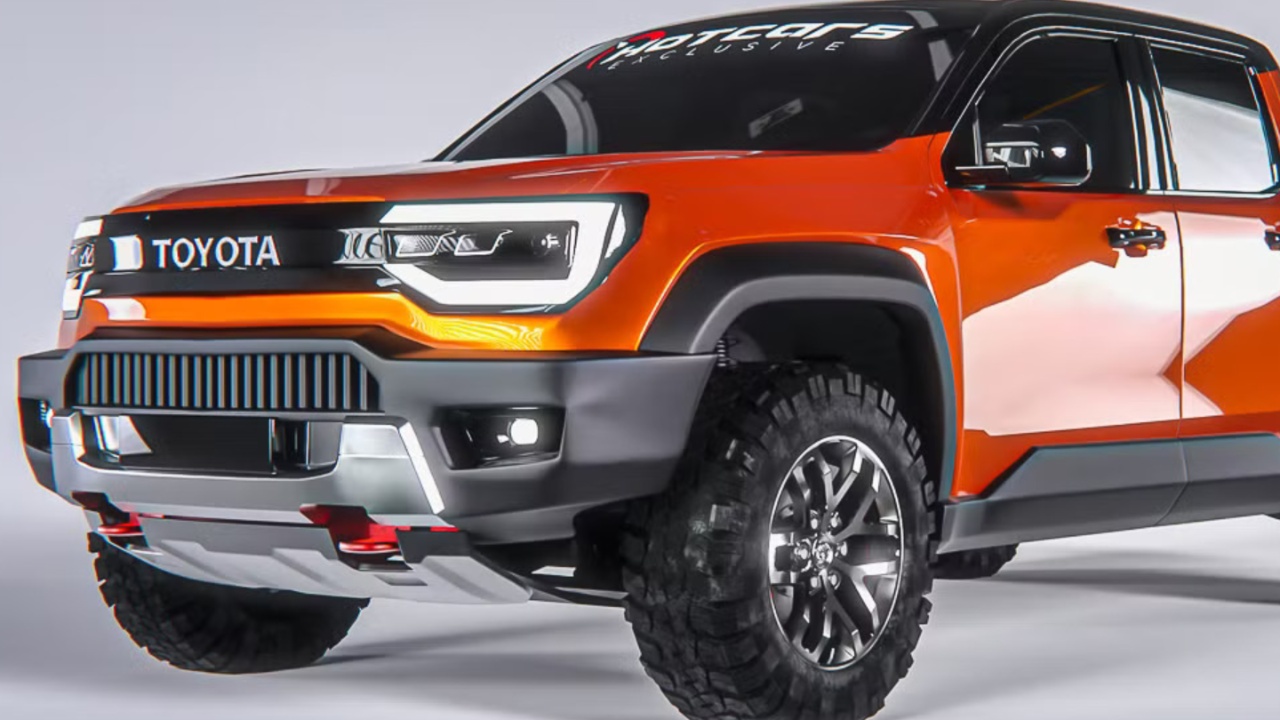
As Toyota gears up to introduce a compact pickup positioned beneath the Tacoma, the automotive world is buzzing with anticipation over the potential revival of the Toyota Stout. Rather than targeting heavy-duty workloads, this upcoming unibody truck is being designed with a clear focus on urban practicality, exceptional efficiency, and affordability. It is poised to enter the market as a direct competitor to popular compact options like the Ford Maverick and Hyundai Santa Cruz.
While Toyota has kept official confirmation regarding the “Stout” moniker and a definitive release schedule under wraps, industry insiders hint that a reveal could happen very soon. If current reports hold true, consumers could see this highly anticipated small truck arrive on dealership lots as early as 2027.
One reason the Stout is viewed as a strong long-term value proposition is its anticipated combination of low ownership costs and Toyota’s reputation for durability. Reports indicate pricing could begin around $30,000, making it accessible to first-time truck buyers, young families, and small business owners. Hybrid powertrains are expected to play a major role, potentially borrowing technology from existing Toyota models. Fuel economy could exceed 40 mpg in some configurations, helping owners reduce long-term fuel expenses while maintaining everyday utility.
The truck is also expected to offer crossover-like comfort, modern technology, and practical cargo solutions. Features such as advanced safety systems, smartphone connectivity, flexible bed storage, and available all-wheel drive would broaden its appeal as both a commuter vehicle and weekend adventure companion. While it is unlikely to replace the Tacoma for serious off-road use or heavy towing, it should provide enough capability for light hauling, outdoor recreation, and daily transportation needs.
Long-term value is further supported by Toyota’s strong resale performance, widespread dealer network, and proven hybrid reliability. If Toyota delivers the combination of efficiency, practicality, durability, and affordability that many expect, the Stout could become one of the most attractive compact pickups for buyers seeking a versatile vehicle with low operating costs and strong future resale value.
- Engine: 2.4L turbocharged inline-4 (gas, expected) / 2.5L inline-4 hybrid system (expected)
- Horsepower: ~270 hp (2.4L turbo) / ~219–236 hp (2.5L hybrid system)
- Torque: ~184–252 lb-ft (2.5L hybrid, depending on configuration; turbo torque not officially finalized)
- Length: ~177–183 in (4,500–4,650 mm)
- Width: ~72–73 in (estimated)
9. Toyota Land Cruiser FJ45
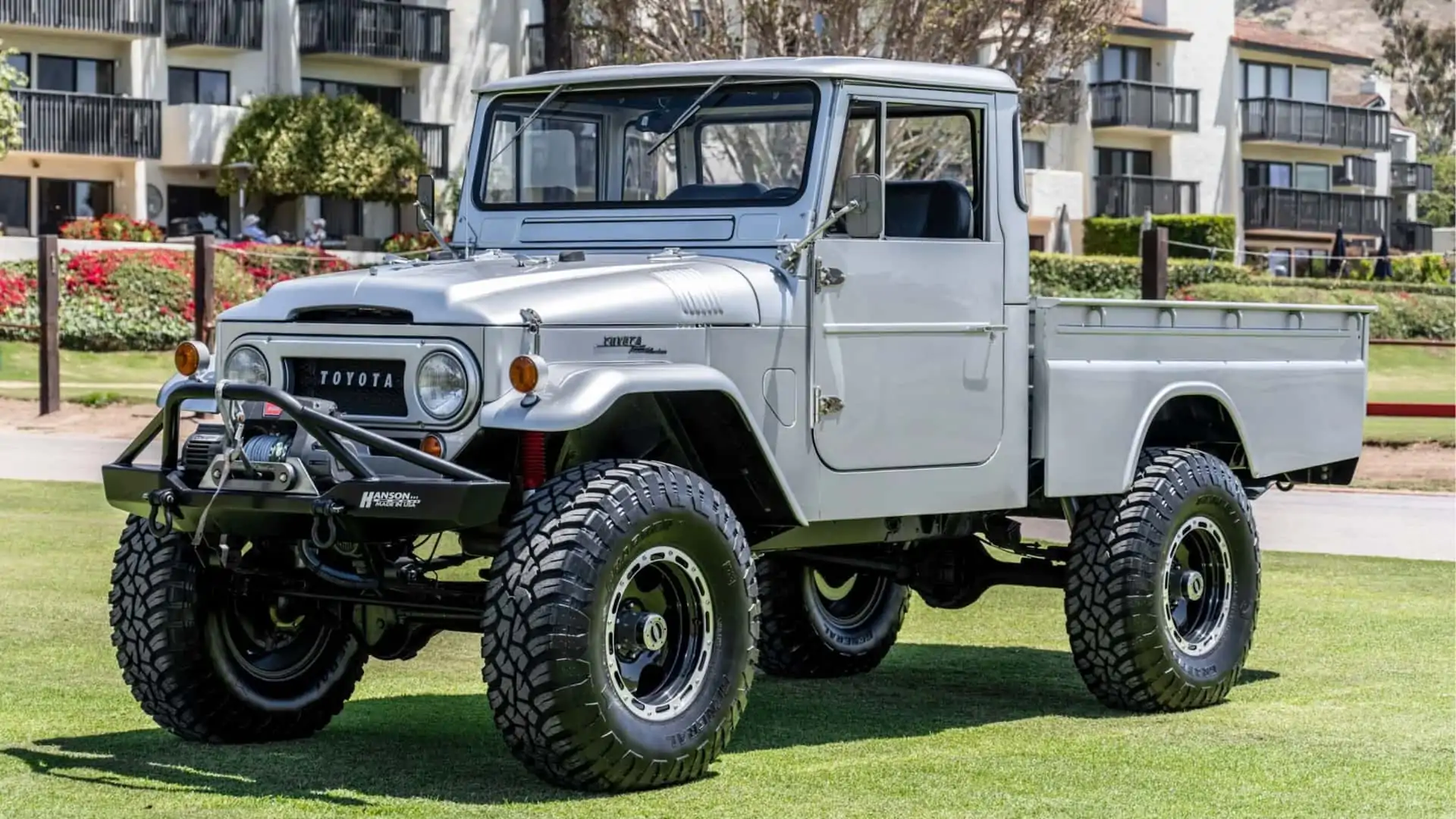
Commanding between $40,000 and well over $90,000 at elite global auctions, the Toyota Land Cruiser FJ45 has firmly transitioned from a spartan workhorse into a blue-chip automotive asset.
This dramatic surge in valuation is driven by a stark supply-and-demand imbalance, as less than 1% of all vintage Land Cruiser imports were the coveted FJ45 pickup variant. For classic truck enthusiasts and savvy investors alike, purchasing an unmolested or meticulously restored model represents a highly secure way to park capital in a tangible, appreciating asset.
The truck owes its legendary longevity to a military-grade, body-on-frame steel architecture that was originally engineered to conquer the world’s most unforgiving environments. Under the hood sits the famously dependable 4.2-liter 2F inline-six engine, celebrated by purists for its low-end torque and mechanical simplicity. Featuring solid axles and entirely analog components, this robust powertrain bypasses modern digital complexities, allowing owners to perform routine maintenance using little more than basic hand tools.
Visually defined by its iconic, boxy silhouette, the long-wheelbase FJ45 was primarily produced as either a cavernous Troop Carrier (“Troopy”) or a traditional pickup featuring a massive 7-foot cargo bed. Stepping inside the cabin reveals a beautifully spartan environment comprised of vinyl seats, manual windows, and a bare steel dashboard. While completely devoid of contemporary creature comforts, interacting with the vintage mechanical shifters and physical dials provides drivers with a highly engaging, nostalgic sensory experience.
When it comes to driving dynamics, this vintage 4×4 behaves exactly like the mid-century machine that it is. While highway tracking is admittedly loud and lumbering with comfortable cruising speeds topping out between 45 and 55 mph the vehicle completely transforms once it leaves the asphalt. Utilizing a high-torque, part-time four-wheel-drive system paired with low-range gearing, the FJ45 effortlessly crawls over rocks and churns through deep mud.
A successful ownership experience requires looking past the truck’s effortless cool factor to confront a few well-documented generational weaknesses. Rust remains the absolute greatest enemy of the 40-Series chassis, meaning buyers must meticulously inspect the floorboards, lower cab corners, and frame access holes for hidden corrosion. Furthermore, because sourcing original replacement components can be a challenge, relying on dedicated global enthusiast networks is a necessary part of keeping this legendary giant alive.
- Engine: 2.7L inline-4 petrol (2TR-FE) (modern Land Cruiser FJ) / 3.9L inline-6 petrol “F” engine (vintage FJ45)
- Horsepower: 161–166 hp (modern FJ) / 105–125 hp (FJ45)
- Torque: 245–246 Nm (modern FJ) / 189–209 lb-ft (FJ45)
- Length: 4,575–4,610 mm (modern FJ) / 4,229–4,660 mm (FJ45)
- Width: 1,855 mm (modern FJ) / 1,666–1,720 mm (FJ45)
10. Toyota Lite Ace
The Toyota Lite Ace Truck is a highly practical, cab-over micro-truck engineered specifically to conquer dense city streets. Rather than competing as a lifestyle pickup or a passenger-focused ride, it serves as a dedicated, pure commercial workhorse. This clarity of purpose allows it to maintain a resilient baseline resale value over time, as its practical earning potential and utility for small business owners never diminish, no matter its age.
At the heart of the vehicle’s long-term investment appeal are its microscopic operating and maintenance costs. The truck relies on a reliable and fuel-efficient 1.5-liter four-cylinder gasoline engine (2NR-VE) that produces 97 horsepower and 134 Nm of torque, paired exclusively with a 5-speed manual transmission. Because Toyota utilizes highly accessible parts, routine upkeep remains incredibly affordable, drastically reducing costly downtime and maximizing financial returns for entrepreneurs.
Adhering to Toyota’s legendary Quality, Durability, and Reliability (QDR) standards, the Lite Ace is structurally overbuilt to withstand continuous daily abuse. It handles heavy cargo hauling and steep parking ramps with ease, resisting the major mechanical breakdowns that often plague lighter-duty vehicles. This robust design gives regional commercial operators the confidence to run the vehicle continuously for decades with minimal maintenance overhead.
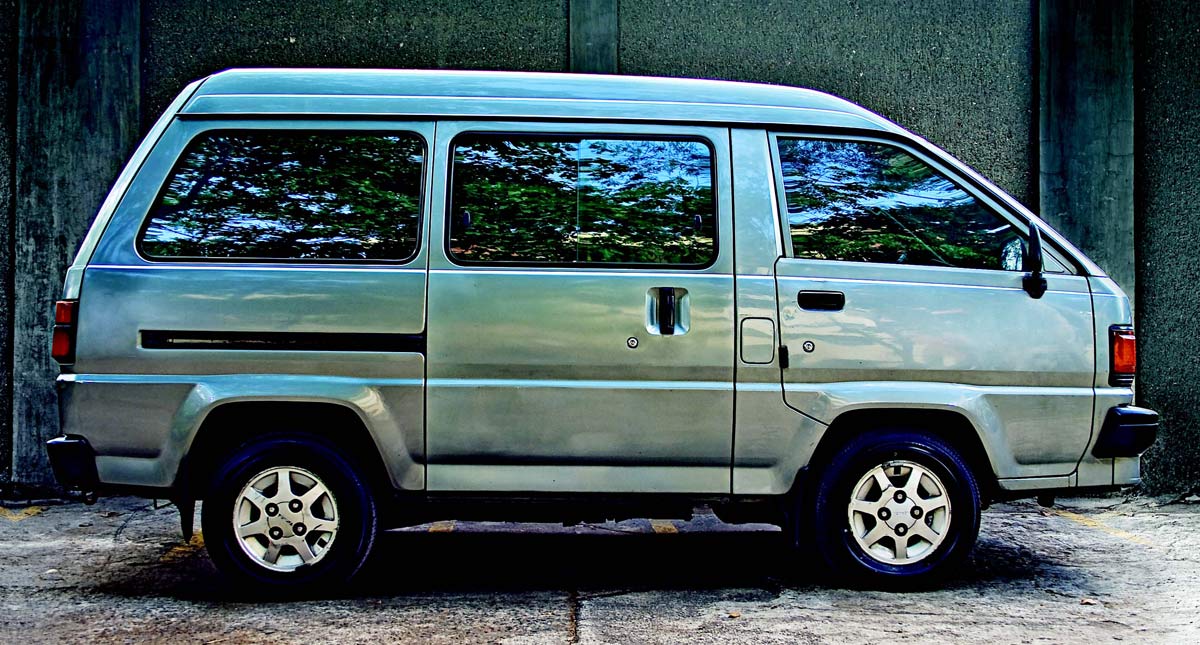
Moving through crowded city streets is easy thanks to the truck’s compact size and highly responsive electric power-assisted steering. For loading and unloading, the flatbed uses a practical dropside design with a three-gate access system. This setup allows the sides and rear to fold down fully, making it much simpler to handle large, flat, or awkward cargo in narrow alleyways and busy loading areas.
Prospective buyers must view the Lite Ace strictly through a utilitarian lens, as it completely trades passenger comfort for functional efficiency. The Spartan cabin consists entirely of hard plastics and vinyl seats, offering only basic amenities like manual air conditioning and a simple 1-DIN radio. Furthermore, the suspension can feel quite stiff and bumpy when the bed is empty, and operating the manual clutch on steep inclines requires some finesse due to the lack of hill-start assist.
- Engine: 1.5L inline-4 (2NR-VE, Dual VVT-i)
- Horsepower: 97–98 hp @ 6,000 rpm
- Torque: 134 Nm @ 4,400 rpm
- Length: 4,045–4,370 mm (depending on variant)
- Width: 1,665–1,675 mm (depending on variant)