
Most car buyers focus on major factors such as engine performance, fuel economy, reliability, safety ratings, and technology features. Yet some of the most frustrating ownership problems come from unexpected places.
One issue that has affected a surprising number of vehicles over the years is dashboard cracking. While it may initially seem like a cosmetic concern, a cracked dashboard can significantly impact a vehicle’s appearance, resale value, and even safety in certain situations.
Dashboard materials endure constant exposure to harsh conditions. Sunlight, ultraviolet radiation, heat cycles, and changing temperatures all place stress on plastics, vinyl surfaces, adhesives, and structural components.
When manufacturers use materials that are unable to withstand years of environmental exposure, cracks can begin to develop. In severe cases, dashboards split open across multiple areas, creating an unsightly appearance that can make an otherwise well-maintained vehicle look neglected.
For many owners, the problem becomes particularly frustrating because dashboard replacement is rarely inexpensive. Modern dashboards contain airbag systems, electronic wiring, climate control components, and various sensors.
Replacing a damaged dashboard often requires substantial labor, turning what appears to be a simple cosmetic issue into a costly repair.
Some vehicles became especially notorious because cracking occurred far more frequently than owners expected. In certain cases, cracks appeared despite careful maintenance, garage storage, and regular interior protection treatments.
As complaints accumulated, these models developed reputations that continue to follow them years after production ended.
Interestingly, dashboard cracking is not limited to budget vehicles. Luxury models, sports cars, family sedans, and SUVs have all experienced similar issues when material durability failed to meet long-term expectations. The severity varies from minor hairline cracks to extensive damage spanning large portions of the dashboard surface.
The following vehicles became particularly well-known for dashboard-cracking complaints. While many owners enjoyed otherwise positive experiences with these models, dashboard deterioration emerged as one of their most frequently discussed weaknesses.
These are some of the cars most commonly associated with cracked dashboards and expensive interior repairs.
Also Read: 10 Best Cars for San Francisco’s Steep Hills
1. Toyota Camry (2007-2011)
The Toyota Camry has long been regarded as one of the most dependable family sedans on the market. Known for strong reliability, comfortable driving characteristics, and low ownership costs, it became a default choice for countless buyers.
However, owners of certain 2007 through 2011 models discovered that even highly respected vehicles can suffer from unexpected quality issues.
In this case, the problem was impossible to ignore because it sat directly in front of the driver every day. Numerous owners reported dashboard surfaces becoming sticky, shiny, cracked, or deteriorated after years of exposure to heat and sunlight.
The issue became especially common in regions with consistently warm climates, where high interior temperatures accelerated material breakdown.
Many vehicles experienced premature dashboard failure long before normal, decade-spanning wear could set in. Owners generally caught the issue early through two distinct warning signs: first, the surface texture would degrade into a soft, sticky mess, followed quickly by the appearance of hairline fractures near the passenger airbag. Left unchecked, these small fractures rapidly expanded across larger surfaces.
The visual impact was significant. A vehicle that remained mechanically dependable could suddenly appear much older because of a damaged dashboard. For owners who took pride in maintaining their cars, the deterioration was particularly disappointing.
The problem generated substantial attention among consumers. Online forums, owner groups, and automotive complaint databases accumulated thousands of reports describing similar experiences. Many owners expressed surprise because the Camry’s reputation for durability led them to expect better long-term interior quality.
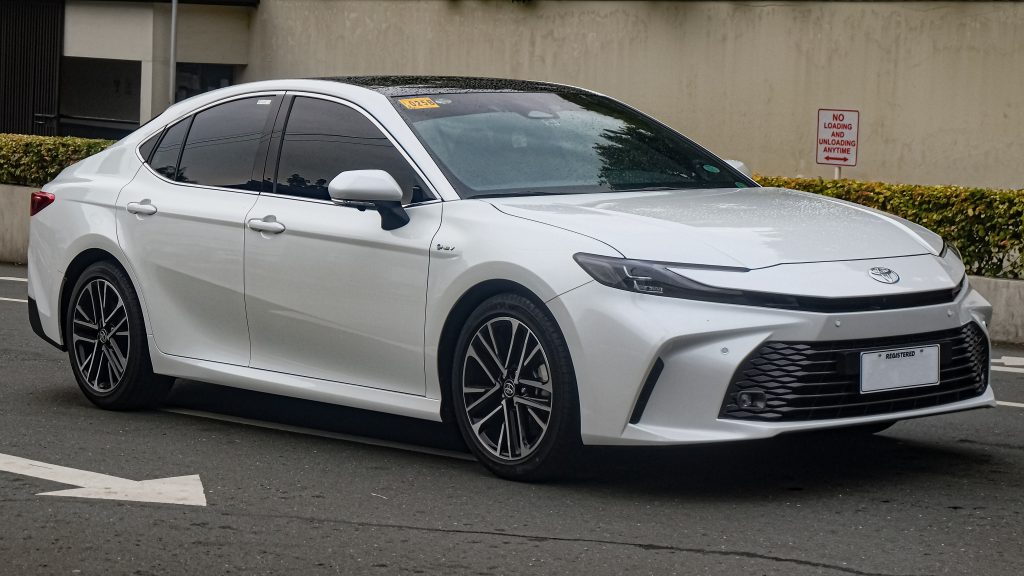
Toyota eventually addressed concerns through customer support programs that assisted with certain affected vehicles. Nevertheless, the issue remains one of the most commonly cited cosmetic problems associated with this generation.
What makes the situation notable is the contrast between the dashboard issue and the vehicle’s otherwise strong reliability record. The engine, transmission, and major mechanical systems frequently delivered years of dependable service, while the dashboard became a highly visible source of frustration.
Even today, shoppers evaluating used examples from this generation often inspect the dashboard carefully before making a purchase decision. The issue became so widespread that it remains one of the defining ownership concerns for these otherwise respected family sedans.
Specifications
- Engine: 2.5-liter Four-Cylinder
- Torque: 169 lb-ft
- Horsepower: 169 hp
- Length/Width: 189.2 inches / 71.7 inches
2. Lexus ES 350 (2007-2012)
Luxury buyers typically expect premium materials to age gracefully. When purchasing a Lexus ES 350, customers anticipated refined comfort, exceptional reliability, and interior craftsmanship capable of withstanding years of ownership.
Unfortunately, certain ES 350 models became known for dashboard deterioration that seemed inconsistent with the vehicle’s upscale reputation.
Owners frequently described a troubling progression. Initially, the dashboard surface developed an unusual glossy appearance. Instead of maintaining its original texture, portions of the dashboard began reflecting sunlight excessively.
Over time, many dashboards became sticky to the touch, particularly in areas receiving direct sun exposure.
The issue extended beyond appearance alone. Once the material started degrading, cracks often followed. Some appeared around airbag seams and edges, while others spread across broader sections of the dashboard. In severe cases, the damage significantly altered the cabin’s appearance.
For a luxury vehicle, the visual effect was particularly damaging. The ES 350 earned praise for offering a quiet, comfortable driving experience, but cracked dashboards undermined the premium atmosphere that many owners specifically paid for.
Entering an otherwise well-maintained luxury sedan only to see extensive dashboard damage created an unfortunate contrast.
Climate played a role in many reported cases. Owners living in states with intense sunlight and prolonged heat often experience problems earlier than those in cooler regions. Nevertheless, numerous complaints suggested the issue extended beyond normal environmental wear.
Because the dashboard occupied such a prominent position inside the vehicle, deterioration became difficult to ignore. Some owners resorted to dashboard covers, protective treatments, or expensive replacements in an effort to preserve interior appearance.
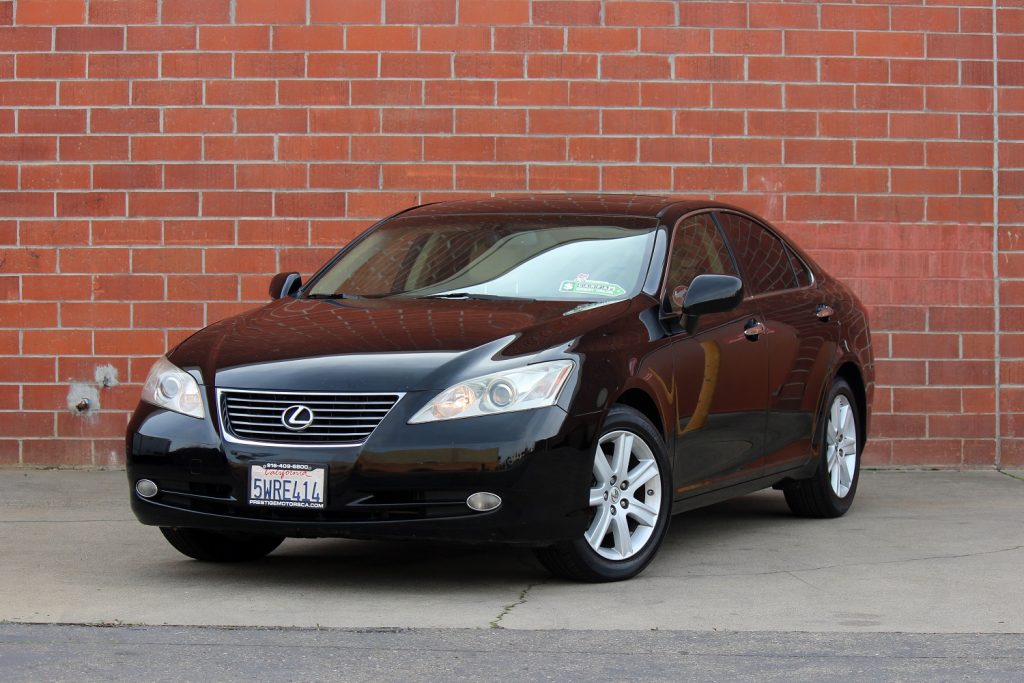
The problem attracted enough attention that Lexus eventually implemented customer assistance programs for certain affected vehicles. Even so, the issue remains one of the most frequently discussed weaknesses associated with this generation of ES 350.
What makes the story remarkable is that the vehicle remained highly regarded in nearly every other area. Owners often praised ride quality, reliability, and comfort while simultaneously criticizing dashboard durability. That unusual combination helped cement the ES 350’s place among vehicles most closely associated with dashboard cracking complaints.
Specifications
- Engine: 3.5-liter V6
- Torque: 254 lb-ft
- Horsepower: 272 hp
- Length/Width: 191.1 inches / 71.7 inches
3. Nissan Altima (2002-2006)
Not every dashboard problem begins with a dramatic crack stretching across the interior. In the case of the 2002 to 2006 Nissan Altima, many owners first noticed subtle signs of aging that gradually evolved into a much larger issue. What started as minor surface deterioration often became one of the most criticized aspects of ownership.
The Altima was an important vehicle for Nissan during this period. It offered competitive performance, attractive styling, and a spacious interior that appealed to a broad range of buyers.
Many examples accumulated high mileage with relatively few major mechanical concerns. Unfortunately, the dashboard often failed to age as gracefully as the rest of the vehicle.
Owners commonly reported cracking near the top surface of the dashboard where sunlight exposure was greatest. In warmer climates, prolonged heat appeared to accelerate the deterioration process. Small fractures could eventually spread across larger sections, creating a web of visible damage that became difficult to ignore.
Dashboard cracking in affected Altimas wasn’t just isolated to one specific area. Instead, these vehicles frequently developed multiple fractures across the entire panel, minor cosmetic blemishes that steadily expanded and grew progressively worse over time.
One particularly frustrating aspect was how dramatically the problem affected cabin appearance. A vehicle with clean seats, functioning electronics, and a well-maintained exterior could still look significantly older because of dashboard deterioration. Potential buyers frequently noticed the damage immediately during inspections.
Many owners attempted preventive measures such as sunshades, garage storage, and interior protectants. While these steps may have slowed deterioration in some cases, they did not always prevent cracking entirely. This led many consumers to believe that material quality played a larger role than owner neglect.
Online communities became filled with photographs showing dashboards that had been split into multiple locations. The consistency of these reports helped establish the Altima’s reputation for interior durability concerns.
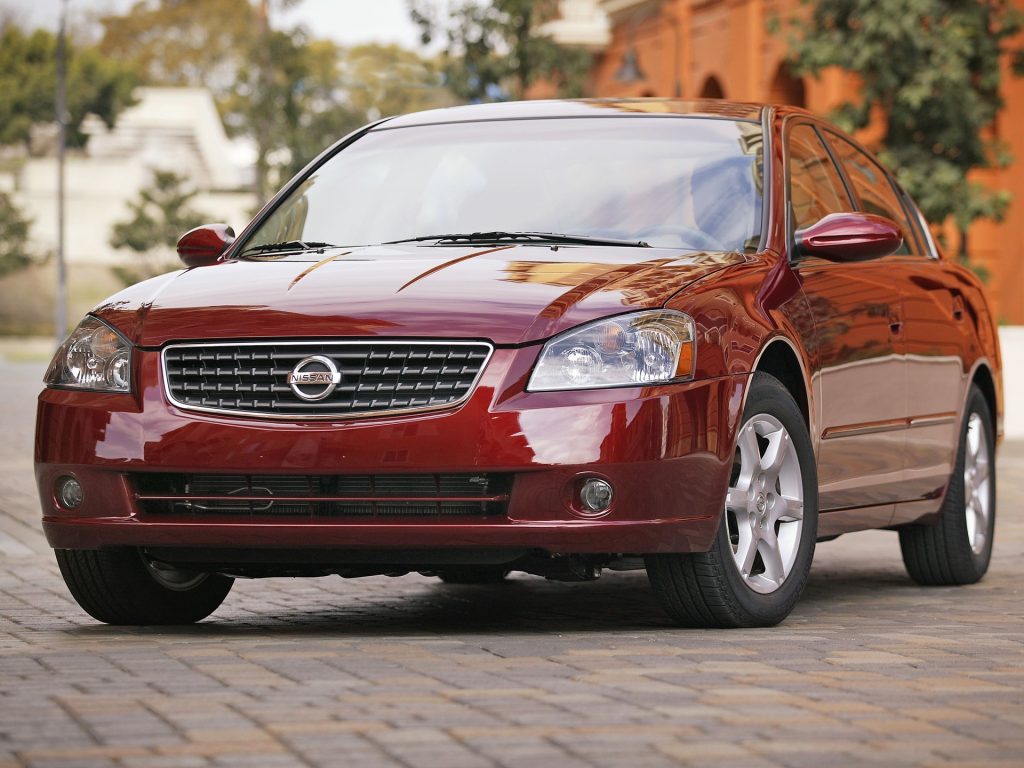
Reliable everyday usability and strong engine performance allowed many owners to keep driving their vehicles for years, largely overshadowing the flawed interior. Still, the cracking dashboard served as a persistent reminder that true vehicle longevity requires more than just bulletproof mechanical components.
Even today, used examples from this generation often show visible signs of dashboard deterioration, making it one of the most recognizable flaws associated with these otherwise capable midsize sedans.
Specifications
- Engine: 2.5-liter Four-Cylinder
- Torque: 180 lb-ft
- Horsepower: 175 hp
- Length/Width: 192.3 inches / 70.4 inches
4. Infiniti G35 (2003-2007)
The Infiniti G35 built its reputation on performance, luxury, and sporty driving dynamics. As one of the most celebrated sport sedans of its era, it attracted buyers looking for an alternative to established European competitors.
Beneath the praise for its powerful V6 engine and engaging handling, however, another story was developing inside the cabin.
Many owners discovered that dashboard durability did not always match the vehicle’s otherwise premium character. Over time, dashboards in numerous G35 models began showing signs of cracking, warping, and material degradation. The issue became especially common among vehicles exposed to intense sunlight for extended periods.
Expectations for a luxury performance vehicle are higher than those for a family sedan, where minor cosmetic flaws are often easier to accept. Owners who pay for a premium driving experience anticipate premium materials that can preserve their appearance and quality over many years.
The deterioration often began in areas receiving the greatest amount of sunlight. Small cracks could appear near vents, airbag seams, or the upper dashboard surface before gradually spreading. In severe cases, the dashboard looked dramatically older than the rest of the vehicle.
Another factor contributing to owner frustration was the contrast between the car’s driving experience and its interior condition. The G35 remained enjoyable to drive even after accumulating significant mileage.
Its strong V6 engine and rear-wheel-drive dynamics continued delivering performance long after many competitors felt dated. Yet drivers were constantly reminded of the dashboard issue every time they entered the vehicle.
Replacement costs also discouraged many owners from pursuing repairs. Modern dashboards are complex assemblies containing airbags, wiring, climate control components, and numerous structural elements. Fixing the problem properly often required substantial labor and expense.
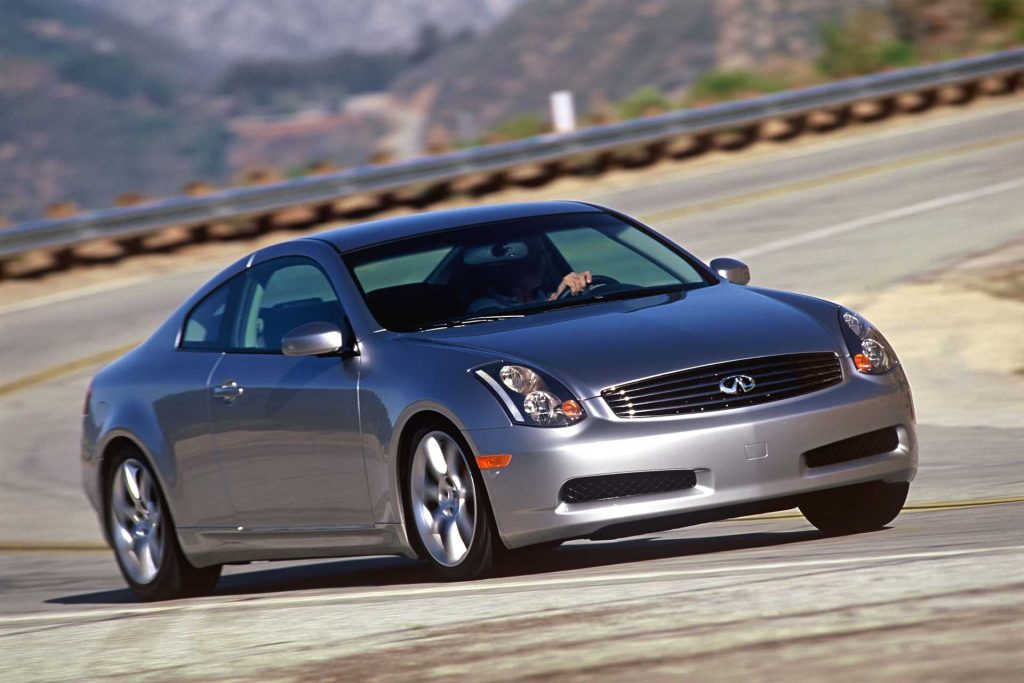
The issue became a common discussion point among enthusiasts, particularly in warmer regions where heat exposure accelerated material breakdown. Owners frequently exchanged advice regarding dashboard covers, restoration methods, and preventative measures.
Even though dashboard cracking is one of its most frequently cited weaknesses, the Infiniti G35 hasn’t lost its stellar reputation among driving enthusiasts. The car continues to attract used-car buyers by offering a winning combination of performance, reliability, and value—ensuring its legacy as a highly respected and influential luxury sport sedan.
Specifications
- Engine: 3.5-liter V6
- Torque: 270 lb-ft
- Horsepower: 280 hp
- Length/Width: 186.2 inches / 71.5 inches
5. Mazda6 (2003-2008)
The first-generation Mazda6 earned widespread praise for bringing an unusual level of driving enjoyment to the midsize sedan segment. At a time when many family sedans focused almost entirely on comfort and practicality, Mazda created a vehicle that felt more responsive and engaging.
Sharp steering, attractive styling, and capable handling helped the Mazda6 stand out from competitors. Unfortunately, one area where the car struggled to maintain its reputation involved the durability of its dashboard materials.
For many owners, the problem did not appear immediately. The interior often looked attractive during the early years of ownership, with a design that felt more modern and sporty than several rivals.
As the vehicle aged, however, some dashboards began developing visible cracks across the upper surface. The issue became particularly common in regions where vehicles spent long hours parked under intense sunlight.
Heat proved to be a major factor. During summer months, dashboard temperatures can climb dramatically, especially in vehicles parked outdoors. Over time, repeated heating and cooling cycles place stress on plastic and vinyl materials.
In numerous Mazda6 models from this generation, those materials appeared unable to withstand years of exposure without showing signs of deterioration.
The cracks often started as small imperfections that many owners initially ignored. Unfortunately, these minor flaws rarely remained isolated.
As months and years passed, the damage frequently expanded into larger fractures that stretched across noticeable sections of the dashboard. What began as a cosmetic annoyance could eventually dominate the appearance of the entire interior.
One reason the issue attracted so much attention was the vehicle’s otherwise solid ownership experience. Many Mazda6 owners were satisfied with reliability, fuel economy, and driving dynamics. The dashboard problem felt out of place because it contrasted so sharply with the strengths that made the car popular in the first place.
The placement of the damage made it even more frustrating. Instead of being hidden in less noticeable areas, the cracks are on the dashboard where they are constantly in the driver’s line of sight. Each drive becomes a reminder of the problem. A vehicle may otherwise be well cared for, with clean paint and an orderly interior, but visible dashboard damage can still make it look poorly maintained.
Owners tried numerous strategies to slow deterioration. Sunshades became common accessories, while some drivers applied protectants designed to block ultraviolet radiation.
Others invested in custom dashboard covers to hide existing cracks and prevent further damage. While these measures occasionally improved appearance, they rarely restored the dashboard to its original condition.
Potential buyers in the used-car market quickly became aware of the issue as well. A cracked dashboard often reduced perceived value and became a negotiating point during sales discussions. Sellers frequently found themselves answering questions about interior condition even when the vehicle remained mechanically sound.

Despite this flaw, the Mazda6 retained a loyal following. Enthusiasts appreciated its engaging personality and continued recommending it for its driving characteristics.
Dashboard cracking remains one of the most frequently mentioned complaints associated with this generation. It serves as a reminder that long-term quality depends not only on engines and transmissions but also on the materials owners interact with every day.
Specifications
- Engine: 2.3-liter Four-Cylinder
- Torque: 154 lb-ft
- Horsepower: 160 hp
- Length/Width: 186.8 inches / 70.1 inches
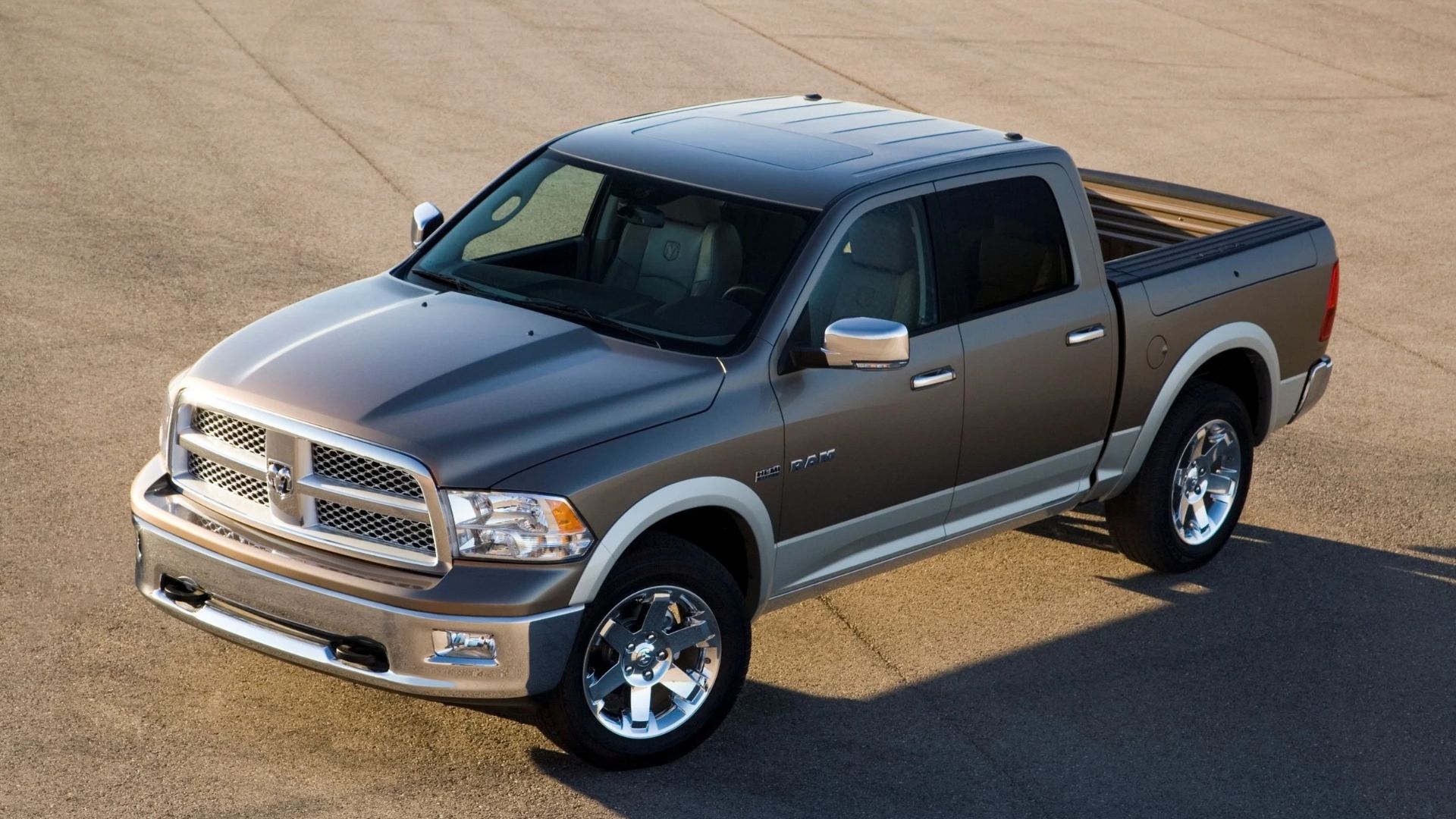
6. Dodge Ram 1500 (2002-2008)
Pickup trucks are often expected to endure years of hard work, challenging weather conditions, and demanding daily use. Owners routinely rely on them for towing, hauling, commuting, and recreation.
Because durability is such a central part of truck ownership, interior failures can be particularly disappointing. The 2002 to 2008 Dodge Ram 1500 became well known for exactly this type of issue, with dashboard cracking emerging as one of the truck’s most notorious weaknesses.
The Ram introduced during this period featured bold styling that helped it stand apart from competitors. Its large grille, muscular proportions, and strong engine lineup attracted a wide range of buyers.
Many examples have accumulated hundreds of thousands of miles while continuing to perform demanding tasks. Yet for numerous owners, the dashboard told a different story.
Rather than the slow, minor cracking seen in some vehicles, Ram dashboards were prone to more extensive failure. Sections of the dashboard could split apart, crumble, or completely break off. In certain situations, the plastic deteriorated to the point that loose fragments created visible openings and gaps throughout the interior.
The severity of the damage surprised many owners. Rather than looking like ordinary aging, some dashboards appeared to disintegrate. Large fractures developed around vents, instrument panels, and upper dashboard sections. The damage sometimes progressed to the point where owners worried about loose fragments affecting other interior components.
Heat exposure frequently accelerated deterioration, especially in southern states where trucks spent years under intense sunlight. However, reports emerged from a wide variety of climates, suggesting that material quality played a significant role.
Owners who carefully maintained their trucks often experienced similar problems to those who subjected them to more demanding conditions.
The issue became so widespread that it developed a reputation extending far beyond owner forums. Truck enthusiasts, mechanics, and used-vehicle shoppers all became familiar with the dashboard concerns affecting this generation.
Replacement dashboards and aftermarket repair solutions became common products because demand remained consistently high.
What made the situation particularly frustrating was the truck’s otherwise strong reputation in many areas. Powerful engine options, capable towing performance, and distinctive styling continued attracting buyers. Owners frequently praised the truck’s utility while criticizing the dashboard with equal enthusiasm.
Repairing the problem was rarely inexpensive. Replacing an entire dashboard required substantial labor, and sourcing quality replacement parts became increasingly challenging as vehicles aged. Many owners instead chose dashboard caps or covers designed to conceal the damage.
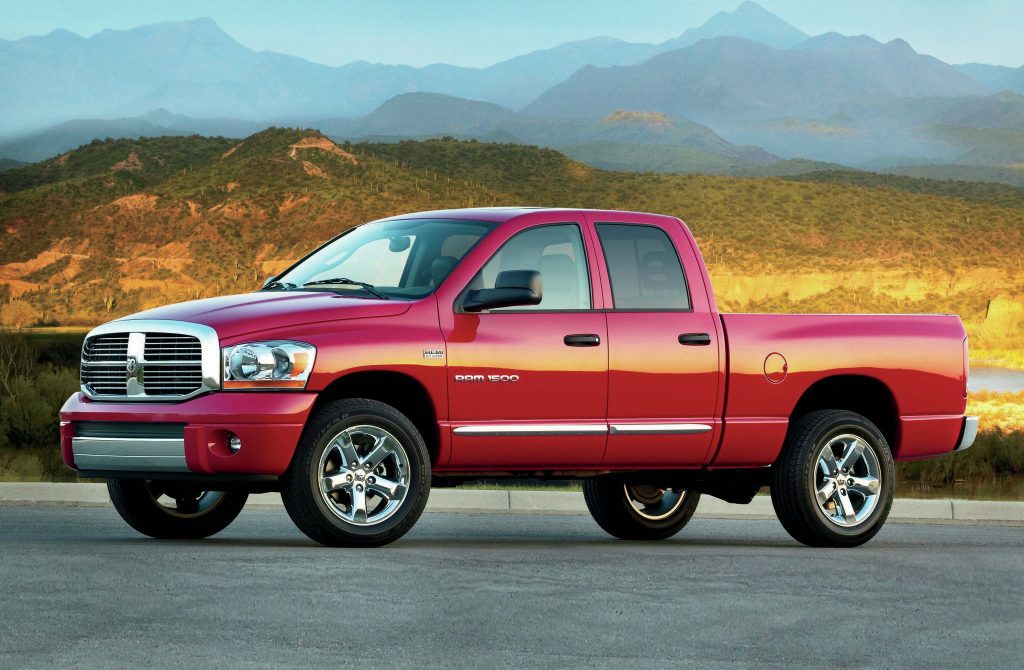
Even today, dashboard condition remains one of the first things buyers inspect when evaluating a used Ram from this era. The issue became so widespread that it effectively defined the ownership experience for some drivers.
While the truck delivered impressive capability and rugged character, its dashboard durability remains one of the most infamous interior quality problems in the pickup market.
Specifications
- Engine: 5.7-liter HEMI V8
- Torque: 375 lb-ft
- Horsepower: 345 hp
- Length/Width: 227.7 inches / 79.9 inches
7. Toyota 4Runner (2003-2009)
The Toyota 4Runner has built a reputation as one of the most durable SUVs ever produced. Known for strong off-road capability, dependable mechanical components, and impressive longevity, it remains a favorite among enthusiasts and outdoor adventurers.
However, even vehicles with excellent reliability records can have weaknesses, and dashboard cracking became one of the most frequently discussed issues affecting certain 2003 to 2009 models.
Owners typically purchased the 4Runner expecting years of trouble-free service. In many cases, the engine, transmission, and drivetrain delivered exactly that. The dashboard, however, sometimes aged much differently than the mechanical components beneath it.
A common complaint involved the dashboard surface becoming unusually soft and sticky. As time passed, this deterioration often progressed into visible cracking.
The damage was particularly noticeable on the upper dashboard, where sunlight exposure was greatest. Vehicles operated in hot climates tended to experience the problem more frequently, although reports surfaced from many different regions.
The issue created a frustrating contrast. Many affected 4Runners continued running reliably with high mileage, yet the interior looked significantly older because of dashboard deterioration. Owners who carefully maintained their vehicles often found it disappointing that such a visible component aged poorly.
Another concern involved appearance. The 4Runner’s interior was designed to be rugged and functional, but cracked dashboard surfaces undermined that impression. Potential buyers frequently noticed the damage immediately, making it a common point of discussion during used vehicle inspections.
Toyota eventually recognized concerns regarding dashboard material deterioration in several models from this period, and the issue became widely known among owners and enthusiasts. Even today, shoppers evaluating used examples often inspect the dashboard carefully before making a purchase decision.
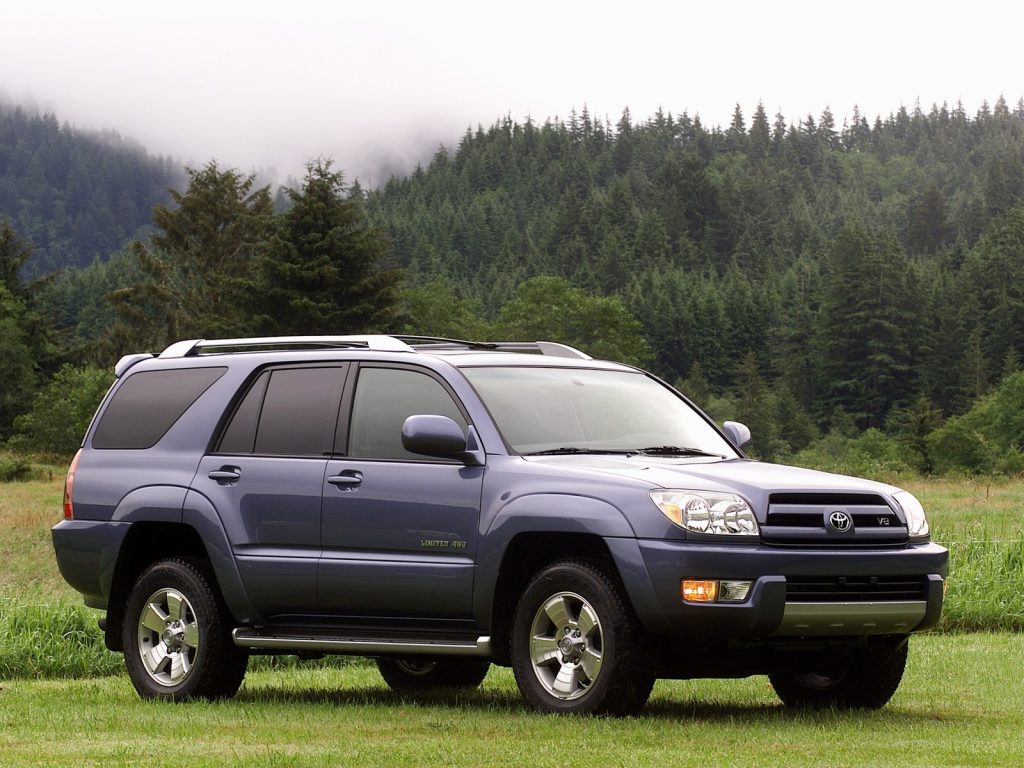
While the dashboard issue stands out as one of this generation’s most notable cosmetic problems, it has never completely eclipsed the 4Runner’s core strengths. The SUV remains highly respected for its legendary durability and capability, proving that its mechanical reputation easily outweighs its interior flaws.
Specifications
- Engine: 4.0-liter V6
- Torque: 278 lb-ft
- Horsepower: 236 hp
- Length/Width: 189.2 inches / 75.2 inches
Also Read: 10 Jet-Powered Cars – Ranked
