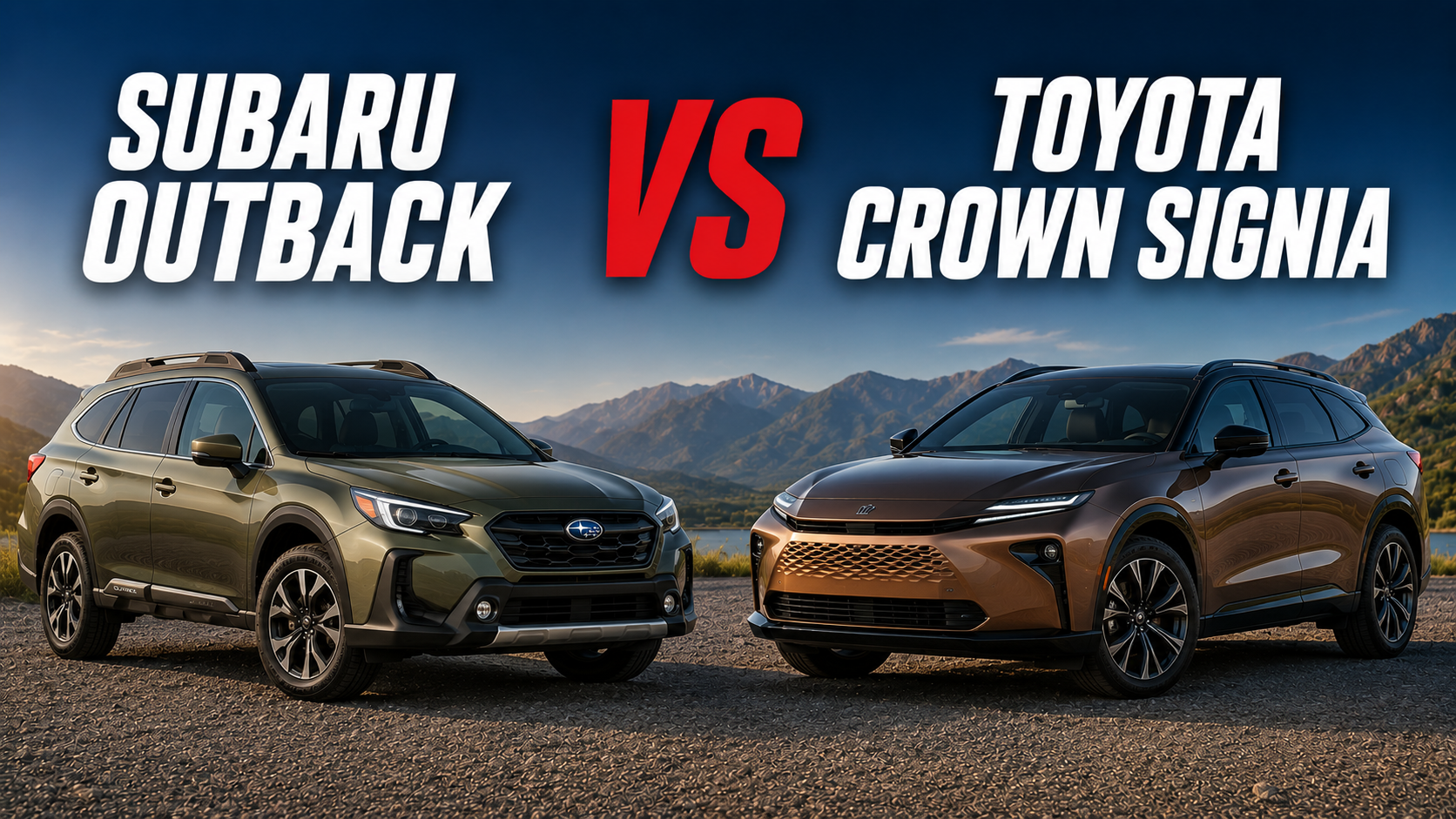
Buyers searching for a comfortable family vehicle with all-weather capability are no longer limited to traditional SUVs.
Automakers have increasingly blurred the lines between wagons, crossovers, and SUVs, creating vehicles that combine the practicality of an SUV with the driving manners of a car. Two of the most interesting examples are the Subaru Outback and the Toyota Crown Signia.
At first glance, these vehicles appear to target similar buyers. Both offer standard all-wheel drive, spacious interiors, excellent fuel economy, advanced safety technology, and enough cargo capacity to handle family road-trip duties. A closer look reveals that they approach the segment from very different directions.
The Subaru Outback has spent decades building a reputation as one of the most versatile vehicles on the market. Part wagon, part SUV, and part adventure vehicle, the Outback appeals to outdoor enthusiasts, families, commuters, and buyers living in regions with challenging weather conditions.
Higher trims, such as the Wilderness, further strengthen its off-road credentials, making it one of the few wagon-like vehicles capable of venturing confidently beyond paved roads.
Toyota’s Crown Signia represents a much newer approach. Replacing the Venza in Toyota’s lineup, the Crown Signia blends premium styling, hybrid efficiency, and crossover practicality into a package that feels more upscale than many mainstream competitors.
Rather than emphasizing ruggedness, Toyota focuses on comfort, refinement, and luxury-like driving characteristics.
Choosing between these two vehicles requires balancing capability against comfort. The Outback offers proven utility, greater ground clearance, and stronger adventure-oriented credentials.
The Crown Signia counters with exceptional fuel economy, a premium interior, and a driving experience that feels closer to an upscale touring vehicle than a rugged crossover.
Both vehicles occupy a similar price range, making direct comparisons inevitable. Buyers looking for a practical all-wheel-drive family vehicle may find themselves deciding whether they value off-road versatility or premium refinement more.
To determine which vehicle deserves your money, we’ll compare the Subaru Outback and Toyota Crown Signia across ten key categories before crowning a complete winner.
Also Read: Toyota RAV4 vs Honda CR-V Comparison & Which Compact SUV Is Better?
Exterior Design and Road Presence
Vehicle design often influences buying decisions long before buyers compare specifications. A vehicle parked in the driveway every day should offer visual appeal as well as practicality.
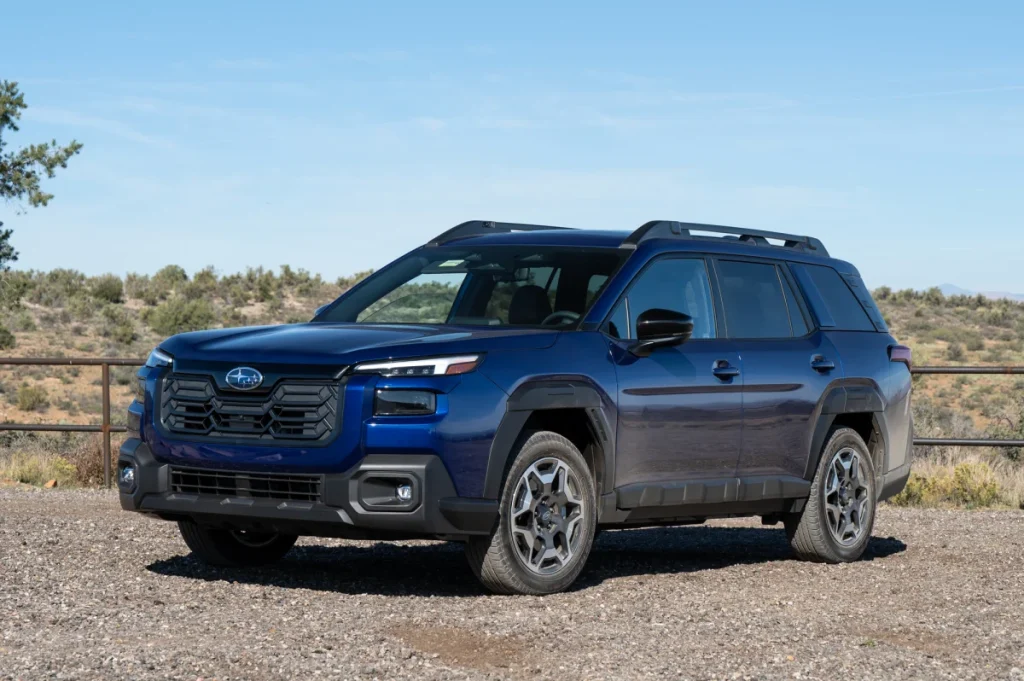
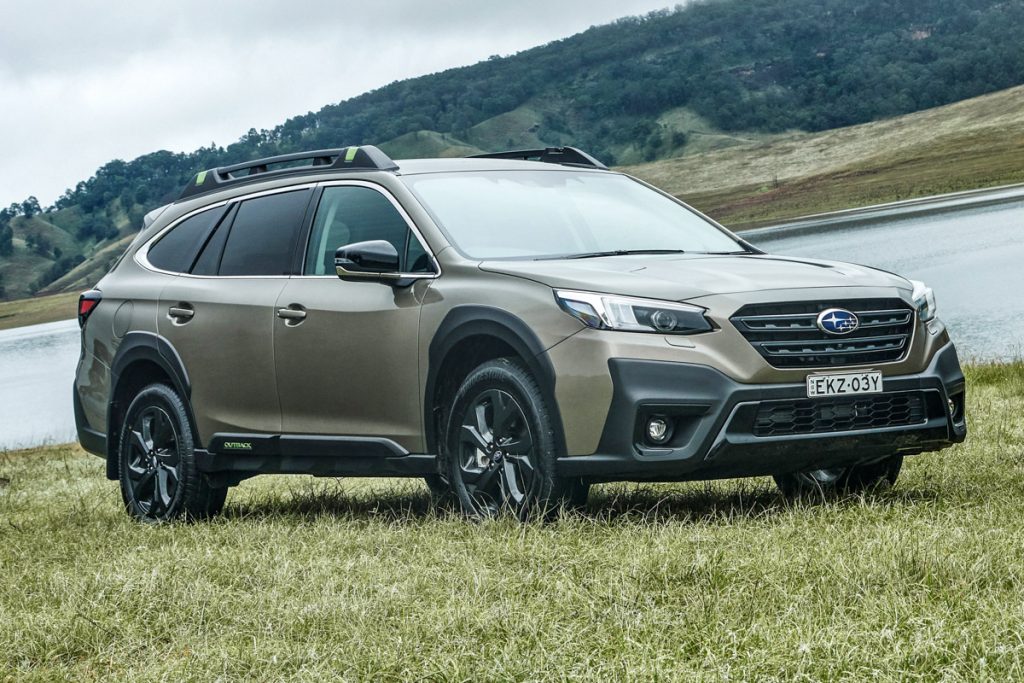
Subaru has steadily refined the Outback’s appearance while maintaining the rugged personality that helped make it famous. Large plastic body cladding, raised ride height, roof rails, and protective trim immediately communicate adventure readiness. Even base trims look capable of tackling rough roads and challenging weather conditions.
The Outback measures approximately 191.9 inches in length and rides on a 108.1-inch wheelbase. Ground clearance reaches an impressive 8.7 inches in standard models and increases to 9.5 inches in the Wilderness trim. Those numbers exceed those of many compact and midsize SUVs. Toyota pursued a more premium design philosophy with the Crown Signia.
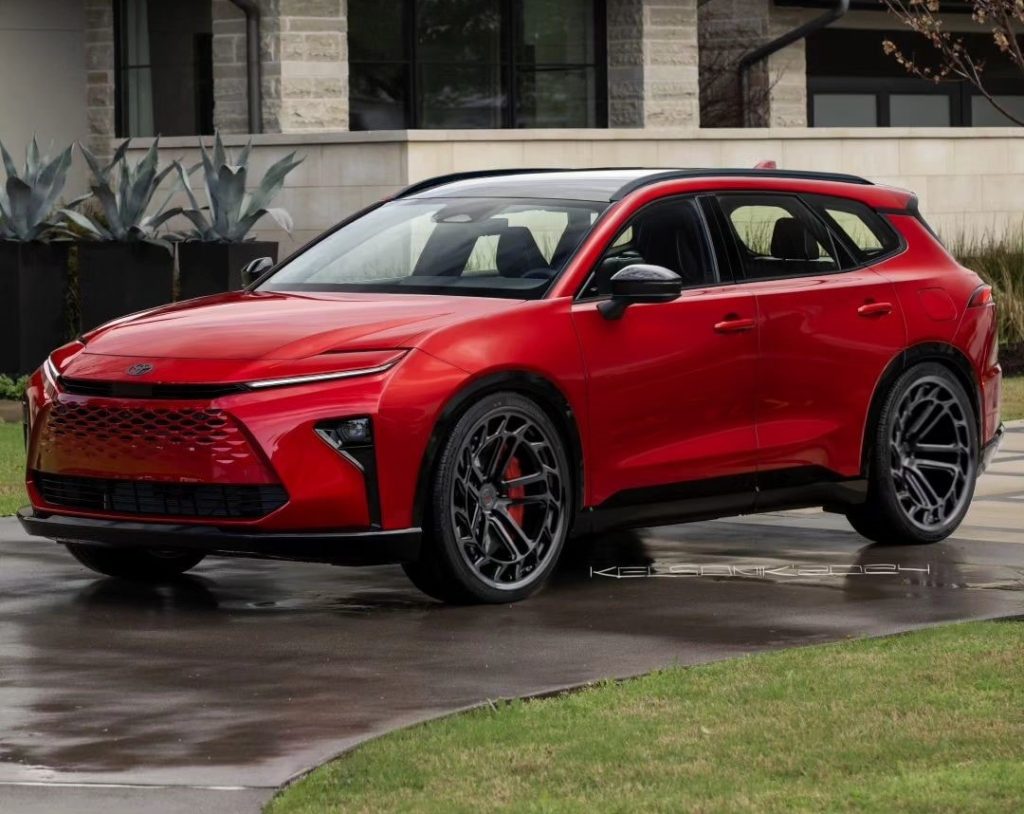
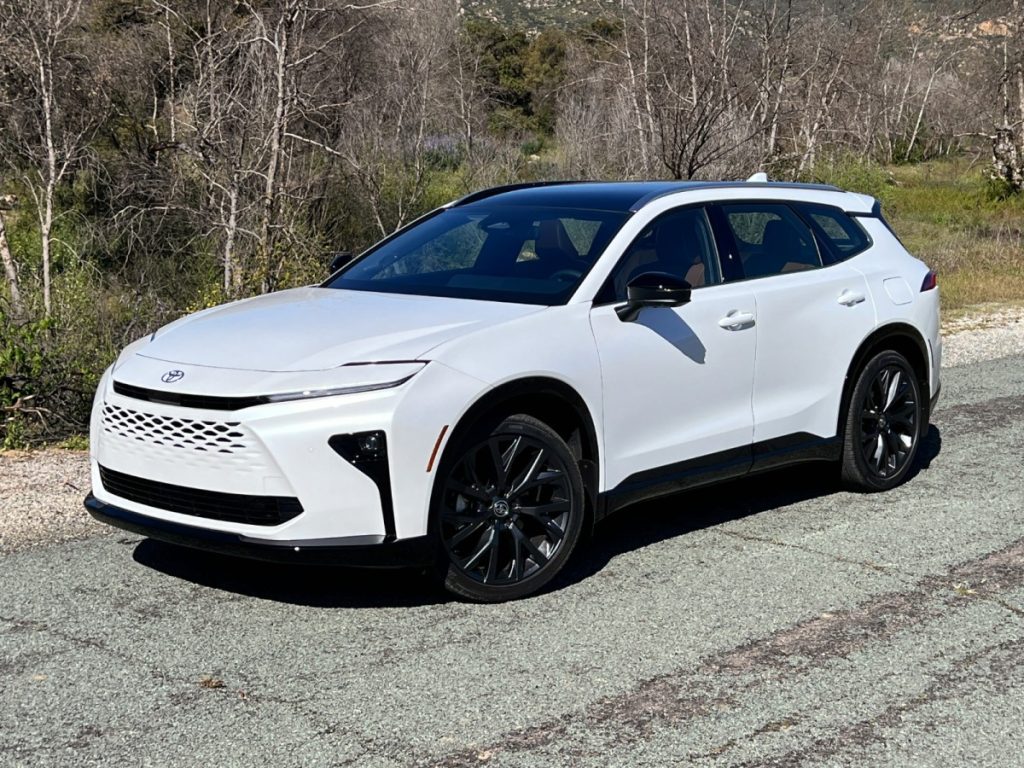
A sleek roofline, sculpted body panels, modern lighting elements, and upscale detailing create a sophisticated appearance. The vehicle looks more expensive than its price suggests and shares styling themes with Toyota’s broader Crown family.
At approximately 194 inches long, the Crown Signia is slightly larger than the Outback. The lower ride height and cleaner bodywork create a more elegant profile, though they also make the vehicle appear less adventurous.
Visual preference will vary significantly depending on buyer priorities. Outdoor enthusiasts may appreciate the Outback’s rugged aesthetic, while buyers seeking a near-luxury appearance will likely prefer the Toyota.
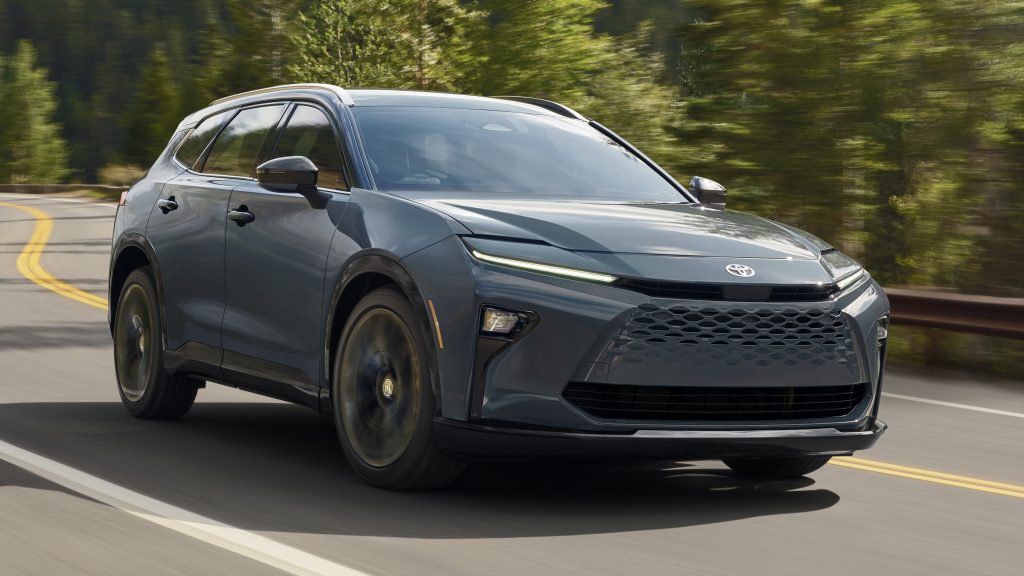
The Crown Signia stands out because it feels fresh and distinctive in a market crowded with conventional SUVs.
Winner: Toyota Crown Signia
Premium styling and a more sophisticated design language give the Crown Signia a stronger visual appeal.
Interior Design and Technology
Interior quality has become one of the most important battlegrounds in the family-vehicle segment. Buyers spending $40,000 or more increasingly expect premium materials, advanced technology, and thoughtful design.
Subaru’s cabin prioritizes practicality and durability. The dashboard layout is functional, controls are easy to understand, and visibility is excellent from every seating position. A large vertically oriented touchscreen dominates the center stack, providing access to navigation, media, climate functions, and vehicle settings.
Material quality is solid throughout much of the cabin, particularly in higher trims such as the Touring XT. Soft-touch surfaces, quality upholstery options, and supportive seats contribute to a comfortable environment.
The Crown Signia immediately feels more upscale. Toyota paid considerable attention to material selection, design cohesion, and full refinement. Soft-touch surfaces appear throughout the cabin, while premium trim accents create an atmosphere that feels closer to a luxury vehicle than a mainstream crossover.
Technology is another Crown Signia strength. A standard 12.3-inch digital instrument cluster works alongside a 12.3-inch infotainment display. Graphics are crisp, menus are intuitive, and wireless Apple CarPlay and Android Auto integration come standard.
Passenger space remains competitive between the two vehicles. The Outback provides excellent headroom and generous rear-seat accommodations, while the Crown Signia benefits from slightly more modern packaging.
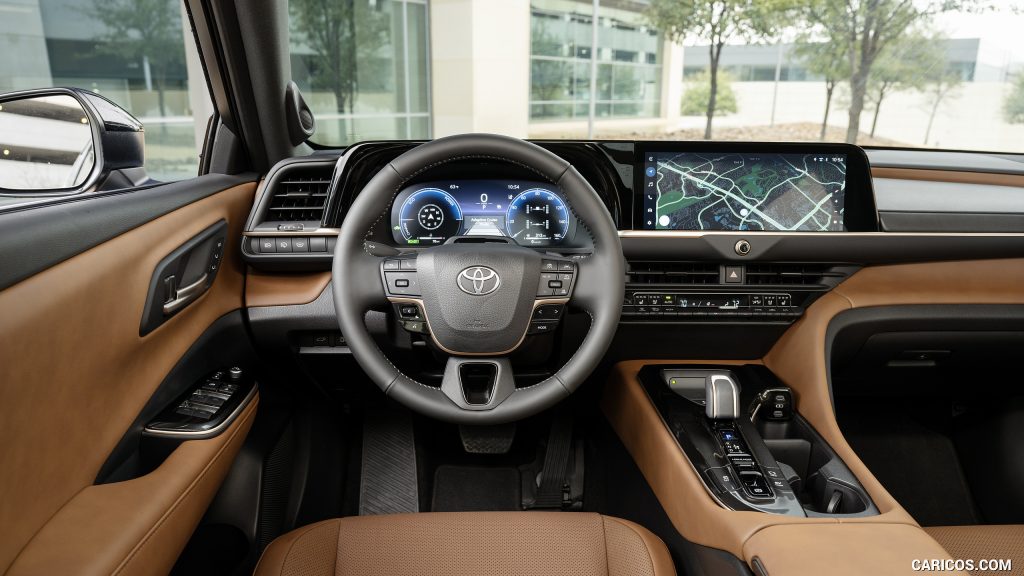
Noise isolation also favors Toyota. Wind and road noise are impressively controlled, creating a quieter environment during long-distance travel. The Subaru remains practical and comfortable. The Toyota feels more premium.
Interior Comparison
| Category | Subaru Outback | Toyota Crown Signia |
|---|---|---|
| Largest Touchscreen | 11.6 in | 12.3 in |
| Digital Gauge Cluster | Partial Digital | 12.3 in |
| Interior Quality | Very Good | Excellent |
| Noise Isolation | Good | Excellent |
Winner: Toyota Crown Signia
Higher-quality materials and a more upscale cabin create a premium ownership experience.
Powertrains and Performance
Performance means different things to different buyers. Some prioritize acceleration, while others focus on smoothness, efficiency, and everyday drivability. Subaru offers two engine choices.
Most Outback models use a naturally aspirated 2.5-liter flat-four producing the following:
- 182 horsepower
- 176 lb-ft of torque
The engine prioritizes efficiency and reliability rather than outright speed.
Buyers seeking stronger performance can choose turbocharged XT models, which feature a 2.4-liter turbocharged flat-four generating the following:
- 260 horsepower
- 277 lb-ft of torque
The turbocharged engine dramatically improves acceleration and passing performance, making the Outback feel much more responsive during highway driving. Toyota simplifies the Crown Signia lineup by offering a single hybrid powertrain.
The system combines a 2.5-liter four-cylinder engine with electric motors to produce the following:
- 240 combined horsepower
Power delivery is smooth and immediate thanks to the electric assistance. The hybrid system provides excellent low-speed response and effortless operation during everyday driving.
Acceleration figures reveal a close contest. The Crown Signia reaches 60 mph in approximately 7.0 seconds. The turbocharged Outback XT achieves roughly 5.8 to 6.1 seconds.
The standard Outback trails significantly, requiring more than 8 seconds to reach highway speeds. Buyers selecting turbocharged Outback models receive noticeably stronger performance, particularly when carrying passengers or cargo. Toyota counters with refinement and efficiency, but outright acceleration belongs to Subaru.
Powertrain Comparison
| Model | Horsepower | Torque |
|---|---|---|
| Outback 2.5 | 182 hp | 176 lb-ft |
| Outback XT | 260 hp | 277 lb-ft |
| Crown Signia Hybrid | 240 hp | N/A Combined |
The turbocharged Outback provides a performance advantage that Toyota currently cannot match.
Winner: Subaru Outback
The available turbocharged engine delivers stronger acceleration and greater performance flexibility.
Cargo Space and Practicality
Practicality often determines whether a family vehicle succeeds in everyday ownership. Cargo capacity, passenger room, storage solutions, and loading convenience all influence how useful a vehicle feels over thousands of miles.
Subaru built its reputation on utility, and the Outback continues that tradition. The long roofline and wagon-inspired proportions create a cargo area that is both spacious and easy to use.
Large rear openings, low load heights, and wide cargo floors simplify loading everything from luggage and camping equipment to bicycles and home-improvement supplies.
Behind the second row, the Outback provides approximately 32.6 cubic feet of cargo space. Folding the rear seats expands capacity to about 75.6 cubic feet.
Roof-rack versatility further enhances the Subaru’s practicality. Standard roof rails with integrated crossbars allow owners to transport kayaks, bicycles, cargo boxes, and outdoor gear without purchasing additional hardware.
Toyota’s Crown Signia also performs well in this category. Cargo space behind the rear seats measures approximately 25.8 cubic feet, expanding to roughly 68.8 cubic feet when the second row is folded.
Those numbers remain competitive for the segment but fall short of Subaru’s figures. Passenger comfort is excellent in both vehicles. Rear-seat passengers enjoy generous legroom and headroom, while large door openings improve accessibility.
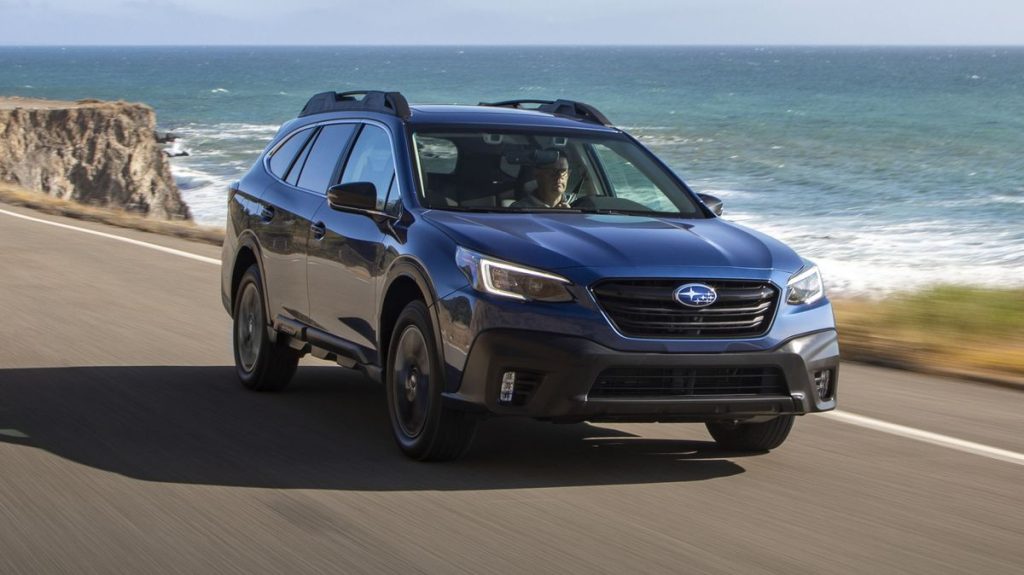
Families frequently carrying bulky cargo will appreciate the Subaru’s more flexible layout. The longer roofline simply creates a more usable cargo area for oversized items.
Toyota counters with a slightly more refined loading experience and better interior storage solutions, but the difference isn’t enough to overcome Subaru’s cargo advantage.
Cargo Comparison
| Measurement | Subaru Outback | Toyota Crown Signia |
|---|---|---|
| Cargo Space Behind Rear Seats | 32.6 cu-ft | 25.8 cu-ft |
| Maximum Cargo Capacity | 75.6 cu-ft | 68.8 cu-ft |
| Roof-Rail Utility | Excellent | Good |
| Cargo Floor Accessibility | Excellent | Very Good |
Winner: Subaru Outback
Superior cargo capacity and exceptional versatility make the Outback the more practical choice.
Ride Quality and Daily Driving
The way a vehicle behaves during everyday driving often has a greater impact on owner satisfaction than horsepower figures or cargo-capacity numbers. Most buyers will spend far more time commuting, running errands, and taking road trips than tackling off-road trails or loading camping equipment.
This category highlights one of the biggest philosophical differences between the Subaru Outback and Toyota Crown Signia.
Toyota engineered the Crown Signia with comfort and refinement as primary objectives. The vehicle rides on the same TNGA-K architecture that underpins several of Toyota’s most polished passenger vehicles, and that foundation is immediately noticeable from behind the wheel.
The suspension absorbs bumps, expansion joints, and rough pavement with impressive composure. Occupants experience fewer vibrations and impacts than they might in many traditional crossovers.
Highway travel is where the Toyota particularly shines. Wind noise is minimal, road noise remains well controlled, and the hybrid powertrain operates quietly under most conditions.
Long-distance journeys feel effortless, which is an important advantage for families and commuters who spend significant time on the road. The steering is light and predictable, making the vehicle easy to place in traffic and simple to maneuver through parking lots.
The Outback approaches daily driving from a slightly different perspective. Subaru prioritizes capability and versatility, which influences suspension tuning.
The higher ride height and longer suspension travel allow the vehicle to handle rough roads, gravel paths, and uneven surfaces more effectively than many competitors. Drivers living in rural areas or regions with poorly maintained roads may appreciate this characteristic.
Ride comfort remains good, particularly on standard trims. The suspension effectively absorbs larger road imperfections, though the Outback can feel slightly firmer than the Toyota on certain surfaces. Highway noise levels are reasonable, but the Crown Signia’s cabin remains noticeably quieter.
Driving dynamics also differ. The Outback feels secure and predictable, but the Toyota delivers a smoother and more refined experience. Steering responses feel slightly more precise, and full composure is excellent.
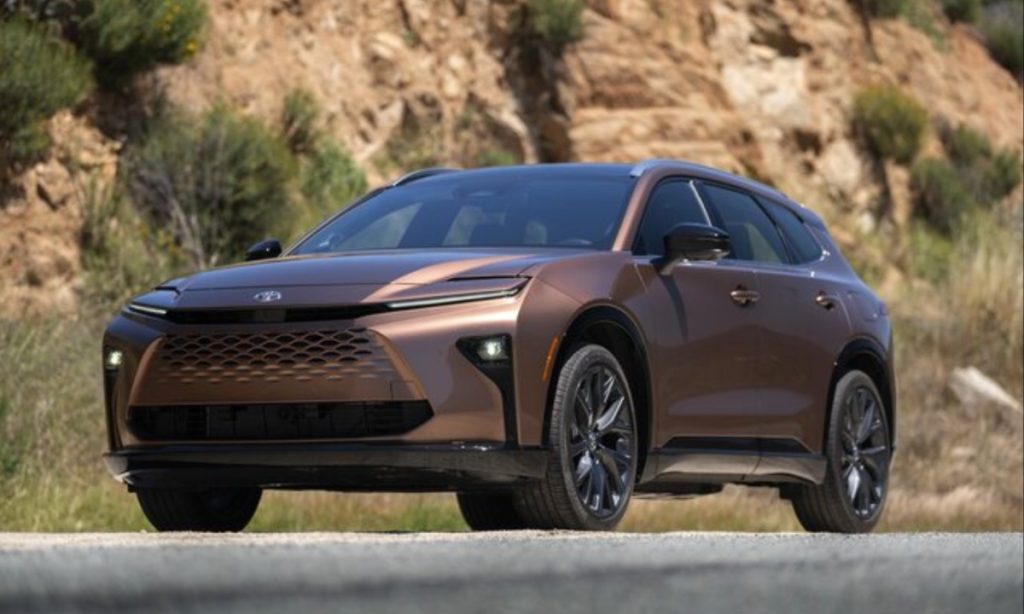
Both vehicles excel at daily transportation duties, but Toyota’s focus on refinement creates a more premium experience that owners will notice every day.
Winner: Toyota Crown Signia
Superior ride comfort, lower noise levels, and exceptional refinement make the Crown Signia the better daily driver.
Fuel Economy
Fuel efficiency has become one of the most important considerations in the family-vehicle market. Rising fuel costs and increasing environmental awareness have pushed manufacturers to develop more efficient powertrains, and this category represents one of Toyota’s greatest strengths.
The Crown Signia comes standard with Toyota’s proven hybrid system, which combines a 2.5-liter gasoline engine with electric motors and standard all-wheel drive. The result is an impressive balance of efficiency and usability.
EPA estimates place the Crown Signia at approximately
- 39 MPG city
- 37 MPG highway
- 38 MPG combined
Those figures are exceptional for a spacious all-wheel-drive family vehicle. Buyers can enjoy SUV-like practicality without facing the fuel expenses traditionally associated with larger crossovers.
The long-term financial benefits are substantial. A driver covering 15,000 miles annually would consume roughly 395 gallons of fuel at 38 MPG.
At current fuel prices, the savings compared with less efficient alternatives can quickly add up over several years of ownership. Subaru offers two powertrain choices, both of which trail Toyota in efficiency.
The standard 2.5-liter Outback achieves approximately the following:
- 26 MPG city
- 32 MPG highway
- 28 MPG combined
Those figures remain respectable, particularly considering the vehicle’s standard all-wheel-drive system and rugged capabilities.
The turbocharged XT models sacrifice additional efficiency in exchange for stronger performance:
- 22 MPG city
- 29 MPG highway
- 25 MPG combined
While many buyers happily accept that trade-off, the difference becomes noticeable during long-term ownership.
A comparison between the Crown Signia and Outback XT reveals a gap of roughly 13 MPG combined. Over 15,000 miles annually, that difference can represent hundreds of dollars in fuel costs each year.
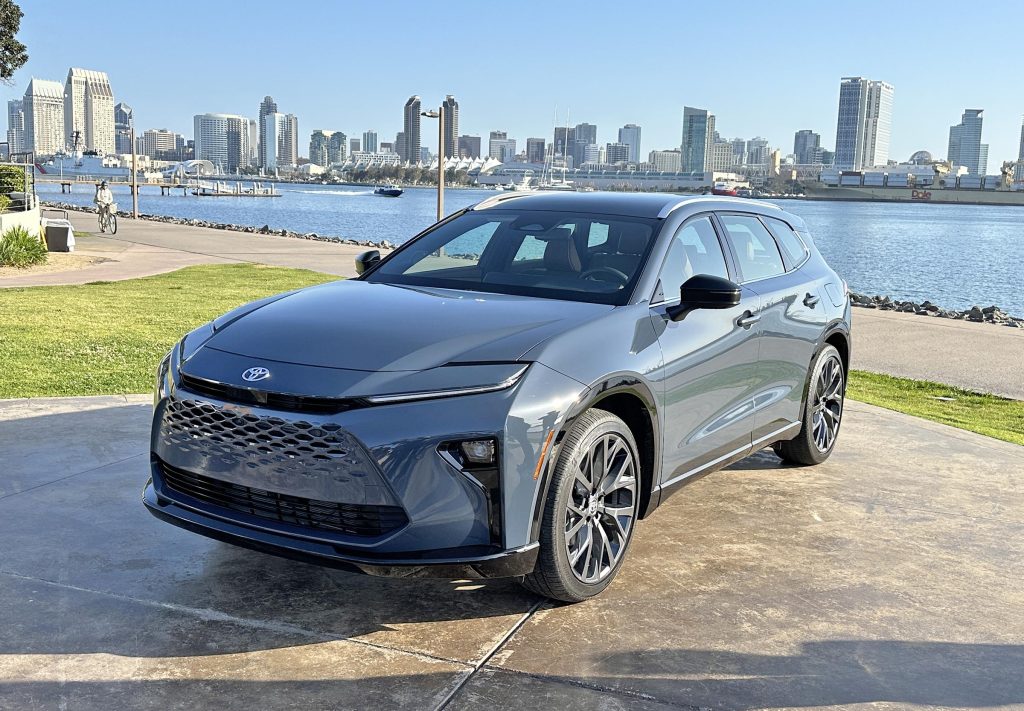
Toyota’s hybrid technology has been refined over decades, and the Crown Signia benefits directly from that experience. The system operates smoothly, requires little adjustment from drivers, and consistently delivers excellent real-world efficiency.
Subaru deserves credit for maintaining respectable fuel economy despite its greater off-road capability, but Toyota’s advantage here is simply too large to ignore.
Fuel Economy Comparison
| Model | City MPG | Highway MPG | Combined MPG |
|---|---|---|---|
| Toyota Crown Signia Hybrid | 39 | 37 | 38 |
| Subaru Outback 2.5 | 26 | 32 | 28 |
| Subaru Outback XT | 22 | 29 | 25 |
Winner: Toyota Crown Signia
Outstanding hybrid efficiency significantly reduces long-term fuel expenses.
Off-Road Capability
Most buyers in this segment will spend the majority of their time on paved roads, but the ability to confidently handle snow, mud, gravel, and rough terrain remains an important selling point. This category represents one of Subaru’s traditional strengths.
The Outback has earned a loyal following among outdoor enthusiasts because it combines wagon-like practicality with genuine off-road capability. Standard all-wheel drive comes on every model, and Subaru’s symmetrical AWD system remains one of the most respected setups in the industry.
Ground clearance reaches an impressive 8.7 inches in standard models. The Wilderness trim increases that figure to approximately 9.5 inches, exceeding many traditional SUVs.
Approach, departure, and breakover angles are also surprisingly competitive. Combined with Subaru’s X-Mode traction management system, the Outback can tackle challenging conditions that would stop many crossovers.
Snow-covered roads, muddy campsites, rocky trails, and steep gravel inclines are all handled with confidence. Outdoor enthusiasts frequently choose the Outback specifically because it allows them to reach remote destinations without moving into a larger body-on-frame SUV.
The Crown Signia includes standard all-wheel drive and performs well in adverse weather conditions. Rain, light snow, and unpaved roads present little difficulty. The system distributes power effectively and contributes to confident handling throughout the year.
Challenges increase as the terrain becomes more demanding. With approximately 6.7 inches of ground clearance, the Toyota is at a disadvantage when traversing deep snow, large rocks, or uneven trails.
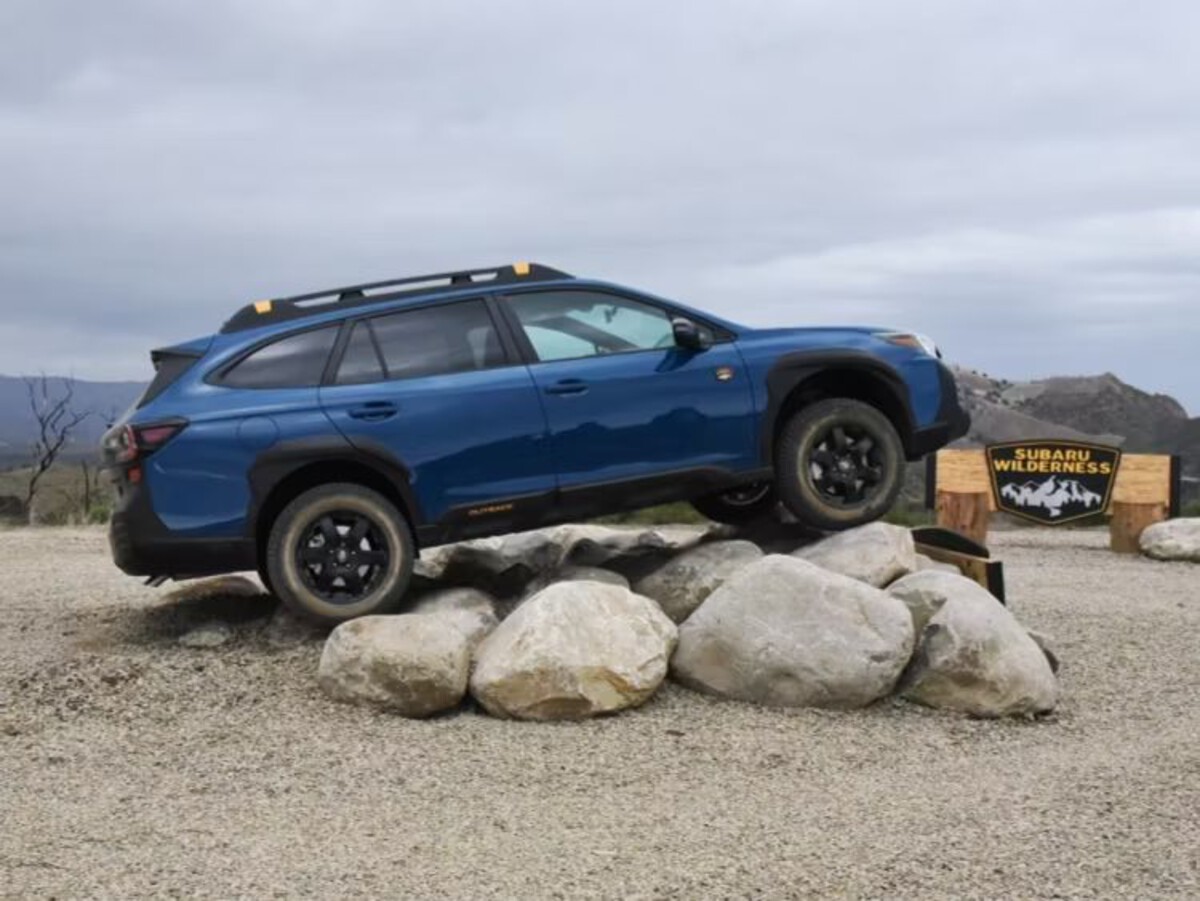
The suspension is tuned primarily for comfort rather than rugged use, and the vehicle lacks the specialized off-road hardware available on Subaru’s adventure-focused trims. Buyers who never leave paved roads may never notice these differences.
Those who regularly camp, hike, ski, or travel through severe weather almost certainly will. The Outback’s combination of clearance, traction, and proven capability creates a level of confidence few wagon-like vehicles can match.
Off-Road Comparison
| Category | Subaru Outback | Toyota Crown Signia |
|---|---|---|
| Ground Clearance | 8.7-9.5 in | 6.7 in |
| Standard AWD | Yes | Yes |
| Off-Road Drive Modes | Yes | Limited |
| Trail Capability | Excellent | Moderate |
Winner: Subaru Outback
Superior ground clearance and genuine off-road capability make the Outback the adventure-focused choice.
Reliability, Resale Value, and Ownership Experience
Long-term ownership often determines whether buyers remain satisfied years after their initial purchase. Reliability, maintenance costs, resale value, dealer support, and warranty coverage all contribute to the full ownership experience.
Toyota has built one of the strongest reputations in the automotive industry for dependability, and the Crown Signia benefits directly from that legacy. The hybrid system shares much of its engineering with other Toyota hybrids that have accumulated millions of miles in real-world use.
Owners frequently praise Toyota hybrids for their durability, low operating costs, and predictable maintenance requirements. Routine service is generally straightforward, and Toyota’s dealer network remains one of the largest in North America. Resale value is another major strength.
Toyota vehicles consistently rank among the industry’s leaders for value retention, and early projections suggest the Crown Signia will continue that trend. Five-year retention estimates frequently fall within the 60-70 percent range, depending on mileage, trim level, and market conditions.
Subaru also enjoys an excellent reputation for long-term ownership. The Outback has developed a particularly loyal customer base, with many owners purchasing multiple generations over the years. Strong safety ratings, standard all-wheel drive, and practical design contribute to the vehicle’s popularity in the used market.
Resale values remain impressive. IndustrOutback’s retention place Outback retention rate is between 58 and 68 percent after five years.
Maintenance costs remain competitive for both vehicles, though Toyota’s hybrid efficiency can help reduce certain ownership expenses over time.
A $45,000 vehicle retaining 70 percent of its value would still be worth approximately $31,500 after five years. The same vehicle retaining 60 percent would be worth around $27,000. Those differences become significant when trading in or selling.
The contest is extremely close because both brands excel in reliability and owner satisfaction. Toyota’s unmatched hybrid reputation and slightly stronger projected resale values provide a narrow advantage.
Resale Value Comparison
| Category | Subaru Outback | Toyota Crown Signia |
|---|---|---|
| Estimated 5-Year Value Retention | 58-68% | 60-70% |
| Reliability Reputation | Excellent | Excellent |
| Hybrid Expertise | N/A | Industry-Leading |
| Ownership Costs | Low | Very Low |
Winner: Toyota Crown Signia
Excellent reliability and stronger projected resale value create a slight ownership advantage.
Pricing and Value
Vehicle pricing continues to rise across nearly every segment, making value one of the most important considerations for modern buyers.
The Subaru Outback starts at approximately $30,000 for entry-level trims and climbs into the low-to-mid-$40,000 range for well-equipped Touring XT and Wilderness models.
This broad pricing structure allows buyers to choose a version that matches their needs and budget. Someone seeking a practical all-wheel-drive family vehicle can remain close to the entry price, while buyers wanting turbocharged performance or off-road capability can move into higher trims.
The Crown Signia occupies a more premium position. Pricing generally begins around $44,000 and climbs beyond $50,000 depending on equipment levels. Toyota includes substantial standard equipment, but the higher starting price places it closer to premium-brand territory.
Value involves more than sticker price. The Crown Signia delivers excellent fuel economy, premium interior materials, advanced technology, and strong resale value. Those advantages help justify the higher purchase price.
Subaru counters with greater versatility, lower entry costs, superior cargo capacity, and stronger off-road capability. Buyers also gain access to a broader range of trim levels.
For many families, the Outback simply offers more flexibility. Spending $10,000 to $15,000 less while still receiving standard all-wheel drive, strong safety technology, and impressive practicality creates a compelling argument. The Crown Signia feels more luxurious. The Outback delivers more capability per dollar.
Pricing Comparison
| Model | Approximate Starting MSRP |
|---|---|
| Subaru Outback | $30,000 |
| Outback Wilderness | $40,000+ |
| Outback Touring XT | $43,000+ |
| Toyota Crown Signia | $44,000+ |
Winner: Subaru Outback
Lower pricing and greater versatility create stronger value for most buyers.
Final Verdict
The Subaru Outback and Toyota Crown Signia represent two very different interpretations of what a modern family vehicle should be.
Toyota built the Crown Signia around comfort, efficiency, and premium refinement. Buyers receive one of the most fuel-efficient all-wheel-drive vehicles in the segment, an upscale interior, excellent technology, and a driving experience that feels remarkably polished.
Long-distance travelers, commuters, and buyers seeking near-luxury comfort will find plenty to appreciate.
Several categories highlight those strengths. Interior quality, ride comfort, fuel economy, and projected ownership costs all favored the Toyota. Subaru focused on versatility.
The Outback remains one of the few vehicles capable of comfortably commuting during the week and venturing onto remote trails during the weekend. Cargo capacity, ground clearance, off-road capability, and powertrain flexibility continue to separate it from many competitors.
Families with active lifestyles often appreciate the Subaru’s broader skill set. The ability to transport camping gear, bicycles, skis, and outdoor equipment while still delivering everyday practicality remains one of the Outback’s defining characteristics.
The category score reveals how competitive this comparison really is. Toyota dominates categories tied to refinement and efficiency. Subaru wins areas related to utility, performance, flexibility, and adventure readiness.
Buyers prioritizing comfort, fuel savings, and premium features will likely gravitate toward the Crown Signia. Drivers seeking versatility, cargo space, off-road capability, and stronger value may find the Outback more appealing.
Winner: Toyota Crown Signia
Outstanding efficiency, premium refinement, advanced hybrid technology, and strong long-term ownership prospects help the Crown Signia secure a narrow victory.
Subaru Outback vs Toyota Crown Signia Winner Comparison Table
| Category | Winner | The Edge |
|---|---|---|
| Exterior Design and Road Presence | Toyota Crown Signia | Premium styling creates a more upscale visual presence |
| Interior Design and Technology | Toyota Crown Signia | Higher-quality materials and superior cabin refinement |
| Powertrains and Performance | Subaru Outback | A turbocharged engine delivers stronger acceleration and flexibility |
| Cargo Space and Practicality | Subaru Outback | Larger cargo area and superior utility |
| Ride Quality and Daily Driving | Toyota Crown Signia | Smoother ride and quieter cabin environment |
| Fuel Economy | Toyota Crown Signia | A hybrid system delivers dramatically better efficiency |
| Off-Road Capability | Subaru Outback | Greater ground clearance and genuine trail capability |
| Reliability, Resale Value, and Ownership Experience | Toyota Crown Signia | Strong resale value and proven hybrid reliability |
| Pricing and Value | Subaru Outback | Lower pricing and greater versatility for the money |
| Final Verdict | Toyota Crown Signia | Better blend of efficiency, refinement, and ownership value |
The Subaru Outback remains one of the most versatile vehicles available today, but the Crown Signia’s combination of premium comfort, outstanding fuel economy, advanced hybrid technology, and strong ownership prospects allows it to claim a narrow victory.
Also Read: Jeep Wrangler vs Ford Bronco Comparison & Which Off-Roader Is Better?