
The pursuit of extreme automotive longevity has produced some of the most remarkable stories in car history. While most vehicles are retired long before reaching major milestones, a select group has defied expectations by accumulating hundreds of thousands, and in some cases millions, of miles.
These extraordinary machines span decades of automotive evolution, from simple air-cooled economy cars to robust diesel sedans and overbuilt American V8 cruisers. What unites them is not luxury or performance, but engineering durability, consistent maintenance, and owners who pushed their vehicles far beyond normal limits.
In this ranking of the 8 highest-mileage cars ever documented, each entry showcases a unique combination of mechanical resilience and real-world endurance. From legendary Mercedes-Benz diesel taxis to record-setting Volvo wagons and million-mile American sedans, these vehicles prove that longevity is achieved through both design and dedication. Together, they offer a fascinating look at what cars are truly capable of when built and cared for to last.
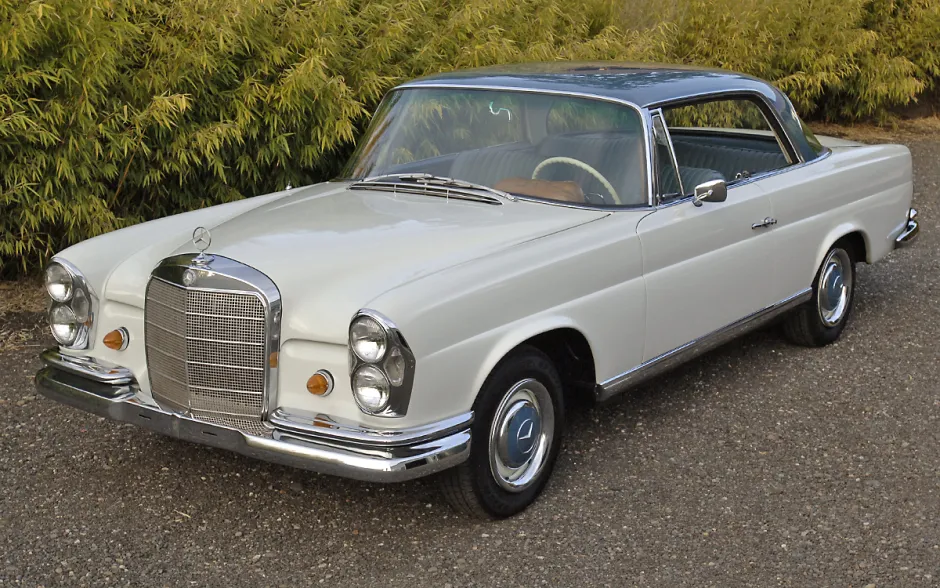
1. 1966 Mercedes-Benz 250SE
Introduced at the 1965 Frankfurt Auto Show as part of the W108 luxury saloon line-up, the Mercedes-Benz 250SE represents an era when the manufacturer prioritized exceptional build quality, premium materials, and robust mechanical simplicity over complex modern electronics. This dedication to superior German engineering established a global reputation for unmatched reliability, making the W-series highly popular among taxi operators and high-mileage drivers alike.
A prime testament to this longevity is a specific 1966 250SE that famously clocked a staggering 1.28 million miles. The car’s original owner drove it to 877,000 miles, and his heirs added another 350,000 miles before selling it to a new owner. Mercedes-Benz officially recognized this extraordinary feat by certifying the vehicle with a million-mile grille badge. The secret to reaching such “inter-galactic” mileage is strict adherence to regular servicing and maintenance to avoid costly repairs.
While achieving a million miles requires diligent upkeep, the 250SE remains an incredibly durable classic. Powered by a straight-six fuel-injected engine mated to either a four-speed manual or automatic transmission, it delivers impressive torque, excellent oil pressure, and a smooth, comfortable ride.
Beyond its mechanical resilience, the vehicle exudes luxury and craftsmanship. Pristine examples showcase rust-free bodywork, original M-B Tex trimmed seats, and polished metal reclining mechanisms instead of cheap plastics. The spacious interior features retro front quarter-light windows for ventilation, extensive glazing for a bright ambiance, and a cavernous boot. The 1966 Mercedes-Benz 250SE proves the timeless adage that quality is remembered long after the purchase price is forgotten, offering a rock-solid, comfortable driving experience capable of covering great distances with aplomb.
- Engine: 2.5L naturally aspirated inline-6 (M129)
- Horsepower: 148–150 hp (150 PS) / up to 170 gross hp (depending on rating standard)
- Torque: 159 lb-ft (216 Nm)
- Length: 192.0–192.9 in (4,870–4,900 mm)
- Width: 71.3–72.7 in (1,810–1,850 mm)
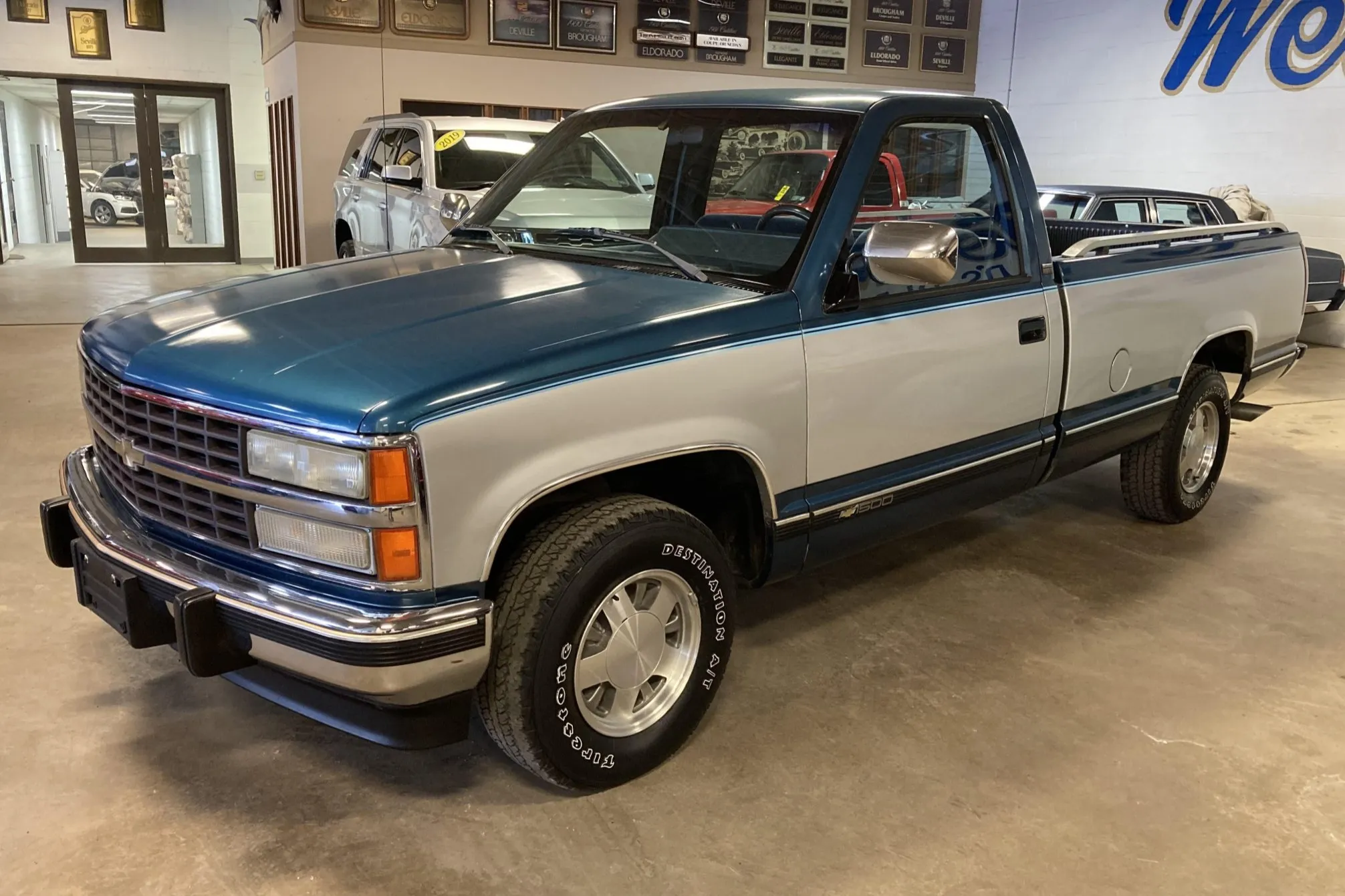
2. 1991 Chevrolet C1500 Silverado
With a documented 1.29 million miles on the odometer, the 1991 Chevrolet C1500 Silverado stands as a remarkable example of the durability that defined General Motors’ GMT400 generation. Often referred to as the “Old Body Style” pickup, the truck earned widespread respect for its straightforward engineering, dependable construction, and classic 1990s design.
Its simple mechanical layout made maintenance relatively easy, while its rugged chassis and proven powertrains helped it withstand decades of daily use. These qualities have allowed the C1500 Silverado to remain popular among both working truck owners and collectors, with high-mileage survivors serving as proof of the model’s legendary longevity.
A spectacular testament to this legendary durability is a specific red 1991 Silverado that successfully clocked a staggering 1.29 million miles. Originally purchased as a dealership demonstration model, the truck was used by its owner to deliver seafood daily between Wisconsin and Illinois.
Operating in the harsh, salt-heavy winter roads of the Midwest, the definitive secret to the vehicle’s incredible longevity was a strict regimen of routine mechanical care combined with continuous, diligent rust-proofing of the undercarriage to prevent the frame from corroding and fracturing.
Owner feedback heavily reinforces the model’s bulletproof status, with many drivers calling it the most dependable vehicle they have ever owned. This gritty workhorse routinely handles grueling, long-distance hauls across countries and borders without a second thought. While it is built for demanding work, common problems reported by owners are relatively minor and easily managed, typically limited to failing ABS sensors or an intake manifold gasket that is prone to leaking over time.
Powertrain choices played a major role in the 1991 C1500’s appeal. Buyers could choose from a dependable 4.3-liter V6, a 5.0-liter V8, or a 210-horsepower 5.7-liter V8 equipped with Throttle Body Injection (TBI). Paired in most cases with a durable four-speed automatic transmission featuring overdrive, these engines delivered a smooth and capable driving experience, particularly on long highway journeys.
Higher-end Silverado models further enhanced comfort with features such as pillow-top cloth seats, power windows, and power door locks, giving the truck a more upscale character. Thanks to their robust engineering and ability to accumulate exceptionally high mileage when properly maintained, well-preserved examples have become increasingly desirable among collectors, with top-condition trucks fetching as much as $20,000 today.
- Engine: 4.3L V6 / 5.0L V8 / 5.7L V8 / 7.4L V8 (454 SS)
- Horsepower: 155–160 hp (4.3L V6) / 170–175 hp (5.0L V8) / 210 hp (5.7L V8) / 255 hp (7.4L V8)
- Torque: 230–235 lb-ft (4.3L V6) / 255 lb-ft (5.0L V8) / 300 lb-ft (5.7L V8) / 400 lb-ft (7.4L V8)
- Length: 194.1 in (Regular Cab Short Bed) / 212.6 in (Regular Cab Long Bed & Extended Cab Short Bed) / 223.0 in (Extended Cab Long Bed)
- Width: 76.4–77.1 in (Regular Cab Short Bed) / 76.8 in (other configurations)
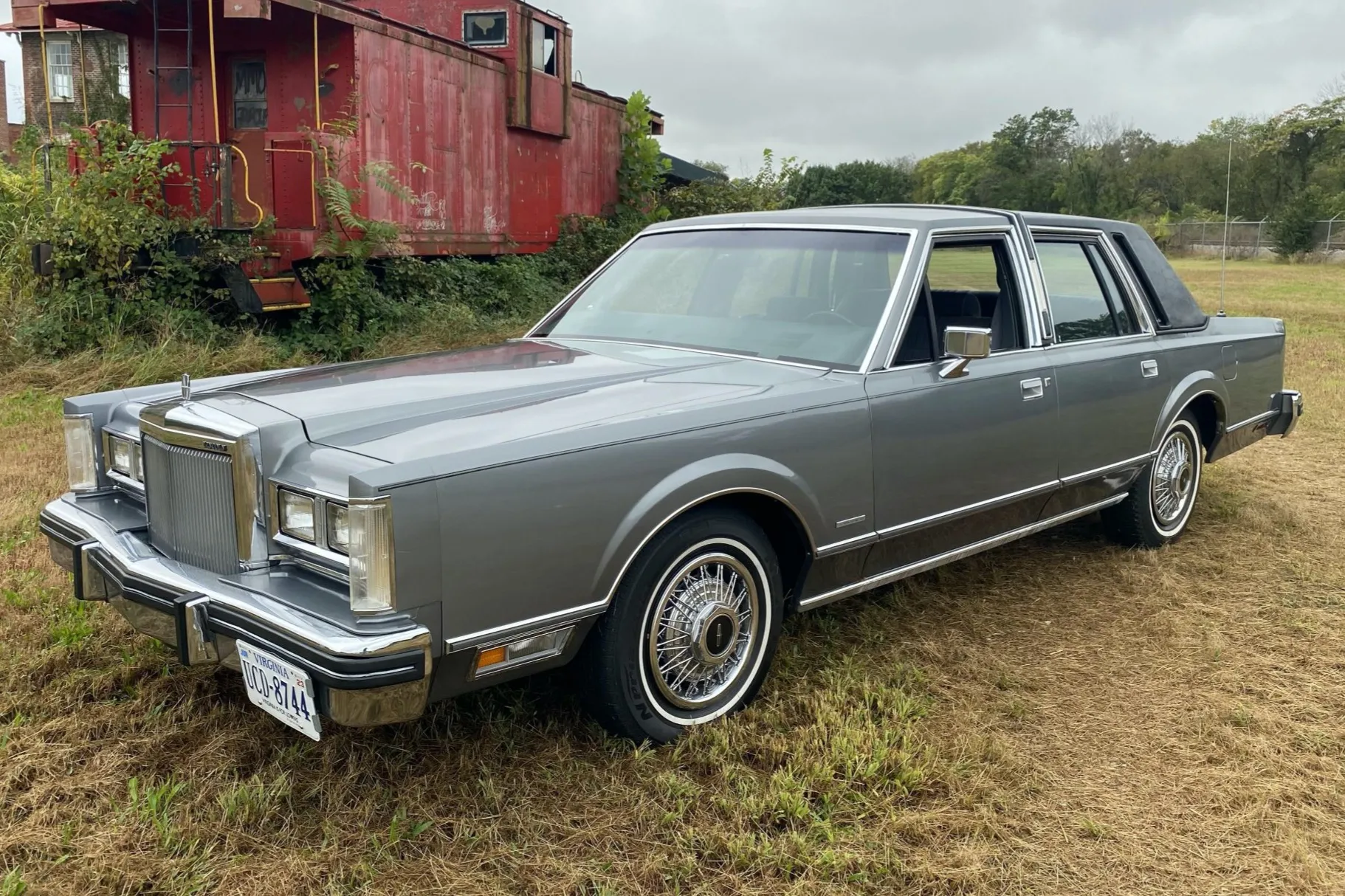
3. 1983 Lincoln Town Car
The 1983 Lincoln Town Car stands as a monumental testament to traditional American luxury and exceptional engineering durability. Built on Ford’s famously robust Panther platform, this legendary sedan is celebrated for its ability to clear incredible mileage milestones.
In one extraordinary case featured on Bring a Trailer, an owner managed to drive his Town Car for a staggering 1.3 million miles without a single breakdown. Maintained exclusively at a Lincoln dealership throughout its life, this ultimate cross-country cruiser even managed to squeeze 22 miles per gallon out of its massive V8 engine.
At the heart of this enduring classic is a dependable 5.0-liter Windsor V8 engine paired with a four-speed automatic overdrive transmission. Generating a modest 130 to 140 horsepower, the powertrain prioritizes smooth, high-torque cruising over rapid acceleration, which owners note is painfully slow.
Because of its heavy curb weight and ultra-soft coil-spring suspension, the driving experience is famously “floaty” and isolated. The light, effortless steering perfectly aligns with its identity as a relaxed, slow-paced highway cruiser rather than a performance vehicle.
Comfort was a defining characteristic of the 1983 Lincoln Town Car. Its spacious cabin was designed to provide a smooth and relaxing experience, featuring wide bench seats, thick carpeting, and upscale trim options that included wood-grain accents and available leather upholstery.
Rear passengers enjoyed exceptional legroom, while the large trunk offered ample storage space. These qualities helped make the Town Car a favorite among limousine operators and chauffeur services, cementing its reputation as one of the most comfortable luxury sedans of its time.
The model remains an attractive option for collectors seeking an affordable classic. Owners frequently praise its durability and straightforward maintenance, thanks in part to the wide availability of replacement parts.
Although age-related concerns such as air suspension issues and coolant leaks are not uncommon, repairs are generally simple and inexpensive. With an original price ranging from $17,400 to $20,100, the Town Car has proven capable of exceeding 200,000 miles when properly maintained, making it a dependable and budget-friendly entry into classic car ownership.
- Engine: 5.0L V8 (302 ci, OHV)
- Horsepower: 130 hp @ 3,200 rpm
- Torque: 240 lb-ft @ 2,000 rpm
- Length: 219.2 in (5,568 mm)
- Width: 78.1 in (1,984 mm)
4. 1963 Volkswagen Beetle
Few classic cars have a legacy as distinctive as the 1963 Volkswagen Beetle. Its no-frills design made it one of the easiest vehicles of its era to maintain, though its reliability record remained far from consistent. The Beetle could be either a dependable workhorse or a frequent source of mechanical headaches, depending on the owner and driving conditions.
That unpredictability did little to diminish its reputation for longevity. One remarkable example belonged to an owner who accumulated 1.61 million miles in his 1963 Beetle over 24 years. By the time the achievement was documented in 1987, he had averaged about 183 miles per day and gone through seven engines, demonstrating the extraordinary distances the iconic car could cover with sufficient upkeep.
Beyond this extreme mileage anomaly, everyday owner feedback reveals a much more rugged, minimalist reality of driving the classic Bug. The vehicle was famously devoid of modern conveniences, featuring no gas gauge to track fuel levels. Instead, drivers had to monitor their mileage manually; when the engine inevitably began to sputter, they had to kick a mechanical lever on the floor to release a final emergency gallon of gasoline to reach a station.
Climate control in the 1963 model was equally rudimentary, as it completely lacked a heater fan and relied solely on weak engine convection. During harsh winters, the interior rarely warmed up, forcing drivers to use ice scrapers on the inside of the windshield while passengers huddled under blankets. Furthermore, high-speed highway driving often caused acrid smoke to fill the cabin, and severe rust could cause the external fenders to flap loudly against the body.
The Beetle’s shortcomings were numerous, but its simple engineering and featherweight construction often helped owners cope with breakdowns. A failed starter motor, for example, was rarely a major obstacle.
Because the car was so light and equipped with a manual gearbox, many drivers could push-start it on their own, often parking strategically to leave enough room for a rolling start. Owner feedback on CarSurvey and enthusiast forums frequently points to recurring problems such as engine failures, ineffective cabin heating, and electrical issues related to aftermarket modifications.
After an extraordinary production run spanning eight decades, Volkswagen finally retired the Beetle. Although it never offered the refinement or comfort of more upscale vehicles, the 1963 model continues to hold a special place in automotive history. Former owners often recall its quirks with affection, viewing the car’s rust, mechanical imperfections, and sparse amenities as part of its charm. For many enthusiasts, the Beetle was more than basic transportation it was a character-filled companion that delivered memorable experiences and a sense of adventure.
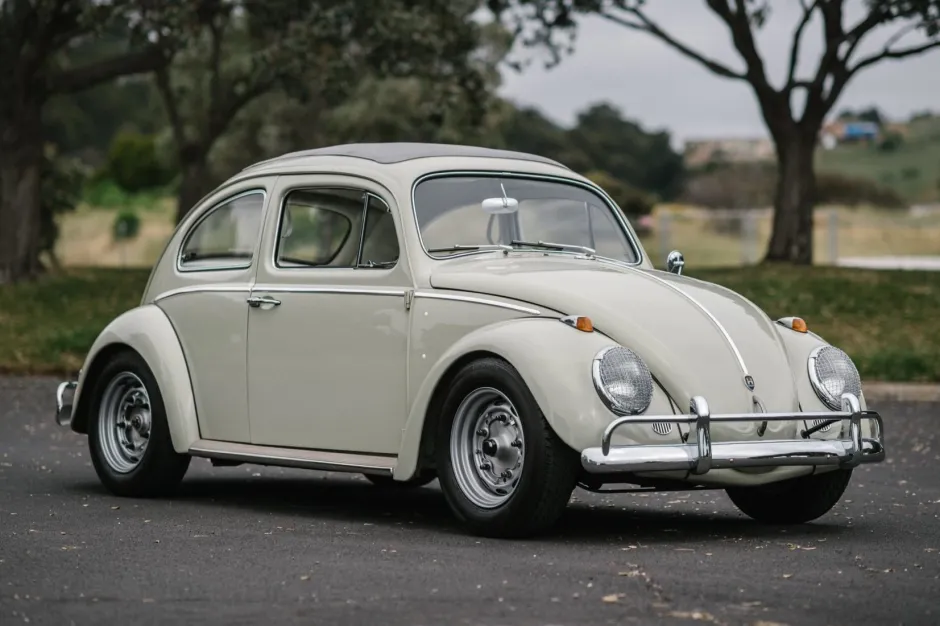
- Engine: 1.2L air-cooled flat-4 (horizontally opposed boxer)
- Horsepower: 40 hp @ 3,900 rpm
- Torque: 64 lb-ft @ 2,400 rpm
- Length: 160.6 in (4,079 mm)
- Width: 62.4 in (1,585 mm)
5. 1963 Plymouth Fury
The 1963 Plymouth Fury stands as a testament to American automotive endurance and design innovation. While typical high-mileage examples on owner forums like CarSurvey hover around 185,000 miles with users praising its drivability despite minor oil leaks and scarce interior parts, one extraordinary Fury operating as a Montreal taxi reportedly reached an astounding 1.62 million miles before being totaled in a 1999 accident. For others, like Marvin J. Raguse Jr., who fell in love with the car during the 1960s Wisconsin street-cruising culture, the Fury became a cherished, lifelong garage keepsake.
Following a perceived shortness in the 1962 models, Chrysler redesigned the 1963 Fury to look longer and sleeker. The body was lengthened by three inches, and a perfectly horizontal beltline was introduced to compete with the long lines of Ford and Chevrolet. The exterior featured premium stainless steel window surrounds and tri-colored red, white, and blue badging. For aesthetics, Chrysler cleverly utilized unique white turn-signal lenses housing amber bulbs.
While its engine lineup attracted much of the attention, the Fury’s cabin was equally noteworthy. Plymouth gave the car an upscale feel with supportive bucket seats, attractive door panels featuring multiple materials, and a driver-oriented dashboard. Instead of relying solely on warning indicators, the instrument cluster included practical gauges that allowed drivers to keep track of fuel supply, charging status, and engine temperature at a glance.
Buyers also had no shortage of choices under the hood. Available powerplants ranged from the reliable 318 V8 to the more potent 361 Commando and 383 Golden Commando, with the rare 426 Wedge sitting at the top of the range. Backing these engines was Chrysler’s highly respected Torqueflite automatic transmission, operated through the company’s distinctive push-button controls. The early 1960s represented the final chapter for this unusual setup, as Chrysler discontinued it by 1965 in response to the needs of rental fleets and broader market preferences.
While its torsion bar front suspension delivered an excellent ride, handling was initially limited by factory two-ply tires. To back up this engineering, Chrysler introduced a historic 5-year/50,000-mile powertrain warranty in 1963 to signal superior reliability. The 1963 Fury successfully combined performance and refreshed styling, serving as a pivotal wake-up call to the American public.
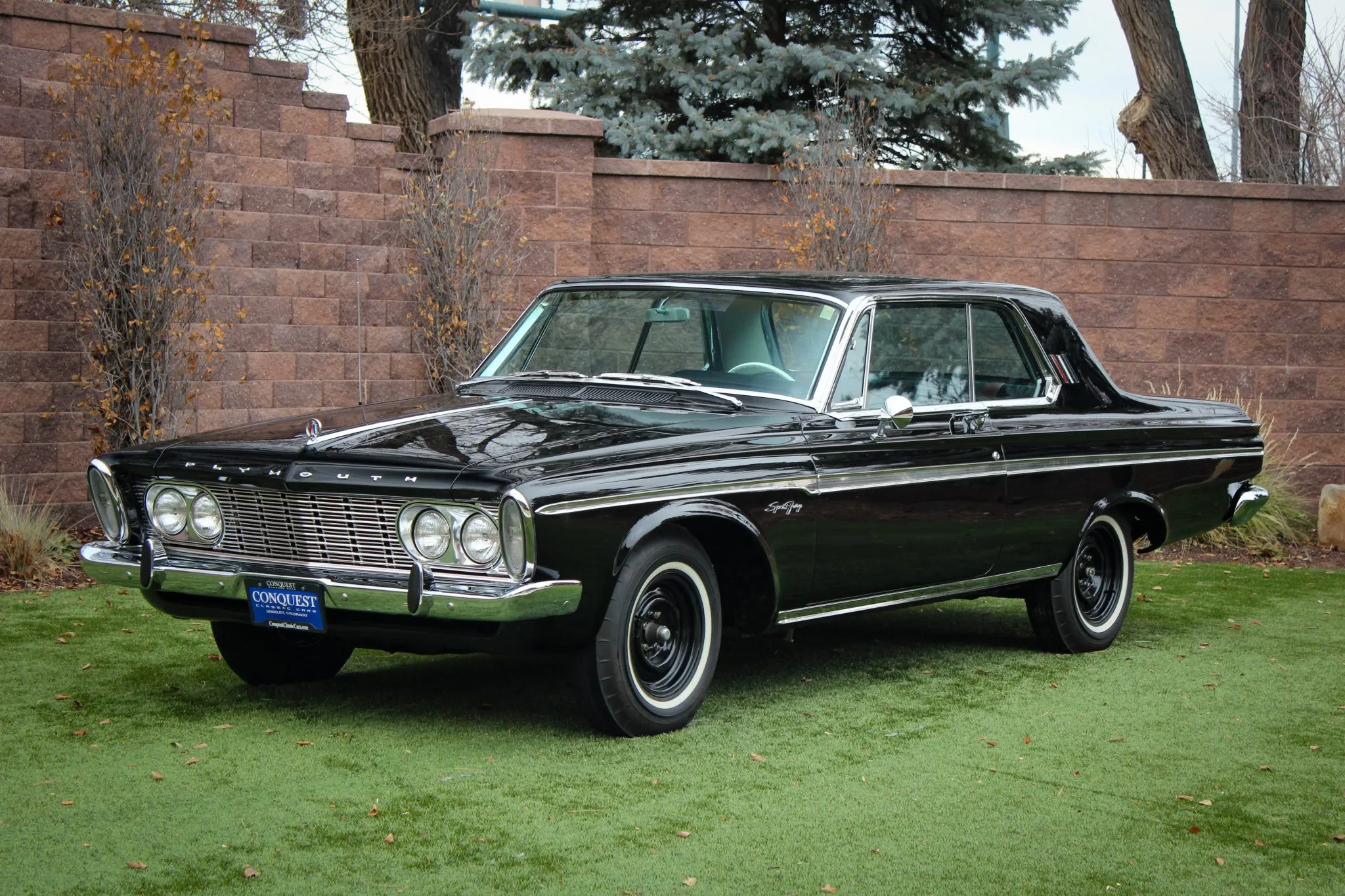
- Engine: 225 cid Slant-6 / 318 cid V8 / 361 cid V8 / 383 cid V8 / 413 cid Max Wedge V8 / 426 cid Street Wedge V8
- Horsepower: 145 hp (225 Slant-6) / 230 hp (318 V8) / 265 hp (361 V8) / 320–330 hp \(383 V8) / 410–420 hp (413 Max Wedge) / 385 hp (426 Street Wedge)
- Torque: 190 lb-ft (225 Slant-6) / 300 lb-ft (318 V8) / 380 lb-ft (361 V8) / 425–430 lb-ft (383 V8) / not specified (413 Max Wedge not fully standardized in source)
- Length: 209.6 in (≈210 in)
- Width: 76.2 in
Also read: 5 Cars Where Trade-In Beats Private Sale vs 5 Where It Doesn’t
6. 1979 Volvo 245 GL
The Volvo 240 series, produced largely unchanged from 1979 to 1993, has earned a legendary reputation for near-immortality. Alongside Twinkies and Nokia phones, these vehicles are built to outlast the apocalypse. While a first-year 1979 Volvo 245 GL famously reached a staggering 1.63 million miles as a Finnish company car, everyday owners continuously echo this theme of unmatched reliability.
Though owners note a few temperamental components, such as water pumps, radiators, and fuel pumps, prone to rust, the car’s mechanical resilience is undeniable. One owner purchased a 245 GL with 349,000 miles for just $500, patched a few rust holes with salvaged parts, and confidently planned to drive it to the half-million-mile mark.
The true spirit of the Volvo 245 GL shines through the atmospheric, unpredictable terrain of Tasmania. Characterized by its luxury brown velour interior and highly comfortable seats, the wagon provided massive cargo space. Owners packed luggage onto the roof and utilized fold-out boot seats for extra passengers.
Though burdened by a chronically underpowered motor, the Volvo proved its stability during chaotic Australian road trips. It effortlessly navigated remote, rutted, and unsealed roads, sat stationary for two hours while a flock of 30,000 sheep jumped over its bonnet, and survived an ambush by cake-stealing geese.
In another testament to its ruggedness, the vehicle was once buried under a meter of snow in the Central Highlands. Fed by stable, non-waxing Special Antarctic Blend fuel, the sagging, heavily loaded wagon provided excellent rear-wheel traction on the ice. It safely transported distressed Antarctic diesel fitters through a winter wonderland, proving that while the Volvo 245 GL moves slowly, it certainly gets you there.
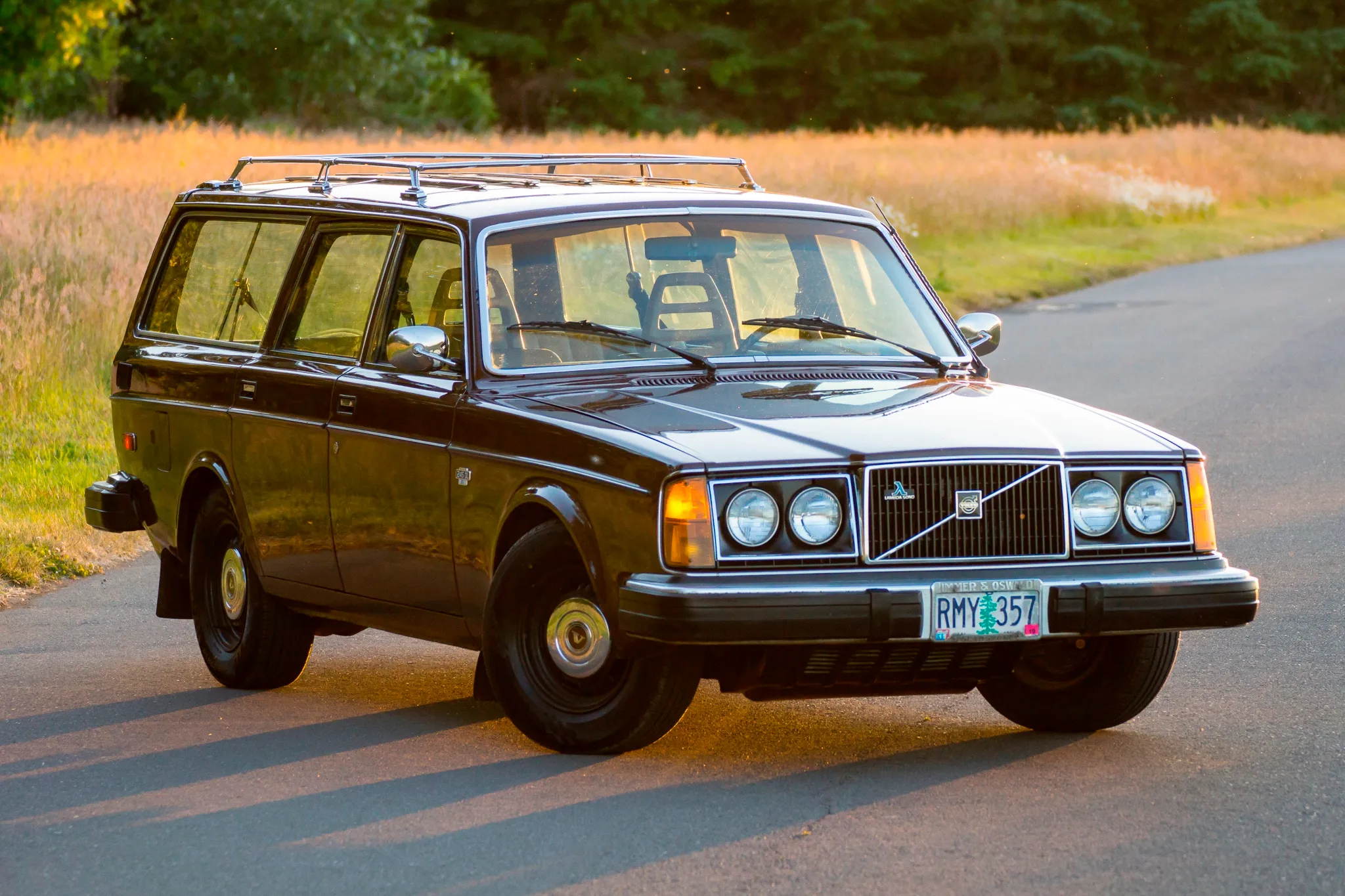
- Engine: 2.1L naturally aspirated inline-4 (Volvo B21)
- Horsepower: 106 hp (79 kW)
- Torque: 125 lb-ft (170 Nm) @ 2,500 rpm
- Length: 192.8 in (4,898 mm)
- Width: 67.3 in (1,710 mm)
7. 1976 Mercedes-Benz 240D
The 1976 Mercedes-Benz 240D is often remembered less as a conventional sedan and more as a benchmark for extreme automotive endurance. Its legendary status was shaped by an exceptional case in which a Greek taxi driver accumulated approximately 2.85 million miles in the same vehicle by 2004, pushing the diesel-powered model far beyond typical expectations for lifespan and reliability.
This remarkable achievement ultimately drew the attention of Mercedes-Benz. Recognizing its historical significance within the company’s legacy, the automaker negotiated an exchange, providing the owner with a new C-Class in return for the well-traveled 240D. The vehicle was then retired from service and preserved in Mercedes-Benz’s museum collection, where it continues to stand as a symbol of unmatched durability.
Under the hood sits a “bulletproof” inline-4 non-turbo diesel engine that enthusiasts celebrate for its sheer mechanical resilience. Experts note that these powertrains routinely double or triple the lifespan of standard vehicles, making high-mileage used models highly sought after. However, the car is not completely immune to wear; owners report that the fuel system can be prone to failure, and the vehicle can occasionally suffer from overheating or timing chain issues.
Operating this European classic requires a delightfully vintage, hands-on methodology. Aside from its four-speed automatic transmission, nearly everything in the vehicle is entirely manual, including the unique mechanical sequence required just to operate the powertrain. To start the vehicle, the driver must turn the key 90 degrees, wait patiently for the dashboard pre-heat glow light to turn off, and then pull a specialized knob located to the left of the light switch. Shutting down the engine requires the exact opposite action, requiring the driver to physically push the knob all the way back in.
The Mercedes 240D has earned a following that extends far beyond its reputation as an exceptionally durable daily driver. Today, it is a popular choice for vintage motoring enthusiasts, offering a relaxed and authentic driving experience that makes it particularly well-suited for weekend getaways and scenic road trips.
Despite its age, a properly maintained example can still deliver fuel economy in the 30 to 35 MPG range while providing a spacious trunk capable of handling plenty of luggage. Many owners have also upgraded their cars with discreet Bluetooth systems hidden behind factory-original radios, combining classic aesthetics with modern functionality.
What truly sets the 240D apart is its legendary longevity. Whether serving tirelessly as a taxi across Europe or spending decades as a trusted personal vehicle, the diesel-powered sedan has become a lasting symbol of Mercedes-Benz’s dedication to engineering durability above all else.
Aside from keeping the battery in good condition to support the glow plugs during cold starts, maintenance demands are relatively straightforward. For drivers seeking a classic car with genuine character and a proven record of endurance, the 240D remains one of the most compelling options available.
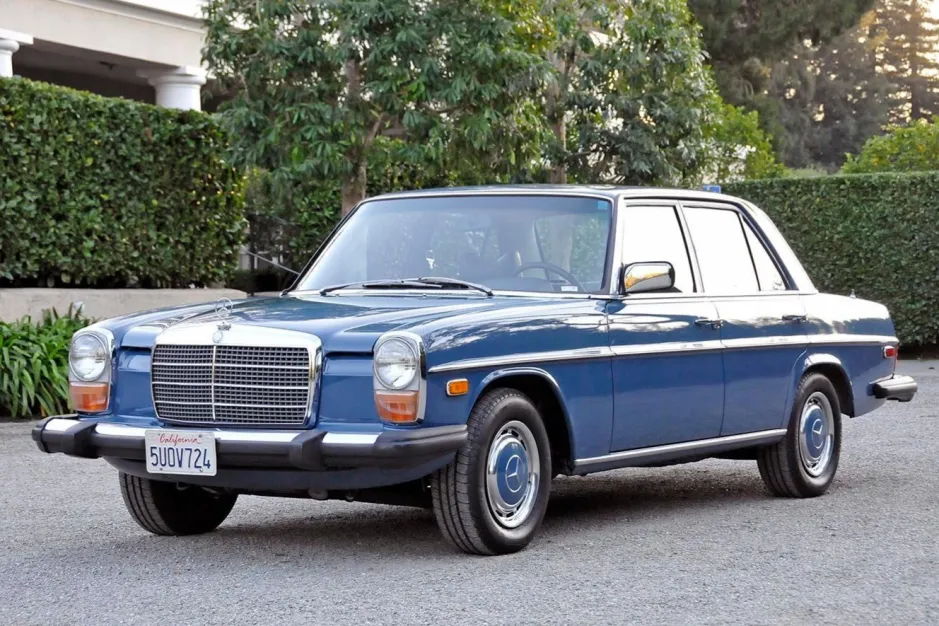
- Engine: 2.4L inline-4 diesel (OM616, naturally aspirated)
- Horsepower: 64–65 hp
- Torque: 101 lb-ft (137 Nm)
- Length: 186.0 in (4,725 mm)
- Width: 70.3 in (1,786 mm)
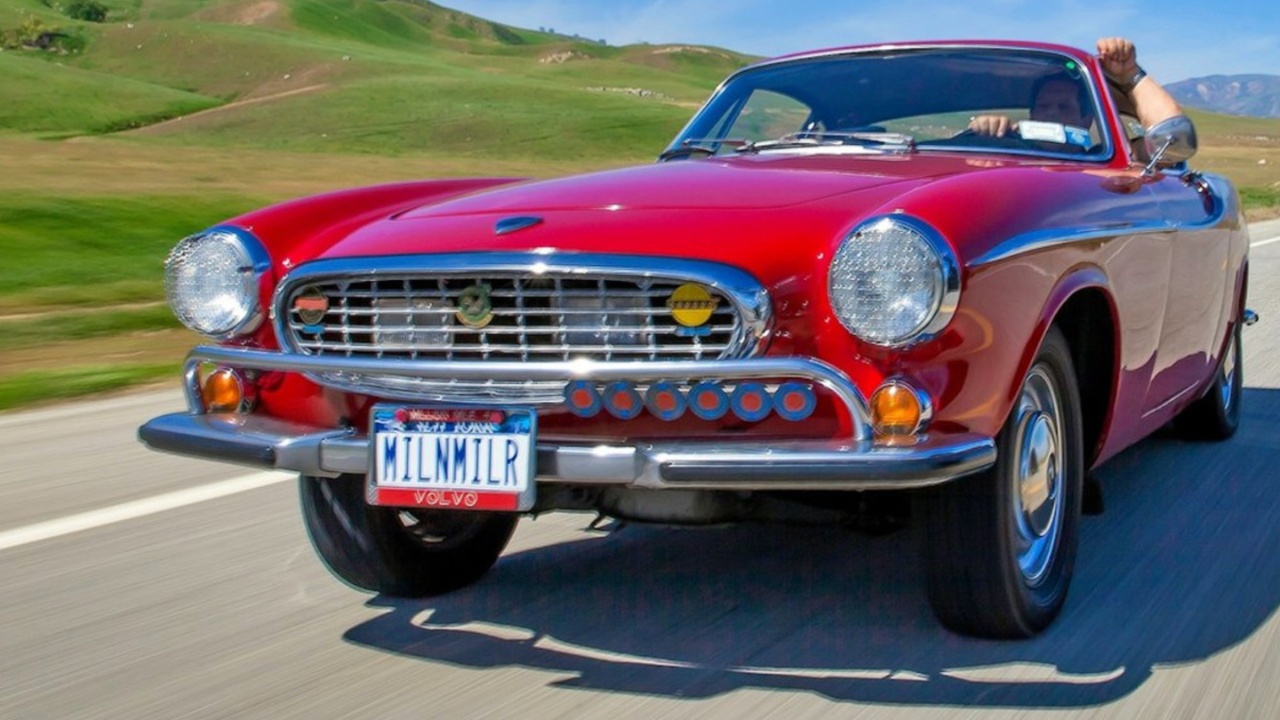
8. 1966 Volvo P1800
The 1966 Volvo P1800 is a legendary Swedish grand tourer that permanently secured its place in automotive history by achieving the Guinness World Record for the highest vehicle mileage. This beautiful coupe was famously owned by the late Irv Gordon, who dedicated decades to driving the sports tourer on extensive long-distance road trips across the United States. By the end of its journey, the vehicle reached an astonishing 3.25 million miles, a distance equivalent to traveling roughly 130 times around the globe.
Gordon successfully kept the car running for over three million miles by adhering to a straightforward maintenance routine. He credited the vehicle’s historic longevity to performing regular oil changes, maintaining meticulous cleanliness inside and out, and strictly following the manufacturer’s original service guidelines. The heart of this durability lies in Volvo’s robust engineering, which utilizes thick, high-grade steel designed to withstand freezing Scandinavian climates without structural failure.
The Volvo P1800 is powered by a 1.8-liter B18 inline-four engine delivering 118 horsepower, a setup more celebrated for its resilience than for outright performance. This engine is paired with a four-speed manual transmission featuring overdrive, a combination designed to favor steady, comfortable cruising rather than sharp, aggressive driving. On the road, the car’s heavy steering settles into stability at speed, while its soft suspension smooths out imperfections, reinforcing its long-distance touring character.
Cabin design takes a more versatile approach than many sports cars of the 1960s. Influenced by Italian styling but executed with Scandinavian practicality, the interior features clear analog instrumentation, durable switchgear, a functional rear bench, and a usable trunk. These elements work together to make the P1800 feel less like a pure sports car and more like a stylish, everyday grand tourer with genuine practicality.
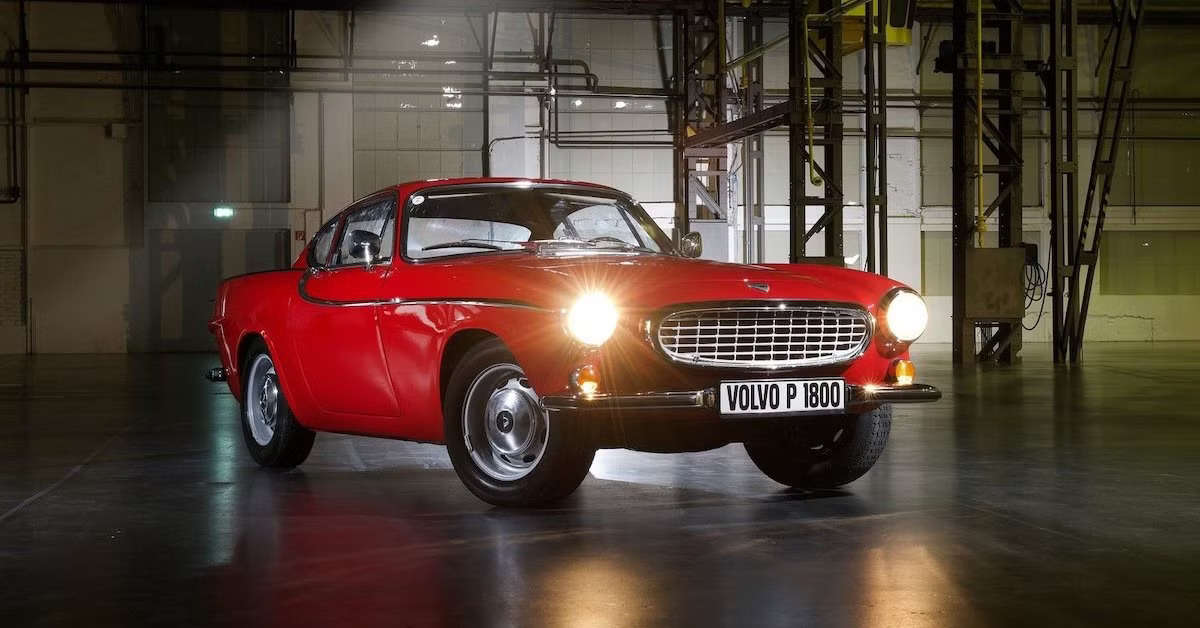
However, keeping one on the road today can be challenging. Owners commonly report issues such as electrical faults, fuel system leaks, and transmission seepage, especially in higher-mileage examples. While engine parts are relatively straightforward to obtain, body restoration, particularly rust repair, tends to be the most expensive and time-consuming aspect of ownership, reflecting the realities of maintaining a classic Swedish coupe.
- Engine: 1.8L inline-4 (B18B)
- Horsepower: 115 hp @ 6,000 rpm
- Torque: 112 lb-ft @ 4,000 rpm
- Length: 173.2 in (4,399 mm)
- Width: 67.0 in (1,676–1,700 mm)
Also read: 10 Cars Where the Alternator Can Last as Long as the Engine
