
When people talk about cars that are “overbuilt” or “indestructible,” they are usually referring to vehicles where major components last far longer than expected with normal maintenance. One of the most underrated components in this discussion is the alternator.
The alternator is responsible for generating electrical power while the engine is running, keeping the battery charged and powering everything from headlights to fuel injection systems. In most vehicles, alternators are considered wear items that might last anywhere from 80,000 to 150,000 kilometers, depending on driving conditions, heat exposure, and electrical load.
However, in certain well-engineered cars, the alternator is so robust, and the electrical system so efficiently designed, that it can effectively last the entire life of the engine itself.
This article explores 10 cars that are widely recognized for exceptional reliability, where alternators often last extremely long, sometimes matching or even exceeding the usable lifespan of the engine under proper maintenance. This does not mean the alternator is literally immortal, but rather that failures are uncommon and usually occur very late in the vehicle’s life cycle.
These vehicles typically share engineering traits such as conservative electrical loads, high-quality bearings, strong cooling design, and minimal strain on charging systems. Many of them also come from manufacturers known for long-term reliability rather than performance extremes.
We will focus on globally respected models from brands like Toyota, Honda, Lexus, Mazda, and a few others known for durability. These cars are not chosen based on hype but on long-term owner reports, fleet usage history, and mechanical simplicity. In many cases, these vehicles are still seen running reliably past 300,000 kilometers or more, with original or only lightly serviced alternator systems still functioning.
It is important to understand that alternator lifespan is not only about the alternator itself, but also about how the entire vehicle’s electrical ecosystem is designed.
A car with stable voltage regulation, efficient engine bay cooling, and moderate electrical demand places far less stress on its alternator. Conversely, modern cars loaded with electronics, turbo systems, and heavy infotainment loads tend to wear alternators faster.
The following sections break down 10 cars where alternator longevity is a standout trait, explaining why their engineering contributes to such durability and why they remain favorites among mechanics, taxi operators, and long-distance drivers worldwide.
Also Read: 10 Strongest V8 Engines Ever Put in a Production Car
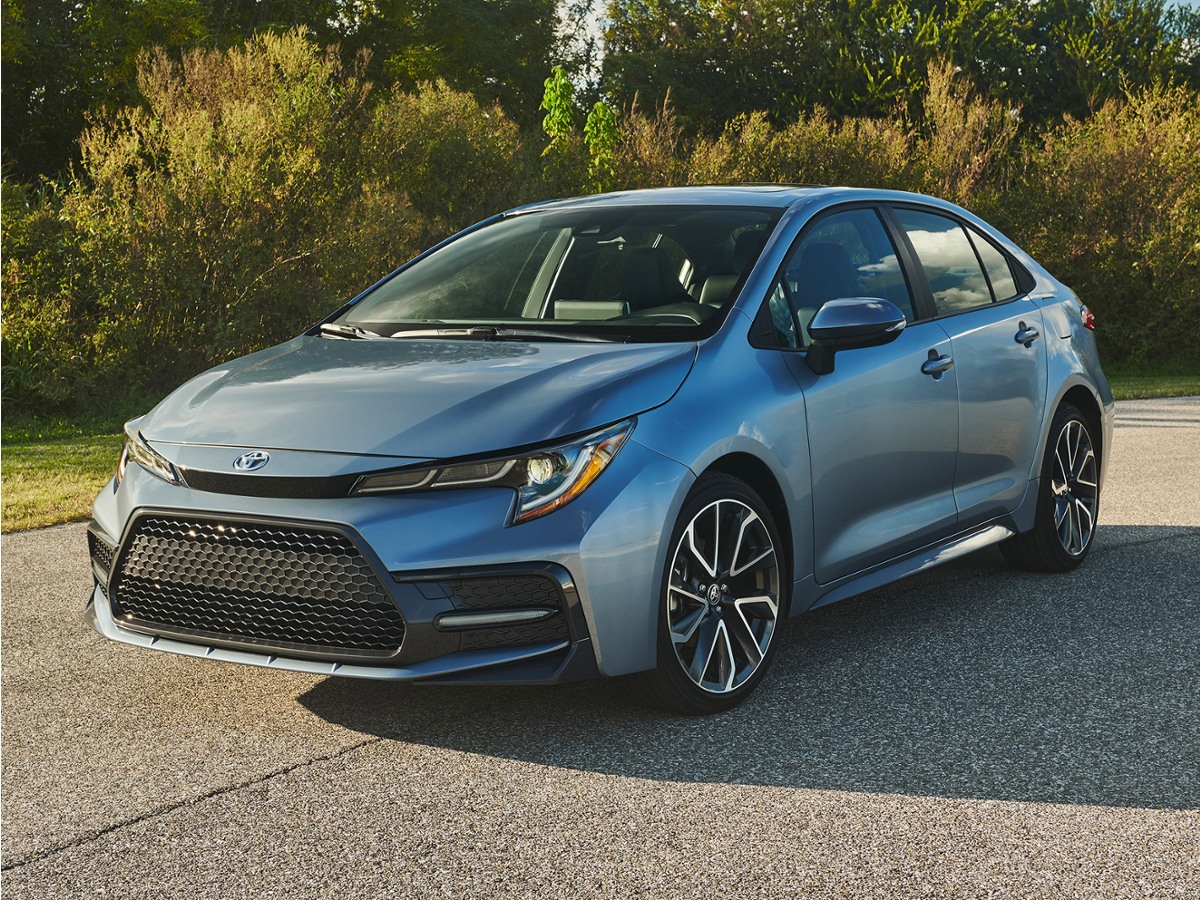
- Engine: 1.8L inline 4 cylinder petrol
- Horsepower: 138 hp
- Torque: 172 Nm
- Length: 4630 mm
- Width: 1780 mm
1. Toyota Corolla
The Toyota Corolla has earned a global reputation as one of the most dependable vehicles ever produced, and its alternator longevity is a direct reflection of its conservative and efficient engineering philosophy.
Unlike performance-oriented cars that push electrical systems to their limits, the Corolla is designed with balance in mind. Every electrical component is sized appropriately rather than excessively stressed, which allows the alternator to operate comfortably within its optimal range for very long periods.
A major reason the Corolla’s alternator lasts so long is the simplicity of its electrical architecture. Earlier and even many modern Corolla models avoid unnecessary complexity in their wiring systems.
This reduces voltage instability and prevents sudden electrical spikes that can damage internal alternator components such as diodes and voltage regulators. The result is a steady and predictable workload that significantly extends operational life.
Heat management also plays a critical role in alternator durability. The Corolla typically features a well-ventilated engine bay with enough spacing around key components.
This airflow helps keep alternator temperatures under control, especially during long drives or stop-and-go traffic conditions. Since excessive heat is one of the leading causes of alternator failure, this design advantage becomes a major contributor to long-term reliability.
Another factor is the quality consistency in Toyota’s OEM supply chain. Alternators used in the Corolla are manufactured with durable bearings and high-grade internal components that resist wear over time. Even after years of operation, many units continue producing stable output without requiring internal repairs, provided the serpentine belt system is properly maintained.
In real world usage, especially in taxi fleets and daily commuter environments, the Corolla repeatedly demonstrates its ability to surpass 250,000 to 300,000 kilometers with minimal electrical issues. In many cases, the alternator remains original throughout most of the engine’s lifecycle, making it one of the strongest examples of long-term charging system durability in the automotive world.
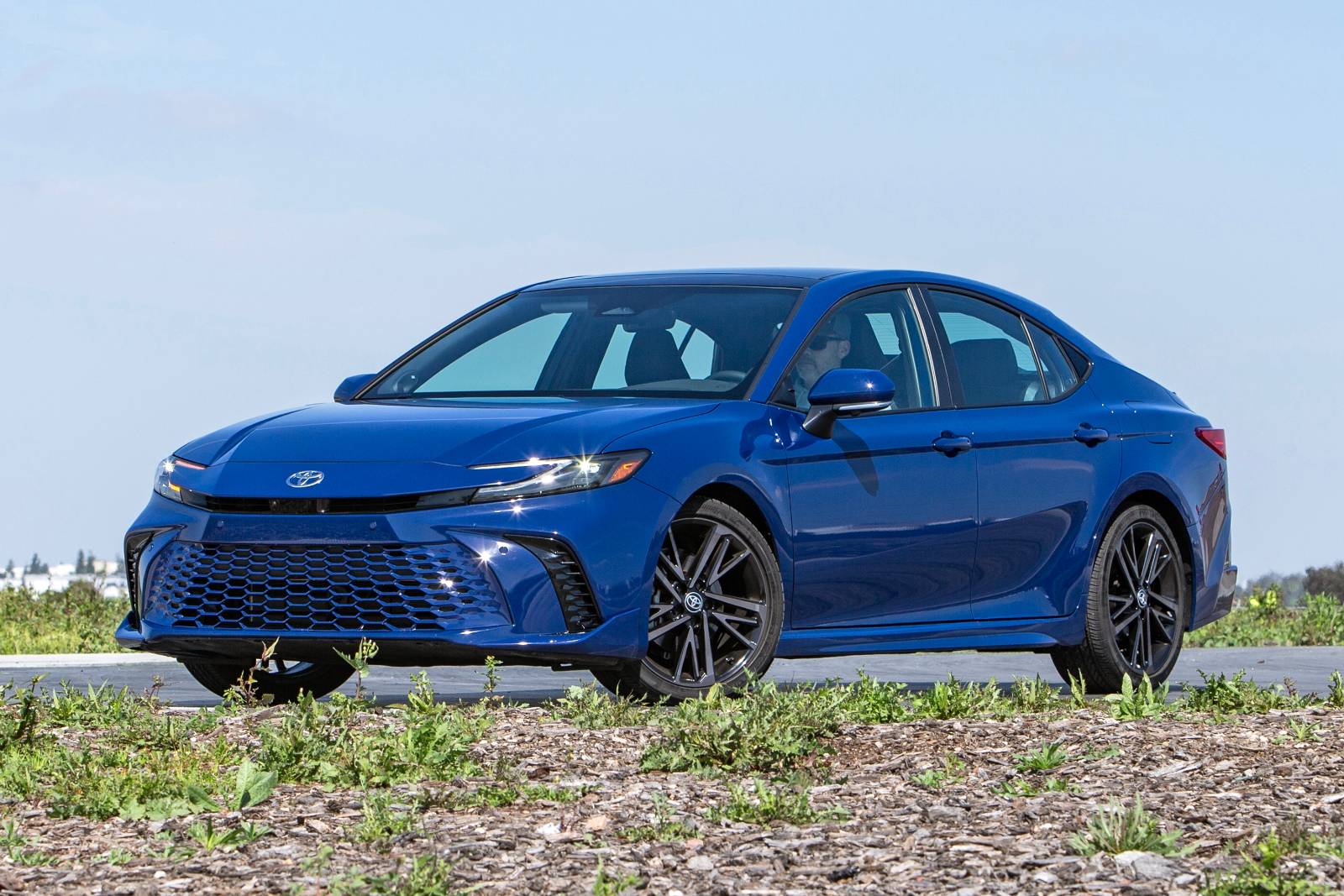
- Engine: 2.5L inline 4 cylinder petrol
- Horsepower: 203 hp
- Torque: 250 Nm
- Length: 4885 mm
- Width: 1840 mm
2. Toyota Camry
The Toyota Camry is widely recognized as a mid-size sedan that prioritizes comfort, efficiency, and long-term dependability, and its alternator system reflects these values.
Unlike vehicles that are engineered for aggressive performance or high electrical demand, the Camry maintains a balanced approach that prevents unnecessary stress on its charging system. This engineering philosophy allows the alternator to function efficiently for many years without major degradation.
One of the strongest contributors to alternator longevity in the Camry is the optimized load distribution within its electrical system.
The alternator is not constantly pushed to its maximum capacity because the vehicle avoids excessive electrical strain from unnecessary power-hungry systems. Even in higher trim models, Toyota ensures that electrical demand is managed in a way that keeps alternator output within safe operating limits.
Thermal stability is another important factor. The Camry’s engine bay is designed to maintain consistent airflow around major components, including the alternator. This reduces heat buildup during long drives or urban traffic conditions. Since heat accelerates wear on internal alternator parts such as brushes and rectifiers, better cooling directly contributes to longer service life.
The Camry also benefits from Toyota’s focus on electrical stability. Voltage regulation systems are designed to deliver smooth and consistent power output, which prevents sudden electrical fluctuations. These fluctuations are often responsible for premature alternator wear in less carefully engineered vehicles, but in the Camry, they are minimized through precise calibration.
In long term ownership scenarios, especially in ride-sharing and high-mileage commuting environments, the Camry consistently demonstrates exceptional reliability. It is common for owners to report alternators lasting well beyond 200,000 kilometers without requiring replacement.
This reinforces the Camry’s reputation as a vehicle where major components often match the lifespan of the engine itself when properly maintained.

- Engine: 2.0L inline 4 cylinder petrol
- Horsepower: 158 hp
- Torque: 187 Nm
- Length: 4650 mm
- Width: 1800 mm
3. Honda Civic
The Honda Civic has built its global reputation on efficiency, practicality, and long-term mechanical reliability, and its alternator system plays a significant role in this durability profile.
Honda engineers focus heavily on optimizing engine and electrical efficiency, which reduces unnecessary strain on the alternator. This allows it to operate under relatively light and stable conditions for most of its lifespan.
A key advantage in the Civic’s design is its efficient use of electrical power. Many Civic models are engineered with systems that avoid excessive energy consumption, especially in earlier generations. This means the alternator is not forced to run at high output levels continuously, which significantly reduces wear on internal components such as bearings and brushes.
Cooling efficiency also contributes to long alternator life. The Civic’s engine bay is designed to promote adequate airflow around critical components. While compact in design, Honda ensures that heat is properly managed so that the alternator does not suffer from prolonged exposure to high temperatures. This is especially important during long commutes and hot climate operations.
Another important factor is the reliability of Honda’s manufacturing standards. Alternators used in the Civic are typically built with durable internal components and consistent quality control. This ensures that voltage regulation remains stable over long periods, preventing damaging electrical fluctuations that could shorten alternator life.
In real-world usage, the Civic consistently performs well in high-mileage scenarios across global markets. Many owners report minimal electrical issues even after extensive use beyond 200,000 kilometers. In most cases, when alternator replacement does occur, it is often due to age-related wear rather than design flaws, reinforcing the Civic’s reputation for dependable long-term performance.
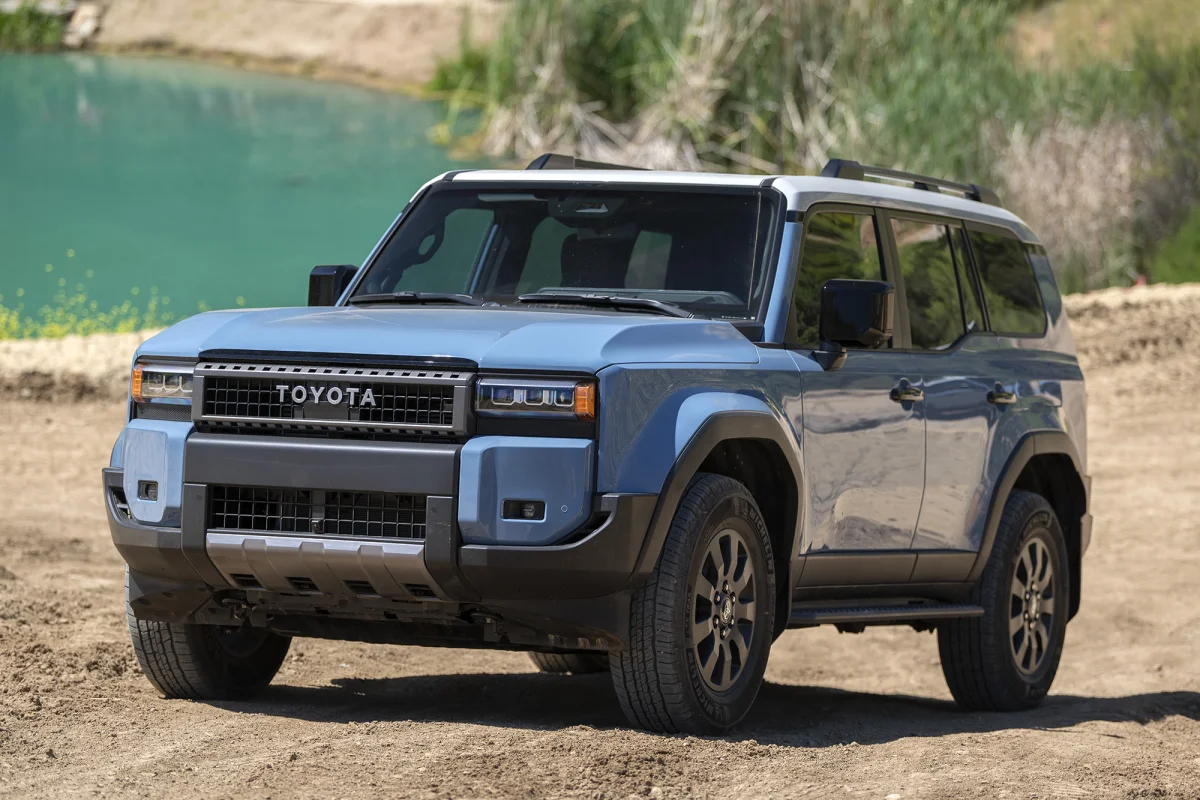
- Engine: 3.3L V6 twin turbo diesel
- Horsepower: 305 hp
- Torque: 700 Nm
- Length: 4980 mm
- Width: 1980 mm
4. Toyota Land Cruiser
The Toyota Land Cruiser is engineered for extreme durability in some of the harshest environments on Earth, and its alternator system is built to match that level of toughness.
Unlike standard passenger vehicles, the Land Cruiser is designed to operate reliably in deserts, mountains, off-road trails, and remote regions where mechanical failure is not an option. This philosophy extends directly to its electrical system.
One of the most important design features is the heavy-duty construction of the alternator itself. It is built to withstand continuous vibration, dust exposure, and long operating hours under heavy load conditions. These are environments that typically cause premature alternator failure in regular vehicles, but the Land Cruiser is specifically reinforced to resist such stress factors.
Thermal protection is also a critical part of its design. The alternator is positioned and shielded in a way that reduces exposure to excessive engine heat. In extreme climates where ambient temperatures are already high, this protection helps maintain stable internal operating conditions and prevents overheating-related wear.
Another strength of the Land Cruiser’s alternator system is its ability to handle additional electrical accessories. Many owners equip these vehicles with winches, auxiliary lighting, communication systems, and other high-demand equipment. Despite this increased load, the alternator is designed to deliver stable output without a significant reduction in lifespan.
In practical real-world usage, especially in fleet operations, mining environments, and expedition travel, the Land Cruiser consistently demonstrates exceptional reliability. It is not uncommon for these vehicles to reach extremely high mileage with original alternators still functioning, provided routine maintenance such as belt inspection and electrical checks are performed regularly.
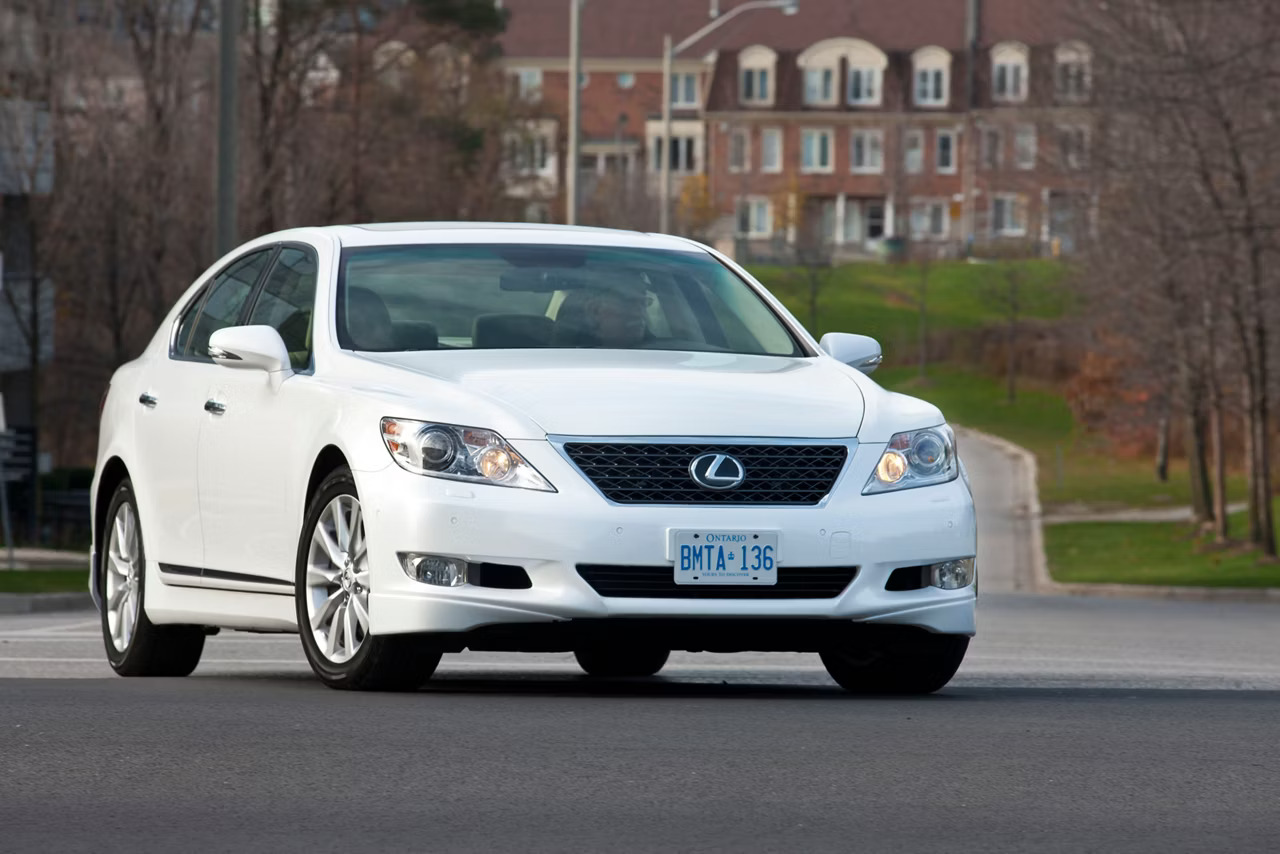
- Engine: 3.5L twin turbo V6 petrol
- Horsepower: 416 hp
- Torque: 600 Nm
- Length: 5235 mm
- Width: 1900 mm
5. Lexus LS
The Lexus LS represents the highest level of Toyota’s luxury engineering, and its alternator durability is a reflection of its overengineered and refinement-focused design philosophy.
Unlike mass market vehicles, the Lexus LS is built with an emphasis on smoothness, stability, and long-term reliability without compromise. This includes a charging system designed to operate far below its maximum stress capacity.
One of the key reasons for its alternator longevity is the use of over-specification in component design. The alternator is typically built with higher capacity than the vehicle normally requires, meaning it operates under reduced load in everyday conditions. This significantly lowers wear on internal parts such as bearings, rotor assemblies, and voltage regulators.
Vibration reduction is another major advantage. The Lexus LS is engineered with advanced insulation and mounting systems that minimize engine vibration transfer. Since vibration is a major cause of mechanical wear in alternators, reducing it helps extend the lifespan of internal components and improves long-term stability.
Electrical system refinement also plays a major role. The LS uses highly stable voltage regulation systems that ensure smooth and consistent power delivery to all components. This prevents sudden surges or drops that could otherwise stress the alternator and reduce its lifespan over time.
In long-term ownership scenarios, the Lexus LS is widely regarded as a vehicle capable of exceeding 300,000 kilometers with proper maintenance. Many owners report that the alternator remains fully functional for most of the vehicle’s lifecycle, reinforcing its status as a luxury sedan that combines comfort with exceptional mechanical endurance.
Also Read: 10 Cars With the Strongest Stock Engines Sold Today
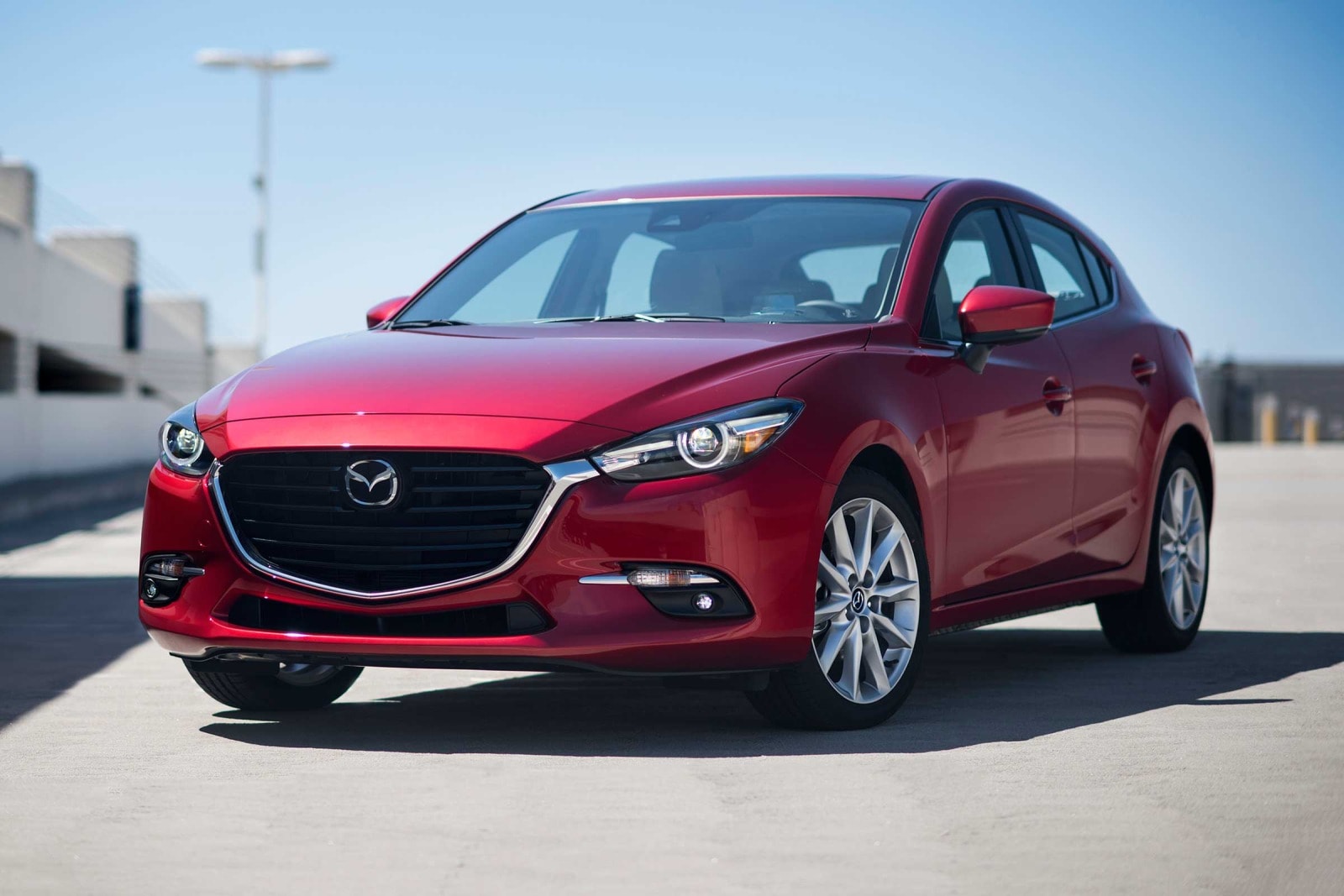
- Engine: 2.0L inline 4 cylinder petrol
- Horsepower: 155 hp
- Torque: 200 Nm
- Length: 4660 mm
- Width: 1795 mm
6. Mazda 3
The Mazda 3 has developed a strong reputation in modern automotive markets for blending driving enjoyment with long-term mechanical dependability.
While it is often appreciated for its sporty handling and stylish design, its alternator durability is a result of Mazda’s improved engineering philosophy, especially in newer Skyactiv-based generations. These improvements focus heavily on efficiency and reducing unnecessary mechanical strain across all systems.
A major contributor to alternator longevity in the Mazda 3 is its optimized engine efficiency. The Skyactiv platform is designed to improve combustion and reduce wasted energy, which indirectly reduces electrical system stress. When the engine operates more efficiently, the alternator does not need to work as hard to maintain battery charge levels, resulting in lower internal wear over time.
Thermal control is also carefully managed in the Mazda 3. Although it is a compact vehicle, Mazda engineers have worked to ensure that airflow around key engine components is sufficient to prevent overheating. The alternator benefits from this design because consistent operating temperatures help preserve internal parts like bearings and rectifiers, which are highly sensitive to heat degradation.
Another factor is the improved electrical load management in modern Mazda vehicles. The Mazda 3 avoids unnecessary electrical complexity while still offering modern features. This balance ensures that the alternator is not constantly operating at maximum capacity, which is one of the main causes of early failure in more heavily loaded vehicles.
In real-world use, the Mazda 3 has shown strong reliability across global markets, particularly among daily commuters and long-distance drivers. Many owners report that the alternator remains fully functional well beyond 200,000 kilometers, with failures typically being rare and often related to age or external wear factors rather than internal design weaknesses.
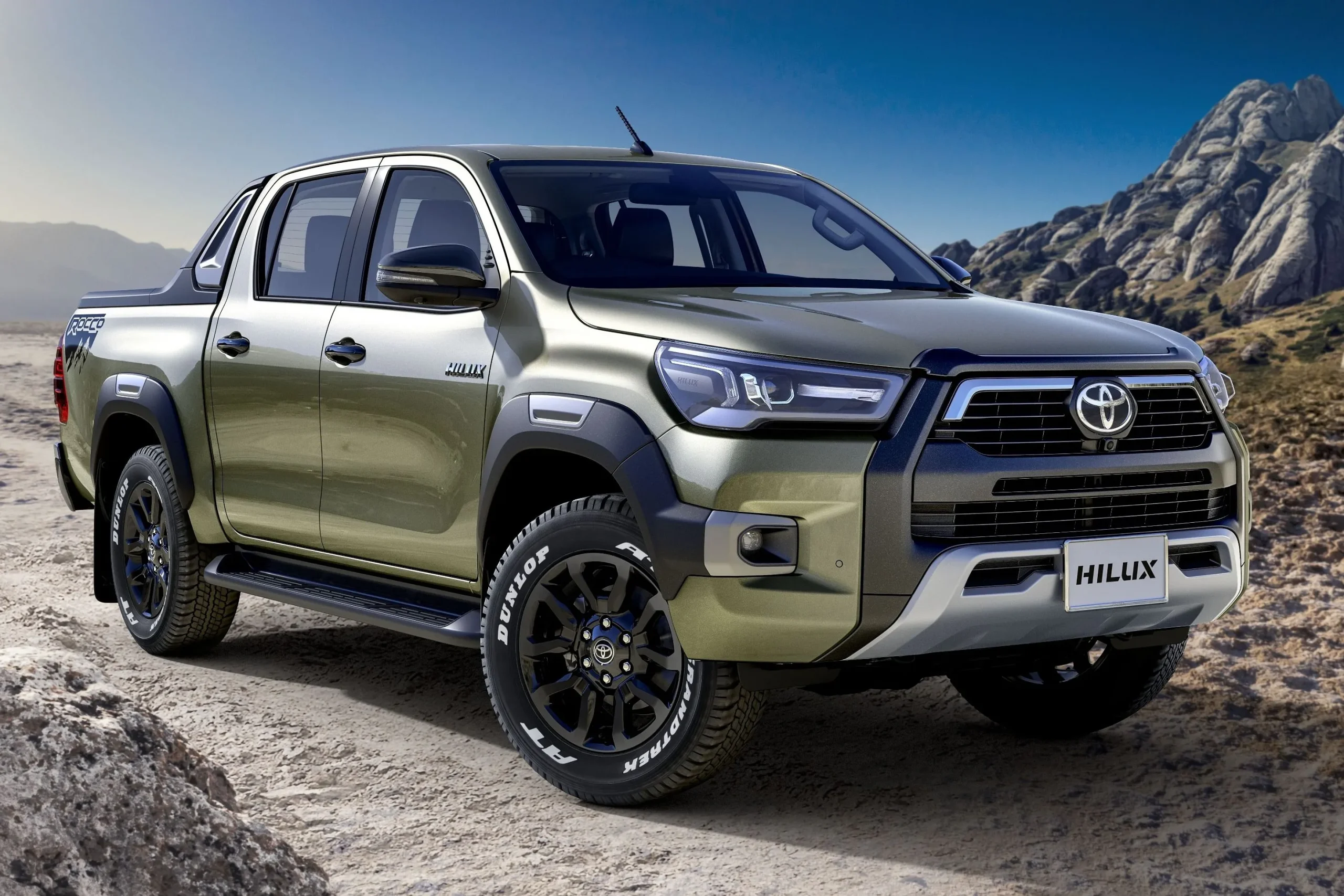
- Engine: 2.8L turbo diesel
- Horsepower: 201 hp
- Torque: 500 Nm
- Length: 5325 mm
- Width: 1855 mm
7. Toyota Hilux
The Toyota Hilux is widely regarded as one of the toughest pickup trucks ever built, and its alternator system is engineered to match its extreme durability reputation. Designed for commercial, industrial, and off-road environments, the Hilux is built to operate reliably in conditions that would challenge most other vehicles. This includes heavy dust, water exposure, and continuous vibration.
One of the most important aspects of the Hilux alternator design is its rugged construction. The internal components are built to withstand harsh environmental stress, including exposure to dirt and debris. Sealed bearings and reinforced housings help protect the alternator from contamination, which is one of the most common causes of failure in less durable vehicles.
Heat resistance is another major factor in its long service life. The Hilux is often operated in hot climates and under heavy load conditions, so the alternator is designed to maintain stable performance even when engine temperatures rise. Proper shielding and airflow design help prevent heat soak, which preserves internal electrical components over long periods.
The Hilux also benefits from a stable and practical electrical system. Even when additional equipment such as winches, rooftop lights, or towing systems is installed, the alternator is capable of handling increased electrical demand without significant strain. This makes it especially popular in agricultural and construction environments where reliability is critical.
In real-world fleet usage, the Hilux consistently demonstrates exceptional longevity. Many units used in mining, rural transport, and government fleets continue operating at very high mileage with original alternators still functioning. This reinforces its reputation as a vehicle where the alternator is rarely a limiting factor in engine lifespan.
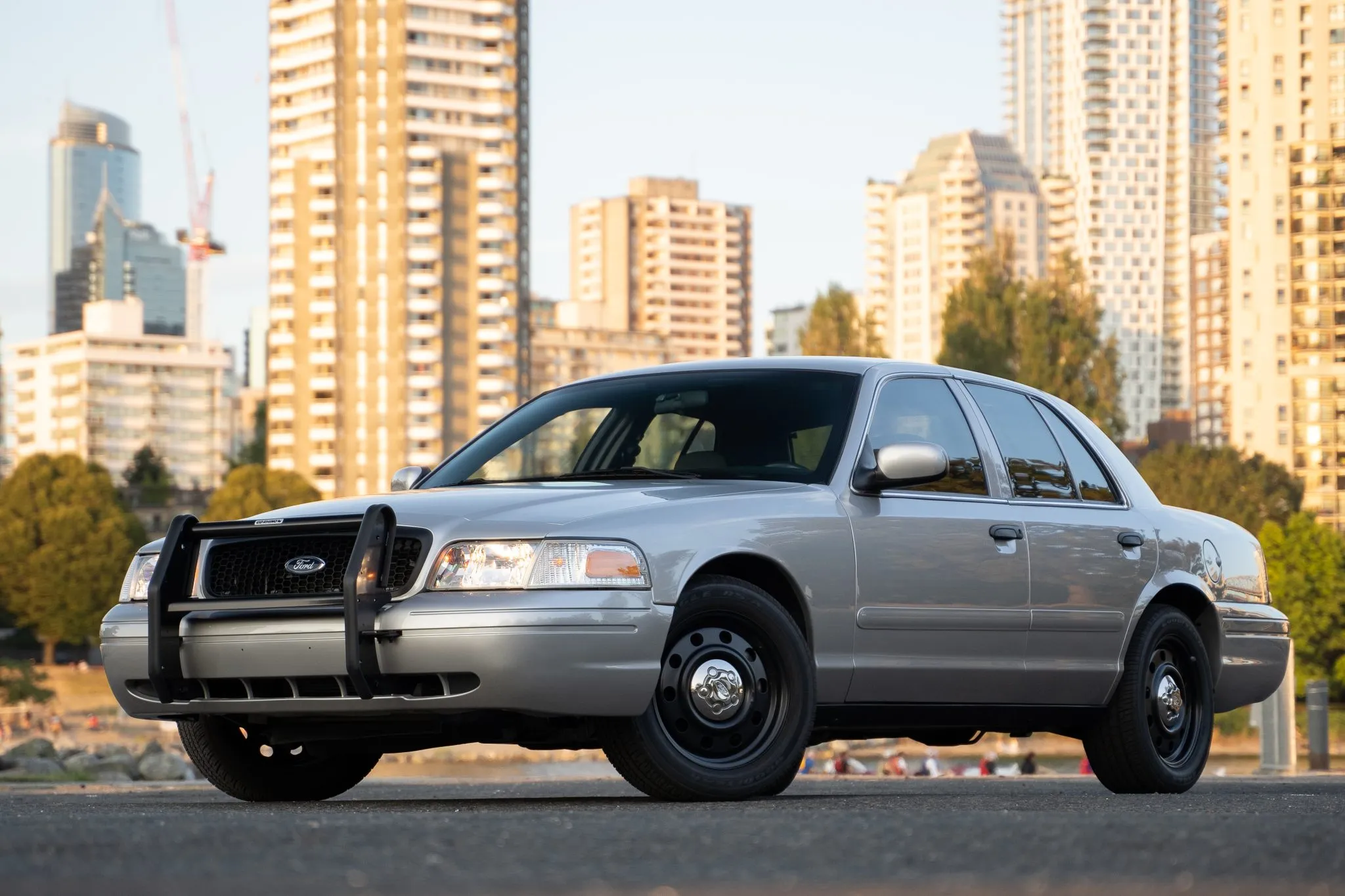
- Engine: 4.6L V8 petrol
- Horsepower: 239 hp
- Torque: 382 Nm
- Length: 5380 mm
- Width: 1980 mm
8. Ford Crown Victoria
The Ford Crown Victoria is best known for its widespread use in police fleets, taxi services, and government operations, where durability and long-term reliability are essential. Its alternator system was designed with these demanding use cases in mind, allowing it to handle continuous electrical loads and extended idle periods without premature failure.
One of the strongest features of the Crown Victoria’s alternator system is its ability to perform under heavy electrical demand. Police vehicles, in particular, are equipped with radios, sirens, lighting systems, and onboard computers that require constant power. The alternator is built to sustain this load for long periods without overheating or losing efficiency.
The engine bay layout also contributes to alternator longevity. The Crown Victoria features a relatively spacious and straightforward engine compartment, which allows for better airflow around critical components. This reduces heat buildup and helps maintain stable operating temperatures even during long idle periods in traffic or stationary operation.
Another important factor is the simplicity of the vehicle’s electrical architecture. Compared to modern cars with highly complex electronic systems, the Crown Victoria uses a more straightforward design. This reduces the likelihood of voltage fluctuations and electrical instability, both of which can shorten alternator lifespan.
In long-term fleet usage, the Crown Victoria has demonstrated impressive durability, with many units exceeding very high mileage while still retaining original alternators. This makes it a strong example of how heavy-duty engineering and simple design can contribute to extended component life in demanding real-world conditions.
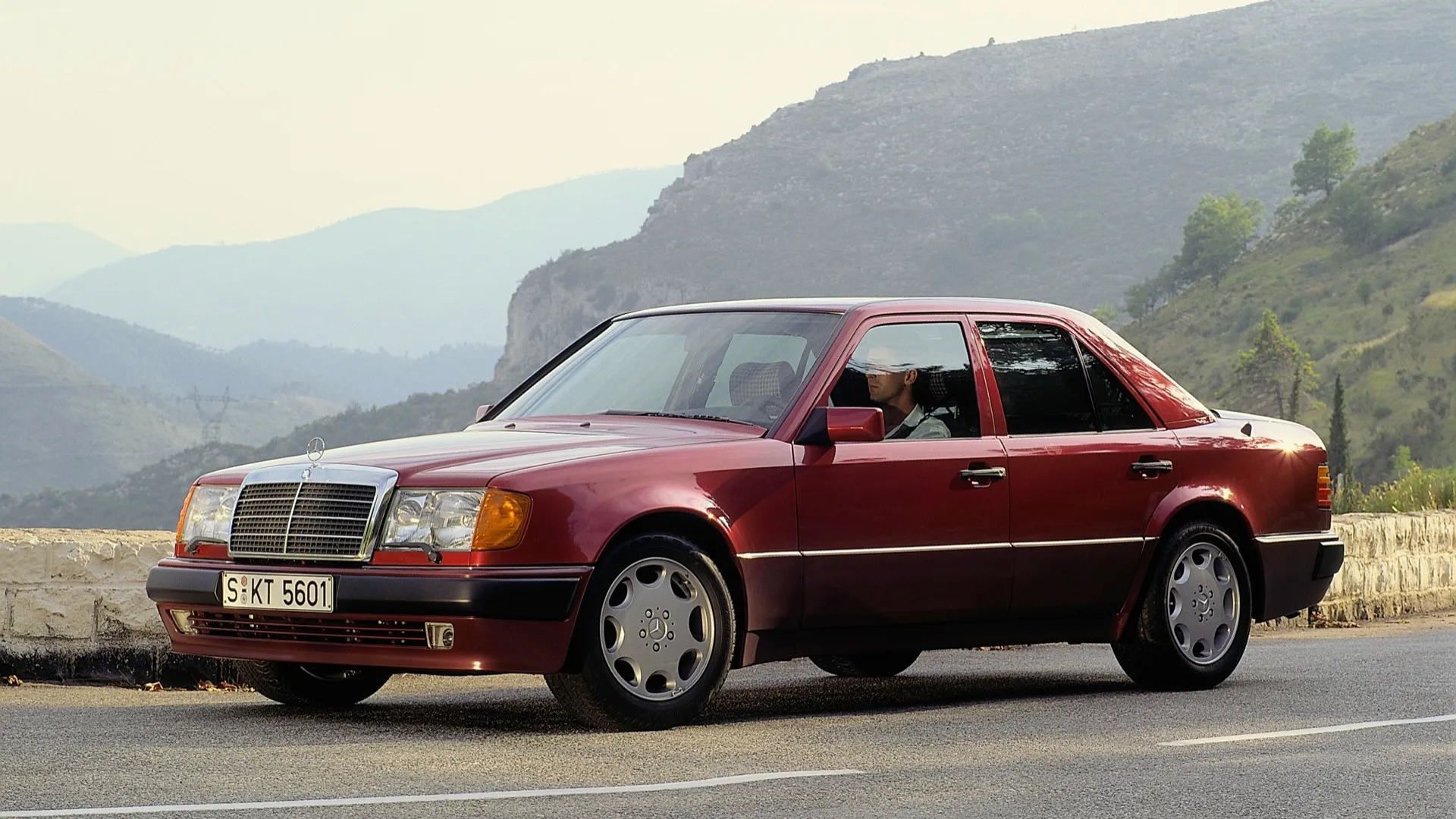
- Engine: 2.2L inline 4 cylinder petrol (E220 variant)
- Horsepower: 150 hp
- Torque: 210 Nm
- Length: 4740 mm
- Width: 1740 mm
9. Mercedes-Benz W124
The Mercedes-Benz W124 is widely regarded as one of the most overengineered luxury sedans ever built, and its alternator system reflects the durability-focused engineering of its era. Built during a time when manufacturers prioritized long-term mechanical integrity over cost reduction, the W124 was designed to last for decades under proper maintenance.
One of the key reasons for its alternator’s longevity is the high quality of materials used in its construction. The alternators were built with durable internal components, including robust bearings and high-grade electrical parts. These materials were selected to ensure long-term stability rather than short-term cost savings, which contributes significantly to extended service life.
Another important factor is the relatively simple electrical system compared to modern vehicles. The W124 does not contain the same level of electronic complexity found in newer cars. This simplicity reduces the number of potential electrical fluctuations and minimizes stress on the alternator during operation.
Thermal management also plays a role in its durability. The engine bay design of the W124 allows for effective heat dissipation, which helps maintain stable operating temperatures for the alternator. Since heat is one of the primary causes of alternator failure, this design feature contributes significantly to long-term reliability.
In real-world usage, many W124 vehicles are still on the road today with extremely high mileage. It is not uncommon for the alternator to last for decades when the vehicle is properly maintained, making it a strong example of classic German engineering focused on longevity and mechanical excellence.

- Engine: 2.5L boxer 4 cylinder petrol
- Horsepower: 182 hp
- Torque: 239 Nm
- Length: 4870 mm
- Width: 1875 mm
10. Subaru Outback
The Subaru Outback is known for its versatility, All Wheel Drive capability, and strong long-distance reliability. Its alternator system is designed to support consistent performance across a wide range of driving conditions, including urban commuting, highway travel, and off-road environments.
One of the key strengths of the Outback’s alternator system is balanced electrical load management. The vehicle is designed to distribute electrical demand efficiently across different systems, preventing excessive strain on the alternator during normal operation. This helps extend the lifespan of internal components.
Another important factor is Subaru’s continuous improvement in manufacturing quality. Newer generations of the Outback benefit from improved component standards and better reliability engineering. These enhancements reduce the likelihood of premature alternator wear and improve long-term stability.
Cooling efficiency also contributes to durability. The alternator is positioned in a way that allows reasonable airflow, although engine bay compactness can vary depending on the generation. Proper maintenance ensures that heat buildup does not become a long-term issue, preserving internal component health.
In real-world usage, the Subaru Outback has proven to be a dependable long-distance vehicle, especially among drivers who frequently travel in varying terrain and weather conditions. With proper servicing, the alternator often remains functional for a large portion of the vehicle’s lifespan, reinforcing its reputation for practical and durable engineering.