
When people shop for SUVs, they often focus on horsepower, fuel economy, infotainment systems, and brand reputation. However, one of the most overlooked but long-lasting aspects of ownership is interior leather quality.
Leather seats are often marketed as premium, luxurious, and durable, but real-world experience shows a major difference between brands that invest in high-grade hides and protective treatments versus those that prioritize appearance over longevity.
Over time, this difference becomes obvious as some SUVs maintain rich, supple, crack-resistant leather even after ten years, while others begin to show peeling, cracking, fading, and surface flaking in as little as three to five years.
The durability of automotive leather depends on several factors, including the type of leather used, the tanning process, climate exposure, seat ventilation design, and how well the manufacturer applies protective coatings. High-end luxury brands like Lexus and Toyota often use thicker, more natural leather or carefully treated semi-aniline hides that resist wear and aging.
These materials are designed to handle heat, humidity, friction from daily use, and UV exposure. On the other hand, some premium-looking SUVs use coated leather or synthetic blends that look impressive when new but tend to degrade faster under real-world conditions, especially in hot climates where heat accelerates surface breakdown.
For buyers in regions with intense sunlight and high temperatures, like many parts of India, leather durability becomes even more important. UV rays and heat can dry out leather, causing it to lose elasticity and eventually crack or peel.
Cheap or heavily coated leather is especially vulnerable because once the surface layer begins to separate, the damage spreads quickly. Meanwhile, well-conditioned natural leather can often be restored with basic care and continues aging gracefully, sometimes even developing a desirable patina over time.
This article breaks down two categories of SUVs based on long-term leather performance. The first category highlights six SUVs known for interior materials that consistently last a decade or more with proper care. These models are widely recognized for durability, build quality, and long-term reliability.
The second category focuses on six SUVs that, based on common ownership reports and material choices, tend to experience noticeable leather degradation within five years, especially under regular daily use.
By the end, you will have a clearer understanding of which SUVs truly deliver lasting interior luxury and which ones may look premium on day one but struggle to maintain that feel over time.
Also Read: 5 Land Rover Models Worth the Risk VS 5 To Avoid
SUVs With Leather That Last a Decade
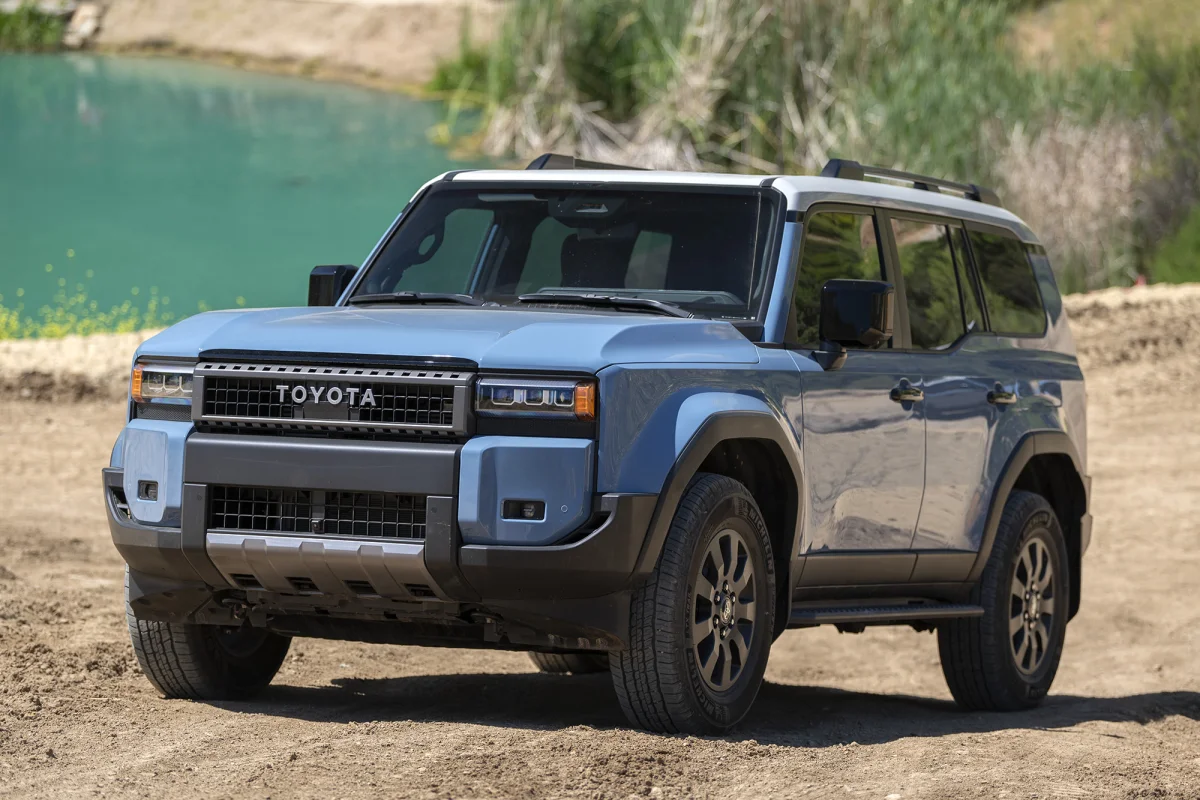
- Engine: 3.3L twin turbo V6 diesel / 3.5L twin turbo V6 petrol
- Horsepower: 305 hp (diesel) / 409 hp (petrol)
- Torque: 700 Nm (diesel) / 650 Nm (petrol)
- Length: ~4,985 mm
- Width: ~1,980 mm
1. Toyota Land Cruiser
The Toyota Land Cruiser is widely regarded as one of the most durable SUVs ever made, and its interior is no exception. The leather used in most Land Cruiser models is thick, well-treated, and designed to withstand extreme environments.
Rather than emphasizing soft-touch luxury materials, the Land Cruiser is engineered with durability and practicality in mind. This approach helps the seats retain their structural integrity over years of heavy use, with many owners noting minimal cracking or surface wear when the upholstery is properly cared for.
Another reason the Land Cruiser leather lasts so long is the conservative approach Toyota takes toward interior materials. Instead of overly soft or highly coated finishes, the leather is designed with a balance between comfort and resilience.
This reduces the likelihood of early peeling, especially in hot climates where many vehicles suffer accelerated aging. The stitching and seat foam also support the leather well, preventing sagging that can stress the material.
UV resistance is another strong point. Many Land Cruisers are used in desert regions, off-road environments, and rural conditions where interior exposure is severe. Toyota engineers the cabin materials to tolerate prolonged sunlight exposure without rapid fading or drying. While no leather is completely immune to aging, the Land Cruiser performs significantly better than average in this category.
Maintenance also plays a role. Because the leather is not overly delicate, owners can clean and condition it with standard products without worrying about damaging coatings. This flexibility helps extend its lifespan even further, making it one of the most practical long-term SUV interiors available.
The Land Cruiser stands out as a benchmark for leather durability because it is engineered for survival first and luxury second, a combination that pays off over a decade of ownership.
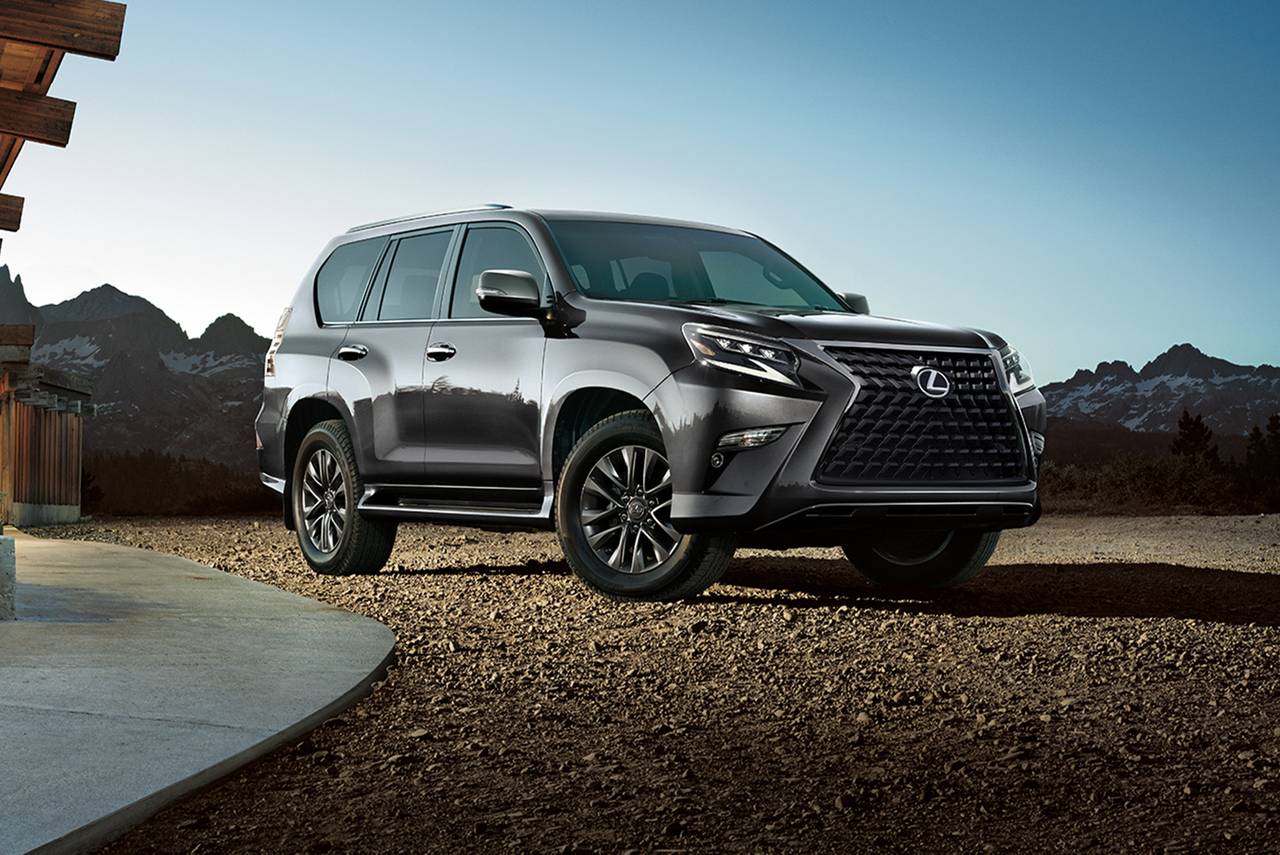
- Engine: 4.6L V8 petrol
- Horsepower: 301 hp
- Torque: 446 Nm
- Length: ~4,880 mm
- Width: ~1,885 mm
2. Lexus GX 460
The Lexus GX 460 is known for blending luxury comfort with Toyota-level durability, and its leather seats reflect this philosophy. The leather used in the GX 460 is generally more robust than what you find in many modern luxury crossovers, focusing on long-term resistance to wear rather than ultra-soft texture. This makes it particularly well-suited for families and daily drivers who keep vehicles for many years.
One of the strongest aspects of the GX 460 interior is consistency. Even after extended use, the seats tend to maintain their shape and surface integrity.
The leather does not easily develop peeling or flaking issues seen in lower-quality coated materials. Instead, it slowly develops minor creasing, which is a natural characteristic of well-made leather and does not affect usability or appearance significantly.
Climate resistance is another advantage. The GX 460 is often used in varied environments, from cold regions to hot and humid areas. Lexus uses protective treatments that help the leather resist drying and cracking under temperature fluctuations. This stability is important for long-term ownership because temperature cycles are one of the leading causes of leather breakdown.
The seat design also supports durability. The cushioning is firm enough to prevent excessive stretching of the leather surface, which reduces stress on seams and edges. Many premature leather failures in other SUVs begin at weak stitching points, but the GX 460 is engineered to avoid this issue through conservative but strong seat construction.
In long-term ownership reports, GX 460 interiors frequently remain in excellent condition well past the ten-year mark when basic care is applied. This makes it one of the most dependable luxury SUVs for buyers who value lasting interior quality.
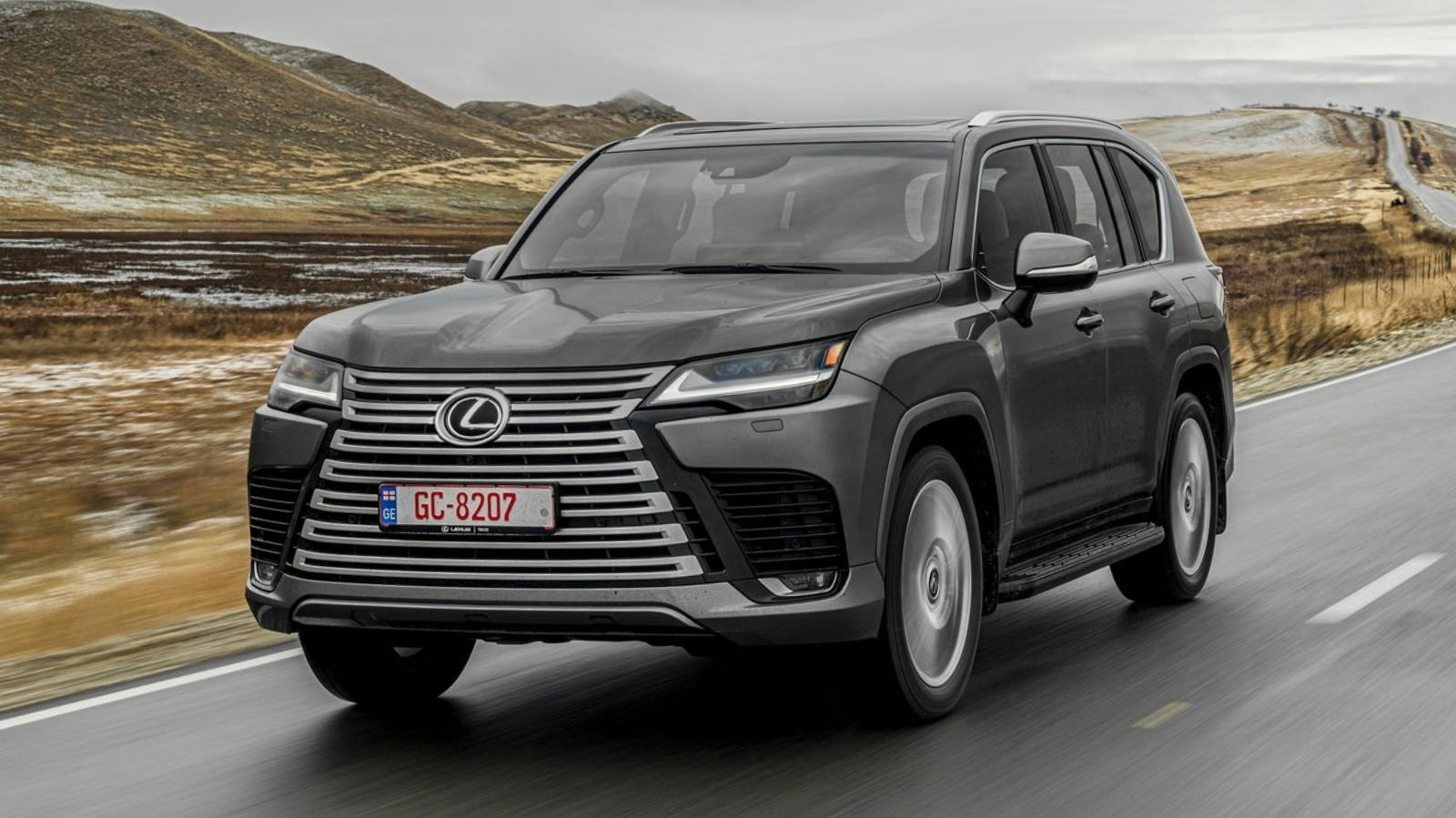
- Engine: 3.5L twin turbo V6 petrol
- Horsepower: 409 hp
- Torque: 650 Nm
- Length: ~5,095 mm
- Width: ~1,990 mm
3. Lexus LX 600
The Lexus LX 600 represents the top tier of Lexus luxury SUVs, and its leather interior is among the highest quality available in a mass-produced vehicle.
The LX 600 uses semi-aniline leather or other premium treated hides that provide a luxurious, supple feel without sacrificing long-term durability. While many luxury rivals emphasize softness above all else, often leading to faster wear, Lexus takes a more balanced approach by combining comfort with lasting resilience.
One of the key strengths of the LX 600 leather is its resistance to surface breakdown. Even in high-use scenarios, such as chauffeured driving or long-distance travel, the seats maintain their structure and finish. The leather does not easily peel because the protective coating used by Lexus is engineered to flex rather than crack under pressure.
Heat resistance is another major advantage. The LX 600 is often used in regions with extreme temperatures, and Lexus designs its interior materials accordingly. The leather retains moisture balance better than many competitors, reducing the risk of drying and stiffness that can lead to long-term damage.
The craftsmanship of the seating also contributes to longevity. Stitching is reinforced, and the seat design distributes weight evenly, preventing concentrated wear spots. This ensures that even the driver’s seat, which typically wears out fastest, remains in good condition for many years.
The LX 600 is a strong example of how high-end luxury can still prioritize durability. It is not just about the initial feel but about maintaining that feel over a decade of ownership.
- Engine: 3.5L V6 petrol
- Horsepower: 290 hp
- Torque: 362 Nm
- Length: ~5,039 mm
- Width: ~1,999 mm
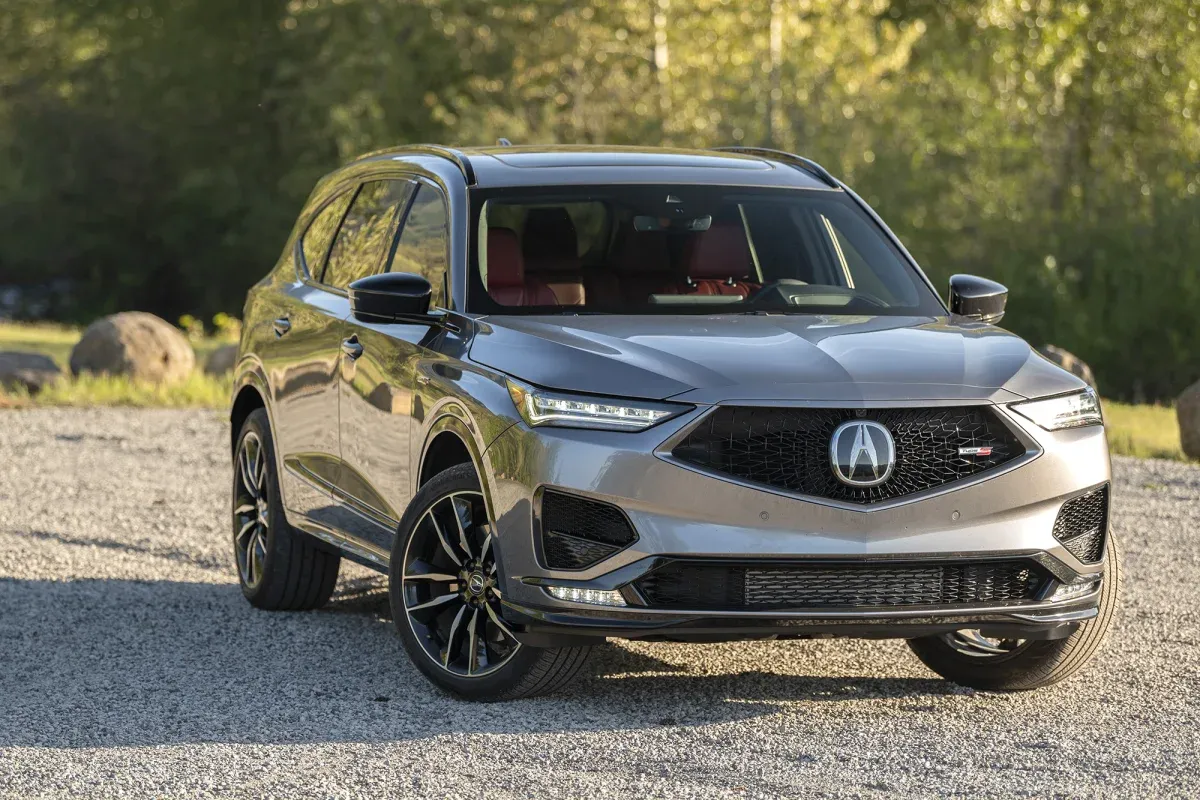
4. Acura MDX
The Acura MDX is often overlooked in luxury discussions, but it has a strong reputation for interior durability, especially in its leather seating. Acura uses high-quality leather that is not overly soft but is extremely resistant to wear and daily friction. This makes the MDX a practical luxury SUV for long-term owners.
One of the main reasons MDX leather lasts is its protective coating. While some ultra luxury brands reduce coating for a more natural feel, Acura maintains a balanced finish that protects against spills, UV exposure, and abrasion. This reduces the likelihood of peeling or cracking over time.
The MDX is also designed as a family SUV, which means Acura anticipates heavy daily usage. Child seats, frequent entry and exit, and cargo-related wear all contribute to interior stress, and the leather is built to handle these conditions better than many competitors in the same class.
Another important factor is seat ergonomics. The MDX seats are structured to minimize excessive stretching of leather panels. This helps maintain surface integrity even after years of repeated use. The foam density supports the leather rather than allowing it to sag prematurely.
As a result, many MDX owners report that their interiors remain solid and presentable even after long ownership periods, making it a strong contender in the durability category.
- Engine: 2.0L turbocharged and supercharged inline 4
- Horsepower: 295 hp
- Torque: 420 Nm
- Length: ~4,953 mm
- Width: ~2,008 mm
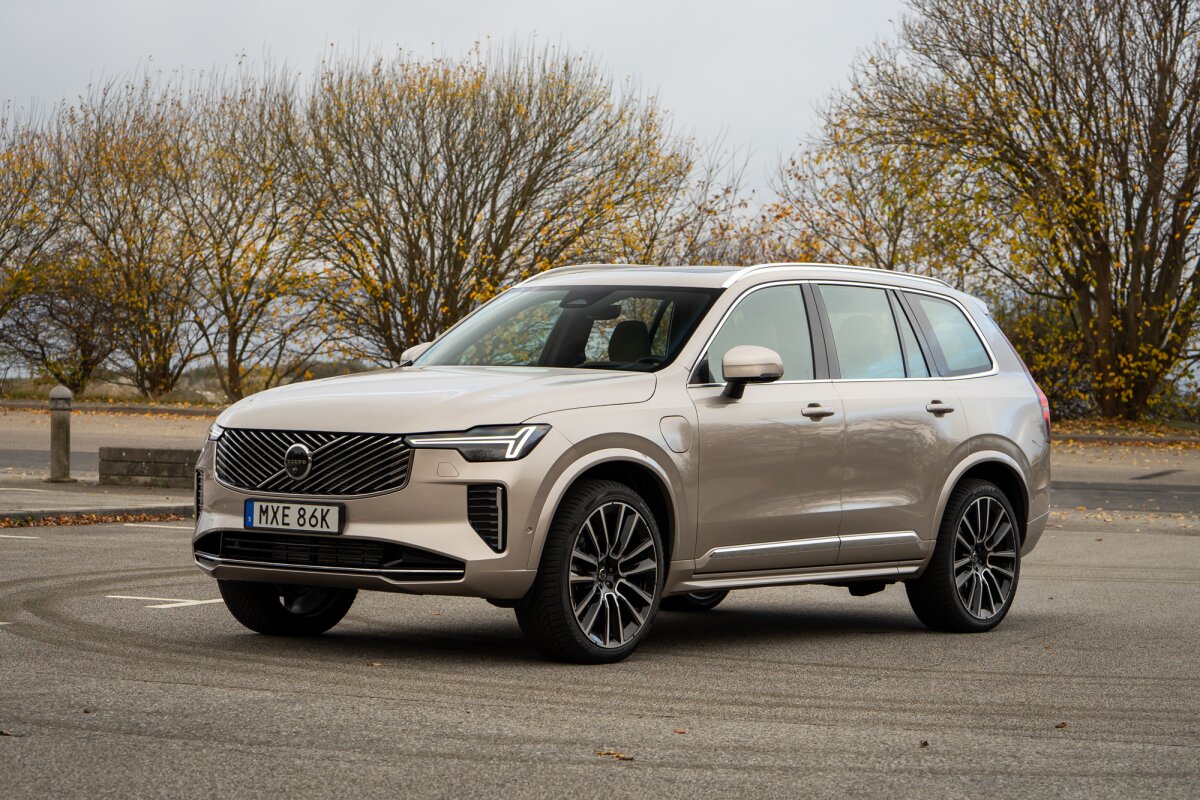
5. Volvo XC90
The Volvo XC90 is known for its minimalist Scandinavian design, but it also performs well in terms of leather longevity. Volvo uses carefully selected hides that are treated for durability while maintaining a natural feel. The result is leather that ages slowly and gracefully rather than deteriorating quickly.
One of the strengths of XC90 leather is its resistance to heat damage. Volvo places strong emphasis on cabin material stability under temperature variation, which is important for global markets. This reduces the risk of drying and cracking, especially in climates with strong sunlight exposure.
The XC90 also benefits from restrained interior design. Seats are not overly complex in shape, which reduces stress points in the leather. Simpler panel layouts mean fewer weak areas where peeling or separation might begin.
Another advantage is the quality of stitching and assembly. Volvo focuses heavily on safety and structural integrity, and that attention extends to interior craftsmanship. Strong seams help keep leather panels intact over time.
The XC90 maintains a premium feel for many years without rapid degradation, making it a reliable long-term choice.
Also Read: 10 Strangest Concept Cars & Ranked
- Engine: 4.0L twin turbo V8
- Horsepower: 416 hp
- Torque: 610 Nm
- Length: ~4,817 mm
- Width: ~1,931 mm
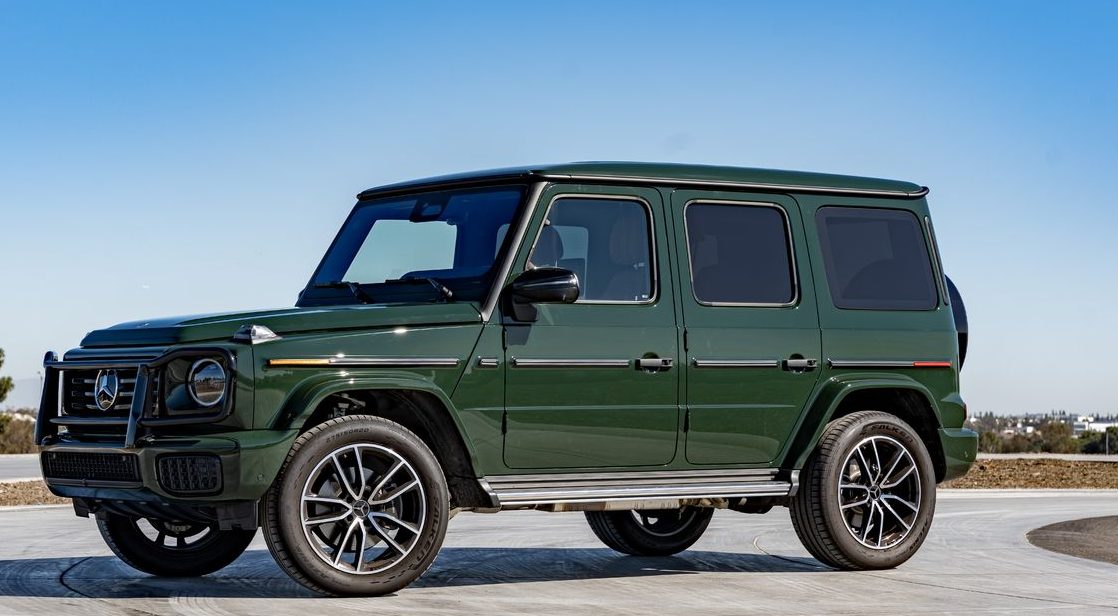
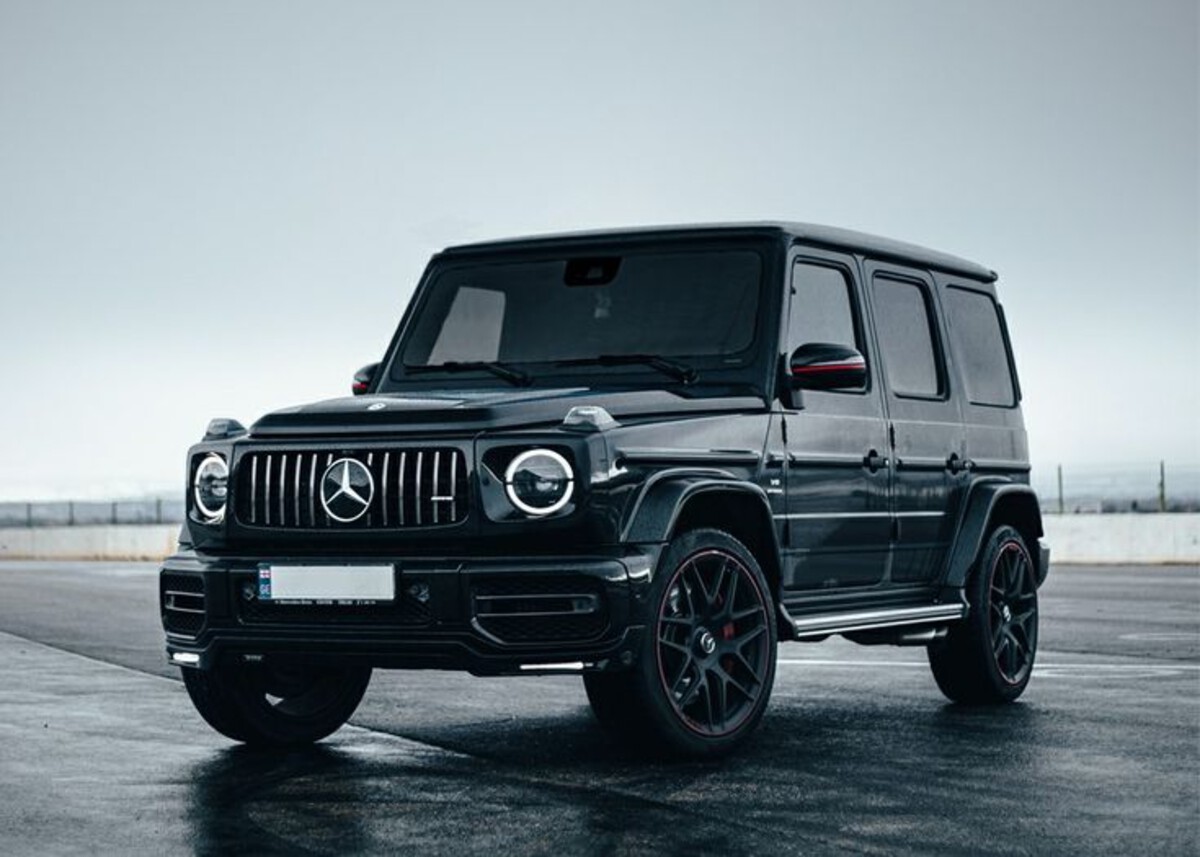
6. Mercedes-Benz G-Class
Seat durability is one of the G-Class’s strengths. Its leather upholstery is engineered to balance comfort and resilience, offering greater resistance to stretching, creasing, and wear than the softer materials commonly used by many luxury SUV competitors. This makes it well suited to both off-road adventures and daily use.
One of the key durability factors is material thickness. The leather used in the G-Class is generally thicker than average luxury SUV leather, which makes it more resistant to punctures, stretching, and surface wear. This is especially important for a vehicle designed to handle rough environments.
UV protection is also strong. The G-Class is often exposed to extreme outdoor conditions, so Mercedes equips the interior with coatings designed to reduce sun damage. This helps preserve color and texture over time.
Seat structure is another strength. The upright seating position reduces pressure on specific leather zones, distributing wear more evenly across the surface. This prevents early breakdown in high-contact areas like bolsters.
As a result, the G-Class interior often remains intact and visually strong even after many years, reinforcing its reputation as a durable luxury icon.
SUVs With Leather That Peel by Year 5
- Engine: 2.0L turbocharged inline 4 petrol
- Horsepower: 246 hp
- Torque: 365 Nm
- Length: ~4,371 mm
- Width: ~1,996 mm
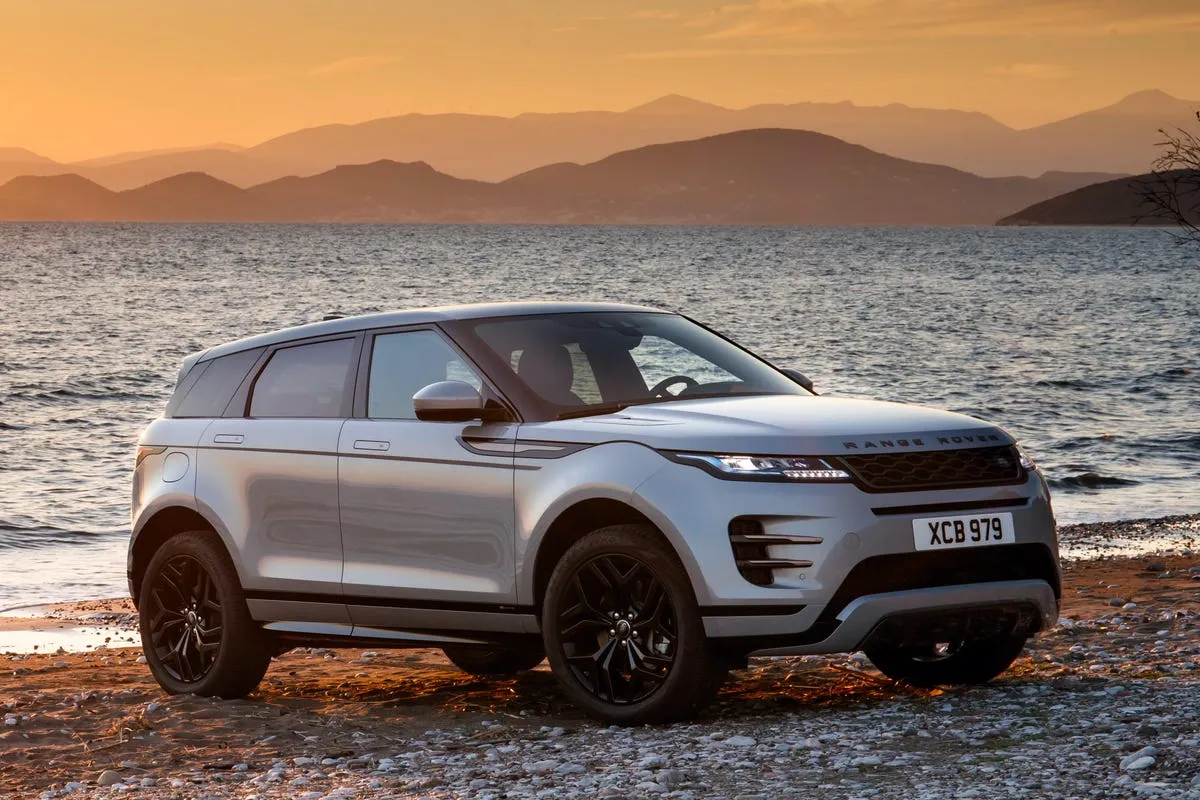
1. Range Rover Evoque
The Range Rover Evoque is widely admired for its design, compact luxury appeal, and premium branding, but its interior leather durability has often been a point of criticism in long-term ownership discussions.
While the cabin feels upscale when new, many owners notice that the leather does not age as gracefully as expected for a luxury SUV in its segment. The issue is not the initial quality alone, but the way the materials are engineered, with a strong emphasis on visual softness rather than long-term resilience.
One of the primary concerns with the Evoque interior is the use of heavily coated leather surfaces. These coatings are designed to give a smooth, uniform appearance, but they can become a weak point over time.
As the vehicle is exposed to repeated friction from daily use, especially on seat bolsters and entry points, the coating can begin to separate from the base material. This is what leads to the familiar peeling effect reported by many long-term owners.
Heat exposure accelerates this degradation significantly. In warmer climates or regions with strong sunlight, the surface layer tends to dry out and lose flexibility. Once the coating becomes brittle, even normal seating pressure can create microcracks that eventually expand into visible peeling. Parking habits and sun exposure play a major role in how quickly this process appears.
Another contributing factor is the softness of the seat design. The Evoque prioritizes comfort and a luxury feel, which often results in softer foam and more pliable leather surfaces.
While this improves initial comfort, it also increases long-term stress on the material because the leather stretches and compresses more frequently during everyday use. Over time, this repeated movement contributes to surface fatigue.
As a result, many Evoque owners report that while the interior remains visually attractive in the first few years, noticeable wear begins appearing around the four to five-year mark. Without consistent conditioning and careful use, the leather tends to lose its premium feel faster than more durability-focused SUVs.
- Engine: 3.6L V6 petrol
- Horsepower: 293 hp
- Torque: 352 Nm
- Length: ~4,828 mm
- Width: ~1,943 mm
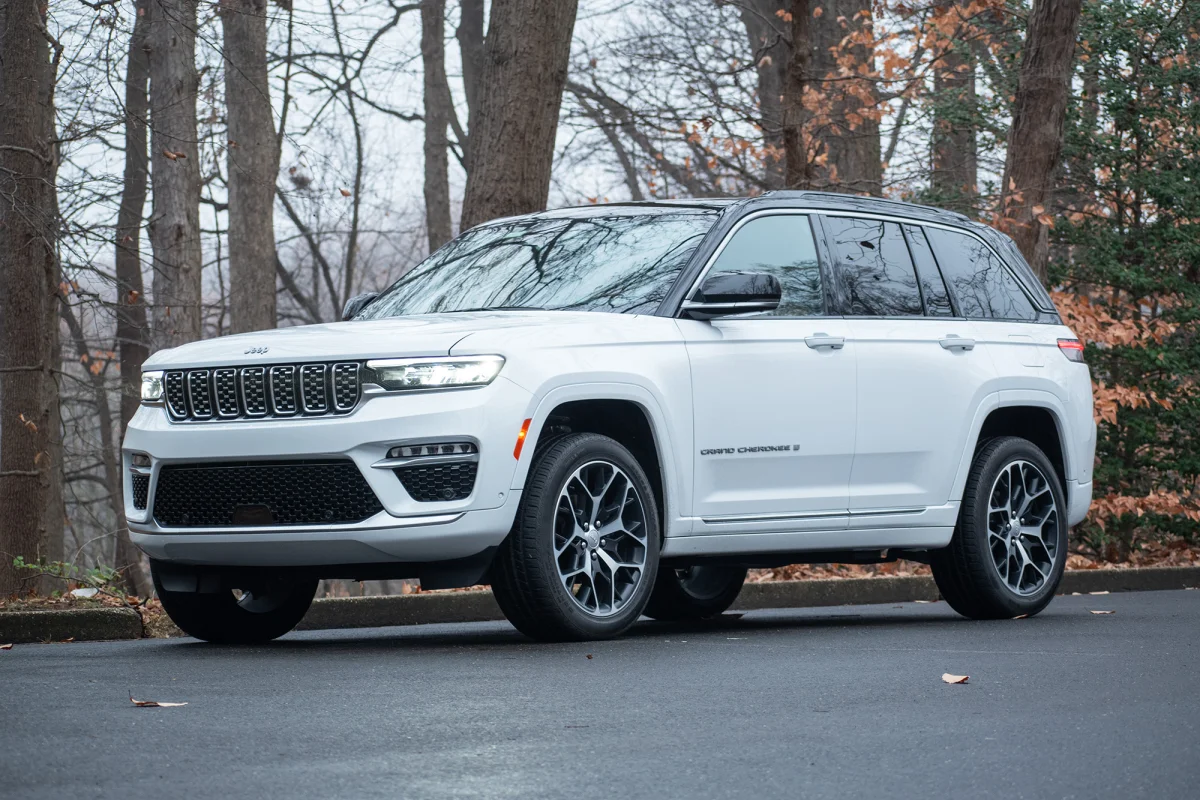
2. Jeep Grand Cherokee
Older generations of the Jeep Grand Cherokee have a mixed reputation when it comes to interior material longevity. While the SUV is valued for its capability and comfort, its leather durability has varied significantly depending on model year and trim level. In many cases, the leather used in mid-range trims was designed to achieve a balance between cost and appearance rather than long-term endurance.
One of the main issues is inconsistency in material quality. Some trims use higher-grade leather, while others rely on thinner, more processed hides or leather blends. These lower-grade materials tend to be more susceptible to surface wear, especially when exposed to frequent daily use. Over time, this inconsistency becomes visible as uneven aging across different seating surfaces.
Another factor is foam support beneath the leather. In certain model years, seat cushioning can compress unevenly, especially on the driver’s side. When foam loses its structure, it creates pressure points that force the leather to stretch beyond its ideal limit. This stretching accelerates cracking and can eventually lead to peeling in high-stress areas like seat edges and bolsters.
Climate sensitivity is another important consideration. In hot and dry environments, leather in older Grand Cherokee models can lose moisture quickly if not regularly conditioned. Once the material becomes dry, it loses elasticity and becomes more prone to surface damage. This is particularly noticeable in vehicles parked outdoors for long periods.
Despite improvements in newer generations, older Grand Cherokee models are often cited in long-term ownership discussions as vehicles where interior wear becomes noticeable sooner than expected, especially compared to more durability-focused SUVs in the same category.
- Engine: 3.0L turbocharged inline 6 petrol/diesel
- Horsepower: ~300 hp (varies by version)
- Torque: ~400 Nm
- Length: ~4,886 mm
- Width: ~1,938 mm
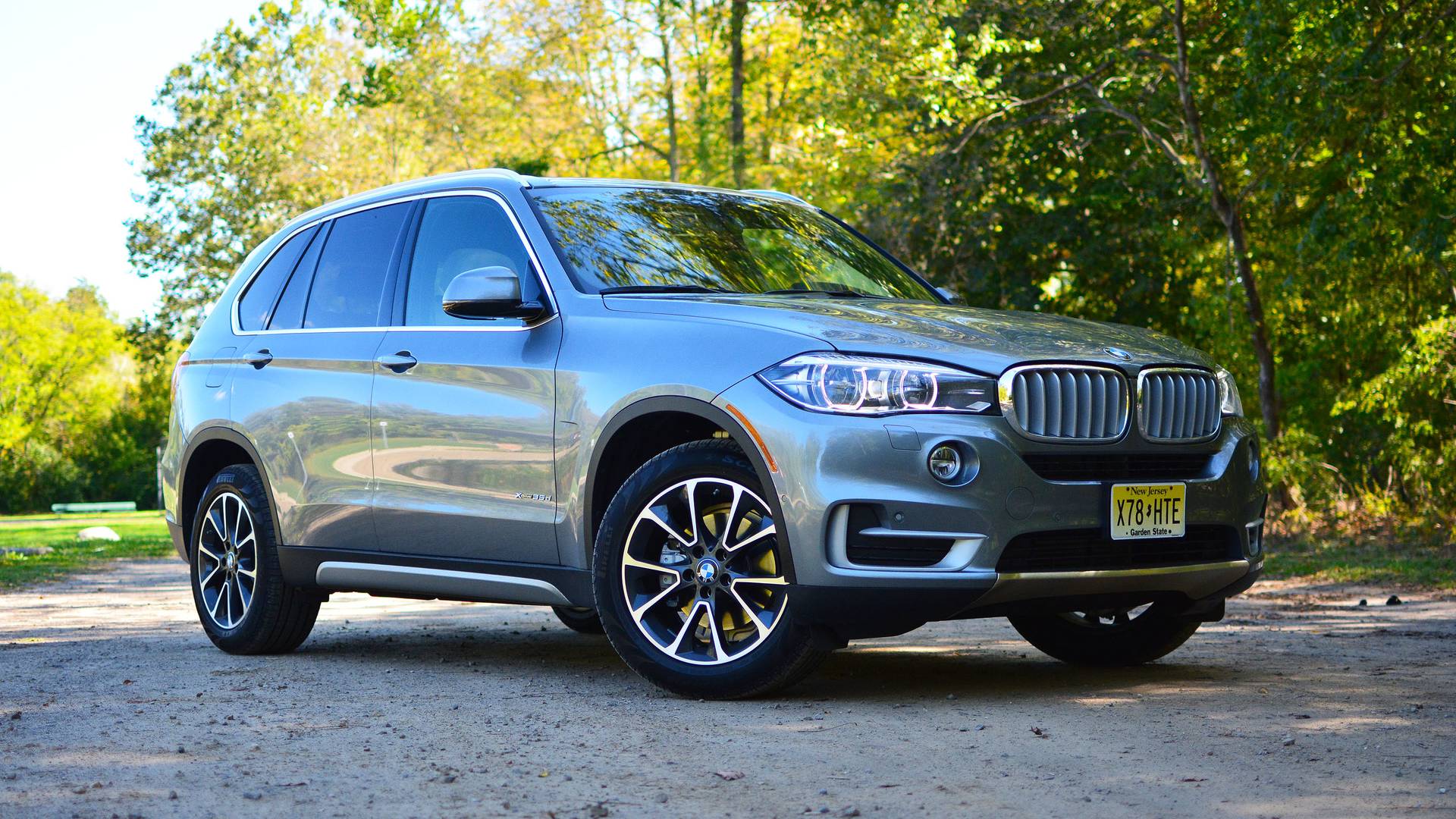
3. BMW X5
Older BMW X5 models are known for delivering a strong balance of performance and luxury, but interior durability has been more of a mixed experience depending on usage conditions. The leather used in many earlier generations emphasizes a soft, premium feel, which enhances comfort but can reduce resistance to long-term wear.
One of the most common issues is wear on seat bolsters. The X5 is often driven in a dynamic manner, and frequent lateral movement places additional stress on the outer edges of the seats. Over time, this repeated friction leads to visible creasing and breakdown of the leather surface. These areas are typically the first to show signs of aging.
Another contributing factor is the relatively thin protective coating used in some trims. While this helps preserve a natural leather feel, it also reduces the barrier against UV exposure and abrasion. As the coating wears down, the underlying leather becomes more vulnerable to cracking and surface damage, especially in vehicles that are regularly exposed to sunlight.
Heat and environmental conditions also play a role. In regions with high temperatures, parked vehicles can experience rapid cabin heating, which causes the leather to expand and contract repeatedly. This cycle weakens the material over time and can contribute to early signs of peeling, particularly in high-contact zones.
Although newer BMW X5 models have improved in material selection and durability, older versions are often remembered as SUVs where the interior luxury feel diminishes faster than expected under heavy use.
- Engine: 2.0L turbocharged inline 4 petrol
- Horsepower: 220 hp
- Torque: 350 Nm
- Length: ~4,629 mm
- Width: ~1,898 mm
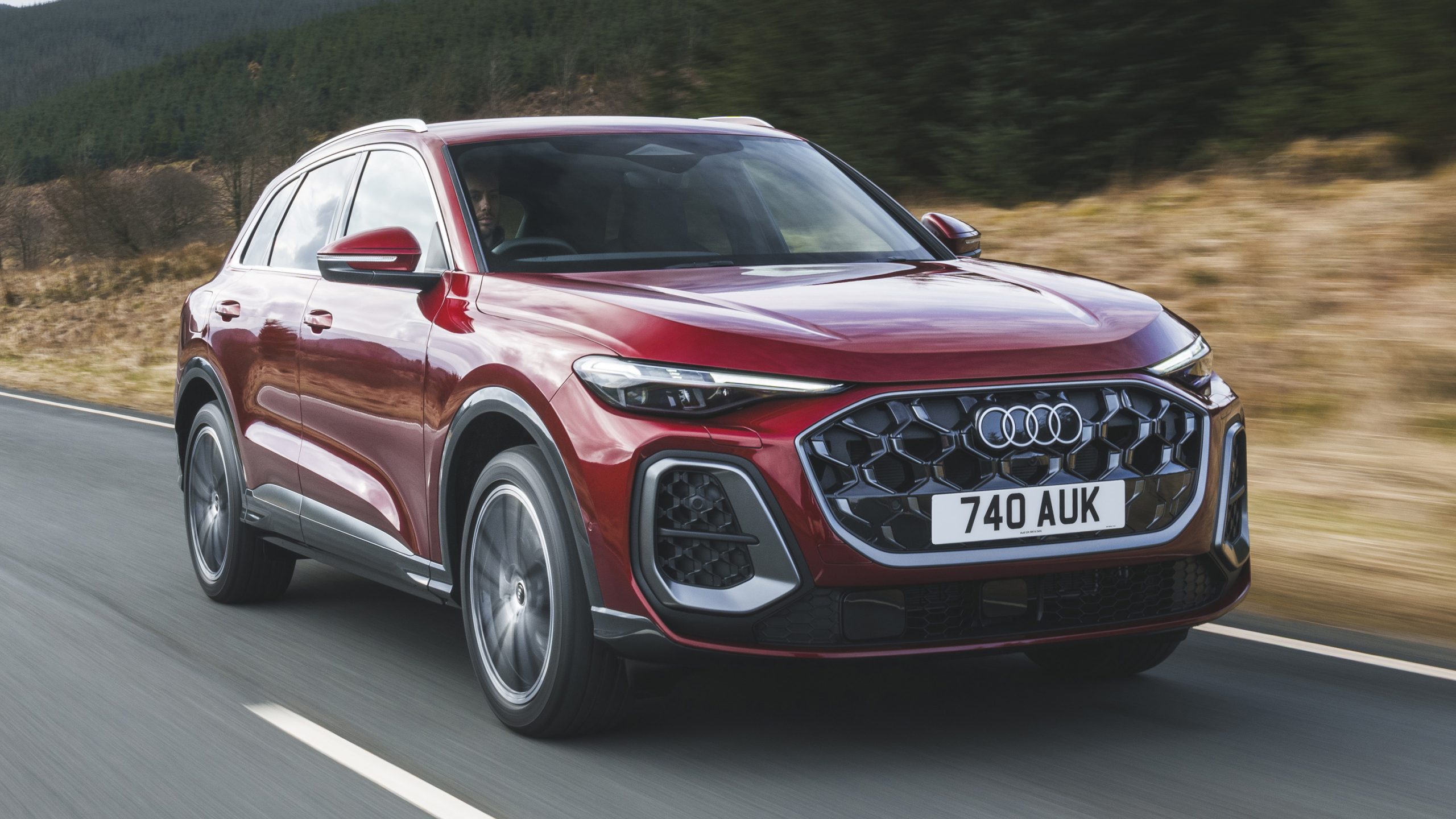
4. Audi Q5
Older Audi Q5 models are appreciated for their refined interiors and premium design language, but leather durability has not always matched the brand’s upscale image. In several model years, the focus on soft-touch materials resulted in leather that feels high quality initially, but is less resistant to long-term wear.
A key issue is the relatively thin leather used in certain trims. This thinness contributes to a luxurious tactile experience but reduces resistance to friction from daily use. Over time, areas such as seat bases and door side bolsters begin to show visible wear patterns more quickly than in more rugged competitors.
Another factor is the breakdown of surface coatings. In some cases, the protective layer applied to the leather can wear unevenly, leading to patchy textures and inconsistent coloration. Once this coating begins to degrade, the leather underneath becomes exposed to environmental stress, accelerating visible aging.
Seat ergonomics also influence durability. The Q5’s seating design, while comfortable, can create concentrated pressure points depending on driver posture and usage habits. These pressure points contribute to creasing and gradual weakening of the leather surface, especially in frequently used vehicles.
As a result, long-term owners of older Q5 models often report that while the interior remains visually appealing for the first few years, noticeable wear tends to appear earlier than expected, particularly in comparison to SUVs designed with heavier-duty interior materials.
- Engine: 3.5L V6 petrol
- Horsepower: 284 hp
- Torque: 351 Nm
- Length: ~5,042 mm
- Width: ~1,976 mm
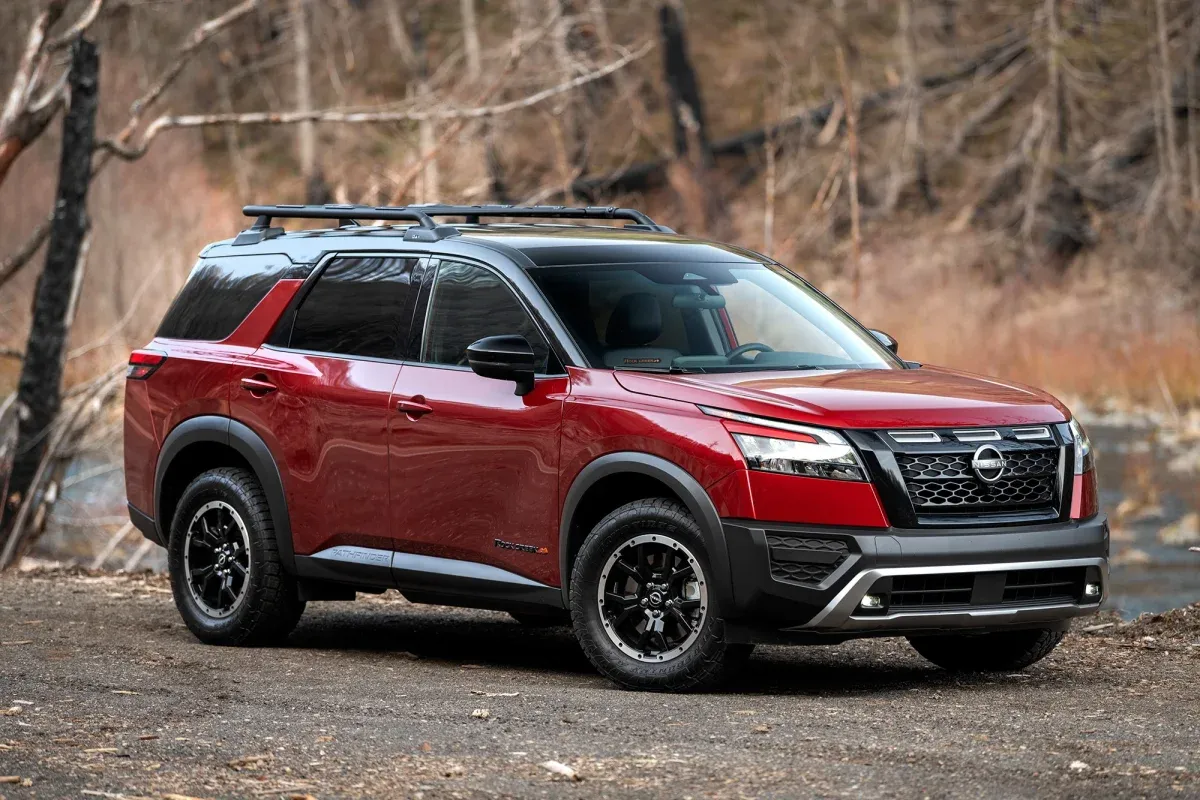
5. Nissan Pathfinder (Mid Trims)
Mid trim versions of the Nissan Pathfinder are practical and family-oriented, but their interior materials are generally not designed for long-term luxury durability. In many cases, these trims use leather or leatherette blends that prioritize cost efficiency and comfort over resistance to extended wear.
One of the main concerns is the use of synthetic or partially synthetic materials. These blends can replicate the appearance of leather when new, but they do not always age in the same way. Over time, they are more likely to develop surface stiffness, uneven texture, or peeling in high-contact areas.
Heat exposure significantly impacts these materials. In warmer climates, the surface can dry out and lose flexibility, which leads to visible cracking. Once this process begins, it tends to spread across seating surfaces relatively quickly compared to higher-grade natural leather.
Another issue is long-term abrasion from daily use. Family SUVs like the Pathfinder often experience frequent entry and exit, child seat usage, and cargo-related wear. These factors place continuous stress on the seat surfaces, which accelerates aging in mid-grade materials.
While the Pathfinder remains a strong choice for practicality and space, its interior materials are not typically designed to maintain a premium leather appearance beyond the mid-term ownership period, making visible wear by year five a common concern.
- Engine: 3.5L V6 petrol
- Horsepower: 290 hp
- Torque: 345 Nm
- Length: ~5,049 mm
- Width: ~2,004 mm
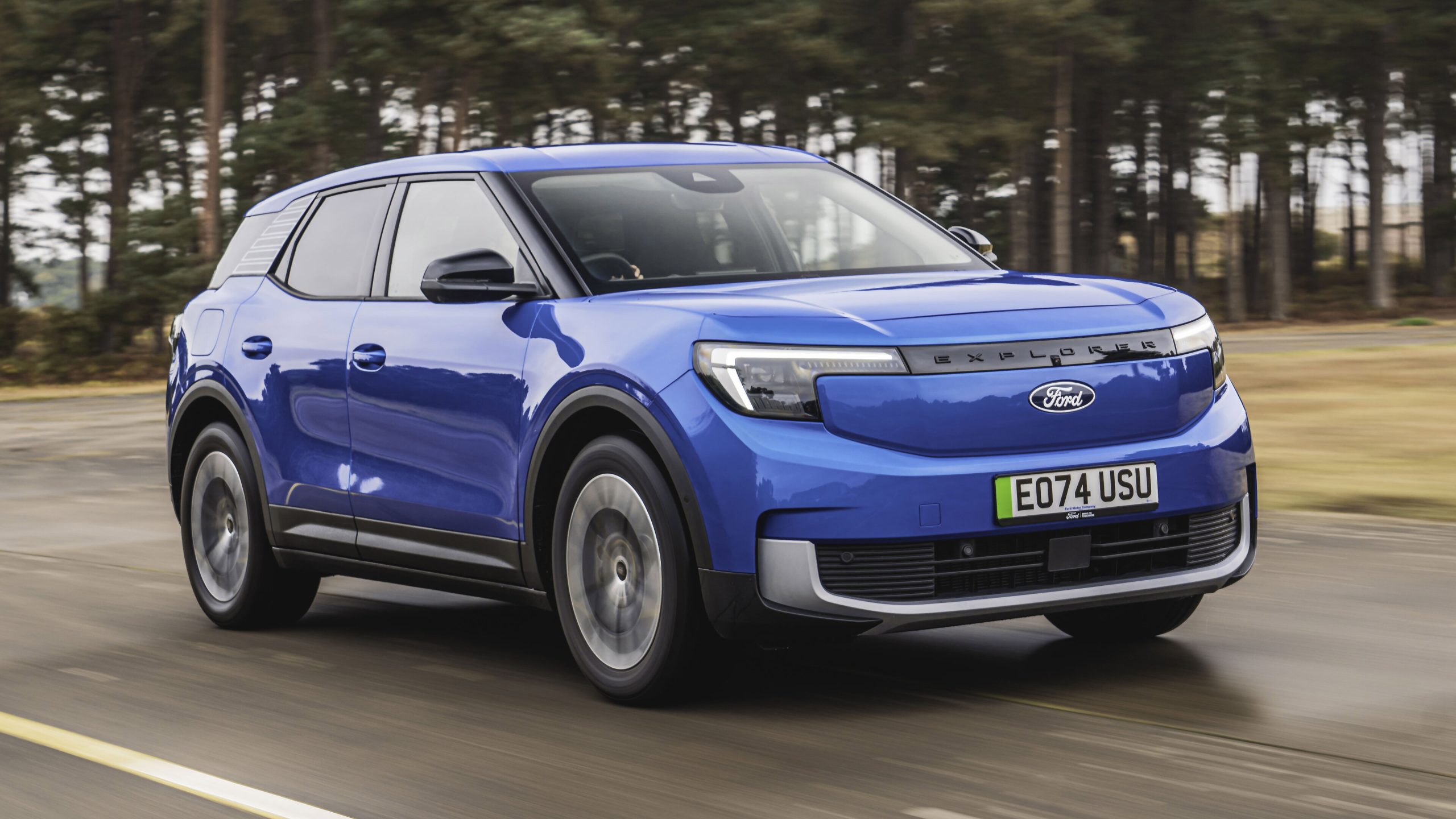
6. Ford Explorer
The Ford Explorer is one of the most widely used family SUVs, but its interior durability has varied across different generations and trims. While it offers comfort and convenience features, some versions use coated leather materials that prioritize appearance over long-term resilience.
A common issue is the breakdown of the surface coating. This coating helps create a smooth and attractive finish when new, but over time, it can begin to separate from the underlying material. Once this occurs, peeling and sticky textures may develop, particularly in high-use seating areas.
Driver seat wear is another frequent concern. Because the Explorer is often used as a primary family vehicle, the driver’s seat experiences constant pressure and friction. Over time, this leads to visible wear on bolsters and seat cushions, especially in vehicles without regular interior conditioning.
Environmental exposure also contributes to aging. Vehicles parked outdoors in hot climates are more likely to experience accelerated leather drying and fading. Repeated heating and cooling cycles weaken the material and can lead to early cracking.
Despite being a practical and widely trusted SUV, the Explorer’s interior leather durability is generally considered average rather than exceptional, with noticeable wear often appearing within the first five years under heavy usage conditions.
