
When buying a car in the United States, most people focus heavily on the purchase price, fuel efficiency, or styling. However, one of the most important long-term factors that often gets ignored is repair and maintenance cost.
A vehicle that seems affordable upfront can become very expensive over time if its parts are costly, difficult to source, or require specialized labor. On the other hand, some cars are designed with simplicity, mass production availability, and reliability in mind, making them significantly cheaper to repair and maintain over the years.
In the US automotive market, repair costs are influenced by several factors. These include how widely the car is used, the availability of aftermarket parts, the complexity of engineering, and whether independent mechanics can easily service the vehicle.
For example, common Japanese and some American economy cars tend to have lower maintenance costs because their parts are widely available and their engines are designed for durability and simplicity. In contrast, luxury European vehicles and high performance SUVs often come with advanced technology, specialized components, and imported parts, which drive repair costs significantly higher.
Another key consideration is labor cost. Even if a part itself is not extremely expensive, complex engineering can require more labor hours, specialized diagnostic tools, and dealership-only servicing. This increases the ownership cost substantially. Over time, this difference can amount to thousands of dollars in annual savings or expenses, depending on the vehicle you choose.
This article breaks down 6 cars that are known for being cheap to repair in the US, followed by 6 cars that typically have expensive parts and higher repair bills. Each vehicle is analyzed in detail based on maintenance trends, reliability reputation, and cost of ownership behavior commonly observed in the American market.
The goal is to help buyers make smarter financial decisions by understanding not just what they are buying, but what it will cost them to keep that vehicle running smoothly for years.
Whether you are a first-time buyer, a budget-conscious commuter, or someone considering a luxury upgrade, understanding repair economics is essential. A car is not just a one-time purchase, it is a long-term financial commitment. Choosing wisely can save you significant money, stress, and unexpected breakdown expenses over time.
Also Read: 5 Land Rover Models Worth the Risk VS 5 To Avoid
6 Cars Cheap to Repair in the United States
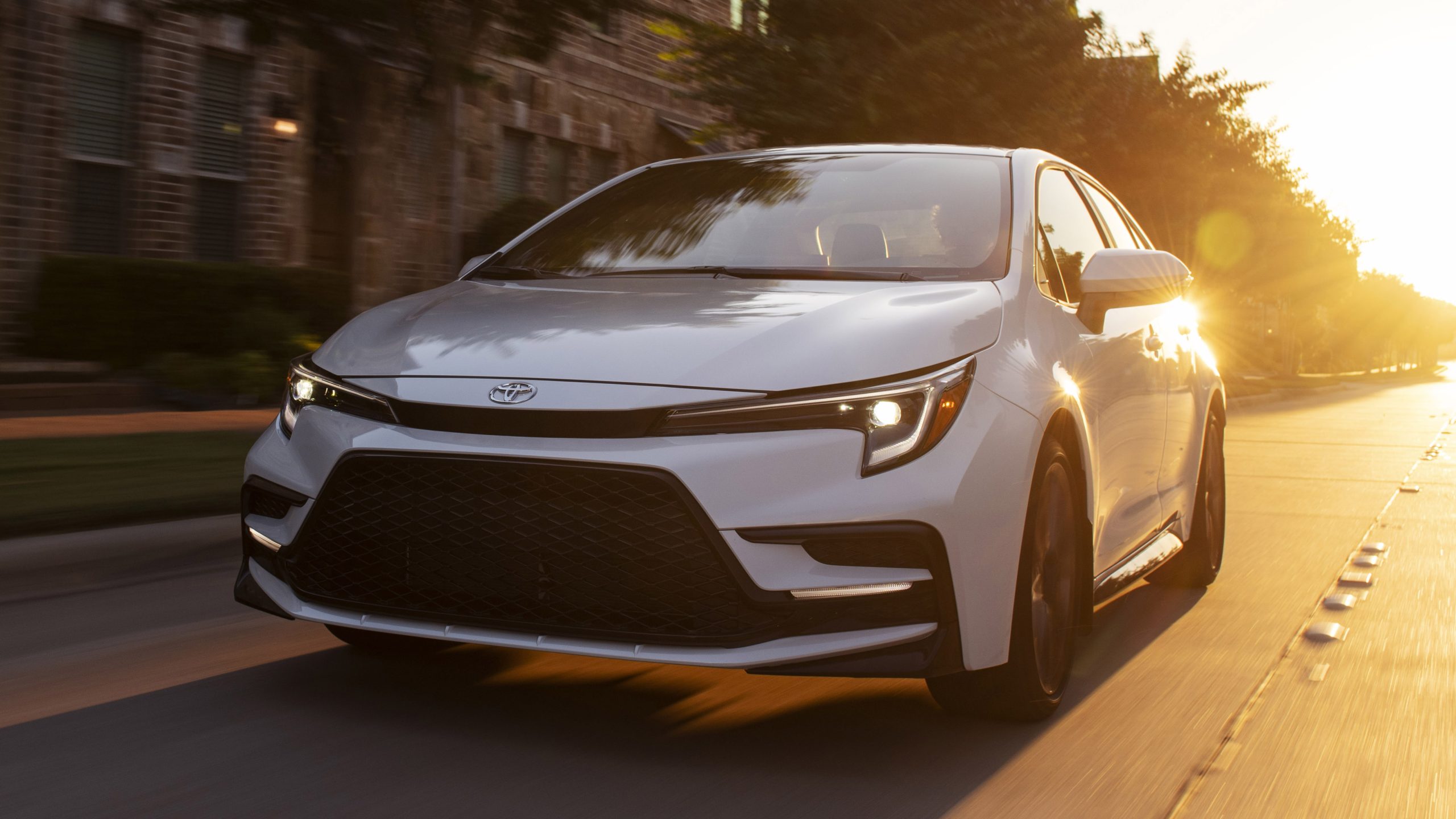
- Engine: 2.0L 4-cylinder (Dynamic Force engine)
- Horsepower: 169 hp
- Torque: 151 lb-ft
- Length: 182.3 inches
- Width: 70.1 inches
1. Toyota Corolla
The Toyota Corolla is one of the most consistently affordable vehicles to maintain in the United States because it is designed with long-term simplicity rather than complexity. Its engineering philosophy focuses on reliability over high performance, which means fewer advanced mechanical systems that could fail and require costly repairs.
This approach directly reduces the likelihood of expensive service visits over the life of the car. Owners benefit from predictable maintenance schedules and fewer unexpected breakdowns, which is a major factor in keeping ownership costs low.
Another major reason the Corolla remains inexpensive to repair is the enormous scale at which it is produced and used across the US. Because millions of Corolla vehicles are on the road, both OEM and aftermarket manufacturers produce parts in very high volumes.
This mass production significantly lowers the price of replacement components such as brake pads, suspension parts, filters, and engine components. Competition among parts suppliers also helps keep pricing stable and affordable for consumers in nearly every state.
The Corolla is also widely supported by independent repair shops, which is a key advantage for reducing labor costs. Mechanics across the country are extremely familiar with the platform, meaning diagnostic time is short, and repairs are straightforward.
There is rarely a need for specialized dealership-only tools, which allows owners to avoid expensive service centers. This accessibility ensures that even major repairs can often be completed at a reasonable cost compared to more complex vehicles.
Long-term durability is another important factor that contributes to the Corolla’s low repair expenses. The engine and transmission systems are engineered to last for high mileage with basic maintenance, such as oil changes and fluid replacements.
Because these core systems are highly reliable, owners are less likely to face major mechanical failures that require thousands of dollars in repairs. This reliability is one of the main reasons the Corolla consistently ranks at the top of low-cost ownership lists.
Even when repairs are needed, they tend to be simple, predictable, and relatively inexpensive. Whether it is a starter motor replacement, brake service, or routine suspension work, costs remain manageable for most US drivers. This combination of reliability, parts availability, and mechanical simplicity makes the Toyota Corolla one of the strongest choices for anyone seeking long-term affordability.
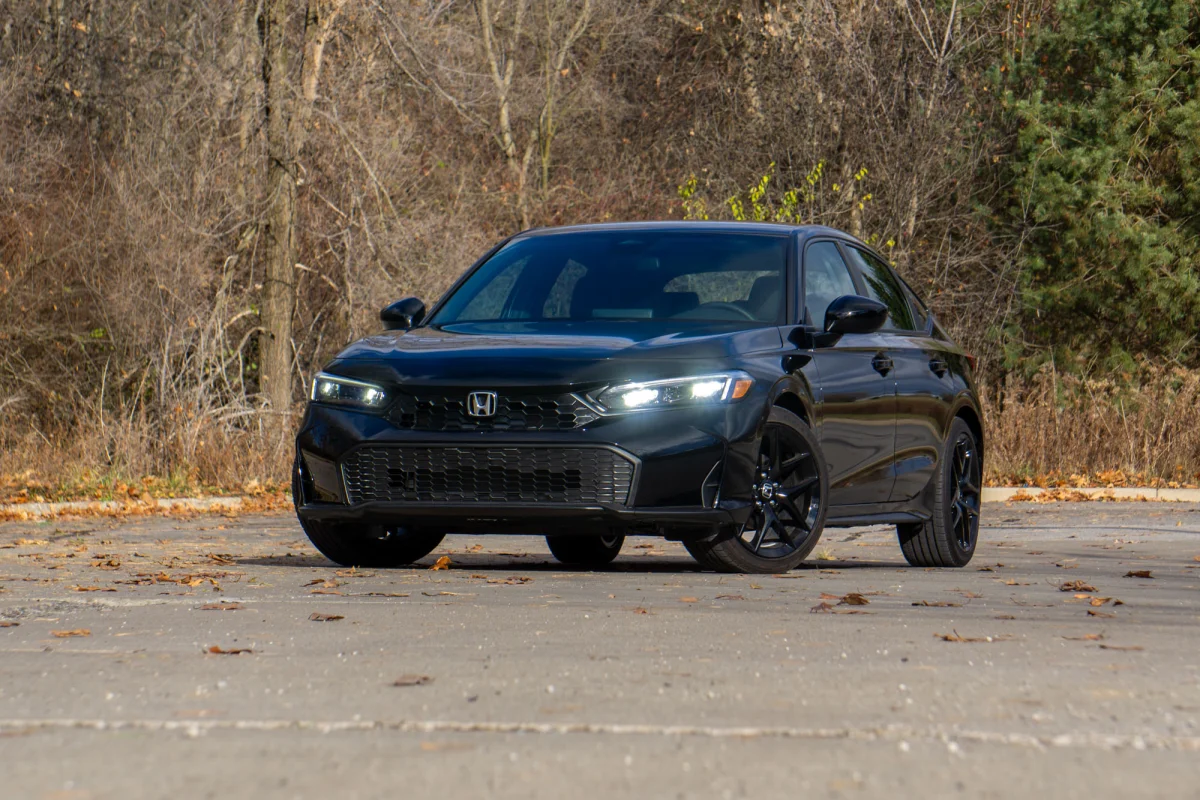
- Engine: 2.0L 4-cylinder (base) / 1.5L turbo (higher trims)
- Horsepower: 158 hp (2.0L) / up to 180 hp (1.5T)
- Torque: 138 lb-ft / up to 177 lb-ft
- Length: 184.0 inches
- Width: 70.9 inches
2. Honda Civic
The Honda Civic is widely regarded as one of the most cost-efficient vehicles to maintain in the United States due to its balanced engineering and strong reliability record.
Honda has designed the Civic to serve as a practical daily commuter vehicle, which means its systems are optimized for durability and fuel efficiency rather than complexity. This results in fewer breakdowns and lower long-term repair frequency compared to many competitors in the compact car segment.
The engineering simplicity of the Civic also plays a major role in keeping maintenance affordable. While modern versions include advanced technology, the core mechanical systems remain relatively straightforward compared to luxury or performance vehicles.
This allows independent mechanics to perform most repairs without specialized training or expensive diagnostic tools. As a result, labor costs remain significantly lower than those for vehicles that require dealership-only servicing.
Another advantage is the Civic’s strong reputation for long-term reliability under normal driving conditions. The engine and transmission systems are known for lasting well beyond 150,000 miles when properly maintained.
Because major failures are less common, owners typically spend most of their maintenance budget on routine services rather than unexpected repairs. This predictability makes it easier for drivers to plan long-term vehicle expenses.
The Honda Civic remains one of the most financially practical vehicles in the US market. Its combination of durability, low part costs, and easy serviceability ensures that owners enjoy some of the lowest total repair expenses in the compact car category.
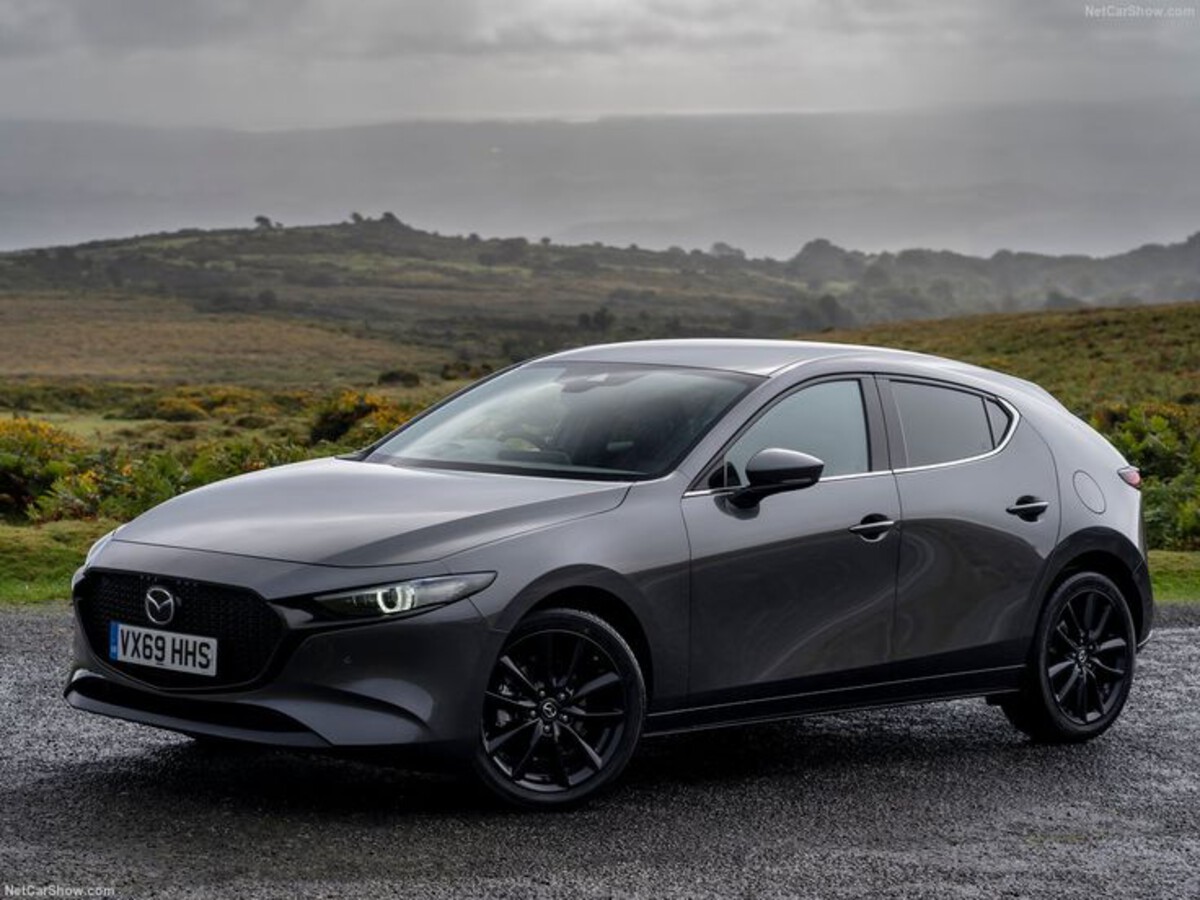
- Engine: 2.5L 4-cylinder
- Horsepower: 191 hp
- Torque: 186 lb-ft
- Length: 183.5 inches
- Width: 70.7 inches
3. Mazda3
The Mazda3 stands out in the compact car segment by offering a slightly more premium driving experience while still maintaining relatively low repair and maintenance costs.
Mazda has built a reputation for creating vehicles that balance performance, style, and efficiency without introducing unnecessary mechanical complexity. This design philosophy helps keep repair needs manageable over time while still delivering a more refined feel compared to basic economy cars.
Parts availability in the United States is another factor that helps keep Mazda3 repair costs reasonable. Because Mazda vehicles share components across multiple models, manufacturers can produce parts at scale, lowering pricing.
Additionally, the strong presence of Mazda in the US market ensures that aftermarket suppliers offer competitively priced alternatives for most repair needs. This allows owners to choose cost-effective solutions without sacrificing quality.
The Mazda3 is also relatively easy for independent mechanics to service, which helps reduce labor costs. While it includes modern features and technology, the mechanical layout is not overly complicated. This allows most repairs to be completed without dealership intervention. Shorter diagnostic times and easier part access further reduce total service expenses.
In the long term, the Mazda3 is often viewed as a smart middle ground between economy and premium compact vehicles. It offers better interior quality and driving dynamics than many rivals while still maintaining predictable and affordable maintenance costs. This makes it an appealing option for drivers who want value without sacrificing driving enjoyment.
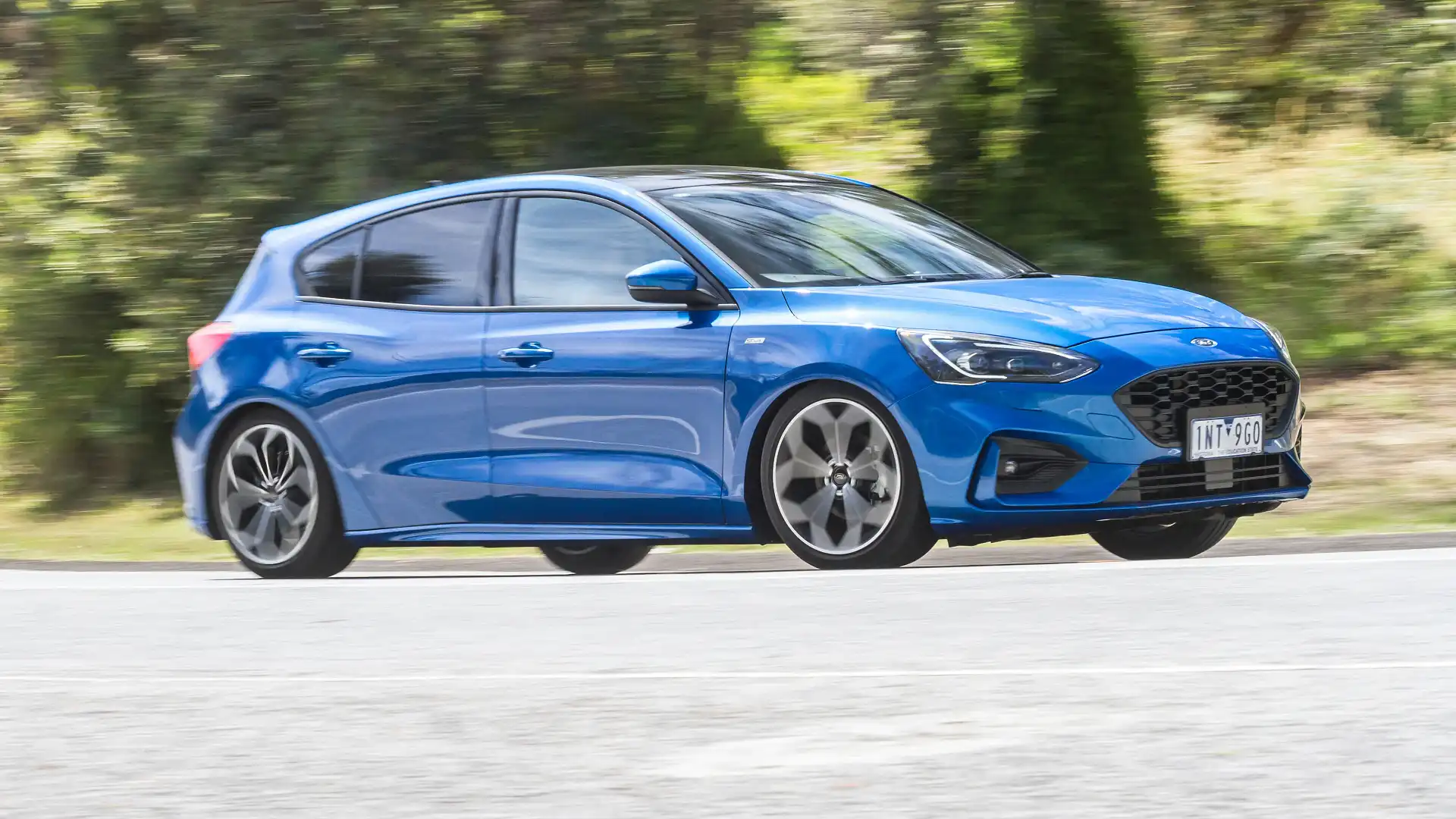
- Engine: 2.0L 4-cylinder (most common US trim)
- Horsepower: 160 hp
- Torque: 146 lb-ft
- Length: 178.7 inches
- Width: 71.8 inches
4. Ford Focus
The Ford Focus has long been one of the most widely used compact cars in the United States, and its popularity plays a major role in keeping repair costs low. Because so many units were sold over the years, there is a massive supply of replacement parts available across the country. This widespread availability makes it easy for owners to find affordable components quickly, whether new or used.
The mechanical structure of the Ford Focus, especially in earlier model years, is relatively straightforward compared to more advanced modern vehicles.
This simplicity allows mechanics to perform repairs with less diagnostic complexity and fewer specialized tools. As a result, labor costs are often lower, and repair times are shorter. Independent repair shops are generally well equipped to handle most Focus issues.
However, it is important to note that certain model years experienced transmission-related issues, which can increase repair expenses if those specific components fail. Even so, the cost of ownership remains relatively low because most other parts are inexpensive and widely available. Routine maintenance continues to be affordable even in higher mileage vehicles.
Despite some variability in reliability depending on the year, the Ford Focus remains one of the most cost-effective compact cars to maintain in the US. Its strong parts ecosystem and mechanical simplicity ensure that most repairs remain within a reasonable budget for everyday drivers.
- Engine: 2.0L 4-cylinder
- Horsepower: 147 hp
- Torque: 132 lb-ft
- Length: 184.1 inches
- Width: 71.9 inches
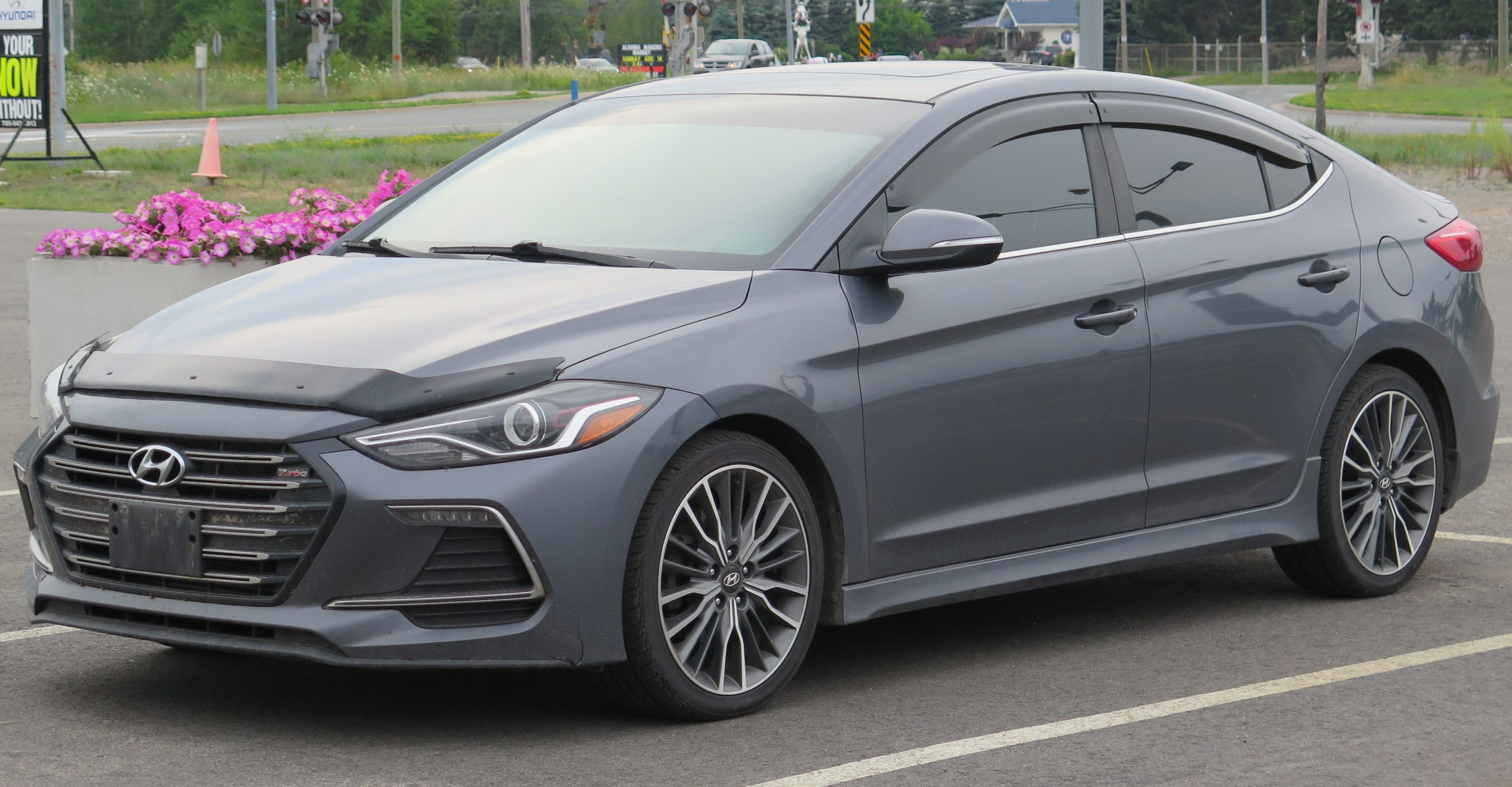
5. Hyundai Elantra
The Hyundai Elantra has evolved significantly over the years and is now recognized as one of the most affordable modern sedans to maintain in the United States. Hyundai has invested heavily in improving reliability, and this has resulted in a vehicle that experiences relatively few major mechanical issues compared to earlier generations. This improvement has helped reduce long-term repair costs for owners.
The Elantra benefits from simple and efficient engineering that prioritizes practicality. While newer models include modern features, the core mechanical systems remain straightforward and easy to service. This reduces labor complexity and allows independent mechanics to perform most repairs without difficulty. As a result, owners can avoid higher dealership service pricing in many cases.
Another factor that keeps costs low is the strong availability of replacement parts in the US market. Because the Elantra is a high-volume vehicle, both OEM and aftermarket suppliers produce parts in large quantities. This ensures that components such as brakes, filters, and suspension parts remain affordable and easy to source. Competitive pricing helps keep maintenance budgets low.
The Hyundai Elantra offers an excellent balance of modern design, reliability, and low maintenance costs. It is particularly appealing for drivers seeking a newer vehicle with predictable repair expenses and strong long-term value.
- Engine: 1.5L turbo 4-cylinder (base)
- Horsepower: 160 hp
- Torque: 184 lb-ft
- Length: 194.2 inches
- Width: 73.0 inches
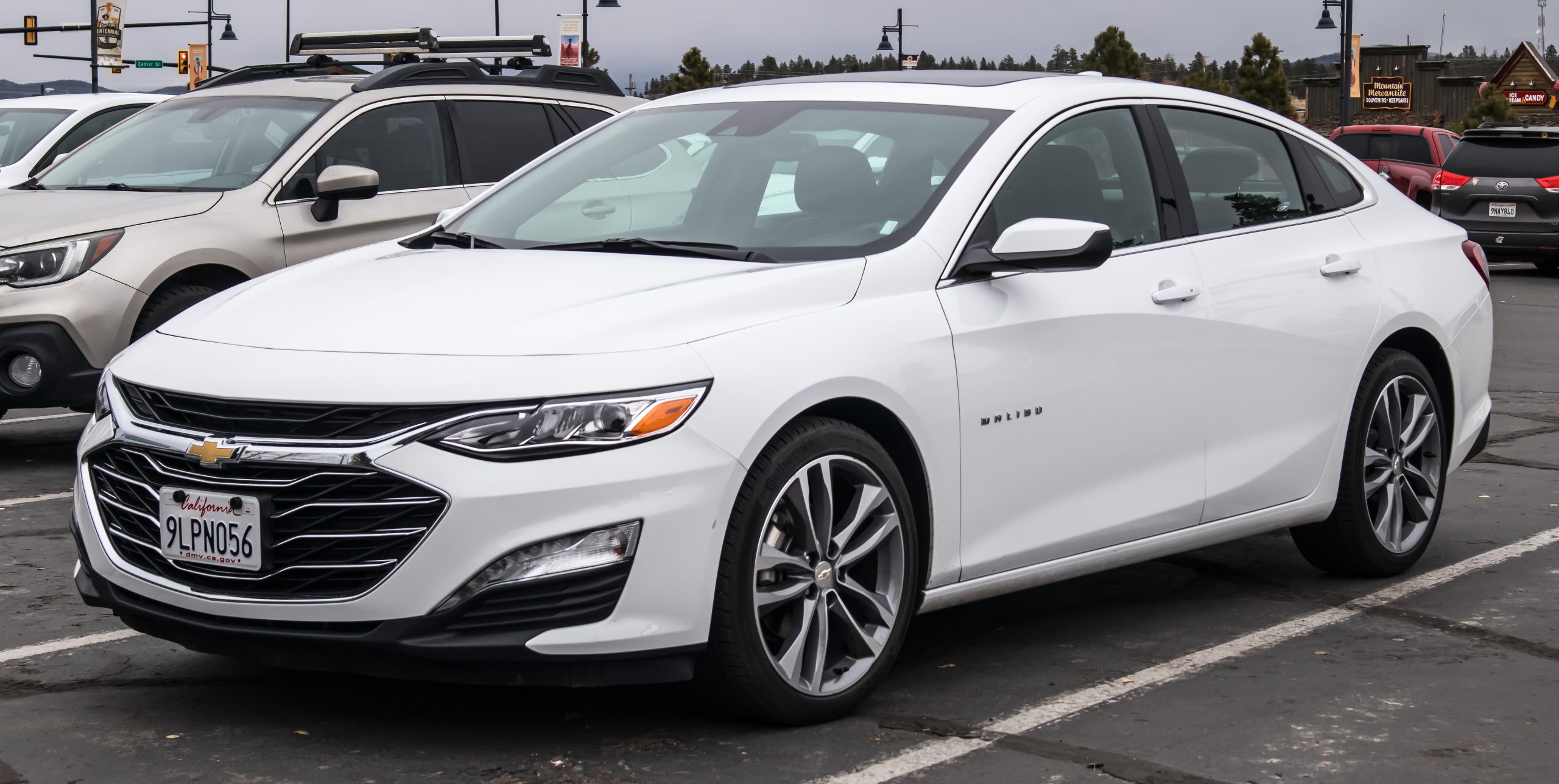
6. Chevrolet Malibu
The Chevrolet Malibu is a midsize sedan that offers a comfortable driving experience while maintaining relatively low repair costs compared to many other vehicles in its class. Being part of the General Motors lineup, it benefits from widespread parts sharing across multiple models, which helps reduce manufacturing and replacement costs. This shared platform strategy makes repairs more affordable for owners.
Another major factor contributing to lower repair costs is the strong availability of parts throughout the United States. Because Chevrolet is a major domestic brand, replacement components are stocked widely in auto parts stores and service centers. This accessibility reduces both waiting time and pricing pressure, making repairs more convenient and affordable.
The Malibu is also designed with mechanical systems that are familiar to most independent mechanics. This reduces diagnostic difficulty and ensures that repairs can often be completed without dealership-level intervention. As a result, labor costs remain moderate, and service times are generally shorter compared to more complex vehicles.
While some model years may experience minor issues, routine maintenance remains affordable and predictable. Common services such as brake replacement, battery changes, and suspension repairs are competitively priced in the US market. This helps keep long-term ownership costs within a reasonable range for midsize sedan buyers.
Also Read: 5 Cars Whose Interiors Age Well vs 5 That Wear Out Fast
6 Cars With Expensive Parts and High Repair Costs in the United States
- Engine: 3.0L turbo inline-6 (base) / 4.4L V8 (higher trims)
- Horsepower: 375 hp (I6) up to 536 hp (V8)
- Torque: 383 lb-ft up to 553 lb-ft
- Length: 212.2 inches
- Width: 76.8 inches
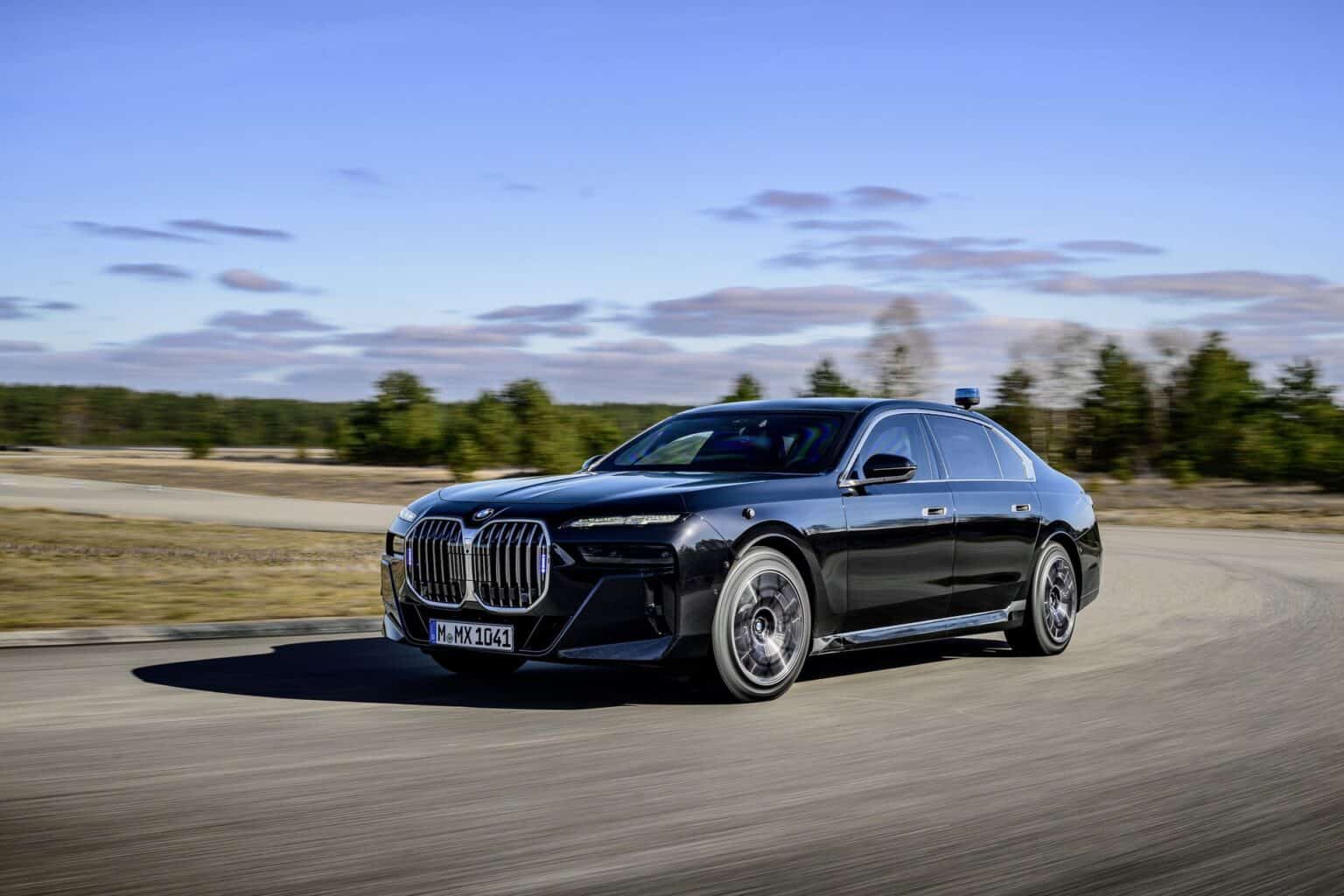
1. BMW 7 Series
The BMW 7 Series is one of the most technologically advanced luxury sedans available in the United States, but that level of sophistication directly contributes to its extremely high repair and maintenance costs. The vehicle is packed with complex systems such as adaptive air suspension, advanced driver assistance features, integrated infotainment modules, and highly engineered powertrains.
While these features deliver exceptional comfort and performance, they also make the vehicle significantly more complicated to diagnose and repair when something goes wrong. Even minor issues can require extensive troubleshooting due to the interconnected nature of its systems.
Another major factor that drives up repair costs is the price of replacement parts. Most components in the 7 Series are precision-engineered and manufactured to strict luxury standards, which means they are far more expensive than standard automotive parts.
Labor costs are also significantly higher for the BMW 7 Series. Repairs often require specialized diagnostic tools and software that are only available at authorized BMW service centers or highly trained European car specialists. Because of this requirement, independent mechanics are often unable to service many of the vehicle’s systems.
The complexity of repairs also means that technicians spend more time diagnosing and fixing issues, which increases hourly labor charges substantially.
The high-performance nature of the vehicle places more stress on components compared to standard cars. Engine tuning, transmission systems, and electronic controls are all optimized for performance and luxury, but this also increases wear and tear on parts over time. As the vehicle ages, maintenance costs tend to rise sharply, especially if multiple systems begin to fail simultaneously.
- Engine: 3.0L turbo inline-6 mild hybrid (base)
- Horsepower: 429 hp
- Torque: 384 lb-ft
- Length: 208.2 inches
- Width: 76.9 inches
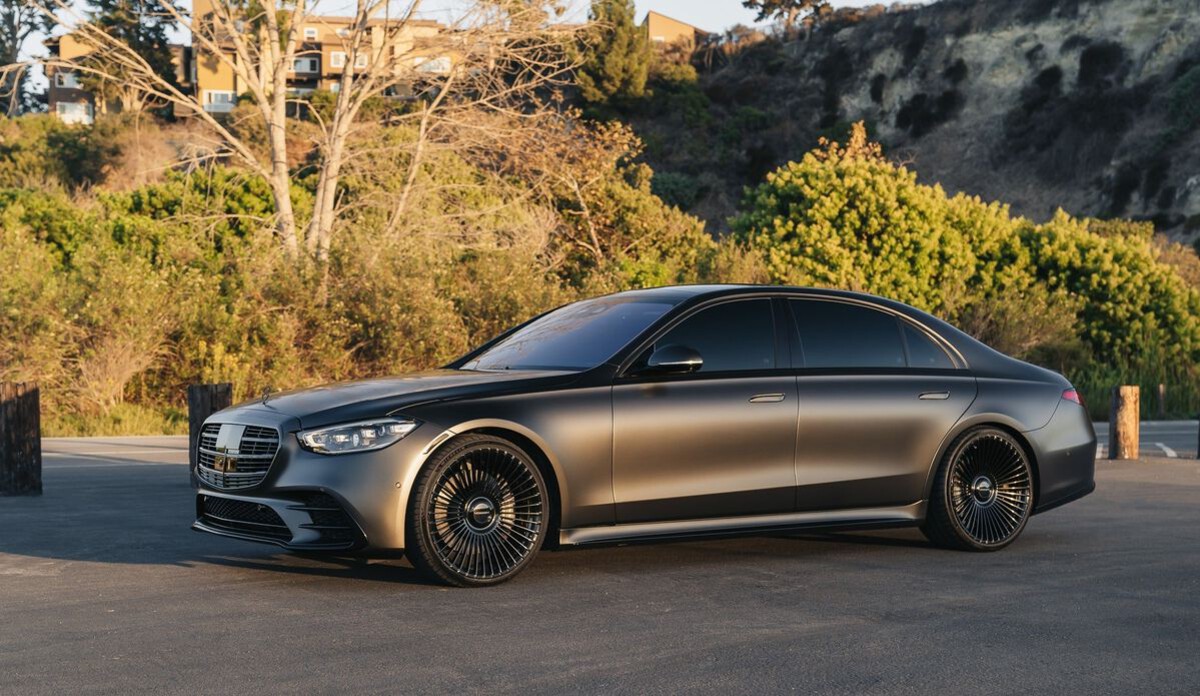
2. Mercedes-Benz S-Class
The Mercedes-Benz S-Class is widely regarded as the benchmark for full-size luxury sedans, but maintaining this level of engineering excellence comes at a very high cost.
The vehicle incorporates some of the most advanced automotive technologies available, including sophisticated suspension systems, high-end safety features, advanced climate control systems, and complex onboard electronics. While these features provide exceptional comfort and innovation, they also create a highly intricate system that is expensive to repair when issues arise.
One of the biggest contributors to high maintenance costs is the extreme complexity of its electronics. Many systems in the S-Class are interconnected through centralized control units, meaning that a single malfunction can require extensive diagnostic testing to locate the root cause.
This process often requires specialized equipment and software that is exclusive to Mercedes-Benz service centers, which increases both labor time and cost significantly.
Labor costs are another major factor. Repairs on the S-Class often require factory-trained technicians who understand the complexity of Mercedes systems. These technicians charge premium hourly rates, and because repairs are often time-consuming, the total service bill can escalate quickly. Even routine maintenance tasks can be significantly more expensive compared to non-luxury vehicles.
- Engine: 3.0L turbo V6 mild hybrid
- Horsepower: 335 hp
- Torque: 369 lb-ft
- Length: 208.7 inches
- Width: 76.6 inches
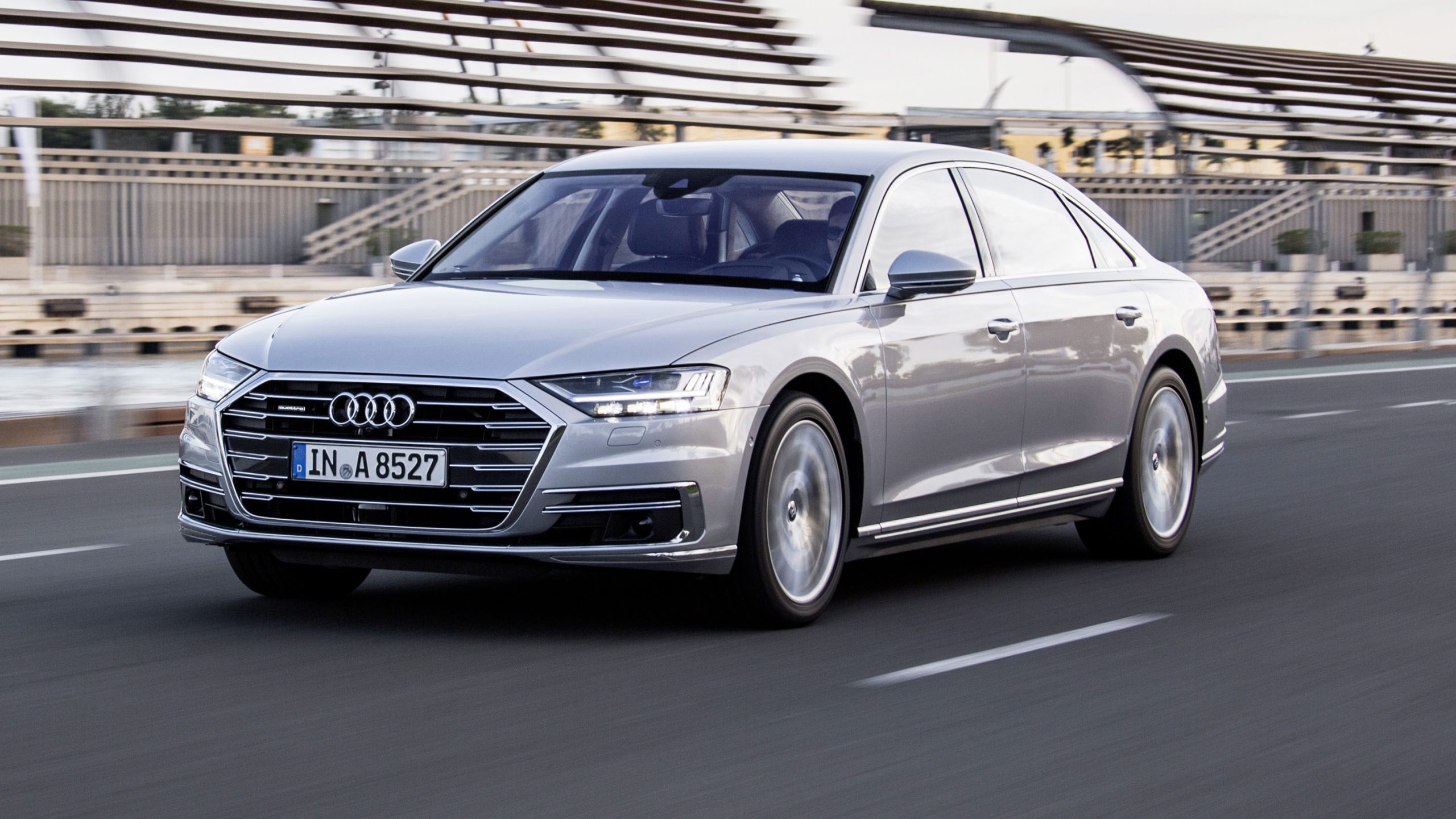
3. Audi A8
The Audi A8 is a flagship luxury sedan that combines performance, technology, and advanced engineering, but these same qualities make it expensive to repair and maintain.
The vehicle is built using lightweight materials such as aluminum, along with highly sophisticated electronic systems. While this improves performance, fuel efficiency, and driving dynamics, it also makes repairs more complex and costly when damage occurs.
One of the key reasons for high repair costs is the complexity of its structural and mechanical design. The aluminum-intensive construction requires specialized repair techniques that many standard workshops are not equipped to handle. Even minor body damage can require specialized tools and trained technicians, which increases repair expenses significantly compared to steel-bodied vehicles.
Another factor is the high price of replacement parts. Since the Audi A8 is a premium imported vehicle, many components are manufactured in Europe and shipped to the United States. This adds logistical costs and increases waiting times for parts availability. Even standard components like sensors, pumps, and control units are priced significantly higher than those found in mainstream vehicles.
- Engine: 3.0L inline-6 mild hybrid (base)
- Horsepower: 395 hp
- Torque: 406 lb-ft
- Length: 199.0 inches
- Width: 80.6 inches
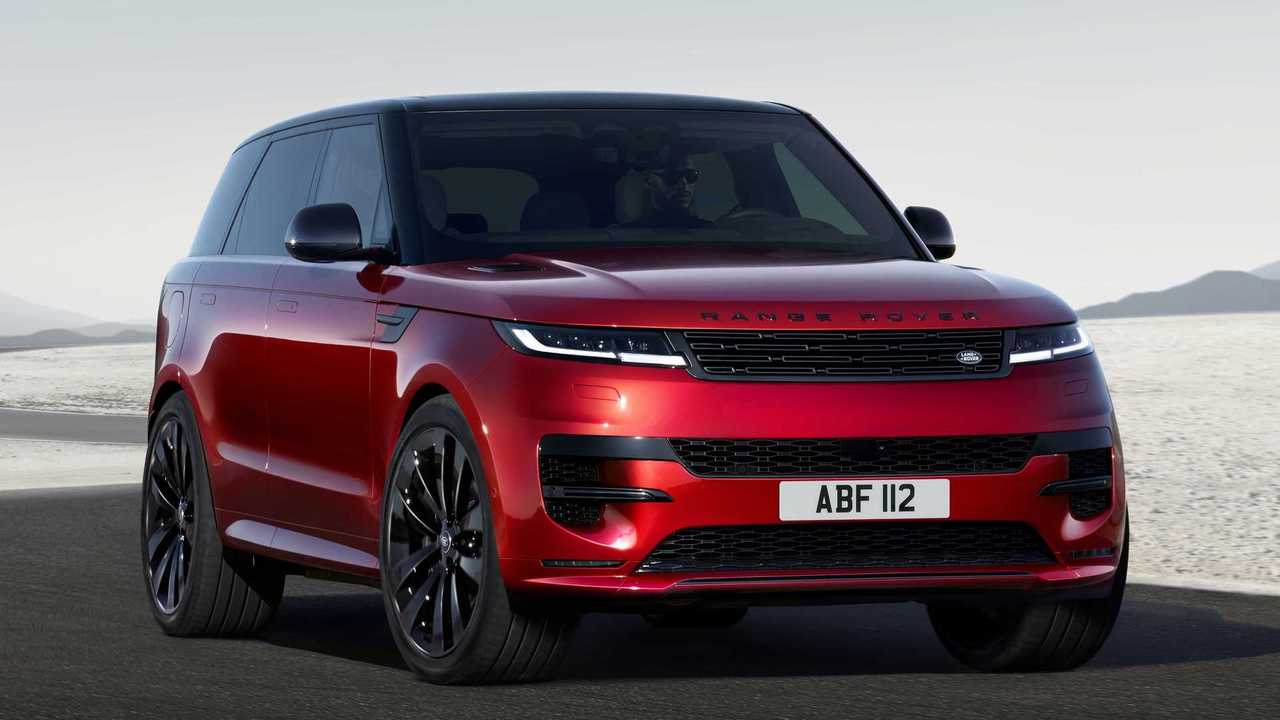
4. Land Rover Range Rover
The Land Rover Range Rover is a luxury SUV that combines off-road capability with high-end comfort, but it is also known for its expensive repair and maintenance costs in the United States.
The vehicle is engineered to handle a wide variety of terrains, which requires complex systems such as adjustable air suspension, advanced Four Wheel Drive systems, and multiple terrain management technologies. While these features enhance performance and versatility, they also introduce numerous points of potential failure that can be costly to repair.
Electrical system issues are another common source of high repair costs. The Range Rover includes a large number of electronic modules controlling everything from infotainment to drivetrain management.
When electrical faults occur, diagnosing them can be complicated and time-consuming, often requiring specialized diagnostic tools and dealership-level expertise. This significantly increases labor charges.
Parts availability and pricing also contribute to high maintenance costs. Many Range Rover components are imported and manufactured to luxury specifications, making them expensive to replace. Unlike mainstream vehicles, there is limited aftermarket support for many parts, which reduces affordable repair options for owners in the United States.
- Engine: Dual electric motors (AWD)
- Horsepower: ~670 hp (Long Range) / up to ~1,020 hp (Plaid)
- Torque: ~723 lb-ft (varies by trim)
- Length: 197.7 inches
- Width: 78.2 inches
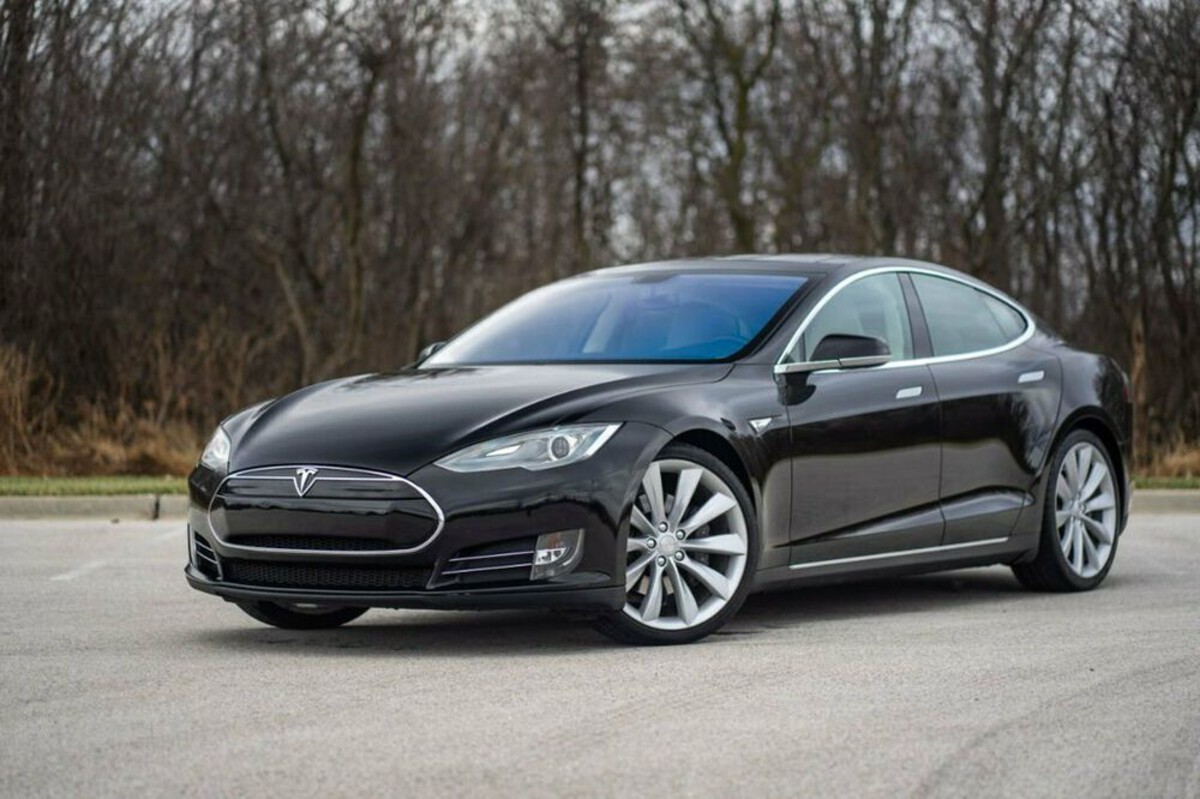
5. Tesla Model S
The Tesla Model S is a fully electric luxury sedan that offers low fuel costs and impressive performance, but it can still be expensive to repair depending on the nature of the issue.
Unlike traditional vehicles, the Model S relies heavily on battery technology, electric motors, and advanced software systems. While this reduces the need for many mechanical components found in gasoline cars, it introduces new categories of expensive repairs, particularly related to the battery pack and electronic systems.
One of the most significant cost factors is the high-voltage battery system. The battery pack is the most expensive component in the vehicle, and any serious damage or degradation can lead to extremely costly repairs or replacements. Even minor issues involving battery modules or thermal management systems can require specialized service and parts that are not easily repaired outside Tesla’s service network.
Another factor contributing to high repair costs is the limited availability of parts and service options. Tesla vehicles are not as widely supported by independent mechanics compared to traditional brands, meaning most repairs must be completed at authorized service centers. This reduces competition and often results in higher labor and service costs.

- Engine: 3.0L turbo V6 (base)
- Horsepower: 348 hp
- Torque: 368 lb-ft
- Length: 194.0 inches
- Width: 78.1 inches
6. Porsche Cayenne
The Porsche Cayenne is a high-performance luxury SUV that blends sports car engineering with practical utility, but this combination results in very high maintenance and repair costs in the United States. The vehicle is designed for performance driving, which means it uses advanced suspension systems, high-output engines, and precision-engineered components that are significantly more expensive than those found in standard SUVs.
One of the primary reasons for high repair costs is the performance-oriented nature of its parts. Components such as brakes, turbochargers, suspension systems, and drivetrain elements are built to handle high stress and performance demands. Because of this, they are manufactured to higher specifications and cost significantly more to replace when they wear out or fail.
Parts availability also contributes to higher expenses. Many components are imported from Europe and are not widely stocked in the US, which increases both cost and repair waiting times. Even routine maintenance items such as sensors, suspension components, and engine parts are priced at a premium compared to non-luxury SUVs.