
San Francisco is one of the most beautiful cities in America, but it is also one of the most punishing for drivers. The city’s legendary hills, serpentine streets, and microscopic driveways were built long before the SUV became the default American vehicle.
Space is one of the most valuable commodities in Bay City, and that reality extends directly to vehicle ownership. Narrow garage entrances often measure just 8 feet across, while many driveways provide only 16 to 18 feet of depth. Combined with the challenge of parking on the city’s steep streets, these limitations mean residents must think carefully about vehicle size and maneuverability. In many cases, selecting a car becomes a matter of practicality rather than personal preference.
The cars on this list were selected for their compact dimensions, tight turning radii, and urban agility. Each one measures under 175 inches in length, making them genuinely compatible with San Francisco’s residential realities.
They are also modern, safe, and enjoyable to drive, which matters on the rare occasion you escape the city onto the open roads of Marin County or the Peninsula. Whether you are a first-time buyer or a longtime resident finally surrendering the oversized pickup, these ten cars offer the best balance of small size and real-world livability.
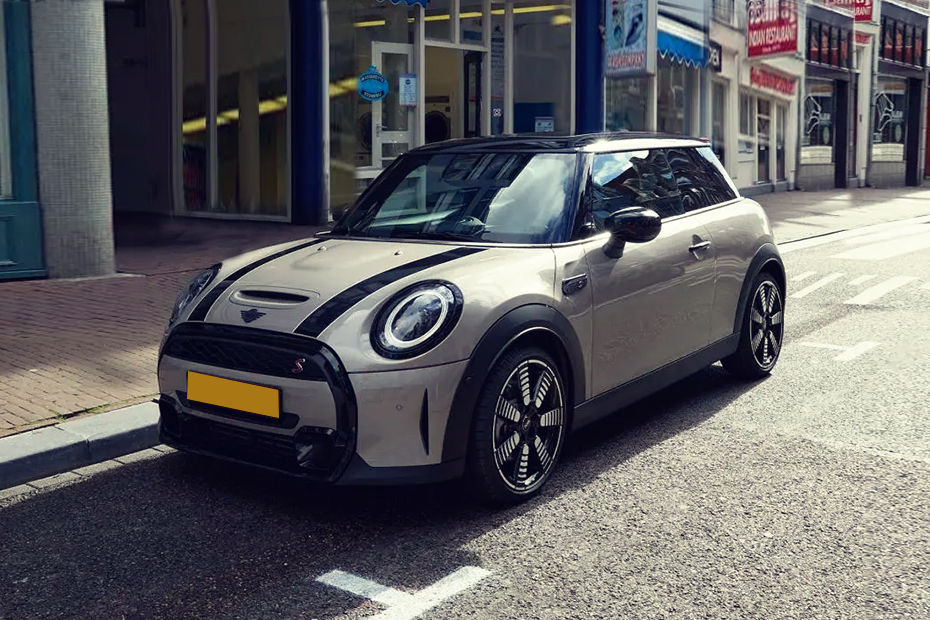
1. Mini Cooper Hardtop (3-Door)
The Mini Cooper Hardtop feels perfectly tailored for the challenges of city driving, especially in a place like San Francisco, where space is always at a premium. Its three-door configuration is the smallest and most maneuverable version of the Mini lineup, making tight streets, crowded neighborhoods, and limited parking far less stressful. Thanks to its compact footprint, it can squeeze into spots that are simply out of reach for most other vehicles. Combined with its unmistakable British-inspired character, the Hardtop delivers an urban driving experience that few rivals can match.
The driving experience is genuinely engaging. Mini engineers have always prioritized a go-kart-like handling character, and on San Francisco’s winding streets, that translates to enormous fun. The car feels nimble and responsive, with a quick steering rack that inspires confidence on tight corners. Its short wheelbase means it can pivot in spaces that feel impossibly small.
Inside, the cabin makes clever use of its compact footprint. The floating circular instrument cluster is a design signature, and the quality of materials has improved dramatically over recent generations.
Two adults sit comfortably, while rear passengers are best suited for shorter journeys. The trunk offers enough room for a week’s groceries from Trader Joe’s.
The turbocharged three-cylinder engine in the base Cooper delivers 134 horsepower. That figure sounds modest on paper, but in a car this light, it feels brisk and satisfying in city traffic. The Cooper S steps up to a punchy 189 horsepower four-cylinder, and the John Cooper Works variant pushes 231 horsepower. Fuel economy is excellent across the range, typically landing between 28 and 32 miles per gallon in combined driving.
One note of caution: Mini’s optional packages can push the price well above the base MSRP. Buyers should spec carefully to avoid sticker shock. The reliability has also improved under BMW ownership, though it still lags behind Japanese competitors in long-term dependability surveys.
Specifications:
- Engine: 1.5L Turbocharged 3-Cylinder (base) / 2.0L Turbocharged 4-Cylinder (S)
- Horsepower: 134 hp (base) / 189 hp (Cooper S)
- Length: 151.8 inches
- Width: 68.0 inches
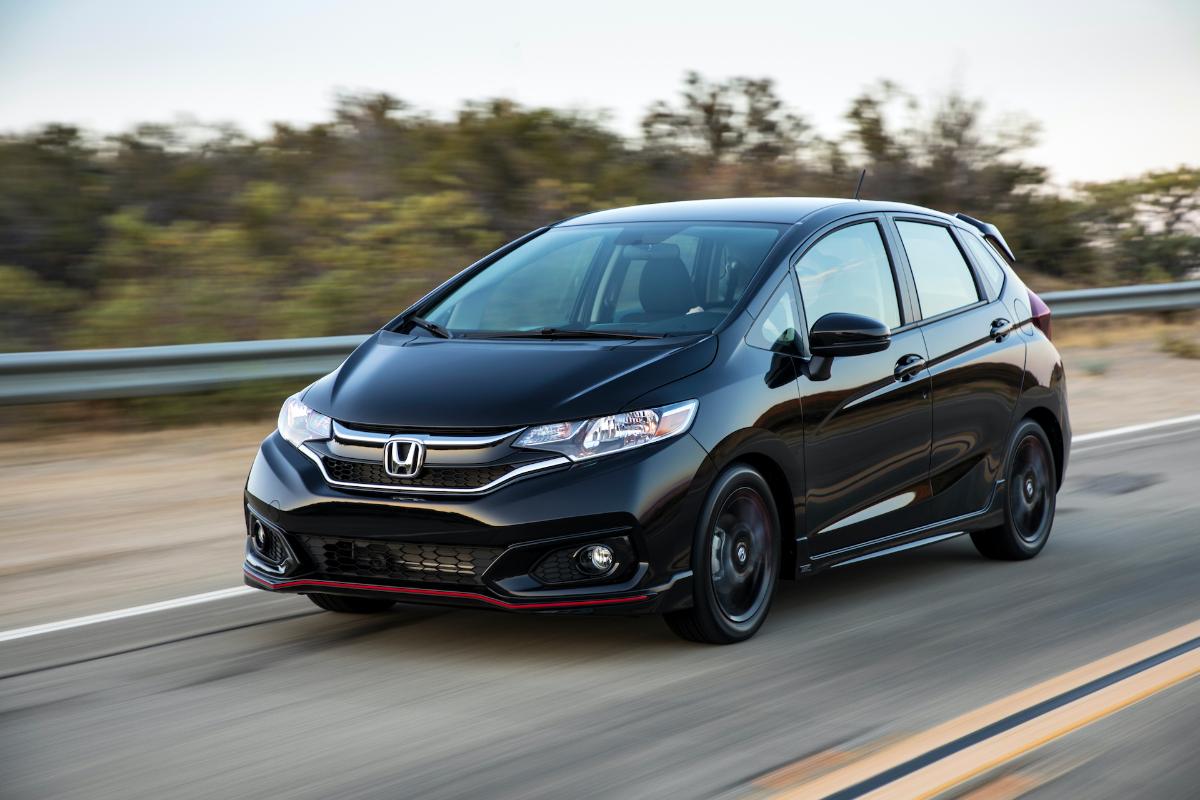
2. Honda Fit
The Honda Fit is a masterclass in packaging efficiency. It is a small car that somehow manages to swallow large objects, thanks to Honda’s ingenious Magic Seat system that allows rear seats to fold in multiple configurations. For San Francisco residents who need to haul bikes, surfboards, or flat-pack furniture, the Fit is an almost illogical choice in the best possible way.
Its compact exterior dimensions are the foundation of its urban appeal. The short nose means the front of the car stays within your eyeline, making it easy to judge tight parking maneuvers.
The large greenhouse that’s the glass area surrounding the cabin provides excellent visibility in all directions, a critical advantage when going through the city’s complex intersections.
The naturally aspirated 1.5-liter engine produces 128 horsepower. It is not a quick car by any measure, but it is smooth and cooperative in stop-and-go traffic. The continuously variable transmission (CVT) keeps the engine in its efficiency sweet spot, resulting in commendable fuel economy figures. Honda offers a 6-speed manual on certain trims, which adds a layer of engagement that city drivers often appreciate.
Honda’s reliability record for the Fit is outstanding. Owner satisfaction scores consistently rank among the highest in the subcompact segment. The car has a long reputation for requiring minimal maintenance beyond routine service intervals. Parts are widely available, and labor costs are reasonable, which matters in a city where car ownership is already expensive.
The interior quality is functional rather than luxurious. Materials are durable and easy to clean, which suits the urban environment. The infotainment system on recent models includes Apple CarPlay and Android Auto compatibility as standard. Ground clearance is adequate for San Francisco’s notorious speed bumps and driveway lips.
Specifications:
- Engine: 1.5L DOHC 4-Cylinder
- Horsepower: 128 hp
- Length: 160.6 inches
- Width: 66.7 inches
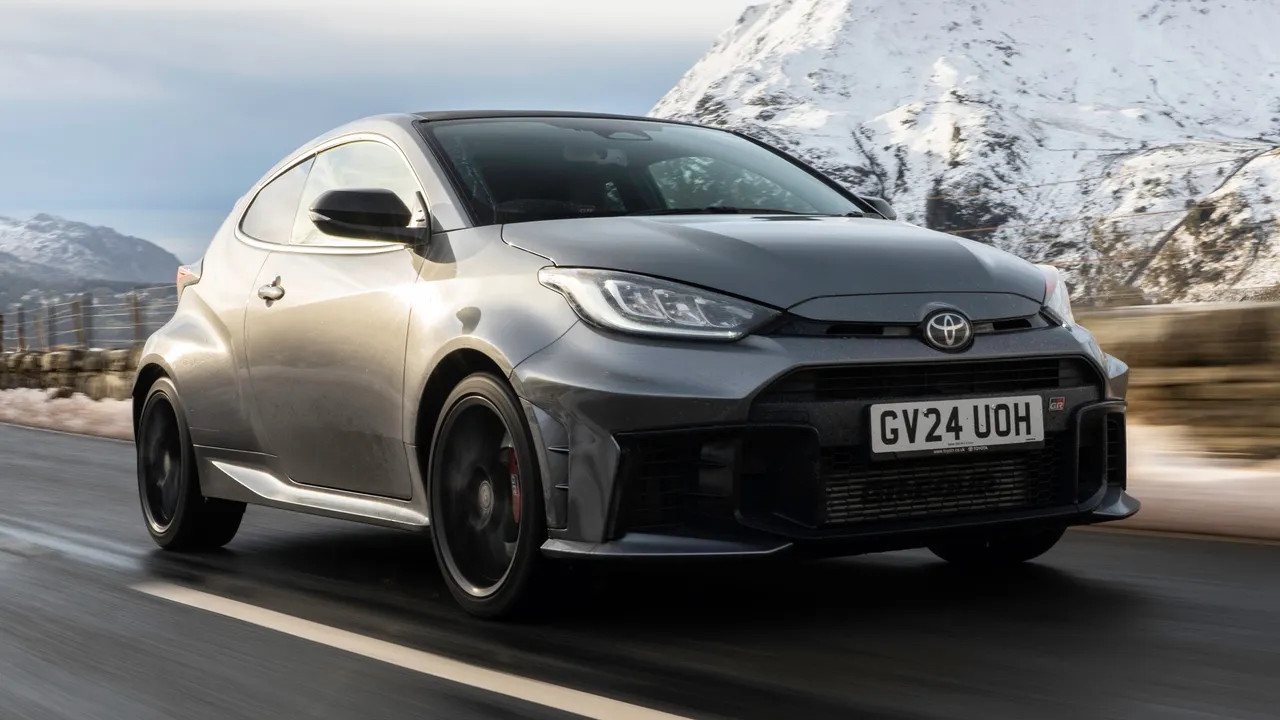
3. Toyota Yaris
The Toyota Yaris punches well above its weight class in terms of reliability and long-term value. It is one of the smallest cars sold in the American market, yet it does not feel cheap or under-engineered. Toyota’s obsessive attention to build quality ensures the Yaris remains rattle-free even after years of going through San Francisco’s notoriously rough pavement.
The car’s short length makes it exceptionally easy to park. Many San Francisco driveways that would reject a standard sedan will accept a Yaris without complaint. The turning radius is among the tightest in its class, allowing confident U-turns on streets where most cars would require a three-point maneuver.
Power comes from a 1.5-liter four-cylinder engine producing 106 horsepower. Acceleration is modest but adequate for urban use. The engine feels smooth at city speeds and manages highway merges with deliberate effort. Fuel economy is the Yaris’s strong suit, with EPA estimates approaching 40 miles per gallon on the highway. For a commuter making multiple short trips across San Francisco each day, the running costs are remarkably low.
The interior is straightforward and well-organized. Toyota avoids the mistake of cramming unnecessary complexity into the dashboard. Everything works intuitively, which reduces driver distraction. Rear seat space is tight, and the Yaris is best considered a strict four-seater rather than a five-passenger vehicle in practice.
Toyota’s long-term reliability data for the Yaris is difficult to argue with. The powertrain, in particular, has an excellent track record for durability. Owners routinely report reaching 150,000 miles with nothing beyond standard maintenance. In San Francisco’s stop-and-go commuting conditions, that kind of durability is genuinely valuable.
Specifications:
- Engine: 1.5L DOHC 4-Cylinder
- Horsepower: 106 hp
- Length: 161.6 inches
- Width: 66.5 inches
4. Fiat 500
The Fiat 500 is arguably the most stylistically expressive car on this list. Its retro-inspired Italian design turns heads on Market Street the same way it does on Milan’s Corso Buenos Aires. For San Francisco residents who view their car as an extension of personal identity, the 500 makes a statement that few cars in its price range can match.
Its dimensions are genuinely tiny. The Fiat 500 is shorter than most subcompacts, making it one of the easiest cars to fit into San Francisco’s most challenging driveways. The compact footprint also means it can slip into parallel parking gaps that other drivers would pass by entirely. In a city where parking anxiety is a daily reality, that represents a real quality of life improvement.
The turbocharged 1.4-liter engine produces 101 horsepower in base form, rising to 135 horsepower in the Abarth performance variant. Neither figure is remarkable, but the engine revs willingly and pairs well with the car’s light weight. The Abarth in particular offers a surprisingly sporty soundtrack that makes the daily commute feel like more of an occasion.
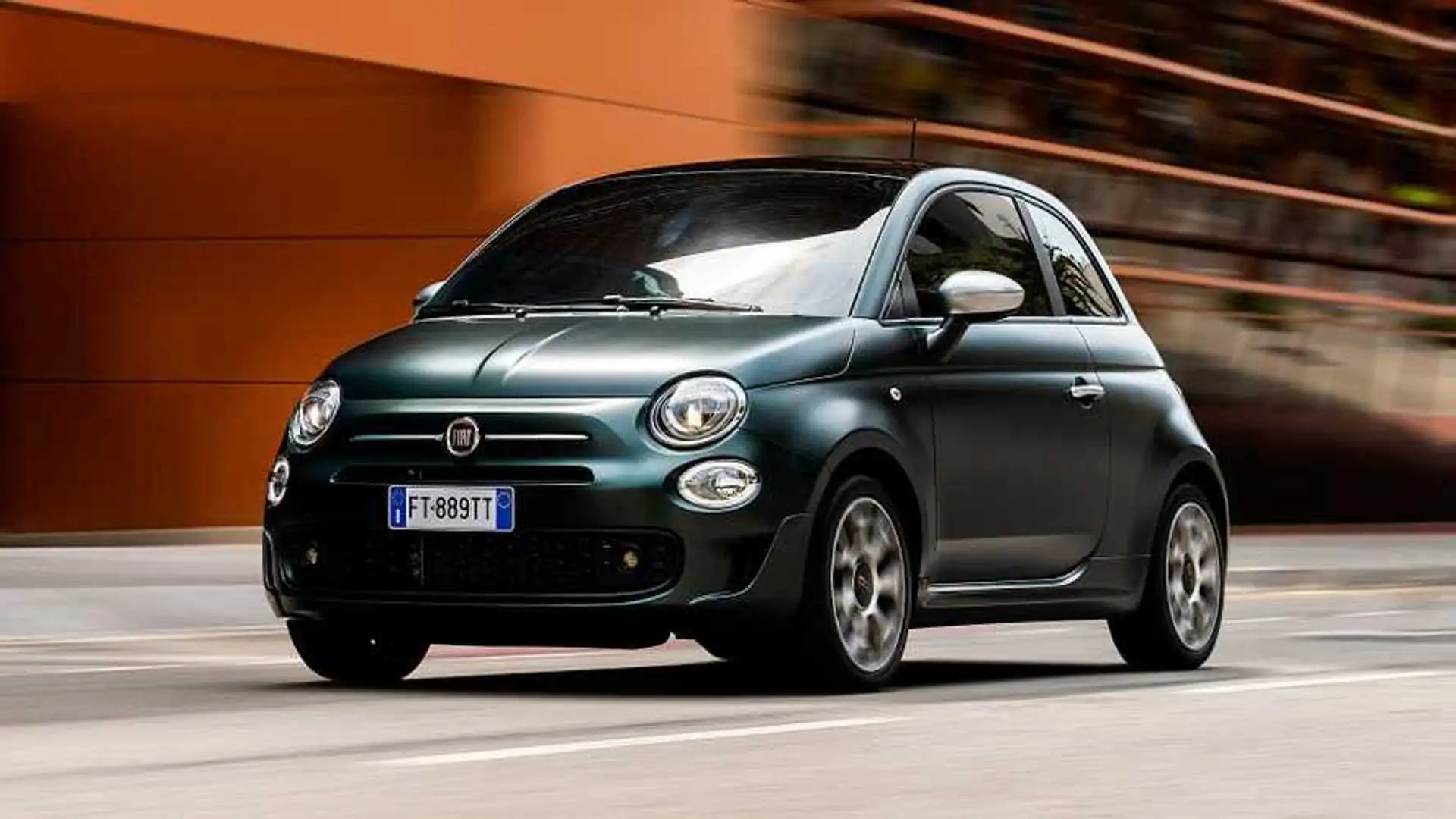
Fiat’s reliability record is the honest caveat that must accompany any recommendation. Owner satisfaction surveys and long-term reliability data place the 500 below average compared to Japanese competitors. The electrical systems, in particular, have drawn criticism over the years. Buyers should budget for higher-than-average maintenance costs and ideally source a certified pre-owned example with remaining warranty coverage.
The interior design is charming but compact. The dashboard curves are aesthetically pleasing, and the color customization options are genuinely extensive. Practical storage is limited, and rear passengers will find legroom very tight. The 500 is best thought of as a stylish urban commuter for one or two occupants rather than a practical family car.
Specifications:
- Engine: 1.4L MultiAir Turbocharged 4-Cylinder
- Horsepower: 101 hp (base) / 135 hp (Abarth)
- Length: 139.6 inches
- Width: 64.1 inches
Also Read: 10 Cars That Can Be Remotely Disabled If Stolen
5. Chevrolet Spark
The Chevrolet Spark is the most affordable new car available in the United States, and for cash-conscious San Francisco residents, that price point is a genuine differentiator. It costs far less than competing subcompacts at the dealership, and its small engine keeps insurance and fuel costs low throughout ownership. In one of the country’s most expensive cities, those savings compound meaningfully over time.
The Spark’s diminutive size is its defining urban advantage. At just under 143 inches long, it is shorter than a Fiat 500 and dramatically shorter than any mainstream sedan. San Francisco driveways that struggle to accommodate mid-size cars will accept the Spark without hesitation. Its turning circle is impressively tight for a front-wheel-drive vehicle.
The 1.4-liter naturally aspirated engine produces 98 horsepower. Performance is modest, and the Spark requires patience during freeway on-ramp acceleration. In city driving, however, the engine feels adequate and rarely strained. The continuously variable transmission smooths out the power delivery in stop-and-go conditions. Fuel economy is strong, with real-world averages typically settling around 31 miles per gallon in mixed urban use.
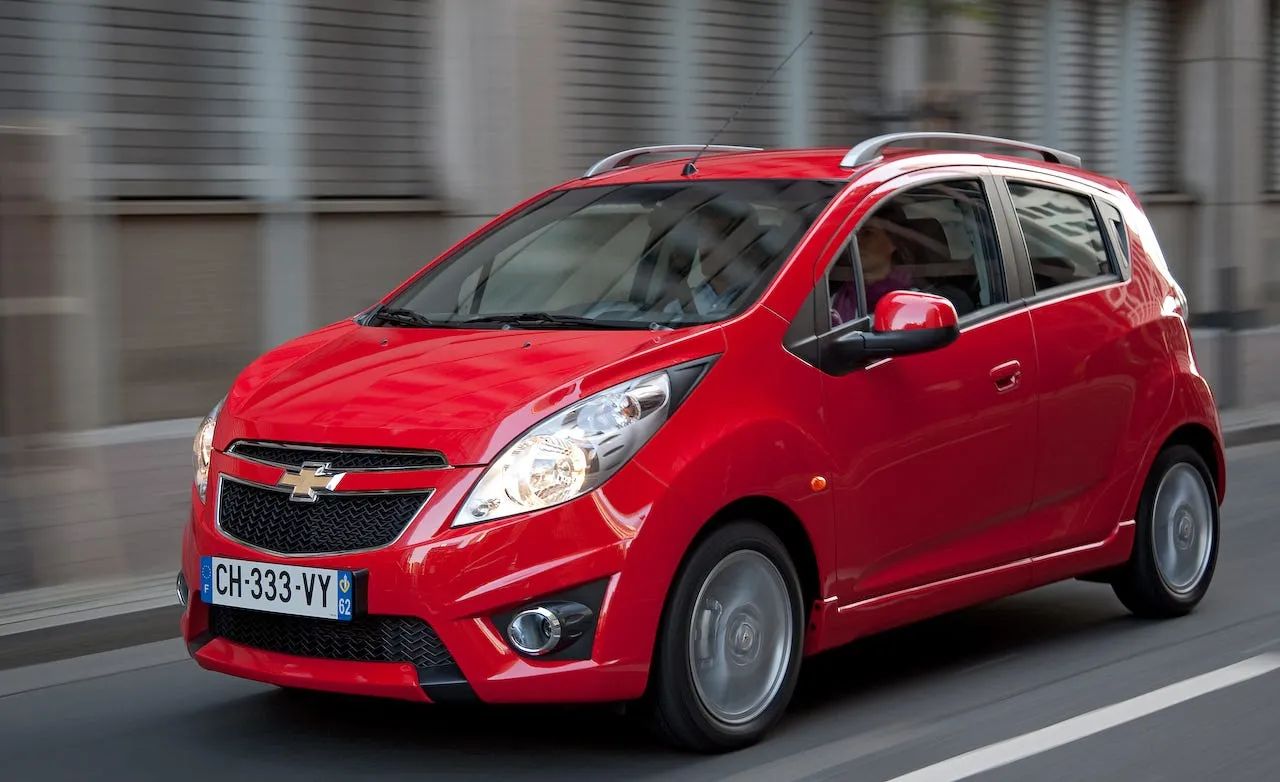
General Motors equips the Spark with a surprisingly capable infotainment system on upper trims. Apple CarPlay and Android Auto are included, which is notable at this price point.
The 7-inch touchscreen interface is responsive and logically organized. Wi-Fi hotspot capability adds a genuinely useful feature for city commuters.
Rear seat space is limited but not unusable for shorter adults. Cargo capacity behind the rear seats is minimal, though the rear seats fold flat to create a usable load floor. The Spark works best as a solo commuter vehicle or occasional two-person city runabout rather than a primary family car.
Specifications:
- Engine: 1.4L DOHC 4-Cylinder
- Horsepower: 98 hp
- Length: 143.1 inches
- Width: 62.9 inches
6. Hyundai Venue
The Hyundai Venue occupies an interesting position in the market. It is technically classified as a subcompact SUV, but its length remains shorter than many traditional sedans.
It combines the practicality of raised ride height and a taller cargo area with genuinely compact exterior dimensions. For San Francisco residents who want SUV versatility without SUV size penalties, the Venue is a compelling option.
The higher seating position is a meaningful urban benefit. Drivers sit up enough to see over parked cars and gauge traffic flow more effectively. Ingress and egress are easier than in a low-slung hatchback, which matters on steep hills where exiting a low car gracefully is a genuine challenge. The ride height also handles San Francisco’s speed bumps and driveway lips without drama.
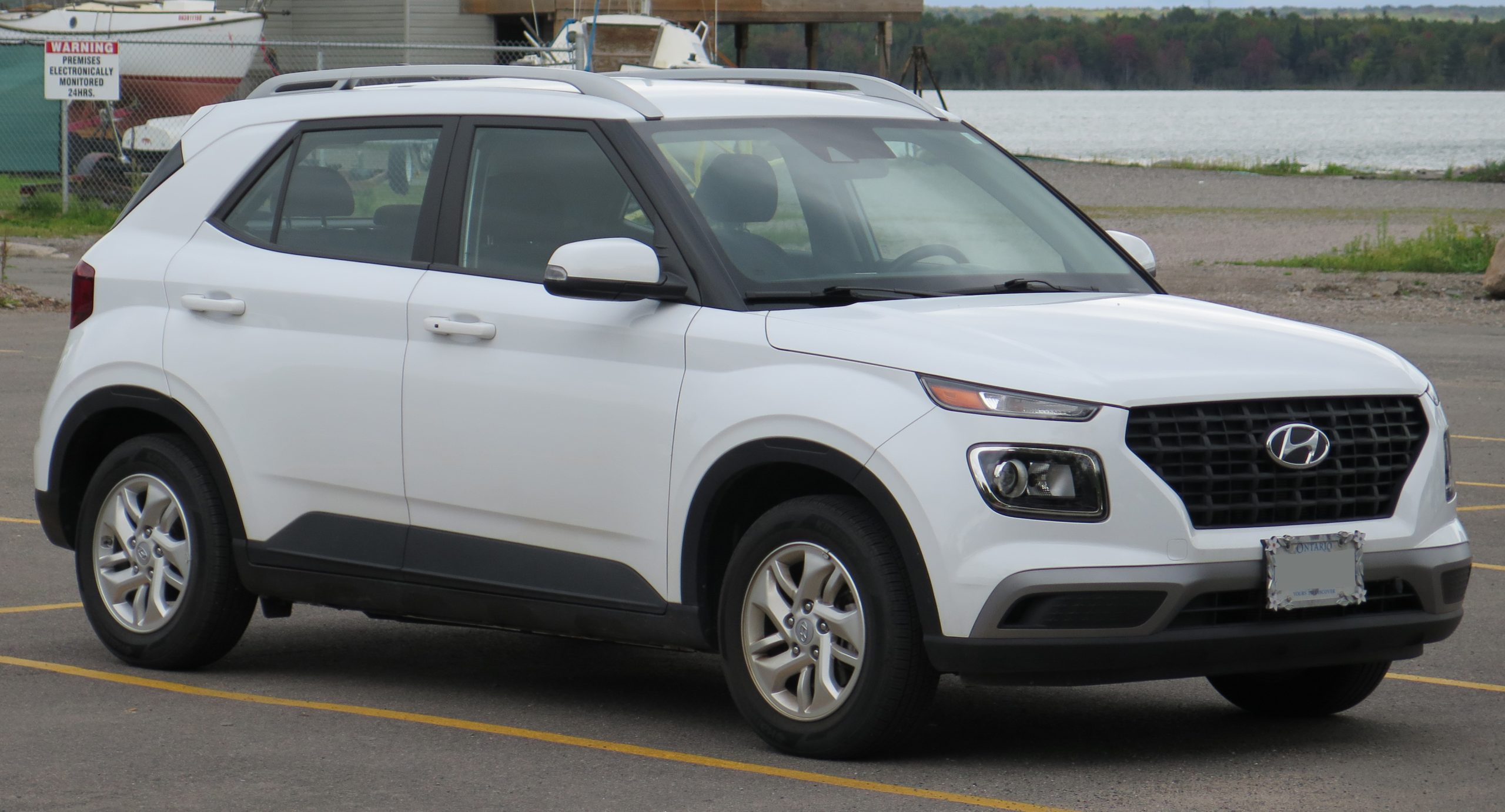
A turbocharged 1.0-liter three-cylinder engine produces 121 horsepower. That output is genuinely adequate for city use and freeway cruising alike.
Hyundai pairs it with either a 6-speed manual or a continuously variable transmission. Fuel economy lands around 29 to 33 miles per gallon, depending on driving conditions. The engine is smooth and quiet at cruising speeds.
Hyundai’s standard safety suite is extensive on the Venue. Forward collision warning with automatic emergency braking, lane keeping assist, and driver attention monitoring are all included without requiring premium packages. In a city with dense pedestrian traffic and frequent sudden stops, that active safety technology provides meaningful reassurance.
Interior quality exceeds what the price suggests. Materials feel substantial, and the infotainment system is intuitive and visually clean. Cargo space behind the rear seats is generous for a vehicle this small. The Venue offers a balanced package of utility, efficiency, and safety at a price that undercuts much of the competition.
Specifications:
- Engine: 1.0L Turbocharged 3-Cylinder
- Horsepower: 121 hp
- Length: 160.2 inches
- Width: 67.9 inches
7. Toyota GR86
The Toyota GR86 is the outlier on this list. It is the car for the San Francisco resident who values driving pleasure above all else. It is a proper sports car with rear-wheel drive, a naturally aspirated flat-four engine, and a chassis tuned for driver engagement. Its compact dimensions make it manageable in the city, and its performance makes every drive on the roads beyond the city limits an event.
At 167.9 inches long, the GR86 is shorter than many crossovers. The low roofline and wide stance give it a purposeful visual presence that belies its modest footprint. The narrow width is a practical advantage on San Francisco’s tighter residential streets. Finding a parking spot that fits is meaningfully easier than in a full-size sports car.
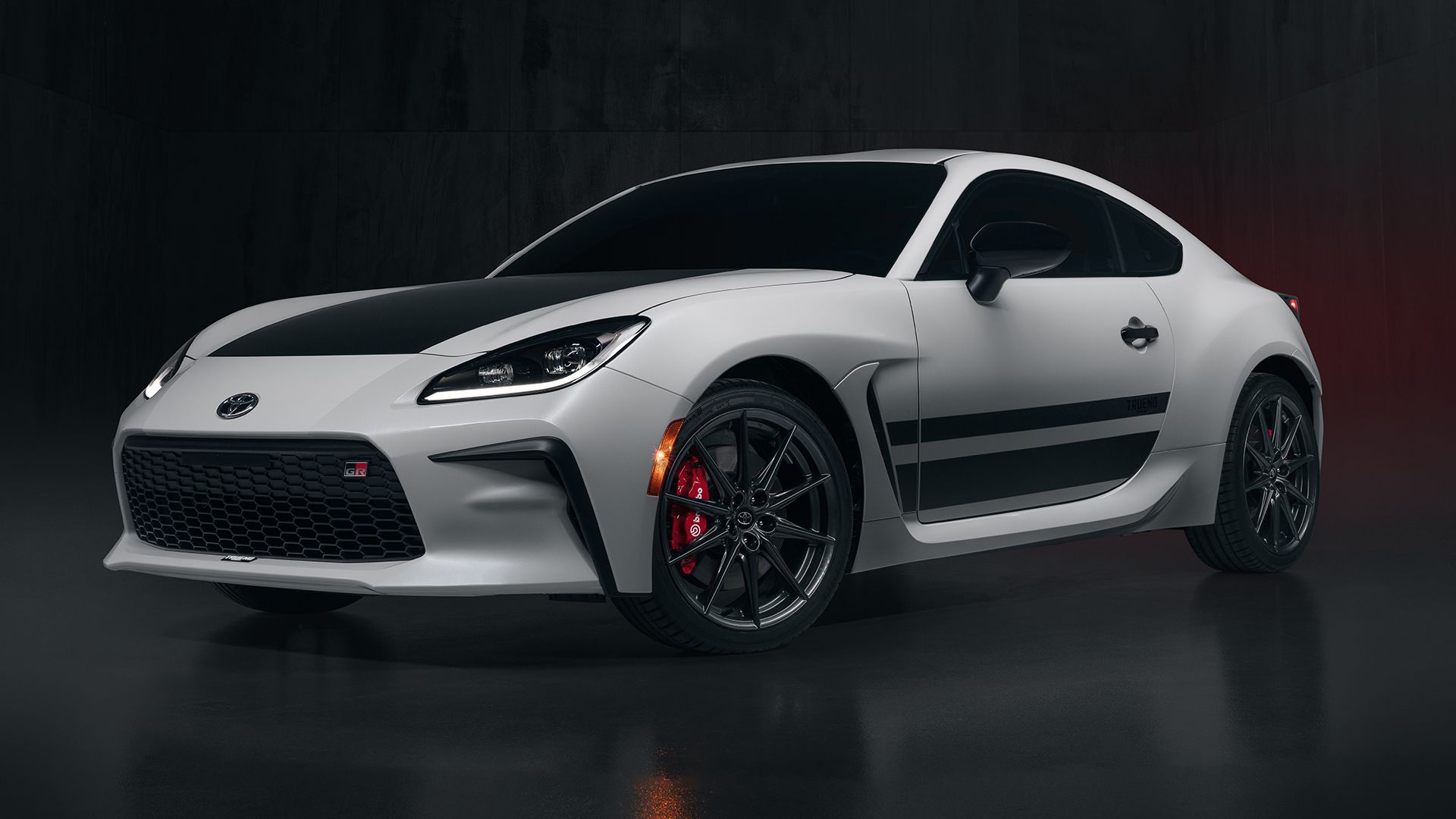
The 2.4-liter naturally aspirated boxer engine produces 228 horsepower. That power figure translates to genuine performance: the GR86 reaches 60 miles per hour in around 6.1 seconds.
More importantly, the way it delivers power feels honest and involving. The engine rewards rev-happy driving and pairs beautifully with the standard 6-speed manual transmission.
The chassis is the GR86’s signature achievement. Engineers from Toyota and Subaru collaborated to develop a suspension and steering setup that communicates road texture with unusual clarity.
The car is neutral and forgiving at the limit, making it approachable for enthusiast drivers who are still developing their skills. On Highway 1 south toward Half Moon Bay, it is a genuinely exceptional experience.
The cabin is simple and driver-focused. Rear seats exist but serve primarily as a place to store bags rather than carry adult passengers. The infotainment system is functional without being distracting. Fuel economy in city driving is around 21 miles per gallon acceptable given what the engine produces in exchange.
Specifications:
- Engine: 2.4L Naturally Aspirated Flat-4 Boxer
- Horsepower: 228 hp
- Length: 167.9 inches
- Width: 69.9 inches
8. Kia Rio
The Kia Rio is a quietly excellent small car that consistently outperforms expectations for its price. It offers a level of interior quality, standard feature content, and warranty coverage that exceeds most competitors in the subcompact segment. For budget-conscious San Francisco buyers who refuse to sacrifice refinement, the Rio represents one of the best values in the market.
The Rio’s compact exterior makes urban life straightforward. It fits comfortably in San Francisco’s more challenging driveways and parallel parks with minimal effort. The light steering and short wheelbase allow easy maneuvering in multi-level parking garages. Visibility from the driver’s seat is good, aided by a relatively upright greenhouse design.
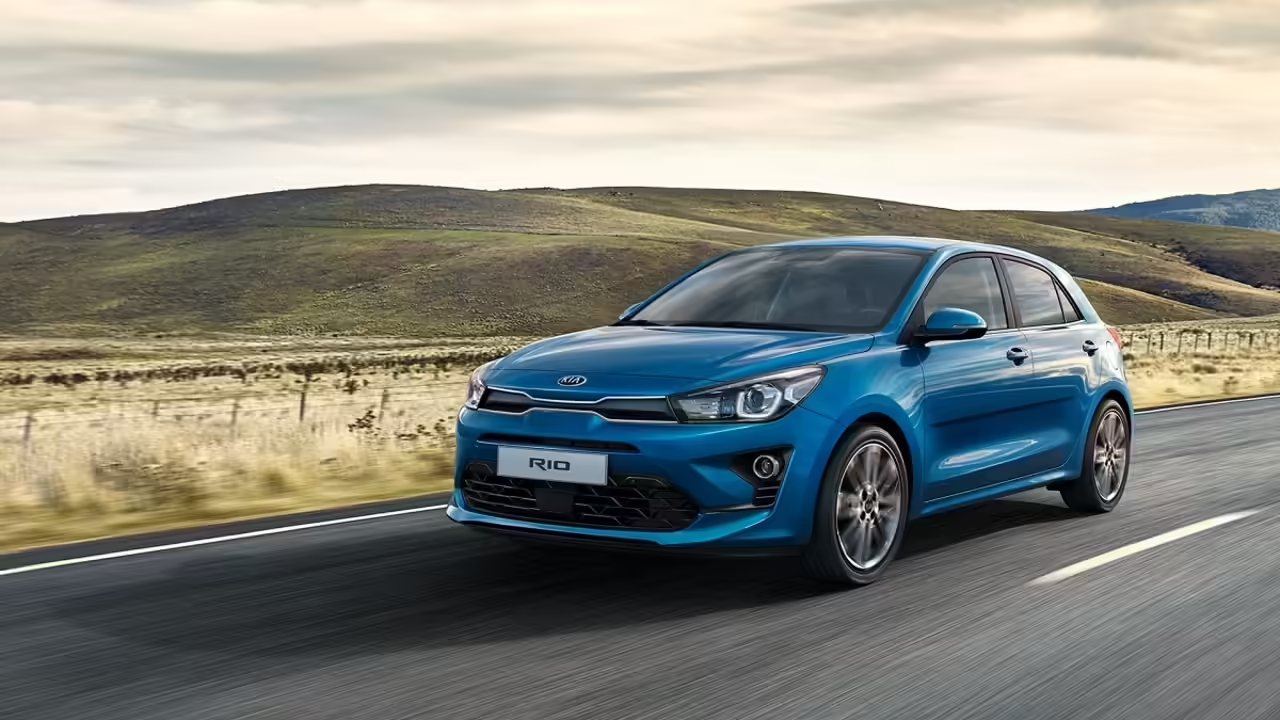
Power comes from a 1.6-liter naturally aspirated four-cylinder engine producing 120 horsepower. Acceleration is brisk enough for confident city driving. The continuously variable transmission keeps the engine composed in traffic, and Kia offers a 6-speed manual on selected trims for buyers who prefer direct engagement. Fuel economy is strong, typically delivering 30 miles per gallon or better in real-world urban conditions.
Kia’s 10-year powertrain warranty is the most compelling ownership argument in the segment. In a city where car repair costs are raised and scheduling service is often inconvenient, the peace of mind that a warranty provides has tangible value. The warranty transfers to subsequent owners, which also supports resale value more effectively than competitors.
Interior materials are a genuine step above the Spark and competitive with the Fit. Soft-touch surfaces appear throughout the dashboard, and the infotainment display is clear and responsive. The Rio hatchback offers practical cargo capacity that makes grocery runs and weekend errands genuinely comfortable. The back seat accommodates adults on shorter trips with reasonable dignity.
Specifications:
- Engine: 1.6L DOHC 4-Cylinder
- Horsepower: 120 hp
- Length: 160.4 inches
- Width: 68.1 inches
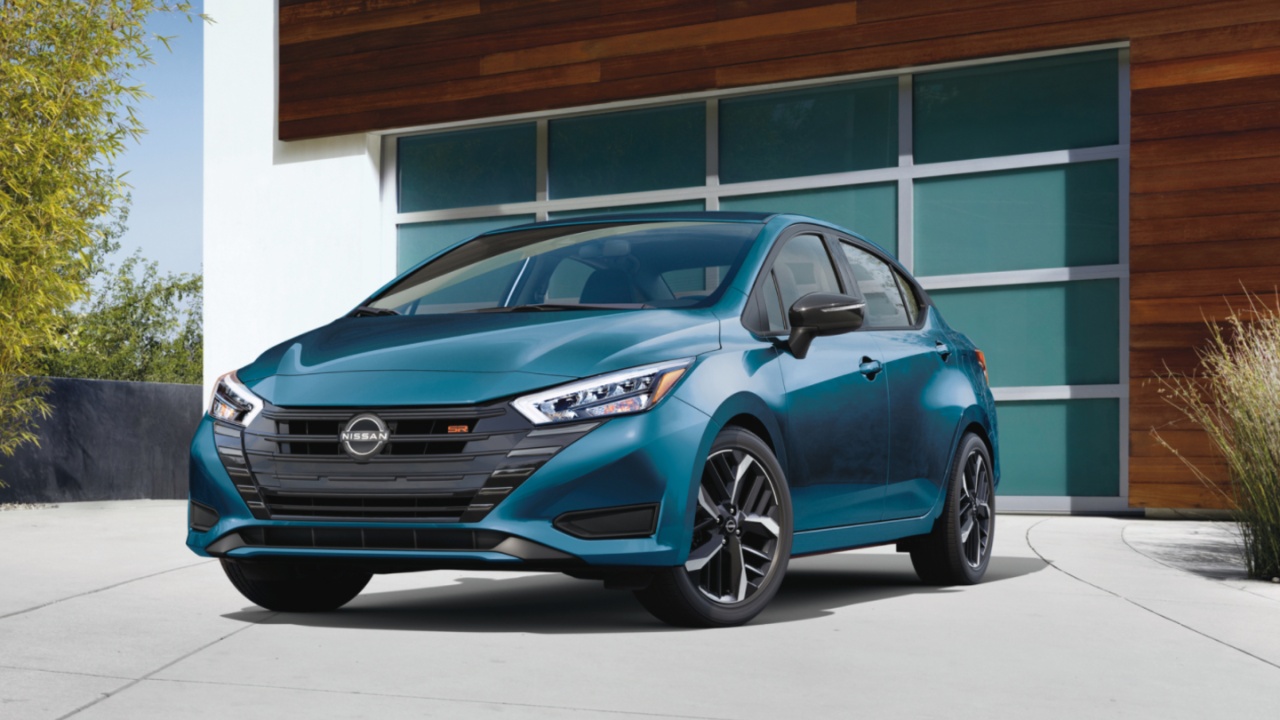
9. Nissan Versa
The Nissan Versa is the most spacious car on this list relative to its exterior footprint. Nissan’s engineers prioritized interior volume over everything else, and the result is a sedan that feels significantly larger inside than its external dimensions suggest.
For San Francisco residents who prioritize passenger comfort and cargo capacity within a compact shell, the Versa makes a compelling case. The Versa’s trunk is notably large for its class, offering more usable cargo space than most competitors.
The rear seat is generous enough that adult passengers can sit comfortably on longer journeys. For a car this short, the interior dimensions are genuinely impressive. Nissan achieved this by maximizing the wheelbase relative to the length.
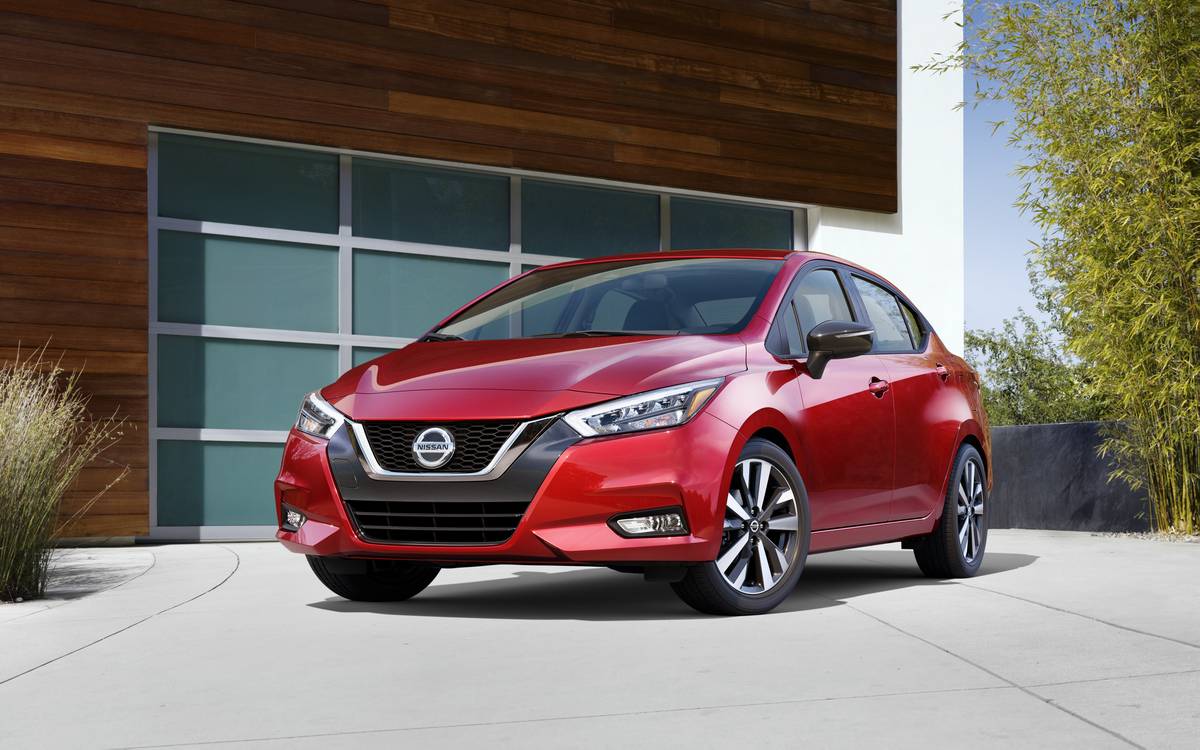
A 1.6-liter four-cylinder engine produces 122 horsepower. The power delivery is smooth and unremarkable in the best possible sense, the engine simply gets the job done without drama or frustration.
Nissan’s continuously variable transmission is among the smoother units in the segment. Fuel economy approaches 40 miles per gallon on the highway, making the Versa one of the most efficient non-hybrid sedans available.
The Versa comes well-equipped at its entry price. Standard safety features include automatic emergency braking, blind spot monitoring on upper trims, and rear cross-traffic alert. The infotainment system supports both Apple CarPlay and Android Auto. The build quality is solid, with panel gaps and material selection that reflect careful assembly.
One practical advantage specific to San Francisco is the Versa’s ride comfort on rough roads. The suspension is tuned to absorb the city’s patched pavement and trolley tracks more gracefully than many competitors. Drivers who spend significant time on the city’s less-maintained streets will notice the difference.
Specifications:
- Engine: 1.6L DOHC 4-Cylinder
- Horsepower: 122 hp
- Length: 177.0 inches
- Width: 66.7 inches
10. Smart EQ Fortwo
The Smart EQ Fortwo occupies a class of its own. As the shortest production car available in North America and a fully electric vehicle, it is especially well-suited to a city like San Francisco, where environmental awareness, widespread charging access, and tight parking conditions strongly shape transportation needs. Rather than being just a compact vehicle, the Fortwo is designed specifically as a practical solution for urban mobility.
At just 106 inches long, the Smart EQ Fortwo can park perpendicular to the curb on many San Francisco streets, effectively fitting three Fortwos into a single standard parallel parking space.
That capability is not theoretical. Smart drivers in dense urban environments regularly use it. For residents whose daily needs involve short hops across the city, the Fortwo eliminates parking anxiety almost entirely.
The electric motor produces 81 horsepower and 118 pound-feet of torque. Torque delivery in an electric motor is instantaneous, which makes the Fortwo feel surprisingly quick from a standing start.
In city traffic, the immediate throttle response is a genuine pleasure. Top speed is electronically limited, and range is approximately 58 miles per charge, sufficient for a full day of urban errands with careful management.
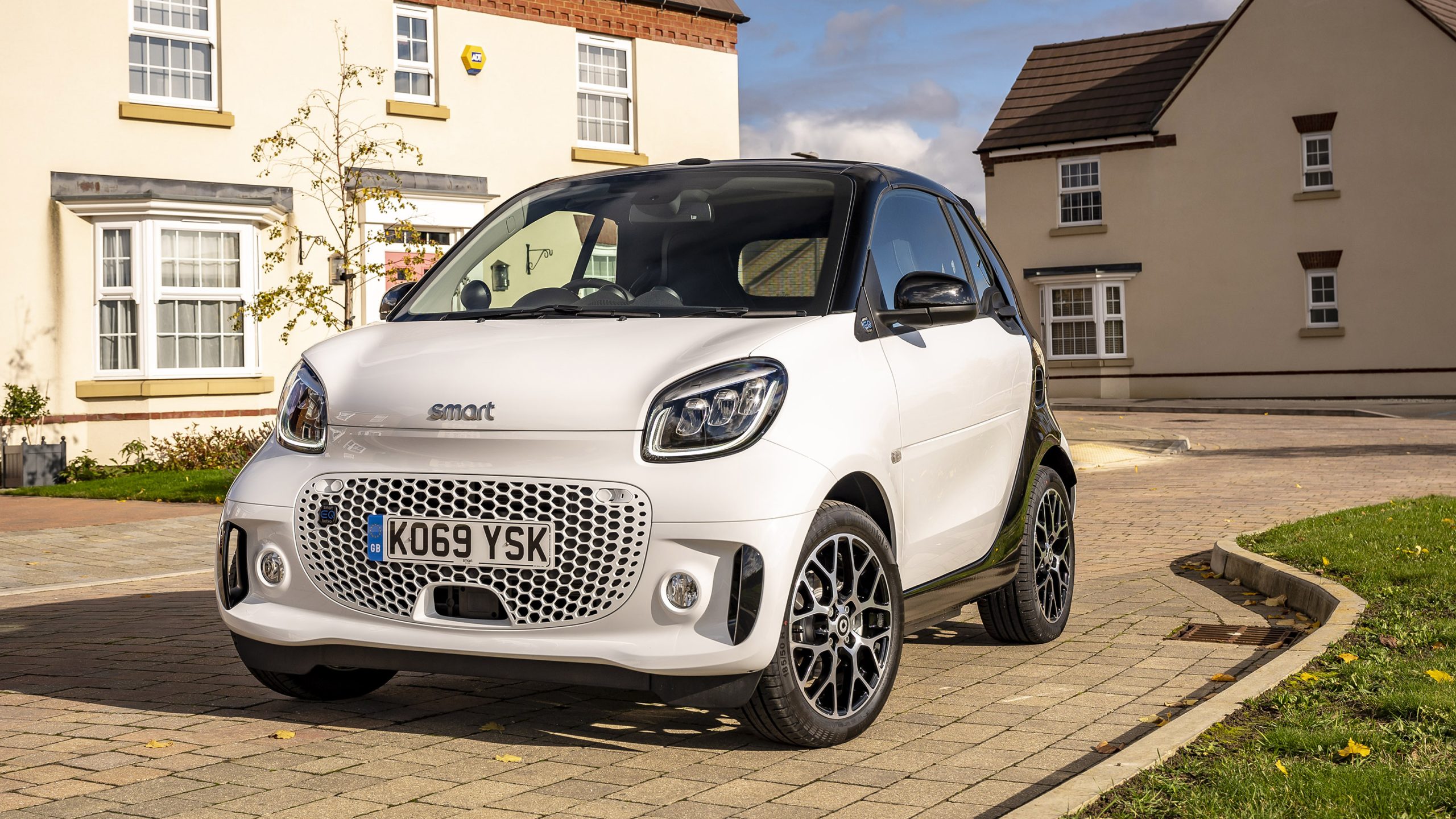
The cabin accommodates exactly two occupants, which is the Fortwo’s most significant practical limitation. There is no rear seat and minimal cargo space.
For single occupants or couples without children, those limitations are entirely acceptable. For families or anyone who regularly carries more than one passenger, the Fortwo becomes a secondary car rather than a primary vehicle.
Charging is straightforward. The Fortwo accepts a standard Level 2 charger and reaches a full charge in under six hours. Home charging is the most practical approach, and San Francisco’s mild climate means battery range degradation from cold temperatures is minimal. Operating costs are extremely low, with electricity being the only fuel expense, and maintenance is minimal without a combustion engine or transmission.
Specifications:
- Motor: Single Rear-Mounted Electric Motor
- Horsepower: 81 hp
- Torque: 118 lb-ft
- Length: 106.1 inches
- Width: 65.4 inches
Also Read: 7 Vehicles Where the Emissions Test Fails Most Often
