
Vehicle emissions testing is a critical component of environmental regulation across the world. These tests measure the pollutants a vehicle releases into the atmosphere, including carbon monoxide (CO), hydrocarbons (HC), nitrogen oxides (NOx), and particulate matter.
Governments implement emissions standards to reduce air pollution, combat climate change, and protect public health. Millions of vehicles are tested every year, and a surprising number often fail repeatedly.
Certain vehicles are statistically more prone to emissions failure than others. The reasons vary widely: aging engine technology, poorly maintained catalytic converters, defective oxygen sensors, rich fuel mixtures, vacuum leaks, or simply neglected routine maintenance.
Some vehicles are inherently more complex to maintain in emissions compliance, while others suffer from design flaws that resurface over time.
Understanding which vehicles fail most often can save owners significant money and frustration. A failed emissions test typically means mandatory repairs before a vehicle can be legally registered or driven on public roads.
Repair costs can range from a few hundred to several thousand dollars. This article examines seven vehicles spanning trucks, SUVs, and performance cars that consistently top emissions failure lists, exploring the root causes, engineering factors, and what owners can realistically expect.
1. Ford F-150 (Older Generations, Pre-2011)
The Ford F-150 is the best-selling vehicle in the United States, having held that title for over four decades. Its sheer volume on the road means it also appears frequently in emissions failure data. Older generations of the F-150, particularly those built between the late 1990s and early 2010s, are among the most common emissions test failures recorded by state inspection stations.
The primary culprit in older F-150 emissions failures is the oxygen sensor degradation over time. These sensors monitor the air-fuel ratio and communicate with the Engine Control Module (ECM) to regulate combustion efficiency. When they fail, the engine often runs rich, burning excess fuel, which dramatically raises hydrocarbons and carbon monoxide in the exhaust.
A secondary issue is catalytic converter failure. The F-150’s catalytic converters work exceptionally hard given the engine’s displacement and load cycles. Over time, thermal stress and contamination from a failing sensor or coolant leak can render the converter ineffective. Once the converter fails, the vehicle cannot pass any emissions test, regardless of other repairs.
The EGR (Exhaust Gas Recirculation) system on these trucks is also a frequent offender. The EGR valve tends to clog with carbon deposits, especially in trucks used for short trips or stop-and-go driving. A stuck EGR valve causes raised NOx emissions, which is one of the most scrutinized pollutants in modern testing.
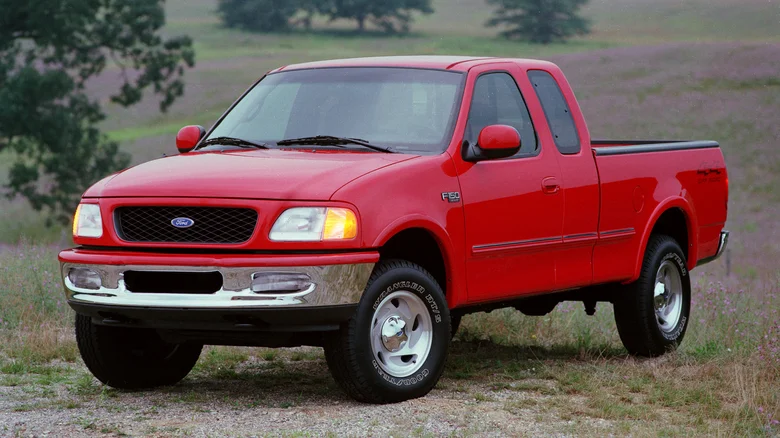
Specifications
- Engine: 4.6L or 5.4L Triton V8 (common in 1997–2010 models)
- Horsepower: 231–300 hp, depending on variant
- Torque: 293–365 lb-ft
- Length: 228.8 inches (regular cab, long bed)
- Width: 79.9 inches
Another common issue is the EVAP (Evaporative Emission Control) system. A loose or cracked gas cap can trigger an EVAP code, causing an automatic failure even if exhaust emissions are otherwise clean. This is one of the most frustratingly simple causes of an F-150 failing an inspection.
Owners of older F-150s frequently report spending between $300 and $1,200 on emissions-related repairs. The most common repair sequence involves replacing oxygen sensors, cleaning or replacing the EGR valve, and then retesting. If the catalytic converter is also compromised, costs can exceed $2,000 for a properly installed OEM-equivalent replacement.
The truck’s OBD-II system must show all readiness monitors as “complete” before a test is attempted. Many owners fail to allow enough drive cycles after a repair, showing up with incomplete monitors and being turned away immediately.
2. Chevrolet Silverado 1500 (1999–2007)
The Chevrolet Silverado 1500 is the F-150’s closest competitor and shares a similarly troubled history with emissions testing. Data from state vehicle inspection programs consistently show the first-generation and early second-generation Silverado among the top vehicles requiring re-inspection.
Like the F-150, high sales volume contributes, but there are also model-specific engineering factors at play. The 5.3L Vortec V8, found in the vast majority of Silverados from this era, has a well-documented tendency to consume oil as it ages.
Oil burning is one of the most damaging conditions for emissions compliance. When oil enters the combustion chamber, it produces excess hydrocarbons and can foul or destroy the catalytic converter within months if left untreated.
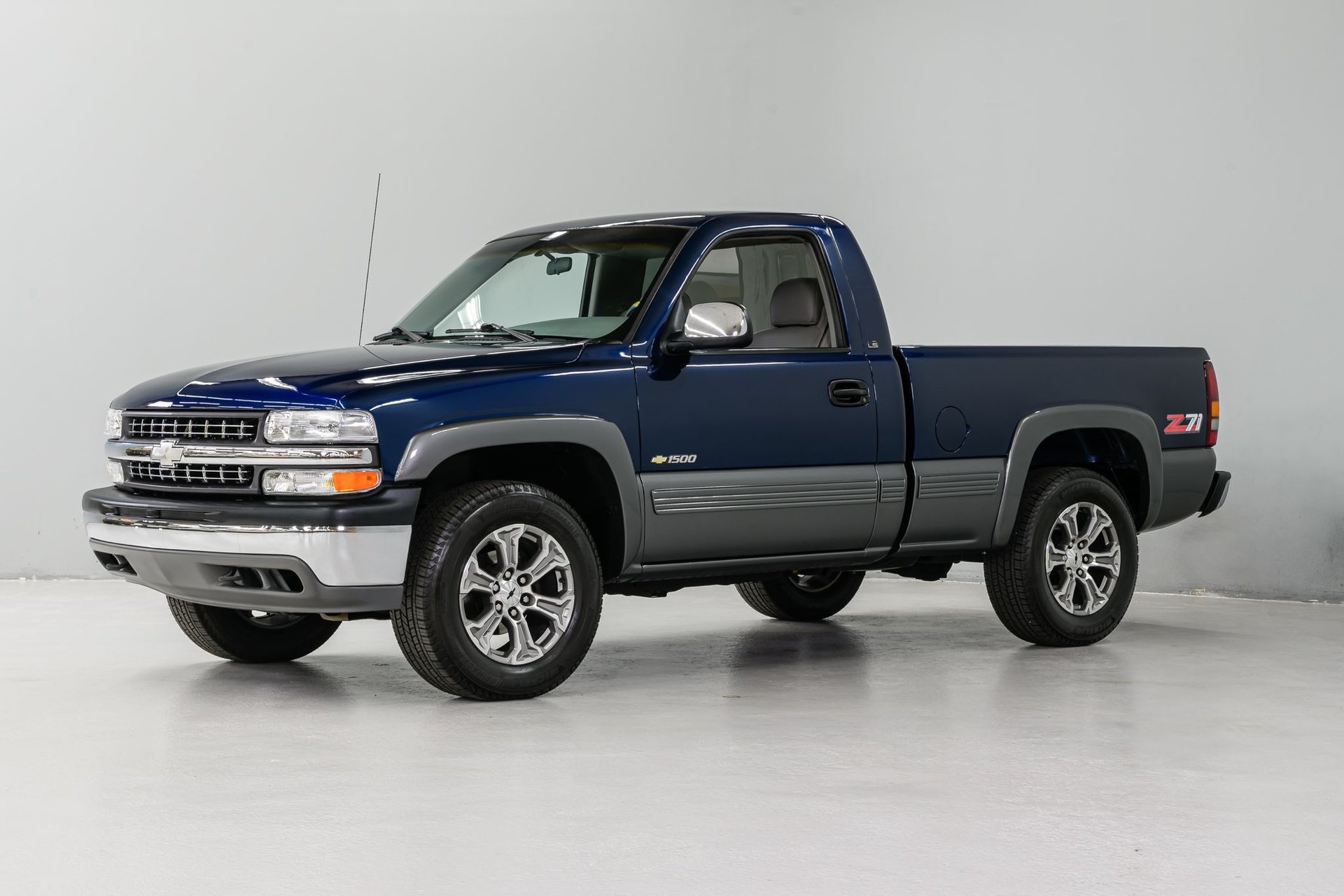
Specifications
- Engine: 5.3L Vortec V8 (LS-based architecture)
- Horsepower: 295–315 hp
- Torque: 335–338 lb-ft
- Length: 224.9 inches (standard cab)
- Width: 79.9 inches
Many 1999–2007 Silverados suffer from worn piston rings or valve stem seals that allow oil into the combustion process. The issue often goes unnoticed by owners until blue smoke appears at startup or the vehicle fails an emissions test with shockingly raised HC readings. By that point, catalytic converter replacement is almost always necessary.
The Active Fuel Management (AFM) system, introduced in later Vortec engines, adds another layer of complexity. AFM deactivates cylinders under light load to improve fuel economy, but the lifter oil passages associated with this system can fail, leading to oil consumption and mechanical damage. Repairs for AFM-related failures are expensive and time-consuming.
The mass airflow sensor (MAF) is another weak point. When the MAF sensor reads incorrectly, usually due to contamination from an over-oiled aftermarket air filter, it throws off the fuel trim calculations, causing either a rich or lean condition. Both can result in raised emissions that trigger a test failure.
3. Dodge Ram 1500 (2002–2008, 4.7L V8)
The Dodge Ram 1500 equipped with the 4.7L V8 engine has a notably poor reputation in emissions testing circles. While the truck itself is popular and capable, this specific engine configuration presents persistent challenges that have frustrated owners and mechanics alike for two decades.
The 4.7L PowerTech V8, used extensively in Ram trucks from 2002 through 2008, is known for problematic oxygen sensor behavior. The upstream oxygen sensors are particularly prone to failure, and when they do, the engine management system loses its ability to fine-tune the air-fuel mixture. The result is an engine running excessively rich, dumping unburned hydrocarbons and raising CO into the exhaust stream.
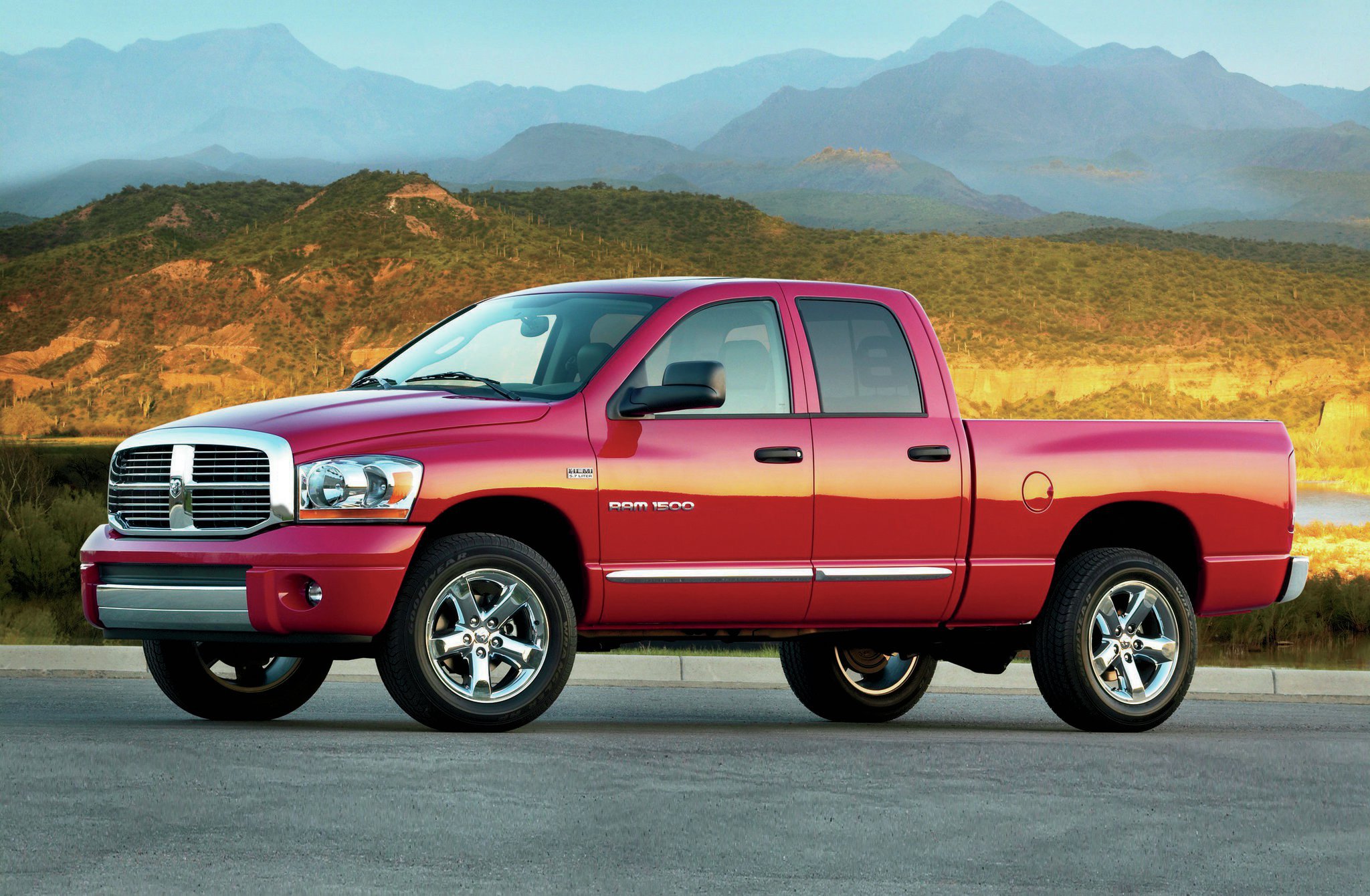
Specifications
- Engine: 4.7L PowerTech V8 (SOHC)
- Horsepower: 230–310 hp (varying by year and tune)
- Torque: 290–330 lb-ft
- Length: 225.2 inches (regular cab)
- Width: 79.4 inches
What makes the Ram situation particularly challenging is the location of certain components. The downstream oxygen sensors are positioned in locations that are difficult to access without specialized tools, significantly increasing labor costs. Owners who attempt DIY repairs often struggle with seized sensor threads, especially on trucks exposed to road salt in northern climates.
The 4.7L engine also has documented coolant system issues related to the intake manifold gaskets. When coolant seeps past degraded gaskets, it can enter the combustion chamber and produce a rich-running condition that confuses the fuel management system.
Coolant contamination of the catalytic converter is another consequence, and coolant-poisoned catalysts cannot be cleaned; they must be replaced entirely.
The EVAP system on these trucks is also complex and prone to leaks. The charcoal canister and associated vacuum lines degrade over time, especially in hot climates. A failed EVAP test is considered an automatic failure in most states, regardless of tailpipe emissions.
4. BMW 3 Series (E46, 1998–2005)
The BMW E46 3 Series is widely considered one of the finest driver’s cars of its generation. However, its reputation among emissions inspectors is considerably less flattering. The E46, particularly in its inline-six configurations, is a frequent failure at emissions stations across the United States and Europe.
The BMW M54 and M52 inline-six engines used in the E46 are sophisticated pieces of engineering, but their complexity is precisely what makes them difficult to keep in emissions compliance as they age.
The VANOS system, BMW’s variable valve timing mechanism, is central to the problem. When VANOS seals degrade, the engine loses precise control over valve timing, leading to increased hydrocarbon emissions and rough running under certain conditions.
The VANOS seals are made from a type of rubber that hardens and cracks with age and heat cycles. Rebuilding or replacing the VANOS system is a specialized task that typically costs $500–$1,500 at an independent BMW specialist. Many budget-conscious owners defer this repair, only to find the car fails its next emissions test.
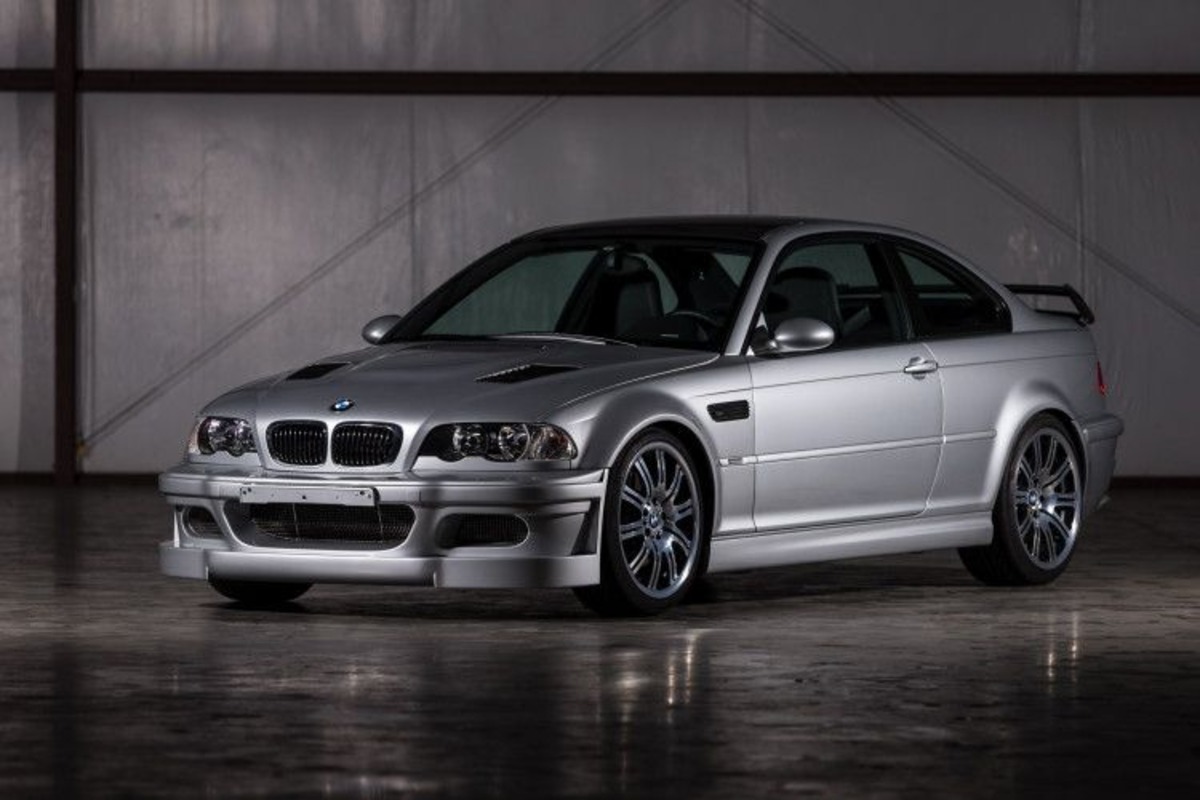
Specifications
- Engine: 2.5L M54B25 or 3.0L M54B30 inline-six
- Horsepower: 184–225 hp
- Torque: 175–214 lb-ft
- Length: 176.0 inches (sedan)
- Width: 68.5 inches
The secondary air injection system is another known failure point on the E46. This system pumps fresh air into the exhaust during cold starts to help the catalytic converter reach operating temperature quickly.
When the pump fails or the check valves crack, the system stops functioning, and the catalytic converter takes longer to reach light-off temperature. This produces raised cold-start emissions that a test can capture.
Oil consumption from valve stem seals is also common on high-mileage E46s. The issue produces blue smoke on startup and raises hydrocarbons in the exhaust over time. Left unaddressed, the oil contamination gradually destroys catalytic converter efficiency.
Also Read: Harley Waited Too Long to Take Electric Seriously
5. Jeep Grand Cherokee (WJ/WK, 4.7L V8, 1999–2010)
The Jeep Grand Cherokee has been a beloved SUV for generations of American families. However, certain configurations, particularly the 4.7L V8 versions produced during the WJ (1999–2004) and early WK (2005–2010) generations, struggle significantly with emissions compliance as they age. Inspection stations in emissions-testing states flag these SUVs at disproportionately high rates.
The 4.7L V8 in the Grand Cherokee shares many of the same fundamental issues as its Ram truck counterpart. Oxygen sensor failure, catalytic converter degradation, and EVAP system problems are the top three causes of failure. However, the Grand Cherokee’s unique profile adds additional complexity that makes repairs more expensive.
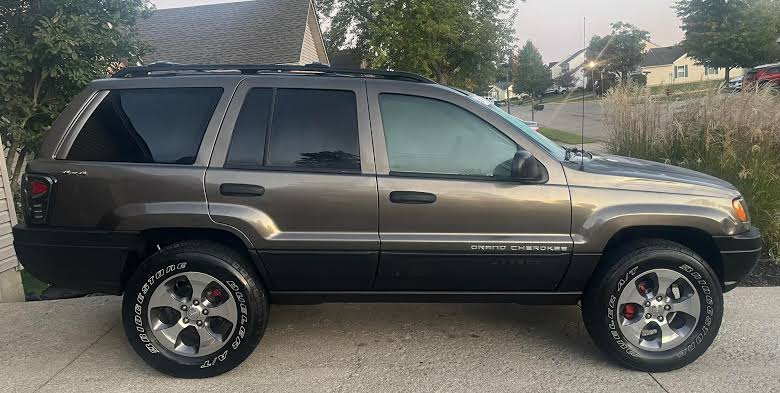
Specifications
- Engine: 4.7L PowerTech V8
- Horsepower: 235–265 hp (varying by year)
- Torque: 295–310 lb-ft
- Length: 182.0 inches (WK generation)
- Width: 74.8 inches
The vehicle’s transfer case and four-wheel-drive system add mass and drivetrain load that the engine must constantly compensate for. This means the engine management system is under greater strain to maintain optimal combustion efficiency, especially in traffic and during towing. Over time, this thermal and load stress accelerates the degradation of emissions-sensitive components.
The Grand Cherokee’s catalytic converters are positioned close to the engine on early models, which speeds up heat-related degradation. High-temperature cycles over years of operation cause the precious metal coating inside the converter substrate to sinter and agglomerate, reducing the active surface area and thus the converter’s effectiveness at oxidizing pollutants.
Leakdown in the EGR system is another documented issue. Carbon buildup within EGR passages is common on vehicles used for short trips, and the Grand Cherokee is marketed heavily as an everyday family vehicle, exactly the kind of use that produces the most carbon accumulation. A stuck-open EGR valve causes rough idling and raised NOx, while a stuck-closed valve raises combustion temperatures and also raises NOx.
6. Mercedes-Benz C-Class (W203, 2001–2007, V6 Models)
The Mercedes-Benz W203 C-Class is a car that carries prestige and engineering ambition in equal measure. Luxury vehicle buyers often assume that premium construction translates to reliable emissions compliance.
In reality, the W203 generation, particularly the 2.6L and 3.2L V6 versions, is a repeat offender in emissions testing, especially once mileage exceeds 80,000 miles.
Mercedes-Benz’s M112 and M272 V6 engines have a well-documented issue with balance shaft and timing chain wear. When timing chain components wear excessively, camshaft timing drifts, producing combustion that is out of sync with what the engine management system expects.
The resulting misfires and inefficient combustion lead to raised hydrocarbon emissions that are very difficult to correct without addressing the root mechanical cause.
The M272 engine in later W203 models specifically suffers from balance shaft gear wear. The gear is made of a material that degrades faster than the metal it meshes with, eventually causing erratic valve timing.
The problem is expensive to fix properly, typically requiring removal of the front of the engine and replacement of the balance shaft unit, and many owners discover the issue only after failing an emissions test.
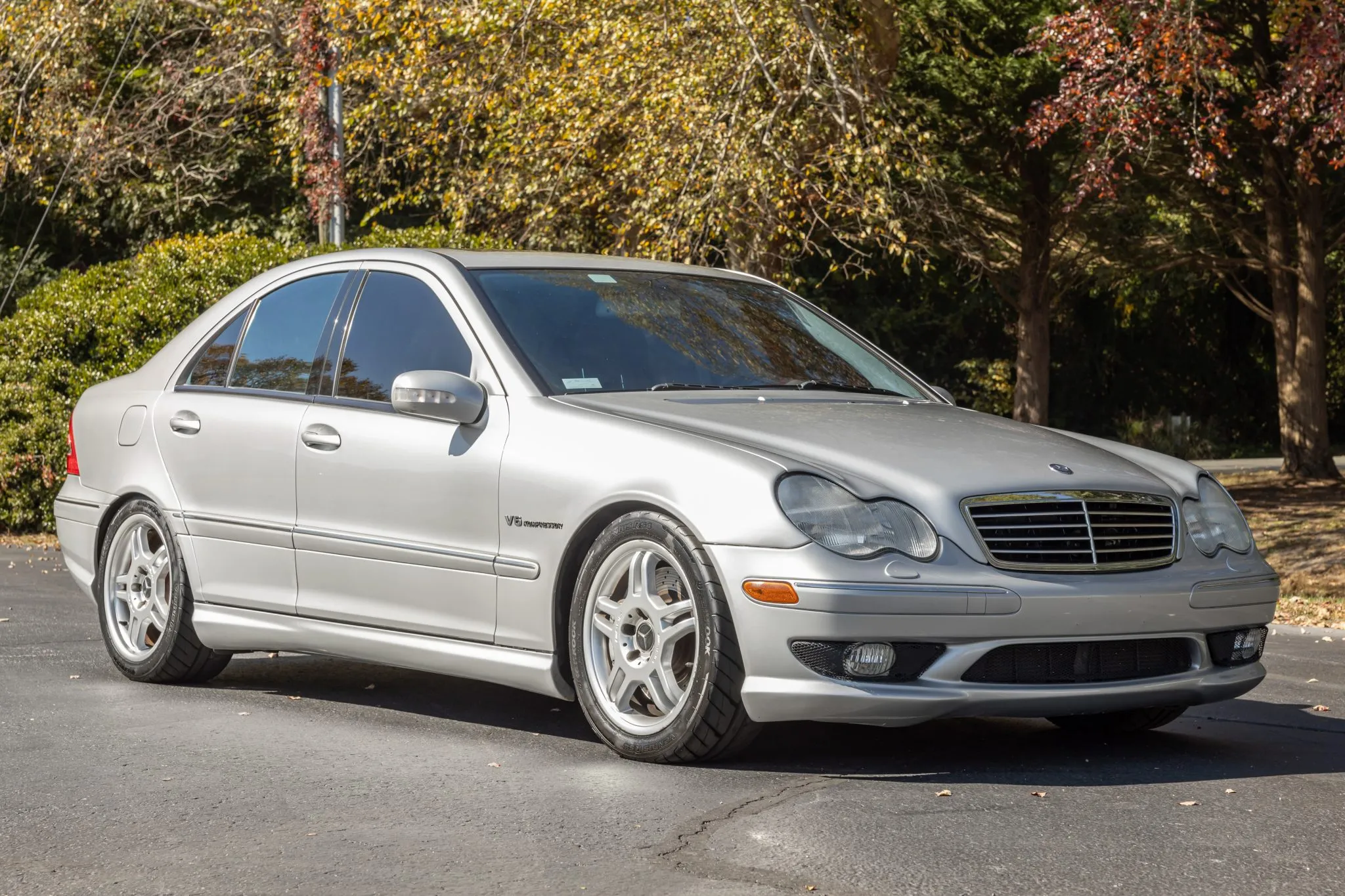
Specifications
- Engine: 2.6L M112 V6 or 3.2L M112 V6
- Horsepower: 168–215 hp
- Torque: 173–221 lb-ft
- Length: 178.3 inches (sedan)
- Width: 67.7 inches
The secondary air injection system, similar to the BMW E46, is a common failure point. Mercedes implemented a complex secondary air system with multiple solenoids, a pump, and check valves.
Any single component failure disables the entire system and triggers both a check engine light and raised cold-start emissions. Replacement parts from the dealer are expensive, though aftermarket alternatives exist.
Oil leaks from valve cover gaskets and crankcase breather systems are common on high-mileage W203s. When oil burns in the combustion chamber due to these leaks, hydrocarbon readings spike, and catalytic converters suffer progressive contamination.
7. Volkswagen Golf / Jetta (Mk4, 1.8T, 1999–2005)
The Volkswagen Golf and Jetta of the Mk4 generation, particularly those equipped with the turbocharged 1.8T four-cylinder engine, occupy a special place in automotive culture as reliable, fun-to-drive European compacts. Unfortunately, they also occupy a prominent place in emissions failure statistics.
The 1.8T specifically is among the most emissions-sensitive engines of its era, and aging examples fail inspections at a rate that surprises many owners.
The 1.8T engine, designated AWW, AWP, or AEB depending on the market and year, uses a sophisticated engine management system paired with a catalytic converter that is extremely sensitive to oil contamination.
The 1.8T is notorious for consuming engine oil through its PCV (Positive Crankcase Ventilation) system. When the PCV system fails or becomes clogged, crankcase pressure forces oily vapors into the intake manifold, which then burns in the combustion chamber and poisons the catalytic converter over time.
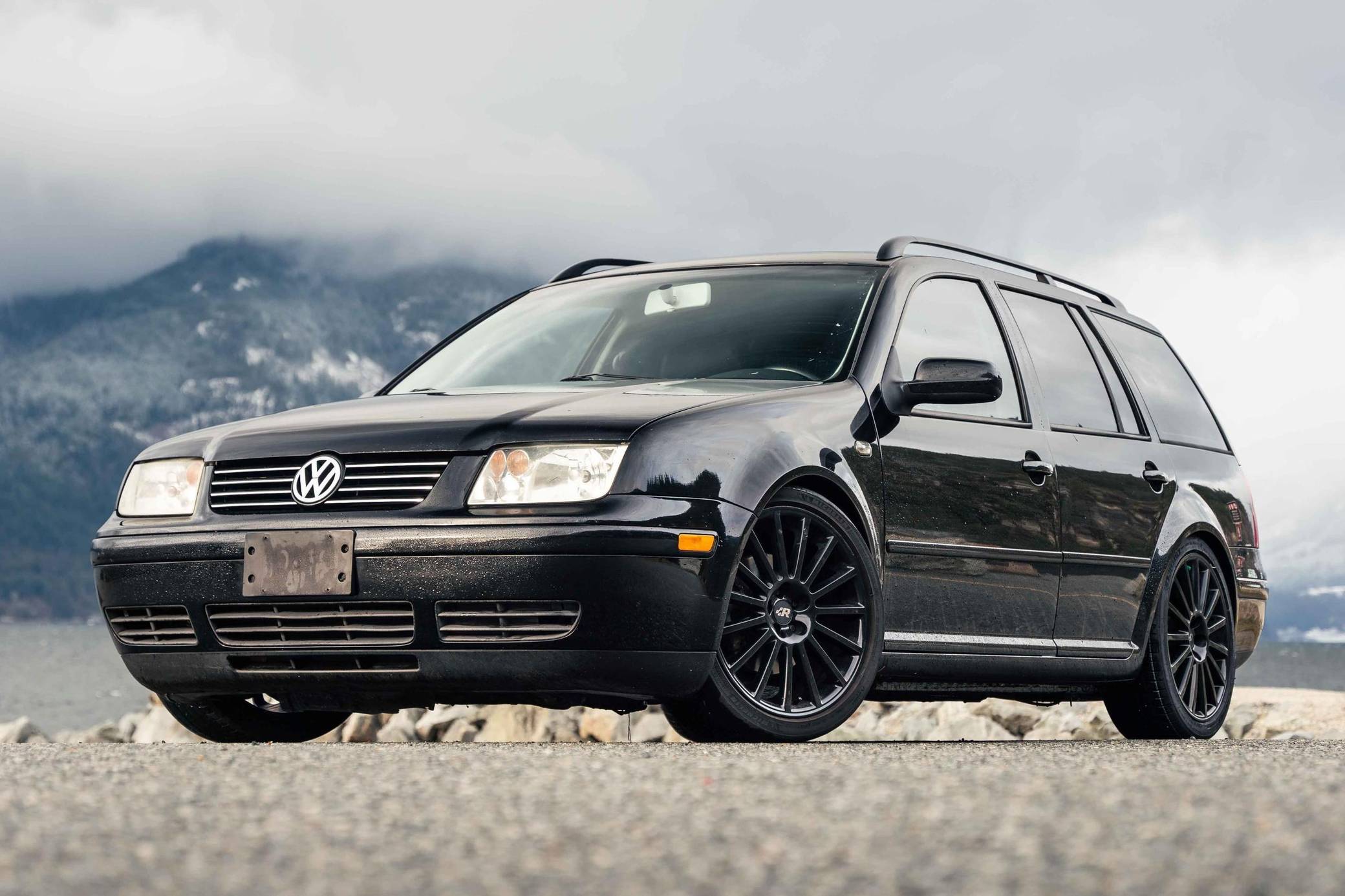
Specifications
- Engine: 1.8L turbocharged inline-four (1.8T)
- Horsepower: 150–180 hp (depending on variant)
- Torque: 155–173 lb-ft
- Length: 164.0 inches (Golf hatchback) / 172.3 inches (Jetta sedan)
- Width: 68.3 inches
The turbocharger on the 1.8T also plays a role in emissions issues. Worn turbo seals allow oil to enter the intake or exhaust side of the turbocharger. Oil entering the exhaust stream contacts and degrades the catalytic converter substrate.
Blue-tinted exhaust smoke is the most visible symptom, but the damage to the catalyst is often well underway before the smoke becomes obvious.
Oxygen sensor failure is common on these engines, particularly the downstream sensor. When this sensor fails, the ECU cannot confirm whether the catalyst is functioning correctly, triggering a fault code that will cause an automatic OBD-II emissions failure in states that rely on computer diagnostics rather than a tailpipe probe.
The Mk4 VW platform also suffers from vacuum line deterioration. The 1.8T engine uses numerous small vacuum hoses for boost control, emissions system management, and brake booster operation.
These hoses crack with age, producing vacuum leaks that cause lean-running conditions and erratic fuel trims. Even a small vacuum leak can cause enough combustion irregularity to push hydrocarbon readings over the legal limit.
The Mk4 Golf and Jetta were also at the center of early diesel emissions controversies. The 1.9L TDI diesel variants in the same generation were later implicated in broader industry manipulation scandals.
While the 1.8T petrol engine is a separate situation, the scrutiny around VW emissions compliance during this era led to tighter testing protocols that caught many poorly maintained examples.
