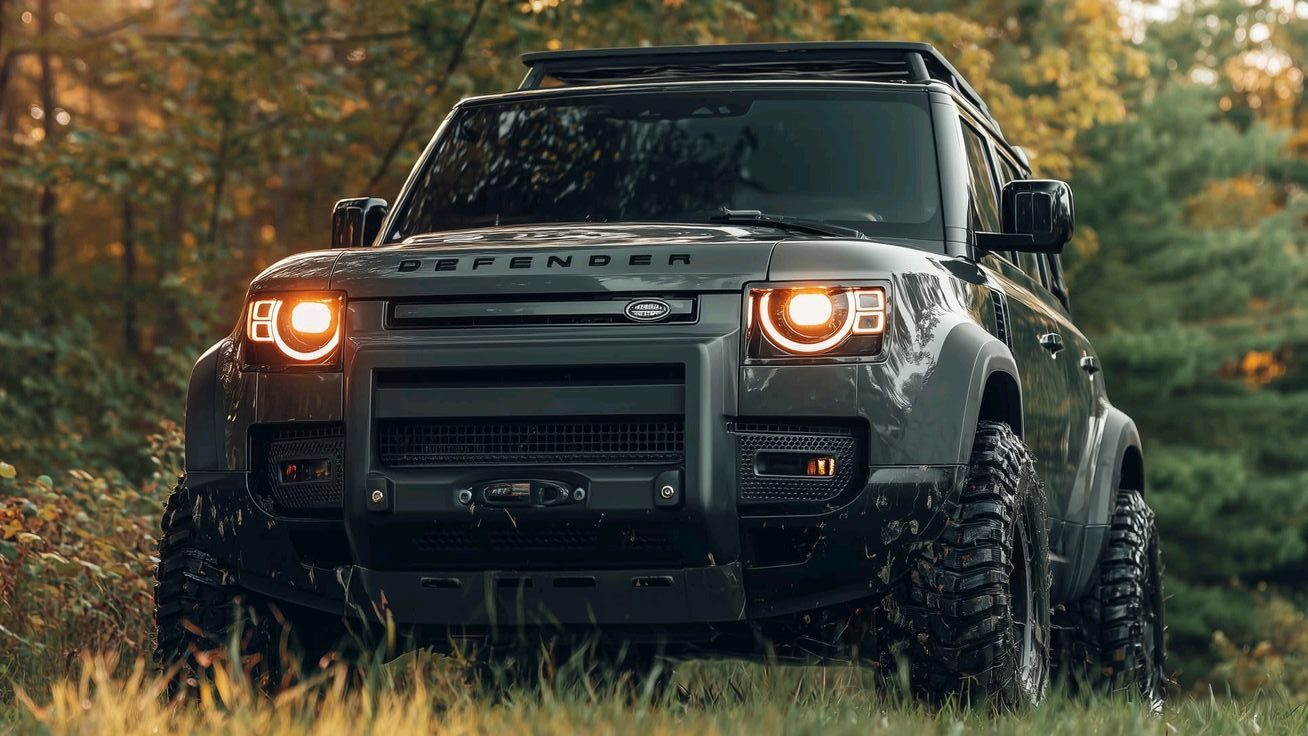
Walk across any suburban intersection or urban crosswalk today, and you will notice a terrifying transformation in the American automotive landscape. The friendly, sloped hoods of the sedans and station wagons that once dominated our roads have been systematically replaced by flat, vertical walls of stamped steel and chrome.
These massive front grilles belong to a generation of consumer pickup trucks and full-size SUVs that seem intentionally styled to resemble industrial machinery or military hardware. However, this shift in design is not merely an aesthetic choice or an aggressive marketing play. It is a mounting public health crisis.
Over the past decade, pedestrian fatalities on public roads have surged to levels not seen in over forty years, driven primarily by the physical footprint of the vehicles we buy. The leading edge of a modern half-ton truck hood no longer strikes a human pedestrian at the shin or the knee; it strikes at the sternum, the pelvis, and the base of the skull.
As these vehicles have grown taller, heavier, and more blunt, our public infrastructure has quietly transformed into a high-stakes hazard zone where vulnerable road users pay the ultimate price for automotive scale.
The Evolution of Aggression and How Trucks Got So Big
To understand how we arrived at a point where a standard consumer vehicle requires front-mounted cameras just to see the pavement directly ahead, we have to look back at the last two decades of light truck development. Historically, pickup trucks were utilitarian tools.
A 1996 Ford F-150 or a Chevrolet Silverado from the same era featured a relatively low, sloping nose designed to optimise forward visibility and minimise aerodynamic drag. These were work trucks, built for contractors, farmers, and fleet operators who needed to see over the front bumper while maneuvering through tight jobsites.
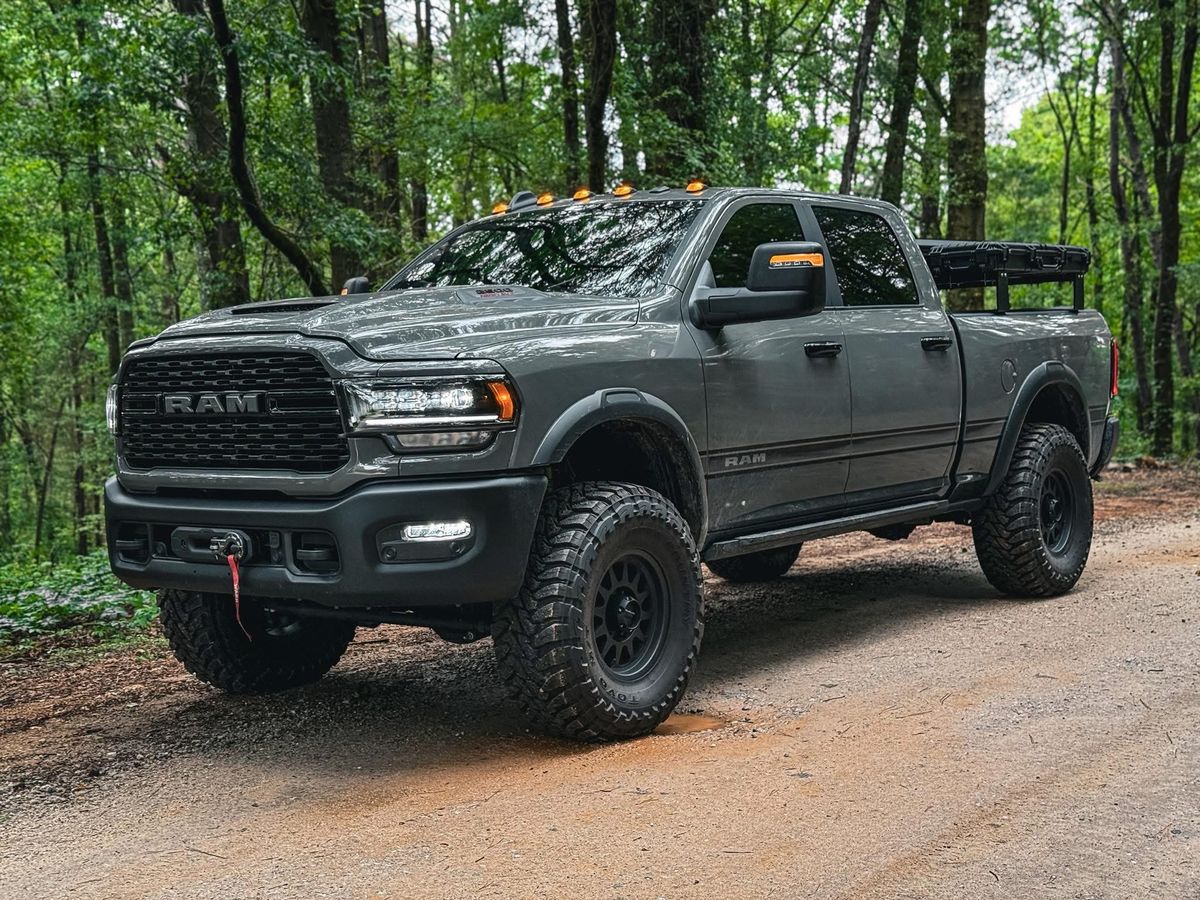
However, during the 2000s and 2010s, domestic automakers recognized a highly lucrative trend: the pickup truck was becoming a primary family vehicle and a lifestyle statement.
To justify premium price tags that now frequently exceed $70,000, manufacturers needed to make these vehicles look imposing, premium, and inherently protective. Design studios leaned heavily into “toughness” as a primary selling point. Grilles grew wider, hoods were raised to create high beltlines, and front fascias were squared off to project power and dominance.
Engineering choices further accelerated this visual arms race. To accommodate massive, multi-valve turbocharged engines, complex cooling packages, and the structural reinforcement needed to claim class-leading towing capacities, the entire engine bay had to expand upward.
A vehicle like the modern Ram 1500 or GMC Sierra is not just longer than its predecessors; its entire mechanical architecture has been elevated. The result is a consumer fleet where the average vehicle has gained roughly 4 inches in width, 10 inches in length, and an astonishing 8 inches in height over the past thirty years. What was once an agricultural work tool is now a rolling fortress, scaled to a size that fundamentally alters the spatial dynamics of our shared public streets.
ALSO READ: 6 Trucks With Frames Known to Rust Out
The Technical Reality of Hood Heights
When we look closely at the physical specifications of the bestselling vehicles in North America, the sheer scale of modern front-end geometry becomes clear. The dimensions of these trucks create localized blind zones that make it physically impossible for a driver to see shorter pedestrians, children, or wheelchair users directly in front of the vehicle.
| Vehicle Model | Trim Level | Approximate Hood Height (Leading Edge) | Forward Blind Zone Length |
| Ford F-150 | SuperCrew Lariat | ~51 inches | 12 to 15 feet |
| Chevrolet Silverado 1500 | Crew Cab LTZ | ~53 inches | 13 to 16 feet |
| Ram 1500 | Crew Cab Limited | ~52 inches | 12 to 15 feet |
| GMC Sierra 2500HD | Denali Ultimate | ~58 inches | 18 to 22 feet |
Consider the structural layout of a standard Ford F-150 or a Chevrolet Silverado 1500. The leading edge of the hood on these vehicles regularly measures between 51 and 54 inches off the ground. To put that into perspective, the average height of a four-year-old child is roughly 40 inches.
When a driver sits in the elevated cabin of a vehicle with a 53-inch-tall flat hood, a straight line of sight from the driver’s eyes over the edge of the hood does not intersect with the ground for a considerable distance.
This visual gap creates a front blind spot that can extend anywhere from 12 to over 20 feet forward from the front bumper. An entire line of elementary school children can stand directly in front of a modern heavy-duty pickup truck, like a GMC Sierra 2500HD, without the driver ever seeing a single head.
This is a profound geometric flaw. The high beltline and flat hood profile mean that during low-speed manoeuvres such as moving forward from a stop sign, turning at an intersection, or understanding a suburban driveway, drivers are effectively operating blind to anything less than four and a half feet tall directly in front of their grille.
Why Hood Height is the Real Killer
When a vehicle strikes a pedestrian, the physics of the impact determine whether the victim walks away with treatable injuries or loses their life on the asphalt. Comprehensive research published by the Insurance Institute for Highway Safety (IIHS)
highlights that vehicle front-end height is the single most critical factor in predicting pedestrian mortality rates.
When a traditional passenger car with a low, sloped hood strikes an adult pedestrian, the initial impact occurs at the lower limbs. The bumper hits the shins or knees, causing the pedestrian’s body to rotate around the vehicle’s center of gravity.
The victim is typically thrown onto the hood, which acts as a compliant, energy-absorbing surface, or across the windshield. While this can cause severe leg fractures or concussions, it allows for a controlled deceleration that drastically reduces the probability of a fatal outcome.
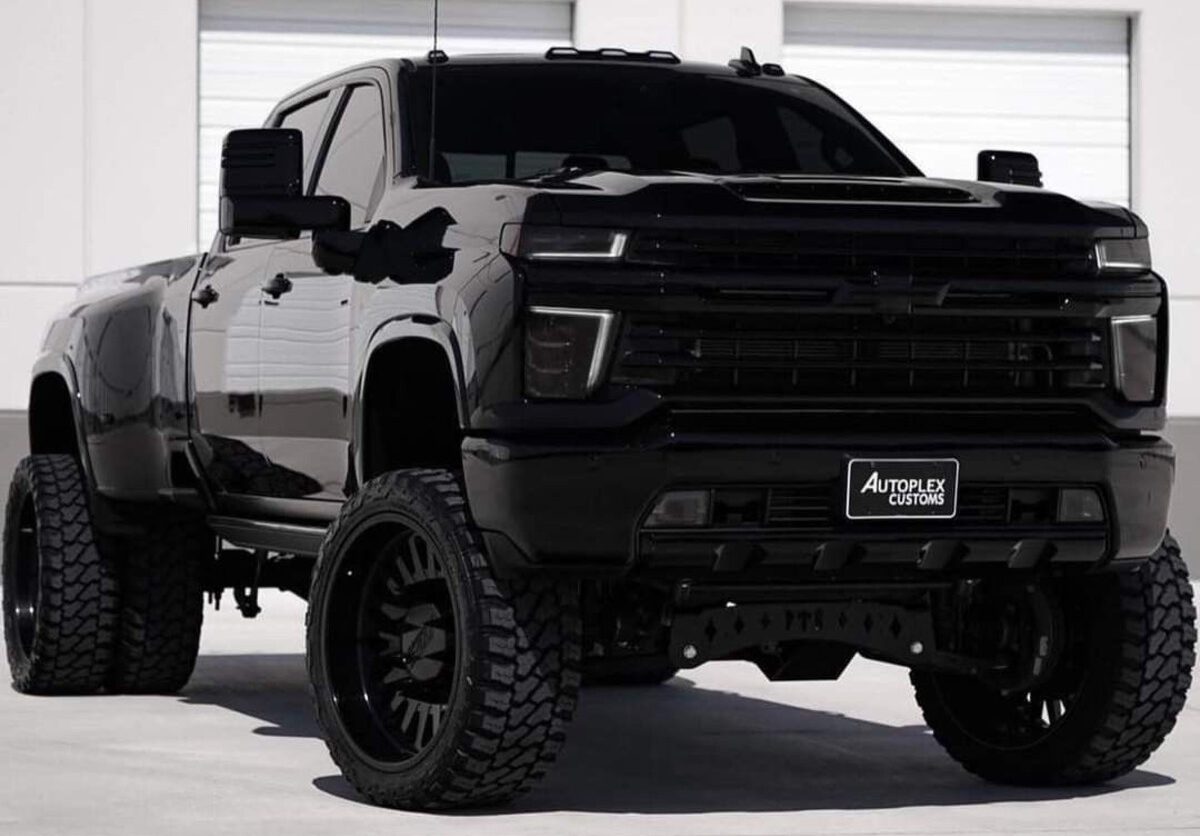
With a high-waisted, flat-fronted pickup truck or full-size SUV, the crash mechanics change entirely. The initial impact does not strike the legs; it strikes the upper torso, pelvis, or chest.
Because the front profile of the vehicle is blunt and vertical (often sloped at an angle greater than 65 degrees), the pedestrian is not thrown onto the hood. Instead, the flat wall of steel transfers the entire kinetic energy of the vehicle directly into the victim’s vital internal organs, shattering the pelvis and crushing the chest.
Also, instead of rotating over the car, the pedestrian is knocked flat and pushed downward, directly into the path of the vehicle’s tires. The IIHS study analyzed 17,897 single-vehicle pedestrian crashes. It determined that vehicles with hoods higher than 40 inches off the ground are 45% more likely to cause fatalities than vehicles with hood heights of 30 inches or less.
A four-inch increase in hood height correlates to a 22% increase in pedestrian death risk, with the risk multiplying dramatically for children, women, and elderly pedestrians whose smaller frames bear the brunt of these unyielding vertical grilles.
The Loophole Driving the Trend
The unmitigated growth of consumer vehicles is not an organic consequence of the free market. It is the direct result of decades of historical regulatory loopholes managed by federal agencies, specifically the National Highway Traffic Safety Administration (NHTSA) and the Environmental Protection Agency (EPA). The structural origin of the modern oversized truck traces back to the establishment of Corporate Average Fuel Economy (CAFE) standards in the 1970s.
When CAFE regulations were introduced, policymakers drew a sharp legal distinction between passenger cars and “light trucks.” Light trucks, originally defined as utilitarian vehicles meant for agricultural or commercial work, were granted significantly more lenient fuel economy and emissions targets to protect American businesses. Over the years, automakers realized that if they could reclassify their popular passenger vehicles as light trucks, they could sidestep stringent efficiency mandates.
In the mid-2000s, regulators attempted to close this loophole by transitioning to a “footprint-based” CAFE system. Under these rules, a vehicle’s specific fuel economy target is calculated based on its footprint, the area enclosed by its four wheels. The larger the footprint of the vehicle, the lower its required miles per gallon or emissions target.
The Compliance Loophole: Instead of investing billions to engineer highly efficient engines for smaller cars, automakers realized it was far more cost-effective to simply make their vehicles physically larger. By lengthening the wheelbase, widening the track, and raising the hood profile, a vehicle moved into a more relaxed regulatory bracket.
This policy incentive structure fundamentally poisoned American automotive design. It made small, affordable passenger cars unprofitable to manufacture while turning massive, high-margin pickup trucks and large SUVs into the corporate cash cows of Detroit.
For decades, federal safety standards focused almost exclusively on protecting the occupants inside the vehicle during a crash, completely ignoring the safety of the human beings outside of it.
ALSO READ: 6 Trucks With Frames Known to Rust Out
The Global Divide: Why Europe Doesn’t Have This Problem
The crisis of soaring pedestrian deaths from oversized consumer vehicles is uniquely American. If you travel to Western Europe or parts of Asia, the automotive landscape looks fundamentally different, not because overseas consumers inherently dislike large trucks, but because international design mandates make building them practically impossible.
The European New Car Assessment Programme (Euro NCAP) and United Nations Economic Commission for Europe (UNECE) regulations have long mandated strict “pedestrian protection” protocols for vehicle type approval. Under these standards, a vehicle cannot be sold unless its front-end geometry passes rigorous testing designed to minimise injury to a pedestrian’s legs, pelvis, and head.
Manufacturers must ensure a mandatory clearance zone of roughly 10 centimetres between the exterior sheet metal of the hood and the hard internal engine components below. This ensures that if a pedestrian’s head hits the hood, the metal can flex and absorb the impact like a crumple zone.
| Regulatory Factor | United States (NHTSA / FMVSS) | European Union (Euro NCAP / UNECE) |
| Pedestrian Testing | Historically absent, consumer-focused updates were proposed late. | Mandated for decades; directly impacts vehicle design approvals. |
| Hood Profile Rules | No maximum height restrictions or slope mandates. | Strict slope requirements; clear space mandated above engine blocks. |
| Vehicle Tax Policy | Subsidies/loopholes incentivise heavy “light trucks.” | Penalties/taxes scaled to vehicle weight and carbon emissions. |
Because European regulations require a sloped, energy-absorbing front profile, global manufacturers cannot sell high, blunt, vertical grilles in those markets. A standard Ford F-150 or Ram 1500 is completely non-compliant with European safety type approvals due to its aggressive, high front fascia.
Following this, overseas markets are populated by mid-size trucks with significantly lower, sloped noses that preserve forward visibility and reduce crash trauma. The contrast proves that vehicle size is shaped by policy, and while Europe has successfully used regulations to keep its streets walkable, the United States has allowed unregulated design choices to dictate public safety.
Consumer Demand vs. Ethical Design
As public awareness of this structural safety crisis grows, the automotive industry has attempted to address the problem without modifying the profitable, aggressive aesthetic that consumers demand. The primary defence mounted by manufacturers is a heavy reliance on active safety technology. Automakers highlight features like advanced Automatic Emergency Braking (AEB) and Forward Collision Warning systems as the definitive solution to the pedestrian visibility crisis.
While these electronic driver aids are valuable, they are an incomplete solution to a fundamental geometric flaw. Software cannot overcome the laws of physics. Sensor occlusion from dirt, blinding direct sunlight, heavy rain, or sub-optimal nighttime conditions can cause front-mounted radar and camera systems to fail or delay intervention.
Also, a study by the IIHS demonstrated that while pedestrian AEB systems reduce low-speed impacts in broad daylight, their effectiveness drops drastically on unlit suburban and rural roads at night, the exact environments where the vast majority of fatal pedestrian strikes occur.
Relying on technology to fix a fundamentally hazardous vehicle shape is an ethical compromise. It shifts the burden of safety onto algorithms and electronic components rather than addressing the physical hazard at its source.
A vehicle that requires a 360-degree camera array just to verify that no children are standing in a driveway is a vehicle with an inherently broken physical design.
If the automotive industry is to pivot toward truly ethical manufacturing, it must acknowledge that software cannot serve as a substitute for safe, visible, and human-scaled front-end geometry.
Blood on the Asphalt, Silence in Washington
For decades, the American approach to traffic safety has operated under an unwritten agreement: the design choices of private consumer vehicles take absolute precedence over the physical safety of people using public space.
We have watched vehicle hoods rise to the shoulder height of grown adults, witnessed the forward blind zones of consumer pickup trucks expand to match those of industrial semi-trucks, and stood by as pedestrian fatalities have systematically climbed year after year.
Yet, the institutional response from Washington remains painfully slow. While organizations like the NHTSA have recently advanced preliminary rulemakings such as the proposed Federal Motor Vehicle Safety Standard (FMVSS) No. 228 aimed at mitigating head-to-head impact risks, these measures largely attempt to adapt to existing truck dimensions rather than mandating a hard cap on front fascia heights.
This continued inaction is a deliberate policy choice. Every day that regulators refuse to implement a universal height restriction on consumer front ends is a day they choose to prioritize corporate profitability and aggressive styling over human lives.
We do not tolerate consumer products that present clear, geometry-driven lethality in any other sector of American society. It is time to end the regulatory exceptionalism granted to the auto industry. Our streets do not belong exclusively to the largest machine available for purchase; they belong to the public.
Until federal safety mandates require vehicle hoods to return to human-scaled, sloped, and visible dimensions, the blood on our asphalt will remain a monument to a regulatory system that cares far more about the subjective aesthetics of toughness than the survival of its own citizens.