

Electric vehicles have rapidly shifted from being a futuristic concept to a mainstream transportation option, and one of the most common questions people still ask is how long EV batteries really last. Since the battery is the most expensive and critical component in an electric car, understanding its lifespan is essential for buyers, owners, and anyone considering switching from petrol or diesel vehicles.
EV batteries are not like traditional car batteries that may need frequent replacement every few years. Instead, they are built using advanced lithium-ion technology designed for long-term use, efficiency, and durability under daily charging and discharging cycles. However, like all energy storage systems, they do degrade over time, which means their capacity slowly reduces rather than suddenly failing.
In most modern electric vehicles, battery packs are designed to last between 8 and 15 years, depending on usage, climate, charging habits, and manufacturer quality. Many real-world cases show EV batteries still performing well even after 200,000 kilometers or more, although with slightly reduced range compared to when they were new.
This gradual decline in performance is known as battery degradation, and it is one of the key factors that determines how long an EV remains practical for everyday use. Unlike older technologies, EV batteries do not usually “die” abruptly; instead, they lose a small percentage of capacity each year.
Another important aspect to understand is that manufacturers provide warranties that typically cover 8 years or around 160,000 kilometers, ensuring that the battery retains a minimum level of performance during that period. This has significantly increased consumer confidence in electric vehicles.
Advancements in battery chemistry, thermal management systems, and software optimization have improved battery longevity compared to earlier generations of EVs.
It is also important to consider how driving behavior, charging habits, and environmental conditions affect battery life. Frequent fast charging, exposure to extreme heat, and consistently charging to 100 percent can all contribute to faster degradation. On the other hand, controlled charging patterns, moderate temperatures, and smooth driving can extend battery life significantly.
As electric vehicles continue to evolve, battery lifespan is expected to improve even further, making EVs more cost-effective and reliable over the long term. This article explores in detail how long EV batteries last, what affects their lifespan, how degradation works, real-world performance data, replacement costs, and how owners can maximize battery health for years of efficient driving.
Also Read: 5 Land Rover Models Worth the Risk VS 5 To Avoid
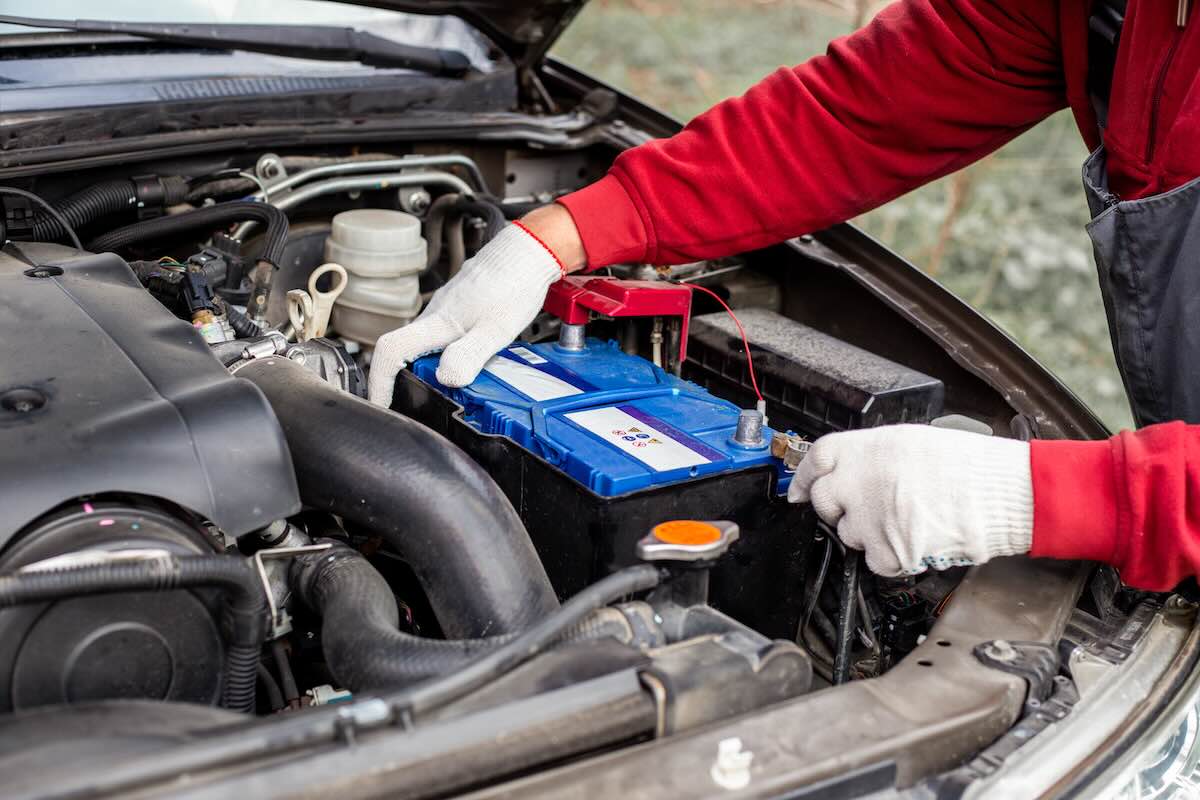
What Determines EV Battery Lifespan?
The lifespan of an EV battery depends on several interconnected technical and environmental factors that influence how quickly its capacity declines over time. At the core, most electric vehicles use lithium-ion battery chemistry, which is sensitive to heat, charge cycles, and voltage levels.
Each time the battery is charged and discharged, it goes through what is known as a cycle, and over thousands of cycles, small amounts of wear gradually reduce total energy storage capacity. However, not all cycles affect the battery equally, since shallow cycles are far less stressful than full deep discharges.
One of the most significant factors affecting EV battery lifespan is temperature. High heat accelerates chemical reactions inside the battery cells, which can increase degradation rates over time.
This is why EVs sold in hotter climates often come with advanced thermal management systems that regulate battery temperature through liquid cooling or air cooling systems. Cold temperatures, on the other hand, temporarily reduce performance but are generally less damaging in the long term compared to extreme heat exposure.
Another key factor is charging behavior. Frequent use of DC fast charging can generate additional heat and stress within the battery cells, which may slightly reduce long-term capacity if used excessively. While fast charging is convenient, most manufacturers recommend relying primarily on slower AC charging for daily use and reserving fast charging for long trips.
Charging habits such as consistently charging to 100 percent or letting the battery drop to near zero can also increase strain, whereas maintaining a moderate charge range is considered healthier.
Driving style also plays a role in battery longevity. Aggressive acceleration, high-speed driving, and heavy loads require more energy, which increases the number of charge cycles over time. In contrast, smooth and efficient driving reduces strain on the battery and helps preserve capacity.
Regenerative braking systems in EVs help partially offset energy loss, but they also contribute to battery cycling, which is generally managed efficiently by modern battery management systems.
The quality of battery management software and hardware design is crucial. Advanced EVs use sophisticated battery management systems that monitor voltage, temperature, and charging rates in real time. These systems optimize performance and prevent conditions that could accelerate degradation. As a result, two vehicles with similar battery sizes may have very different lifespans depending on how well their systems are engineered.
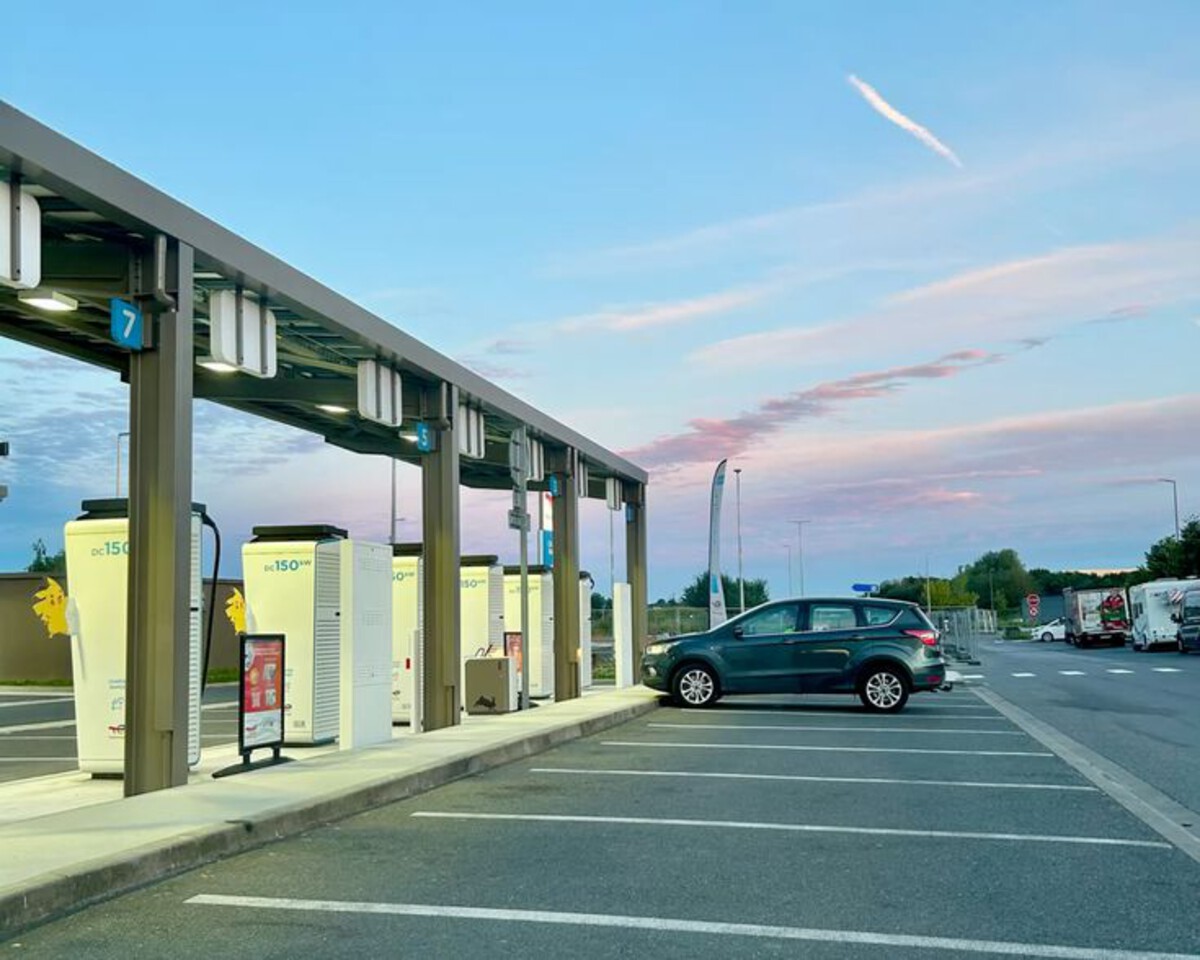
How Long EV Batteries Last in Real World Conditions
In real-world usage, EV batteries tend to last significantly longer than many early predictions suggested, with most modern electric vehicles maintaining usable performance for well over a decade.
On average, many EV batteries lose around 1.5 to 2.5 percent of their capacity per year, although this rate is not linear and often slows down after the initial years of use. This means that even after 8 to 10 years, most EVs still retain around 75 to 85 percent of their original range, which is sufficient for daily commuting and general use.
Real-world data from long-term EV owners shows that vehicles like early-generation electric cars are still operating effectively after crossing 150,000 to 250,000 kilometers.
While there is noticeable range reduction, it is typically gradual enough that owners can adapt without major disruption. In many cases, the vehicle becomes less ideal for long-distance travel but remains perfectly suitable for city driving and short commutes.
Environmental conditions significantly influence real-world battery longevity. EVs used in moderate climates tend to perform better over time compared to those in regions with extreme heat or cold. For example, vehicles in consistently hot climates may experience slightly faster degradation due to thermal stress, while those in colder regions may see temporary range drops during winter months but better long-term stability.
Charging infrastructure and habits also influence real-world outcomes. Owners who rely heavily on fast charging stations may observe slightly faster degradation compared to those who primarily charge at home using slower chargers.
However, modern battery systems are designed to handle occasional fast charging without major long-term impact, which makes EVs more flexible for real-world driving needs.
The real-world performance of EV batteries demonstrates that they are highly durable and designed for long term ownership. Most drivers will likely replace their vehicle before needing a battery replacement, which highlights how reliable modern electric vehicle technology has become.
Also Read: 5 Land Rover Models Worth the Risk VS 5 To Avoid

EV Battery Degradation
Battery degradation in electric vehicles refers to the gradual reduction in the total energy storage capacity of the battery over time. This process is natural and expected in all lithium-ion batteries due to chemical and structural changes that occur during charging and discharging cycles.
As the battery ages, it is no longer able to hold the same amount of energy as it did when new, which results in reduced driving range.
The degradation process is influenced by the breakdown of materials within the battery cells. Over time, the electrodes inside the battery experience wear, and the movement of lithium ions becomes slightly less efficient.
This reduces the ability of the battery to store and release energy. However, modern EV batteries are engineered to slow down this process significantly through improved materials and design.
One important characteristic of EV battery degradation is that it is not linear. The most noticeable capacity loss often occurs in the early years of use, after which the rate of degradation tends to stabilize. This means that after an initial drop, the battery’s health typically declines more slowly over time. This pattern helps owners maintain predictable performance over the long term.
Heat plays a major role in accelerating degradation because it increases the rate of internal chemical reactions. This is why thermal management systems are essential in modern EVs.
These systems regulate battery temperature to keep it within an optimal range, reducing stress on the cells and improving longevity. Similarly, extreme charging states such as consistently keeping the battery at full charge or completely empty can increase degradation rates.
Despite this gradual decline, EV batteries are designed with a buffer capacity that is not always accessible to the driver. This buffer helps protect the battery from extreme conditions and ensures that even after years of use, the vehicle remains functional and efficient.

EV Battery Warranties and Manufacturer Claims
Most electric vehicle manufacturers provide warranties specifically for the battery pack, reflecting their confidence in the durability of modern battery technology.
Typically, these warranties last around 8 years or up to 160,000 kilometers, although some manufacturers offer longer coverage depending on the model and region. The warranty usually guarantees that the battery will retain a certain percentage of its original capacity, often around 70 percent, during the warranty period.
This warranty structure is important because it sets realistic expectations for EV owners. Even though battery degradation is unavoidable, manufacturers ensure that performance does not drop below a usable level within the covered timeframe. If the battery capacity falls below the guaranteed threshold, the manufacturer may repair or replace the battery at no additional cost to the owner.
Manufacturers base these warranties on extensive testing and real-world simulations that estimate long-term battery behavior under different conditions. These tests include accelerated aging processes, temperature cycling, and repeated charge-discharge cycles to predict how the battery will perform over many years of use.
In addition to warranties, many manufacturers also provide battery management software updates that improve efficiency and longevity. These updates can optimize charging patterns, improve thermal regulation, and enhance battery health monitoring. This software-driven approach has become an important part of extending EV battery lifespan.
Battery warranties provide reassurance to buyers and demonstrate that modern EV batteries are designed with long-term reliability in mind rather than short term performance alone.
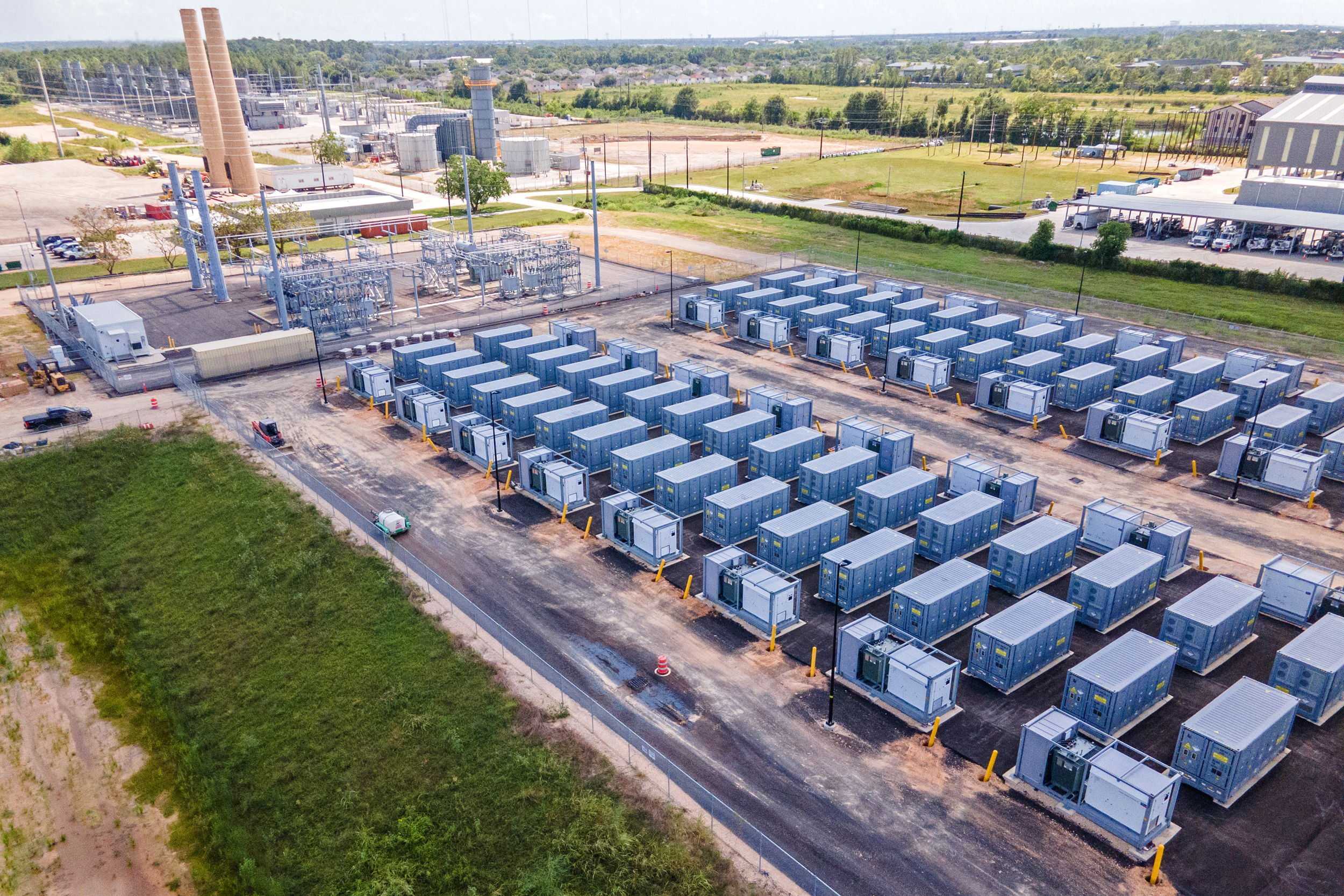
How to Extend EV Battery Life
Extending the lifespan of an EV battery depends largely on how the vehicle is used and charged on a daily basis. One of the most effective strategies is maintaining the battery within an optimal charge range, typically between 20 percent and 80 percent for everyday use.
This reduces stress on the battery cells and helps slow down degradation over time. Fully charging to 100 percent is generally recommended only for long trips.
Temperature management is another important factor in preserving battery health. Whenever possible, EVs should be parked in shaded or temperature-controlled environments to avoid prolonged exposure to extreme heat. Many modern EVs include built-in thermal management systems that help regulate battery temperature, but external conditions still play a significant role in long-term health.
Charging habits also make a significant difference. While fast charging is convenient, relying on it too frequently can generate additional heat and stress. Using slower home charging methods for daily use is generally better for long-term battery health. Planning charging sessions strategically rather than allowing the battery to fully deplete can also reduce strain.
Driving behavior contributes as well. Smooth acceleration and moderate speeds reduce energy consumption and minimize stress on the battery. Aggressive driving patterns increase energy demand and lead to more frequent charging cycles, which can slightly accelerate degradation over time.
Keeping the vehicle software updated ensures that the battery management system operates efficiently. Manufacturers regularly release updates that improve charging algorithms and thermal control, helping extend battery life without any additional effort from the owner.
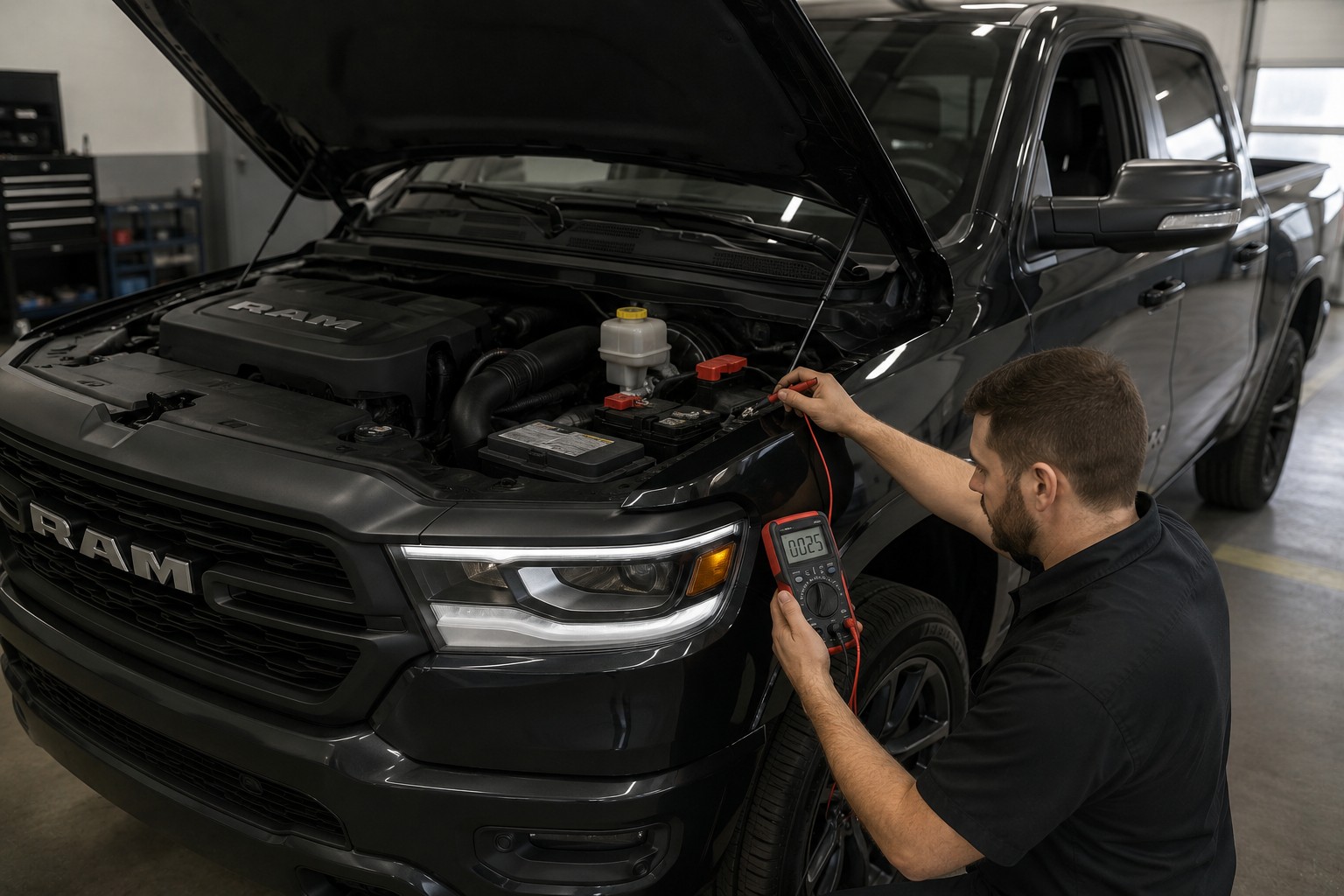
Replacement Cost and Future Outlook of EV Batteries
The cost of replacing an EV battery has historically been high, but it has been decreasing over time as battery production becomes more efficient and widespread.
Depending on the vehicle model and battery size, replacement costs can still be high, often ranging from a few thousand to several thousand dollars or equivalent in local currency. However, most EV owners do not need to replace their battery during the normal lifespan of the vehicle.
In many cases, only specific modules within a battery pack may require replacement rather than the entire system, which can reduce costs significantly. Refurbished batteries and second-life applications are becoming more common, further lowering the financial burden of battery replacement.
The future of EV battery technology is expected to bring even longer lifespans and lower costs. Advances in solid-state batteries, improved lithium-ion chemistry, and better energy density are likely to extend usable life well beyond current expectations. These improvements will also reduce degradation rates and increase efficiency.
Recycling and sustainability efforts are also playing a growing role in the EV industry. Many manufacturers are investing in battery recycling programs that recover valuable materials from old batteries and reuse them in new production cycles. This not only reduces environmental impact but also helps stabilize long-term costs.
The outlook for EV battery longevity is highly positive, with continuous innovation making electric vehicles more reliable, affordable, and sustainable for long-term ownership.
