
Car ownership is often described as a rational decision based on budget, fuel efficiency, and features, but real-world behavior shows that emotions, trust, and long-term experience play a much bigger role than most people expect. Once a driver chooses a brand and spends years using it daily, that experience begins to shape future decisions far more strongly than advertisements or specifications.
Over time, many car owners develop a pattern of repeat purchasing from the same manufacturer, not because they are unaware of alternatives, but because they actively prefer the predictability and comfort of what they already know. This behavior is known in automotive markets as brand loyalty, and it is one of the strongest forces influencing global car sales.
In practical terms, brand loyalty reduces perceived risk. Buying a car is a high-value decision, and switching to an unfamiliar brand introduces uncertainty about maintenance costs, driving experience, durability, and long-term resale value.
When a vehicle performs well over several years, the owner mentally categorizes that brand as “safe,” which reduces hesitation during the next purchase cycle. This is especially true for families and working professionals who depend heavily on their vehicles for daily transportation and cannot afford repeated mechanical issues or unexpected costs.
Another important factor is consistency of experience. Many manufacturers maintain similar engineering philosophies across their models, which means a driver who upgrades within the same brand often feels immediately comfortable with the new vehicle.
The steering feel, cabin layout, control placement, and driving dynamics tend to evolve gradually rather than drastically. This continuity reduces the learning curve and reinforces the idea that staying with the same brand is simply more convenient than adapting to a completely different system.
Emotional attachment also plays a significant role. Over years of ownership, cars become part of daily routines, family memories, and personal milestones. A vehicle that has reliably supported commuting, road trips, and emergencies often becomes associated with trust and stability.
When that emotional connection is strong, switching brands feels unnecessary or even uncomfortable, even if a competitor offers slightly better specifications on paper.
Modern automotive ecosystems have strengthened loyalty further. Features such as brand-specific infotainment systems, service networks, warranty programs, and even digital apps create a connected experience that extends beyond the physical car.
Once an owner becomes accustomed to this ecosystem, the convenience of staying within it often outweighs the appeal of switching. This article explores the types of car owners who show the strongest loyalty patterns and explains why they consistently return to the same brands.
Also Read: 5 Land Rover Models Worth the Risk VS 5 To Avoid
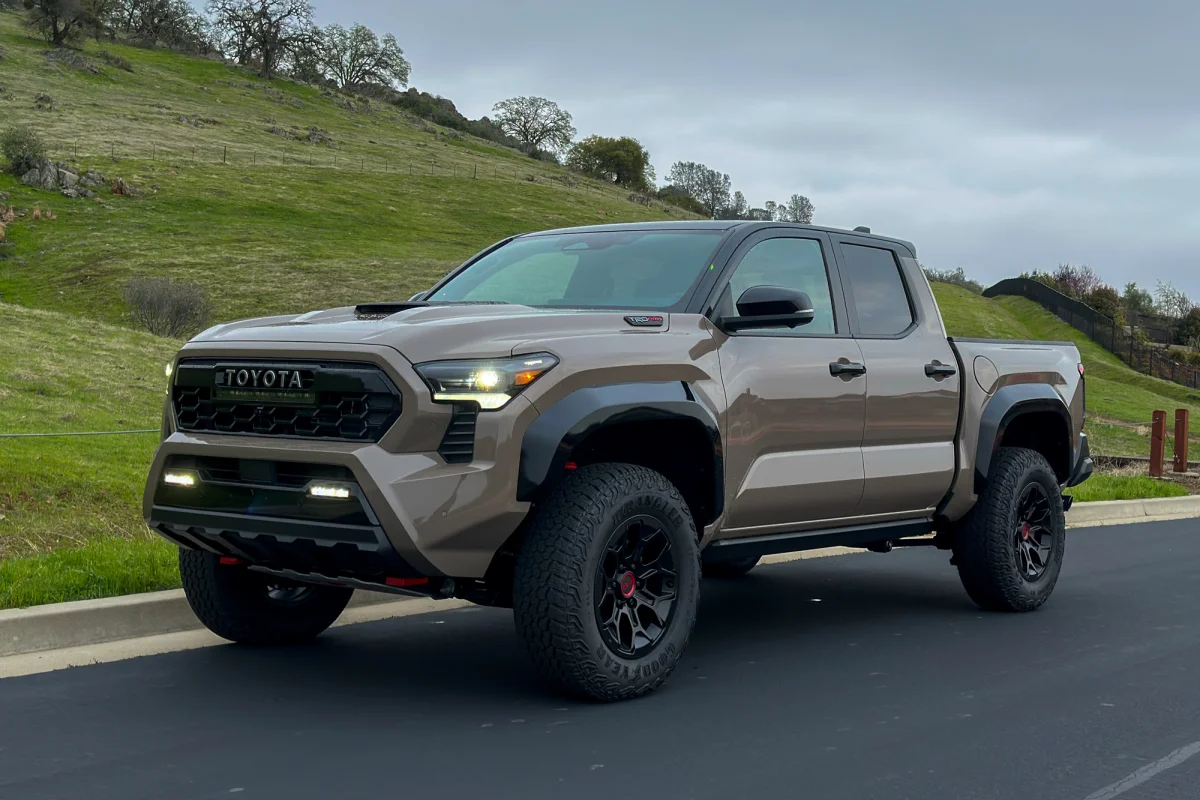
1. Toyota Owners and Long-Term Reliability Loyalty
Toyota owners represent one of the strongest examples of brand loyalty in the global automotive industry. The primary reason behind this behavior is the company’s long-standing reputation for reliability and mechanical durability.
Many Toyota vehicles are known to operate efficiently for hundreds of thousands of kilometers with minimal major issues, which creates deep trust among owners. Once a driver experiences years of trouble-free performance, the perceived risk of switching to another brand increases significantly.
Another major factor is low maintenance cost stability. Toyota vehicles are generally designed with simplicity and efficiency in mind, which often results in fewer complex mechanical failures compared to more performance-focused brands.
Owners quickly realize that routine servicing is predictable and affordable, which reduces long-term ownership stress. This financial consistency becomes a powerful motivator for repeat purchases, especially in markets where maintenance expenses are a key concern.
Resale value also plays a major role in reinforcing loyalty. Toyota models often retain strong market demand even after years of use, which allows owners to recover a significant portion of their investment when upgrading.
This creates a practical cycle where selling an older Toyota and purchasing a newer one from the same brand feels economically sensible. Over time, this cycle naturally leads to repeat purchases within the Toyota ecosystem.
Familiarity further strengthens this loyalty pattern. Toyota vehicles tend to follow a consistent design and engineering philosophy across generations.
While models are regularly updated with new features and improved performance, the driving experience remains familiar. This reduces adaptation time and makes upgrading within the brand feel smooth and predictable rather than disruptive.
Toyota loyalty is often reinforced socially and culturally. In many regions, families pass down trust in Toyota vehicles across generations. If parents have had positive experiences with the brand, children are more likely to adopt the same preference. This generational reinforcement creates a long-lasting loyalty loop that keeps Toyota owners returning to the brand repeatedly.
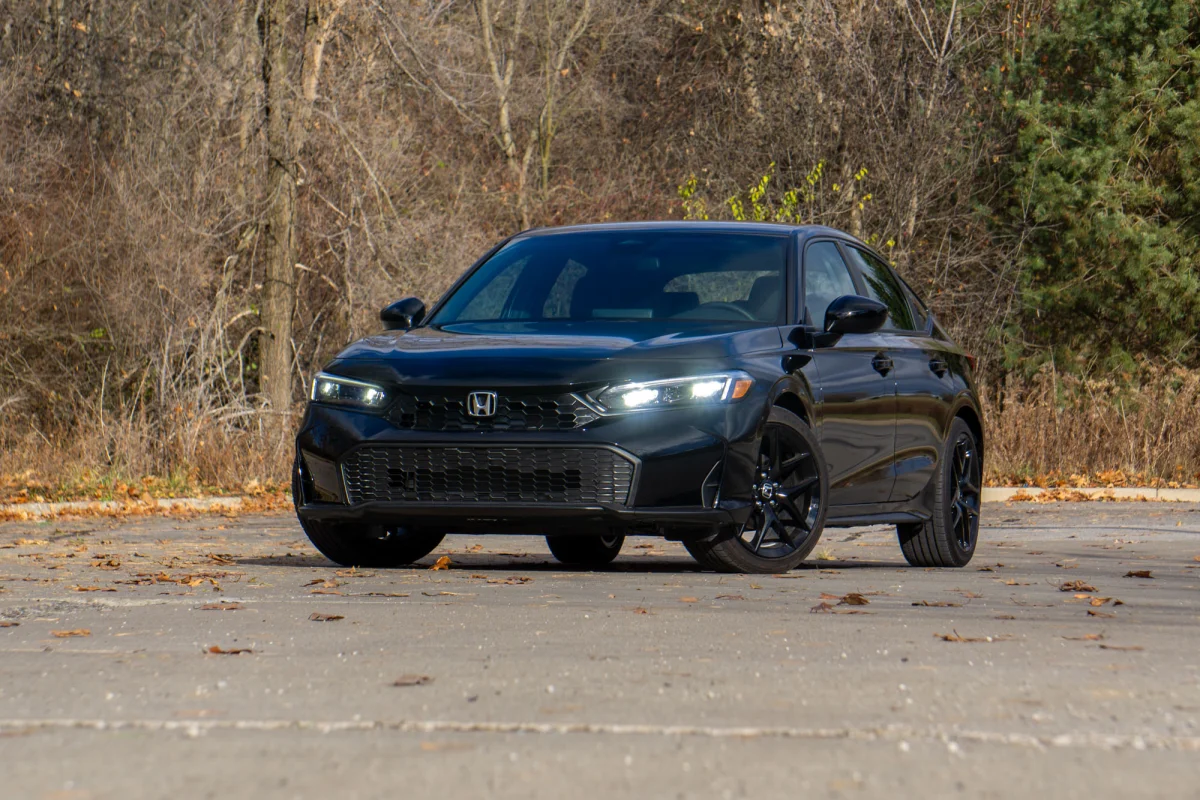
2. Honda Owners and Dependability Driven Loyalty
Honda owners are highly loyal because the brand has built a strong identity around engineering efficiency, fuel economy, and long-term dependability. Many drivers choose Honda initially for practical reasons, but stay with the brand after experiencing consistent performance over time. This reliability builds confidence, which is one of the strongest psychological drivers of repeat purchasing behavior.
Fuel efficiency is a major contributor to this loyalty. Honda has historically focused on optimizing engine performance for everyday driving conditions, making its vehicles particularly attractive for commuters.
Owners who spend significant time on the road quickly recognize the long-term savings in fuel costs, which reinforces the decision to stick with the brand during future upgrades.
Another important factor is smooth and balanced driving dynamics. Honda vehicles are often praised for their refined handling and comfortable ride quality. They strike a balance between performance and comfort, which appeals to a wide range of drivers. Once owners become accustomed to this driving feel, they often find alternative brands either too aggressive or too soft, making Honda feel like the “right balance.”
Maintenance simplicity also plays a key role in retention. Honda vehicles are known for having straightforward mechanical systems that are relatively easy to service. This leads to predictable repair costs and fewer unexpected breakdowns. For many owners, this reliability translates into peace of mind, which becomes more valuable over time than experimenting with new brands.
Emotional trust develops naturally through long-term use. Many Honda owners report that after years of ownership, they begin to associate the brand with stability and dependability in their daily lives. This emotional confidence reduces the likelihood of switching, even when competitors introduce newer or more visually appealing models.
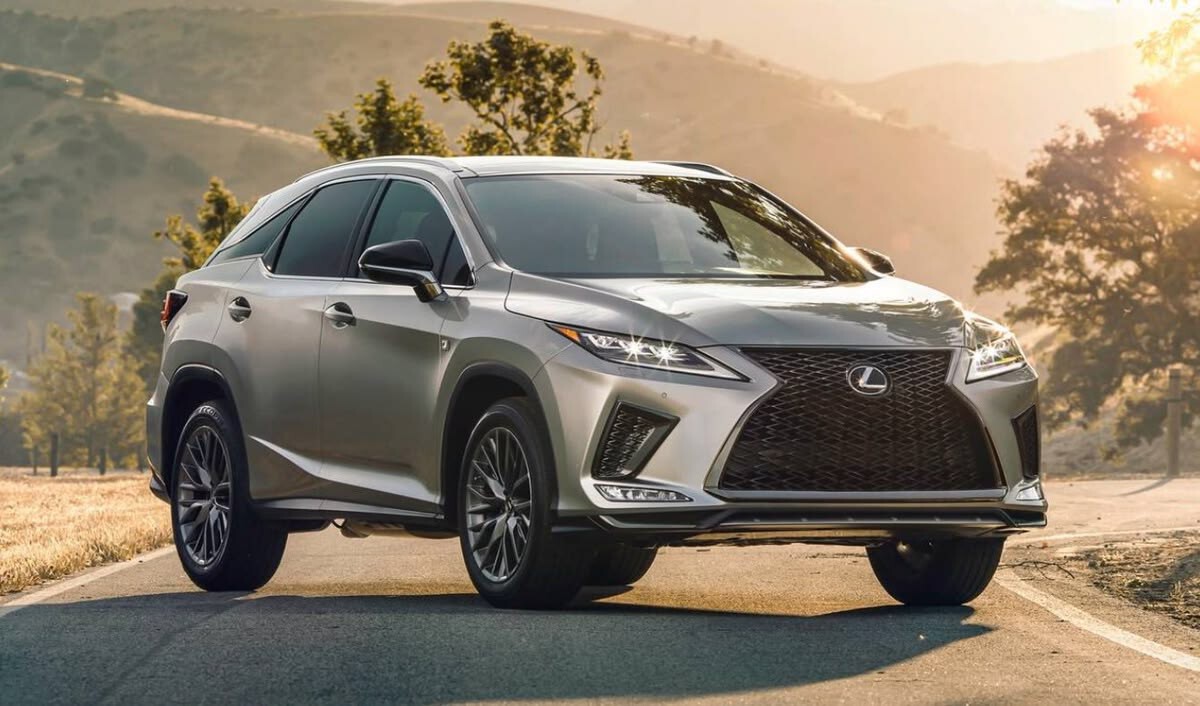
3. Lexus Owners and Luxury Reliability Loyalty
Lexus owners tend to remain extremely loyal because the brand successfully combines luxury comfort with long-term reliability. Many customers enter the Lexus ecosystem after experiencing dissatisfaction with high maintenance costs from other luxury manufacturers.
Once they discover that Lexus offers premium features without frequent mechanical issues, they often remain within the brand for future purchases.
Comfort is one of the strongest loyalty drivers in the Lexus segment. The vehicles are designed with a strong emphasis on cabin silence, smooth suspension tuning, and high-quality interior materials.
This creates a consistently relaxing driving experience, especially for long-distance travel. Owners who prioritize comfort often find little reason to switch once they become accustomed to this level of refinement.
Another key factor is reduced ownership cost compared to many European luxury brands. While Lexus vehicles are still premium priced, they generally require fewer costly repairs over time. This reliability reduces stress and helps owners avoid unexpected financial burdens, making long-term ownership more predictable and appealing.
Customer service experience also plays a significant role in retention. Lexus dealerships are widely known for offering a premium service experience that matches the brand’s luxury positioning. Positive interactions during servicing and maintenance reinforce trust and make ownership feel seamless, which increases the likelihood of repeat purchases.
Finally, Lexus appeals strongly to buyers who prefer understated luxury. Unlike some competitors that emphasize aggressive styling or complex technology, Lexus focuses on subtle elegance and refinement. This design philosophy attracts customers who value consistency and calm sophistication, leading to strong long-term brand loyalty.
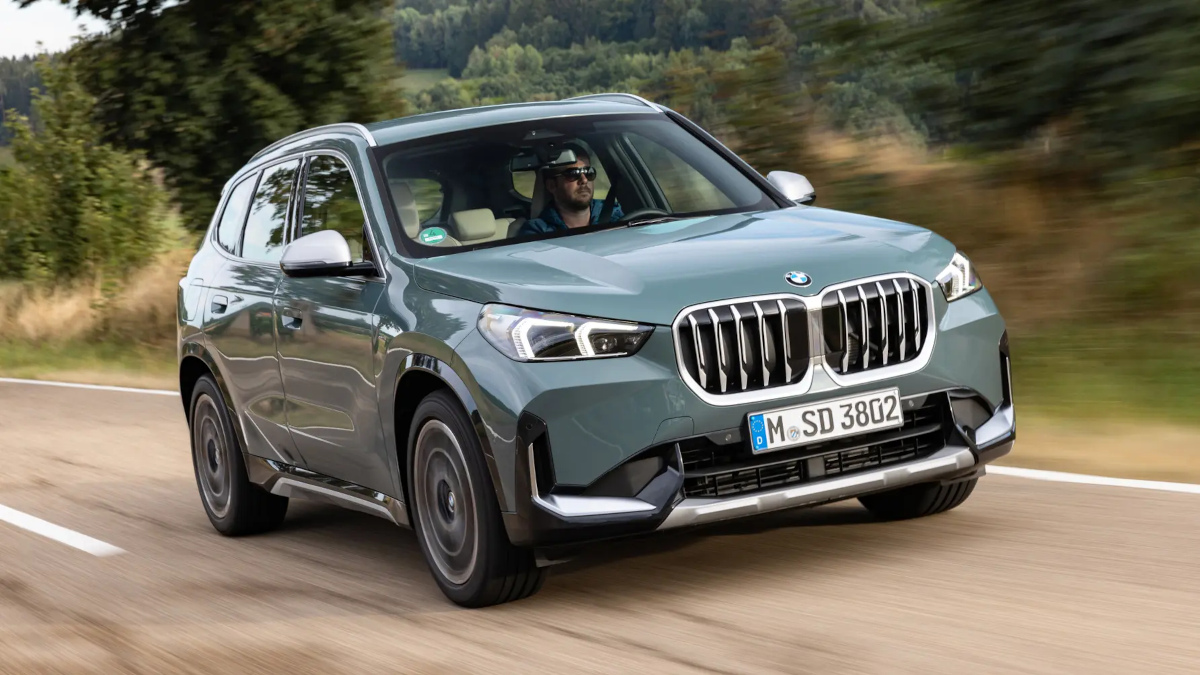
4. BMW Owners and Driving Experience Loyalty
BMW owners often show strong loyalty because the brand is closely associated with driving enjoyment and performance-oriented engineering. Many buyers choose BMW specifically for its sporty driving dynamics, and once they experience the responsive steering and engine performance, they develop a strong preference for the brand’s unique driving feel.
The emotional connection to the driving experience is one of the most important loyalty drivers for BMW. Enthusiast drivers often describe BMW vehicles as engaging and precise, offering a sense of control that is difficult to replicate. This creates a strong psychological attachment, where switching to another brand may feel like losing part of the driving enjoyment they are used to.
Brand identity also plays a major role in retention. BMW is widely recognized as a symbol of performance luxury, and many owners associate it with personal achievement and success. This identity becomes part of the ownership experience, reinforcing loyalty beyond technical specifications.
Technological consistency further strengthens retention. Modern BMW vehicles maintain a familiar interface and driving environment across different models. This makes upgrading within the brand relatively seamless, as drivers do not need to relearn core systems or adjust to completely different controls.
Finally, BMW ownership often becomes lifestyle-based rather than purely functional. Many owners view their vehicles as part of their personality and daily expression, which significantly reduces the likelihood of switching to another brand, even if alternatives offer competitive features.
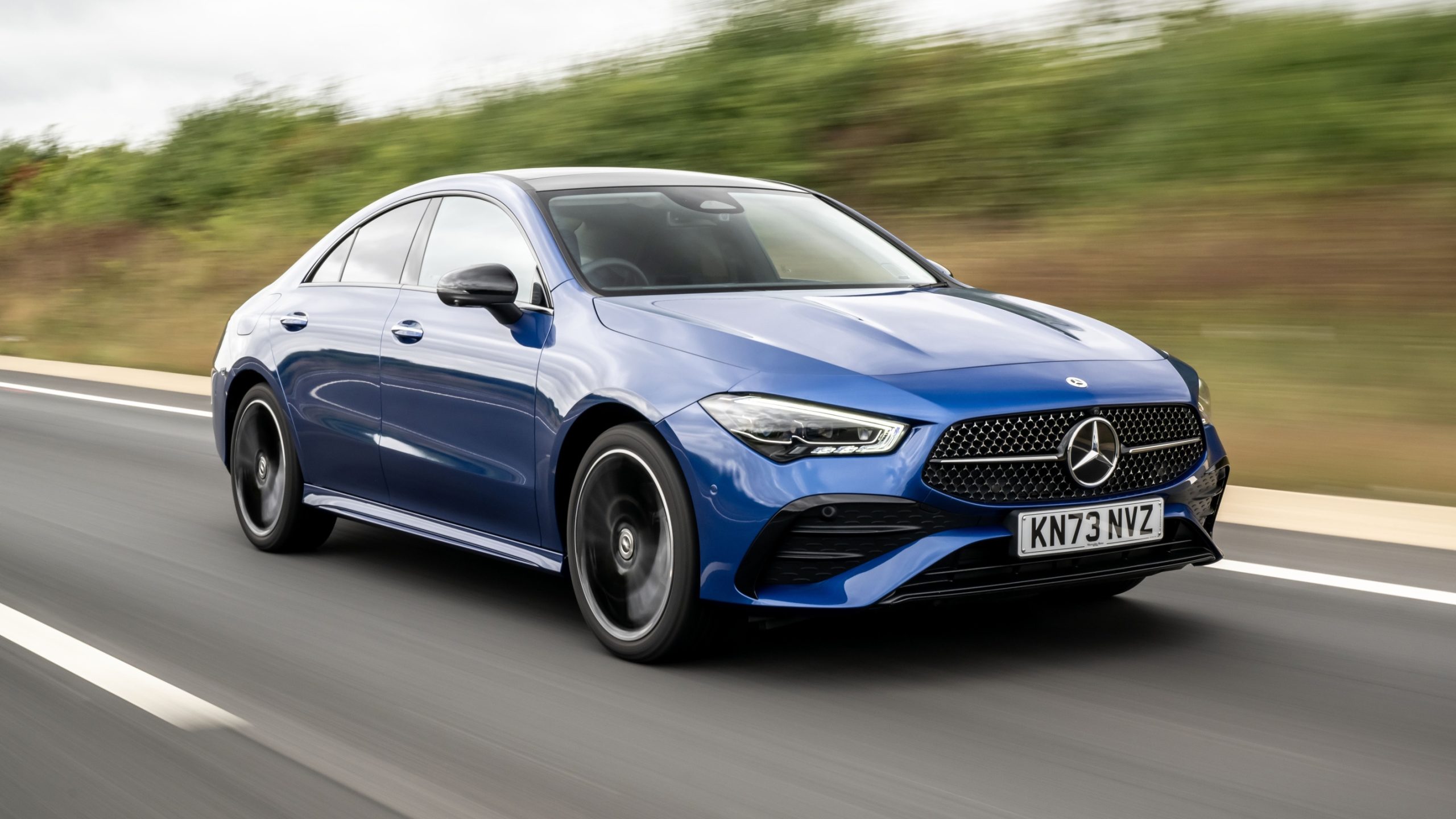
5. Mercedes-Benz Owners and Prestige-Based Loyalty
Mercedes-Benz owners are highly loyal due to the brand’s long-standing association with luxury, prestige, and engineering heritage. Many customers enter the brand specifically to align themselves with this identity, and once they do, they tend to continue within the ecosystem to maintain that status association.
Comfort and refinement are central to the Mercedes-Benz ownership experience. The vehicles are designed to provide smooth rides, advanced noise insulation, and premium interior environments. This focus on passenger comfort makes the driving experience feel consistently high-end, reinforcing long-term satisfaction.
Another major reason for loyalty is the wide product range within the brand. Mercedes-Benz offers vehicles across multiple luxury segments, allowing owners to upgrade from one model to another without leaving the brand. This internal progression creates a natural upgrade path that keeps customers within the ecosystem.
Advanced safety and technology features also contribute to retention. Many owners develop trust in systems such as driver assistance and safety technologies, which encourages them to continue using newer versions of the same systems in future models.
Finally, emotional prestige plays a major role. Mercedes-Benz is one of the most recognized luxury automotive brands globally, and ownership often carries symbolic value. This long-established reputation creates a strong psychological barrier to switching brands, reinforcing loyalty over time.
Also Read: 5 Land Rover Models Worth the Risk VS 5 To Avoid
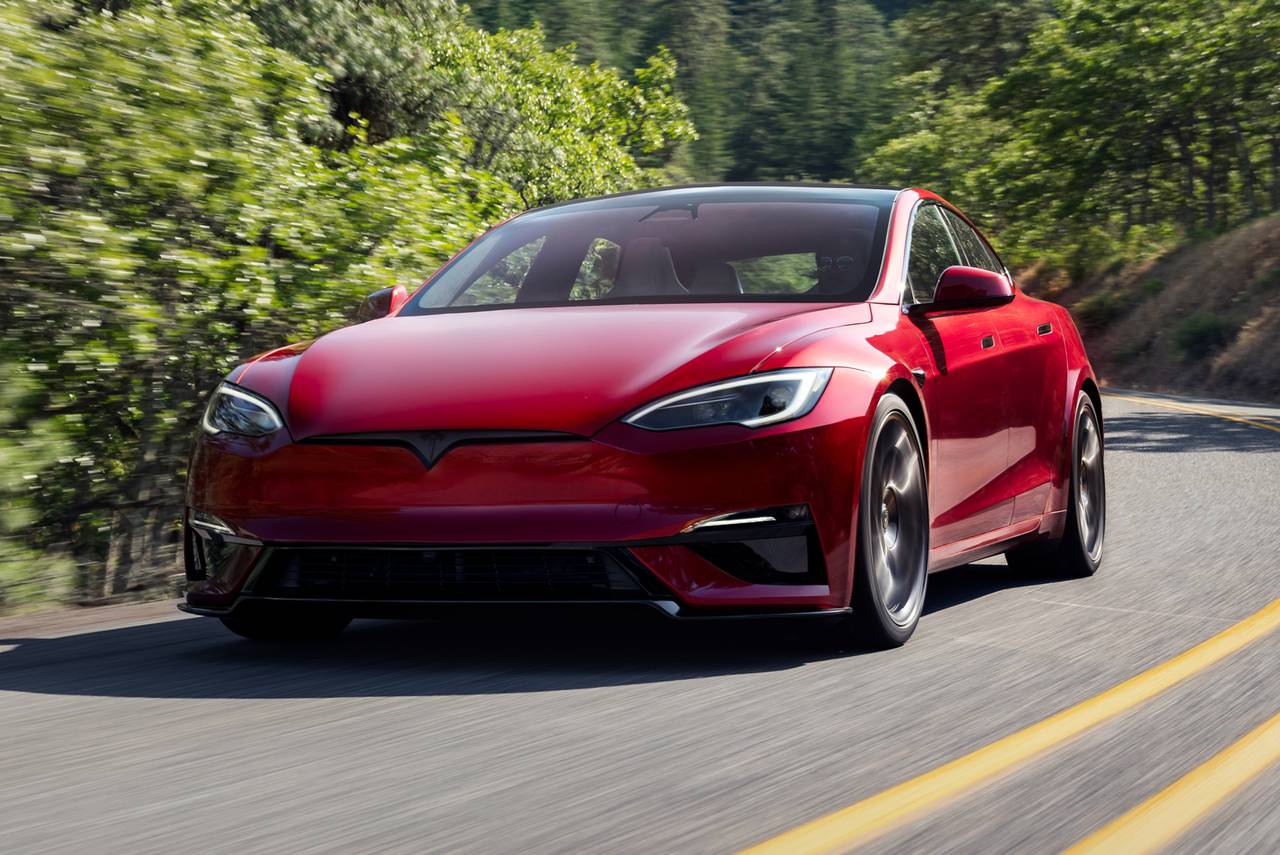
6. Tesla Owners and Ecosystem Driven Loyalty
Tesla owners show some of the strongest modern brand loyalty because the ownership experience is built around a tightly integrated digital ecosystem rather than just the physical car. Unlike traditional manufacturers, Tesla connects the vehicle, software, charging infrastructure, and user account into a single system.
Once a driver becomes familiar with this environment, switching to another brand means giving up a level of integration that is not easily replaced.
One of the biggest loyalty drivers is software familiarity. Tesla vehicles rely heavily on a centralized touchscreen interface that controls most functions, from navigation to climate control. Over time, drivers become highly comfortable with this system. When users adapt to this interface, switching to a traditional multi-button dashboard can feel outdated or less intuitive, which discourages brand switching.
Another major factor is over-the-air updates. Tesla regularly improves vehicle performance, adds features, and enhances safety systems through software updates without requiring physical servicing. This creates a feeling that the car continuously improves over time. Owners begin to associate upgrades with the brand itself, rather than external replacements, which strengthens long-term retention.
Charging infrastructure also plays a significant role in loyalty. Tesla’s Supercharger network is designed for fast, reliable long-distance travel. For many owners, this reduces range anxiety and simplifies travel planning. Once a driver becomes accustomed to this convenience, moving to another electric vehicle brand with less integrated charging support can feel inconvenient.
Finally, Tesla ownership is strongly tied to identity and a technology lifestyle. Many buyers are early adopters who value innovation and digital integration. This mindset naturally encourages them to continue within the Tesla ecosystem as new models and features are released, reinforcing long-term loyalty.
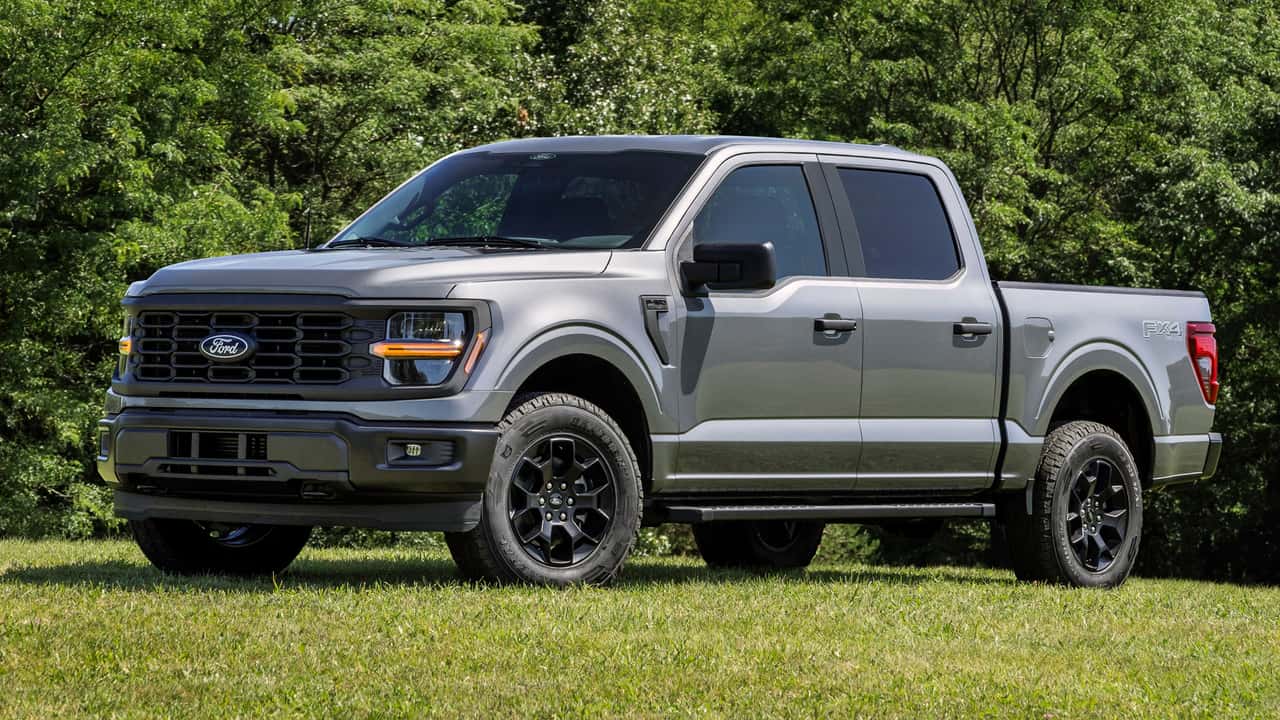
7. Ford Truck Owners and Utility-Based Loyalty
Ford truck owners demonstrate strong brand loyalty largely because their vehicles are deeply tied to work, utility, and daily dependability.
In many cases, these vehicles are not just personal transportation but essential tools for business operations, construction work, agriculture, and logistics. When a truck performs reliably under demanding conditions, owners are far more likely to remain loyal to the same brand.
Durability is one of the strongest reasons behind this loyalty. Ford trucks are widely used in environments where heavy loads, rough terrain, and long operating hours are common. Over time, if a truck consistently withstands these conditions without major issues, it builds a high level of trust. This trust becomes the foundation for repeat purchasing decisions.
Another important factor is towing and payload familiarity. Truck owners often become highly familiar with their vehicle’s limits, towing behavior, braking response, and fuel consumption under load. This operational knowledge is valuable, especially for professionals. Switching to another brand would mean relearning performance behavior, which many owners prefer to avoid.
Fleet usage also strengthens loyalty. Many businesses operate multiple Ford trucks, which standardizes maintenance, spare parts, and servicing procedures. This reduces operational complexity and cost. Once a company builds a Ford-based fleet system, switching brands would require restructuring logistics, which discourages change.
Ford’s long-established presence in the truck segment reinforces emotional and cultural loyalty. In many regions, Ford trucks are seen as a benchmark for utility vehicles. This reputation, combined with real-world durability, creates a strong long-term retention cycle.
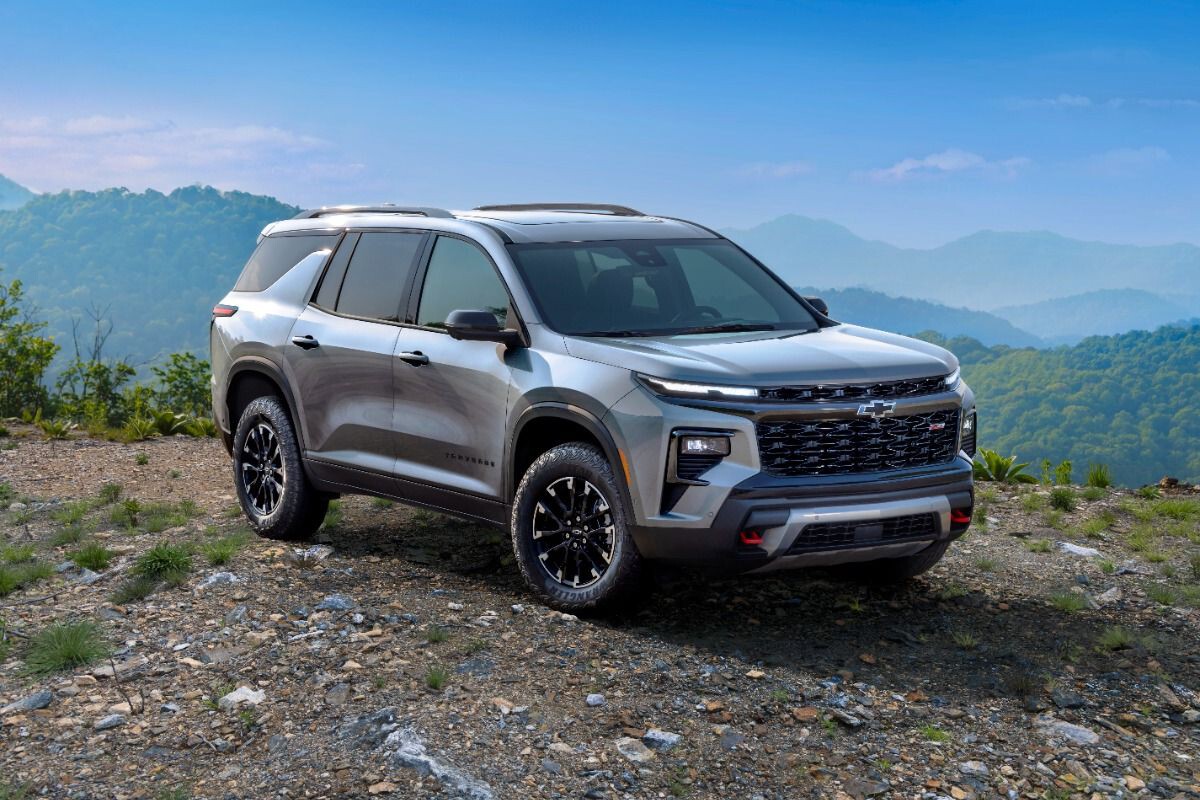
8. Chevrolet Truck Owners and American Utility Loyalty
Chevrolet truck owners often remain loyal because of the brand’s strong association with rugged performance and long-standing American automotive identity. Many buyers choose Chevrolet trucks for their reputation in handling heavy-duty tasks, and once they experience consistent performance, they tend to continue within the brand.
One key reason for loyalty is engine reliability under load. Chevrolet trucks are commonly used in towing, hauling, and off-road environments. When a vehicle performs reliably under stress over many years, it builds confidence that is difficult to replace with competing brands.
Another factor is maintenance familiarity. Owners who regularly service Chevrolet trucks often become accustomed to repair patterns, part availability, and mechanic expertise. This familiarity reduces uncertainty and encourages repeat purchases because switching brands could introduce new maintenance challenges.
Chevrolet also benefits from strong emotional branding. Many owners associate the brand with durability, hard work, and traditional truck culture. This identity becomes part of the ownership experience and strengthens long-term attachment beyond technical specifications.
Finally, fleet and commercial usage reinforces loyalty. Businesses that rely on Chevrolet trucks often standardize their operations around the brand. This creates a system where efficiency and consistency matter more than experimenting with alternatives, resulting in long-term brand retention.
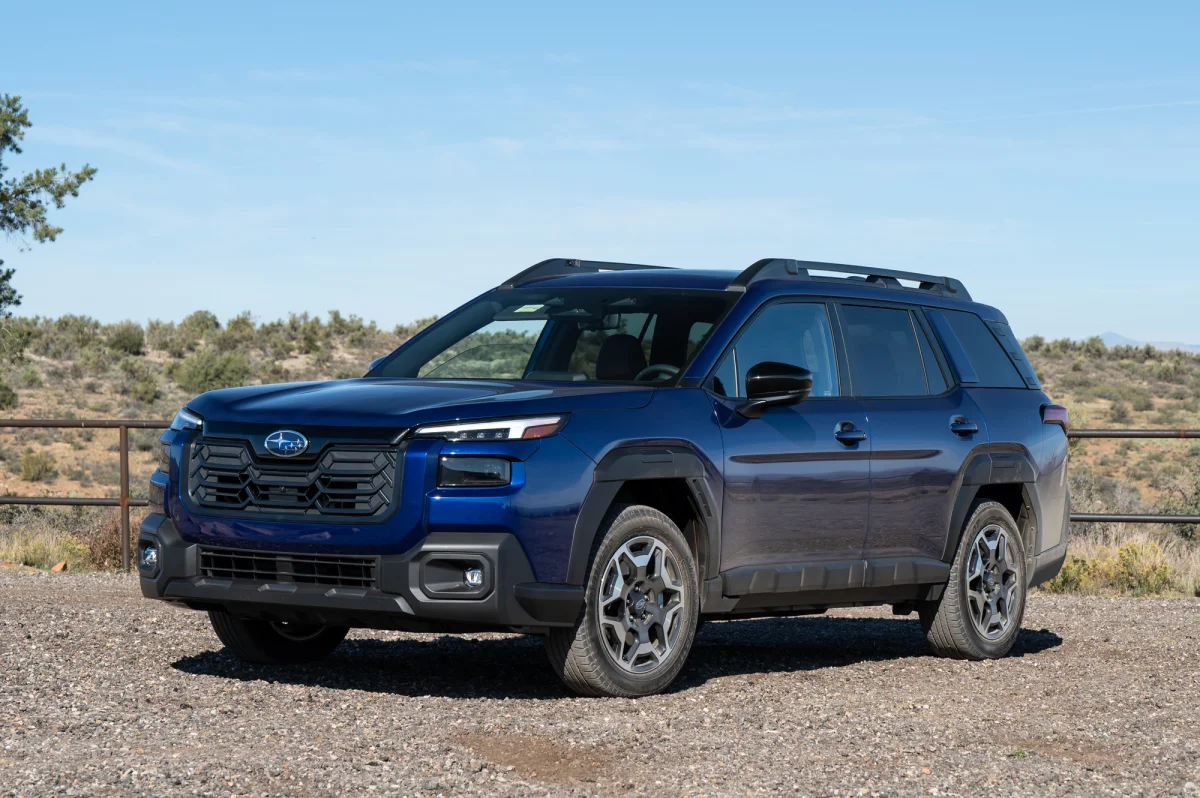
9. Subaru Owners and Safety First Loyalty
Subaru owners are known for high brand loyalty due to the company’s strong reputation for safety, All Wheel Drive capability, and reliability in challenging weather conditions. Many customers choose Subaru specifically for its performance in snow, rain, and uneven terrain, and once they experience this stability, they are unlikely to switch brands.
All Wheel Drive consistency is one of the most important loyalty drivers. Subaru equips most of its vehicles with symmetrical All Wheel Drive systems, which provide stable traction and control. Drivers who regularly travel in difficult road conditions quickly develop trust in this system and prefer not to risk changing to alternatives.
Safety reputation also plays a critical role. Subaru consistently receives strong safety ratings across multiple models, which makes it a preferred choice for families. When a brand becomes associated with protecting loved ones, emotional loyalty becomes extremely strong.
Another factor is a consistent design philosophy. Subaru maintains a relatively uniform engineering approach across its lineup, which makes upgrading between models easy and predictable. This reduces the learning curve and encourages repeat purchases.
Finally, Subaru’s community-driven brand culture strengthens loyalty. Many owners identify strongly with the brand’s outdoor, adventure-oriented identity. This shared lifestyle connection reinforces long-term retention.
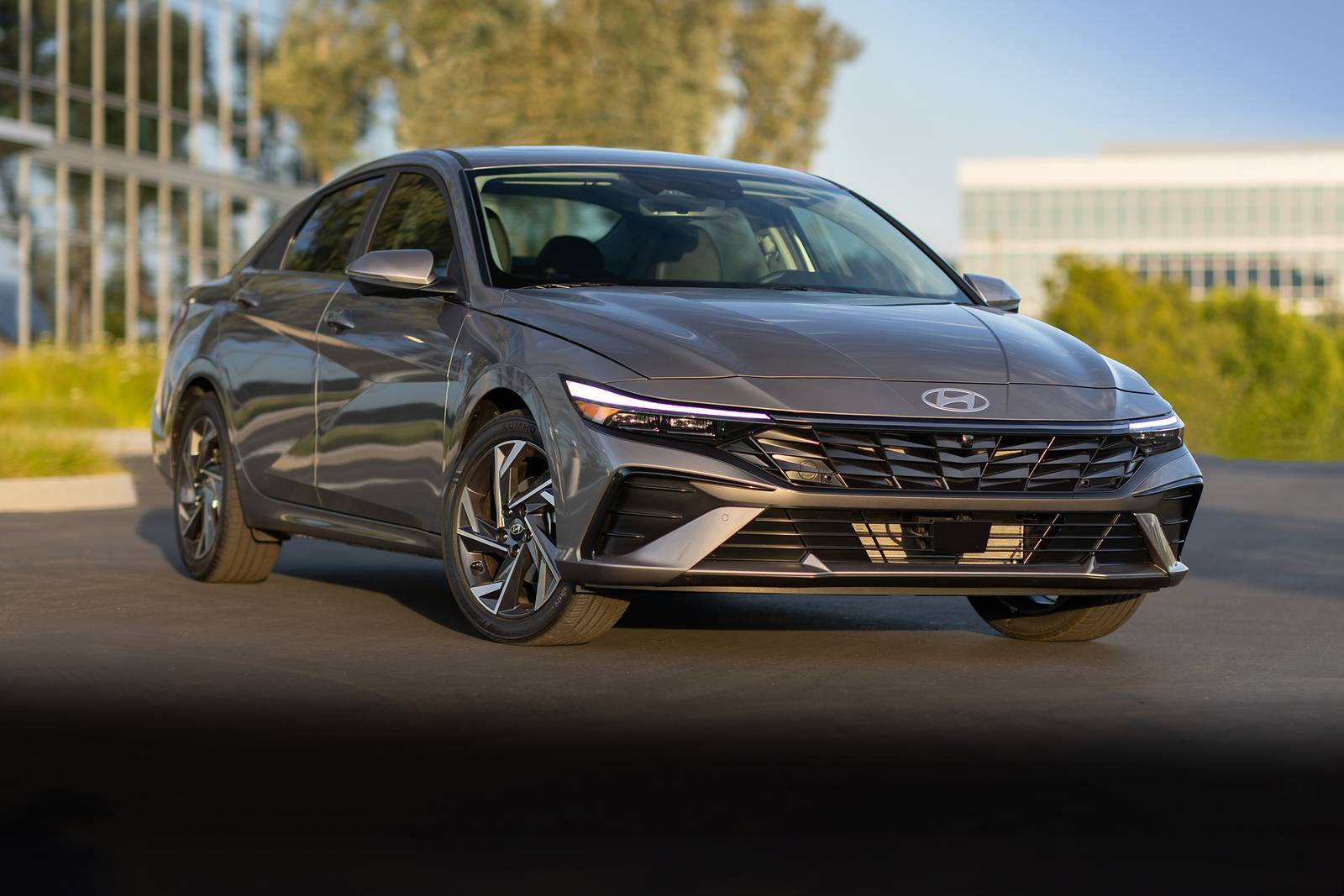
10. Hyundai and Kia Owners and Value Driven Loyalty
Hyundai and Kia owners often stay loyal because of strong value for money, rapid design improvement, and feature-rich vehicles at competitive pricing. Over the past decade, both brands have significantly improved quality and design, which has strengthened customer trust and repeat purchasing behavior.
One of the strongest loyalty drivers is affordability combined with features. Hyundai and Kia vehicles often offer advanced technology, modern interiors, and safety features at lower prices than many competitors. Owners who experience this value proposition are more likely to remain within the brand for future upgrades.
Warranty coverage also plays a major role. Both brands are known for offering strong warranty packages in many markets, which reduces long-term ownership risk. This gives buyers confidence that unexpected repair costs will be minimized, increasing satisfaction and retention.
Another important factor is rapid design evolution. Hyundai and Kia frequently update styling, interiors, and technology across their lineup. However, they maintain a familiar user experience, which allows customers to upgrade without feeling lost in a completely new system.
Finally, improving brand perception has strengthened loyalty over time. As both manufacturers have moved from budget-focused positioning to more premium offerings, existing customers often choose to stay within the brand ecosystem as they move into higher segments.
