

Sunroofs have become one of the most desirable features in modern cars, especially in markets like India, where buyers often associate them with premium styling, better cabin ambiance, and a more enjoyable driving experience.
Whether it is a panoramic sunroof or a smaller single-pane design, the appeal is strong because it allows natural light inside the cabin and creates a more open feel during long drives. However, alongside the popularity of sunroofs, there has also been a growing discussion among car owners about water leakage issues during heavy rainfall or during car washes.
It is important to understand that sunroof leakage is not necessarily a manufacturing defect in most cases, but rather a result of drainage blockage, improper sealing, aging rubber gaskets, or lack of maintenance.
In real-world driving conditions, especially in regions that experience intense monsoon rains, even well-engineered sunroof systems can show signs of water seepage if the drainage channels become clogged with dust, leaves, or debris.
Many modern vehicles are designed with built-in drainage systems that channel water away from the cabin, but when these systems are not maintained or when they are overwhelmed by extreme weather conditions, water can sometimes enter the interior. This is often mistakenly interpreted as a permanent flaw in the car model itself, when in reality it is frequently a maintenance-related issue.
Certain popular cars in India, such as compact SUVs, mid-size sedans, and premium SUVs, are often discussed in online communities when owners report sunroof related water ingress. These discussions tend to highlight specific models more than others, not always because they are defective, but because they are widely sold and therefore have a larger user base sharing experiences.
As a result, even a small percentage of complaints can appear significant in public perception. Factors such as improper installation after aftermarket modification, wear and tear of rubber seals, or even parking under heavy rain for extended periods can contribute to the problem.
This article explores eight popular cars that are frequently mentioned in discussions related to sunroof leakage during heavy rain conditions. The goal is not to label these vehicles as faulty, but to provide a detailed, SEO optimized informational guide explaining why such issues may occur, what owners have reported in some cases, and how these concerns can be prevented.
Understanding the technical and environmental reasons behind sunroof leaks can help car owners take better care of their vehicles and avoid unnecessary worry. Proper maintenance and awareness often make the biggest difference in preventing water-related issues in sunroof-equipped cars.
Also Read: 5 Land Rover Models Worth the Risk VS 5 To Avoid

- Engine: 1.5L Naturally Aspirated Inline 4 / 1.5L Turbo Inline 4 / 1.5L Turbo Diesel Inline 4
- Torque: 144 Nm / 253 Nm / 250 Nm
- Horsepower: 115 hp / 160 hp / 116 hp
- Length/Width: 170.6 inches / 70.3 inches
1. Hyundai Creta Sunroof Water Leakage Concerns
The Hyundai Creta is one of the most widely recognized compact SUVs in India and has built a strong reputation for comfort, features, and design appeal. One of its most attractive features in higher variants is the panoramic sunroof, which adds a premium feel to the cabin and enhances the driving experience.
However, due to its popularity and massive user base, the Creta is also frequently mentioned in discussions related to sunroof water leakage during heavy rainfall. It is important to understand that these discussions do not indicate a widespread manufacturing defect, but rather reflect a combination of environmental conditions, usage habits, and maintenance practices that vary from owner to owner.
In fact, when examined closely, most reported issues are not continuous or permanent leaks but temporary water seepage events that occur under extreme weather conditions or after long periods of neglect in cleaning the sunroof drainage system.
Another important factor contributing to perceived leakage is the method of vehicle cleaning and maintenance practices followed by owners. Many car owners use high-pressure water jets during washing, sometimes directing the stream directly at the sunroof edges or rubber seals.
While sunroof systems are designed to withstand natural rainfall and moderate water exposure, they are not necessarily engineered for sustained high-pressure water impact at close range. Over time, repeated exposure to such cleaning methods can cause slight stress on the sealing rubber and may temporarily disturb the alignment of the sunroof frame.
This does not usually cause permanent damage, but it can create conditions where water may seep in during unusually heavy rainfall. Additionally, lack of periodic lubrication and cleaning of sunroof tracks can also contribute to reduced smoothness in operation, which indirectly affects sealing efficiency when the roof is closed.
Environmental conditions also play a significant role in how sunroof systems behave in real-world usage. In many parts of India, especially during the monsoon season, rainfall intensity can be extremely high and often accompanied by wind-driven rain. When this is combined with dust accumulation from dry months, drainage systems can become stressed.
Even a well-designed system like the one in the Creta can experience temporary limitations under such combined stress conditions. However, once the drainage channels are cleaned and the system is maintained properly, the performance usually returns to normal without requiring any mechanical repair or part replacement.

- Engine: 1.5L Naturally Aspirated Inline 4 / 1.5L Turbo Inline 4 / 1.5L Turbo Diesel Inline 4
- Torque: 144 Nm / 253 Nm / 250 Nm
- Horsepower: 115 hp / 160 hp / 116 hp
- Length/Width: 171.8 inches / 70.9 inches
2. Kia Seltos Sunroof Rain Seepage Discussions
The Kia Seltos has quickly become one of the most popular compact SUVs in its segment due to its bold styling, feature-rich interior, and strong brand positioning. One of its standout features in higher variants is the panoramic sunroof, which significantly enhances the sense of space inside the cabin and appeals strongly to urban buyers.
Because of its popularity, the Seltos is frequently discussed in online forums where owners share their experiences, including occasional concerns about water seepage during heavy rainfall. It is essential to interpret these discussions in context, as the majority of vehicles do not face any significant or recurring leakage issues, and reported cases are typically isolated and influenced by external factors rather than inherent design problems.
The sunroof system in the Kia Seltos operates using a standard drainage mechanism that channels water entering the sunroof frame into dedicated drainage tubes located at each corner of the assembly. These tubes are designed to handle normal and heavy rainfall conditions effectively.
However, in real-world usage, especially in urban environments with high dust levels, pollution particles, and organic debris such as leaves or pollen, these drainage channels can become partially obstructed over time. When this occurs, the efficiency of water evacuation is reduced, and during intense rain events, water may begin to pool around the sunroof frame.
This pooling effect can sometimes result in water droplets entering the cabin, usually near the roof liner edges or A-pillar trim. Such incidents are often temporary and can be resolved by clearing the drainage outlets during routine servicing.
Rubber seals used in the sunroof assembly also play a crucial role in maintaining water tightness. These seals are designed to prevent direct water entry while allowing controlled drainage of unavoidable moisture. However, rubber components are naturally subject to aging due to constant exposure to heat, sunlight, humidity, and temperature fluctuations.
In regions with extreme summer heat followed by heavy monsoon rains, the expansion and contraction cycle can gradually affect the flexibility of these seals. While this does not usually lead to major leakage, it can reduce sealing efficiency under extreme conditions, especially if the vehicle is not regularly maintained or inspected. Over time, even small changes in seal elasticity can contribute to occasional moisture ingress during unusually heavy rainfall.
Another factor that occasionally contributes to user-reported leakage in the Seltos is the installation of aftermarket accessories. Items such as sunroof visors, decorative trims, or roof wraps can sometimes interfere with the original drainage design if not installed correctly.
Even minor misalignment or blockage caused by such accessories can redirect water flow in unintended ways, leading to the perception of a leak. In reality, the factory-installed system may still be functioning correctly, but external modifications can alter water movement patterns. Therefore, proper installation by trained technicians and periodic inspection is essential for maintaining optimal sunroof performance in the long term.
- Engine: 1.2L Turbo Inline 3 / 1.5L Turbo Diesel Inline 4
- Torque: 170 Nm / 260 Nm
- Horsepower: 120 hp / 115 hp
- Length/Width: 157.3 inches / 70.9 inches
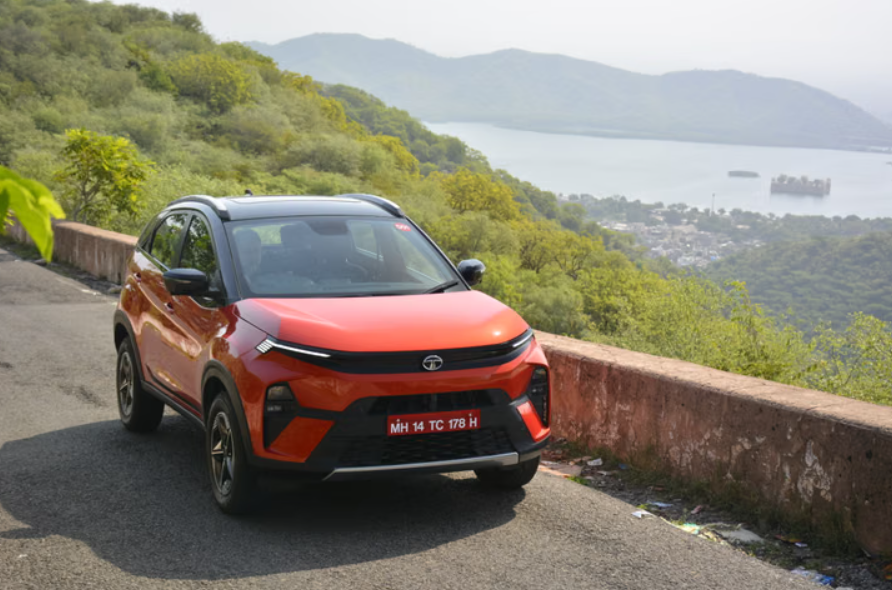
3. Tata Nexon Sunroof Heavy Rain Water Entry Complaints
The Tata Nexon is widely recognized for its strong safety ratings, solid build quality, and value for money positioning in the compact SUV segment. With newer variants offering a sunroof option, it has also entered the category of vehicles where sunroof-related user discussions are increasingly common.
Among these discussions, occasional reports of water entry during heavy rainfall have been highlighted by some owners. However, it is important to emphasize that these reports are not widespread across the entire fleet and are typically associated with specific usage conditions, maintenance gaps, or environmental stress factors rather than inherent design flaws in the vehicle.
The sunroof drainage system in the Nexon is designed to handle regular rainfall efficiently through a network of channels that guide water away from the glass panel and into designated outlet points. Under normal circumstances, this system performs effectively and prevents water from entering the cabin.
However, when the vehicle is exposed to prolonged dusty conditions or parked under trees where organic debris may accumulate, these drainage channels can gradually become restricted. Once partially blocked, the system’s ability to quickly evacuate water is reduced.
During sudden heavy rainfall, this can lead to temporary water accumulation around the sunroof frame. If the volume of water exceeds the drainage capacity, small amounts of moisture may enter the cabin, typically along the roof lining edges or near pillar trims. These occurrences are usually short-lived and do not indicate permanent damage to the sunroof system.
Service and maintenance practices also play a key role in preventing sunroof-related concerns in the Nexon. Over time, minor misalignment in sunroof tracks or accumulation of dirt within the sealing channels can affect how tightly the sunroof closes.
Even very small gaps can become noticeable during extreme rainfall conditions due to the pressure exerted by wind-driven rain. Regular servicing, including inspection of sunroof alignment, cleaning of drainage outlets, and lubrication of moving components, can significantly reduce the likelihood of water ingress and ensure long-term reliability.

- Engine: 1.5L Turbo Inline 4 / 2.0L Turbo Diesel Inline 4
- Torque: 250 Nm / 350 Nm
- Horsepower: 143 hp / 170 hp
- Length/Width: 183.7 inches / 72.2 inches
4. MG Hector Panoramic Sunroof Leakage Discussions
The MG Hector stands out in the SUV segment for its large and visually impressive panoramic sunroof, which is one of its key selling points. This expansive glass area enhances cabin openness and creates a premium experience for passengers, especially during long drives.
However, due to the sheer size of the sunroof, it is also more frequently discussed in relation to water ingress concerns during heavy rainfall. It is important to understand that a larger sunroof naturally involves a larger surface area exposed to environmental elements, which increases the importance of efficient drainage and seal integrity. Despite this, most users do not experience any leakage issues when the system is properly maintained.
The Hector sunroof system uses multiple drainage channels strategically placed to ensure that rainwater entering the sunroof frame is quickly and efficiently directed away from the cabin. Under normal operating conditions, this system works effectively and prevents water accumulation.
However, in real-world environments, especially in areas with high dust concentration or seasonal debris buildup, these drainage paths can gradually become less efficient. When partially obstructed, water flow slows down, and during intense rainfall, the volume of water entering the sunroof frame may temporarily exceed the drainage capacity.
This can lead to minor seepage, typically observed as small droplets near the roof lining edges. Such cases are generally intermittent and can be resolved through routine cleaning and servicing.
Another critical aspect of the Hector is the maintenance of rubber seals, which are responsible for providing the primary barrier against external water entry. Due to continuous exposure to sunlight, heat, and environmental pollutants, these seals may gradually lose some of their original flexibility over time.
While this is a normal aging process for rubber components, it can slightly affect sealing performance under extreme weather conditions. Regular inspection and conditioning of these seals can help maintain their elasticity and ensure consistent performance throughout the vehicle’s lifespan.
User handling also plays an important role in preventing sunroof-related concerns. If the sunroof is closed without ensuring that the track area is free from dust or small debris, it may not achieve perfect alignment. Even a very small misalignment can create pressure points where water may enter during heavy rain.
Therefore, keeping the sunroof area clean and ensuring proper closure before rainfall can significantly reduce the likelihood of leakage.
Also Read: 5 Land Rover Models Worth the Risk VS 5 To Avoid
- Engine: 2.7L Naturally Aspirated Inline 4 / 2.8L Turbo Diesel Inline 4
- Torque: 245 Nm / 500 Nm
- Horsepower: 166 hp / 204 hp
- Length/Width: 189.0 inches / 73.0 inches
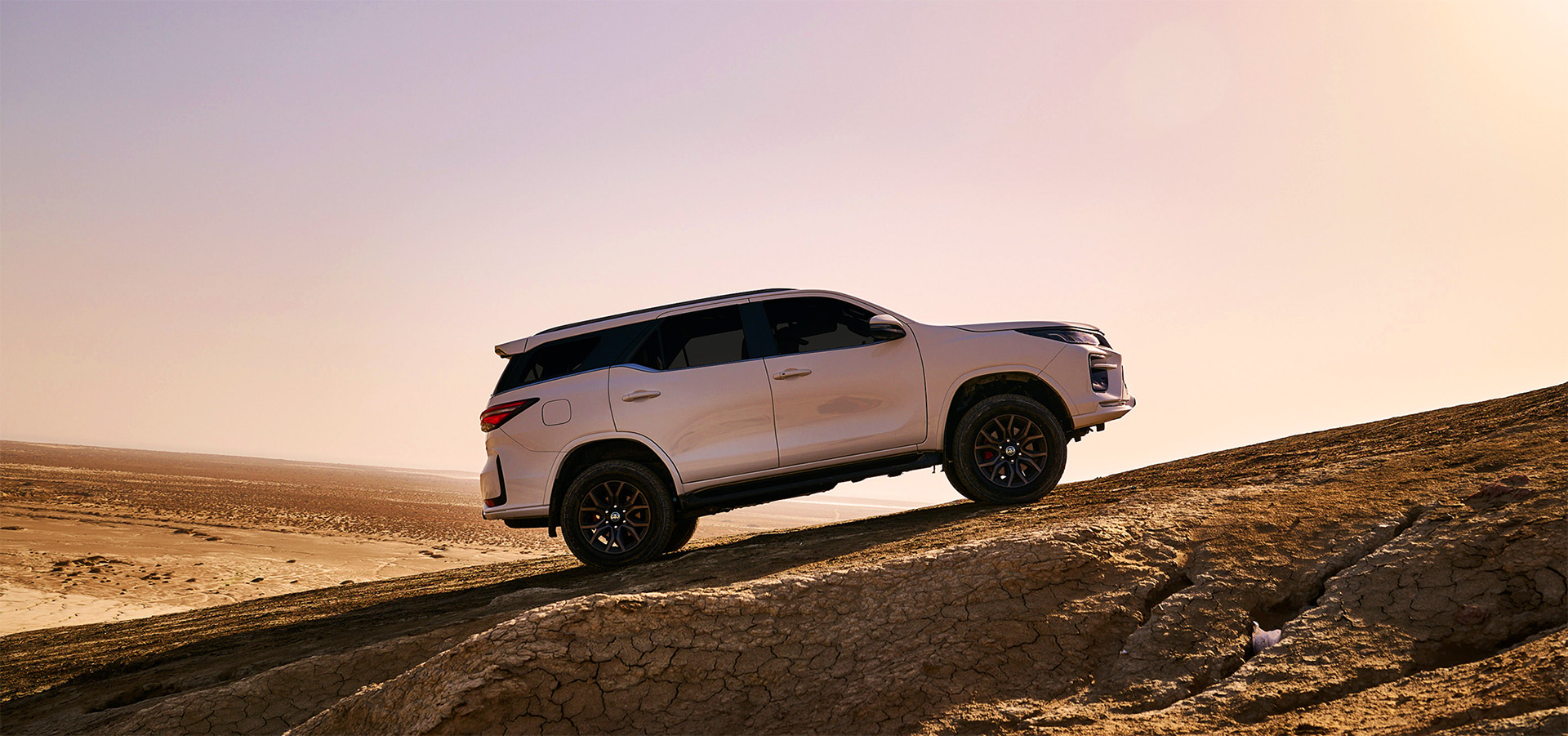
5. Toyota Fortuner Sunroof Water Ingress Observations
The Toyota Fortuner has long been associated with durability, reliability, and strong performance in both urban and off-road environments. With newer variants introducing a sunroof option, discussions around water ingress have occasionally emerged among owners, although such cases remain relatively rare compared to the vehicle’s sales volume.
The Fortuner’s sunroof system is designed with a focus on robustness, but like all sunroof systems, it still depends on proper maintenance and environmental conditions for optimal performance.
Another important factor is the frequency of sunroof usage. Vehicles that do not use the sunroof regularly may experience slight stiffness in the mechanical tracks over time. This can occasionally result in imperfect closure alignment, where the sunroof does not sit completely flush with the frame.
Even a very small gap in alignment can become noticeable during heavy rainfall conditions, particularly when wind-driven rain exerts pressure on the roof surface. Regular operation of the sunroof helps keep the mechanism smooth and ensures that the sealing surfaces remain properly aligned.
Environmental stress also plays a role in how sunroof systems perform in the Fortuner. Exposure to extreme heat, dust, and sudden monsoon rainfall creates a demanding environment for rubber seals and drainage systems.
While the Fortuner is built to handle tough conditions, no sunroof system is completely immune to the effects of long-term environmental exposure. Periodic inspection, cleaning of drainage outlets, and basic maintenance of rubber seals can greatly reduce the likelihood of any water ingress issues and ensure consistent long-term performance.
- Engine: 1.5L Naturally Aspirated Inline 4 / 1.5L Hybrid Inline 4
- Torque: 145 Nm / 253 Nm
- Horsepower: 121 hp / 126 hp
- Length/Width: 180.4 inches / 68.8 inches
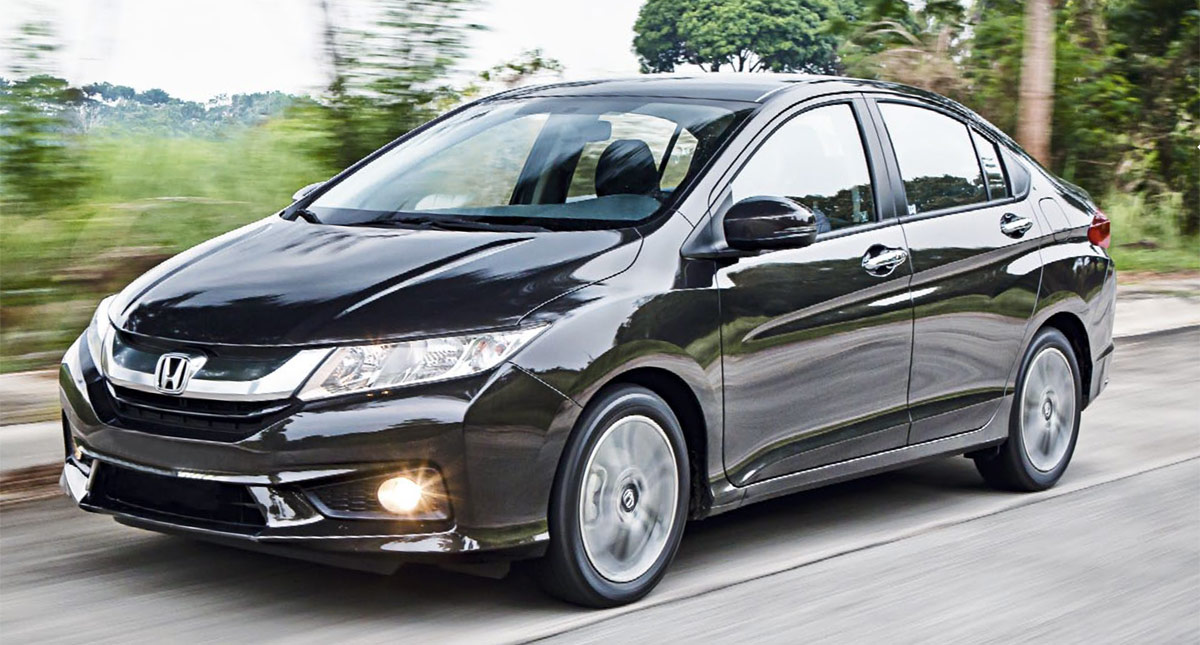
6. Honda City Sunroof Rain Water Seepage Reports
The Honda City has long been one of the most trusted and best-selling sedans in India, known for its refined engine, comfortable ride quality, and premium cabin experience. With newer generations introducing a sunroof option, the car has also entered a segment where panoramic and single-pane sunroofs are expected features.
Because of this added feature, discussions around sunroof performance during heavy rainfall have become more common among owners. However, it is important to clearly understand that the Honda City does not have any widely recognized or structural sunroof defect, and most reports of water seepage are isolated cases influenced by environmental factors, maintenance conditions, or usage habits rather than manufacturing faults.
Rubber seal aging is another factor that contributes to user-reported seepage issues. The sunroof rubber gasket is designed to provide a secondary layer of protection against external water entry and dust infiltration. However, like all rubber components, it is subject to natural aging due to constant exposure to sunlight, heat cycles, and humidity variations.
Over time, this can slightly reduce elasticity, especially in regions with extreme temperature variations. While this does not usually lead to major leakage, it can make the system more sensitive to heavy rain combined with wind pressure. Regular cleaning and periodic application of rubber conditioning products can help maintain seal flexibility and prolong effectiveness.
Improper washing techniques can also temporarily influence sunroof performance in the Honda City. High-pressure water jets directed directly at sunroof edges or seals can force water into areas that are not typically exposed during normal rainfall.
While this does not permanently damage the system, repeated exposure to such cleaning methods may weaken sealing efficiency over time. Therefore, gentle washing techniques and avoiding direct high-pressure spray on sunroof edges are recommended for long-term reliability.

- Engine: 2.0L Turbo Inline 4 / 2.2L Turbo Diesel Inline 4
- Torque: 380 Nm / 360 Nm / 450 Nm
- Horsepower: 200 hp / 155 hp / 185 hp
- Length/Width: 184.8 inches / 74.4 inches
7. Mahindra XUV700 Sunroof Leakage Discussions
The Mahindra XUV700 is one of the most advanced and feature-rich SUVs in the Indian market, offering premium interiors, advanced driver assistance systems, and a large panoramic sunroof that significantly enhances the cabin experience.
Because of its strong popularity and large user base, the XUV700 is frequently discussed in online communities regarding sunroof performance, including occasional reports of water ingress during heavy rainfall. However, it is essential to understand that such reports are not widespread and do not indicate a fundamental design issue. Instead, they are typically linked to maintenance factors, extreme environmental conditions, or isolated user experiences.
The sunroof system in the XUV700 is engineered with a multi-channel drainage setup designed to efficiently handle water entering the sunroof frame.
These drainage channels are strategically placed to ensure rapid evacuation of rainwater, even during moderate to heavy rainfall. Under normal operating conditions, the system performs effectively and prevents any water from reaching the cabin. However, like all drainage-based systems, its efficiency depends heavily on cleanliness and unobstructed flow paths.
In real-world driving conditions, especially in dusty environments or areas with frequent tree coverage, drainage outlets can gradually accumulate debris. When these channels become partially blocked, water flow is restricted, and during intense monsoon showers, temporary pooling may occur around the sunroof edges. This can sometimes lead to minor water seepage inside the cabin, usually near the roof lining or pillar trims.
Environmental conditions also play a significant role in how sunroof systems behave in the XUV700. Vehicles exposed to frequent highway travel, dust-heavy roads, or off-road conditions may experience faster accumulation of dirt in drainage channels and sealing areas.
Over time, this can reduce the system’s efficiency if regular maintenance is not performed. Simple preventive steps such as periodic cleaning of drainage outlets, ensuring proper sunroof operation, and routine service inspections can significantly reduce the likelihood of any water-related issues.
Despite these occasional concerns, the XUV700 remains one of the most advanced SUVs in its segment, and its sunroof system performs reliably under normal conditions. Most reported issues are preventable and do not indicate any inherent design flaw.

- Engine: 1.0L Turbo Inline 3 / 1.5L Turbo Inline 4
- Torque: 178 Nm / 250 Nm
- Horsepower: 115 hp / 150 hp
- Length/Width: 165.8 inches / 69.2 inches
8. Skoda Kushaq Sunroof Water Leakage Observations
The Skoda Kushaq is a compact SUV that represents European engineering standards, solid build quality, and a focus on driving stability. It comes equipped with a sunroof in select variants, which enhances the premium feel of the cabin and aligns with modern consumer expectations.
While the Kushaq is generally regarded as a well-built vehicle, there have been occasional user discussions regarding sunroof water ingress during heavy rainfall. However, these instances are not widespread and are usually linked to external factors such as maintenance practices, environmental conditions, or installation-related issues rather than inherent design flaws.
Rubber seal condition is another critical factor in the long-term performance of the Kushaq sunroof system. These seals are designed to provide an additional barrier against dust and moisture intrusion while allowing controlled water management through drainage systems.
However, over time, exposure to heat, UV radiation, and environmental pollutants can gradually reduce their flexibility. This natural aging process can slightly affect sealing efficiency, particularly under extreme weather conditions such as heavy rain combined with strong winds. Regular inspection and maintenance of these seals can help preserve their elasticity and ensure continued protection against water ingress.
Improper installation of aftermarket accessories is also a known contributing factor in some reported cases of sunroof leakage in the Kushaq. Accessories such as sunroof visors, decorative trims, or roof wraps, if not installed correctly, can interfere with the designed drainage flow.
Even minor misalignment or partial obstruction can redirect water in unintended ways, creating the impression of a leak. In reality, the factory-installed system may still be functioning correctly, but external modifications can alter water movement patterns and cause localized seepage.
The Skoda Kushaq sunroof system is well-engineered and performs reliably under normal conditions. Most water-related concerns are isolated, preventable, and directly linked to maintenance or external modifications rather than structural or design defects.
