
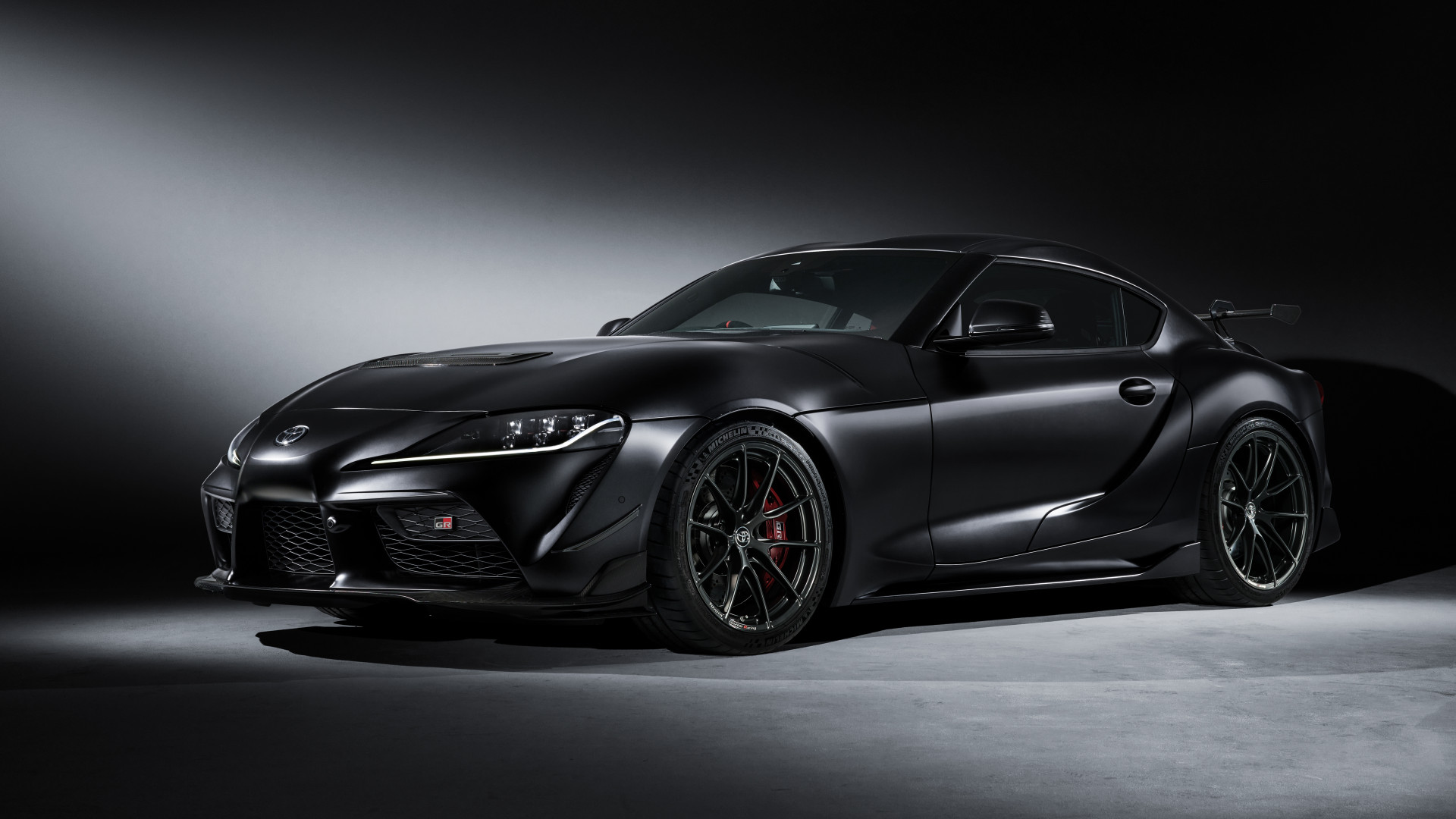
Few modern cars have sparked as much debate among enthusiasts as the fifth-generation Toyota Supra. Long before the first customer took delivery, arguments were already raging across forums, social media platforms, and car meets.
The reason was simple: Toyota’s legendary sports car was returning after nearly two decades away, but it would do so with substantial help from BMW.
For some buyers, that partnership was a practical necessity. For others, it represented a betrayal of everything the Supra name stood for.
Years after its debut, the controversy refuses to disappear. The current Supra remains a capable sports car, praised by reviewers for its performance, handling, and tuning potential.
Yet among a segment of enthusiasts, one opinion continues to surface repeatedly: the Supra stopped being a true Supra the moment BMW became responsible for much of what lies beneath the sheet metal.
Whether that criticism is fair remains open to debate, but understanding it requires looking at what made the Supra special in the first place.
Also Read: Tesla Model X Lost 61% Value in 5 Years
The Original Supra Had a Distinct Identity
The Supra did not become a legend simply because it was fast. Toyota spent decades developing the model into something uniquely its own.
By the time the fourth-generation A80 Supra arrived in the 1990s, it represented the peak of Japanese performance engineering. It featured Toyota powertrains, Toyota electronics, Toyota development, and Toyota reliability. Most importantly, it reflected the philosophy of the company that built it.
The twin-turbocharged 2JZ-GTE engine became one of the most respected performance engines ever produced. Its ability to handle enormous amounts of power turned the Supra into a favorite among tuners worldwide.
The car’s reputation grew further through motorsports, video games, and films. Over time, the Supra became more than just a sports car. It became a symbol of Japanese automotive culture. That history created enormous expectations for any successor.
Toyota Faced a Difficult Reality
While nostalgia often dominates discussions about the Supra, the automotive industry that produced the A80 no longer exists.
Developing a dedicated sports car from scratch is expensive. Sales volumes are typically low, and modern regulations covering emissions, safety, and technology make development costs even higher.
Toyota executives have openly acknowledged that bringing back the Supra independently would have been difficult to justify financially.
The solution was a partnership with BMW. The two companies collaborated on a shared platform that would eventually underpin both the Toyota Supra and BMW Z4.
From a business perspective, the arrangement made sense. Sharing development costs allowed both companies to produce niche performance vehicles that might not have existed otherwise.
Without the partnership, there is a strong possibility the Supra would never have returned at all. Yet practical decisions do not always satisfy passionate enthusiasts.
The BMW DNA Is Impossible to Ignore
The criticism aimed at the modern Supra is not based on speculation. BMW’s influence is visible throughout the vehicle.
The engine is sourced from BMW. The transmission comes from BMW. Much of the electronics architecture originates from BMW. The infotainment system is unmistakably BMW. Even many interior controls and switchgear carry familiar BMW design cues.
Owners quickly discover that many maintenance procedures resemble those of a BMW more than a traditional Toyota. For some buyers, none of this matters.
The turbocharged inline-six delivers impressive performance, and BMW’s engineering expertise has helped create a sports car that is genuinely enjoyable to drive. Numerous automotive publications have praised the Supra’s balance, responsiveness, and everyday usability.
Yet critics argue that a Supra should feel unmistakably Toyota from the moment the driver gets behind the wheel. Instead, they see a vehicle that often feels like a BMW wearing Toyota badges.
Performance Isn’t the Problem
Interestingly, most critics do not claim the modern Supra is a bad car. In fact, many acknowledge the opposite.
The current Supra is quick, agile, and capable. The BMW-derived B58 engine has earned widespread praise for its power delivery, reliability, and tuning potential. Independent tests have repeatedly shown the car outperforming expectations.
The issue is not performance. The issue is identity. If Toyota had launched the same vehicle under a different name, many of the complaints might never have existed. The controversy stems from attaching one of the company’s most iconic badges to a vehicle heavily influenced by another manufacturer.
Enthusiasts tend to form emotional connections with legendary nameplates. Those connections often extend beyond horsepower figures and lap times. People expected a Toyota Supra. Many feel they received a Toyota-BMW collaboration instead.
What Makes a Supra a Supra?
This question sits at the heart of the debate. Is a Supra defined by who builds the engine? Is it defined by where the engineering originates? Or is it simply defined by the badge on the hood and the driving experience it delivers?
Toyota clearly believes the latter. The company has repeatedly emphasized that its engineers tuned the chassis, suspension, steering, and full driving dynamics to create a distinct character separate from the BMW Z4. Those who have driven both cars generally agree that they feel noticeably different on the road.
That distinction matters. Although the vehicles share significant hardware, they do not deliver identical driving experiences. Toyota invested considerable effort into ensuring the Supra behaved differently from its German counterpart. Supporters argue that this is enough to justify the Supra name.
Critics remain unconvinced. The Weight of Nostalgia: Part of the challenge facing the modern Supra has little to do with BMW.
The A80 Supra achieved legendary status that would have been nearly impossible for any successor to match. Years of internet hype, tuner culture, and popular media transformed the car into an icon. No matter what Toyota produced, comparisons were inevitable.
Had the company developed an entirely in-house successor, some enthusiasts would likely have criticized it for being too different from the original. Had it adopted a smaller engine, complaints would have followed. Had it embraced electrification, controversy would have been even greater.
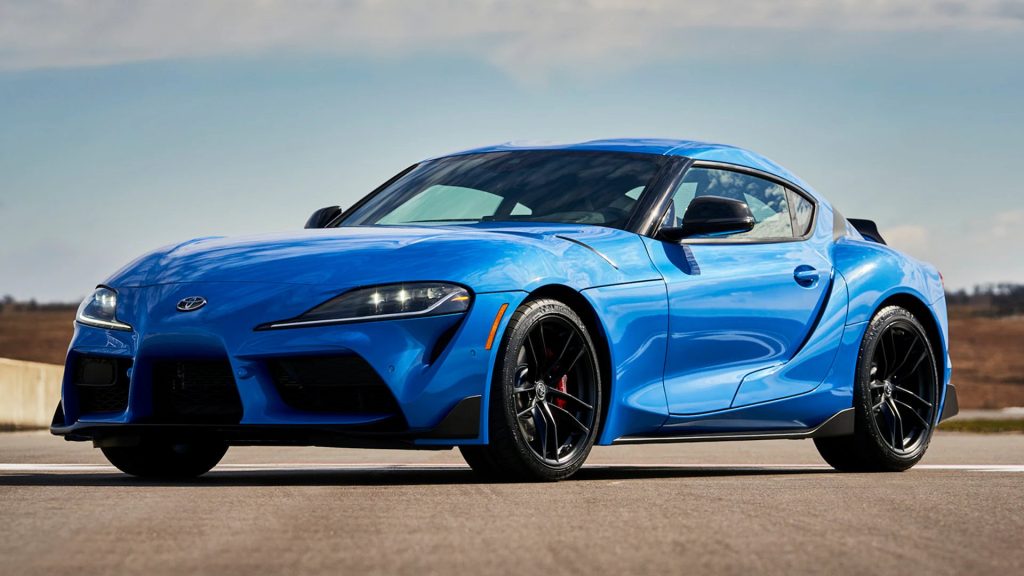
The BMW partnership simply became the most visible target. In many ways, the modern Supra was fighting an unwinnable battle from the beginning.
A Great Sports Car, But a Divisive Supra
The current Toyota Supra occupies a strange place in automotive history. As a sports car, it is widely respected. Reviewers consistently praise its performance, handling, and driving enjoyment. The aftermarket community has embraced it, and owners continue to extract impressive results both on the street and at the track.
As a Supra, however, opinions remain sharply divided. For some enthusiasts, the car carries the spirit of the Supra forward by offering an exciting rear-wheel-drive sports car in an era when such vehicles are increasingly rare.
For others, the heavy reliance on BMW engineering means the connection to previous generations was broken before the first car ever left the factory. That disagreement is unlikely to disappear anytime soon.
The modern Supra may be one of the best sports cars Toyota has sold in years, but for a portion of the enthusiast community, it stopped being a true Supra the moment BMW became part of the equation.
Also Read: Consumer Reports Names The Ford F-150 A Top Pick For 2026
