
When evaluating a performance car, horsepower often receives the most attention. Manufacturers proudly advertise impressive power figures, and enthusiasts frequently compare vehicles based on engine output alone. However, horsepower is only one part of the performance equation.
A car’s weight plays an equally important role in determining how quickly it accelerates, how effectively it brakes, and how agile it feels on a winding road. This is where the power-to-weight ratio becomes one of the most useful measurements in automotive performance.
By comparing horsepower to vehicle weight, drivers gain a clearer understanding of how much work each horsepower must do. In many cases, a lighter car with less horsepower can outperform a heavier vehicle with significantly more power because it carries less mass.
For buyers shopping with a budget of less than $50,000, the good news is that today’s market offers a remarkable selection of vehicles that deliver outstanding power-to-weight ratios. Advances in engine technology, lightweight materials, and chassis engineering have enabled manufacturers to create sports cars, muscle cars, and performance sedans that offer thrilling acceleration without entering exotic car territory.
Whether you are interested in Rear Wheel Drive sports cars, turbocharged performance machines, or naturally aspirated driving experiences, there are several compelling options available within this price range.
A strong power-to-weight ratio does more than improve straight-line speed. It enhances responsiveness, increases driver engagement, and often contributes to better handling dynamics.
Cars with favorable ratios tend to feel more energetic and alive, responding quickly to throttle inputs and changing direction with confidence. For enthusiasts who value the connection between driver and machine, these characteristics can be more rewarding than simply chasing the highest horsepower figure.
This article explores ten of the best cars available for under $50,000 that offer exceptional power-to-weight ratios. Each vehicle combines impressive engine output with relatively low curb weight, creating a formula that delivers exciting real-world performance.
From American muscle legends to Japanese sports car icons and European-inspired driving machines, these vehicles represent some of the most compelling performance bargains currently available. If maximizing performance per dollar is your goal, these cars deserve serious consideration.
Also Read: Tesla Model X Lost 61% Value in 5 Years
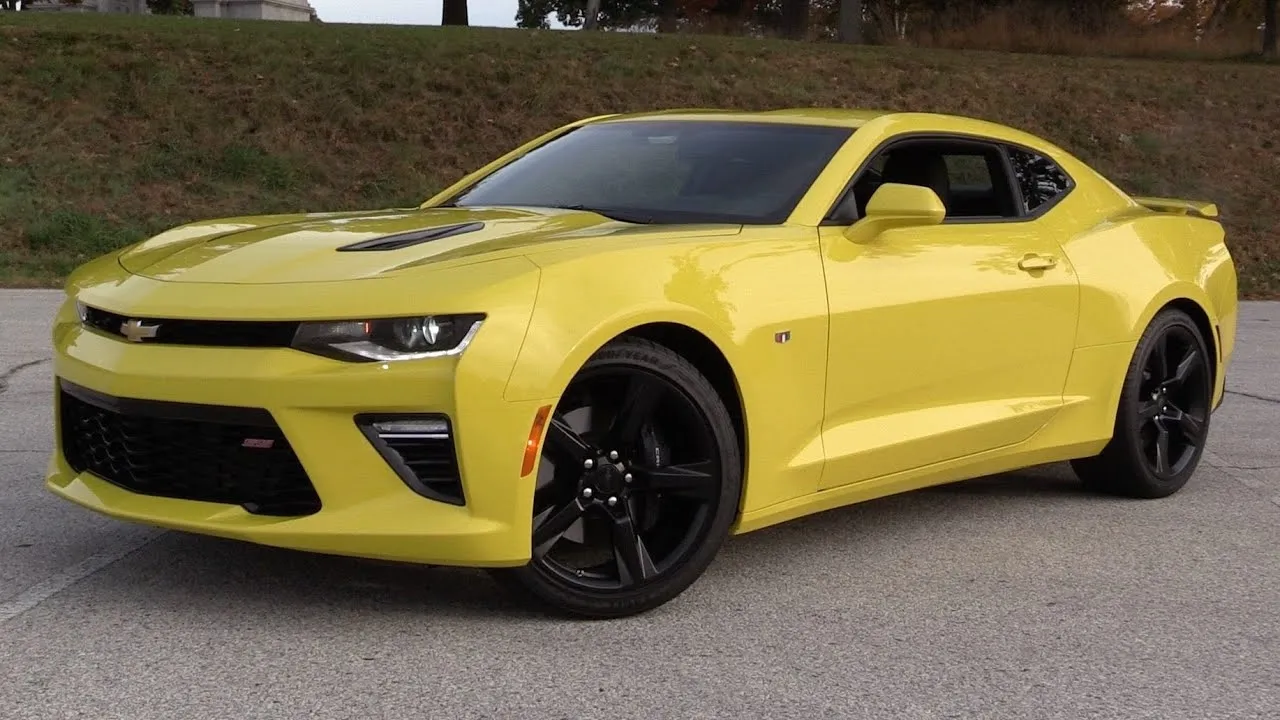
- Engine: 6.2L Naturally Aspirated V8 (LT1)
- Horsepower: 455 hp
- Torque: 455 lb-ft
- Length: ~4,784 mm (188.3 in)
- Width: ~1,897 mm (74.7 in)
1. Chevrolet Camaro SS
The Chevrolet Camaro SS is one of the most recognizable American performance cars, and its reputation is built on a long history of V8-powered muscle combined with modern engineering. At its core, the Camaro SS uses a 6.2-liter naturally aspirated V8 engine that produces around 455 horsepower.
This engine is closely related to the LT1 small block family, which is also used in other high-performance GM vehicles. The key advantage of this engine is its immediate throttle response and broad torque delivery, which gives the Camaro a strong real-world acceleration feel even without turbocharging.
One of the most important aspects of the Camaro SS is how its performance translates into a strong power-to-weight ratio. With a curb weight of roughly 3,600 to 3,700 pounds, depending on configuration, the car manages to stay relatively light for a V8 coupe.
This allows it to deliver rapid acceleration, especially in the mid-range where the engine produces a surge of torque. The result is a 0 to 60 mph time that can drop to the low four-second range when equipped with launch control and performance tires.
Beyond straight-line performance, the Camaro SS benefits from a highly refined chassis that was engineered with track capability in mind. The Alpha platform used by General Motors is known for its stiffness and balance, which allows the Camaro to handle corners with surprising precision for a muscle car.
The steering system is quick and communicative, giving drivers a strong sense of connection to the road. This makes the Camaro SS more than just a straight-line performer, as it can confidently compete with lighter sports cars on twisty roads and track circuits.
Another major strength of the Camaro SS is its driving character. The naturally aspirated V8 delivers linear power that builds smoothly as revs increase. This makes the car predictable and controllable, especially for drivers who enjoy modulating throttle input during spirited driving.
The exhaust note also plays a significant role in the driving experience, producing a deep and aggressive tone that enhances emotional engagement.
The Chevrolet Camaro SS stands out as one of the best examples of a traditional American performance coupe that still offers modern handling and technology. Its combination of horsepower, manageable weight, and track-capable engineering makes it one of the strongest power-to-weight options under $50,000.
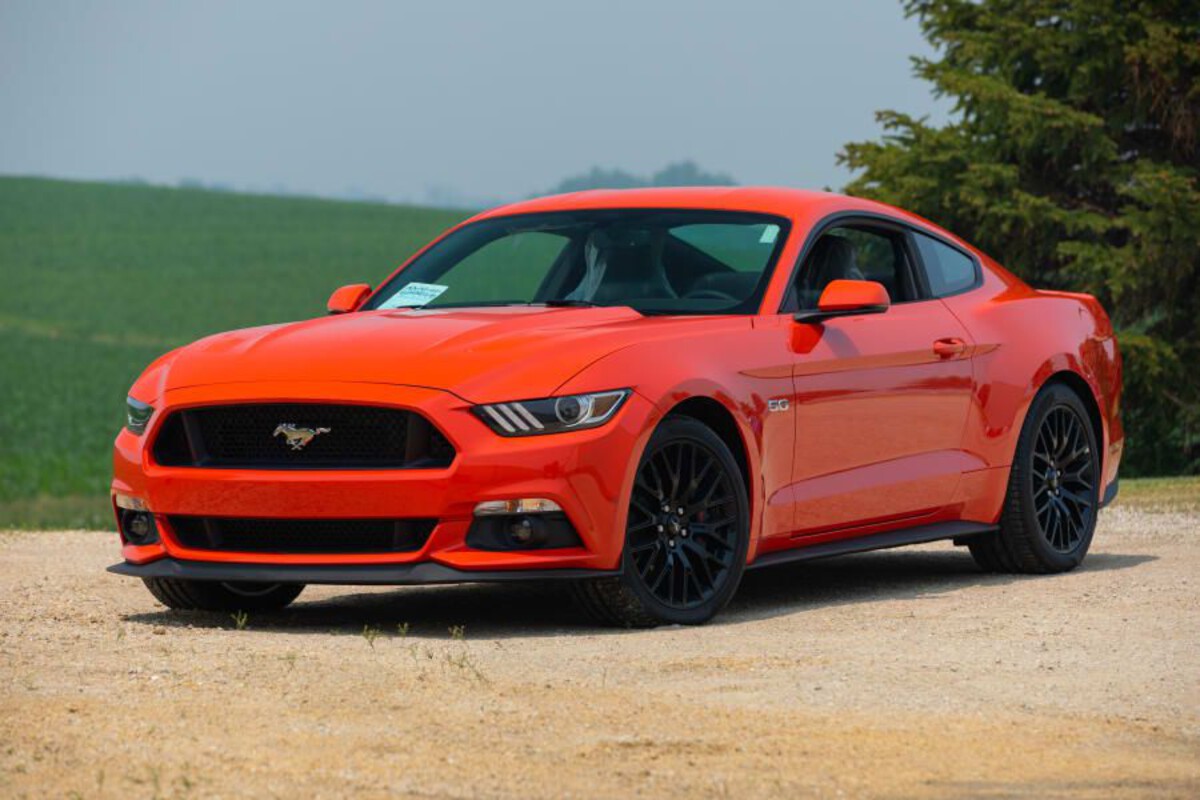
- Engine: 5.0L Naturally Aspirated V8 (Coyote)
- Horsepower: 450–480 hp (varies by year)
- Torque: 410 lb-ft
- Length: ~4,789 mm (188.5 in)
- Width: ~1,916 mm (75.4 in)
2. Ford Mustang GT
The Ford Mustang GT is one of the most iconic performance cars ever produced, and the modern version continues to evolve while maintaining its V8-powered identity. At the heart of the Mustang GT is a 5.0-liter Coyote V8 engine, which produces between 450 and 480 horsepower depending on the model year and configuration.
This engine is known for its high-revving nature compared to traditional pushrod V8s, allowing it to deliver strong performance across a wide RPM range.
In terms of power-to-weight ratio, the Mustang GT benefits significantly from its high horsepower output, even though it is slightly heavier than some competitors.
With a curb weight typically around 3,700 to 3,900 pounds, the car still achieves impressive acceleration figures. Modern versions are capable of reaching 60 mph in approximately 4 seconds or slightly below, making it one of the quickest performance cars in its price bracket.
A key strength of the Mustang GT is its versatility. Rather than being limited to track-focused or weekend-only use like many performance cars, it strikes a balance that works well for everyday driving. It delivers relaxed, comfortable cruising, modern infotainment, and useful driver assistance features, while still retaining its aggressive character when pushed hard.
The handling characteristics of the Mustang GT have improved significantly in recent generations. Independent rear suspension has replaced older solid axle designs, allowing for better stability and grip during cornering. This change has transformed the Mustang into a more refined sports coupe that can confidently handle both road and track conditions.
The driving experience is heavily influenced by the character of the Coyote V8 engine. It is responsive, loud, and highly engaging, especially when paired with a manual transmission. The engine’s ability to rev freely encourages drivers to explore higher RPM ranges, which enhances the excitement of spirited driving.
The Ford Mustang GT remains one of the best power-to-weight performance cars under $50,000 because it delivers a combination of heritage, modern engineering, strong horsepower, and everyday usability that few competitors can match.
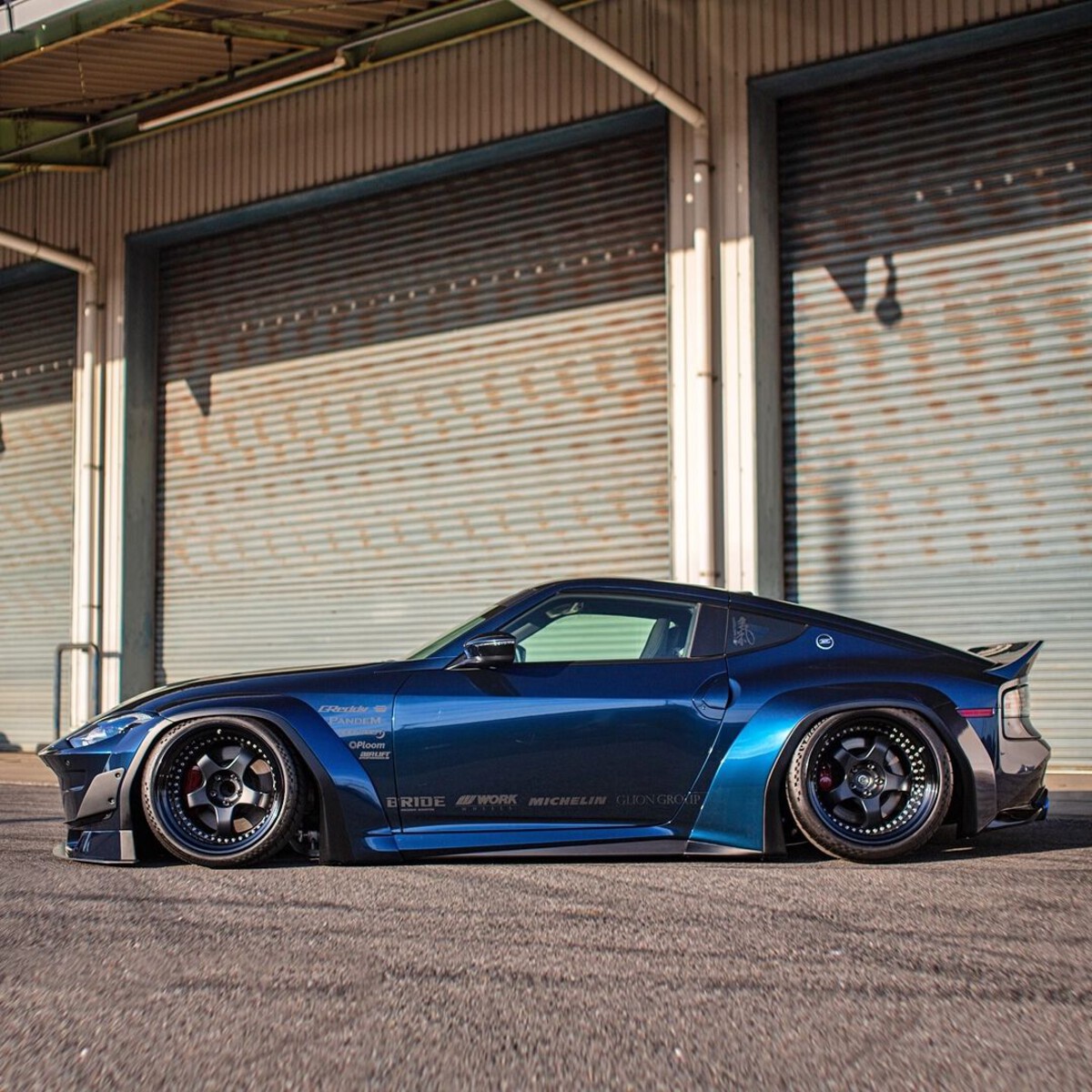
- Engine: 3.0L Twin Turbo V6 (VR30DDTT)
- Horsepower: 400 hp
- Torque: 350 lb-ft
- Length: ~4,380 mm (172.4 in)
- Width: ~1,845 mm (72.6 in)
3. Nissan Z
The Nissan Z represents a modern interpretation of a classic sports car formula that has been refined over decades. It continues the legacy of the Z car lineage, which has long been associated with Rear Wheel Drive performance and accessible driving excitement.
The latest generation features a 3.0-liter twin-turbocharged V6 engine that produces approximately 400 horsepower and strong torque output throughout the rev range.
One of the most important performance advantages of the Nissan Z is its relatively low weight for a modern sports coupe. At around 3,450 to 3,500 pounds, it remains lighter than many of its competitors in the same performance category.
This allows the car to achieve a strong power-to-weight ratio that translates into quick acceleration and responsive handling characteristics.
The twin-turbo engine provides a completely different driving experience compared to naturally aspirated alternatives. Torque is available early in the rev range, which means the car feels fast even at moderate engine speeds. This makes the Nissan Z highly usable in everyday driving situations, as it does not require high RPMs to deliver strong performance.
In terms of chassis dynamics, the Nissan Z benefits from a Rear Wheel Drive platform that emphasizes balance and driver engagement. The suspension system is tuned to provide a combination of comfort and sportiness, making it suitable for both city driving and spirited weekend runs. Steering response is direct, allowing drivers to confidently place the car through corners.
Another key aspect of the Nissan Z is its modern technology integration. The interior features a digital instrument cluster, updated infotainment system, and improved ergonomics compared to previous generations. These upgrades help the Z remain competitive in a segment that increasingly values both performance and comfort.
The Nissan Z delivers a strong combination of turbocharged power, manageable weight, and traditional sports car layout, making it one of the most balanced performance options under $50,000.
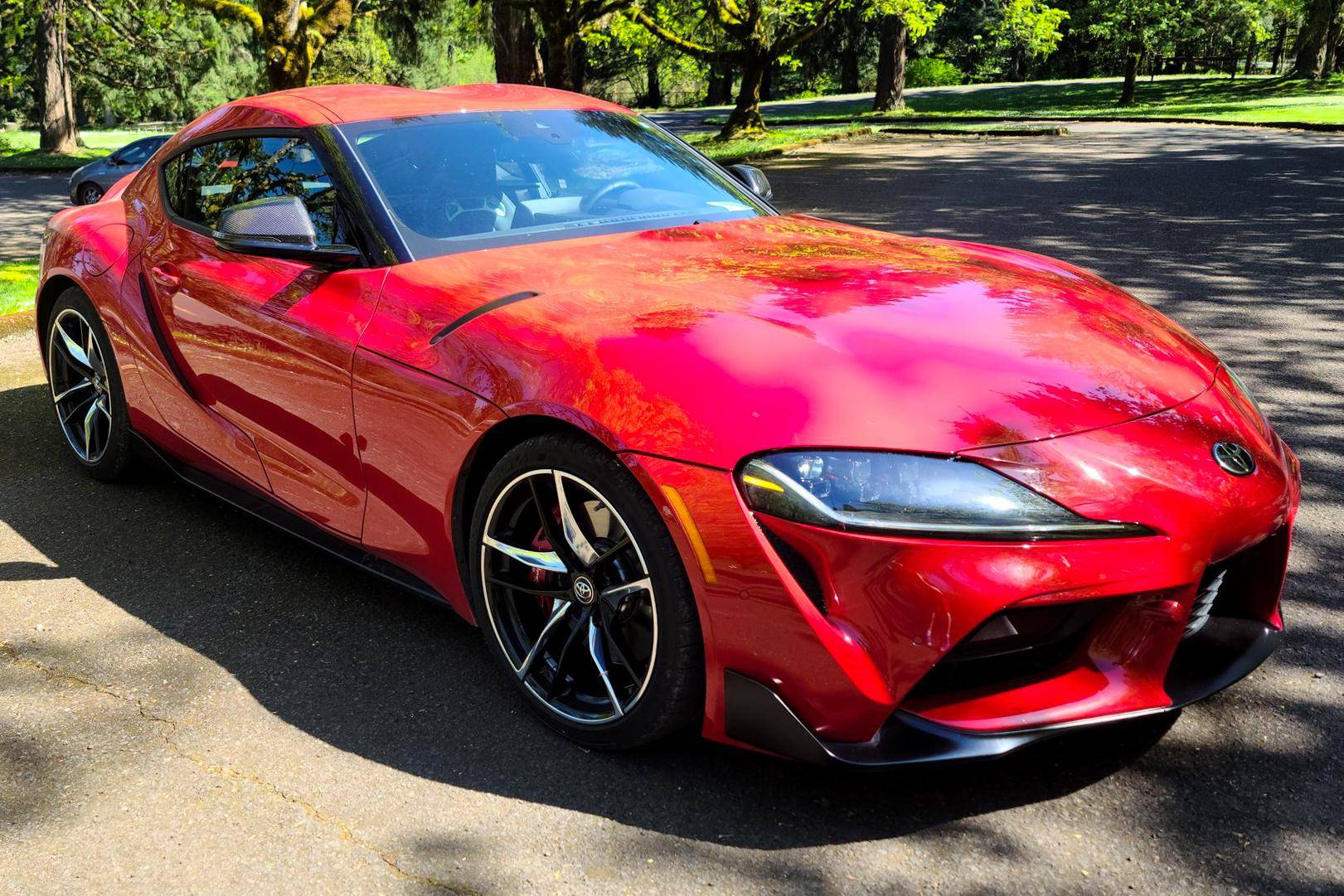
- Engine: 3.0L Turbocharged Inline-6 (B58)
- Horsepower: 382 hp
- Torque: 368 lb-ft
- Length: ~4,380 mm (172.5 in)
- Width: ~1,865 mm (73.4 in)
4. Toyota GR Supra 3.0
The Toyota GR Supra 3.0 is a modern performance coupe that blends Japanese engineering philosophy with German powertrain development.
It is powered by a turbocharged 3.0-liter inline six engine that produces around 382 horsepower and delivers strong torque across a wide range of engine speeds. This engine is widely praised for its smoothness, reliability, potential, and responsiveness.
One of the most important contributors to the Supra’s excellent power-to-weight ratio is its relatively low curb weight. At approximately 3,300 to 3,400 pounds, the vehicle is lighter than many competitors in the same performance category. This allows it to deliver impressive acceleration figures and sharp handling characteristics.
The chassis tuning of the GR Supra is one of its standout features. The car was engineered with a strong focus on agility and precision, resulting in a driving experience that feels tight, controlled, and highly responsive. The short wheelbase contributes to quick directional changes, while the suspension setup maintains stability at higher speeds.
A major highlight of the vehicle is its turbocharged inline-six engine, which produces smooth, consistent power with a particularly strong mid-range. This makes acceleration and overtaking feel effortless in real-world driving. Even under heavy load, the engine stays composed and refined, avoiding the strained feel that some smaller turbocharged engines can develop at higher speeds.
Interior quality is another area where the Supra performs well. The cabin offers a driver-focused layout with supportive seating and modern infotainment features. While it shares some components with other performance platforms, the execution feels premium and well-integrated.
The Toyota GR Supra 3.0 is one of the most complete performance packages available under $50,000, combining lightweight engineering, strong turbocharged power, and excellent handling balance.
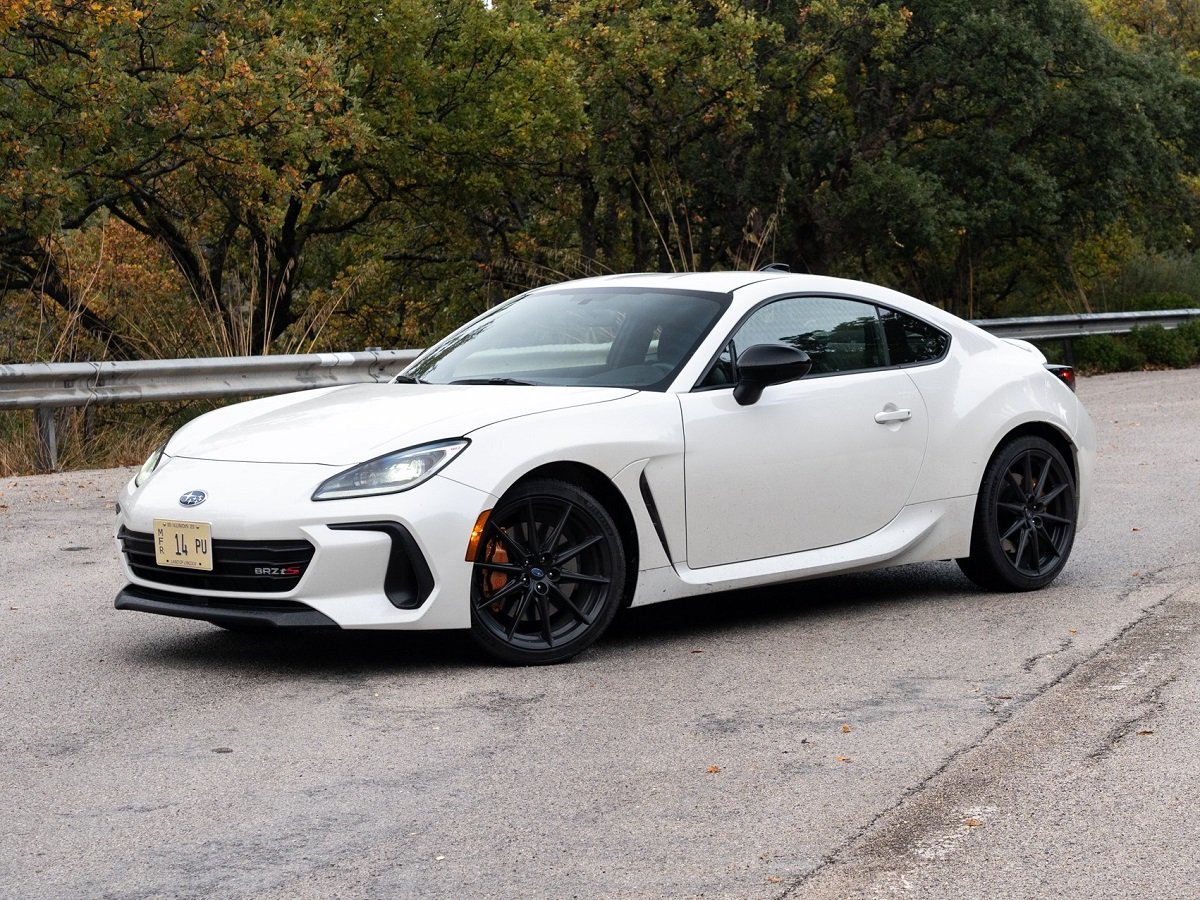
- Engine: 2.4L Naturally Aspirated Flat-4 (Boxer)
- Horsepower: 228 hp
- Torque: 184 lb-ft
- Length: ~4,265 mm (167.9 in)
- Width: ~1,775 mm (69.9 in)
5. Subaru BRZ tS
The Subaru BRZ tS represents a different philosophy of performance compared to many high-horsepower rivals. Instead of focusing on raw engine output, it emphasizes lightweight construction, balance, and driving purity. The 2.4-liter naturally aspirated flat four engine produces approximately 228 horsepower, which may seem modest on paper but is highly effective when paired with the car’s low weight.
At around 2,800 pounds, the BRZ is one of the lightest modern sports cars available. This low mass plays a crucial role in its strong power-to-weight ratio and contributes to its exceptional handling characteristics. The car feels agile and responsive in a way that many heavier and more powerful vehicles cannot replicate.
The driving experience of the BRZ is centered around connection and feedback. Steering response is immediate and precise, allowing drivers to feel fully engaged with the road surface. The chassis balance is one of its strongest attributes, making it easy to control during cornering and weight transfer situations.
The naturally aspirated engine encourages drivers to use higher RPM ranges to extract performance. This creates a more interactive driving style that rewards skill and precision. Instead of relying on turbocharged torque, the BRZ builds speed progressively, which enhances driver involvement.
The suspension tuning of the tS variant further improves stability and cornering capability. It provides a more focused setup compared to standard versions, making the car even more suitable for spirited driving and track use.
The Subaru BRZ tS demonstrates that a strong power-to-weight ratio is not only about horsepower, but also about reducing weight and maximizing balance for a pure driving experience.
Also Read: Why One Million Americans Stopped Shopping for New Cars?
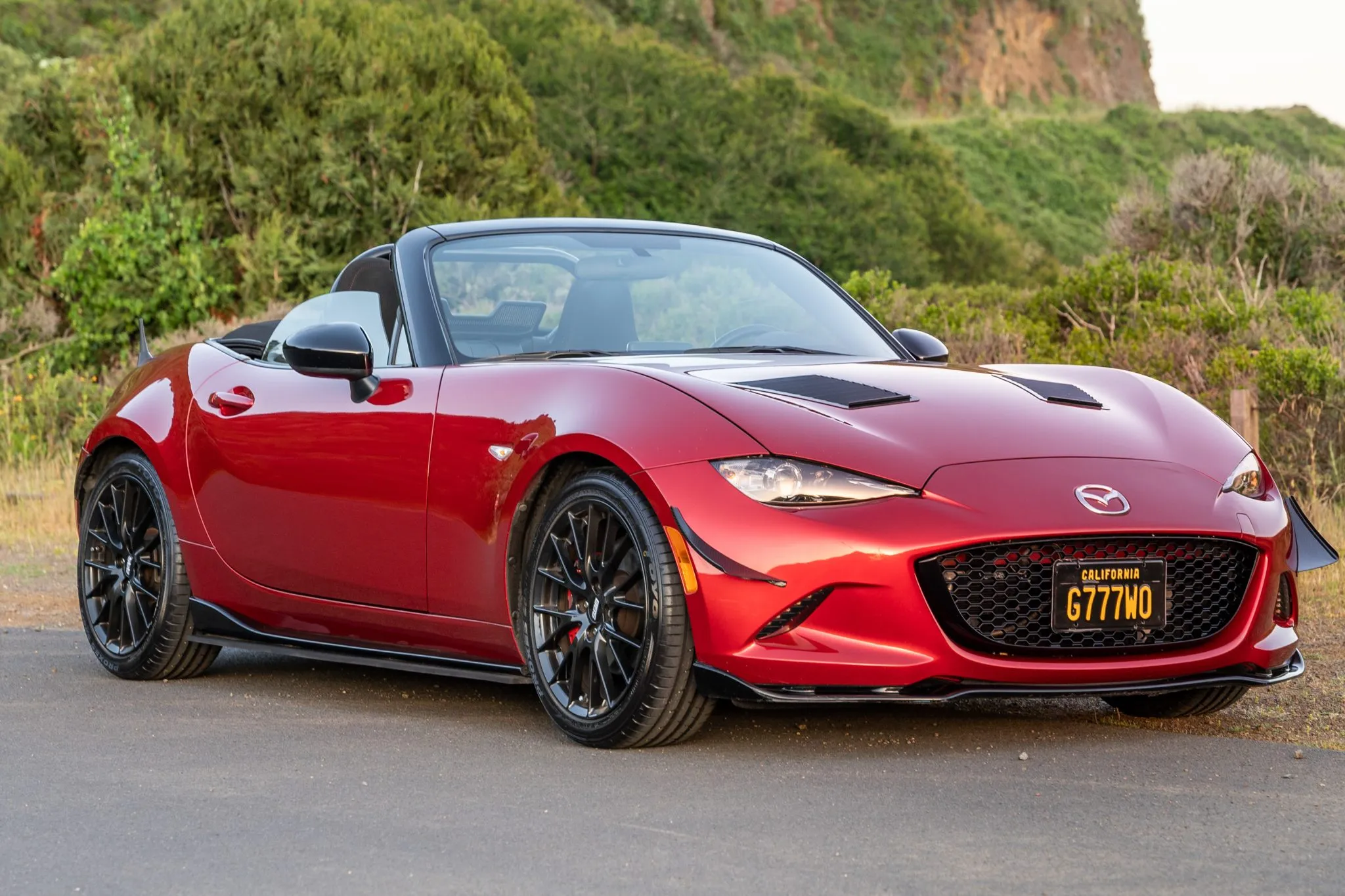
- Engine: 2.0L Naturally Aspirated Inline-4
- Horsepower: 181 hp
- Torque: 151 lb-ft
- Length: ~3,915 mm (154.1 in)
- Width: ~1,735 mm (68.3 in)
6. Mazda MX-5 Miata Club
The Mazda MX-5 Miata Club is widely regarded as one of the purest expressions of driving enjoyment in the automotive world. Unlike many performance cars that rely on high horsepower figures, the Miata focuses on lightweight engineering, balanced handling, and driver engagement.
It uses a 2.0-liter naturally aspirated four-cylinder engine producing around 181 horsepower, which may appear modest compared to rivals. However, when combined with its extremely low curb weight, the result is a surprisingly strong power-to-weight ratio in real-world driving conditions.
Weighing approximately 2,300 to 2,400 pounds, depending on configuration, the Miata is one of the lightest modern production sports cars. This low weight dramatically improves every aspect of performance.
Acceleration feels lively, braking distances are short, and cornering response is immediate. The car does not need massive horsepower to feel quick because it carries so little mass, which is a core part of its engineering philosophy.
One of the most important aspects of the Miata Club is its chassis tuning. The suspension setup is designed to prioritize balance and communication rather than outright stiffness or aggressive track focus.
This allows the car to remain compliant on public roads while still delivering exceptional feedback during spirited driving. The steering system is precise and well-weighted, giving drivers a strong sense of connection to the road surface.
Another key strength is the rear wheel drive layout combined with near-perfect weight distribution. This configuration makes the Miata exceptionally predictable during cornering. Drivers can easily control oversteer and understeer situations, which makes it a favorite among both beginners and experienced enthusiasts. It is often used as a learning platform for performance driving because of how forgiving and intuitive it is.
The open-top design further enhances the driving experience. With the roof down, drivers experience a direct connection to the environment, which amplifies the sense of speed and engagement even at legal road speeds. This makes the Miata feel more exciting than many higher-horsepower vehicles in everyday conditions.
The Mazda MX-5 Miata Club demonstrates that performance is not defined solely by horsepower. Its lightweight construction, perfect balance, and driver-focused design make it one of the most rewarding sports cars under $50,000.
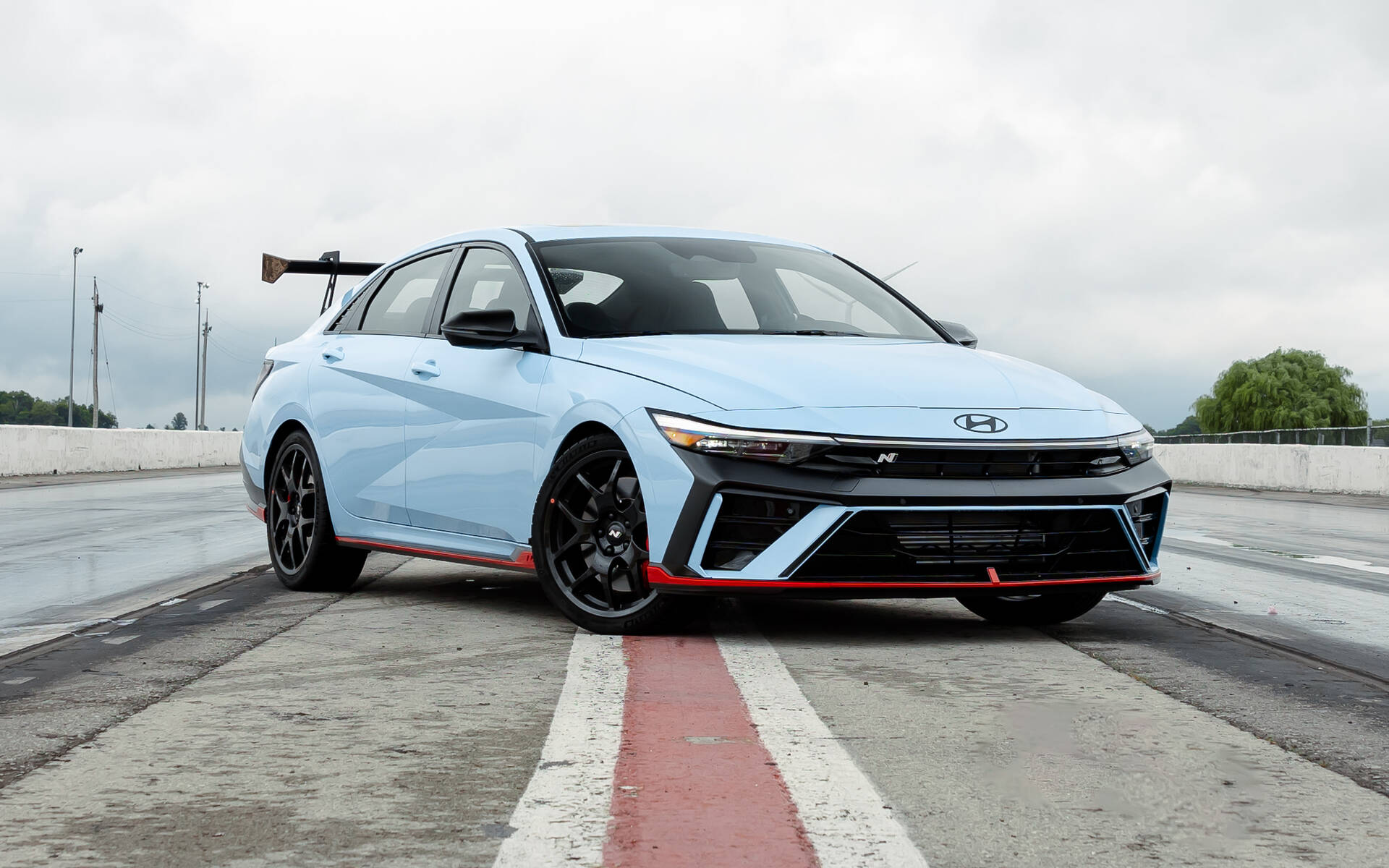
- Engine: 2.0L Turbocharged Inline-4
- Horsepower: 276 hp
- Torque: 289 lb-ft
- Length: ~4,675 mm (184.1 in)
- Width: ~1,825 mm (71.9 in)
7. Hyundai Elantra N
The Hyundai Elantra N has quickly become one of the most respected performance sedans in the modern automotive market. Developed by Hyundai’s N performance division, the car is designed to deliver track-capable performance while still functioning as a practical daily driver.
It is powered by a turbocharged 2.0-liter four-cylinder engine producing approximately 276 horsepower, with an overboost function that can temporarily increase output in certain driving modes.
At a curb weight of around 3,100 to 3,200 pounds, the Elantra N achieves a very competitive power-to-weight ratio. This allows it to deliver strong acceleration and impressive mid-range performance. The turbocharged engine provides immediate torque delivery, which makes the car feel responsive in both city driving and highway conditions.
One of the standout features of the Elantra N is its chassis tuning. Hyundai engineers designed the vehicle with a strong focus on driving enjoyment, incorporating reinforced structural components and performance-oriented suspension geometry. The result is a sedan that feels stable under hard cornering while still maintaining comfort during normal driving.
The suspension system includes adaptive dampers that allow drivers to switch between comfort-oriented and performance-focused settings. This flexibility makes the Elantra N highly versatile, as it can behave like a comfortable commuter car during the week and a spirited performance machine on weekends. This dual personality is one of its strongest selling points.
Another important aspect is the electronically controlled, limited-slip differential, which improves traction during acceleration and cornering. This system helps distribute power effectively between the front wheels, reducing understeer and improving stability when exiting corners. Combined with multiple drive modes and performance tuning features, the Elantra N offers a highly customizable driving experience.
Inside the cabin, the Elantra N provides modern technology, supportive sport seats, and a driver-focused layout. While it is based on a practical sedan platform, the interior has been enhanced with performance-oriented details that reflect its capabilities.
The Hyundai Elantra N stands out as one of the best performance bargains under $50,000, offering strong power-to-weight efficiency, advanced technology, and a highly engaging driving experience.
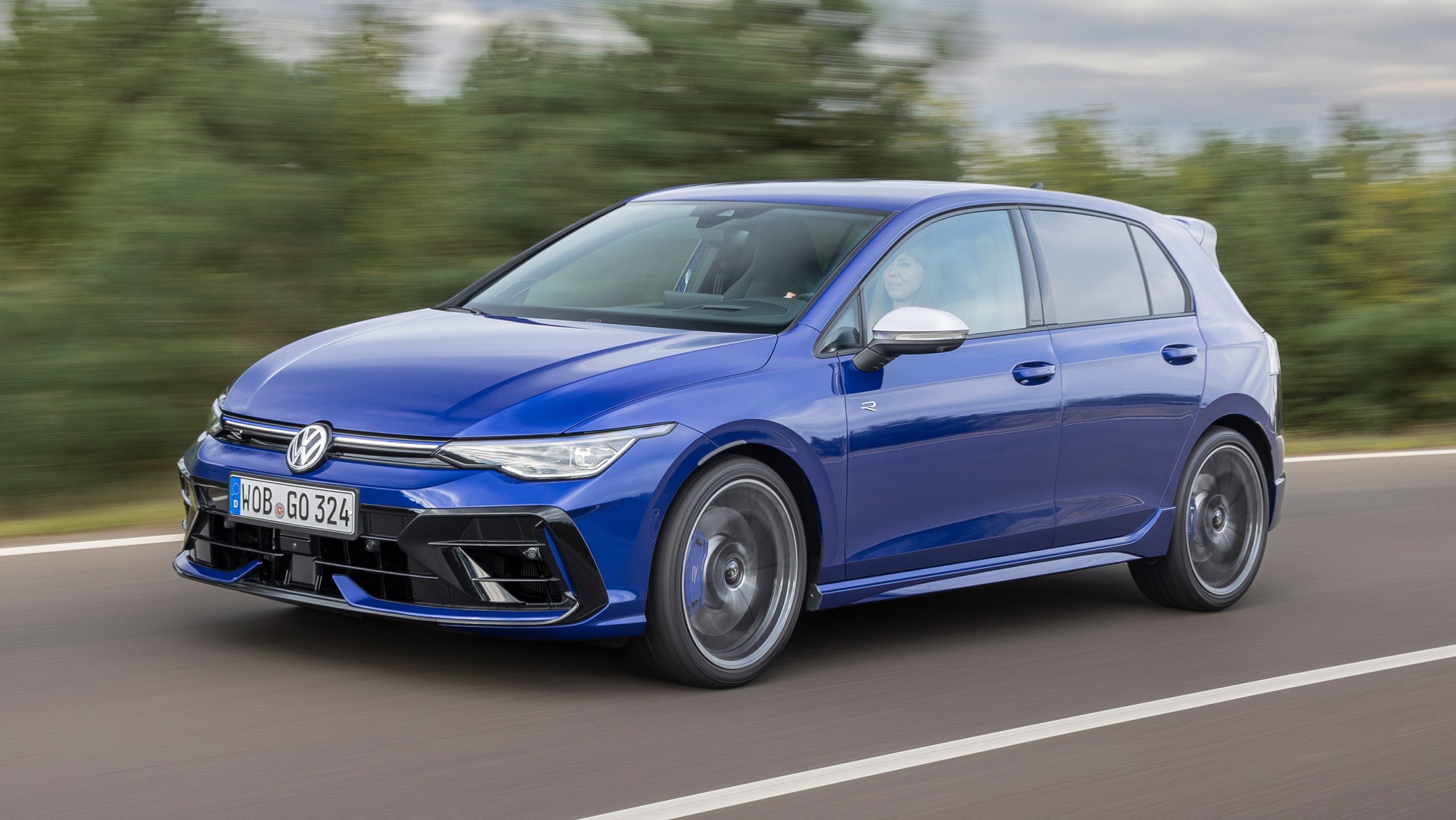
- Engine: 2.0L Turbocharged Inline-4 (EA888)
- Horsepower: 315 hp
- Torque: 295 lb-ft
- Length: ~4,287 mm (168.8 in)
- Width: ~1,789 mm (70.4 in)
8. Volkswagen Golf R
The Volkswagen Golf R represents one of the most well-rounded performance hatchbacks available today. It combines practicality, all-weather capability, and strong performance into a single package. Powered by a turbocharged 2.0-liter four-cylinder engine producing around 315 horsepower, the Golf R delivers quick acceleration and refined power delivery.
Although the All Wheel Drive system adds some additional weight, the strong horsepower output ensures that the Golf R maintains an excellent power-to-weight ratio for its segment. This allows the car to achieve rapid acceleration, often reaching 60 miles per hour in around 4.5 seconds, depending on configuration.
One of the key strengths of the Golf R is its 4Motion All Wheel Drive system. This system actively distributes power between the front and rear wheels to maximize traction and stability. As a result, the car performs exceptionally well in various weather conditions, including rain and light snow, making it a true year-round performance vehicle.
The chassis tuning of the Golf R strikes a careful balance between comfort and sportiness. The suspension is firm enough to support aggressive driving but still compliant enough for daily commuting. This makes it one of the most practical performance cars available, especially for drivers who need a single vehicle for multiple roles.
Smooth, consistent power delivery defines the turbocharged engine across the entire rev range. Instead of the sharp, narrow powerband seen in some smaller engines, the Golf R builds speed in a steady, linear surge. The result is effortless acceleration that allows quick driving without demanding much from the driver.
Inside the cabin, Volkswagen has focused on premium materials and advanced technology. The interior feels refined and modern, with digital displays, high-quality finishes, and supportive seating. This elevates the ownership experience beyond what is typically expected in the hot hatch segment.
The Volkswagen Golf R combines performance, practicality, and refinement in a way that very few vehicles can match under $50,000.
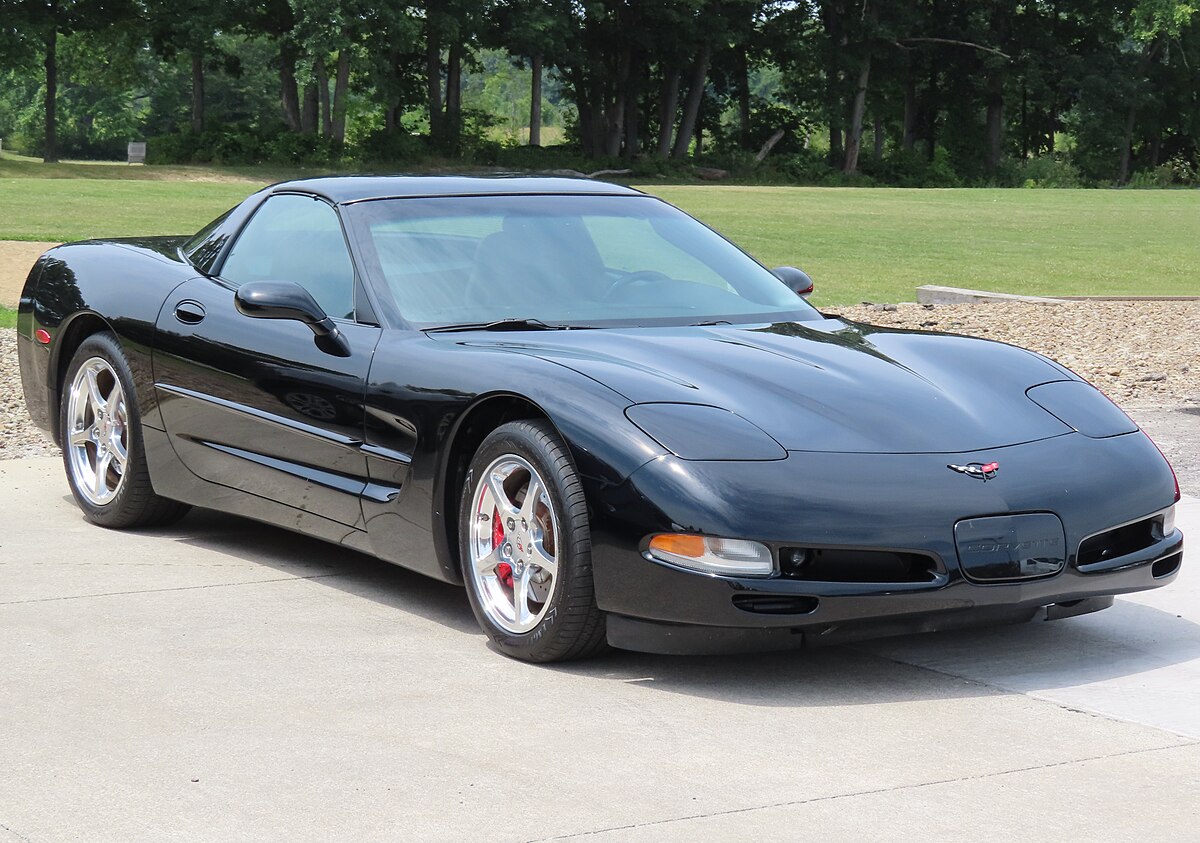
- Engine: 5.7L Naturally Aspirated V8 (LS6)
- Horsepower: 405 hp
- Torque: 400 lb-ft
- Length: ~4,561 mm (179.5 in)
- Width: ~1,924 mm (75.6 in)
9. Chevrolet Corvette C5 Z06
The Chevrolet Corvette C5 Z06 remains one of the most respected performance bargains in the used car market. Although it is no longer in production, it continues to offer outstanding performance thanks to its lightweight construction and powerful V8 engine. It features a 5.7-liter LS6 V8 engine producing approximately 405 horsepower in a relatively compact and lightweight chassis.
One of the most impressive aspects of the C5 Z06 is its power-to-weight ratio. Weighing around 3,100 pounds, it is significantly lighter than many modern sports cars. This allows it to deliver explosive acceleration and strong performance even by today’s standards. At the time of its release, it was considered a serious competitor to far more expensive European sports cars.
The chassis design of the C5 Z06 emphasizes rigidity and balance. The car uses a lightweight fixed roof structure that improves structural stiffness compared to the standard convertible Corvette. This results in improved handling precision and better feedback during aggressive driving.
The LS6 engine is widely regarded as one of the most durable and tunable performance engines of its era. It delivers strong low-end torque and excellent high RPM power, making it suitable for both street driving and track use. Its simplicity compared to modern turbocharged engines also contributes to long-term reliability when properly maintained.
Driving dynamics are another highlight. The rear wheel drive layout and nearly 50/50 weight distribution create a balanced and predictable driving experience. The car feels stable at high speeds and responsive during cornering, making it enjoyable for enthusiasts who appreciate analog driving characteristics.
Another advantage is affordability in terms of performance per dollar. Even in today’s market, the C5 Z06 offers supercar-level acceleration at a fraction of the cost. Maintenance costs are generally reasonable, and parts availability remains strong due to the popularity of the Corvette platform.
The Chevrolet Corvette C5 Z06 continues to be one of the best used performance cars under $50,000, offering exceptional power-to-weight efficiency and timeless driving enjoyment.
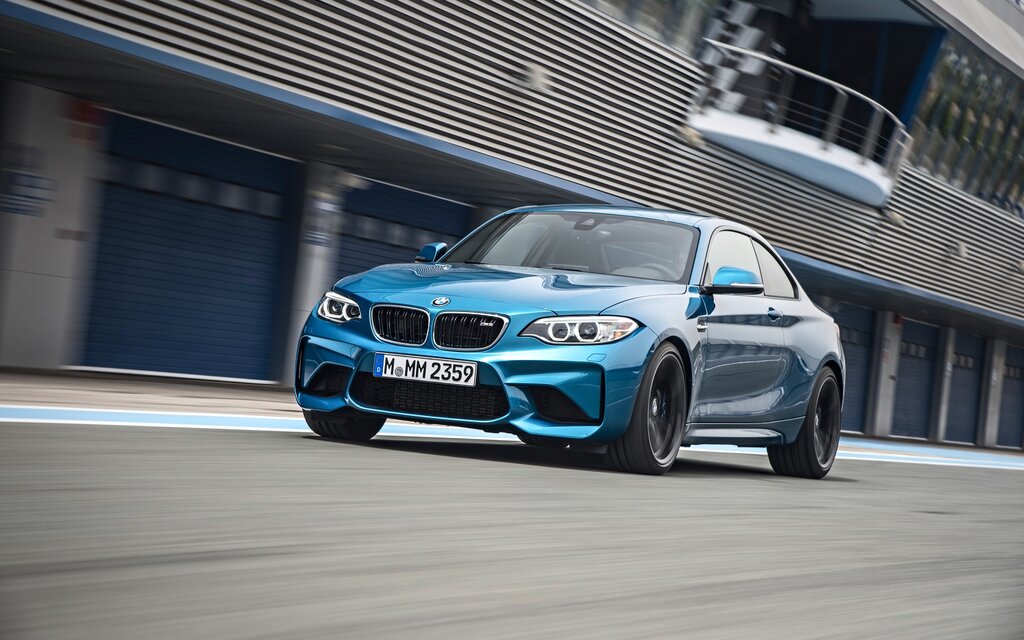
- Engine: 3.0L Turbocharged Inline-6 (B58)
- Horsepower: 382 hp
- Torque: 369 lb-ft
- Length: ~4,541 mm (178.8 in)
- Width: ~1,838 mm (72.4 in)
10. BMW M240i
The BMW M240i is a compact performance coupe that blends luxury, refinement, and strong acceleration into a highly polished package. It is powered by a turbocharged 3.0-liter inline-six engine producing around 382 horsepower. This engine is part of BMW’s well-known B58 family, which is widely praised for its smoothness, responsiveness, and tuning potential.
In terms of power-to-weight ratio, the M240i performs strongly despite its slightly heavier chassis. With a curb weight of approximately 3,600 to 3,800 pounds depending on configuration, the car still delivers rapid acceleration and impressive real-world performance. It can achieve 0 to 60 mph times in the low four-second range, placing it firmly in performance car territory.
The inline six configuration provides natural balance, resulting in smooth power delivery and minimal vibration. The turbocharged system enhances torque output, allowing the car to feel powerful across all driving conditions without requiring high RPM operation.
The chassis tuning of the M240i emphasizes stability and comfort while still allowing for sporty driving behavior. The suspension is well controlled, providing confidence during cornering without sacrificing ride quality. This makes the vehicle suitable for both daily commuting and spirited driving sessions.
BMW’s xDrive All Wheel Drive system is available in many configurations, further enhancing traction and acceleration. This system improves performance in low grip conditions while maintaining strong handling dynamics. Rear Wheel Drive versions are also available for drivers who prefer a more traditional sports coupe experience.
Inside the cabin, the M240i reflects BMW’s premium design philosophy. High-quality materials, advanced infotainment systems, and driver-focused ergonomics create a luxurious environment. The interior is designed to balance comfort with performance orientation.
The BMW M240i stands out as a refined yet powerful performance coupe under $50,000, offering strong acceleration, luxury features, and a highly capable engine platform.
