
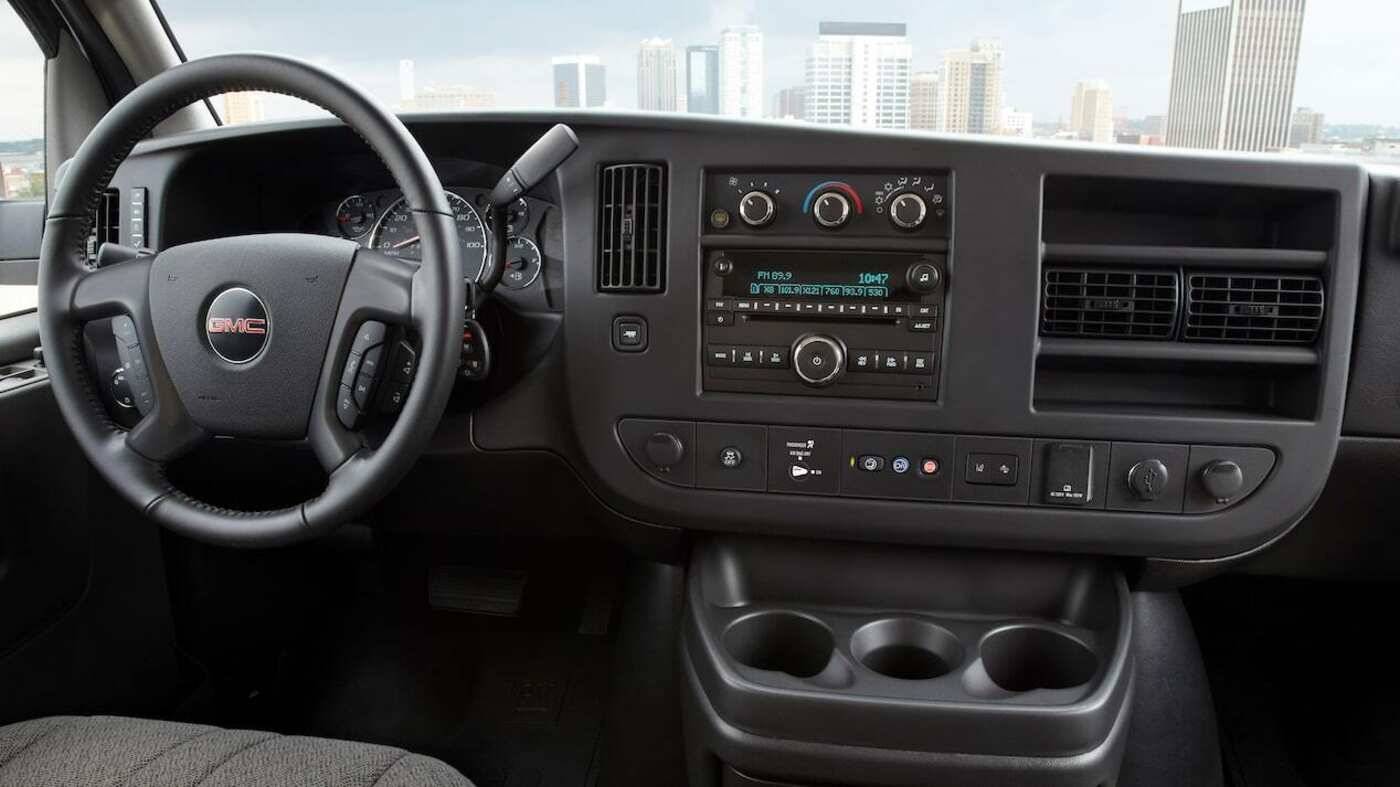
Modern vehicles resemble rolling computers, with screens dominating dashboards. For drivers seeking simplicity, this digital evolution feels unnecessary. Fortunately, some vehicles buck the trend, prioritizing tactile layout, durability, and cost control over digital interfaces.
Certain commercial vans, fleet trucks, and basic international trims completely bypass the standard touchscreen. Instead, they rely on physical buttons, knobs, and analog clusters. Even regulatory requirements like backup cameras are handled with clever workarounds, such as integrating the display feed directly into the rearview mirror. Other base trims utilize simple radio units or dashboard phone mounts, letting smartphones handle navigation without a clunky, built-in infotainment screen.
For buyers who value mechanical reliability and long-term usability over layered software menus, these options represent a refreshing return to straightforward design. Here are ten 2026 vehicles that confidently stand out by leaving the standard touchscreen behind.
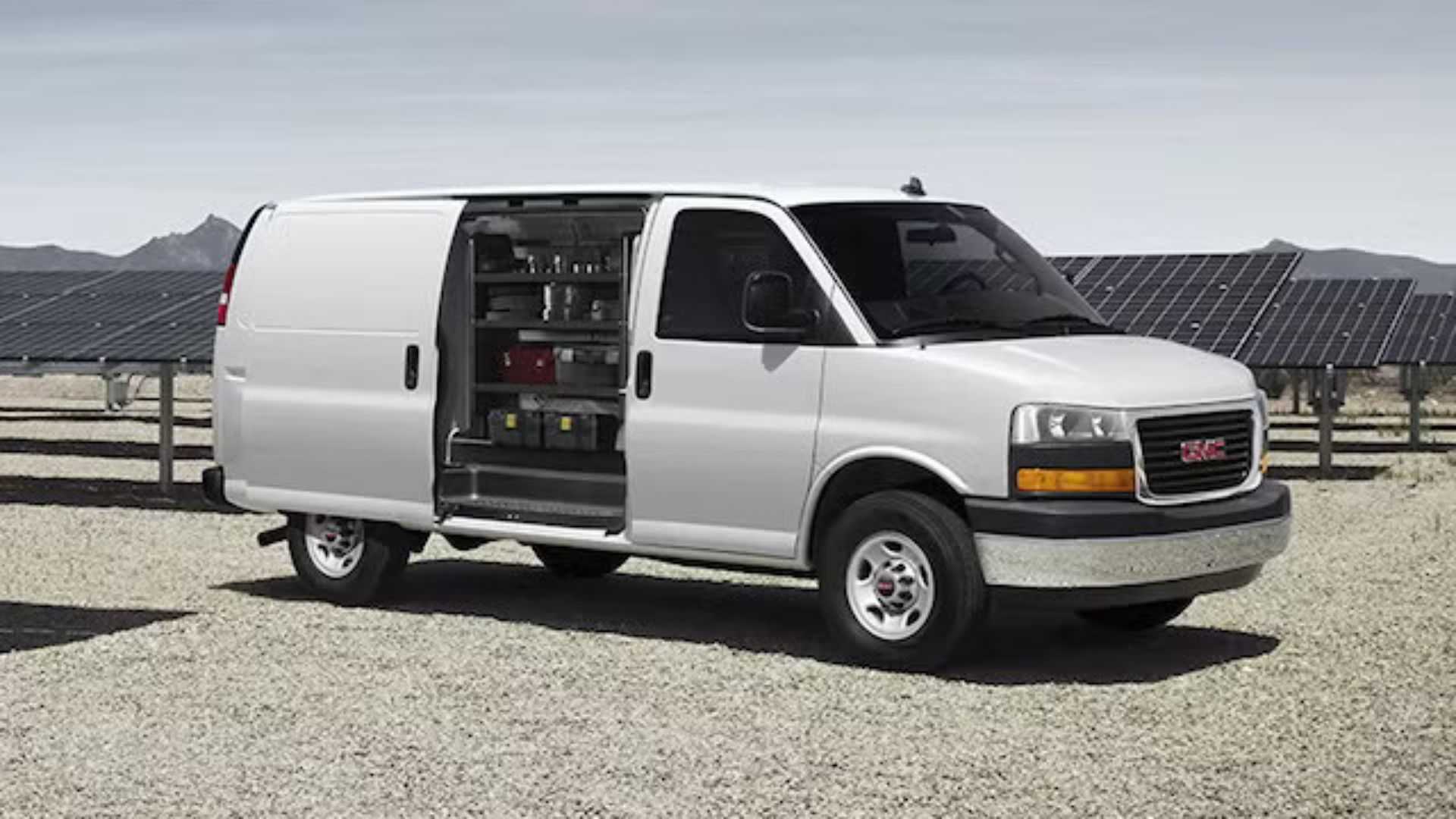
1. GMC Savana Cargo Van (Base Fleet Configuration)
- Engine: 4.3L V6
- Horsepower: 276 hp
- Torque: 298 lb-ft
- Size: 224.1 inches Long x 79.2 inches Wide
A stripped-down work-focused layout defines the GMC Savana Cargo Van, a vehicle designed with utility as its priority rather than passenger entertainment. Inside, the dashboard avoids large digital interfaces, relying instead on basic controls and optional radio units depending on fleet configuration. Many versions are ordered with minimal electronics, keeping distractions low and functionality straightforward.
A 4.3L V6 engine sits at the heart of the GMC Savana, delivering 276 horsepower and 298 lb-ft of torque. This power setup is geared toward steady workload performance, giving it enough muscle for transporting tools, cargo, and equipment without relying on turbocharging or hybrid components. The focus stays on mechanical durability, which suits commercial operators who value consistent operation and minimal downtime.
Measuring 224.1 inches in length and 79.2 inches in width, the Savana falls into the full-size van category. Its proportions support a spacious cargo area, making it practical for delivery routes, construction tasks, and other business applications that require substantial load space.
Inside the cabin, the design approach is straightforward and functional. Physical switches handle most controls, analog gauges provide driver information, and base trims often remove infotainment screens entirely. Instead of a central display, some versions route the backup camera feed through a rearview mirror system, meeting safety requirements while avoiding a dashboard-mounted screen.
Servicing is relatively uncomplicated due to the vehicle’s long-standing platform and widely understood mechanical layout. Fleet technicians are generally well-acquainted with its systems, which helps speed up repairs and reduces vehicle downtime during maintenance cycles.
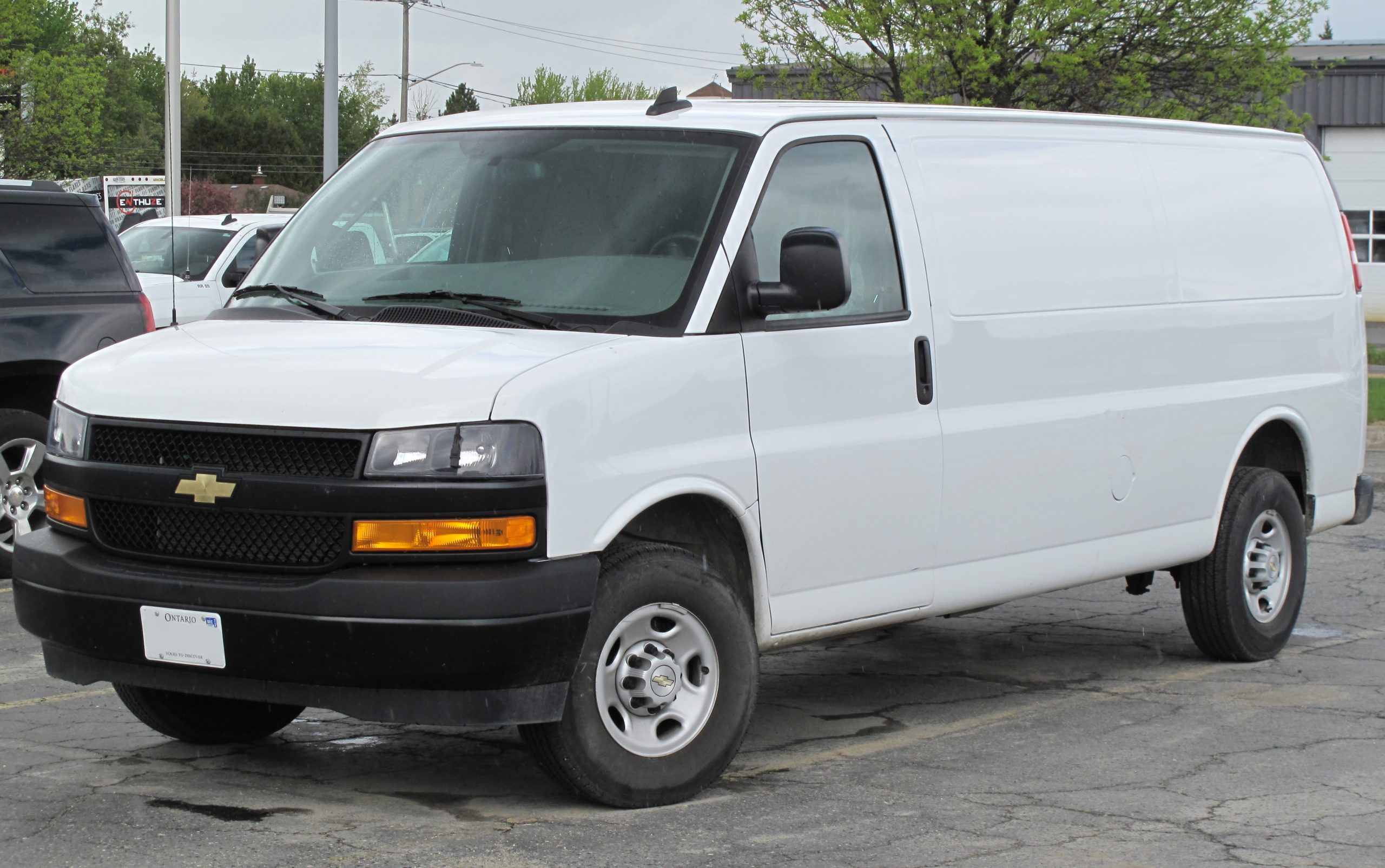
2. Chevrolet Express Cargo Van (Fleet Specification)
- Engine: 4.3L V6
- Horsepower: 276 hp
- Torque: 298 lb-ft
- Size: 224.1 inches Long x 79.2 inches Wide
Built on the same philosophy as its corporate counterpart, the Chevrolet Express Cargo Van focuses on function rather than digital features. The interior is intentionally basic, with many fleet versions eliminating infotainment screens entirely in favor of durable controls and optional radio systems.
Under the hood sits a 4.3L V6 engine producing 276 horsepower and 298 lb-ft of torque. This engine is tuned for steady output rather than performance driving, giving the van consistent behavior under heavy load conditions. Its long-standing use across GM platforms has contributed to its reputation for durability.
Physical size mirrors the Savana closely, measuring 224.1 inches long and 79.2 inches wide. That shared architecture supports high cargo volume, making it a frequent choice for logistics companies, contractors, and service fleets. Inside, the dashboard layout prioritizes durability.
Hard-wearing materials, large physical knobs, and minimal electronics define the cabin. Instead of touchscreen controls, drivers rely on tactile switches that can withstand repeated daily use in demanding work environments. Backup camera compliance is handled through mirror-integrated displays in many configurations, removing the need for a central screen while still meeting regulatory requirements.
Fleet buyers often prefer this setup due to its predictability. With fewer electronic systems, there are fewer software-related issues, which helps reduce repair downtime and simplifies long-term maintenance planning.
Also Read: 9 Hidden Features in Subaru Cars Buried in the Menus
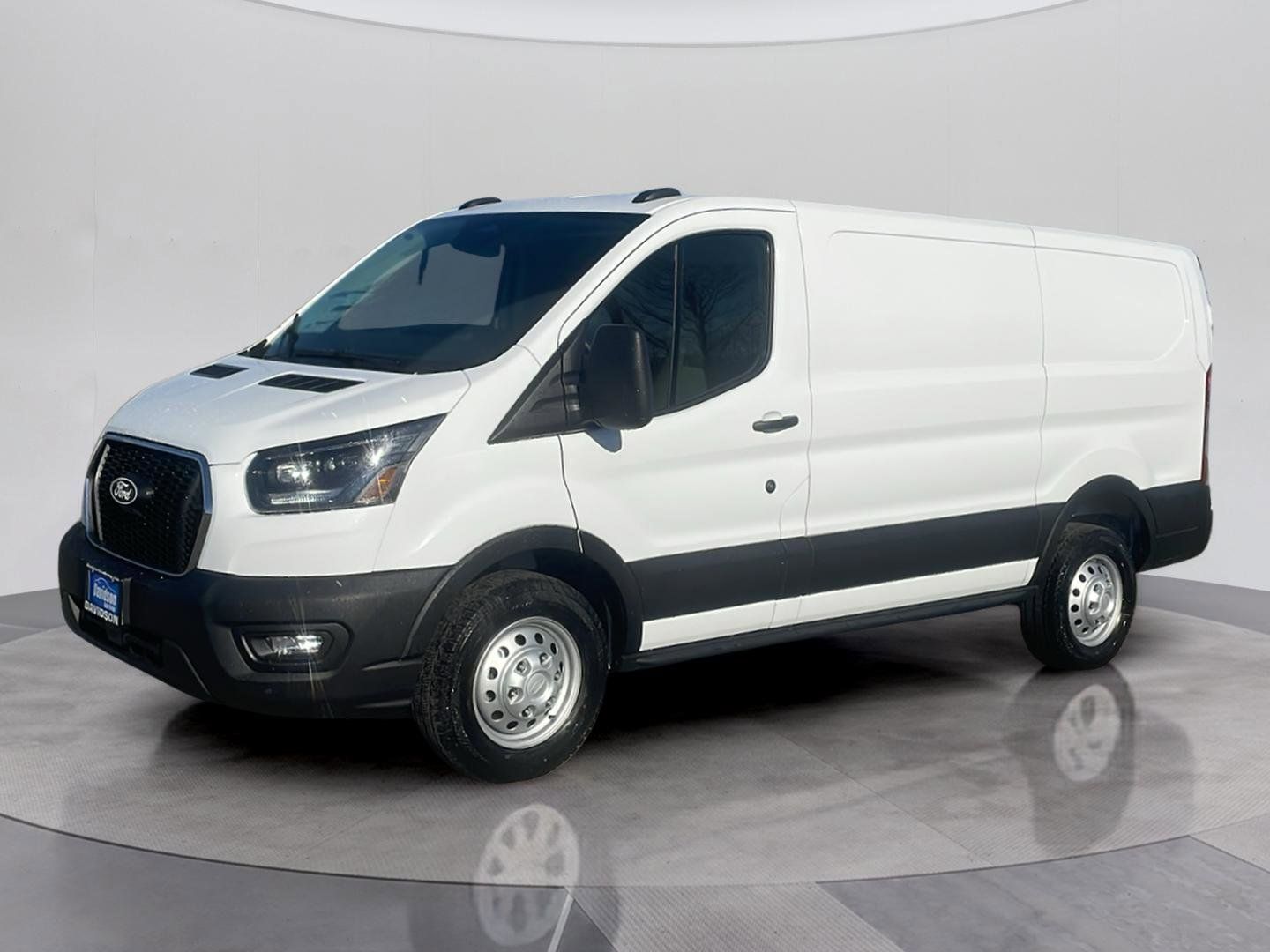
3. Ford E-Transit Cargo Van (Base Stripped Fleet Version)
- Engine: Electric Motor (68 kWh Battery)
- Horsepower: 266 hp
- Torque: 317 lb-ft
- Size: 235.5 inches Long x 81.3 inches Wide
Commercial practicality defines the Ford E-Transit Cargo Van in its most basic fleet configuration, where interior technology is stripped back to essential functions. Many fleet versions remove advanced infotainment systems entirely, leaving a simplified dashboard focused on driving control and operational efficiency rather than entertainment.
Electric power is delivered by a 68 kWh battery paired with an electric motor producing 266 horsepower and 317 lb-ft of torque. Instant torque response supports stop-and-go driving, making it well suited for delivery routes, warehouse logistics, and short-distance urban transport tasks.
The van measures 235.5 inches in length and 81.3 inches in width. Its large footprint supports high cargo capacity and flexible interior layouts, while the extended wheelbase allows businesses to install shelving, storage systems, or open cargo space depending on operational needs.
Inside, stripped fleet configurations prioritize function over digital comfort features. Instead of an integrated infotainment screen, many setups rely on smartphone mounts or separately installed fleet devices, allowing companies to standardize technology independently from factory systems.
Rear visibility is managed through mirror-integrated displays showing backup camera feeds, meeting safety requirements without adding a central screen.
Built for durability, cabin materials withstand frequent loading, unloading, and long hours of use, while electric operation reduces routine engine maintenance demands, though charging logistics become a key fleet management consideration.
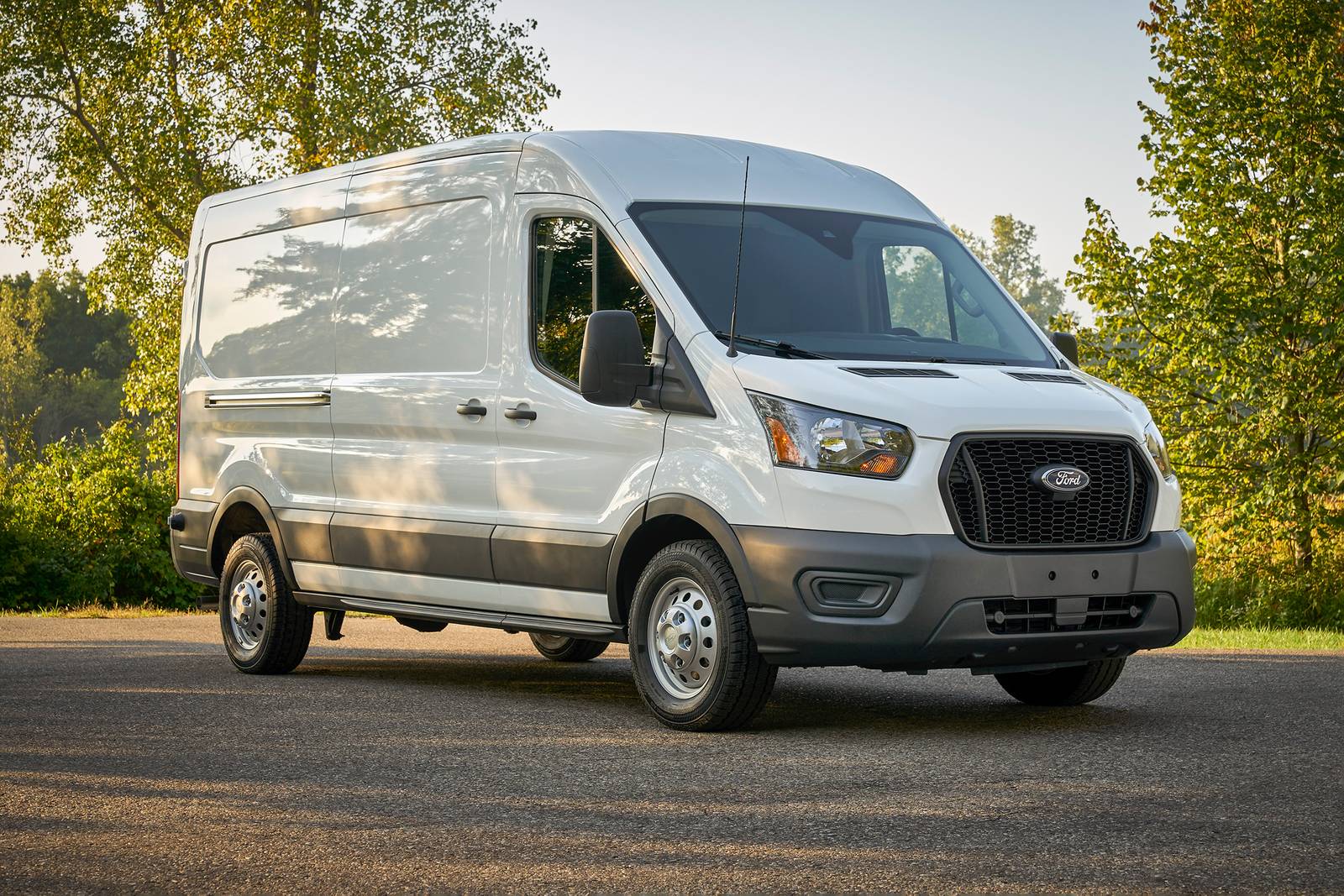
4. Ford Transit Cargo Van (Base Fleet Radio-Delete Configuration)
- Engine: 3.5L V6
- Horsepower: 275 hp
- Torque: 262 lb-ft
- Size: 219.9 inches Long x 81.3 inches Wide
Utility-driven engineering defines the Ford Transit Cargo Van in radio-delete fleet configurations, where all infotainment systems are omitted from factory build. The dashboard layout is intentionally simplified, focusing only on essential driving functions without touchscreen displays or entertainment features.
Power comes from a 3.5L V6 engine producing 275 horsepower and 262 lb-ft of torque. Known for its long-term durability, this engine is widely used across Ford’s commercial range and is engineered for continuous operation, extended service intervals, and dependable performance in demanding work conditions.
The van measures 219.9 inches in length and 81.3 inches in width. Its boxy exterior design is optimized to maximize interior cargo capacity, making it highly suitable for logistics, delivery operations, and mobile work setups requiring large, adaptable storage space.
Inside, functionality takes priority over comfort. Instrumentation is typically analog or minimally digital, depending on fleet setup, while physical controls manage ventilation, lighting, and other essential systems. This reduces driver distraction and minimizes potential electronic failures.
Instead of integrated infotainment, rear visibility and camera functions are handled through separate, compact display units or mirror-based systems, maintaining safety compliance without cluttering the central dashboard.
Fleet users often choose this configuration for its reduced reliance on electronics, which lowers repair frequency and improves uptime. Maintenance is also simplified through standardized mechanical components.
Seats and cabin materials are built for heavy-duty use, resisting wear from constant entry and exit in commercial environments. The Transit Cargo Van prioritizes durability, efficiency, and operational reliability over comfort or digital convenience.
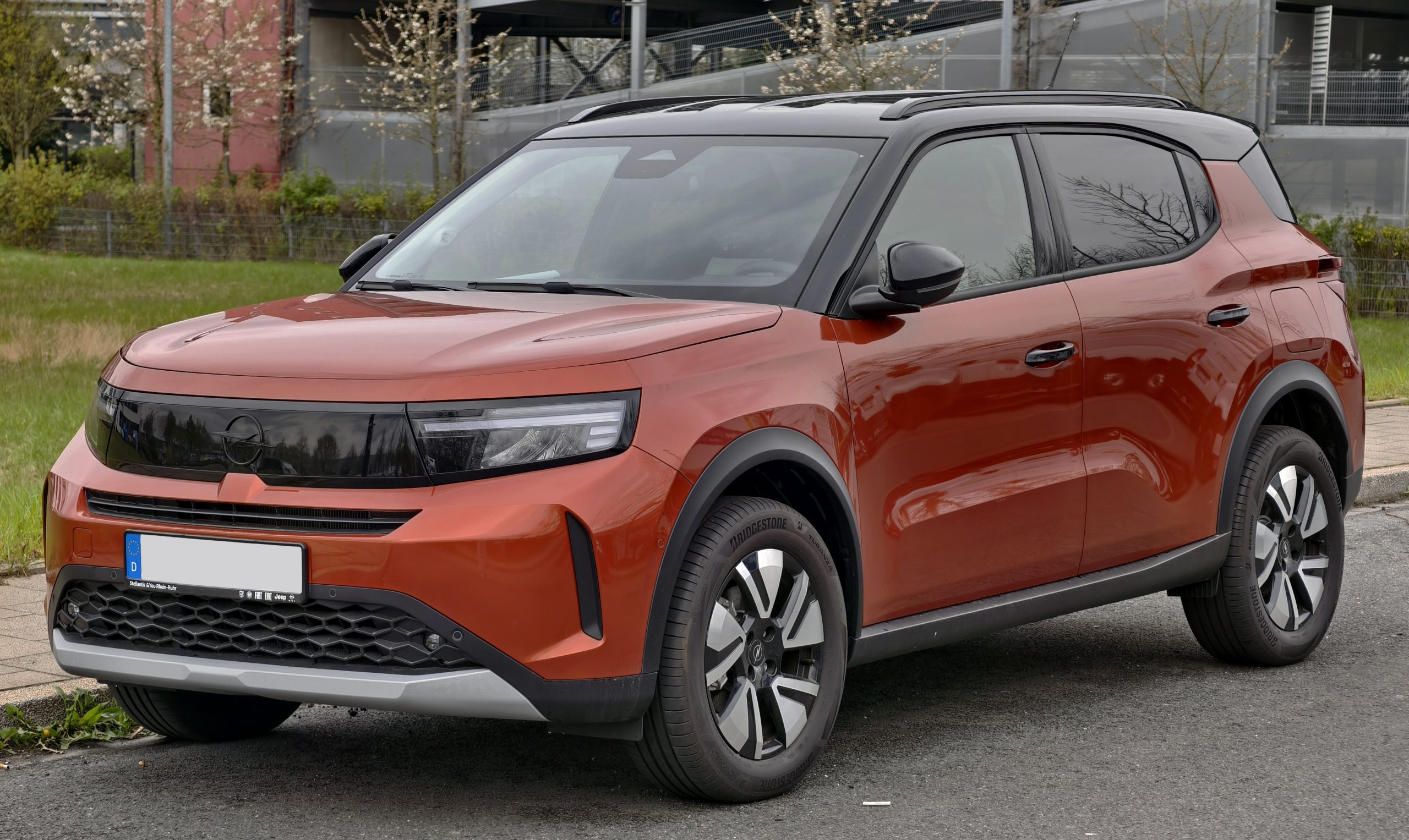
5. Opel Frontera (Base Trim International Specification)
- Engine: 1.2L Turbocharged 3-cylinder Mild Hybrid
- Horsepower: 111 hp
- Torque: 151 lb-ft
- Size: 172.4 inches Long x 70.8 inches Wide
Practical urban design defines the Opel Frontera base trim, where factory-installed infotainment screens are removed in favor of smartphone-based functionality. Instead of built-in digital systems, the dashboard includes a dedicated phone dock that allows drivers to use personal devices for navigation and media control.
Power is supplied by a 1.2L turbocharged three-cylinder mild hybrid engine producing 111 horsepower and 151 lb-ft of torque. This setup prioritizes fuel efficiency and steady performance suitable for daily commuting and light suburban travel. Exterior dimensions measure 172.4 inches in length and 70.8 inches in width.
These proportions place the vehicle within the compact SUV category, offering a balance between interior space and ease of parking in tight urban areas. Inside, the design philosophy focuses on simplicity. Physical controls manage core functions such as climate settings and drive adjustments. This reduces reliance on digital menus and ensures direct access to essential vehicle operations.
Seating is arranged for daily usability, with comfort suitable for short and medium-distance travel. Cabin layout emphasizes space efficiency and straightforward usability rather than digital integration. Safety systems vary by market but generally include stability control, braking assistance, and driver support features.
Rear-view camera visuals are usually shown through small built-in displays or mirrors fitted with screen functionality instead of a central dashboard display. Interior materials are chosen with a focus on strength and affordability, helping the vehicle stay usable and practical for everyday driving demands.
Service needs are generally easy to handle thanks to the straightforward hybrid setup of the engine. The base version of the Opel Frontera also reflects a broader move toward phone-based control systems in cars, where built-in infotainment units are removed in favor of simpler cabin designs that rely on smartphones for navigation and media functions.
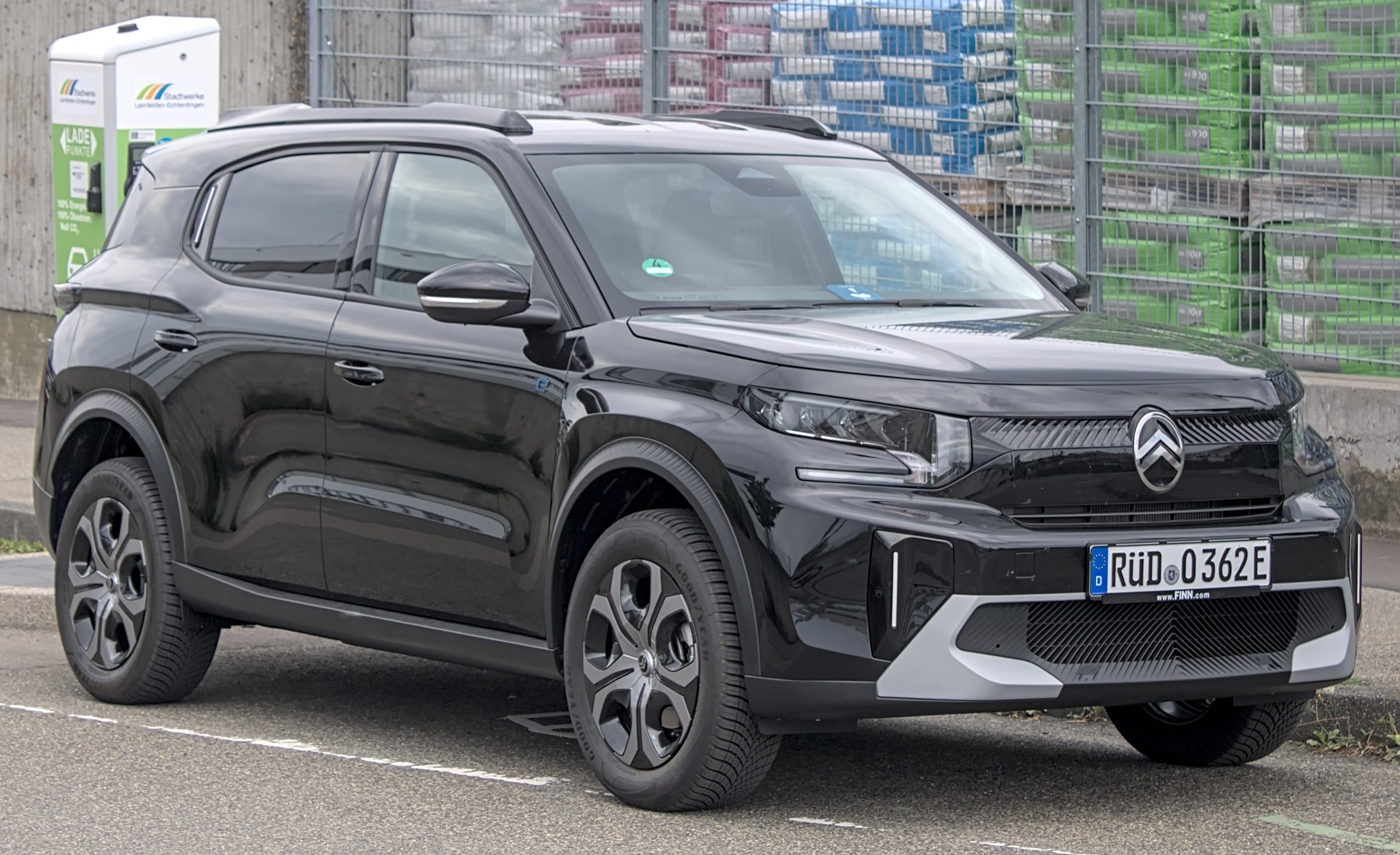
6. Citroën C3 (You Trim – Base European Specification)
- Engine: 1.2L 3-cylinder
- Horsepower: 100 hp
- Torque: 151 lb-ft
- Size: 157.9 inches Long x 69.3 inches Wide
Designed with simplicity in mind, the Citroën C3 in its entry-level “You” trim avoids the technology-heavy approach found in many modern vehicles. Rather than featuring a large central touchscreen, the cabin uses a straightforward dashboard layout paired with a smartphone dock, allowing drivers to rely on their own devices for navigation, music, and communication. This keeps the interior uncluttered while maintaining essential connectivity.
A 1.2-liter three-cylinder engine serves as the C3’s power source, generating 100 horsepower and 151 lb-ft of torque. Rather than emphasizing performance, the powertrain is tuned to deliver efficient fuel consumption and dependable day-to-day driving characteristics. Measuring 157.9 inches in length and 69.3 inches in width, the hatchback’s compact footprint helps drivers navigate congested city streets and fit into tight parking spaces with ease.
Practicality remains a priority inside the cabin, where traditional buttons and rotary controls manage functions such as climate settings and lighting. This straightforward layout eliminates the need to search through touchscreen menus, allowing drivers to make adjustments more quickly. The interior also provides sufficient passenger comfort and useful storage space, making it well-suited for commuting, errands, and other everyday travel needs.
Safety equipment includes electronic stability control, braking assistance, and available driver-support technologies, depending on the market. Combined with straightforward maintenance and widely available parts, the Citroën C3 remains an appealing option for budget-conscious drivers seeking a simple, functional vehicle without the need for extensive digital features.
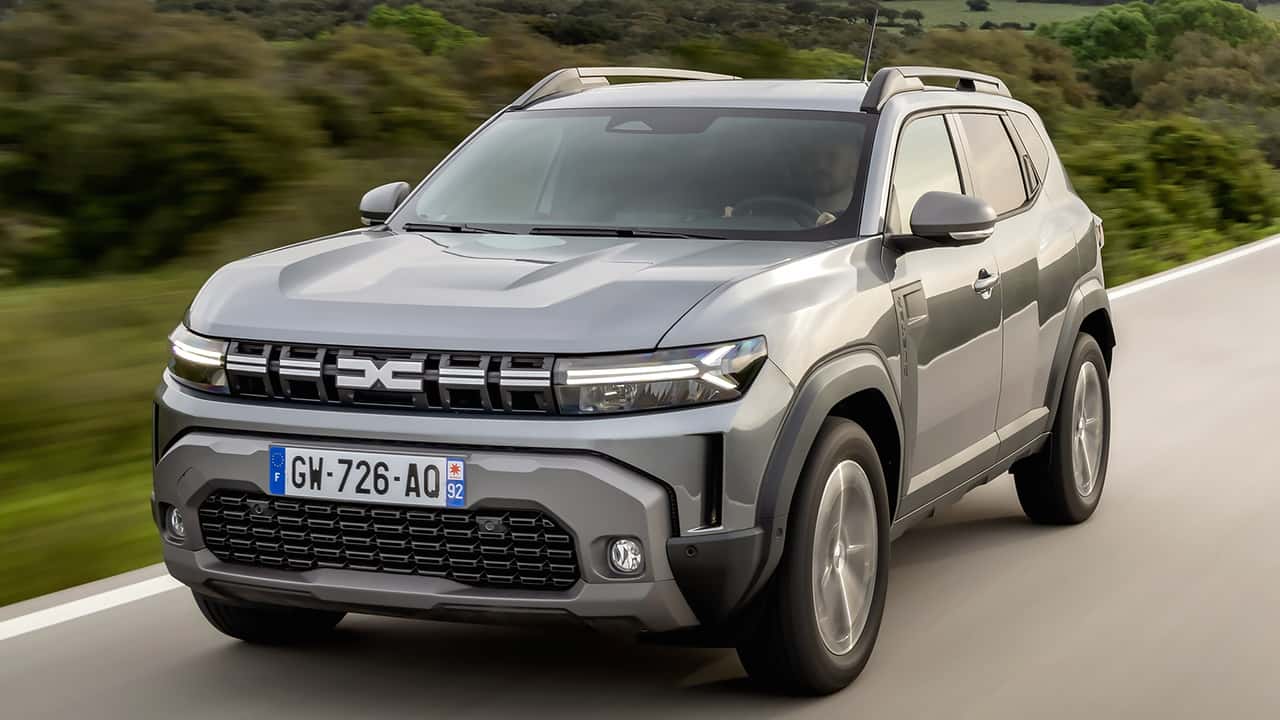
7. Dacia Duster (Essential Specification)
- Engine: 1.0L 3-cylinder Eco-G
- Horsepower: 99 hp
- Torque: 125 lb-ft
- Size: 170.9 inches Long x 71.3 inches Wide
A clear emphasis on simplicity and rugged usability defines the Dacia Duster Essential, a compact SUV built to favor function over digital complexity. The base trim typically avoids a large infotainment screen, instead offering a straightforward dashboard layout paired with a smartphone mount. This setup encourages drivers to rely on their own devices for navigation, media, and communication, helping keep the interior uncluttered and easy to operate.
Power is supplied by a 1.0-liter three-cylinder Eco-G engine that produces 99 horsepower and 125 lb-ft of torque. The engine is engineered with efficiency and durability in mind, making it suitable for both city driving and rural routes where consistency matters more than performance. In some markets, flexible fuel compatibility also helps reduce running costs and improve long-term affordability.
The SUV measures 170.9 inches in length and 71.3 inches in width, giving it a compact yet capable stance. These proportions make it easy to handle in urban traffic while still supporting light off-road driving, a key reason for its popularity in various global regions.
Inside the cabin, durability takes priority over luxury. Hard-wearing materials dominate the interior, supporting daily use in demanding conditions. Physical buttons and clearly labeled controls replace touchscreen menus, allowing drivers to access key functions quickly and with minimal distraction.
Practicality extends to storage and seating, with generous cargo space and flexible rear seating that accommodate family needs, travel gear, or work equipment. Safety features include stability control, braking assistance, and optional driver aids depending on trim and region, all designed to enhance confidence on different road types.
Ride comfort is tuned to absorb uneven surfaces, supported by suspension that handles both paved and rough terrain. Combined with straightforward engineering and wide parts availability, maintenance remains affordable and accessible.
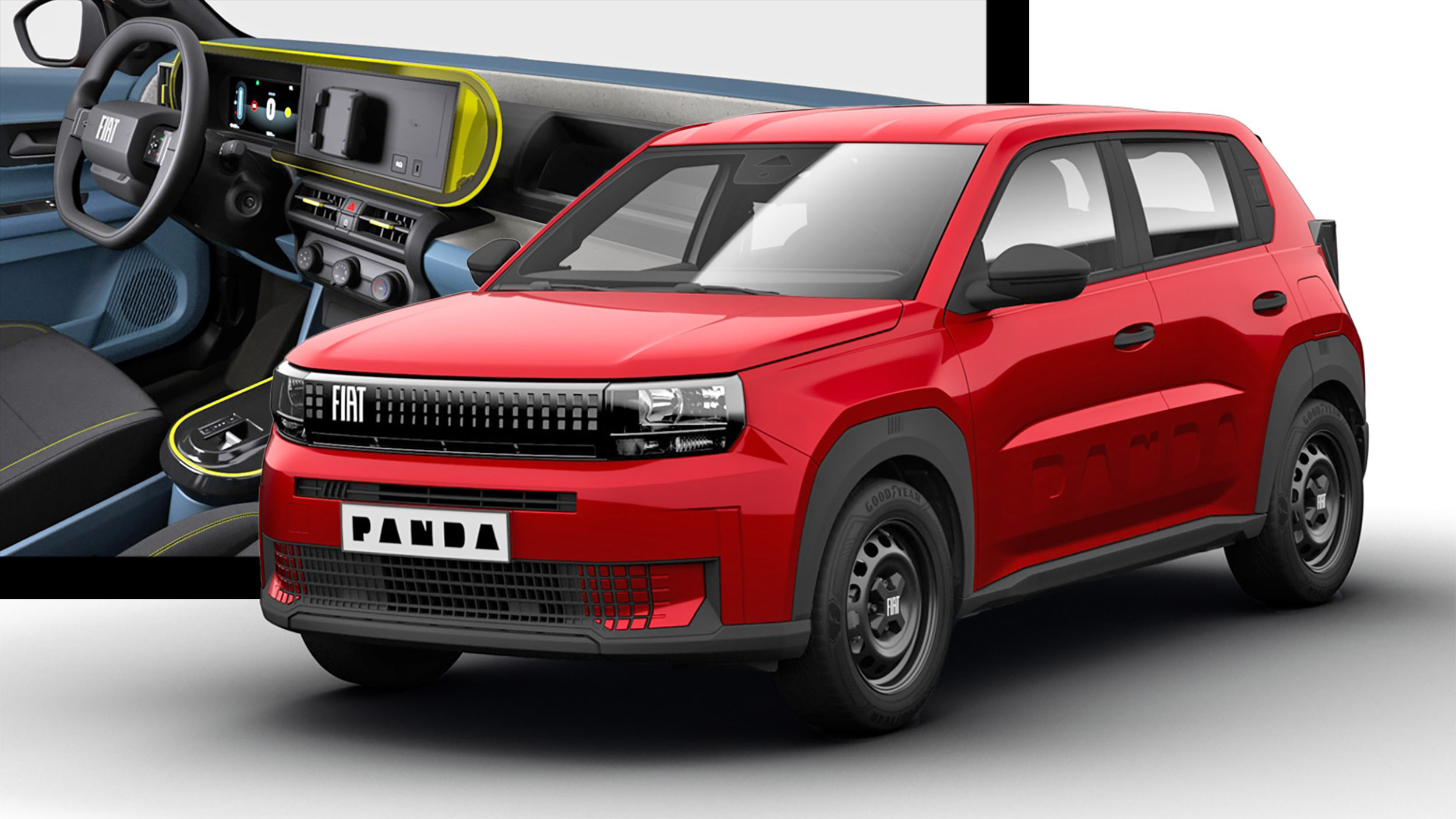
8. Fiat Grande Panda (Base Specification)
- Engine: Electric Motor (44 kWh Battery)
- Horsepower: 111 hp
- Torque: 88 lb-ft
- Size: 157.1 inches Long x 69.2 inches Wide
Modern utility takes a simplified form in the Fiat Grande Panda base model, where digital screens are removed in favor of a smartphone-based control system. A dedicated phone holder replaces traditional infotainment systems, allowing drivers to use personal devices for navigation, communication, and entertainment.
Electric propulsion comes from a 44 kWh battery paired with a motor producing 111 horsepower and 88 lb-ft of torque. The system is designed for efficient urban mobility, delivering smooth acceleration and quiet operation suitable for city environments.
With a length of 157.1 inches and a width of 69.2 inches, the vehicle maintains a compact shape ideal for tight parking conditions. Its size supports easy maneuvering through congested streets and limited parking spaces. The interior design focuses on practicality. Physical buttons control major functions such as climate settings and driving adjustments. This reduces reliance on digital menus and ensures straightforward operation during daily use.
Seating is structured for comfort during short and medium trips, with materials selected for durability and easy maintenance. Cabin layout prioritizes space efficiency, allowing passengers to sit comfortably despite the compact exterior. Safety systems include stability control, braking assistance, and driver support features, depending on market specification. These systems help improve control during city driving conditions.
Electric operation reduces mechanical wear compared to traditional engines, lowering long-term maintenance needs. Charging access becomes the main operational consideration for users. The Fiat Grande Panda base specification reflects a move toward simplified electric mobility, where essential functions are prioritized, and touchscreen dependency is removed for a more direct driving experience.
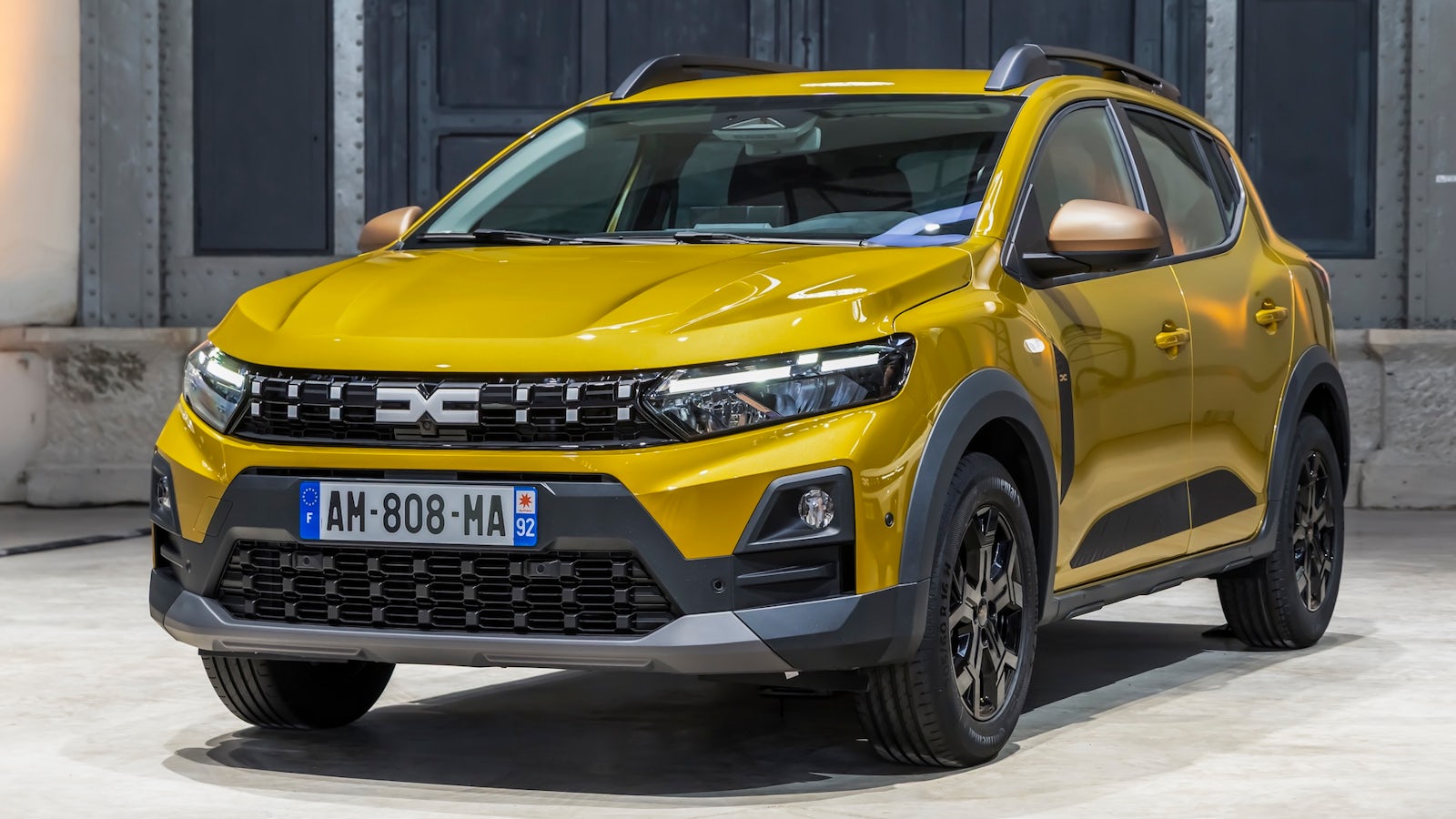
9. Dacia Sandero (Essential Trim)
- Engine: 1.0L 3-cylinder Turbo
- Horsepower: 90 hp
- Torque: 118 lb-ft
- Size: 161.0 inches Long x 72.8 inches Wide
For drivers who prefer straightforward transportation, simplicity takes center stage in this budget-friendly hatchback. The dashboard avoids the trend of large touchscreen displays and instead features a dedicated phone holder, encouraging owners to use their smartphones for navigation, entertainment, and connectivity. This practical setup helps keep costs down while maintaining everyday convenience. By focusing on the essentials, the cabin delivers an easy-to-use environment that prioritizes functionality over unnecessary technological extras.
Powering the Sandero Essential is a 1.0-liter turbocharged three-cylinder engine producing 90 horsepower and 118 lb-ft of torque. The engine is not intended for sporty performance but instead focuses on delivering smooth, predictable driving characteristics. It is particularly well-suited to city environments, where fuel efficiency and steady acceleration are more important than outright speed. For everyday commuting and short-distance travel, the powertrain provides adequate performance while remaining economical to operate.
The hatchback’s compact dimensions, measuring 161.0 inches long and 72.8 inches wide, make it easy to maneuver through congested streets and fit into tight parking spaces. Despite its manageable size, the vehicle still offers enough interior space to keep passengers comfortable, making it a practical choice for urban drivers.
The interior is designed around ease of use, featuring traditional buttons and rotary dials that place essential controls within easy reach. By avoiding an overreliance on touchscreen menus, the layout helps drivers stay focused on the road while making quick adjustments. Supporting this practical approach is a range of safety features, including stability control, braking assistance, and a strengthened body structure that provides added reassurance during both urban commutes and highway travel.
One of the Sandero Essential’s biggest strengths is its fuel efficiency. Combined with its lightweight construction, the economical engine helps keep running costs low, making the vehicle an appealing option for budget-conscious motorists seeking reliable transportation.
Also Read: 9 Cars With Significant First-Year Issues
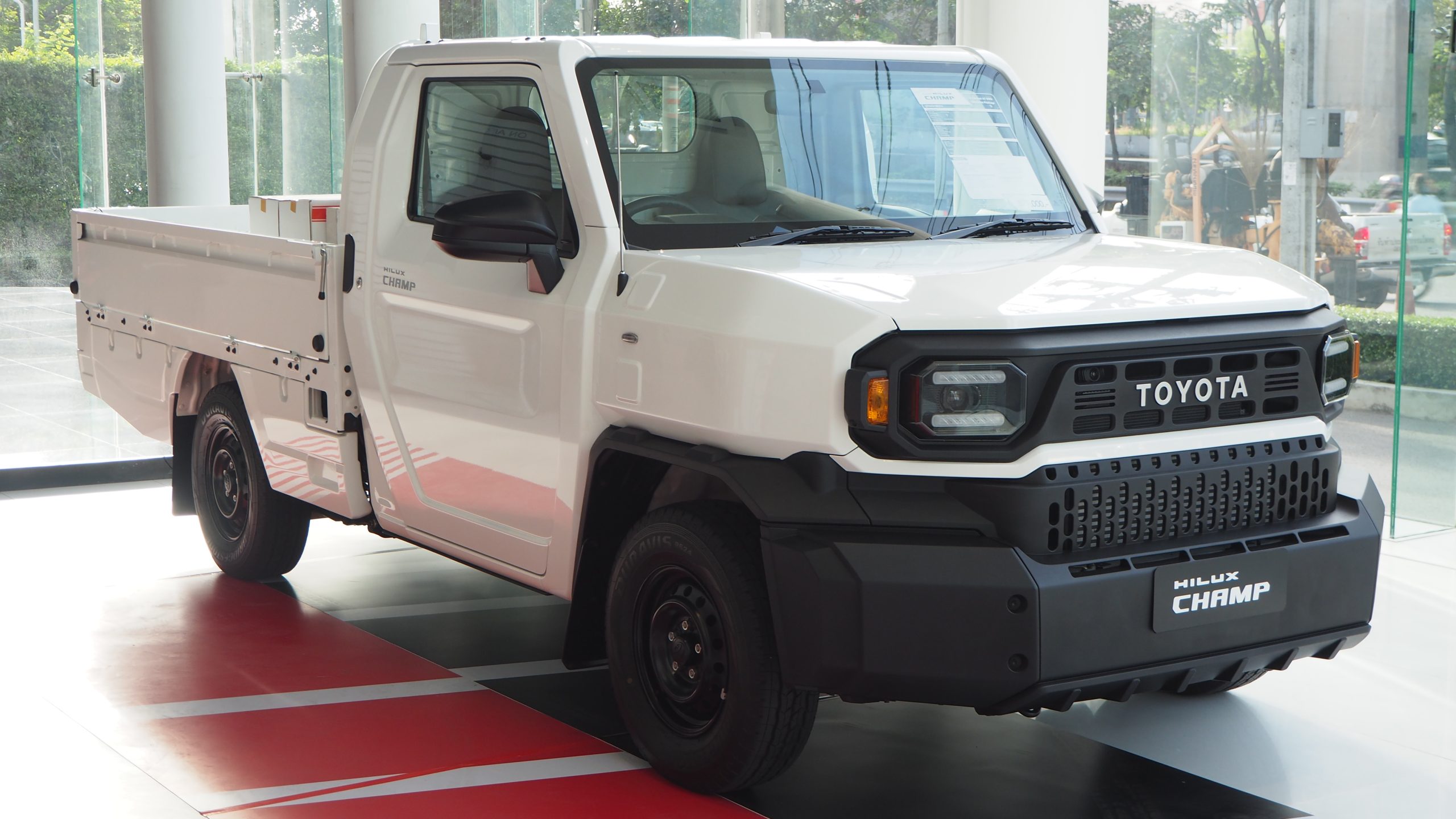
10. Toyota Hilux Champ (Base Utility Specification)
- Engine: 2.0L 4-cylinder
- Horsepower: 137 hp
- Torque: 135 lb-ft
- Size: 208.7 inches Long x 70.3 inches Wide
The Toyota Hilux Champ, in its base utility configuration, is designed with durability, reliability, and practicality as its primary goals. Rather than focusing on entertainment or advanced technology, the pickup features a simple interior with no central infotainment screen and only essential controls. This straightforward layout makes it well-suited for workers who need a dependable vehicle for daily tasks.
Power comes from a 2.0-liter four-cylinder engine producing 137 horsepower and 135 lb-ft of torque. Instead of prioritizing speed or performance, the engine is engineered to provide steady and dependable power for hauling cargo, transporting equipment, and handling demanding work conditions. Its consistent output supports long-term durability and everyday usability.
The Hilux Champ measures 208.7 inches long and 70.3 inches wide, giving it a relatively compact footprint compared to larger pickups. This size helps improve maneuverability in tight areas such as construction sites, warehouses, and narrow urban streets while still offering practical cargo-carrying capability.
Designed to withstand demanding job-site conditions, the cabin prioritizes simplicity and long-term reliability. The dashboard features straightforward gauges and physical controls instead of complex digital interfaces, helping minimize potential technical issues. Essential functions remain easy to access, allowing drivers to make quick adjustments while focusing on the task at hand.
A key highlight is the durable cargo bed, which is built to withstand frequent use and carry heavy tools, materials, and equipment. This makes the vehicle particularly appealing for commercial and industrial applications. Safety equipment varies by market but generally includes stability control, structural reinforcements, and basic driver-assistance features. Rear visibility is supported through simple camera or mirror-based systems, maintaining the truck’s minimalist design. The Hilux Champ is a purpose-built work vehicle that prioritizes function, strength, and dependability over touchscreen technology and luxury features.
