
Buying a vehicle in its first model year can feel exciting. Fresh styling, new technology, and the promise of improvement often create a strong appeal, especially for drivers who enjoy being early adopters. Automakers usually market these vehicles as refined, tested, and ready for daily life. In practice, the first production year often tells a different story.
Early builds tend to reveal weaknesses that only appear after thousands of owners begin using the vehicle in real conditions. Engineering teams rely on simulations, test fleets, and limited pilot programs, but none of those can fully match the pressure of mass ownership. Software behaves differently when millions of miles are logged.
Mechanical parts reveal tolerance issues only after repeated heat cycles and wear. Supply chain variations can also affect consistency during the first production run. As a result, the first year of a redesign or brand new model frequently becomes a learning phase rather than a finished product.
This page focuses on nine vehicles that entered the market with visible early problems during their first year. These examples are not included to criticize the brands or dismiss later improvements. Many of these models became far better vehicles after updates, recalls, and revisions. The purpose here is to give buyers context, especially those considering used examples from these early production years.
Each section of this page explains the issues that surfaced, how drivers dealt with them day to day, and what made the debut year such a challenge. Whether you are considering a used purchase or just interested in how new vehicles mature, these examples show why waiting a bit after a model’s launch can be a smart move. If you are considering a first-year vehicle purchase, read this first.
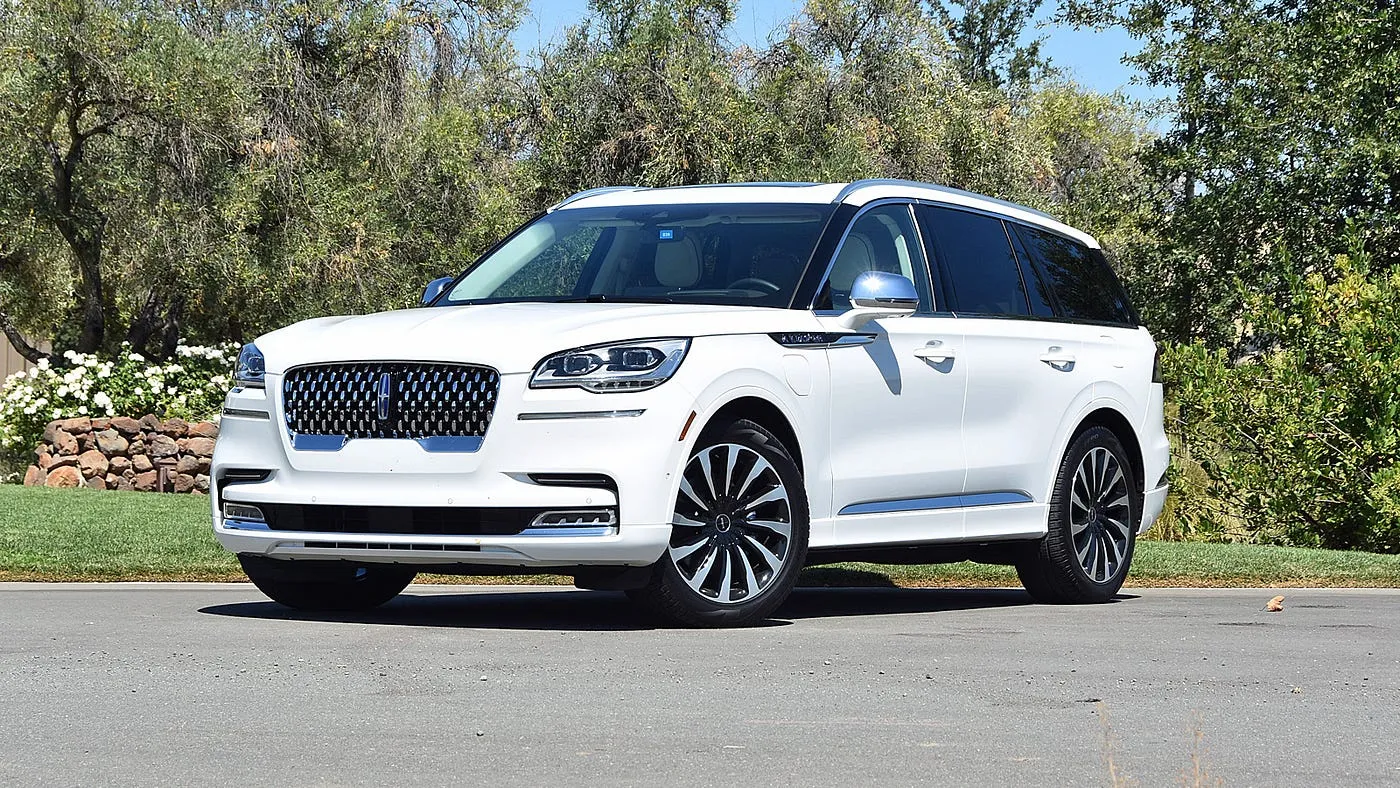
1. 2020 Lincoln Aviator Grand Touring AWD
- Engine: 3.0L twin turbo V6 plug in hybrid
- Horsepower: 494 hp
- Torque: 630 lb ft
- Dimensions: Length 199.3 in, Width 79.6 in
Lincoln revived the Aviator badge for the 2020 model year with high expectations attached to it. The vehicle arrived with an assertive exterior design, three rows of seating, and a plug-in hybrid system in the Grand Touring AWD trim that was intended to raise the brand’s standing in the luxury SUV space.
Interior materials, ride comfort, and feature availability suggested that Lincoln was aiming directly at established European competitors. Early media impressions reflected optimism, and demand at launch was strong. However, once customer deliveries began, ownership experiences revealed a range of early production problems that undermined confidence in the vehicle’s debut year.
Electrical and software-related faults dominated owner feedback. Many drivers reported frequent infotainment freezes that rendered the central display unresponsive until the vehicle was shut down and restarted. Smartphone integration through the SYNC 3 system was inconsistent, with Bluetooth connections dropping mid-drive and Apple CarPlay or Android Auto failing to reconnect without manual intervention.
Beyond the screen itself, owners described failures involving electronically controlled features such as heated and ventilated seats, power-folding mirrors, the panoramic glass roof, and the hands-free tailgate. For a luxury SUV positioned above the fifty-thousand-dollar mark, repeated electrical malfunctions created frustration that quickly overshadowed the vehicle’s strengths.
The climate control system emerged as another area of concern, particularly in the plug-in hybrid configuration. The Grand Touring AWD uses a thermal management system that balances passenger comfort with battery temperature regulation. In practice, this system proved unreliable for many early owners.
Reports included air conditioning that struggled to cool the cabin during warm weather, heaters that failed to deliver consistent warmth during colder months, and automatic climate settings that behaved unpredictably. These complaints appeared frequently in regulatory filings and owner forums, indicating a pattern rather than isolated incidents. For a premium family vehicle, unreliable cabin comfort is a serious shortcoming.
Transmission behaviour also drew sustained criticism. The Aviator uses a ten-speed automatic gearbox developed by Ford, and early calibrations produced hesitation during take-off, harsh gear engagement at low speeds, and shuddering during steady cruising. These issues were especially noticeable in urban driving, where smoothness matters most.
Some owners remarked that the abrupt movements were obvious even to passengers in the second and third rows, which conflicted directly with the vehicle’s luxury positioning. While similar transmissions in other Ford products displayed related behaviour, expectations are far less forgiving in a Lincoln-branded SUV.
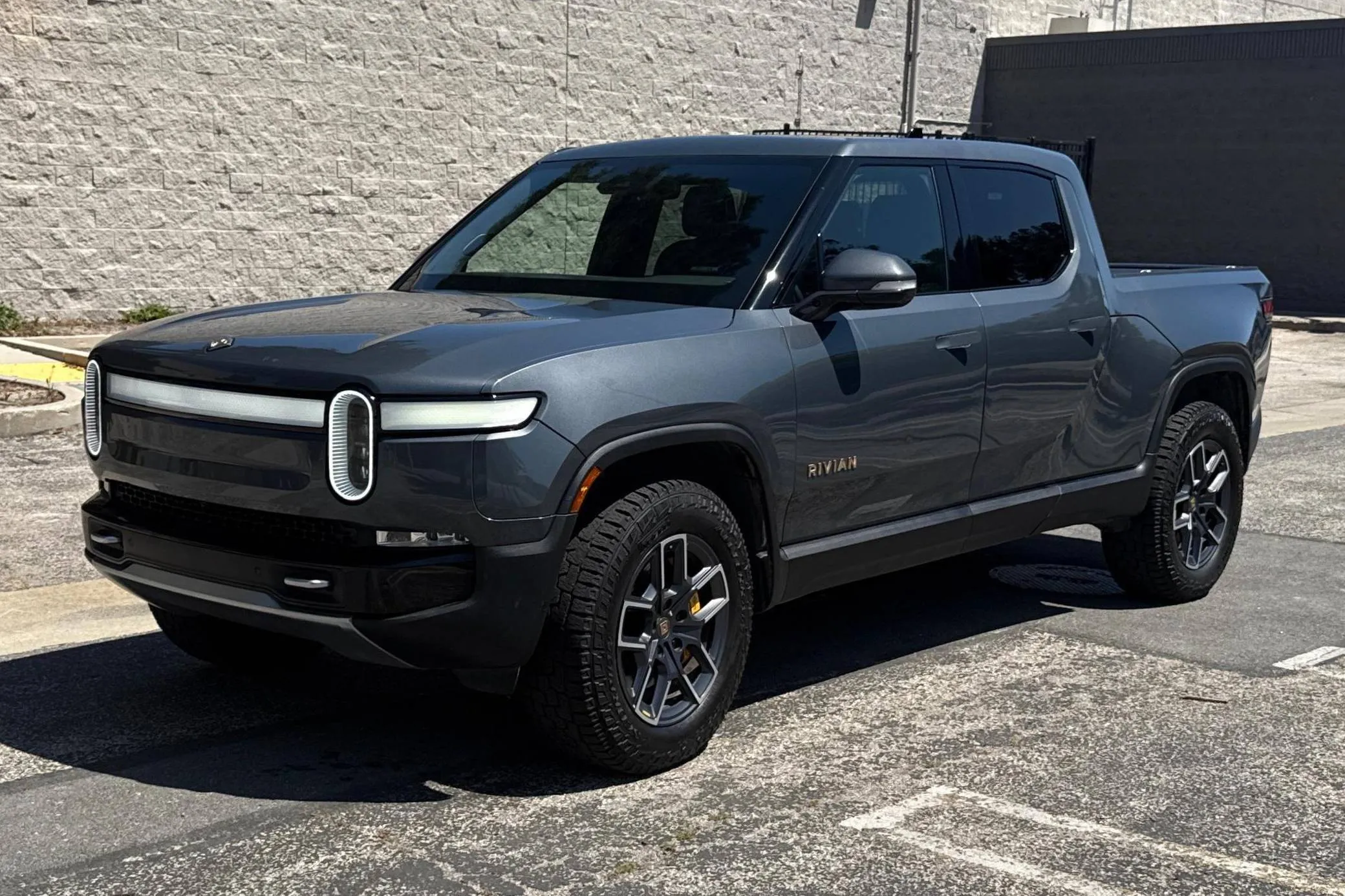
2. 2022 Rivian R1T Launch Edition AWD
- Engine: Quad motor electric AWD
- Horsepower: 835 hp
- Torque: 908 lb ft
- Dimensions: Length 217.1 in, Width 81.8 in (Mirrors folded; 87.1 in with mirrors out)
Rivian entered the automotive market under intense public attention. Long before production began, the R1T electric pickup had built a reputation based on bold styling, inventive storage solutions, and an ambitious promise to redefine what a truck could be. Reservation numbers surged, and early customers waited months, sometimes longer, for delivery.
When the first 2022 R1T Launch Edition trucks finally reached owners, the reaction was mixed. Many praised the vehicle’s originality and performance, while others encountered early-stage problems that reflected the challenges of bringing a new manufacturer into mass production.
Driver assistance systems were among the earliest sources of complaint. Adaptive cruise control, a feature expected to perform reliably in vehicles priced at a premium, showed inconsistent behaviour. Owners reported sudden disengagement without clear warnings, difficulty maintaining a steady following distance in traffic, and delayed responses to changes in speed ahead.
These issues reduced confidence in a system intended to reduce driver workload, especially during long highway trips. Steering behaviour raised additional questions. Some owners experienced changes in steering weight and responsiveness between different drive modes that felt abrupt rather than gradual. Others noted vibration through the steering wheel at motorway speeds, which detracted from the otherwise composed ride.
Rivian relied heavily on software updates delivered remotely to refine vehicle behaviour, and while this approach allowed rapid adjustments, it also meant that steering characteristics could change after an update. For certain drivers, this variability felt unsettling rather than reassuring.
Battery performance in cold weather proved to be one of the most practical concerns for early R1T owners. In regions with harsh winters, drivers observed sharp reductions in driving range when temperatures dropped below freezing. In some cases, the usable range fell to nearly two-thirds of the advertised figure.
Charging speeds also slowed in very low temperatures, increasing downtime. For owners who depended on the truck for daily commuting or outdoor travel in colder climates, these limitations affected planning and confidence.
Also Read: 10 Cars Where the Interior Falls Apart Before the Engine
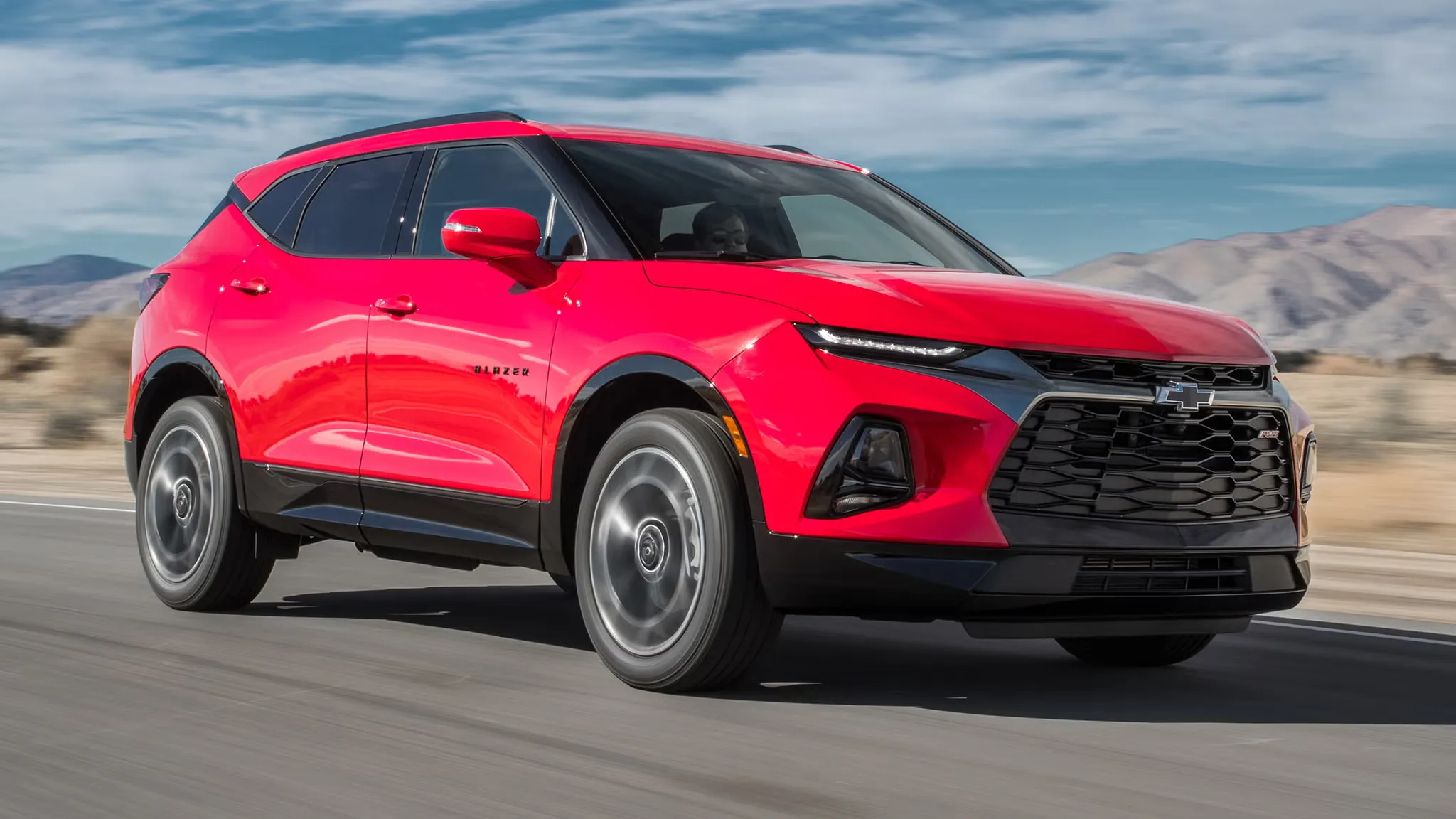
3. 2019 Chevrolet Blazer RS AWD
- Engine: 3.6L V6
- Horsepower: 308 hp
- Torque: 270 lb ft
- Dimensions: Length 191.4 in, Width 76.7 in
Reviving the Blazer nameplate after a long absence was a marketing decision that generated genuine consumer interest, connecting a new crossover to decades of brand recognition. General Motors positioned the 2019 Chevrolet Blazer RS AWD as a style-forward midsize crossover with sporting pretensions and a premium interior presentation.
What the first model year delivered alongside that presentation was a recall frequency and complaint volume that placed it among the more troubled debut-year vehicles in GM’s recent history. Electrical system problems led to the first-year complaint picture. Owners reported issues ranging from infotainment system freezes and display blanking to electrical accessory failures affecting the power lift gate, heated seats, and the driver information center.
Multiple NHTSA complaints described the vehicle losing electrical power to accessory systems while driving, which produced warning lights, deactivated features, and, in some cases, required roadside attention. For a crossover positioned against the Honda CR-V and Ford Edge on everyday reliability grounds, this level of electrical system instability was a material concern.
NHTSA recall records for the 2019 Blazer show multiple safety-related actions covering electrical components and other systems, with recall frequency higher than what most midsize crossover competitors experienced in their own debut years. For buyers who chose the 2019 Blazer based on its strong visual presentation and competitive pricing, the recall notification volume during the first year of ownership produced a service experience that contradicted the competence the vehicle’s appearance suggested.
General Motors addressed many of the Blazer’s first-year concerns through software updates and hardware corrections over subsequent model years. The 2020 and later Blazer models show improved reliability data compared to the 2019 debut year. That improvement pattern is exactly what makes the case for waiting out a vehicle’s first production year before purchasing: the manufacturer’s corrections to first-year problems benefit second-year buyers at no additional cost and with no ownership disruption.
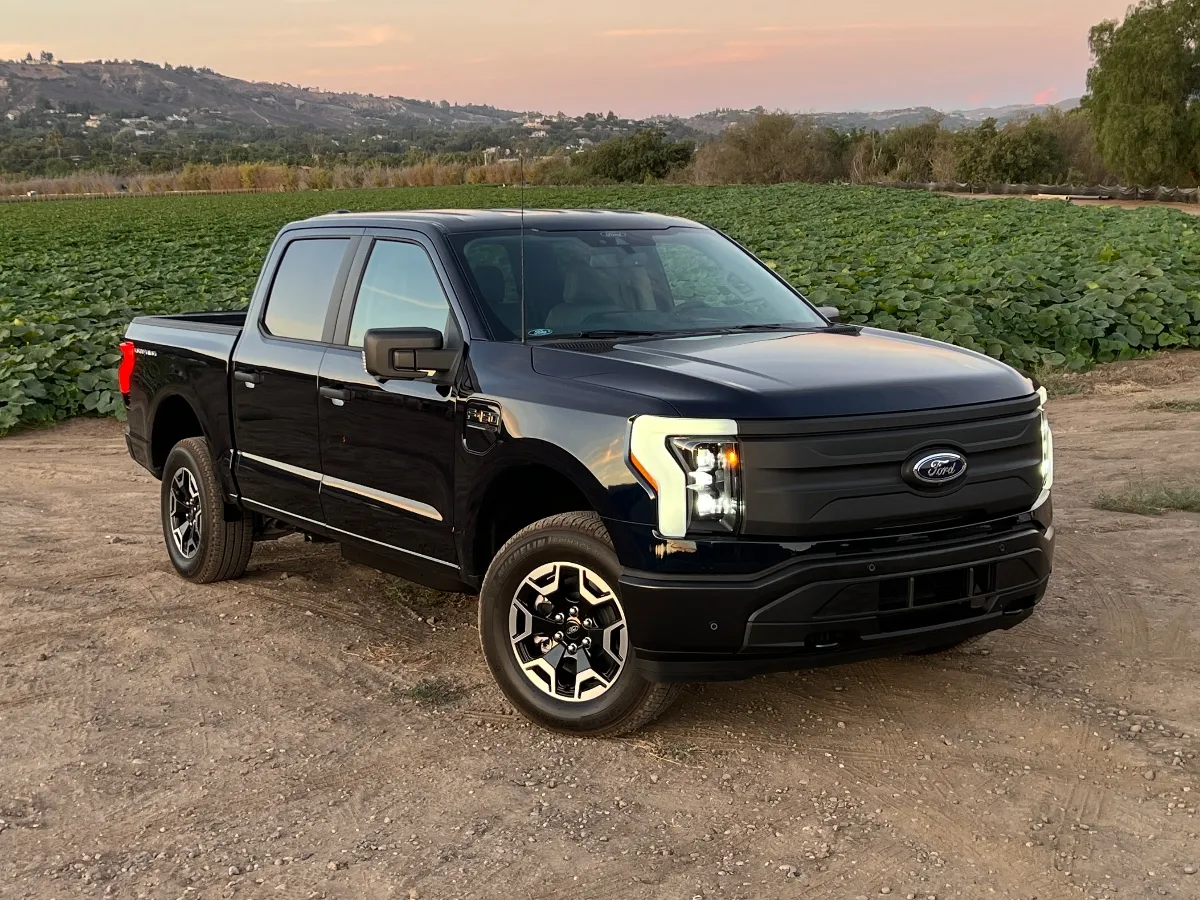
4. 2022 Ford F-150 Lightning Pro 4WD
- Engine: Dual motor electric AWD
- Horsepower: 452 hp (Extended range is 580 hp)
- Torque: 775 lb ft
- Dimensions: Length 232.7 in, Width 80.0 in (Without mirrors)
Ford’s F-150 Lightning arrival was one of the most genuinely anticipated automotive launches in recent memory. An electric version of America’s best-selling vehicle for over 40 consecutive years, built on the same platform that millions of buyers already trusted, with promised towing capability and payload ratings that would make it a practical working tool rather than merely a technology statement.
Pre-order demand far exceeded initial production capacity, and first-year buyers paid above-MSRP in some markets. The first model year delivered an electric truck with real promise and real problems in roughly equal measure. Software issues were the first documented concern. Battery management system software produced range estimation inaccuracies that left some owners uncertain about their vehicle’s actual remaining range during use.
Ford deployed over-the-air software updates to address calibration issues, but the update process itself was not universally smooth, with some owners reporting update failures that required dealer visits to complete. A vehicle positioned as a technology flagship requires technology that works reliably from day one, and the Lightning’s first-year software experience did not consistently meet that standard.
Front and rear hub assembly quality was a more serious structural concern that led Ford to pause Lightning deliveries in early 2022. An issue with improperly torqued wheel hub bolts on some early production vehicles triggered a stop-delivery order while Ford investigated the scope and addressed the condition.
While hub assembly issues are correctable, a stop-delivery order during the first production year of a vehicle with the Lightning’s profile and price point reflected a production quality control gap that required immediate remediation. Battery fire risk was the most dramatic first-year concern. Ford issued a stop-charge directive and a subsequent recall related to a battery issue that could increase fire risk in a subset of early production vehicles.
Affected Lightning owners were instructed to charge only to 80 percent of battery capacity while Ford developed a remedy, which represented a practical capability reduction on a vehicle whose range and charging flexibility were core selling points.
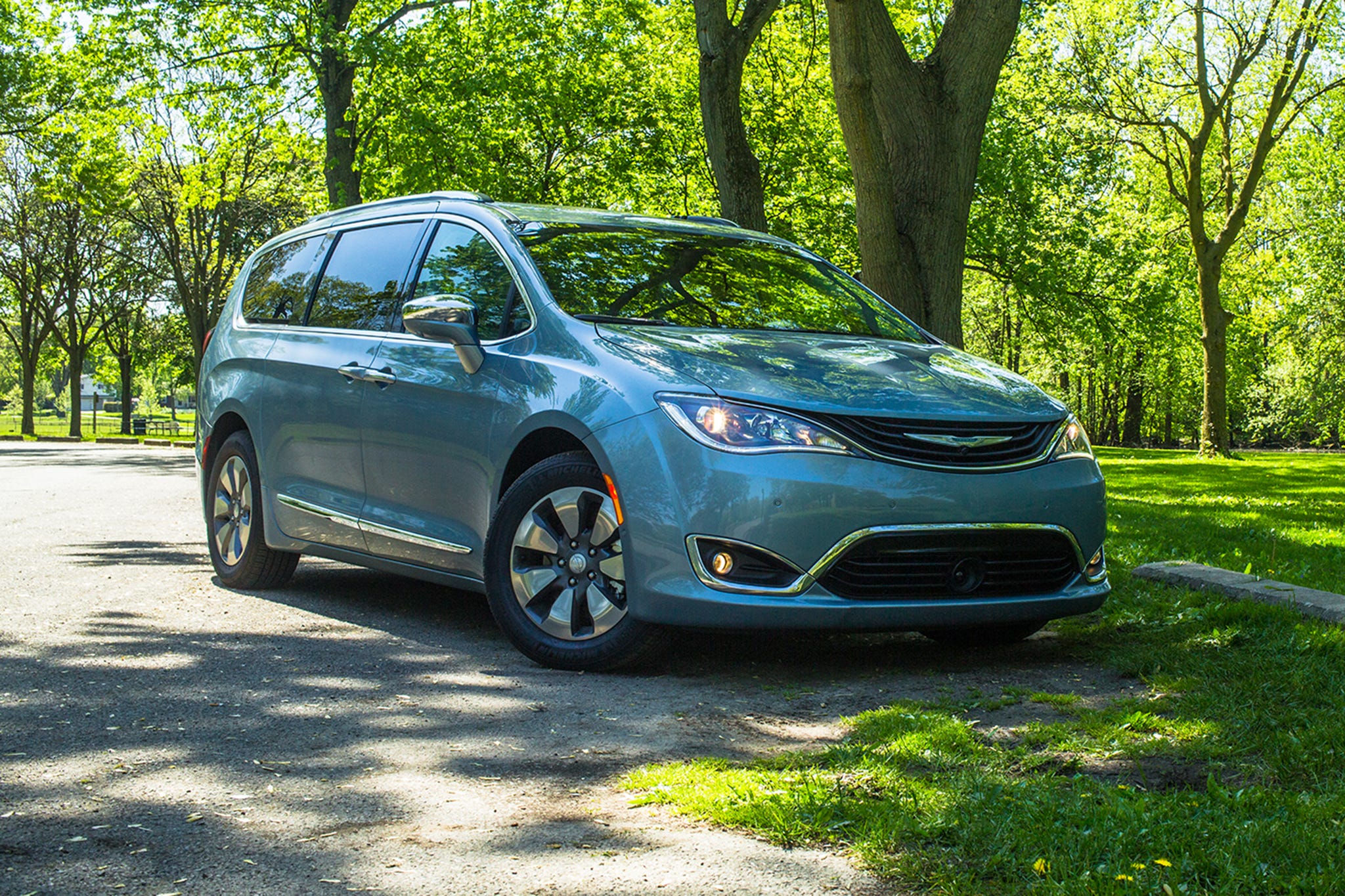
5. 2017 Chrysler Pacifica Hybrid FWD
- Engine: 3.6L V6 plug in hybrid
- Horsepower: 260 hp
- Torque: 230 lb ft (Gas engine only; total system torque is not officially rated)
- Dimensions: Length 203.6 in, Width 79.6 in
Chrysler earned early praise for introducing the first plug-in hybrid minivan to the United States market. The Pacifica Hybrid FWD was positioned as a sensible solution for families seeking lower fuel costs without abandoning the space, comfort, and convenience that define the minivan segment.
With the ability to complete short daily trips using electric power alone, the vehicle appealed strongly to parents focused on efficiency, school routines, and city driving. However, the first production year revealed technical weaknesses that disrupted the dependable ownership experience buyers expected.
Battery system reliability stood at the centre of owner complaints. Several early owners reported sudden loss of electric drive capability, warning alerts related to the hybrid system, and extended periods where the vehicle functioned only on petrol power. In some cases, the vehicle required towing to the dealership for diagnosis.
For households that selected the Hybrid specifically to reduce fuel expenses and limit petrol usage, these failures removed the primary justification for choosing the model. Extended repair timelines further compounded frustration, particularly for families relying on a single household vehicle.
Safety concerns followed closely behind reliability complaints. Chrysler issued a recall addressing a software fault that could trigger an unexpected shutdown of the hybrid system. Reports indicated that this could occur while the vehicle was in motion. Any power interruption during active driving raises serious safety questions, especially in a family vehicle frequently used for motorway travel.
While no widespread injuries were recorded, the nature of the defect damaged buyer confidence and drew regulatory scrutiny. Electrical system instability added another layer of difficulty. Owners reported intermittent failures within the Uconnect infotainment system, including frozen screens, dropped connections, and delayed responses to user inputs.
Climate control behaviour also attracted complaints, with temperature settings failing to hold steady or responding inconsistently. Power-operated features such as sliding doors, tailgates, and interior lighting occasionally malfunctioned without clear triggers. These issues led to repeated dealership visits, with each appointment addressing a different fault.
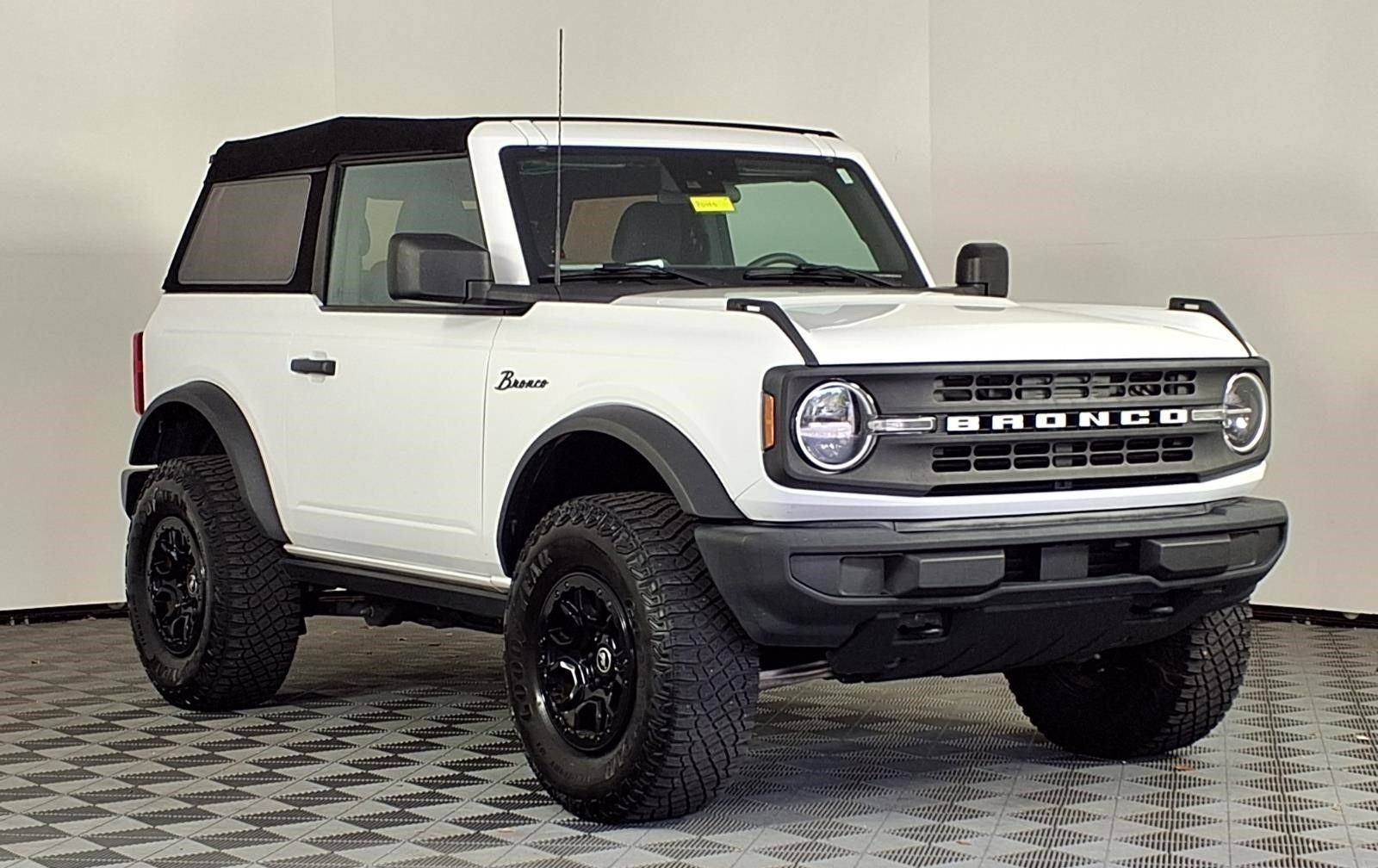
6. 2021 Ford Bronco Base 4WD
- Engine: 2.3L turbocharged inline 4
- Horsepower: 275 hp (On premium fuel; 270 hp on regular)
- Torque: 315 lb ft (On premium fuel; 310 lb ft on regular)
- Dimensions: Length 173.7 in (2-Door model), Width 75.9 in
The return of the Ford Bronco after more than two decades generated extraordinary anticipation. Designed as a dedicated off-road vehicle with removable doors, roof panels, and factory-ready trail equipment, the Bronco Base 4WD appealed to buyers seeking rugged capability combined with modern engineering.
Reservations surged long before production began, and many customers endured lengthy delays before receiving their vehicles. When deliveries finally commenced, early ownership revealed issues that tested patience and confidence. Water intrusion from the soft-top roof became the most widely discussed complaint. Early production Broncos equipped with fabric roofs exhibited poor sealing at certain seams and junction points.
Owners reported rainwater entering the cabin during moderate rainfall, soaking seats and floor coverings. In a vehicle marketed for outdoor use and all-weather driving, insufficient weather sealing represented a fundamental failure. Repairs often involved seal replacements or roof adjustments, yet some owners required multiple visits before achieving acceptable results.
Mechanical reliability concerns emerged around the manual transmission option. The Broncos equipped with the seven-speed manual transmission and the Sasquatch off-road package developed clutch and gearbox faults during early use. Symptoms included grinding noises, difficulty engaging gears, and premature wear of internal components.
Ford responded by issuing a stop-sale order for affected configurations while investigating the root cause. For buyers who specifically chose the manual transmission for its driving involvement, the pause extended waiting periods and delayed the enjoyment of the vehicle.
Software calibration problems also affected early ownership. Trail Turn Assist, designed to improve manoeuvrability during low-speed off-road driving, is occasionally activated during normal road use. Unexpected braking behaviour alarmed drivers unfamiliar with the system’s intervention patterns. Ford addressed this through software updates delivered remotely, yet owners who experienced the behaviour before corrective updates expressed concern regarding system predictability.
Interior build consistency was added to the list of early concerns. Some owners reported uneven panel alignment, rattles from removable roof sections, and inconsistent fit of interior trim. While such issues did not prevent operation, they contrasted sharply with expectations shaped by long reservation waits and premium pricing.
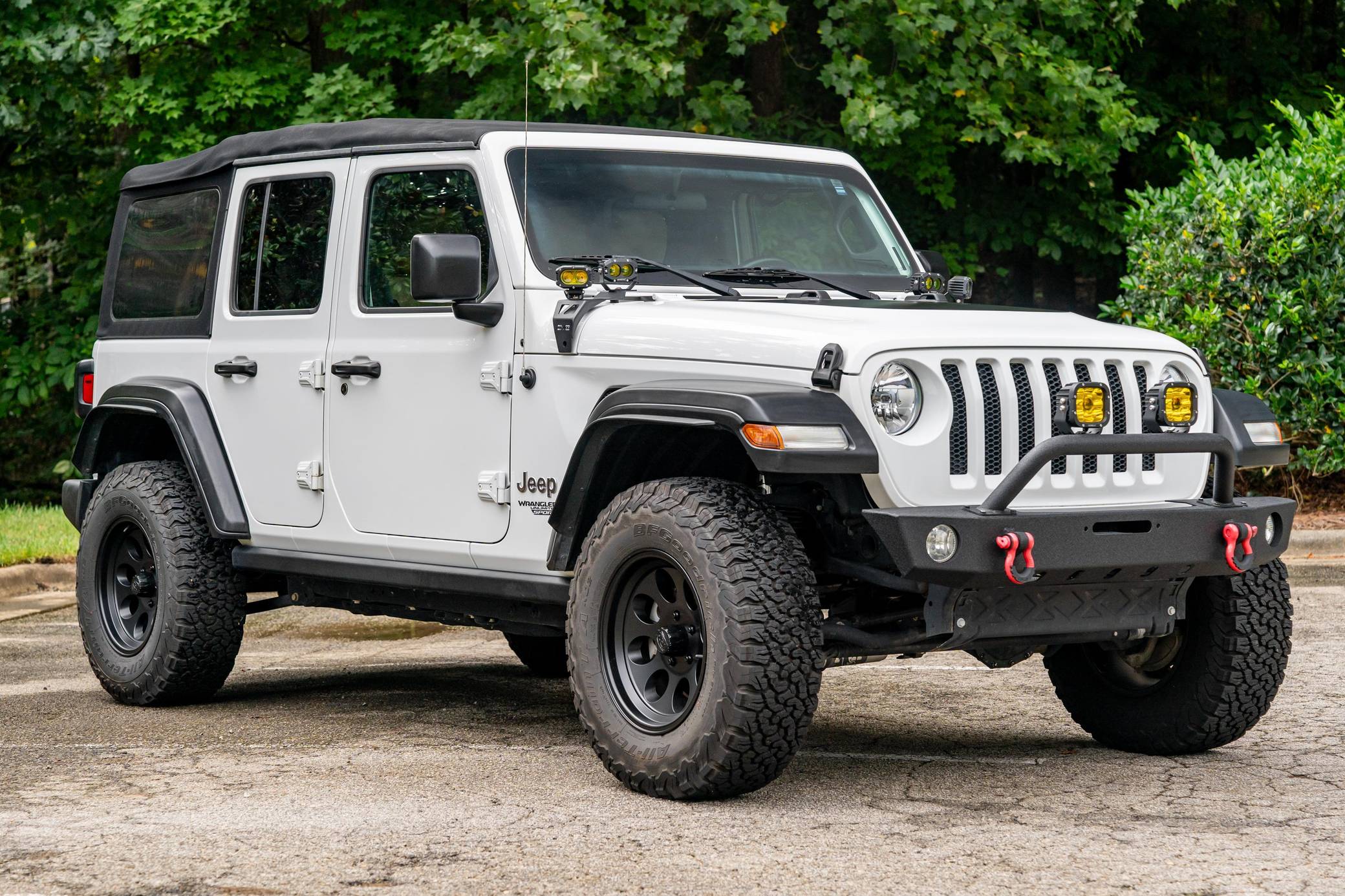
7. 2018 Jeep Wrangler JL Unlimited Sport 4WD
- Engine: 3.6L V6
- Horsepower: 285 hp
- Torque: 260 lb ft
- Dimensions: Length 188.4 in, Width 73.6 in
Jeep’s Wrangler is one of the most brand-loyal vehicles in the American market. Buyers choose it deliberately, knowingly accept its compromises on ride quality and noise in exchange for unmatched off-road capability and open-air driving character, and return to it purchase after purchase with unwavering commitment.
The JL generation redesign in 2018 was genuinely well-received for its improved on-road manners, updated interior, and new powertrain options. It also brought a first-year problem set that was serious enough to generate a substantial NHTSA complaint volume and multiple recall actions.
Engine misfire complaints appeared across both the 2.0-liter turbocharged four-cylinder and the 3.6-liter Pentastar V6 in first-year production examples. Owners reported rough idle, stumbling acceleration, and check engine lights indicating misfire codes across cylinder combinations.
Some complained of misfires occurring under load during off-road use, which is precisely when a Wrangler owner needs their engine to perform without hesitation. Jeep addressed misfire concerns through software updates and, in some cases, hardware replacements.
Fuel system problems generated another documented complaint category. A subset of 2018 JL Wrangler owners reported fuel pump failures, fuel pressure irregularities, and, in some cases, stalling events related to fuel delivery. A fuel delivery failure in a vehicle that buyers take into remote off-road conditions has safety implications beyond the typical frustration of a mechanical fault. Jeep issued recall actions addressing fuel system components on affected production ranges.
Electrical and wiring system faults produced a broad third category of complaints. Owners reported electrical gremlins affecting everything from power windows and door locks to lighting systems and instrument cluster displays. Wiring harness issues on some production examples required dealer-level diagnosis and repair, with some owners describing multiple visits to address recurring electrical complaints that proved difficult to isolate and permanently resolve.
The JL Wrangler matured into a more reliable vehicle across subsequent model years as Jeep addressed its first-year issues through recalls, software updates, and production changes. The irony is that the JL’s underlying platform improvements over the previous JK generation were genuine and meaningful. Its first-year execution simply did not deliver those improvements without a reliability tax that early buyers paid.
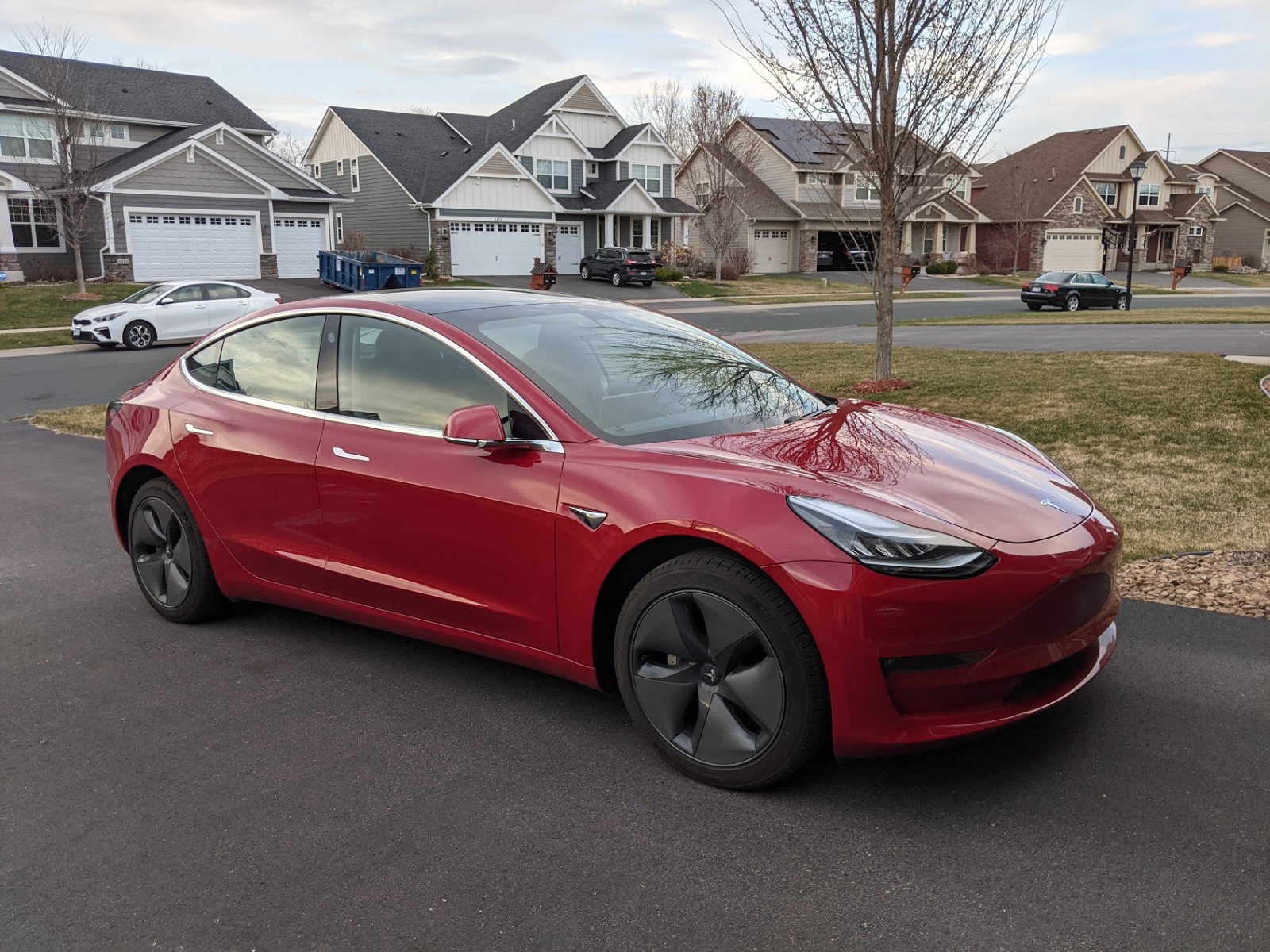
8. 2019 Tesla Model 3 Standard Range Plus RWD
- Engine: Single motor electric RWD
- Horsepower: 283 hp
- Torque: 307 lb ft (Alternately stated as 275 lb-ft depending on the testing standard)
- Dimensions: Length 184.8 in, Width 72.8 in
Tesla’s Model 3 represented the electric vehicle market’s first genuine attempt to bring compelling EV technology to the mainstream buyer at a price below $40,000. Its importance to the broader EV adoption story cannot be overstated, and the Standard Range Plus variant that arrived in 2019 brought the Model 3’s promise to its most accessible price point yet.
It also arrived with production quality consistency issues that early buyers documented with a specificity and volume that no manufacturer could ignore. Paint quality issues accompanied the panel gap complaints. Thin paint application, runs and drips in finished surfaces, and paint contamination on some early delivery examples were documented and photographed by buyers doing pre-delivery inspections at Tesla service centers.
A paint defect on a $38,000 vehicle is not a minor cosmetic oversight. It is a production quality failure that requires correction at the manufacturer’s expense. Trunk and frunk seal quality generated weatherproofing concerns similar to those documented on the Ford Bronco.
Improperly seated rubber seals allowed water intrusion in some early Model 3 examples during rain events, producing wet trunk carpets and moisture-related concerns about electrical components stored in those areas. Tesla’s touchscreen-dependent control architecture, which routes climate control, mirror adjustment, and many other basic functions through the central display, created a specific risk when the display experienced software issues.
Early Model 3 owners who encountered touchscreen reboots or display failures lost access to multiple vehicle functions simultaneously, a vulnerability that later hardware and software updates addressed but that exposed a design dependency that buyers in the Standard Range Plus’s first production year experienced in real-world conditions.
Also Read: 10 Ordinary Cars That Sold for Insane Money at Auction
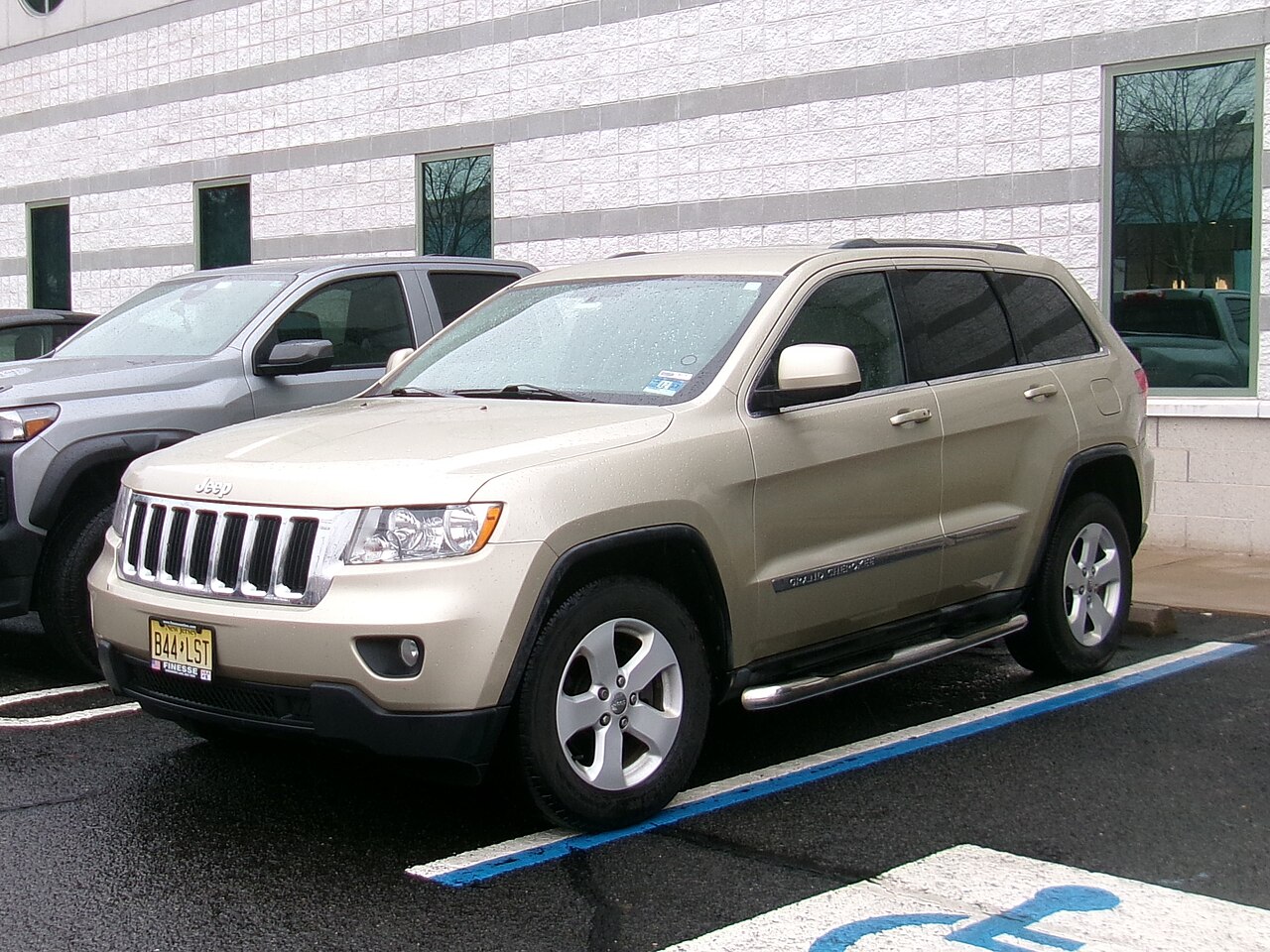
9. 2011 Jeep Grand Cherokee Laredo 4WD
- Engine: 3.6L V6
- Horsepower: 290 hp
- Torque: 260 lb ft
- Dimensions: Length 189.8 in, Width 76.3 in
The arrival of the fourth-generation Jeep Grand Cherokee marked a major turning point for the nameplate. Chrysler moved decisively away from the rigid, truck-based feel that defined the previous WK generation and introduced a vehicle aimed at a more refined buyer. The 2011 Grand Cherokee Laredo 4WD debuted with an upgraded suspension layout, a far more polished cabin, and exterior styling that modernized the SUV while preserving its familiar proportions.
Early media reactions reflected strong approval, particularly regarding ride comfort and interior presentation. Ownership during the first production year, however, told a more uneven story. Electrical faults emerged as the most frequently reported source of frustration. Owners described warning indicators activating without cause, malfunctioning dashboard displays, radio units losing power or freezing, and power windows failing unexpectedly.
These problems appeared across unrelated systems, suggesting weaknesses in wiring integration rather than isolated defective parts. Complaint records from that model year showed repeated references to electrical behaviour that could not be easily reproduced during service visits, making diagnosis time-consuming and repairs inconsistent.
Suspension-related complaints formed another major category. Drivers reported audible clunks and knocking sounds from the front end during everyday use, including low-speed turns and uneven road surfaces. Investigations often pointed toward premature wear or improper fitment of control arm bushings, ball joints, and stabilizer bar components.
For a suspension system that represented a full departure from the previous generation, these noises raised questions about component durability and assembly precision during early production.
