
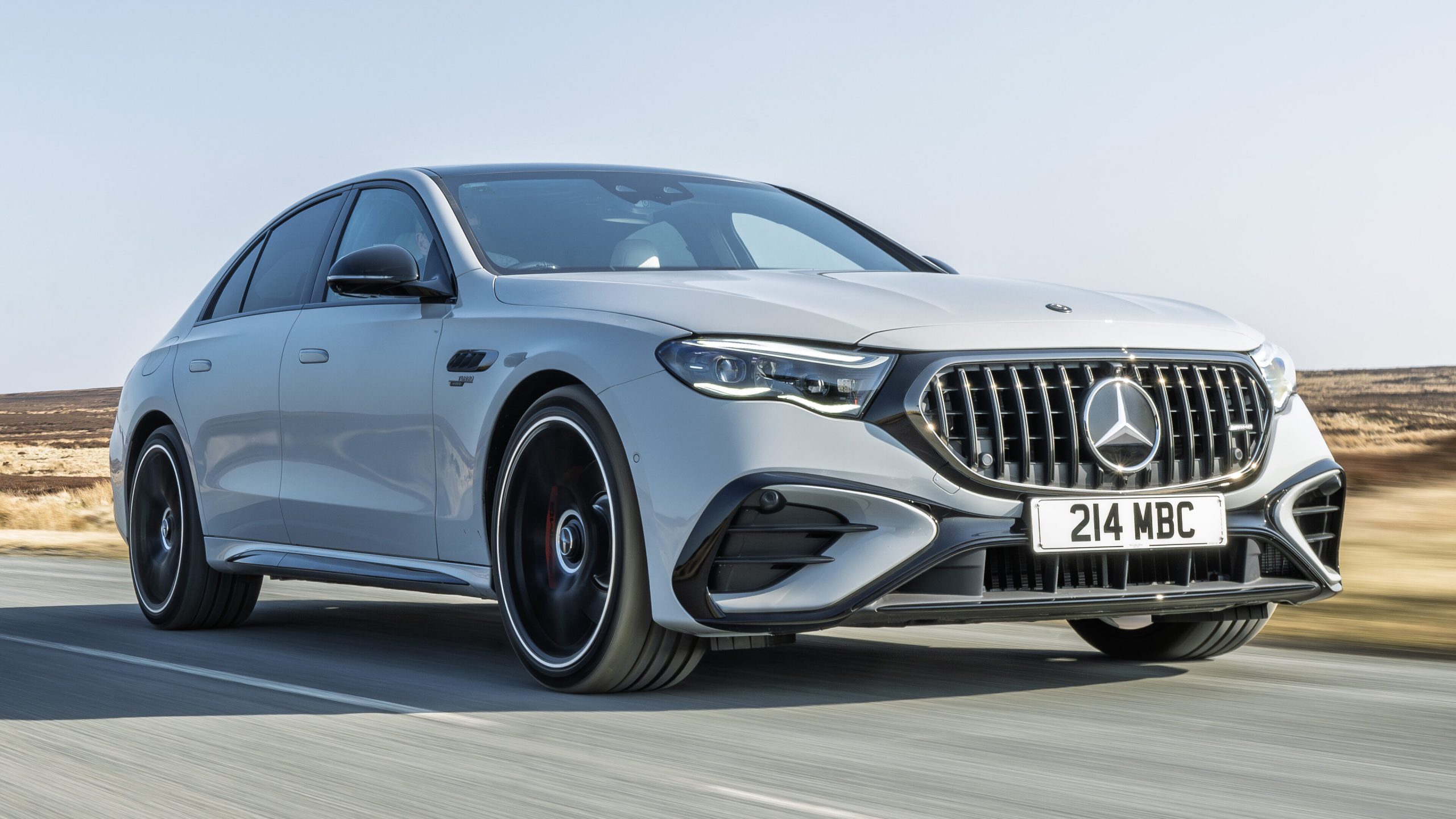
For decades, Audi, BMW, and Mercedes-Benz have dominated the premium automotive market, offering a blend of luxury, performance, technology, and prestige that few brands can match.
Buyers shopping in this segment often compare these three German manufacturers because they frequently compete for the same customers. While styling, driving dynamics, and brand image influence purchasing decisions, reliability remains one of the most important factors for long-term ownership.
The reputation of German luxury vehicles has always been complicated. Enthusiasts praise them for their engineering, refinement, and advanced technology, but ownership experiences can vary significantly once the warranty expires.
Repair costs are often higher than those of mainstream brands, and increasingly complex systems mean that reliability can depend as much on electronics and software as it does on engines and transmissions.
Among the German luxury trio, Audi often occupies an interesting middle ground. BMW has traditionally marketed itself as the driver’s choice, while Mercedes-Benz has focused heavily on luxury and comfort.
Audi, meanwhile, has built its reputation around sophisticated design, all-weather capability through its Quattro all-wheel-drive system, and a blend of sportiness and refinement. The question many buyers ask is whether Audi’s reliability is better, worse, or roughly equal to its two biggest rivals.
The answer is not as straightforward as many people expect. Reliability can vary dramatically depending on the model, generation, powertrain, and maintenance history. However, certain patterns have emerged over the years that provide a useful comparison between these three luxury brands.
Also Read: Modern Mustangs Are Faster Than Ever And More Boring Than Ever
Audi Has Improved More Than Many People Realize
Audi’s reliability reputation today is very different from what it was two decades ago. During the early and mid-2000s, some Audi models developed a reputation for expensive maintenance and recurring issues involving electronics, ignition systems, timing chain components, and oil consumption.
Vehicles such as the early Audi A4 and certain versions of the A6 often generated complaints from owners who faced costly repairs as mileage accumulated. While many of these cars offered impressive performance and luxurious interiors, long-term ownership sometimes became challenging.
In recent years, Audi has made noticeable progress. Models such as the Audi A5, Audi Q5, and newer generations of the A4 have generally demonstrated better reliability than many of their predecessors. Improvements in manufacturing quality, powertrain durability, and software integration have helped reduce some of the issues that once affected the brand.
This progress is significant because many consumers still judge Audi based on experiences from older models. While no luxury brand is immune to problems, modern Audis tend to be more dependable than their reputation might suggest.
BMW Often Leads the German Luxury Segment in Reliability
Among the three brands, BMW has arguably undergone the most dramatic reliability transformation over the last decade. Earlier BMWs, particularly those produced during the 2000s, frequently suffered from cooling system failures, oil leaks, high-pressure fuel pump problems, and various electronic issues.
However, many of BMW’s current engines have proven remarkably durable. The B48 four-cylinder and B58 inline-six engines are widely regarded as some of the most reliable modern powerplants in the luxury segment. These engines power a wide range of vehicles, including the 3 Series, 5 Series, X3, X5, and several performance-oriented models.
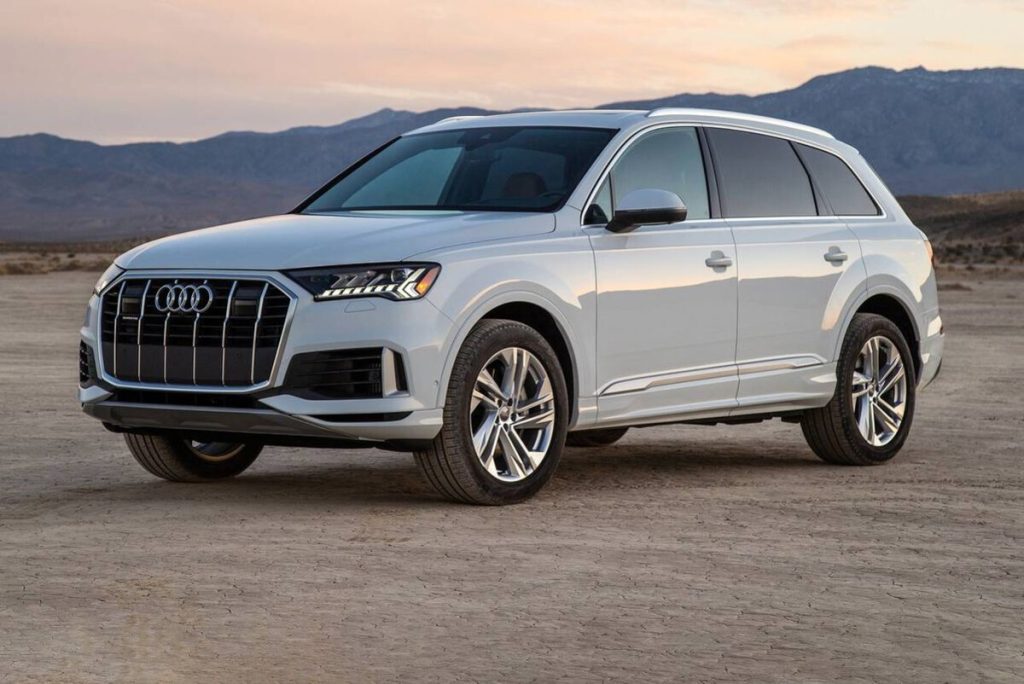
The result is that many recent BMWs have earned stronger reliability ratings than both Audi and Mercedes-Benz. Models such as the BMW 330i, X3, and X5 consistently receive positive feedback for balancing performance with long-term dependability.
Compared directly with Audi, BMW often holds a slight advantage in full reliability rankings, particularly when evaluating newer vehicles. While maintenance costs remain high, the frequency of major mechanical issues has decreased considerably.
For buyers prioritizing reliability above all else within the German luxury segment, BMW has become a surprisingly strong contender.
Mercedes-Benz Delivers Luxury but Often Faces Greater Complexity
Mercedes-Benz has long been associated with engineering excellence. Older models from the 1980s and 1990s built the company’s reputation for durability, with many examples accumulating hundreds of thousands of miles.
Modern Mercedes vehicles tell a somewhat different story. Today’s lineup incorporates an enormous amount of technology, ranging from advanced driver-assistance systems to highly sophisticated infotainment platforms and electronically controlled suspension systems.
While these features enhance comfort and convenience, they also introduce additional points of potential failure. Air suspension systems, advanced electronic modules, and complex luxury features can become expensive to repair as vehicles age.
Models such as the C-Class, E-Class, and GLE often provide exceptional comfort and refinement, but ownership costs can increase significantly outside the warranty period. In many cases, Mercedes vehicles experience more electronic-related concerns than comparable Audi models.
That does not necessarily mean Mercedes-Benz is unreliable. Rather, the brand’s emphasis on luxury and technological innovation often results in greater complexity, which can impact long-term ownership costs.
Compared with Audi, Mercedes frequently trails slightly in reliability surveys, particularly when evaluating vehicles several years old.
Audi’s Quattro System Is a Strength and a Responsibility
One of Audi’s defining features is its Quattro all-wheel-drive system. For many buyers, Quattro is a major reason to choose Audi over BMW or Mercedes-Benz.
The system provides excellent traction in poor weather conditions and contributes to the confident driving characteristics that have become an Audi trademark. In snowy climates or regions with frequent rain, Quattro can be a significant advantage.
From a reliability perspective, Audi’s all-wheel-drive hardware is generally robust when properly maintained. However, it does introduce additional mechanical complexity compared with rear-wheel-drive configurations commonly found in BMW and Mercedes models.
While major Quattro failures are relatively uncommon, repairs involving differentials, transfer cases, or related drivetrain components can be expensive if problems do occur. Owners who neglect maintenance may eventually face higher repair costs than those driving simpler rear-wheel-drive vehicles.
Even so, the reliability trade-off is often considered worthwhile because of the system’s proven capability and durability.
Engines Matter More Than Brand Names
One of the biggest mistakes buyers make is assuming that reliability depends entirely on the manufacturer. In reality, specific engines often have a greater impact on ownership experience than the badge on the hood.
Audi’s 2.0-liter turbocharged four-cylinder engine, found in models such as the A4, A5, and Q5, has generally proven dependable in recent years. Likewise, Audi’s 3.0-liter turbocharged V6 has earned a solid reputation for balancing performance and durability.
BMW’s B58 inline-six has become something of an industry benchmark for reliability, helping upgrade the brand’s full standing. Meanwhile, certain Mercedes turbocharged four-cylinder engines have delivered strong results, although some powertrains have experienced more issues than their competitors.
Because of these differences, a well-chosen Audi may be more reliable than a poorly chosen BMW or Mercedes, and vice versa. Researching specific powertrains often provides more useful information than relying solely on brand reputation.
Maintenance Costs Remain Similar Across All Three Brands
Even when reliability is good, ownership costs for German luxury vehicles remain relatively high. Premium parts, specialized labor, and advanced technology contribute to maintenance expenses regardless of which brand a buyer chooses.
Audi, BMW, and Mercedes-Benz all require adherence to recommended maintenance schedules. Skipping services to save money often leads to more expensive repairs later.
In general, Audi’s maintenance costs fall very close to those of BMW and Mercedes-Benz. Differences exist between individual models, but no brand consistently delivers a significant financial advantage over the others.
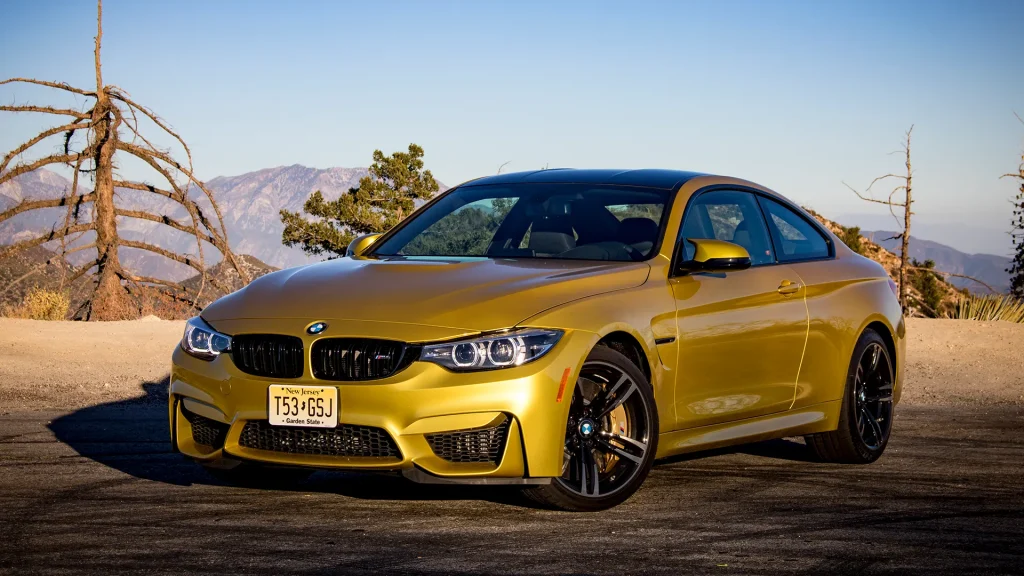
Buyers transitioning from mainstream brands such as Toyota, Honda, or Hyundai should be prepared for higher service and repair expenses, regardless of which German luxury vehicle they select.
Which Brand Is the Most Reliable Today?
If reliability alone determines the purchasing decision, BMW currently holds a slight advantage in many industry studies and owner surveys. Recent improvements in engine durability and full quality have strengthened the brand’s reputation considerably.
Audi typically occupies second place among the German luxury trio. The company has improved substantially over the past decade and now produces several models that compare favorably with BMW and outperform many Mercedes-Benz competitors in reliability metrics.
Mercedes-Benz remains highly desirable for its luxury, comfort, and prestige, but the complexity of its vehicles can sometimes affect long-term dependability and ownership costs.
That said, the gap between these brands is smaller than many consumers assume. Modern examples from all three manufacturers are generally more reliable than their predecessors, particularly when maintained properly.
Audi sits in a strong position when compared with BMW and Mercedes-Benz. It no longer deserves the reputation for troublesome ownership that followed some earlier models, and many of its current vehicles offer a compelling combination of luxury, technology, performance, and dependability.
BMW currently enjoys a slight edge in full reliability, thanks largely to a series of highly successful modern engines and improvements in manufacturing quality. Mercedes-Benz continues to excel in comfort and luxury but often carries greater complexity, which can influence long-term reliability and repair costs.
For most buyers, the smartest approach is to evaluate individual models rather than focusing solely on the brand. A well-maintained Audi A5 or Q5 may provide years of trouble-free ownership, just as a BMW 330i or Mercedes-Benz E-Class can deliver excellent results when cared for properly.
Ultimately, Audi’s reliability is competitive with its German rivals and, in many cases, better than its reputation suggests. For buyers seeking a premium vehicle that balances refinement, technology, all-weather capability, and reasonable long-term dependability, Audi remains a compelling choice in a fiercely competitive segment.
Also Read: 10 Honda Cars Cheaper In Japan Than USA
