
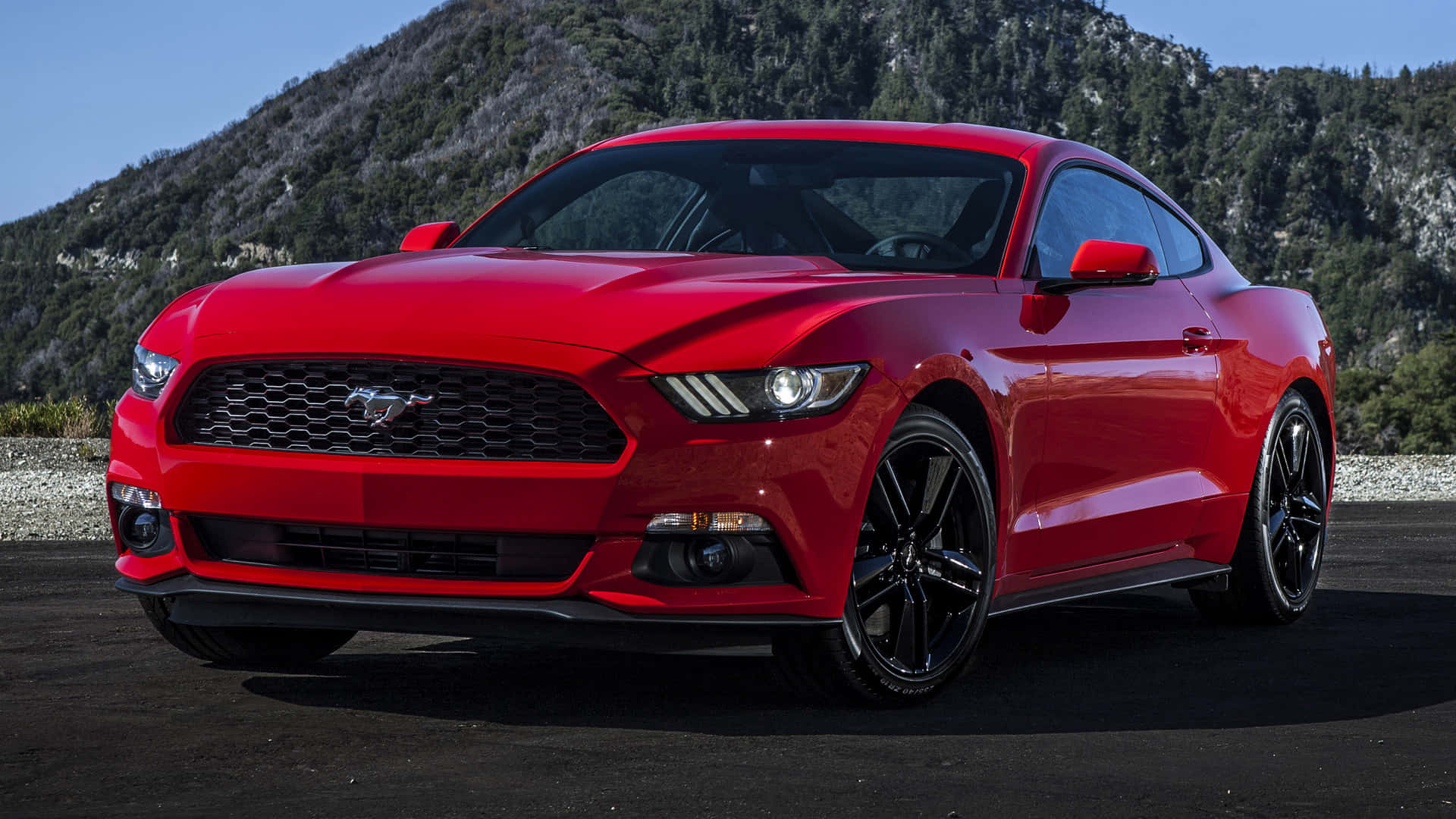
Sports cars are often associated with high ownership costs such as expensive maintenance, premium fuel, insurance, and repairs. However, not all performance vehicles are costly to own. Some models successfully combine driving excitement with reasonable long-term expenses. True ownership cost includes fuel economy, reliability, maintenance, parts availability, insurance, and depreciation. While some cars become expensive over time, others remain affordable due to proven engines, simple engineering, and widely available parts.
Brands like Mazda, Toyota, Subaru, Honda, and Ford have produced sports cars that balance performance with practicality. Strong reliability and durability further reduce unexpected costs, allowing owners to enjoy performance driving without the financial burden typically associated with high-performance vehicles.
Also Read: 10 Standard Features Quietly Moved Behind a Subscription
1. Mazda MX-5 Miata
The Mazda MX-5 Miata stands out in the sports car world for delivering an exceptional ownership experience that balances driving enjoyment with low running costs. While many performance cars focus on high horsepower or luxury features, the Miata follows a simpler formula built on lightweight design, balanced handling, strong reliability, and affordability.
One of its biggest advantages is mechanical simplicity. Compared with modern sports cars that rely on turbocharging, complex electronics, and advanced suspension systems, the MX-5 uses a more straightforward engineering approach. This reduces the likelihood of expensive repairs and helps keep long-term maintenance costs manageable.
Efficiency is another strength. Its light weight means the engine does not need excessive power to feel quick and responsive, resulting in excellent fuel economy. Over time, this translates into noticeable savings for daily drivers without sacrificing driving enjoyment.
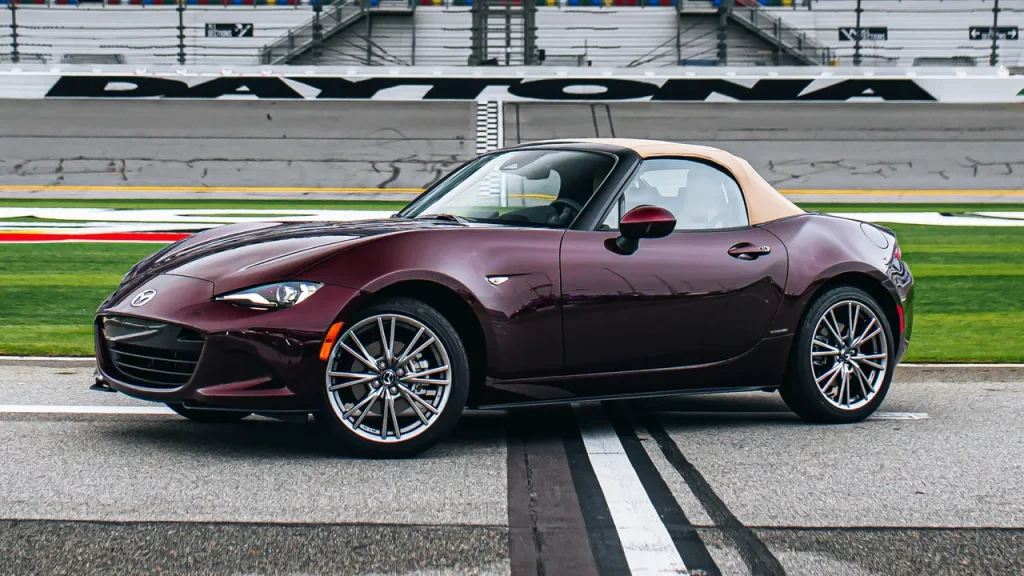
Insurance costs are often more reasonable than expected for a sports car, partly due to its moderate power and reputation for responsible ownership. At the same time, the Miata remains highly engaging, offering precise steering, a well-tuned manual transmission, and a driving style that rewards skill and momentum rather than raw speed.
Strong demand also supports its resale value, limiting depreciation and reducing ownership costs. Combined with its reliability, fuel efficiency, and low maintenance requirements, these qualities make the MX-5 Miata one of the most balanced and cost-effective sports cars available.
Specifications
- Engine: 2.0-liter Inline-4
- Torque: 151 lb-ft
- Horsepower: 181 hp
- Length/Width: 154.1 in / 68.3 in
2. Toyota GR86
Some sports cars rely on high horsepower to stand out, but the Toyota GR86 takes a more balanced approach by emphasizing driver engagement, lightweight design, and affordability. This philosophy creates a fun, responsive driving experience while keeping long-term ownership costs relatively low.
A key factor behind its appeal is its focus on simplicity. Rather than chasing extreme acceleration figures, the GR86 uses a lightweight chassis and precise handling to deliver excitement at everyday speeds. This reduces mechanical complexity and helps maintain manageable maintenance requirements over time.
Toyota’s reputation for reliability also plays an important role. Developed in partnership with Subaru, the GR86 still benefits from Toyota’s engineering standards and quality control, resulting in generally dependable long-term ownership with fewer unexpected repair issues compared with more exotic sports cars.
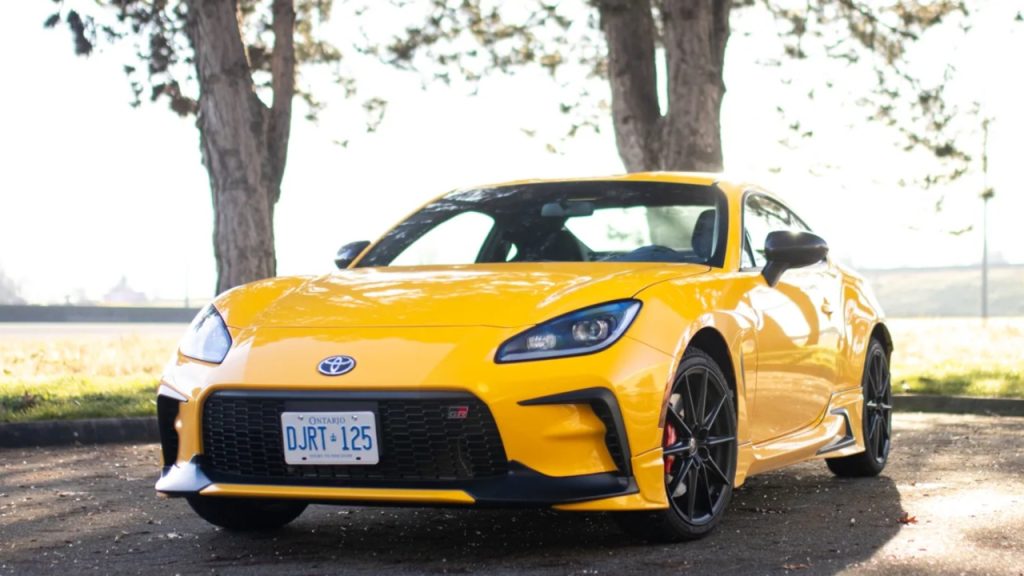
Running costs are further reduced by the use of widely available components and strong aftermarket and enthusiast support. This makes servicing more accessible, whether through dealerships or independent workshops.
Fuel efficiency is another advantage, thanks to its naturally aspirated engine that avoids the added complexity of turbocharging. The result is smooth, predictable power delivery combined with lower fuel consumption for daily use.
Practicality adds another layer of value, as the GR86 can serve as both a weekend sports car and a daily driver, reducing the need for a second vehicle. Strong resale demand and limited depreciation further strengthen its affordability, making it a well-rounded choice for enthusiasts.
Specifications
- Engine: 2.4-liter Flat-4
- Torque: 184 lb-ft
- Horsepower: 228 hp
- Length/Width: 167.9 in / 69.9 in
3. Subaru BRZ
The Subaru BRZ stands out in the sports car segment by focusing on simplicity and driver engagement rather than chasing high horsepower or complex technology. This philosophy not only enhances the driving experience but also helps keep ownership costs relatively low.
At the core of its affordability is straightforward engineering. The naturally aspirated boxer engine avoids the added complexity of turbocharging, which reduces the number of components that can fail and helps limit long-term maintenance expenses. This makes the BRZ easier and often cheaper to maintain as it ages.
Its lightweight design also plays an important role in reducing running costs. With less mass to move, stop, and control, wear on brakes, tires, and suspension parts is reduced, especially for drivers who enjoy spirited driving. Over time, this can translate into meaningful savings.
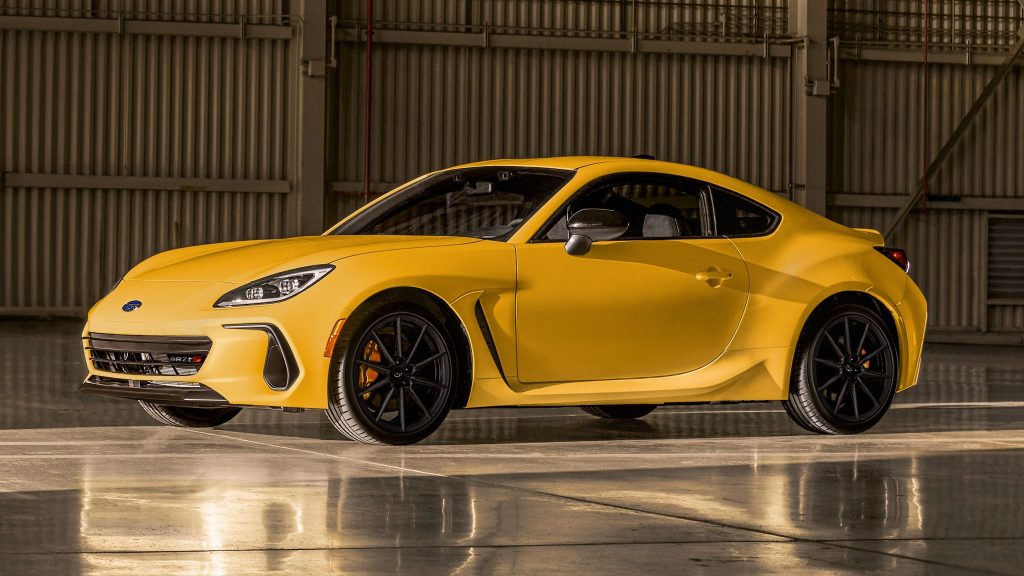
Ownership is further supported by strong parts availability and widespread repair knowledge, thanks to both manufacturer backing and a large enthusiast community. This helps keep maintenance predictable and accessible.
On the road, the BRZ delivers a highly engaging experience through precise steering, balanced handling, and a manual transmission that encourages active driver involvement. Its practical cabin layout and good visibility also make it usable as a daily driver.
Strong resale value adds to its appeal, with consistent demand helping limit depreciation. The BRZ offers a rare combination of driving enjoyment and financial sensibility in the sports car market.
Specifications
- Engine: 2.4-liter Flat-4
- Torque: 184 lb-ft
- Horsepower: 228 hp
- Length/Width: 167.9 in / 69.9 in
4. Honda Civic Si
The Honda Civic Si stands out in the sports car segment by proving that front-wheel-drive performance can still deliver real driving enjoyment without high ownership costs. Rather than relying on extreme power or complex engineering, it focuses on balance, reliability, and everyday usability.
One of its biggest strengths is Honda’s well-earned reputation for durability. The Civic Si benefits from this foundation, with engines and components designed to last, reducing the likelihood of expensive or unexpected repairs over time.
Performance comes from a turbocharged four-cylinder engine that prioritizes efficiency as much as excitement. It delivers energetic acceleration for daily driving while maintaining strong fuel economy, helping keep long-term running costs under control.
Ownership is further simplified by easy maintenance access. Wide dealer coverage, affordable parts, and strong familiarity among independent mechanics make servicing straightforward compared with more niche performance cars.
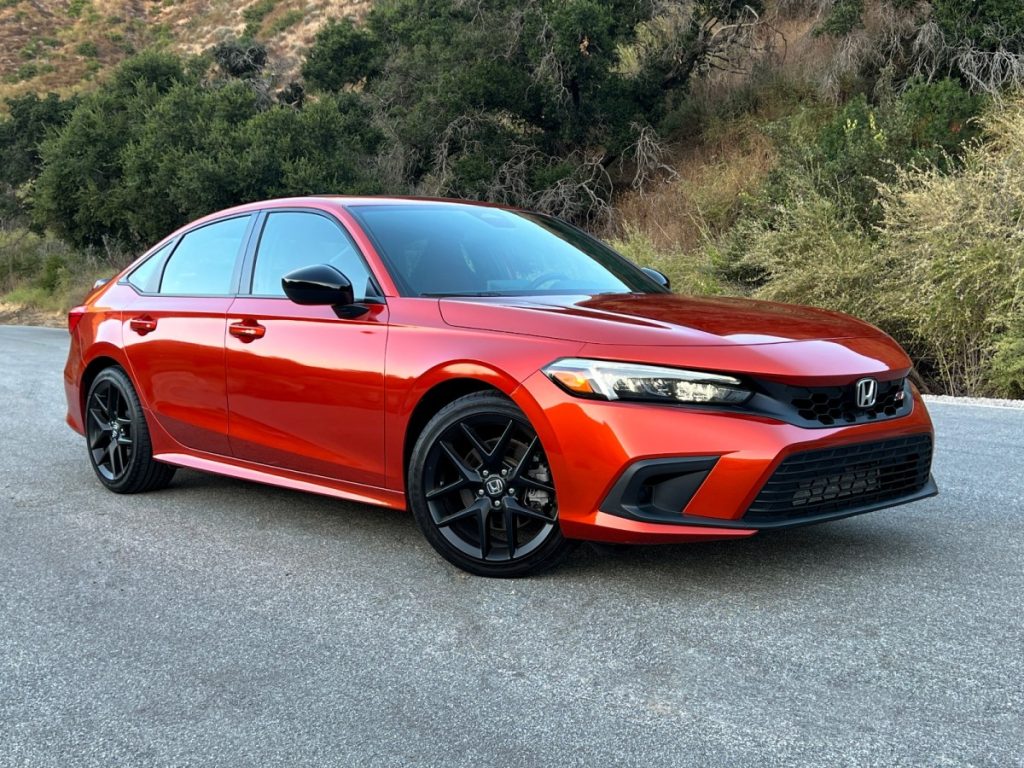
Practicality also sets it apart from many rivals. With four doors, usable rear seating, and a functional trunk, the Civic Si can handle daily responsibilities with ease, often removing the need for a second vehicle and lowering ownership costs.
Driving dynamics remain a highlight, with sharp handling, an engaging manual transmission, and a chassis tuned for responsive cornering rather than outright speed.
Strong resale value further improves its financial appeal, as demand for clean examples helps reduce depreciation. Altogether, the Civic Si offers a rare combination of performance, practicality, and affordability in a single package.
Specifications
- Engine: 1.5-liter Turbocharged Inline-4
- Torque: 192 lb-ft
- Horsepower: 200 hp
- Length/Width: 184.0 in / 70.9 in
5. Ford Mustang EcoBoost
The Ford Mustang EcoBoost offers a modern take on an American performance icon by delivering strong driving enjoyment with significantly lower ownership costs than traditional V8 models. While it may lack the signature V8 sound that many enthusiasts associate with the Mustang name, it compensates with efficiency, affordability, and everyday usability.
Power comes from a turbocharged four-cylinder engine that produces impressive performance while using far less fuel than larger engines. This makes it especially appealing for drivers who cover high mileage, as fuel savings add up over time without sacrificing acceleration or responsiveness.
Ownership costs are further reduced through generally lower insurance premiums compared with high-performance variants, along with straightforward maintenance supported by Ford’s wide parts availability and shared platform components. These factors help keep long-term expenses predictable and manageable.
Despite its efficiency-focused setup, the EcoBoost still feels like a true Mustang. It retains rear-wheel drive, aggressive styling, and strong road presence, preserving the core identity of the model. Inside, it offers enough comfort and practicality for daily commuting, along with usable trunk space for travel or errands.
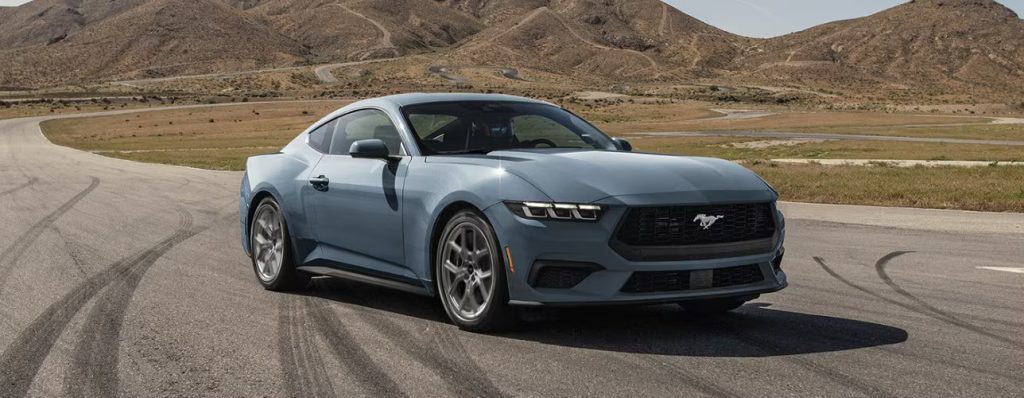
Performance remains more than sufficient for most driving situations, with strong mid-range torque that supports confident highway passing and smooth acceleration. Combined with balanced handling, it delivers a well-rounded driving experience.
Strong brand recognition and consistent demand also support resale value, helping reduce depreciation. The Mustang EcoBoost stands out as an accessible entry point into Mustang ownership with lower running costs and everyday versatility.
Specifications
- Engine: 2.3-liter Turbocharged Inline-4
- Torque: 350 lb-ft
- Horsepower: 315 hp
- Length/Width: 189.4 in / 75.4 in
6. Volkswagen GTI
The Volkswagen GTI takes a different approach to the sports car formula by blending performance, practicality, and understated styling. Instead of relying on aggressive looks or extreme power, it focuses on being a versatile hatchback that works well in everyday life while still delivering an engaging driving experience.
At its core, the GTI is designed for flexibility. It functions as a comfortable daily commuter with enough space for passengers and cargo, yet it becomes lively and responsive when driven on more enjoyable roads. This balance has helped it remain a benchmark in the hot hatch segment for decades.
Power comes from a turbocharged four-cylinder engine that delivers a strong mix of efficiency and performance. It offers respectable fuel economy during normal driving while still providing quick acceleration when needed, helping keep running costs reasonable.
Ownership expenses are generally manageable due to strong parts availability and widespread familiarity among independent mechanics. This makes maintenance more predictable and often more affordable than many specialized performance cars.
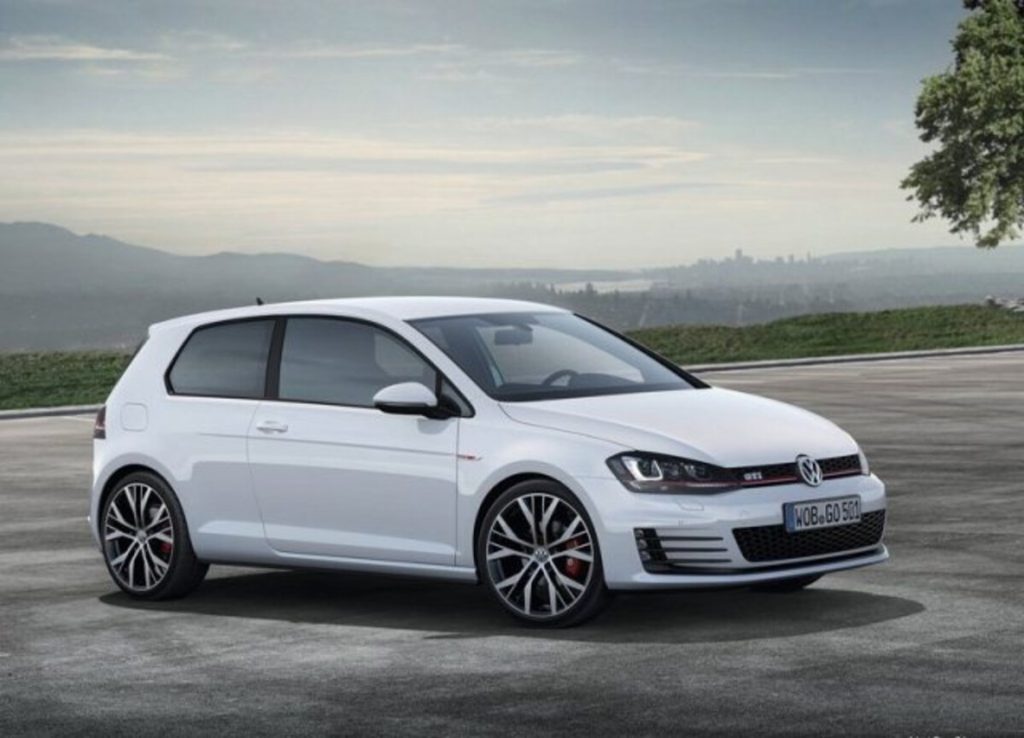
Practicality is another key advantage. The hatchback design provides generous cargo space, making it more useful than many traditional sports coupes and often removing the need for a second vehicle.
On the road, the GTI feels refined yet engaging, with precise steering, solid handling, and a balanced chassis that encourages spirited driving without requiring high speeds. Strong demand also helps maintain resale value, making it a well-rounded and cost-effective performance choice.
Specifications
- Engine: 2.0-liter Turbocharged Inline-4
- Torque: 273 lb-ft
- Horsepower: 241 hp
- Length/Width: 168.8 in / 70.4 in
7. Toyota GR Corolla
Performance hatchbacks often carry a reputation for expensive maintenance and premium ownership costs, yet the Toyota GR Corolla manages to deliver serious capability while retaining many of the advantages that have made Toyota one of the most trusted automotive brands in the world.
It represents an unusual combination of rally-inspired performance and long-term practicality. The first thing that distinguishes the GR Corolla is its engineering philosophy. Rather than relying on a large engine, Toyota developed a compact turbocharged three-cylinder powerplant that produces remarkable output.
This approach helps keep weight under control while maintaining respectable efficiency. For owners, that translates into lower fuel expenses than many similarly capable performance cars.
Reliability is one of the strongest reasons the GR Corolla earns a place on this list. While high-performance vehicles sometimes sacrifice durability in pursuit of speed, Toyota’s reputation suggests a different path. The company engineered the car to withstand enthusiastic driving while maintaining the dependability expected from the brand.
The all-wheel-drive system further enhances value. It allows the car to perform confidently in a wide range of weather conditions, reducing the need for a separate seasonal vehicle in many regions. This versatility can significantly lower total transportation costs over time.
Inside, the GR Corolla remains practical despite its performance credentials. Rear-seat space and cargo capacity make it far more usable than many sports coupes. Owners can enjoy spirited weekend drives without giving up everyday functionality.
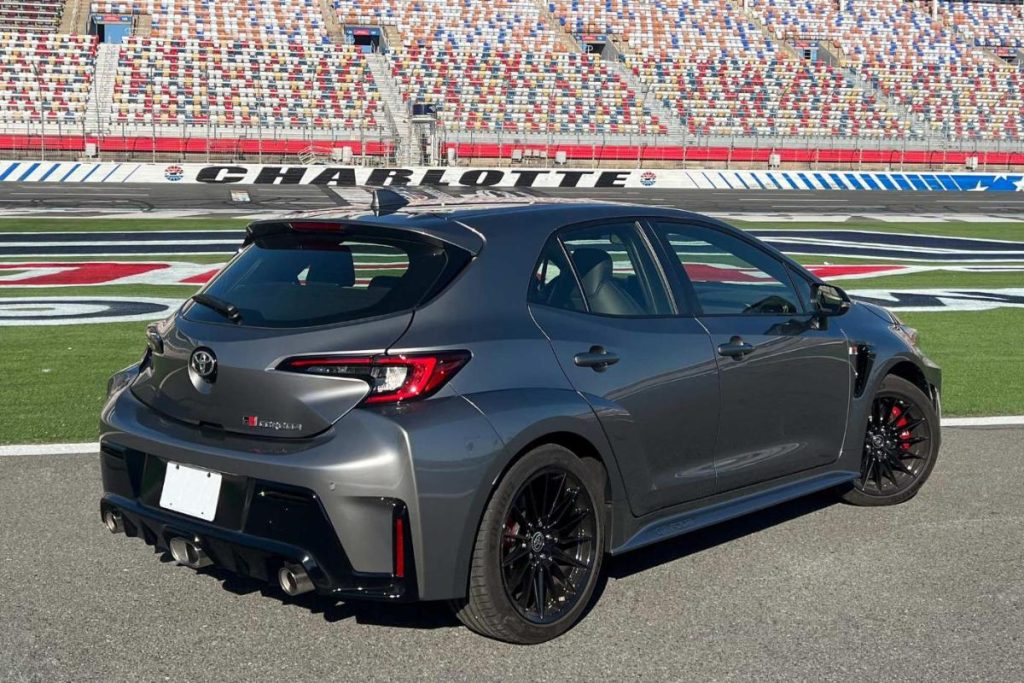
Maintenance expenses remain relatively manageable because the vehicle benefits from Toyota’s extensive dealer network and broad parts availability. As the platform becomes more established, servicing knowledge continues to expand, helping keep ownership straightforward.
Resale prospects also appear strong. Limited production numbers and enthusiastic demand have made the GR Corolla highly desirable among performance-car buyers. Strong residual values reduce depreciation losses, an important component of total ownership cost.
The GR Corolla proves that affordability and excitement are not mutually exclusive. It delivers genuine performance while preserving the practicality and reliability that make long-term ownership far less intimidating than many rivals.
Specifications
- Engine: 1.6-liter Turbocharged Inline-3
- Torque: 273 lb-ft
- Horsepower: 300 hp
- Length/Width: 174.5 in / 72.8 in
8. Hyundai Elantra N
A decade ago, few enthusiasts would have expected Hyundai to produce one of the most compelling affordable performance cars on the market.
The Elantra N changed that perception dramatically. Combining strong performance with reasonable ownership costs, it has become one of the standout values in the sports sedan segment.
The Elantra N approaches performance with enthusiasm. Its turbocharged engine delivers robust acceleration, while the chassis has been tuned to provide sharp responses and impressive cornering capability. Yet despite these sporting credentials, it remains practical enough for daily use.
One factor contributing to its low ownership costs is Hyundai’s warranty coverage. Buyers gain a level of protection that many competitors struggle to match, reducing the financial risks often associated with high-performance vehicles. This extended coverage can make a meaningful difference during the first years of ownership.
Fuel economy is respectable considering the performance available. Drivers can enjoy spirited acceleration when desired while still maintaining reasonable efficiency during routine commuting. This balance helps keep operating expenses from spiraling upward.
The Elantra N also benefits from Hyundai’s improving reputation for quality and reliability. As the brand has matured, consumer confidence has grown, supporting stronger resale values and reducing concerns about long-term ownership.
Its interior adds another layer of value. Comfortable seating, modern technology, and generous passenger space allow the vehicle to function as a practical family sedan when necessary. Unlike some sports cars that demand sacrifices, the Elantra N remains versatile enough for a variety of roles.
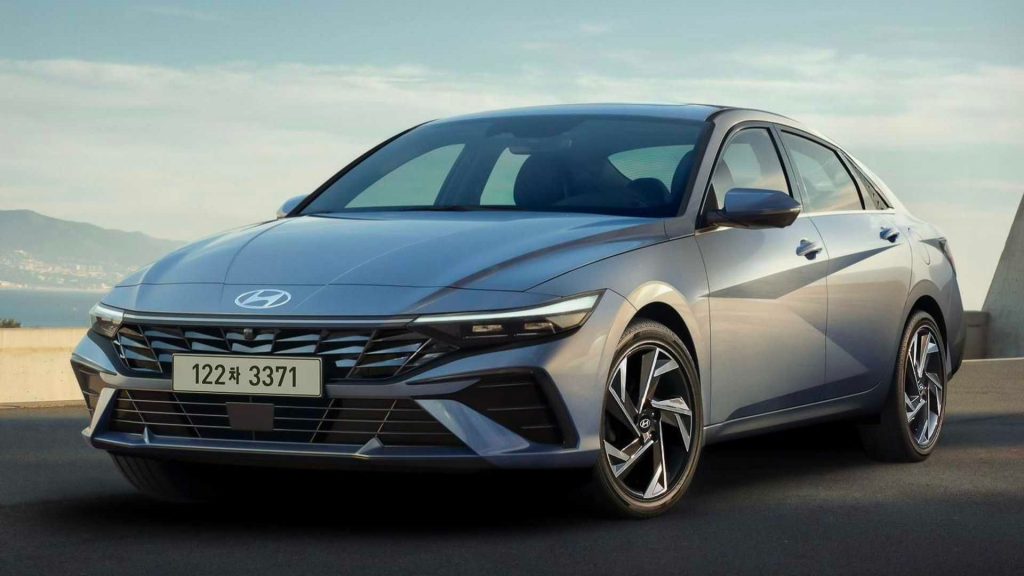
Insurance costs are often lower than those associated with more expensive performance vehicles offering similar acceleration. Combined with accessible maintenance and competitive pricing, the ownership equation becomes increasingly attractive.
The Elantra N succeeds because it delivers excitement without demanding luxury-car budgets. It offers serious performance, everyday usability, and manageable operating expenses in a package that continues to surprise many enthusiasts.
Specifications
- Engine: 2.0-liter Turbocharged Inline-4
- Torque: 289 lb-ft
- Horsepower: 276 hp
- Length/Width: 184.1 in / 71.9 in
9. Subaru WRX
The Subaru WRX has built its reputation on a foundation few performance cars can match. Inspired by decades of rally success, it combines all-weather capability, strong performance, and everyday practicality in a package that remains relatively affordable to own.
While many sports cars are designed primarily for dry roads and weekend enjoyment, the WRX thrives in conditions that would make some rivals uncomfortable.
Its turbocharged boxer engine delivers a distinctive character that separates it from conventional sport sedans. Power arrives with enthusiasm, creating a driving experience that feels energetic without requiring exotic hardware or excessive operating costs.
The engine’s widespread use and strong enthusiast following have also helped create a substantial knowledge base for maintenance and repairs.
One of the WRX’s biggest financial advantages is its standard all-wheel-drive system. Many vehicles offering similar capability carry significantly higher purchase prices.
The Subaru provides year-round usability without forcing owners into luxury-brand territory. For drivers in regions that experience rain, snow, or changing road conditions, that versatility can eliminate the need for a second vehicle.
Unlike traditional sports coupes, the WRX offers four doors and usable rear seating. This practicality broadens its appeal and allows it to serve as both a family vehicle and an enthusiast car. The ability to perform multiple roles helps justify ownership costs and increases full value.
The WRX also benefits from a loyal enthusiast community. Technical information, aftermarket support, and maintenance resources are widely available, helping owners keep long-term expenses manageable. Strong parts availability further contributes to predictable ownership.
While fuel economy does not lead the segment, it remains reasonable considering the vehicle’s performance capabilities and all-wheel-drive hardware. Combined with generally competitive maintenance costs, the WRX remains more affordable than many buyers initially expect.
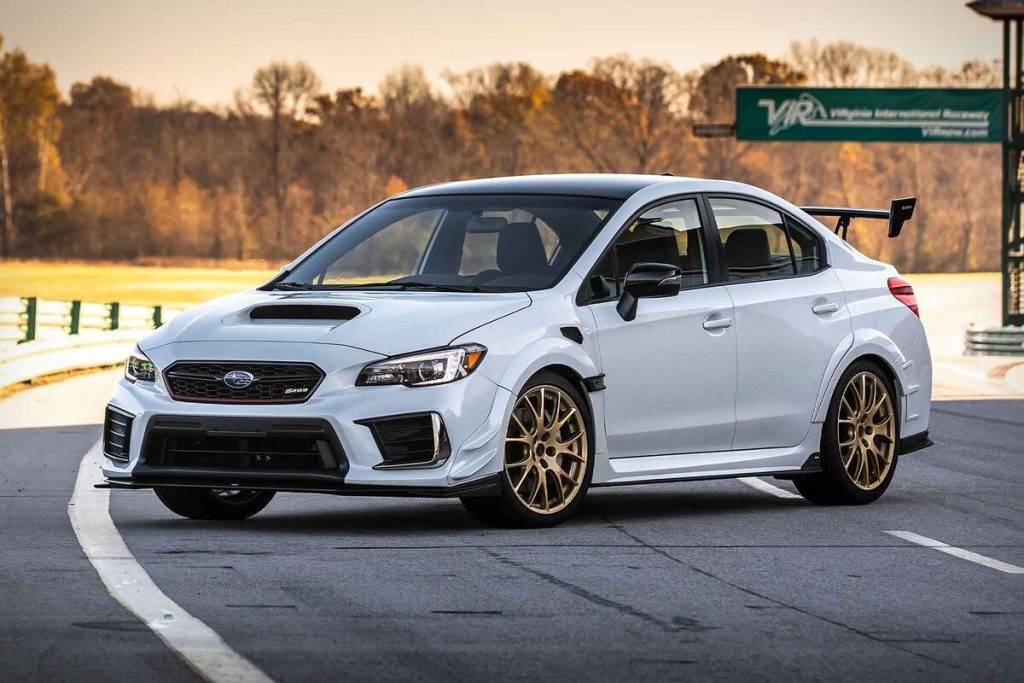
Strong resale values add another financial benefit. Demand for clean examples remains steady, helping reduce depreciation and improving the full ownership equation.
The WRX succeeds because it offers a rare combination of performance, practicality, and year-round confidence while maintaining ownership costs that remain accessible for a broad range of enthusiasts.
Specifications
- Engine: 2.4-liter Turbocharged Flat-4
- Torque: 258 lb-ft
- Horsepower: 271 hp
- Length/Width: 183.8 in / 71.9 in
10. Chevrolet Camaro LT1
Completing this list is a car that offers something increasingly rare in today’s automotive world affordable V8 performance. The Chevrolet Camaro LT1 lets buyers enjoy naturally aspirated eight cylinder power while avoiding the high ownership costs often associated with premium sports cars.
The centerpiece of the LT1 is its 6.2-liter V8 engine. Producing substantial horsepower and torque, it provides the kind of acceleration and soundtrack that enthusiasts have celebrated for generations.
Yet because the engine is part of General Motors’ widely used small-block family, maintenance and parts costs remain more approachable than many people assume.
One reason the Camaro LT1 performs well in ownership-cost calculations is its value proposition. Buyers receive genuine muscle-car performance without paying the premium commanded by higher-specification variants. This lower entry price immediately improves the financial equation.
Despite its performance focus, the LT1 benefits from proven engineering. The V8 has developed a strong reputation for durability when properly maintained, allowing owners to enjoy impressive performance without constantly worrying about expensive repairs.
Highway fuel economy is also better than many expect. Modern engine technology allows the Camaro to cruise efficiently during everyday driving while retaining its ability to deliver exhilarating acceleration when called upon. This balance helps reduce operating costs compared with older high-displacement performance cars.
The Camaro’s popularity contributes to affordable ownership as well. Parts are widely available, independent repair shops are familiar with the platform, and a large enthusiast community provides extensive maintenance knowledge.
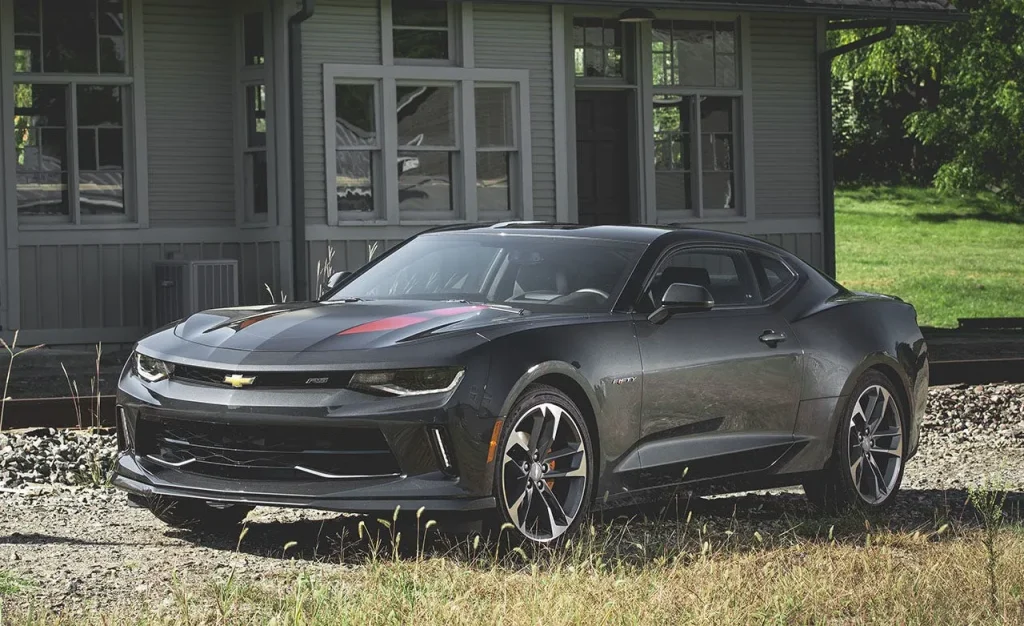
Depreciation remains competitive thanks to continued demand for V8-powered performance cars. Enthusiasts recognize the appeal of naturally aspirated muscle, helping support resale values in the used market.
For drivers who want classic rear-wheel-drive excitement, strong performance, and manageable ownership expenses, the Camaro LT1 offers one of the most compelling packages available. It proves that V8 sports-car ownership does not have to come with an overwhelming financial burden.
Specifications
- Engine: 6.2-liter Naturally Aspirated V8
- Torque: 455 lb-ft
- Horsepower: 455 hp
- Length/Width: 188.3 in / 74.7 in
Also Read: 10 Cars Cheapest to Drive Per Mile
