
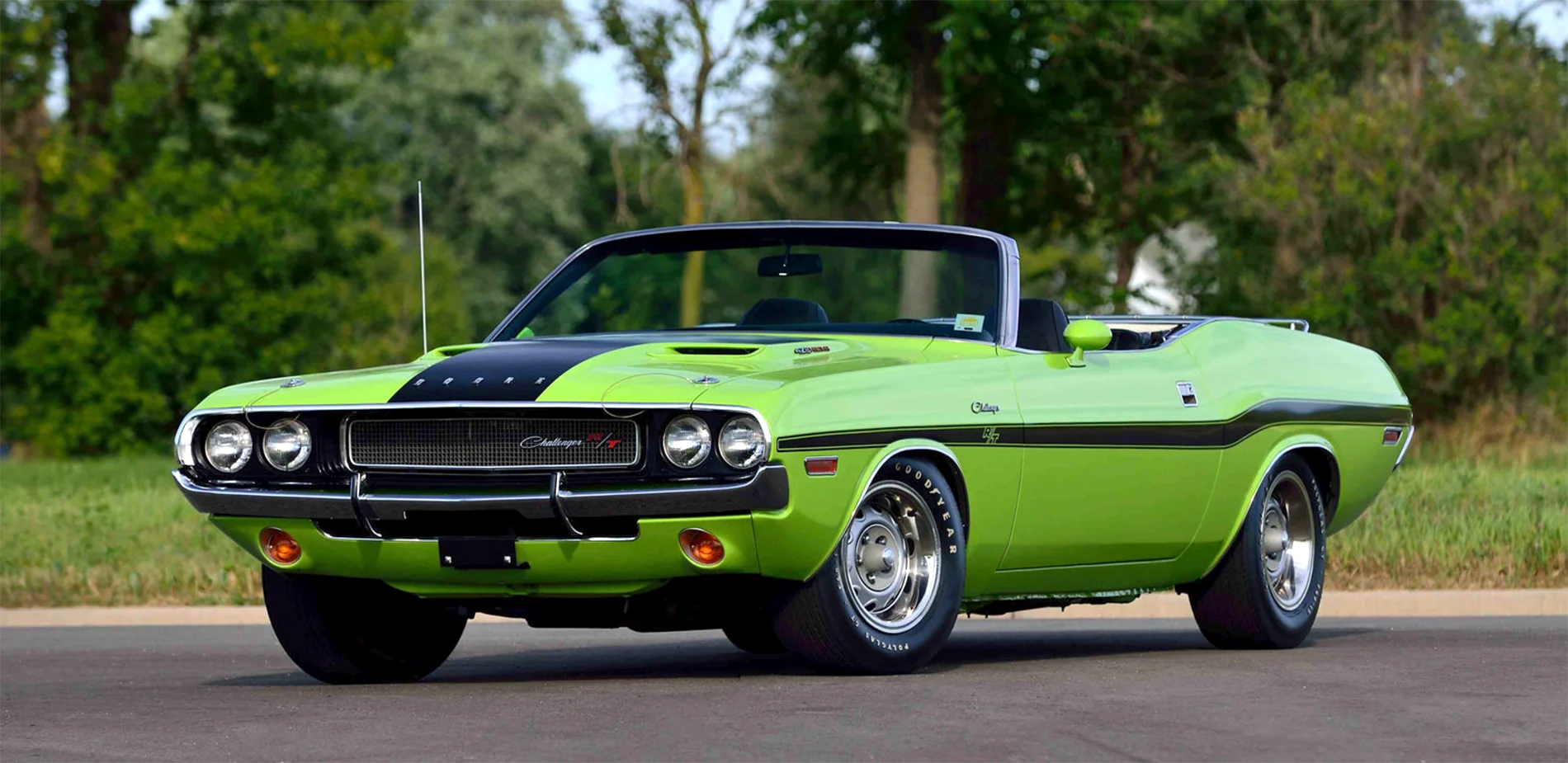
The 1970s remain one of the most celebrated and fiercely contested decades in automotive history. It was a golden era when raw horsepower ruled the streets, when engineers dared to stuff the biggest, most violent engines into relatively lightweight bodies, and when driving a muscle car was not just transportation but a statement of identity.
These machines breathed fire through their carburetors, rattled windows with their exhaust notes, and demanded respect from every driver who dared push them to their limits. The era was fueled by competition, pride, and an almost reckless love for speed.
What makes these cars so compelling, even today, is their unapologetic character. They were built without the electronic driver aids, computer-managed throttle responses, or turbocharged efficiency tricks that define modern performance cars.
Every gear change mattered. Every corner demanded skill. Every push of the accelerator connected the driver to something real and visceral. Modern successors, while faster on paper and safer on the road, have traded much of that soul for technology.
The cars on this list represent the absolute pinnacle of an era that can never truly be replicated. They were born from fierce rivalry between American automakers and shaped by the desires of a generation that demanded nothing less than the best. Here are eight sports cars from the 1970s that, in the eyes of purists, still outshine their modern descendants.
1. 1970 Dodge Challenger R/T Hemi
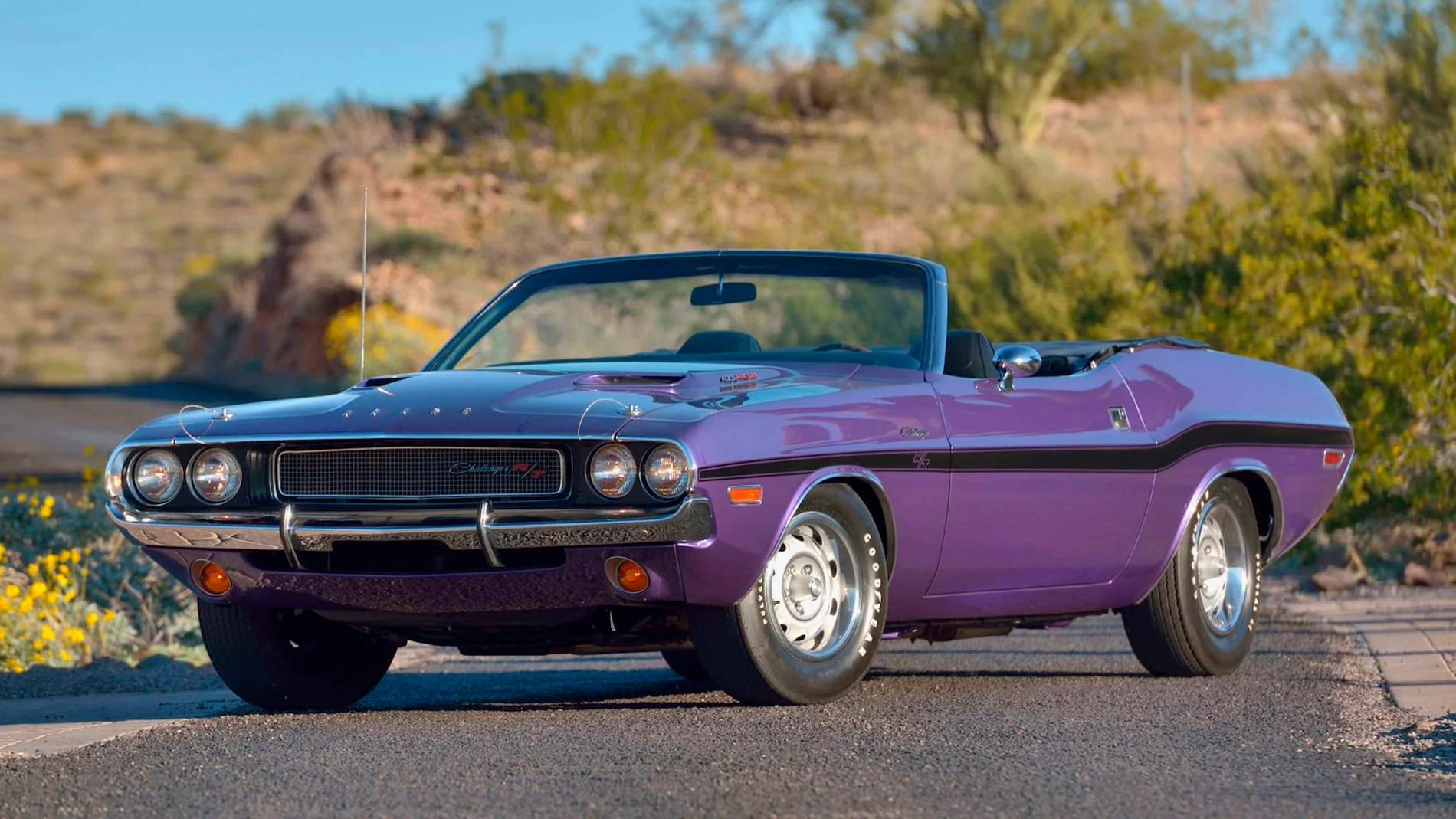
Few cars in American automotive history carry a name as loaded with meaning as the Dodge Challenger. The 1970 R/T was built not just to compete but to dominate every rival it faced on the street and the strip.
It arrived at the most competitive moment in muscle car history and immediately established itself as one of the defining icons of the era. The heart of the 1970 Challenger R/T was the legendary 426 cubic-inch Hemi V8 engine.
This was a massive, hand-assembled powerplant that Dodge officially rated at a conservative 425 horsepower at 5,000 RPM. The torque figure was equally jaw-dropping, delivering 490 lb-ft at 4,000 RPM through a four-speed manual transmission.
| Spec | Detail |
|---|---|
| Engine | 426 cu in (7.0L) Hemi V8 |
| Horsepower | 425 hp @ 5,000 RPM |
| Torque | 490 lb-ft @ 4,000 RPM |
| Length | 191.3 inches |
| Width | 76.1 inches |
The 426 Hemi was famously underrated by the factory. Engineers and enthusiasts of the day widely agreed the true output was closer to 500 horsepower, a figure Dodge strategically downplayed to manage insurance costs for buyers. With a 0-to-60 mph time of just 5.8 seconds, the Challenger R/T Hemi was one of the quickest cars on American roads that year.
The exterior design was penned by Carl Cameron, the same designer responsible for the iconic 1966 Dodge Charger. The Challenger wore its long, wide proportions with unmistakable muscle car confidence. Its quad headlamp setup and full-length tail lamps gave it a bold, aggressive presence that demanded attention at every stoplight.
The chassis rode on a 110-inch wheelbase, slightly longer than its Plymouth Barracuda sibling. That extra length gave the Challenger a different feel, more planted and stable at high speed, with a ride quality that matched its grand touring aspirations. The suspension was firm without being punishing, designed for serious driving rather than grocery runs.
Inside, the Challenger R/T SE offered a surprisingly well-appointed cabin with the Rallye instrument cluster. This included a 150 mph speedometer, an 8,000 RPM tachometer, and a dedicated oil pressure gauge. Bucket seats wrapped in quality vinyl completed the cockpit, giving drivers a sense of purpose the moment they sat down.
The modern Dodge Challenger, while visually inspired by the original, has grown considerably in size and weight over the decades. The modern platform stretches past 197 inches in length and weighs well over 4,000 pounds.
Even with a supercharged Hellcat engine producing enormous horsepower, the sheer mass of the modern car dilutes the connection between driver and machine. The 1970 original, by contrast, felt immediate, alive, and deeply personal.
The 1970 Challenger R/T Hemi was also immortalized in cinema, most famously through the cult film Vanishing Point. Its cultural impact extended far beyond any specification sheet.
Of nearly 20,000 first-generation Challengers built in 1970, only a small number were equipped with the full Hemi package, making them extraordinarily rare and valuable today.
2. 1970 Chevrolet Chevelle SS 454 LS6
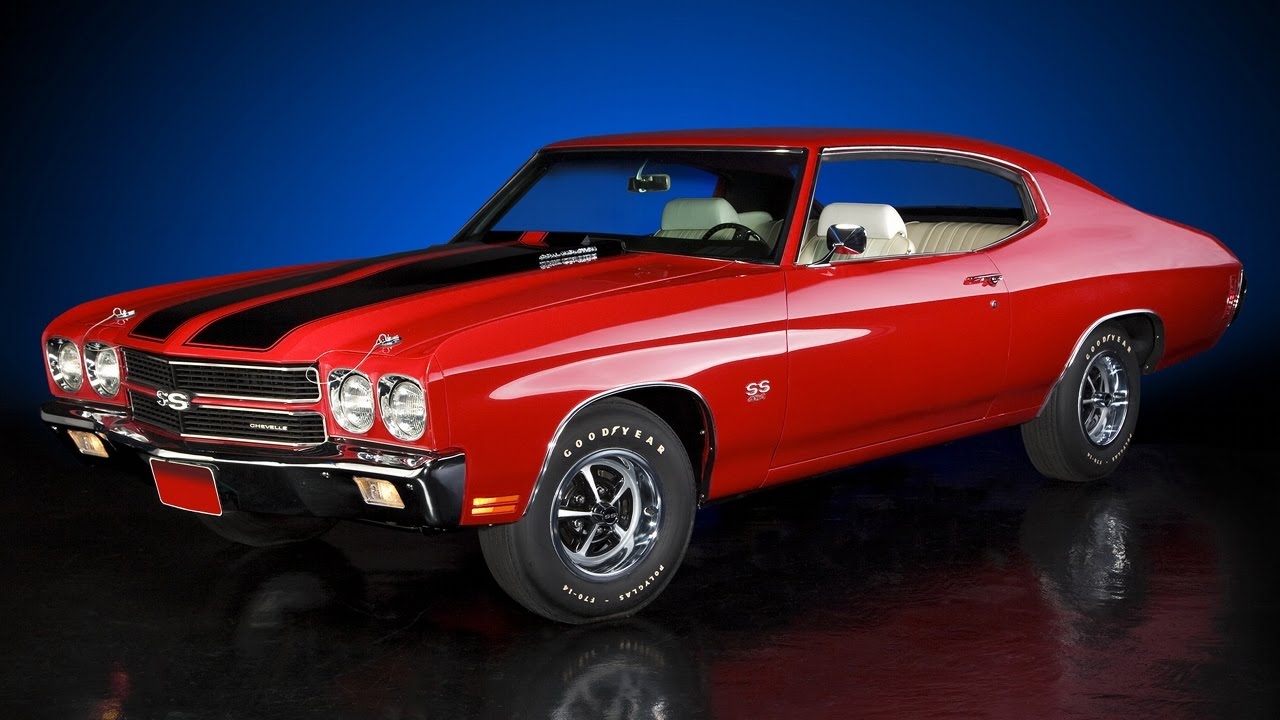
The 1970 Chevrolet Chevelle SS 454 LS6 is regarded by many historians as the most powerful production muscle car ever built in America’s golden era.
It represented the absolute ceiling of what Detroit engineers could legally produce before emissions regulations began strangling horsepower figures across the industry. No other factory muscle car came close to matching its combination of raw output and quarter-mile dominance.
The LS6 variant of the 454 cubic-inch big-block V8 produced an officially rated 450 horsepower. Torque came in at a colossal 500 lb-ft, delivered at just 3,200 RPM to provide crushing acceleration from almost any speed.
| Spec | Detail |
|---|---|
| Engine | 454 cu in (7.4L) LS6 V8 |
| Horsepower | 450 hp @ 5,600 RPM |
| Torque | 500 lb-ft @ 3,200 RPM |
| Length | 197.3 inches |
| Width | 76.4 inches |
Motor Trend tested the LS6 Chevelle against both a Plymouth Road Runner 440 and a Ford Torino Cobra 429 in late 1969. The Chevelle was the undisputed winner, sprinting from 0 to 60 mph in 6.0 seconds and covering the quarter mile in just 13.8 seconds. Hot Rod magazine extracted even more impressive numbers, recording a 13.44-second quarter mile at 108.17 mph.
The LS6 engine used an aluminum intake manifold and an aggressive solid-lifter camshaft that distinguished it from the milder LS5 variant. Its deep-skirt iron block with four-bolt main caps was built to handle severe stress, and the canted-valve cylinder heads were sourced directly from Chevrolet’s racing department. This was not a street engine dressed up for show, it was a race engine made barely legal for daily use.
The optional ZL2 cowl-induction hood featured a vacuum-actuated flap that opened at full throttle. This fed cold, dense outside air directly into the carburetor, a measurable performance improvement that Chevy engineered with racing precision.
Combined with the optional F41 performance suspension with boxed rear control arms, the Chevelle was not just fast in a straight line, it could handle corners with far more composure than its bulk suggested.
The 1970 Chevelle SS 454 wore its bold proportions with natural authority. The blacked-out grille, prominent SS badging, and bright rocker trim made it instantly recognizable as something serious. Inside, the handsome new dashboard featured a well-organized layout that felt purposeful without unnecessary ornamentation.
Fewer than 4,500 LS6 engines were ever produced for the 1970 Chevelle. That scarcity has driven collector values to extraordinary levels, with pristine examples regularly selling at auction for well above $200,000.
The modern Chevrolet SS sedan, produced between 2014 and 2017, offered impressive performance but was discontinued entirely, making the 1970 original the undisputed standard-bearer for the Chevelle name.
3. 1970 Ford Mustang Boss 429
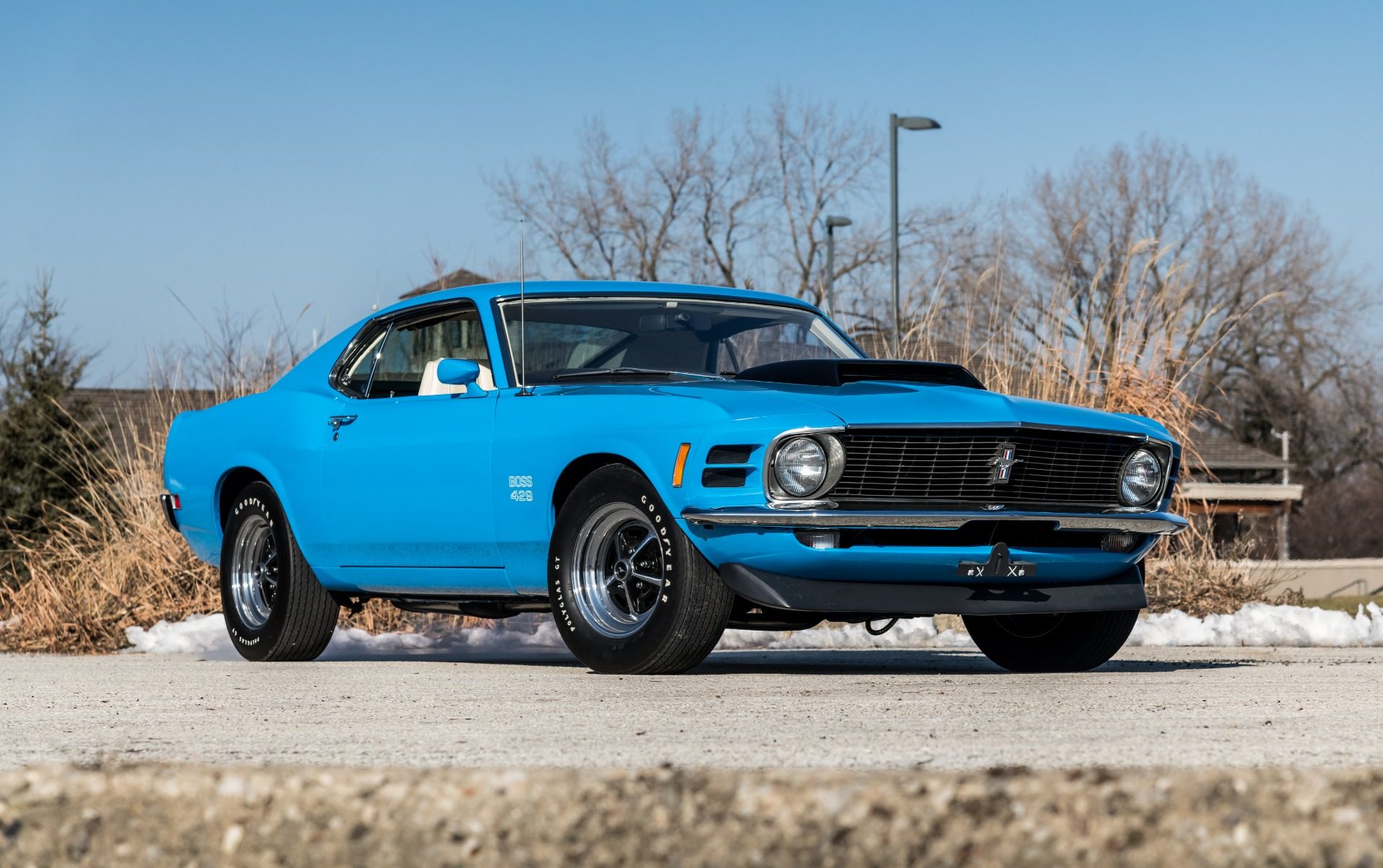
The Ford Mustang Boss 429 was born out of necessity rather than desire. Ford needed to homologate its new 429 cubic-inch engine for NASCAR competition, and the rules demanded that at least 500 road-going examples be available for public purchase.
The result was one of the most extraordinary factory Mustangs ever built, with a race-bred engine stuffed into an iconic pony car body. The 429 V8 engine used in the Boss featured deep-breathing cylinder heads with hemispherical combustion chambers and enormous valves.
Ford’s official rating of 375 horsepower was famously conservative, with independent testing suggesting the true output was closer to 500 horsepower at peak.
| Spec | Detail |
|---|---|
| Engine | 429 cu in (7.0L) V8 |
| Horsepower | 375 hp @ 5,200 RPM (factory underrated) |
| Torque | 450 lb-ft @ 3,400 RPM |
| Length | 187.4 inches |
| Width | 71.7 inches |
The 1970 Boss 429 received significant upgrades over the inaugural 1969 model. A switch to a solid-lifter camshaft, an upgraded Holley four-barrel carburetor, a lightweight five-blade fan, and straight-through exhaust pipes all combined to sharpen the engine’s performance character.
Installing the 429 into the Mustang required significant structural modification. Ford’s engineering team had to cut and relocate the shock towers to accommodate the massive powerplant’s width.
This task was so specialized that Ford shipped the cars to Kar Kraft in Brighton, Michigan for completion before delivery to dealerships. Each Boss 429 was essentially a hand-built automobile.
The drivetrain was equally serious. The only available transmission was a Toploader four-speed manual paired with a Hurst T-handle shifter. Power reached the rear wheels via a 9-inch Traction-Lok limited-slip differential with a standard 3.91:1 final drive ratio. Stopping power came from front disc brakes supported by the competition suspension package with Gabriel hydraulic shocks and oversized front spindles.
Externally, the Boss 429 wore its identity with understated confidence. A modest fender decal identified the engine, though the massive functional hood scoop left no doubt about the seriousness concealed beneath. Stock examples covered the quarter mile in under 14 seconds, and mildly modified versions ran deep into the 12-second range.
The modern Ford Mustang GT500 produces over 760 horsepower and offers extraordinary straight-line performance. Yet it weighs significantly more, relies heavily on electronic management systems, and lacks the raw mechanical theater that made the Boss 429 so compelling. The 1970 original demanded everything from its driver and gave everything back in return.
4. 1970 Pontiac GTO
Pontiac’s GTO is widely credited with creating the muscle car segment in 1964. By 1970, the GTO had reached a dramatic peak of both performance and visual impact.
It was one of the last great iterations of an American icon before emissions regulations and rising insurance costs began forcing the industry toward softer, more compliant machines. The 1970 GTO represented Pontiac at its absolute best.
In 1970, General Motors lifted the 400 cubic-inch displacement restriction it had previously imposed on its divisions. Pontiac wasted no time offering the GTO with a 455 cubic-inch V8, alongside the familiar 400-inch options.
The Ram Air III and Ram Air IV engine options were the performance highlights of the 1970 GTO lineup. The Ram Air III was factory-rated at 366 horsepower, though insiders widely acknowledged the true output was closer to 400 gross horsepower.
The more exotic Ram Air IV, with its large round-port cylinder heads and long-duration camshaft, produced comparable peak power but delivered it in a more sophisticated manner suited to spirited road driving.
The 1970 GTO wore an aggressive new body with a pronounced power bulge hood and the distinctive “The Judge” package available in outrageous color options. Wide hood scoops fed cold air directly to the induction system, a functional feature rather than mere decoration.
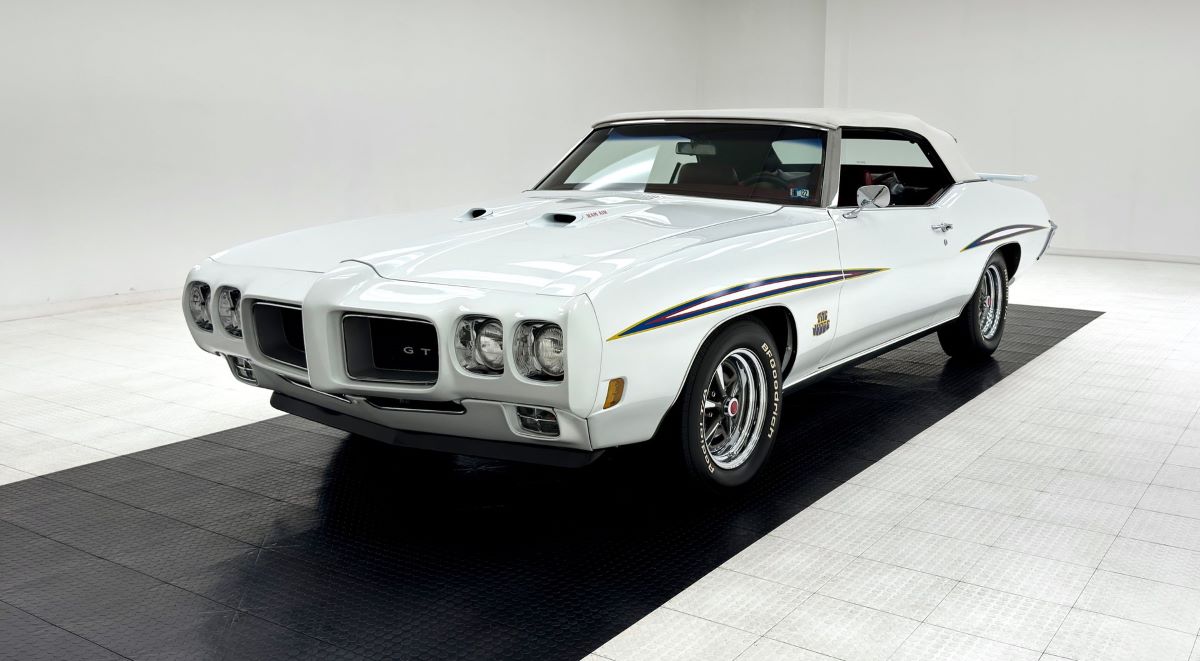
| Spec | Detail |
|---|---|
| Engine | 400 cu in (6.6L) Ram Air IV V8 / 455 cu in (7.5L) V8 |
| Horsepower | 370 hp @ 4,600 RPM (Ram Air IV) / 360 hp @ 4,300 RPM (455) |
| Torque | 445 lb-ft @ 3,000 RPM (400) / 500 lb-ft @ 2,700 RPM (455) |
| Length | 202.9 inches |
| Width | 76.7 inches |
The Endura polyurethane nose, introduced two years earlier, continued to give the GTO a softer front fascia that could absorb minor impacts without damage, an innovative feature for the era.
Hot Rod magazine called the 1970 GTO the best-balanced car Pontiac had ever built, praising its ride and handling balance. Motor Trend awarded it Car of the Year.
Period road tests recorded 0-to-60 mph times in the 6.0-second range with the Ram Air setup and a close-ratio four-speed manual transmission. The modern Pontiac GTO, produced from 2004 to 2006 as a rebadged Holden Monaro, was a capable performance car but lacked the authentic identity of the original.
It looked generic compared to the imposing 1970 design. When Pontiac was discontinued by General Motors in 2009, the GTO name died with it, leaving the 1970 original as the permanent benchmark by which all GTO performance is measured.
Also Read: 8 Cars Still Sold New in 2026 With 2018 Designs
5. 1970 Chevrolet Camaro Z/28
The second-generation Chevrolet Camaro, introduced in February 1970 after production delays, is widely regarded as one of the most beautiful American cars ever designed.
Its European-influenced fastback styling set it apart from every rival on the market. Combined with the Z/28 performance package, it became one of the most capable all-around sports cars Detroit had ever produced.
The 1970 Z/28 received an upgraded engine compared to its predecessors. Where earlier Z/28 models used a high-strung 302 cubic-inch racing unit, the 1970 car used the new LT-1 350 cubic-inch V8 shared with the Corvette.
The LT-1 achieved what very few engines of the era could claim: nearly one horsepower per cubic inch of displacement in factory trim. The NHRA independently rated this engine at 425 gross horsepower, significantly above Chevrolet’s official figure.
The solid-lifter camshaft, high-compression cylinder heads, and 780 CFM Holley four-barrel carburetor were all race-derived components adapted for street use.
The 1970 Camaro’s chassis marked a significant step forward from the first generation. Independent front suspension, improved sound deadening, and a lower, wider stance gave the Z/28 genuine sports car dynamics.
The F41 performance suspension with firmer springs and sticky F60x15 Polyglas tires made it one of the best-handling cars available from an American manufacturer at any price.
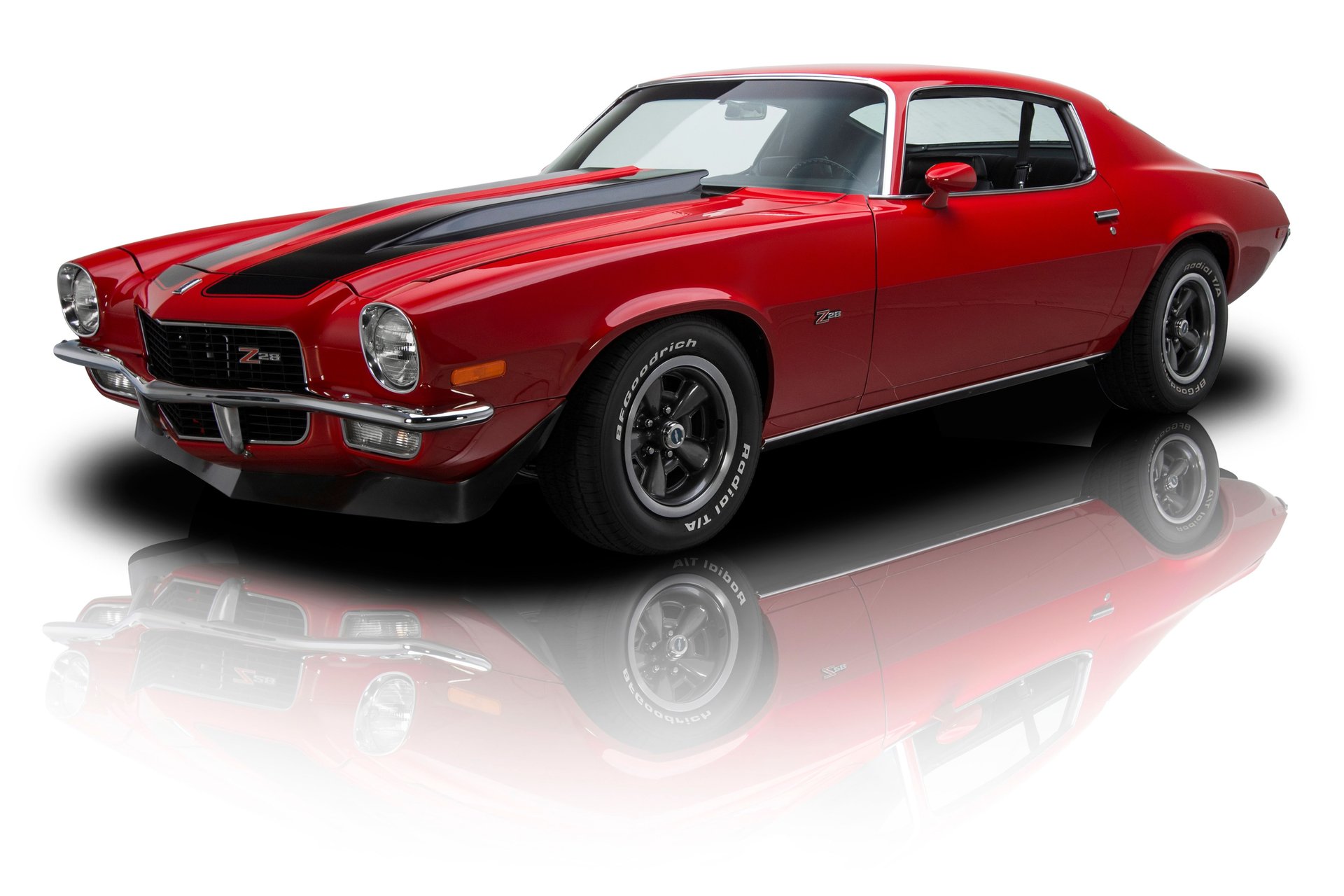
| Spec | Detail |
|---|---|
| Engine | 350 cu in (5.7L) LT-1 V8 |
| Horsepower | 360 hp @ 6,000 RPM |
| Torque | 380 lb-ft @ 4,000 RPM |
| Length | 188.0 inches |
| Width | 74.4 inches |
A four-speed Muncie close-ratio manual transmission with a Hurst shifter was standard equipment. The mandatory 12-bolt Positraction rear axle came with 3.73:1 gearing as standard, with the more aggressive 4.10:1 ratio available for track-focused buyers. Sub-14-second quarter miles were routine for experienced drivers.
The visual package was perfectly coordinated with the performance. Hood and trunk lid striping, a blacked-out grille, seven-inch-wide mag-style steel wheels, and a standard rear spoiler created a look that needed no elaboration.
However, the current Camaro generation has faced persistent criticism for its poor outward visibility, heavy curb weight, and increasingly polarizing styling. The 1970 Z/28 offered a purity of purpose and beauty of form that the modern car has never been able to fully replicate.
6. 1970 Oldsmobile 442 W-30
Oldsmobile’s 442 is one of the most underappreciated muscle cars of the entire golden era. While Chevrolet’s Chevelle and Pontiac’s GTO grabbed most of the headlines, the 442 quietly delivered performance that matched or exceeded both of its corporate siblings.
The W-30 performance package transformed an already impressive car into something truly exceptional, with factory-engineered performance tricks that gave it a competitive edge few buyers fully appreciated at the time.
The W-30 package centered on Oldsmobile’s 455 cubic-inch V8 engine, fitted with special forced-air induction through functional plastic scoops mounted below the front bumper. These scoops fed cold outside air directly into the engine, improving volumetric efficiency and boosting real-world performance significantly.
The W-30 engine was built with specially selected components that went well beyond what appeared on the standard specification sheet. Lightweight aluminum rear axle housing, special camshaft profiles, and factory-calibrated carburetor jetting were all part of the package.
Oldsmobile engineers effectively created a factory hot rod without advertising the details to the insurance companies. The 442 designation stood for four-barrel carburetor, four-speed manual transmission, and dual exhausts, a concise description of its performance credentials from the moment the name was coined.
By 1970, the package had evolved into a comprehensive performance system far beyond those three original attributes. The standard Turbo-Hydramatic automatic transmission was also available for buyers who preferred effortless acceleration without a clutch pedal.
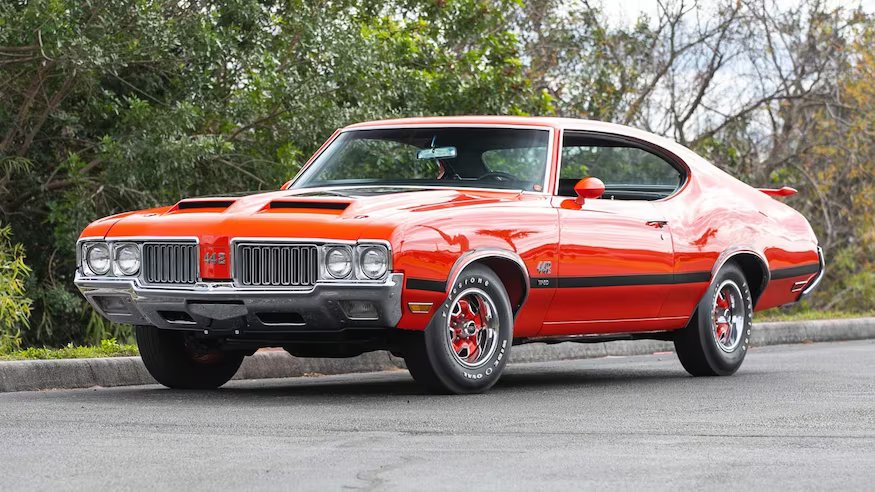
| Spec | Detail |
|---|---|
| Engine | 455 cu in (7.5L) W-30 V8 |
| Horsepower | 370 hp @ 4,600 RPM |
| Torque | 500 lb-ft @ 2,700 RPM |
| Length | 203.2 inches |
| Width | 76.5 inches |
Handling was among the strongest of any domestic muscle car available that year. The 442’s suspension was tuned to deliver a balanced blend of ride comfort and cornering capability.
Sports Car Graphic magazine praised its road manners extensively in period testing, noting that it could embarrass far more expensive European machinery on winding roads.
The Oldsmobile brand was discontinued by General Motors in 2004, meaning no modern successor exists for the 442. This absence makes the 1970 original permanently irreplaceable.
The W-30’s combination of massive torque, clever engineering, and balanced road manners represents a formula that no subsequent American manufacturer has assembled in quite the same way.
7. 1970 Plymouth Road Runner Hemi
Plymouth’s Road Runner was created with a single purpose, to deliver maximum muscle car performance at the lowest possible price. It was conceived as an answer to buyers who wanted Hemi power without paying for unnecessary luxury.
The 1970 Road Runner was the pinnacle of this philosophy, offering race-derived mechanical specifications in a package that stripped away everything that didn’t contribute directly to going faster.
At the top of the Road Runner’s engine lineup sat the legendary 426 cubic-inch Hemi V8, fitted with dual four-barrel Carter AFB carburetors. This engine produced 425 horsepower and delivered 490 lb-ft of torque, identical figures to those quoted for the Dodge Challenger’s Hemi installation.
The Road Runner’s B-body platform gave it inherent structural advantages. The wider, longer body provided more room for the enormous Hemi engine without the packaging compromises that affected smaller pony cars.
The engine sat in a relatively uncluttered engine bay, making maintenance straightforward and modification relatively simple. The 1970 Road Runner was available with either a four-speed manual or the proven TorqueFlite 727 automatic transmission.
The TorqueFlite was widely regarded as one of the strongest automatic gearboxes of the era, capable of handling the Hemi’s full torque output without complaint in repeated hard acceleration runs. Period tests showed the Hemi Road Runner capable of quarter-mile times in the mid-13-second range.
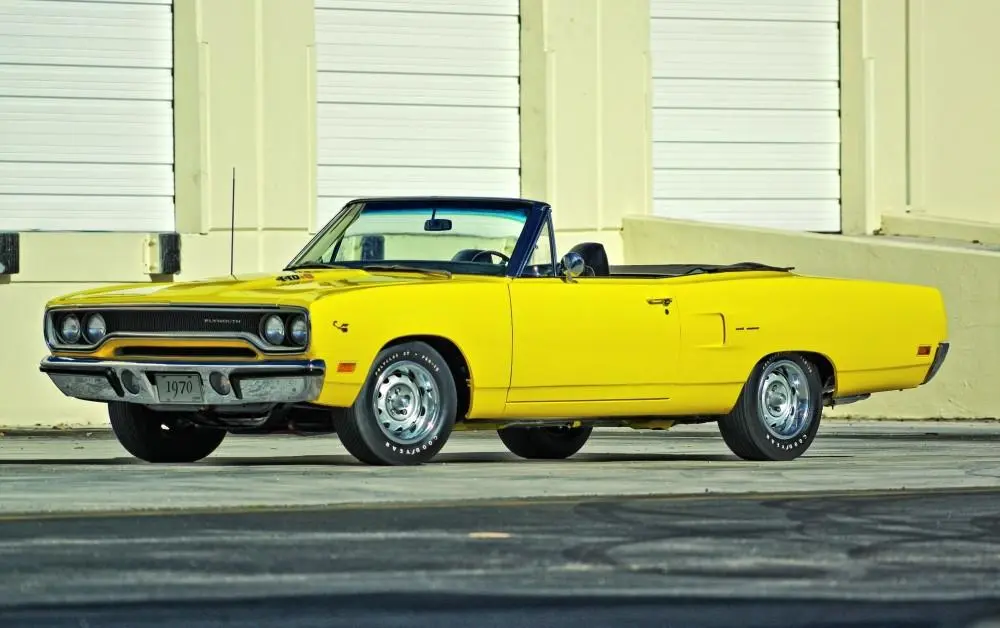
| Spec | Detail |
|---|---|
| Engine | 426 cu in (7.0L) Hemi V8 |
| Horsepower | 425 hp @ 5,000 RPM |
| Torque | 490 lb-ft @ 4,000 RPM |
| Length | 203.5 inches |
| Width | 76.4 inches |
Plymouth kept the Road Runner’s standard specification deliberately basic to keep costs down and weight manageable. The interior used simple vinyl bench seating, basic instrumentation, and minimal sound insulation.
The car’s famous horn, which mimicked the beep-beep of the cartoon character it was named after, was perhaps its most memorable standard feature. Everything else was focused entirely on forward motion.
No direct modern descendant of the Plymouth Road Runner exists today. Plymouth itself was discontinued in 2001. The modern Dodge Charger is sometimes positioned as a spiritual heir, but its four-door layout, enormous weight, and electronic complexity place it in a different category entirely. The 1970 Road Runner Hemi remains one of the most honest, purpose-built performance cars ever produced by an American manufacturer.
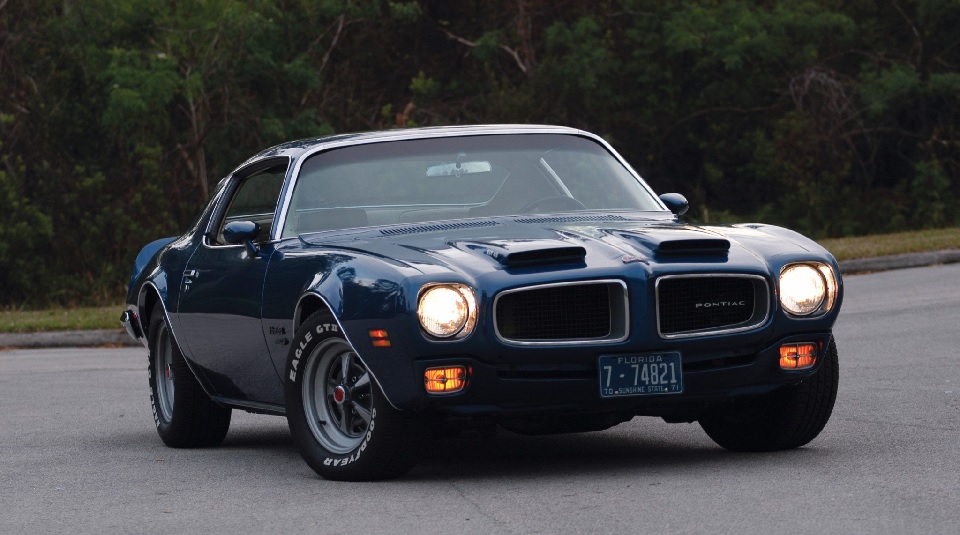
8. 1970 Pontiac Firebird Trans Am
The 1970 Pontiac Firebird Trans Am occupies a unique position in American muscle car history. While it shared its basic platform with the Chevrolet Camaro, the Trans Am offered a distinctly different character, more refined, more aerodynamically sorted, and ultimately more complete as a performance automobile.
The 1970 model year brought a completely redesigned second-generation body that immediately raised the Trans Am from a serious performer to an outright icon.
The second-generation Trans Am used the Ram Air III 400 cubic-inch V8 engine as its standard performance powerplant. This engine produced 335 horsepower in standard configuration, with the Ram Air IV option lifting output to 370 horsepower at 4,600 RPM.
The Trans Am received exclusive aerodynamic bodywork that set it apart from every other muscle car of the period. A functional front air dam, rear deck spoiler, fender flares, and a specific hood with twin scoops were all part of the standard package.
These were not merely cosmetic additions wind tunnel testing confirmed their contribution to high-speed stability in a way that few American cars of the era could claim.
The handling package was comprehensive and genuinely capable. Heavy-duty springs, front and rear sway bars, and upgraded shock absorbers combined with a wider track to give the Trans Am cornering ability that outclassed most domestic rivals.
Testers consistently praised its balanced road behavior, noting that it felt more like a European grand touring car than a traditional American muscle machine.
| Spec | Detail |
|---|---|
| Engine | 400 cu in (6.6L) Ram Air III / Ram Air IV V8 |
| Horsepower | 335 hp (Ram Air III) / 370 hp (Ram Air IV) @ 4,600 RPM |
| Torque | 430 lb-ft @ 3,400 RPM |
| Length | 191.6 inches |
| Width | 73.4 inches |
The wide oval F60-15 tires on rally wheels were the widest available on any American production car at the time. The power front disc brakes were standard rather than optional, reflecting Pontiac’s understanding that a car this capable needed stopping power to match its acceleration.
The close-ratio four-speed manual transmission with a Hurst shifter completed a drivetrain package that felt cohesive and purposeful. Visually, the 1970 Trans Am was among the most striking cars produced by any American manufacturer.
The 1970 original, therefore, stands permanently as the definitive expression of what Pontiac’s performance division was capable of achieving, a car that combined beauty, aerodynamics, handling, and power into a package that remains deeply compelling more than five decades after it was built. It was the complete muscle car, and no modern version has ever come along to replace it.
Also Read: Every Compact SUV Ranked by Annual Maintenance Cost
