

For decades, buying a vehicle meant paying once for the hardware and technology installed at the factory. Features such as navigation systems, remote services, premium audio functions, heated seats, and advanced driver-assistance tools became part of the ownership experience after the purchase was complete.
Drivers expected that if a feature was physically built into the car, it would remain available for as long as the vehicle remained functional. That expectation has begun to change.
As vehicles become increasingly connected through cellular networks, cloud services, and over-the-air software updates, automakers have discovered new opportunities to generate recurring revenue.
Instead of including every capability permanently in the purchase price, some manufacturers now place certain functions behind subscription plans. In some cases, the necessary hardware is already installed in the vehicle, but access to specific features requires a monthly or annual payment.
Supporters of the subscription model argue that it allows customers to pay only for the services they actually use. They also point to the costs associated with maintaining connected infrastructure, software updates, and cloud-based systems.
Critics, however, contend that features once considered standard ownership benefits are gradually becoming recurring expenses.
The trend has expanded across multiple segments of the automotive industry. Luxury brands were among the first adopters, but mainstream manufacturers have also introduced subscription-based services tied to convenience, connectivity, entertainment, and vehicle performance.
Some programs have been well received, while others have sparked significant backlash from consumers who believe they are being charged repeatedly for equipment already installed in their vehicles.
What makes the issue particularly noteworthy is how quietly many of these changes have occurred. Features that were once included indefinitely are now often bundled into digital service packages that expire after a trial period. Owners may not fully realize this until renewal notices begin appearing months or years after purchase.
The following examples highlight ten features that have increasingly shifted toward subscription-based access, illustrating how the relationship between drivers and vehicle technology continues to evolve.
Also Read: 10 Cars Easiest to Parallel Park in New York City
1. Built-In Navigation Services
Not long ago, factory-installed navigation systems represented one of the most desirable technology upgrades available in a new vehicle.
Buyers paid a premium upfront, and the system remained available for the life of the car. While map updates occasionally required separate purchases, the core navigation functionality itself belonged to the owner. Today’s connected vehicles have changed that arrangement.
Modern navigation systems often rely on cloud-based services that provide live traffic information, construction updates, fuel prices, parking availability, and dynamic route planning.
These capabilities require continuous data connections and backend infrastructure. As a result, many manufacturers now place advanced navigation services within subscription packages after an initial complimentary period expires.
The transition has happened gradually. A buyer may receive several years of free access and become accustomed to the convenience of connected navigation.
Once the trial period ends, features such as real-time traffic rerouting, predictive destination suggestions, and enhanced mapping can become restricted unless the owner renews a service plan.
This shift has generated debate because navigation itself is no longer viewed as a luxury. Smartphone applications provide sophisticated route guidance at little or no direct cost to users. Consequently, some drivers question why factory systems require recurring fees when alternative solutions remain readily available.
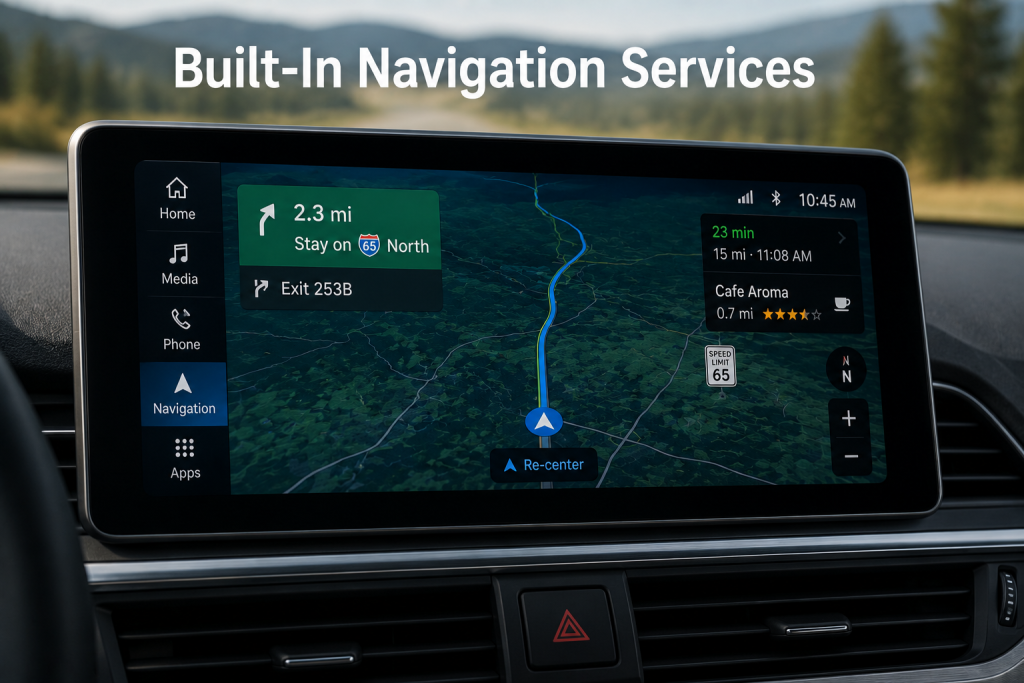
Automakers counter that integrated navigation offers advantages beyond simple directions. Vehicle-specific routing, head-up display integration, instrument-cluster guidance, and seamless communication with onboard systems can create a more cohesive experience than smartphone-based alternatives.
Consumer reactions vary widely. Some owners appreciate the convenience enough to subscribe, while others simply switch to Apple CarPlay or Android Auto after complimentary access expires. The decision often depends on how heavily drivers rely on the vehicle’s native ecosystem.
Regardless of personal preference, navigation services represent one of the clearest examples of a feature evolving from a one-time purchase into an ongoing subscription relationship. What was once permanently included increasingly depends on continued payments to unlock its full potential.
2. Remote Start and Remote Vehicle Controls
The ability to start a vehicle remotely once felt like a straightforward convenience feature. Owners either purchased the option or received it as part of a trim package, and the functionality remained available indefinitely.
Whether warming the cabin during winter or cooling it during summer, remote start quickly became one of the most appreciated everyday technologies.
Connected-car platforms have transformed that simple feature into something more complicated.
Many manufacturers now route remote-start functions through smartphone applications linked to cloud services. Instead of relying solely on a key fob signal, owners can start their vehicles from virtually anywhere with cellular coverage.
Additional functions frequently include door locking, vehicle location tracking, maintenance alerts, fuel-level monitoring, and charging management for electric vehicles.
While these capabilities offer undeniable convenience, they often come with subscription requirements after an introductory period. Drivers may discover that remote access functions stop working unless they enroll in a connected-services package.
The rationale from manufacturers centers on infrastructure costs. Cellular connectivity, application development, cybersecurity measures, and server maintenance all require ongoing investment. Subscription revenue helps support these systems and enables future updates.
Consumers see the situation differently when hardware is already installed in the vehicle. Many argue that paying repeatedly for access to functions they believed they owned feels unnecessary, particularly when remote start itself has existed for decades without recurring charges.
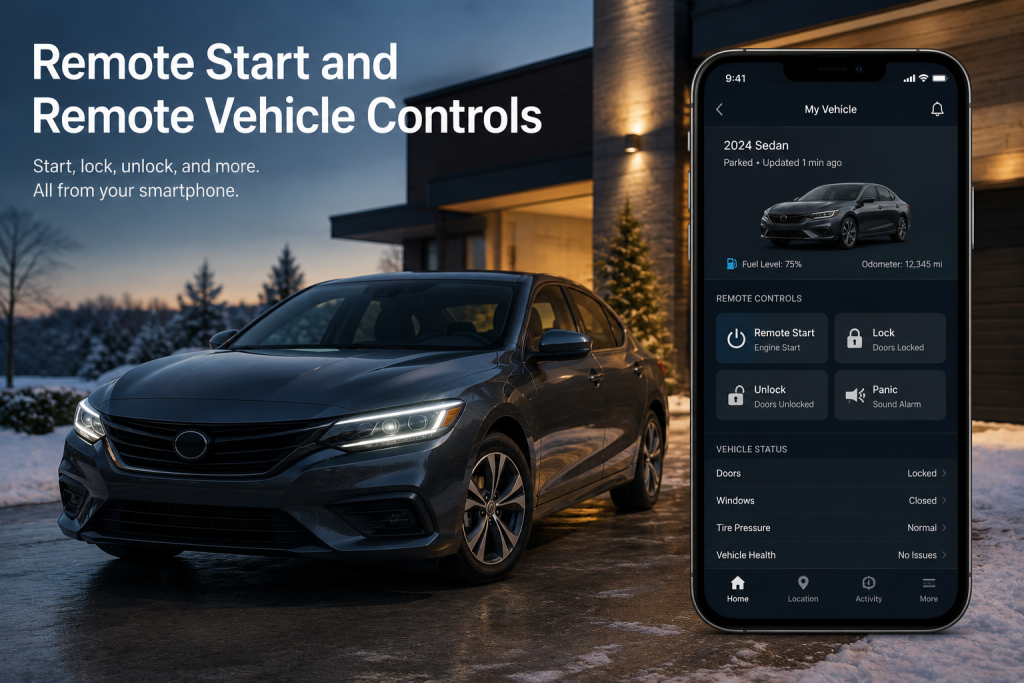
Interestingly, the strongest reactions often emerge when key-fob-based remote start becomes tied to connected-service plans. Buyers tend to accept fees for advanced smartphone features more readily than charges affecting functions historically available without subscriptions.
The issue illustrates a broader shift occurring throughout the industry. Features once defined by physical hardware increasingly depend on software ecosystems and data connectivity. As a result, ownership is becoming partially intertwined with digital service agreements.
Remote start remains extremely popular, and many owners willingly subscribe to the convenience of controlling their vehicles from anywhere. Yet its evolution from a permanent feature to a recurring service highlights how dramatically automotive technology business models have changed in recent years.
3. Real-Time Traffic and Travel Data
Traffic information was once a bonus feature included with premium navigation packages. Drivers purchased a vehicle, activated the navigation system, and enjoyed route guidance without giving much thought to how information reached the screen.
As connected technology matured, however, traffic services became significantly more advanced and significantly more dependent on subscriptions.
Modern systems continuously gather information from millions of data points. Accidents, road closures, construction zones, weather disruptions, and traffic congestion can be identified and transmitted to vehicles in near real time. The result is smarter route planning and reduced travel times.
That level of sophistication requires a substantial digital infrastructure operating behind the scenes. Data must be collected, processed, updated, and distributed continuously. Automakers and technology providers argue that these ongoing expenses justify subscription-based access.
Many owners first encounter the issue when a free trial expires. The navigation screen continues functioning, but advanced traffic overlays, predictive rerouting, and live travel information disappear. The system may still provide directions, yet it no longer offers the same level of intelligence that initially impressed the driver.
This distinction creates an interesting perception challenge. The hardware remains installed, the display remains operational, and the vehicle itself has not changed. Only access to the underlying data stream has been restricted.
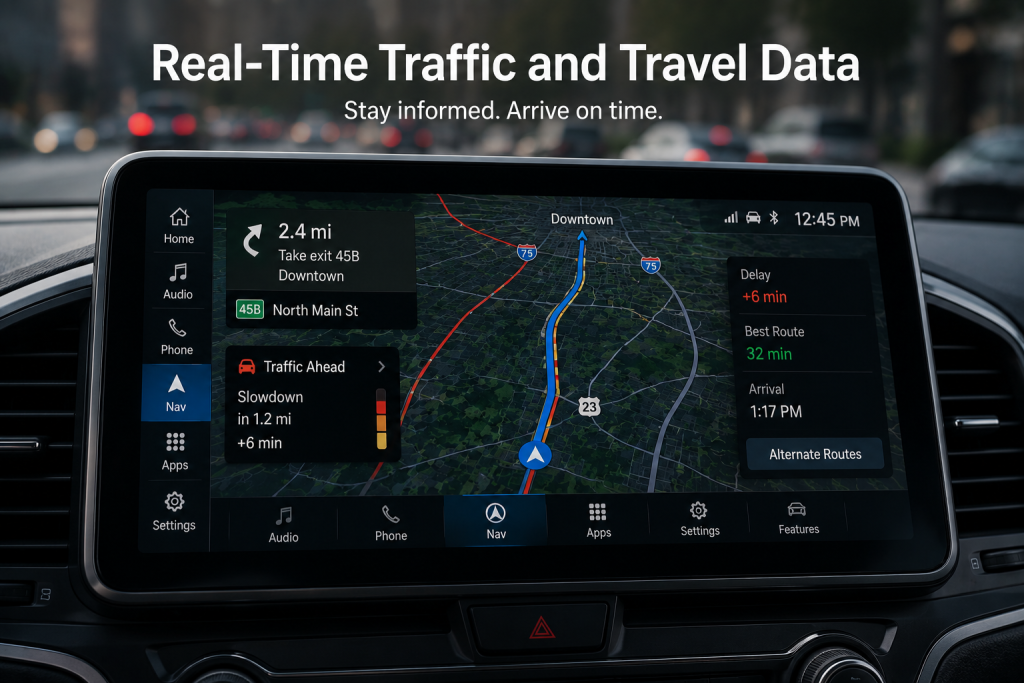
For some consumers, this feels reasonable because the information depends on ongoing services. Others view it as a feature that should remain available after purchase.
The popularity of smartphone navigation applications further complicates the discussion. Many drivers compare subscription-based vehicle systems with mobile apps that provide similar traffic information without a separate automotive fee.
Manufacturers respond by emphasizing deeper integration with vehicle controls, instrument clusters, and head-up displays.
Regardless of the debate, live traffic services have become one of the clearest examples of how connected technology has altered ownership expectations. What once appeared to be a built-in convenience increasingly functions like a digital service requiring periodic renewal.
As vehicles continue evolving into software-driven platforms, real-time traffic data demonstrates how information itself has become a product that manufacturers can package, market, and monetize long after the initial sale.
4. In-Car Wi-Fi Hotspots
A decade ago, internet access and automobiles occupied largely separate worlds. Drivers relied on smartphones for connectivity while vehicles focused on transportation. Today, many new models function as mobile digital hubs capable of providing internet access for passengers through built-in Wi-Fi hotspots.
The concept is undeniably appealing. Families traveling long distances can connect tablets, laptops, gaming devices, and smartphones without relying exclusively on individual cellular plans. Business travelers can work on the move, while passengers enjoy streaming entertainment and online services during road trips.
Although many vehicles include the necessary hardware from the factory, access to data services typically requires a subscription. Buyers often receive a complimentary trial period that showcases the system’s capabilities before monthly or annual fees begin.
Unlike some controversial automotive subscriptions, Wi-Fi services tend to encounter less resistance because consumers already associate internet access with recurring payments. Home broadband, mobile phone plans, and streaming platforms have conditioned users to expect ongoing charges for connectivity.
Even so, the automotive implementation highlights a larger trend. Features increasingly depend on software ecosystems rather than purely mechanical components. The vehicle becomes a gateway to digital services, and those services create opportunities for recurring revenue long after the original transaction.
Manufacturers frequently bundle Wi-Fi access with broader connected-service packages. These plans may include remote vehicle controls, emergency assistance, navigation enhancements, and maintenance notifications. The goal is to create an integrated ownership experience that encourages subscription renewals.
Some owners find substantial value in these systems, particularly families that spend significant time on the road. Others question whether dedicated vehicle hotspots remain necessary when smartphone tethering can accomplish similar tasks.
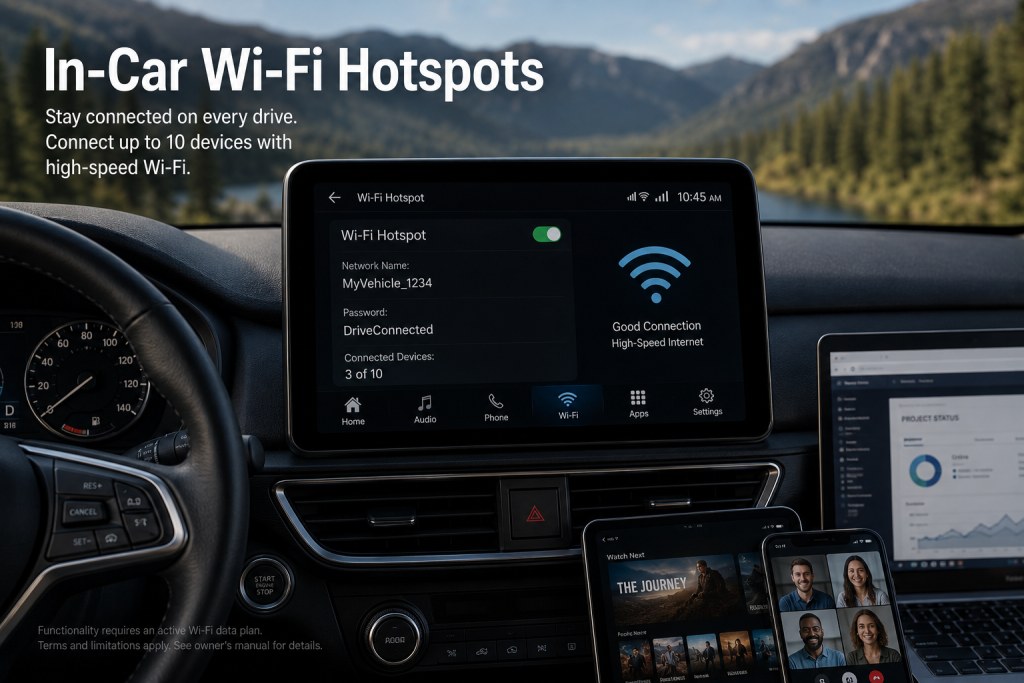
The answer often depends on convenience. Built-in systems can provide stronger signals, support more devices, and operate seamlessly without requiring manual setup during every trip.
Whether viewed as a useful service or an unnecessary expense, in-car Wi-Fi illustrates how vehicles are becoming connected platforms rather than isolated machines. Connectivity has become a feature category of its own, and subscriptions increasingly determine how much of that capability owners can access.
5. Heated Seats and Heated Steering Wheels
Few automotive subscription programs generated as much public discussion as those involving heated seats and heated steering wheels.
For decades, these comfort features represented straightforward equipment options. Buyers paid for them when purchasing a vehicle, and they remained available for as long as the hardware continued functioning.
The controversy emerged when some manufacturers began experimenting with subscription-based access to heating functions that were already physically installed inside the vehicle. The necessary components existed from the factory, but software controls determined whether owners could activate them.
This approach immediately attracted attention because it challenged traditional ideas of ownership. Consumers generally accepted paying recurring fees for connected services that required external infrastructure.
Heated seats felt different. Once the heating elements were installed, many buyers struggled to understand why additional payments should be necessary.
Manufacturers viewed the strategy through another lens. By standardizing hardware across production lines, companies could simplify manufacturing while allowing customers to activate features later if desired. A vehicle could leave the factory fully equipped, with buyers choosing which capabilities they wanted to unlock over time.
From a business perspective, the model offered flexibility. Drivers living in warmer climates might decline the feature initially, but subscribe during colder months. Others could activate comfort options temporarily without committing to a higher trim level at purchase.
Consumer reaction demonstrated the limits of subscription acceptance. While some appreciated the flexibility, many viewed heated-seat subscriptions as crossing a psychological line. The idea of paying repeatedly for hardware already sitting inside the vehicle generated significant criticism across the industry.
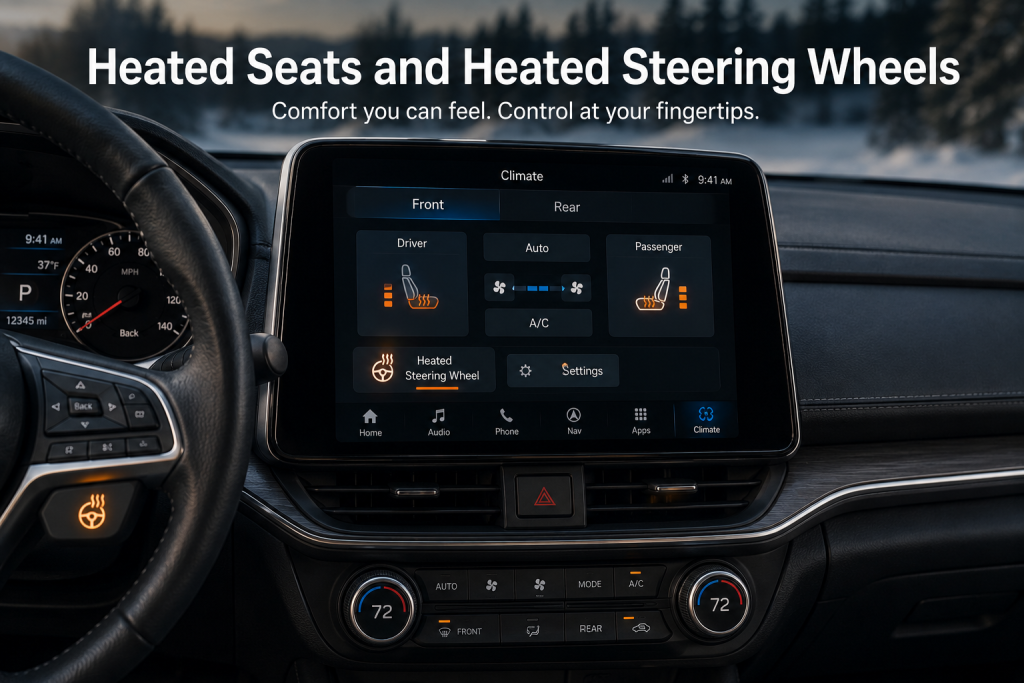
The discussion became larger than the heated seats themselves. It raised broader questions about software-controlled ownership and the extent to which automakers should monetize features after a sale has been completed.
Although several companies have adjusted their strategies in response to customer feedback, heated seats remain one of the most frequently cited examples whenever subscription-based vehicle features are discussed.
The debate highlighted how differently consumers view digital services compared with traditional hardware functions, even when both are controlled through software.
6. Advanced Driver Profiles and Personalization
Modern vehicles remember far more than radio presets. Seats, mirrors, climate settings, navigation preferences, driving modes, ambient lighting configurations, and entertainment choices can now be stored and recalled automatically. Personalization has become a major part of the ownership experience, particularly in premium vehicles.
Vehicle personalization began as a set of built-in conveniences that simply remembered a driver’s preferences once configured. However, as connected ecosystems expanded, these basic capabilities evolved into a much more sophisticated experience.
Today’s systems can synchronize settings across multiple vehicles, store preferences in cloud-based accounts, and follow drivers from one car to another. Some platforms even integrate with digital assistants, smartphone applications, and user profiles linked to manufacturer ecosystems.
Because these services rely on cloud storage and account management infrastructure, automakers increasingly bundle advanced personalization features within subscription packages. Basic memory functions often remain free, while more extensive profile synchronization may require ongoing enrollment.
The distinction can be subtle. Drivers continue using memory seats and saved preferences locally, but enhanced capabilities become unavailable once a subscription expires. Features such as cloud backups, cross-vehicle synchronization, and expanded profile management may disappear despite remaining technically supported by the vehicle.
Supporters argue that these services deliver genuine convenience for households with multiple vehicles or frequent driver changes. Personalized settings can transfer automatically without requiring manual adjustments, creating a seamless experience.
Critics question whether such conveniences justify recurring fees. From their perspective, personalization feels like a natural extension of vehicle ownership rather than a separate digital service. The fact that many functions were historically included without subscriptions strengthens that argument.
Another factor driving adoption is the rise of software-defined vehicles. Manufacturers increasingly view the car as part of a broader digital ecosystem rather than an isolated product. Personalization services help strengthen that connection while creating opportunities for long-term customer engagement.
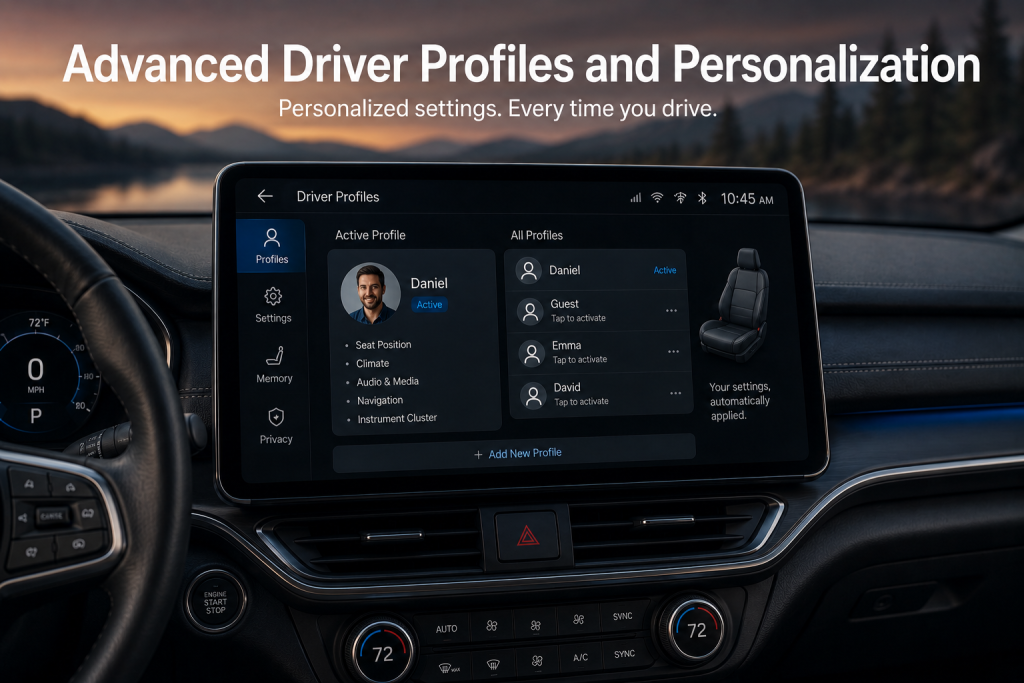
As vehicles become more connected and user-focused, personalization features are likely to gain importance. Their shift toward subscription models shows how even simple convenience functions can evolve into recurring revenue streams within the software-driven automotive industry.
7. Enhanced Voice Assistant Functions
Voice control has progressed dramatically from the days when drivers could only make basic phone calls through their vehicle’s infotainment system.
Modern automotive voice assistants can adjust climate settings, locate destinations, control entertainment features, answer questions, and even interact with smart-home devices. As these systems become more sophisticated, subscriptions have increasingly entered the picture.
Early voice-command systems operated almost entirely within the vehicle. Commands were limited, responses were often rigid, and functionality depended on software installed directly in the car. While not always impressive, these systems generally remained available without recurring fees.
The latest generation functions differently. Many voice assistants now rely on cloud computing, artificial intelligence, and constantly updated databases. Instead of processing every request locally, the vehicle communicates with remote servers that interpret commands and generate responses.
This shift dramatically expands capabilities. Drivers can ask more natural questions, receive detailed answers, and access information that would have been impossible for older systems to provide. The experience feels more conversational and significantly more useful.
Maintaining those capabilities, however, requires ongoing infrastructure. Data centers, software development, security measures, and continuous updates create expenses that manufacturers often offset through subscription plans. As a result, advanced voice features may remain fully functional only while a connected-services package is active.
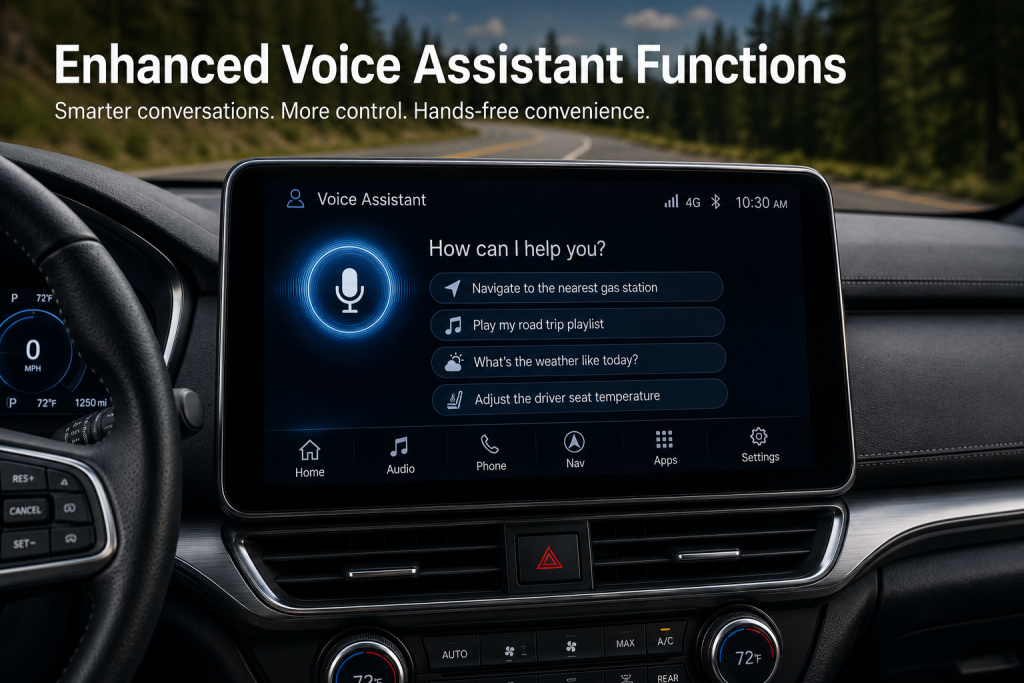
The distinction between basic and premium functionality can vary widely. Simple commands such as changing radio stations may remain available indefinitely, while cloud-powered assistance, real-time information retrieval, and advanced integrations become subscription-dependent.
For many drivers, voice technology has evolved from a novelty into a daily convenience. Hands-free interaction enhances safety and simplifies routine tasks, making these systems more valuable than ever before.
Yet the subscription model continues to raise questions about where manufacturers should draw the line between standard ownership benefits and premium digital services. Consumers who view voice control as a core vehicle function often resist recurring fees, while others see advanced artificial intelligence as a separate service worthy of ongoing support.
The growing importance of voice assistants suggests that this debate will continue for years. As artificial intelligence becomes increasingly integrated into vehicles, subscriptions may play an even larger role in determining which capabilities remain available after the initial purchase.
8. Performance and Driving Mode Upgrades
Perhaps no category demonstrates the changing nature of automotive ownership more clearly than software-enabled performance upgrades. Traditionally, improving a vehicle’s acceleration, handling, or power output required physical modifications. Today, some manufacturers can alter performance characteristics through software alone.
Electric vehicles have accelerated this trend. Since power delivery is managed electronically, manufacturers can unlock additional performance through updates without changing hardware components. Increased acceleration, enhanced launch control functions, and revised driving modes can sometimes be activated digitally.
Certain automakers have begun offering these enhancements as subscription services or paid upgrades. The hardware already exists within the vehicle, but software determines how much of its capability becomes accessible to the owner.
This model creates fascinating possibilities. Drivers can temporarily access additional performance for specific periods, activate features after purchase, or customize their vehicles without visiting a dealership. The flexibility appeals to some consumers who prefer not to pay for maximum performance upfront.
At the same time, the concept remains controversial. Many enthusiasts argue that if a vehicle possesses the physical capability to produce a certain level of performance, owners should have unrestricted access after purchasing the car.
The notion of paying repeatedly to unlock horsepower or acceleration improvements feels fundamentally different from subscribing to a connected service.
Manufacturers often defend the approach by emphasizing customer choice. Instead of forcing every buyer to purchase the highest-performance configuration, software-based upgrades allow individuals to tailor vehicles according to their preferences and budgets.
The debate highlights a significant shift in automotive design philosophy. Vehicles increasingly arrive with capabilities that exceed what owners initially have access to. Software determines the final experience, creating opportunities for features to be activated, modified, or monetized long after production.
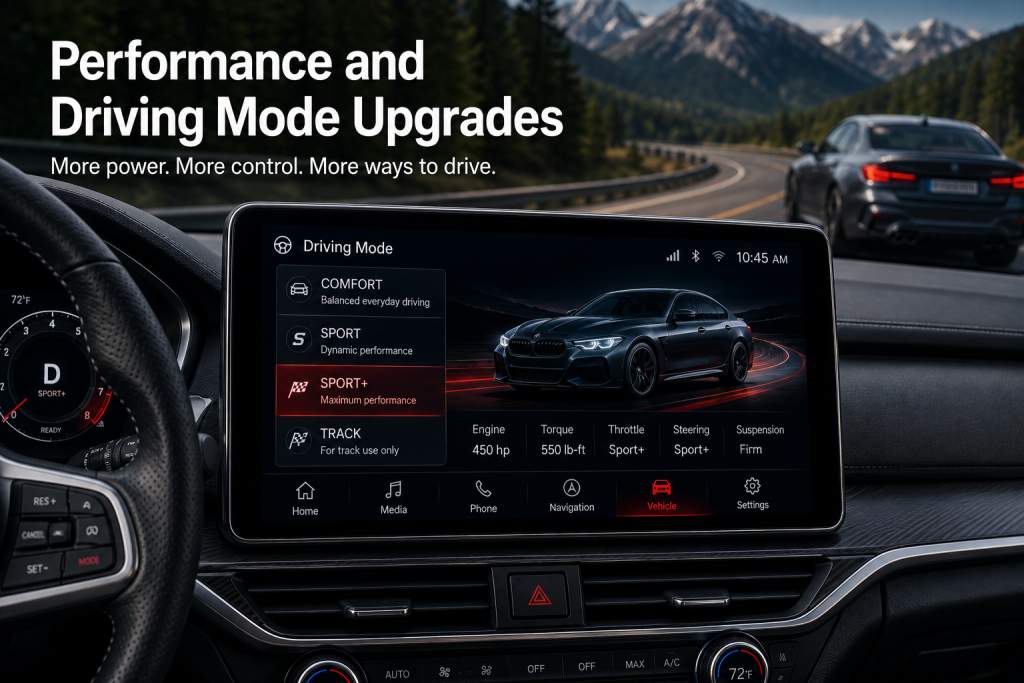
Performance subscriptions remain relatively new compared with navigation or connectivity services, but they represent a view into the future of software-defined vehicles. As technology continues advancing, software may become just as important as mechanical hardware in shaping what a car can do.
9. Over-the-Air Software Feature Packages
Over-the-air updates were originally introduced as a convenient way to fix software bugs and improve vehicle systems without requiring a dealership visit.
Owners appreciated the ability to receive improvements automatically, much like updating a smartphone or computer. What began as a maintenance tool has gradually evolved into a platform for delivering entirely new features, many of which are now tied to subscriptions.
Modern vehicles contain dozens of computers controlling everything from infotainment systems to driver-assistance technology.
Because these systems are software-driven, manufacturers can add capabilities long after the vehicle leaves the factory. New interfaces, additional entertainment functions, enhanced navigation tools, and expanded convenience features can all be delivered remotely.
The business opportunity quickly became obvious. Instead of treating software updates solely as maintenance, automakers began packaging certain enhancements as premium services. Customers might receive a vehicle with hardware already installed, but gain access to additional capabilities only through a paid subscription or digital purchase.
Supporters argue that this approach benefits consumers because vehicles can improve over time rather than becoming technologically outdated. Owners can choose which features matter most without paying for everything upfront. The flexibility allows buyers to customize their experience according to changing needs.
Critics point out that many of these capabilities depend on hardware included in the original purchase price. From their perspective, restricting access through software creates an artificial barrier between the owner and the vehicle they already purchased.
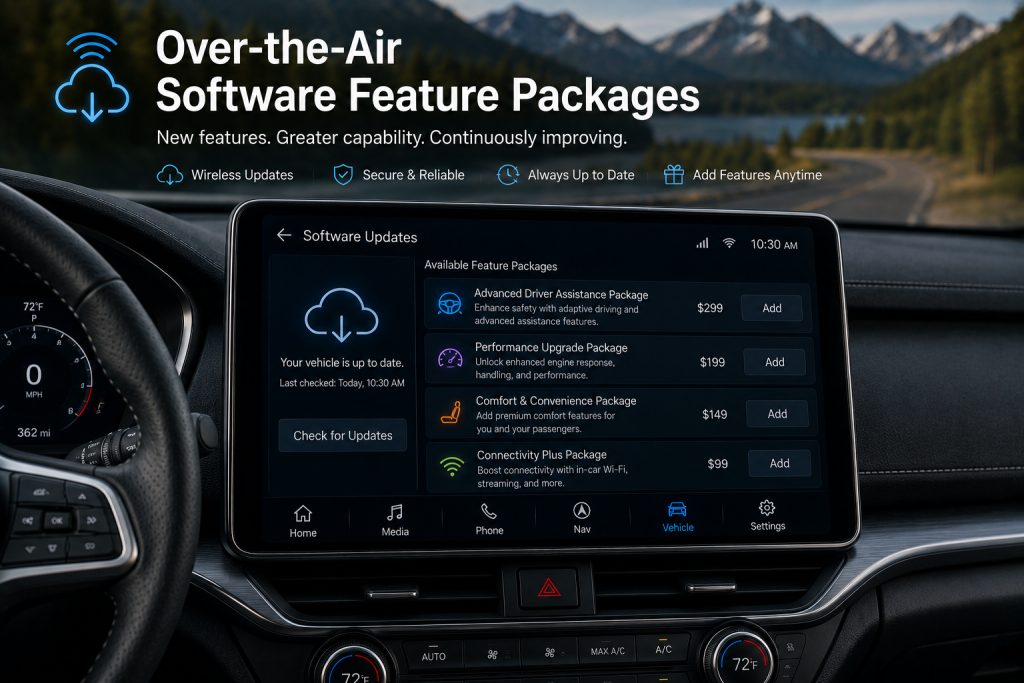
The trend reflects a broader transformation occurring across the automotive industry. Vehicles are increasingly viewed as evolving software platforms rather than fixed products. Features can be added, removed, updated, or monetized throughout the ownership period.
As software becomes more central to vehicle operation, subscription-based feature packages are likely to expand. What was once a simple update mechanism has become one of the industry’s most important tools for generating ongoing revenue while continuously reshaping the ownership experience.
10. Premium Audio and Entertainment Services
Music and entertainment have always played a major role in the driving experience. Premium sound systems were traditionally sold as one-time upgrades that remained fully functional throughout the vehicle’s life.
Buyers paid extra for better speakers, stronger amplifiers, and improved audio quality, then enjoyed those benefits without additional charges. The connected-car era has introduced a different model.
Today’s infotainment systems integrate streaming platforms, cloud-based media libraries, podcasts, live content services, and personalized entertainment recommendations.
Access to these features often depends on data connectivity and partnerships between automakers and content providers. As a result, many advanced entertainment services now sit behind subscription paywalls.
In some vehicles, owners receive complimentary access for a limited period after purchase. During this trial, they can enjoy premium streaming options, expanded content libraries, and enhanced entertainment experiences. Once the trial expires, continued access requires a monthly or annual payment.
Entertainment fees in vehicles rarely spark the same controversy as heated-seat subscriptions. This acceptance stems from daily life, where music platforms, video subscriptions, and digital content memberships have already accustomed consumers to the concept of recurring streaming payments.
The automotive environment adds a unique dimension. Drivers often view infotainment systems as integral parts of the vehicle rather than separate services. When entertainment features become restricted after purchase, some owners feel that functionality is being removed rather than offered as an optional upgrade.
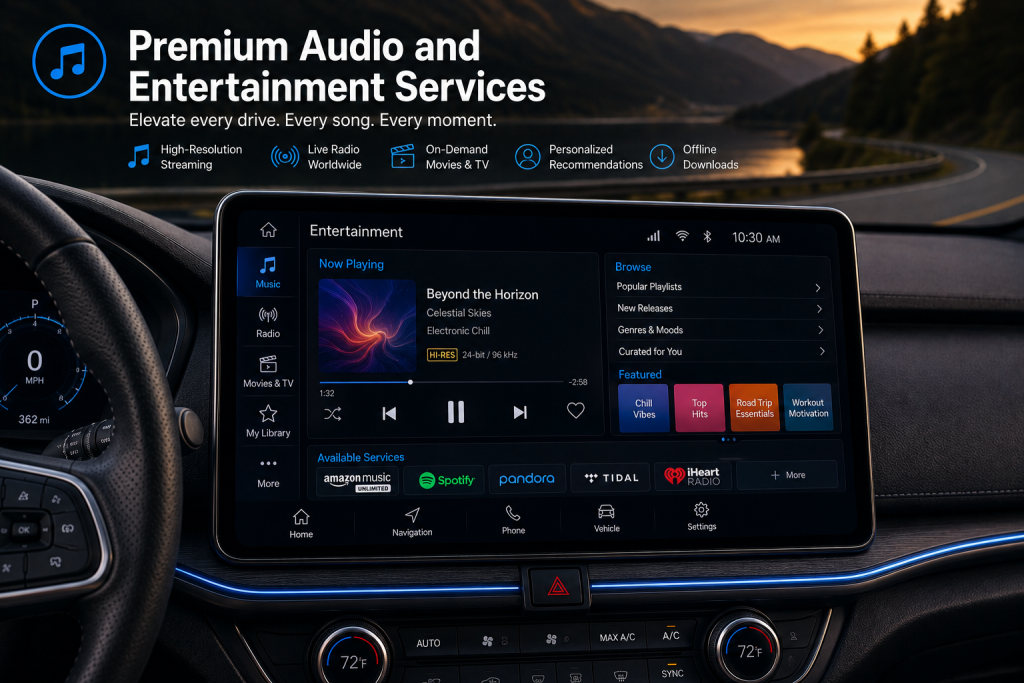
Manufacturers see entertainment subscriptions as a natural extension of connected technology. The recurring revenue helps support software development, content licensing, and system improvements while allowing new features to be introduced throughout ownership.
The rising importance of digital media suggests that entertainment subscriptions will continue to be a major feature in the automotive space. As vehicles become more connected and software-driven, access to premium content is likely to become as standard as traditional add-ons like upgraded sound systems or navigation packages.
Also Read: 8 Engines That Cross 250K Miles On Standard Maintenance Alone
