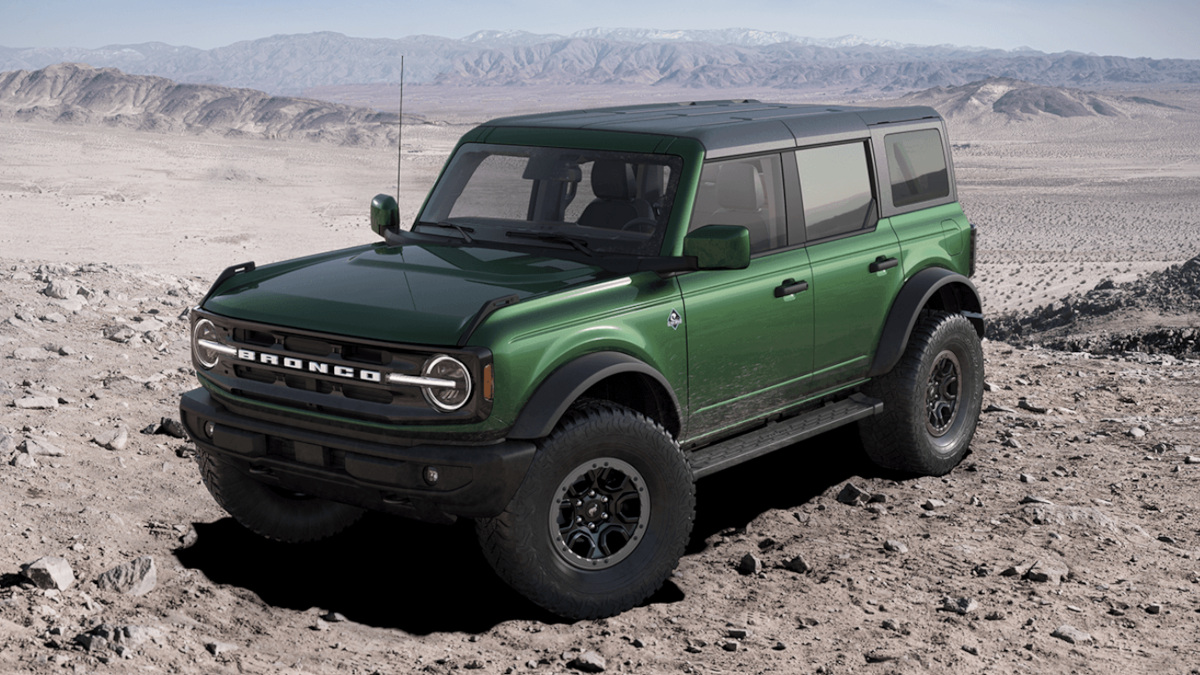
Ford has issued one of the automotive industry’s most serious types of safety recalls, urging owners of thousands of Maverick pickups and Bronco Sport SUVs to stop driving their vehicles immediately until repairs can be completed.
The “Do Not Drive” recall affects 4,653 vehicles in the United States and stems from concerns involving a previously repaired battery issue that could create a significant safety risk.
Such warnings are relatively rare and are generally reserved for situations where manufacturers believe continued vehicle operation could increase the likelihood of a crash, injury, or other serious incident.
The recall comes as Ford continues addressing a series of safety campaigns across its lineup, including larger recalls involving seat belts and software-related issues. While the number of vehicles affected in this case is relatively small, the urgency of the warning makes it one of the company’s most significant recent recall actions.
Ford is advising affected owners to stop driving their vehicles until the issue has been inspected and the necessary repairs have been completed.
Also Read: Ford Recalls Nearly 420,000 Vehicles Over Seat Belt Problem
Why Ford Is Telling Owners to Stop Driving
Most recalls allow owners to continue using their vehicles until repairs are scheduled. A “Do Not Drive” notice is different.
Manufacturers issue these warnings only when they believe a defect presents an immediate safety concern. In this case, Ford determined that certain vehicles may not have received proper repairs during an earlier recall campaign involving battery systems.
According to reports surrounding the recall, some vehicles may contain battery defects that were not correctly addressed during previous service work. As a result, the vehicles could face an increased risk of battery failure or related safety issues.
Because of the potential consequences, Ford has taken the unusual step of instructing owners to stop driving the affected vehicles entirely until dealers can inspect and repair them.
The decision underscores the seriousness of the problem and the company’s desire to minimize risks before any incidents occur.
Maverick and Bronco Sport Among Ford’s Most Popular Models
The recall affects two vehicles that have become increasingly important to Ford’s North American lineup.
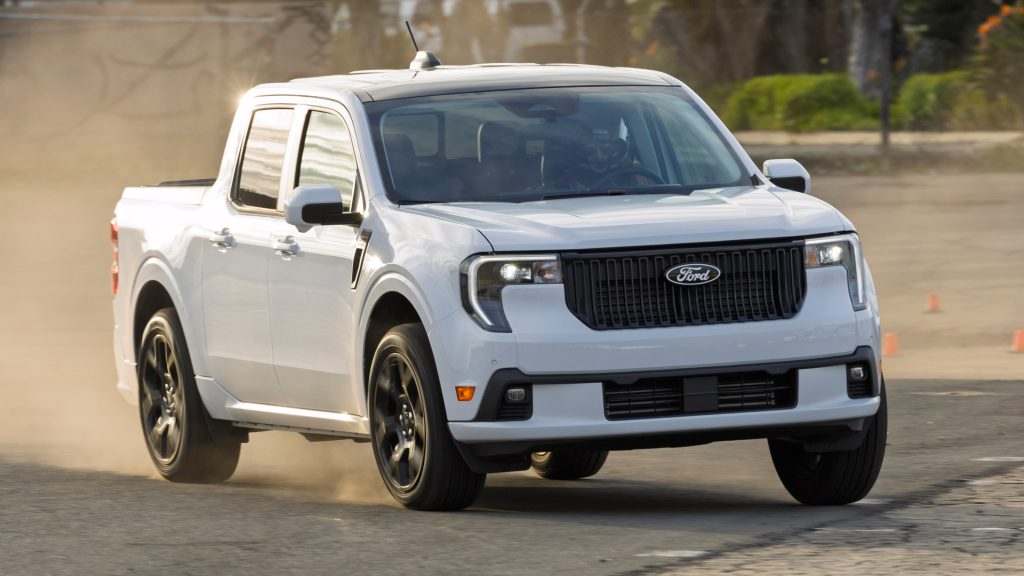
The Maverick has emerged as one of the company’s biggest success stories in recent years. Its combination of compact dimensions, practical utility, and relatively affordable pricing has helped attract a broad range of customers, including many first-time truck buyers.
Meanwhile, the Bronco Sport has carved out a strong position in the compact SUV segment by combining rugged styling with everyday usability.
Both vehicles share elements of Ford’s compact vehicle architecture and have generated strong sales since their introductions.
Although the affected population represents only a small fraction of total production, the recall impacts models that play an important role in Ford’s growth strategy.
For owners, the recall may be frustrating, but safety experts generally emphasize that responding promptly to “Do Not Drive” notices is essential.
How the Problem Developed
One aspect that makes this recall unusual is its connection to an earlier repair campaign. Rather than identifying a completely new defect, Ford discovered that some vehicles may not have been properly repaired during a previous recall.
In situations like these, manufacturers often conduct additional investigations to determine whether repair procedures were followed correctly and whether affected vehicles remain at risk.
The issue highlights one of the challenges associated with large-scale recall campaigns. Even when manufacturers identify a defect and develop a repair solution, ensuring consistent execution across thousands of vehicles and hundreds of dealerships can be a complex process.
When concerns emerge regarding repair quality or effectiveness, automakers sometimes need to launch additional actions to ensure the original problem has truly been resolved. That appears to be the case here.
Ford’s latest action is intended to identify vehicles that may still contain unresolved issues and ensure they receive the appropriate corrective measures.
Dealers Will Handle Repairs
Owners of affected vehicles will be contacted with instructions regarding inspections and repairs.
Ford dealers are expected to inspect the affected models and perform any necessary corrective work at no cost to customers. Given the seriousness of the warning, dealerships will likely prioritize appointments for affected owners.
In many “Do Not Drive” situations, manufacturers also work to minimize inconvenience by providing transportation assistance or other accommodations while repairs are completed.
The exact process may vary depending on location and dealer availability, but Ford’s primary objective is to remove potentially unsafe vehicles from operation as quickly as possible.
Owners are encouraged to respond immediately once they receive notification. Ignoring a recall of this nature can expose drivers and passengers to unnecessary risk.
Recalls Remain a Key Industry Safety Tool
While recalls often generate negative headlines, safety experts note that they remain one of the most important mechanisms for identifying and correcting vehicle defects.
Modern vehicles contain thousands of components and increasingly sophisticated software systems. Despite extensive testing, issues occasionally emerge after vehicles enter real-world service.
When that happens, manufacturers work with regulators to identify affected vehicles and develop solutions.
The severity of recall actions can vary considerably. Some involve minor software updates or equipment adjustments. Others address critical systems such as brakes, steering, airbags, or batteries.
“Do Not Drive” recalls sitting at the most serious end of that spectrum. They are uncommon precisely because manufacturers reserve them for situations where immediate action is considered necessary.
Ford Faces Ongoing Recall Scrutiny
Like many major automakers, Ford has dealt with numerous recalls in recent years as vehicles become more technologically complex.
The company has launched campaigns involving powertrain systems, software updates, safety equipment, and electrical components. Industry-wide, automakers are facing similar challenges as vehicles incorporate increasing amounts of technology and connectivity.
The latest recall demonstrates how manufacturers continue monitoring vehicles even after previous repairs have been completed.
Discovering that some vehicles may not have received effective fixes can be frustrating for both customers and automakers, but identifying those cases remains an important part of the safety process.
Ford’s decision to issue a “Do Not Drive” warning suggests the company views the matter as requiring immediate attention rather than routine follow-up service.
Owners Should Act Quickly
For the 4,653 owners affected by the recall, the next steps are clear. Ford is advising customers to stop driving the affected Maverick and Bronco Sport models and contact their dealer as soon as possible to arrange inspections and repairs.
While the inconvenience may be significant, the company’s use of a “Do Not Drive” designation reflects the seriousness of the potential safety concerns.
The recall serves as a reminder that safety campaigns should never be ignored, particularly when they involve critical vehicle systems.
Although only a small number of vehicles are affected, the consequences of leaving the issue unaddressed could be far more significant. By acting quickly and completing the required repairs, owners can help ensure their vehicles operate safely and as intended.
For Ford, the priority now is identifying every affected vehicle and completing the necessary repairs before the problem results in any incidents on the road.
Also Read: Modern Mustangs Are Faster Than Ever And More Boring Than Ever