
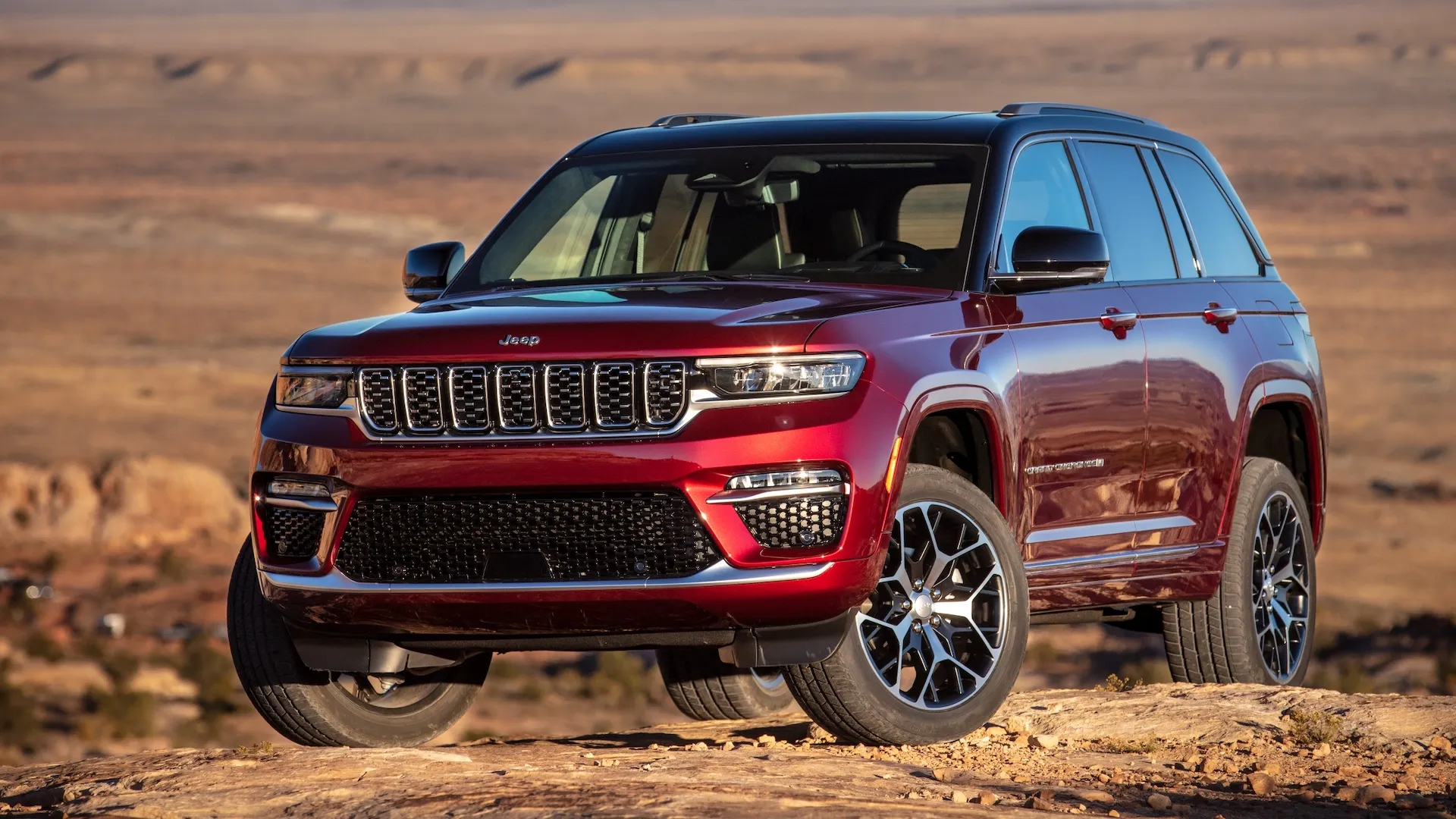
Stellantis has announced a major safety recall affecting more than 419,000 Jeep Grand Cherokee SUVs in the United States, addressing a software issue that could interfere with the deployment of side airbags during certain crash situations.
The recall impacts both Jeep Grand Cherokee and Grand Cherokee L models and represents one of the largest safety campaigns involving the brand this year.
While the problem stems from software rather than a physical component failure, federal safety regulators and the automaker consider the issue serious enough to require corrective action.
As modern vehicles become increasingly dependent on software systems, recalls involving electronic controls have become more common across the automotive industry. The latest Jeep campaign serves as another example of how software can directly influence critical safety features, including airbag operation.
Fortunately for owners, the repair process is expected to be relatively straightforward compared with traditional recalls involving mechanical components.
Also Read: Ford Recalls Nearly 420,000 Vehicles Over Seat Belt Problem
The Problem Involves Side-Airbag Deployment
According to recall information released by Stellantis, the issue originates within the vehicle’s Occupant Restraint Controller software.
The software may incorrectly process information under certain circumstances, potentially preventing side curtain airbags from deploying when they are needed during a crash. Airbags are among the most important safety systems in modern vehicles, designed to work alongside seat belts to help protect occupants from serious injuries.
When any defect affects airbag performance, manufacturers and regulators typically move quickly to address the problem.
The National Highway Traffic Safety Administration considers airbag-related issues particularly important because proper deployment can significantly influence occupant protection during collisions.
While Stellantis has not reported widespread incidents linked to the defect, the company determined that corrective action was necessary to ensure the vehicles meet intended safety standards.
The recall is therefore being conducted as a precautionary measure aimed at eliminating any potential risk.
More Than 419,000 Vehicles Affected
The scale of the recall reflects the popularity of the Grand Cherokee lineup. With 419,035 vehicles included, the campaign affects a substantial number of SUVs currently on American roads. The Grand Cherokee remains one of Jeep’s best-selling models and plays a crucial role within Stellantis’ North American portfolio.
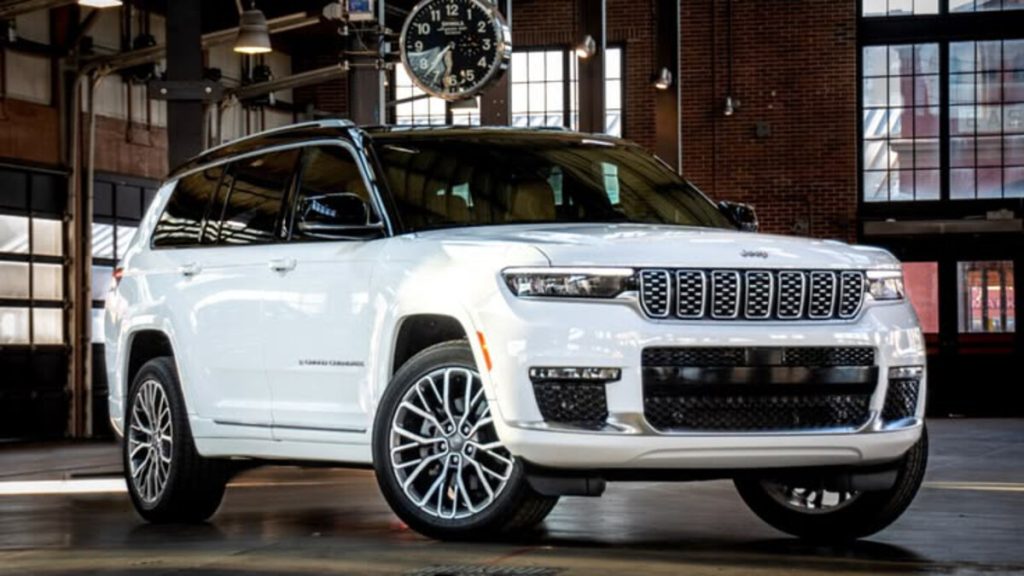
The affected population includes both the standard two-row Grand Cherokee and the three-row Grand Cherokee L, broadening the reach of the recall.
Large recalls involving high-volume models are not unusual in today’s automotive industry. Vehicles are often produced over multiple years using shared software systems and components, meaning a single issue can affect hundreds of thousands of units.
Although the number sounds significant, not every vehicle is expected to experience the problem.
Manufacturers typically recall all potentially affected vehicles to ensure complete coverage and eliminate uncertainty.
Software Continues to Reshape Vehicle Safety
The recall highlights how modern vehicle safety systems have evolved. In previous decades, recalls often focused on mechanical failures involving brakes, steering systems, suspension components, or engine parts. Today’s vehicles still rely on those traditional systems, but software now controls many critical functions as well.
Airbags are no exception. Modern restraint systems use sophisticated software algorithms to determine when and how airbags should deploy.
Sensors throughout the vehicle collect information about crash severity, impact location, occupant status, and other variables before communicating with control modules that make split-second decisions.
This technology has helped improve vehicle safety considerably. At the same time, it has introduced new challenges.
A software error can sometimes create problems even when all physical components are functioning properly. As a result, automakers increasingly issue recalls aimed at correcting digital faults rather than replacing broken hardware. The Jeep campaign fits squarely within that trend.
Dealers Will Update the Software
Unlike recalls involving defective mechanical parts, this repair does not require major component replacements.
Stellantis has indicated that dealers will update the Occupant Restraint Controller software free of charge. Once the revised software is installed, the system should operate as intended and eliminate the potential airbag deployment issue.
For owners, software recalls are often less disruptive than traditional repairs. The process can typically be completed relatively quickly during a dealership visit. In some cases across the industry, manufacturers have even begun using over-the-air updates to address software-related defects remotely.
However, airbag system updates frequently continue to require dealership involvement because of the importance of verifying proper operation after installation.
Owners will receive official notification letters explaining how to schedule service appointments.
Jeep Grand Cherokee Remains a Key Product
The timing of the recall comes as Jeep continues investing heavily in the future of the Grand Cherokee lineup.
The SUV remains one of the brand’s most important vehicles, serving as a cornerstone of its sales strategy in North America. Available in multiple configurations and powertrain options, the Grand Cherokee appeals to a broad range of buyers seeking capability, comfort, and practicality.
Because of its importance, maintaining customer confidence is essential. Large recalls can create negative publicity, but automotive analysts often note that how manufacturers respond to problems can be just as important as the defects themselves.
By identifying the issue and launching a recall before widespread incidents occur, Stellantis is following the standard industry approach to safety-related concerns. The company has emphasized that repairs will be performed at no cost to customers.
Airbag Recalls Are Taken Seriously
Among all automotive safety systems, airbags receive particularly close attention from regulators and manufacturers.
The reason is simple: these systems are designed to function during the most critical moments of vehicle operation. Any issue that could affect deployment performance is therefore treated with a high level of urgency.
Over the past two decades, airbag-related recalls have become some of the largest and most significant campaigns in automotive history.
While the Jeep recall is far smaller than some previous industry-wide airbag actions, it reflects the same commitment to ensuring occupant protection systems perform as intended.
Safety experts generally advise owners not to ignore such recalls, even if their vehicles appear to be functioning normally.
Many airbag-related defects remain invisible during everyday driving and only become apparent under crash conditions.
Owners Should Check Recall Status
Jeep owners are encouraged to determine whether their vehicles are included in the recall and schedule repairs promptly if necessary.
Manufacturers typically notify affected customers directly, but owners can also verify recall status through dealership networks and federal safety databases using their vehicle identification number.
Completing recall repairs helps ensure that all safety systems function correctly if they are ever needed.
Because the issue involves software, the repair process is expected to be relatively straightforward compared with more complex mechanical recalls. Still, timely action remains important.
Another Example of the Software-Defined Vehicle Era
The recall of 419,035 Jeep Grand Cherokee SUVs illustrates how software has become deeply integrated into modern vehicle safety systems.
What might once have required a redesigned component now often requires a revised software calibration. While that shift has enabled automakers to introduce more advanced features and capabilities, it has also created new responsibilities when defects are identified.
In this case, Stellantis determined that a software fault could affect side-airbag deployment and responded with a large-scale recall designed to eliminate the risk.
For owners, the repair should be relatively simple. For the industry, the recall serves as another reminder that software now plays a role in nearly every aspect of vehicle operation, including some of the systems responsible for protecting occupants during a crash.
As vehicles continue becoming more technologically sophisticated, recalls like this are likely to become an increasingly familiar part of automotive ownership.
Also Read: Redesigned Toyota RAV4 Goes Hybrid-Only for the New Generation
