
Cars from the 2000s are increasingly becoming collectible as they move from everyday used vehicles to sought-after classics. This shift is driven by growing nostalgia, shrinking availability, and rising appreciation for their driving experience and engineering. Many models from this era featured manual transmissions, naturally aspirated engines, and a focus on driver engagement, qualities that are becoming rare in modern cars.
Collectibility is influenced not just by performance, but also rarity, cultural impact, innovation, and emotional appeal. Vehicles that introduced new technology or marked the end of a design era are especially valued. As time passes, well-preserved, low-mileage examples become harder to find due to heavy use or modifications. Even once-affordable enthusiast cars are gaining attention, as original buyers and new collectors drive demand and values higher across the market.
Also Read: 10 Standard Features Quietly Moved Behind a Subscription
1. Honda S2000
Its reputation as a collectible sports car comes less from raw power figures or exclusivity and more from a deeply focused engineering approach and an engaging on-road character. The experience is centered around a naturally aspirated four-cylinder engine that thrives on high revs, encouraging drivers to extract performance through skill rather than relying on displacement alone.
What makes it stand out even more is the way it sustains extremely high engine speeds while still delivering the long-term dependability associated with Honda engineering. This blend of high-revving excitement and mechanical reliability creates a driving feel that is increasingly rare in modern performance cars, helping it secure lasting admiration among enthusiasts.
Beyond the engine, the S2000’s chassis plays a major role in its reputation. Precise steering, near-perfect weight distribution, and sharp handling make it one of the most respected driver’s cars ever produced by Honda. Even today, it is frequently praised for its balance and responsiveness, often standing out against more modern but less engaging performance cars.
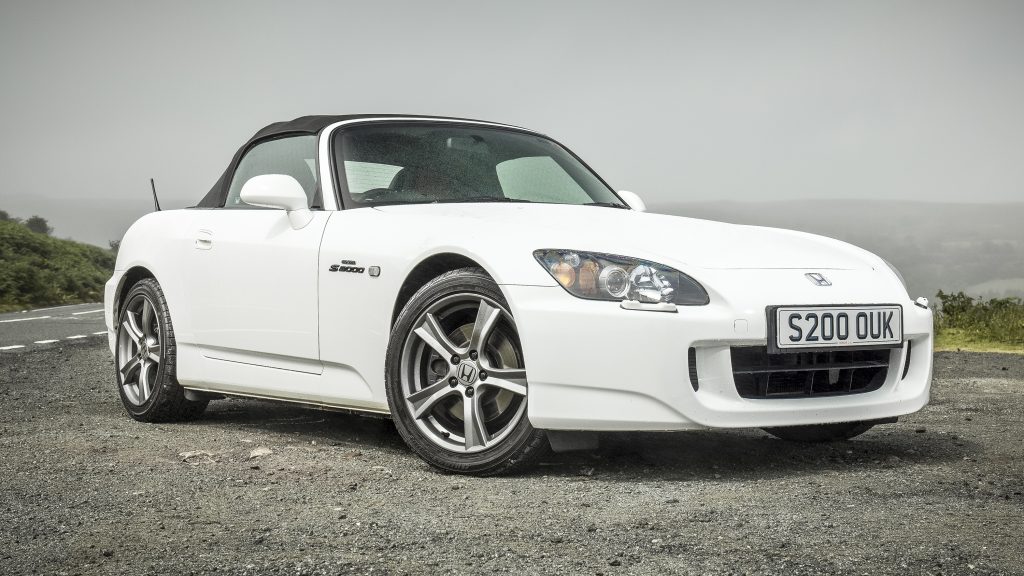
Collector interest continues to grow as well-preserved, unmodified examples become harder to find. Many were heavily driven, modified, or used on track, reducing the number of original-condition cars. As a result, clean low-mileage models now command significantly higher values.
Strong brand loyalty toward Honda further enhances its appeal, with the S2000 representing one of the company’s most iconic achievements. Its combination of usability, reliability, and driving excitement ensures lasting demand among enthusiasts and collectors alike.
Specifications
- Engine: 2.0L Naturally Aspirated Inline-4
- Torque: 153 lb-ft
- Horsepower: 240 hp
- Length/Width: 162.2 in / 68.9 in
2. BMW Z8
The BMW Z8 stands out as a purpose-built halo car designed to honor BMW’s heritage while showcasing the advanced engineering of its time. Its long-term appeal comes from a rare combination of striking design, strong performance, exclusivity, and cultural significance, which has helped it evolve into one of the most desirable collector cars from the 2000s.
Its styling, heavily inspired by the classic BMW 507, blends retro cues with modern proportions, resulting in a design that has aged exceptionally well. Unlike many vehicles from its era, it continues to look fresh and instantly recognizable decades later, strengthening its appeal among collectors.
Performance is anchored by the S62 V8 engine shared with the E39 M5, delivering naturally aspirated power, sharp throttle response, and an engaging soundtrack that reflects a disappearing era of high-performance engines. This mechanical character is increasingly valued in today’s turbocharged market.
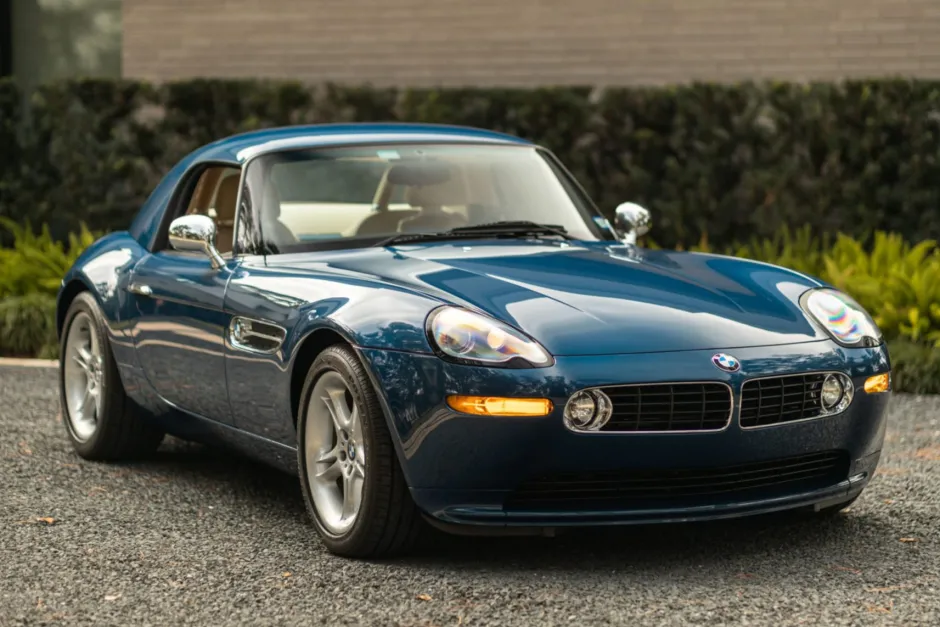
Limited production numbers enhance its rarity, ensuring strong demand as interest in 2000s performance cars grows. Its appearances in popular media and connection to BMW’s performance legacy further deepen its cultural relevance.
The driving experience remains relatively analog, emphasizing engagement over digital intervention. This balance of usability and driver focus has helped push auction prices well above original levels, confirming its status as a firmly established modern classic.
Specifications
- Engine: 4.9L Naturally Aspirated V8
- Torque: 369 lb-ft
- Horsepower: 394 hp
- Length/Width: 173.2 in / 72.2 in
3. Acura NSX (Second Generation NA2)
Its collectible status is driven less by rarity alone and more by its role as the concluding chapter of a landmark sports car lineage. This generation refined a formula that had already reshaped expectations of the supercar segment, proving that high performance could coexist with everyday usability and dependable engineering.
By combining exotic-level capability with the practicality and reliability typically associated with Honda, it reinforced a unique philosophy that set it apart from many rivals of its time. As the final iteration of this celebrated platform, it represents the culmination of years of development focused on balance, precision, and accessibility in a high-performance package.
A key development in this generation was the upgraded 3.2-liter V6 engine paired with a six-speed manual transmission. This setup delivered a highly mechanical and engaging driving experience, emphasizing precision and driver connection rather than outright acceleration figures. While modern supercars may outperform it in speed, few match its sense of involvement.
Its aluminum construction also plays a major role in its legacy. At a time when steel-bodied designs were still common, its lightweight structure demonstrated advanced engineering that improved balance, handling, and efficiency, reinforcing its technical importance.
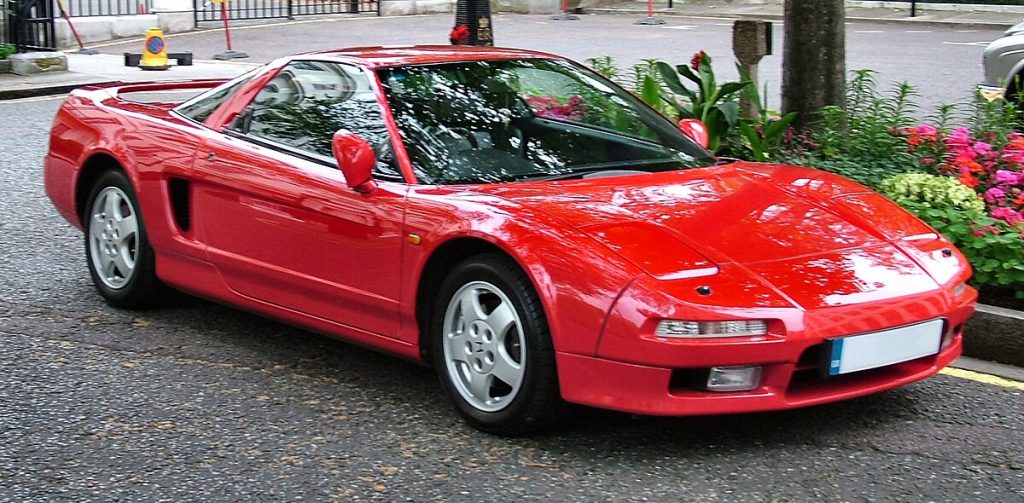
Collector interest has grown as original, unmodified examples become increasingly rare. Many cars were heavily driven or modified, reducing the supply of preserved examples. At the same time, shifting appreciation for Japanese performance cars has elevated the NSX’s status, placing it alongside Europe’s most respected classics.
Rising values reflect this changing perception, as enthusiasts now recognize it not just as a capable sports car, but as a historically significant automotive icon.
Specifications
- Engine: 3.2L Naturally Aspirated V6
- Torque: 224 lb-ft
- Horsepower: 290 hp
- Length/Width: 174.4 in / 71.3 in
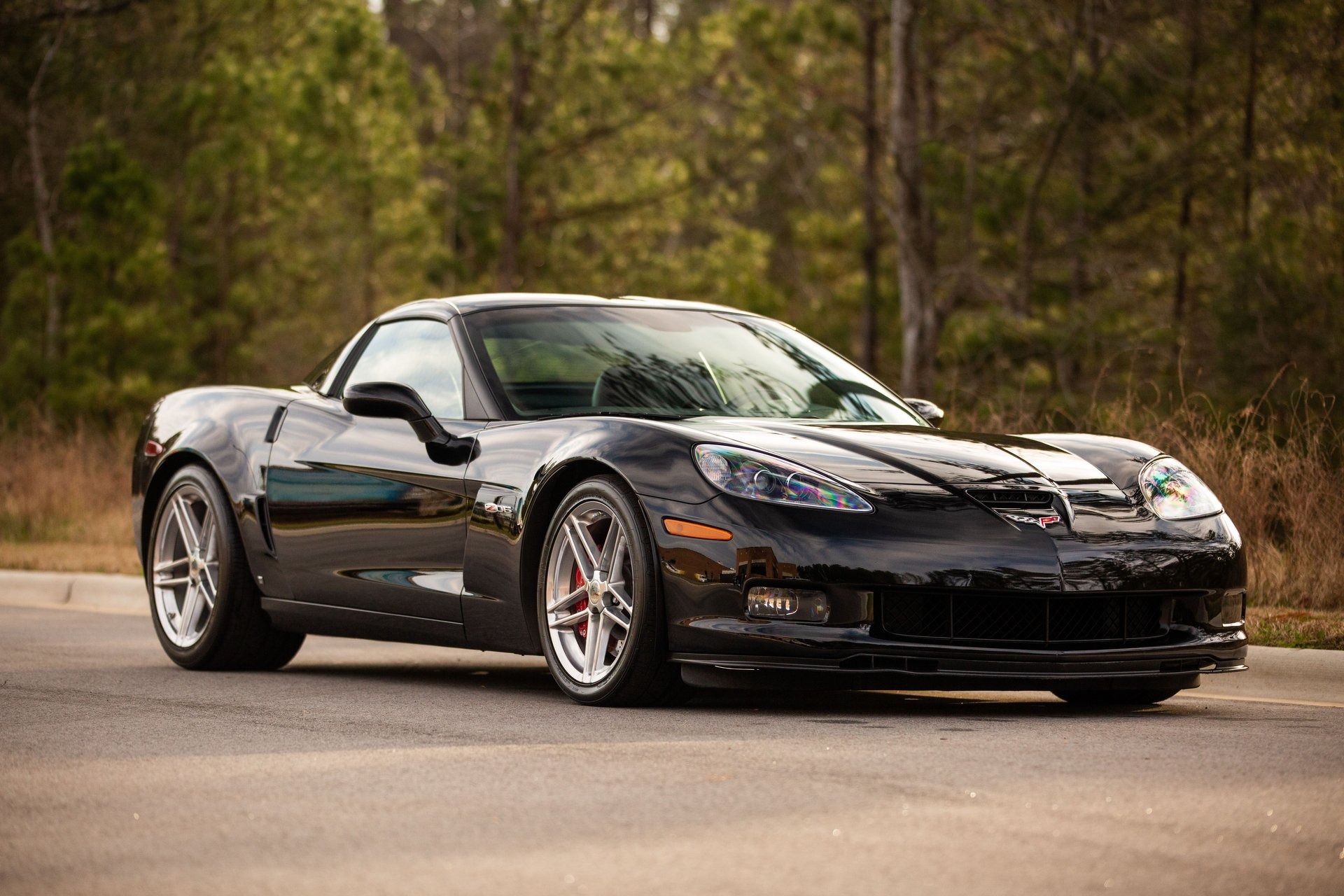
4. Chevrolet Corvette Z06 (C6)
The Chevrolet Corvette Z06 arrived with a simple mission: deliver world-class performance without the six-figure price tag associated with many European rivals. It succeeded so convincingly that collectors are now taking notice.
Unlike some collectible cars that rely heavily on nostalgia, the C6 Z06 earns admiration through measurable achievements. Its performance figures remain impressive even by modern standards. The lightweight chassis, aggressive suspension tuning, and powerful V8 engine created a package capable of competing with much more expensive machinery.
At the center of the car’s appeal sits the legendary 7.0-liter LS7 V8. This naturally aspirated engine remains one of the most celebrated powerplants General Motors has ever produced. Its combination of displacement, responsiveness, and character gives the Z06 a personality that modern turbocharged performance cars often struggle to replicate.
The car’s track capabilities further strengthen its reputation. Enthusiasts quickly discovered that the Z06 could perform at an exceptionally high level while remaining relatively affordable to maintain. This practicality encouraged owners to drive their cars hard, which in turn reduced the number of pristine examples available today.
Collector interest has increased because the LS7 represents a unique chapter in Corvette history. Large-displacement naturally aspirated engines are becoming increasingly uncommon, making the Z06 feel more special with each passing year.
The styling also helps. While some early-2000s designs now appear dated, the C6 Corvette retains a purposeful and attractive appearance. Its proportions remain instantly recognizable, and the Z06-specific details distinguish it from standard models without appearing excessive.
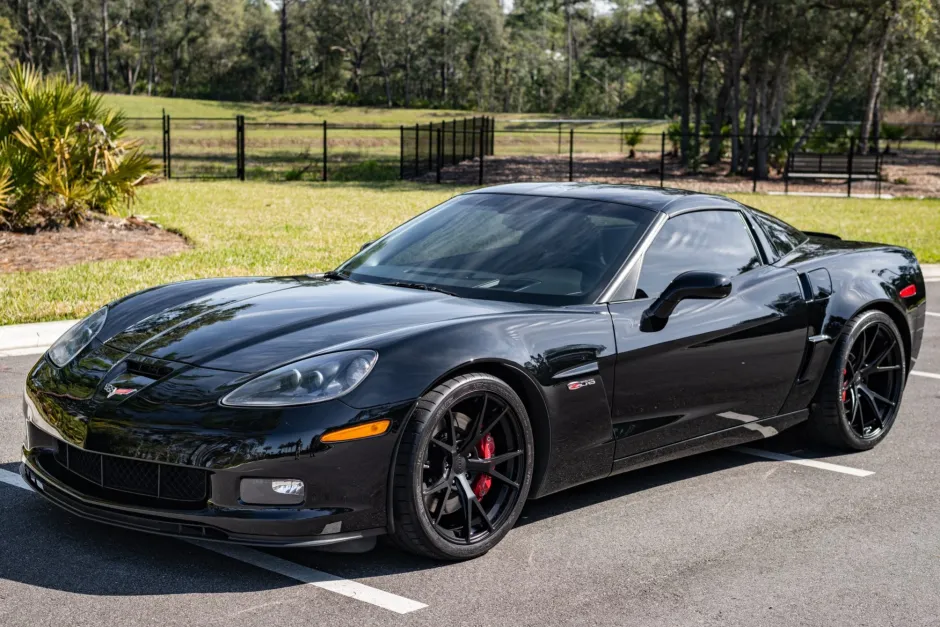
Another reason values are climbing is enthusiast loyalty. Corvette buyers have always been passionate, and the Z06 occupies a particularly respected position within the model’s history. Many owners consider it one of the greatest Corvettes ever built.
As the automotive industry continues shifting toward electrification and smaller engines, the appeal of a lightweight sports car powered by a naturally aspirated 7.0-liter V8 becomes increasingly obvious.
The Chevrolet Corvette C6 Z06 is no longer just a used performance bargain. It has become a legitimate collector car whose significance continues to grow.
Specifications
- Engine: 7.0L LS7 Naturally Aspirated V8
- Torque: 470 lb-ft
- Horsepower: 505 hp
- Length/Width: 175.6 in / 72.6 in
5. Nissan 350Z NISMO
The Nissan 350Z was already an important sports car when it arrived in the early 2000s. It revived the legendary Z-car lineage after a lengthy absence and delivered rear-wheel-drive performance at a price enthusiasts could realistically afford. However, the NISMO version has become the model attracting the greatest attention from collectors.
What separates the NISMO from a standard 350Z is not simply added performance. It represents Nissan’s factory-backed vision of what the ultimate 350Z should be. Suspension upgrades, aerodynamic enhancements, revised tuning, and exclusive styling elements transformed the car into something more focused and distinctive.
The naturally aspirated 3.5-liter V6 remains a major part of its appeal. Enthusiasts appreciate the engine’s strong power delivery, mechanical feel, and unmistakable sound. In an age when many performance cars rely on turbocharging, the straightforward character of the VQ-series engine has become increasingly desirable.
Collector interest is also driven by scarcity. Nissan produced relatively few NISMO models compared with standard 350Z variants. As years pass, locating original, unmodified examples becomes increasingly difficult. Many cars were heavily customized during the height of tuner culture, making stock vehicles particularly valuable today.
The timing of the 350Z’s arrival further contributes to its significance. It appeared during a period when Japanese performance cars were enjoying enormous popularity thanks to motorsports, video games, and enthusiast media. As a result, the NISMO carries substantial cultural relevance for an entire generation of enthusiasts.
Driving the car today reveals why it continues to attract attention. Steering feedback feels direct, the chassis remains entertaining, and the six-speed manual transmission complements the vehicle’s performance-oriented personality. Modern sports cars may offer greater sophistication, but many enthusiasts still prefer the analog character of the 350Z.
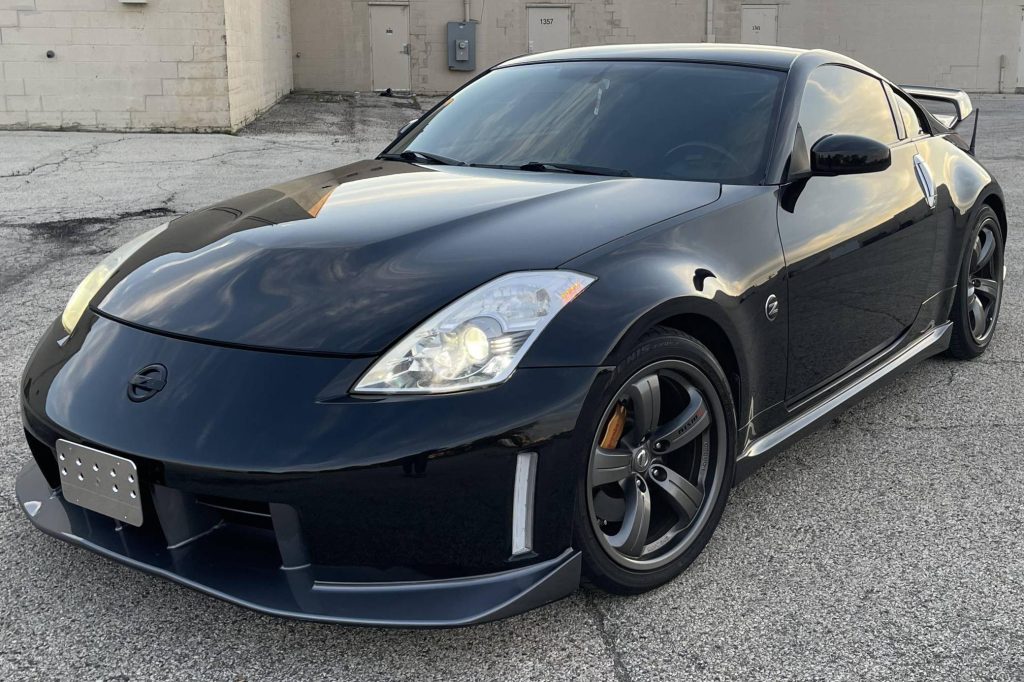
Auction trends and private sales indicate growing demand. Prices for clean NISMO examples have climbed steadily as collectors recognize their rarity and historical importance.
The Nissan 350Z NISMO captures a unique moment in automotive history. It combines Japanese performance heritage, factory exclusivity, and genuine driver engagement in a package that is becoming increasingly difficult to replicate.
Specifications
- Engine: 3.5L Naturally Aspirated V6
- Torque: 260 lb-ft
- Horsepower: 306 hp
- Length/Width: 171.5 in / 71.5 in
6. Audi RS4 (B7)
The Audi RS4 B7 occupies a fascinating place among performance sedans from the 2000s. While many competitors focused on forced induction or overwhelming torque, Audi pursued a different approach. The result was a high-revving naturally aspirated V8 sports sedan that is now gaining serious recognition from collectors.
One reason the RS4 has aged so well is its engine. The 4.2-liter V8 remains one of Audi’s most celebrated powerplants. It delivers power in a smooth, linear fashion while producing a soundtrack that has become increasingly rare in modern performance vehicles. Drivers often describe the engine as the defining feature of the entire car.
The RS4 also arrived during a period when Audi was strengthening its performance credentials. The model demonstrated that the company could build a sedan capable of challenging established rivals from BMW and Mercedes-Benz.
That historical significance enhances its standing among enthusiasts today. Unlike many collectible sports cars, the RS4 combines performance with practicality.
Four doors, a usable rear seat, and year-round usability provided by Audi’s Quattro all-wheel-drive system made it a genuinely versatile vehicle. Owners could enjoy high-performance driving without sacrificing everyday functionality.
Scarcity plays a major role in the car’s collectibility. Production numbers were relatively limited, particularly in certain markets. As a result, finding low-mileage examples in excellent condition has become increasingly challenging.
The styling has also matured exceptionally well. Audi avoided excessive design elements, giving the RS4 a clean and purposeful appearance that remains attractive decades later. It is a performance car that does not need dramatic styling to communicate its capabilities.
Enthusiast demand continues to rise because the B7 RS4 represents a formula that manufacturers rarely offer today: a naturally aspirated V8, a manual transmission, all-wheel drive, and a compact sport-sedan body.
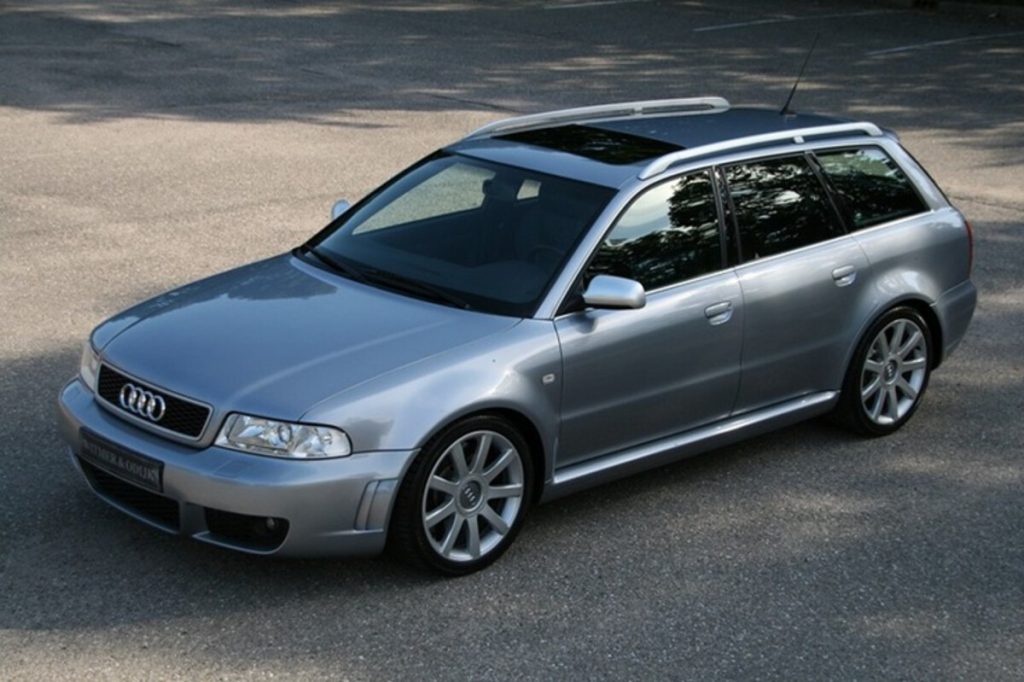
Values have gradually increased as collectors recognize the significance of that combination. Many buyers now view the RS4 as one of the defining performance sedans of its generation.
The Audi RS4 B7 stands as a reminder of an era when engineering character often mattered more than outright numbers, a quality that continues to attract collectors around the world.
Specifications
- Engine: 4.2L Naturally Aspirated V8
- Torque: 317 lb-ft
- Horsepower: 420 hp
- Length/Width: 180.7 in / 71.5 in
7. Porsche Cayman S (987)
The Porsche Cayman S 987 spent years living in the shadow of the iconic 911. Ironically, that situation is one reason it has become increasingly collectible. Enthusiasts who once overlooked the Cayman have begun recognizing just how special the car truly is.
At its core, the Cayman S offered a formula many sports-car purists consider ideal. The mid-engine layout created exceptional balance, allowing the car to deliver handling characteristics that some drivers believed were even better than contemporary 911 models. Precision, agility, and driver confidence became defining traits.
The naturally aspirated flat-six engine remains another major attraction. Modern performance cars increasingly rely on turbocharging, making the Cayman S feel like a product of a different era. The engine responds immediately to driver inputs and produces a soundtrack that continues to attract enthusiasts.
Collectors are also paying attention because Porsche produced the 987 during a period when driver engagement remained a primary focus. Manual transmissions were common, electronic interference was relatively limited, and the driving experience felt mechanical and authentic.
Finding original, low-mileage examples is becoming more difficult. Many Caymans were purchased by enthusiasts who used them exactly as intended, which means pristine cars are increasingly rare.
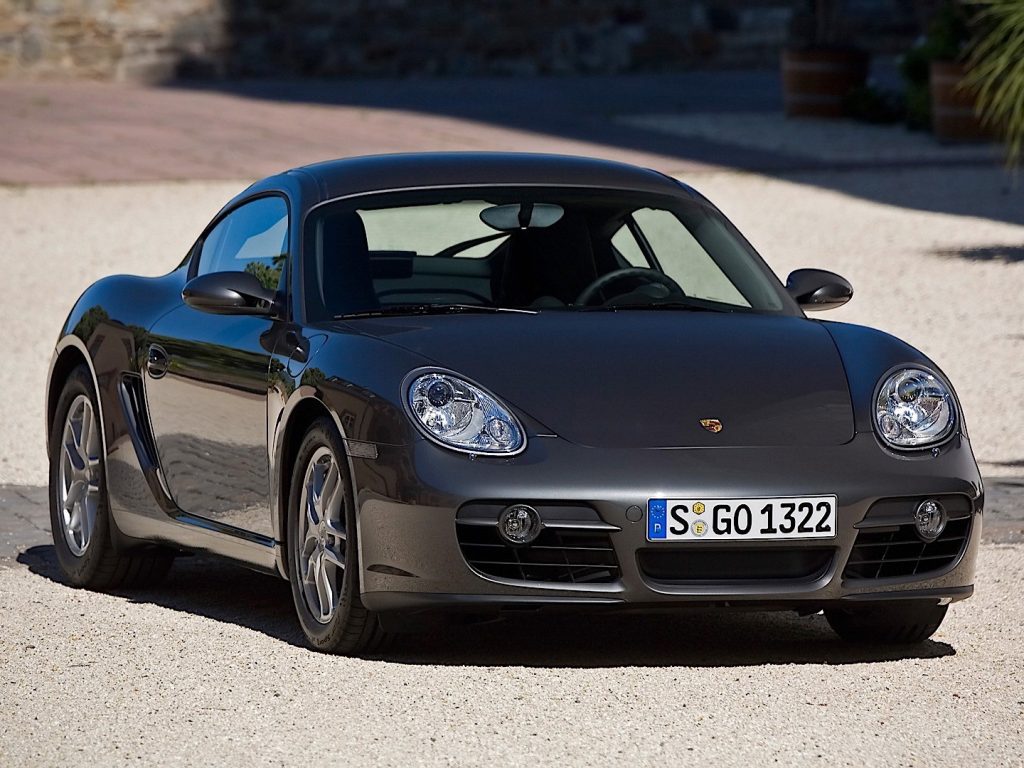
As appreciation for analog sports cars continues growing, the Cayman S has become one of the most respected Porsche models from the 2000s. Its combination of balanced handling, naturally aspirated performance, and Porsche heritage ensures that collector interest remains strong.
Specifications
- Engine: 3.4L Naturally Aspirated Flat-6
- Torque: 251 lb-ft
- Horsepower: 295 hp
- Length/Width: 172.4 in / 70.9 in
8. Subaru Impreza WRX STI (GD)
Few cars from the 2000s are as closely tied to enthusiast culture as the Subaru Impreza WRX STI. Built with direct influences from rally racing, the STI developed a passionate following that remains as strong today as it was when the car was new.
The turbocharged boxer engine and all-wheel-drive system created a performance package that felt unique. Whether on winding roads, wet pavement, or challenging weather conditions, the STI delivered confidence and excitement in equal measure.
The GD-generation model has become particularly desirable because many enthusiasts consider it the purest expression of the STI formula. It combined aggressive styling, a raw driving experience, and impressive performance without becoming overly refined.
Collector demand has increased significantly because original examples are becoming rare. Many WRX STI models were modified extensively during the tuner-car boom, while others experienced hard use. Unmodified cars with documented histories now command substantial premiums.
Cultural significance also plays a huge role. The STI became famous through motorsport success, video games, and enthusiast media. For an entire generation of drivers, it represented an attainable performance dream car.
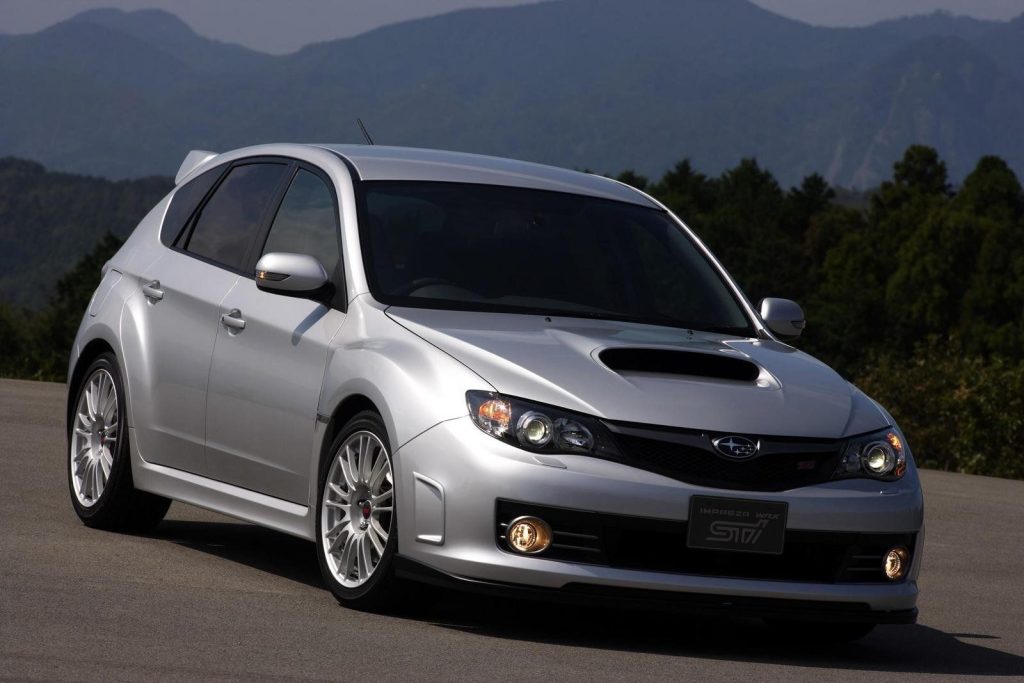
Modern performance vehicles may be faster and more technologically advanced, but few possess the same personality. The GD-generation STI feels engaging, mechanical, and unmistakably connected to its rally heritage.
As a result, values continue moving upward, and collectors increasingly view clean examples as long-term investments rather than ordinary used performance cars.
Specifications
- Engine: 2.5L Turbocharged Flat-4
- Torque: 300 lb-ft
- Horsepower: 300 hp
- Length/Width: 173.8 in / 68.5 in
9. Mitsubishi Lancer Evolution IX
The Mitsubishi Lancer Evolution IX represents the final and most refined version of a performance formula that helped define an era.
While every Evolution model has developed a loyal following, the Evo IX has emerged as one of the most desirable and collectible examples in the lineup. What makes the Evo IX special is its balance. Mitsubishi retained the raw, rally-inspired personality that enthusiasts loved while improving drivability and performance.
The turbocharged 4G63 engine remains legendary for both its durability and tuning potential. Even in factory form, it delivered thrilling acceleration and remarkable responsiveness. The all-wheel-drive system played an equally important role in the car’s reputation.
Few performance sedans of the period could match the Evo’s ability to maintain speed through corners and challenging road conditions. Drivers frequently described it as a machine that encouraged confidence while demanding skill.
Collector interest has accelerated because clean examples are becoming increasingly scarce. Many Evo IX models were modified extensively, raced, or driven hard. Finding an original car with low mileage and factory components has become a serious challenge, which naturally increases demand.
The model also benefits from its connection to rally culture and Japanese performance history.
As enthusiasm for 1990s and 2000s Japanese sports cars continues growing, the Evo IX occupies a prominent position among collectors seeking authentic driver-focused machines. Unlike many modern performance cars that rely heavily on electronic systems, the Evo IX delivers a more direct and involving experience.
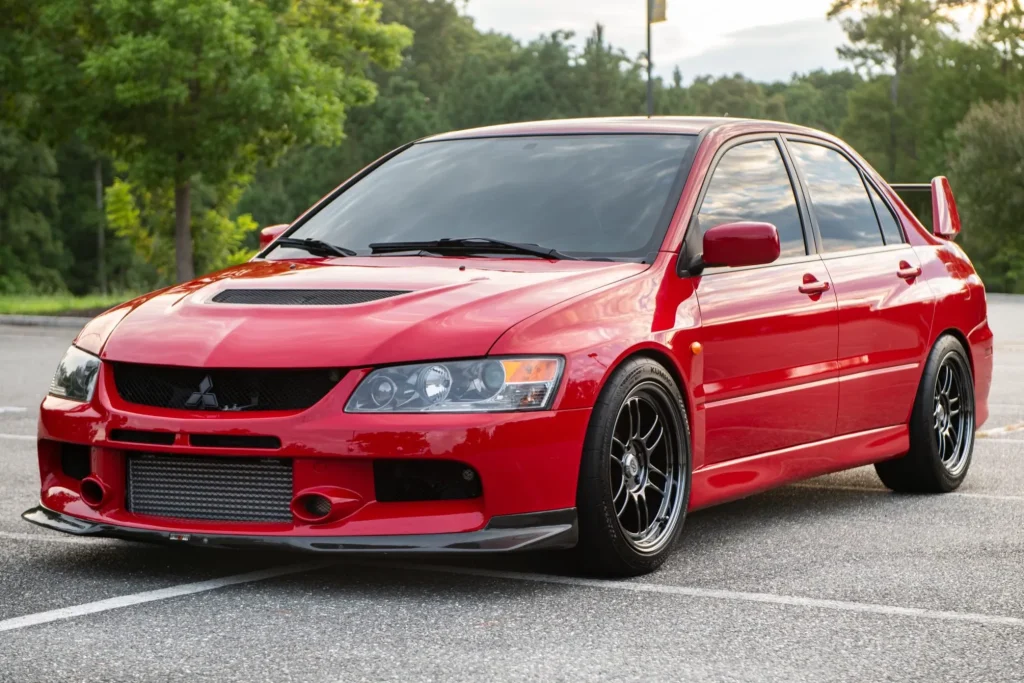
That character is becoming increasingly valuable as the automotive world continues to change. The Mitsubishi Lancer Evolution IX has already established itself as one of the most sought-after Japanese performance cars of the 2000s, and its collector status appears likely to strengthen in the years ahead.
Specifications
- Engine: 2.0L Turbocharged Inline-4
- Torque: 289 lb-ft
- Horsepower: 286 hp
- Length/Width: 177.0 in / 69.7 in
10. Ford GT
Recognition of its collectible status came almost immediately, as enthusiasts quickly understood the significance of a modern supercar rooted in one of Ford’s most iconic racing achievements. Built as a tribute to the GT40 and its Le Mans legacy, it merged historical inspiration with contemporary engineering, securing its place as one of the standout American performance cars of the 2000s.
A defining feature is its design, which channels the proportions and aggressive stance of its racing predecessor while remaining distinctly modern. The result is a visually striking form that continues to hold a strong presence among exotic cars even today.
Power comes from a supercharged 5.4-liter V8 that delivers intense acceleration and a highly engaging driving experience. Paired with a manual transmission, it emphasizes driver involvement in a way that has become increasingly uncommon in newer supercars.
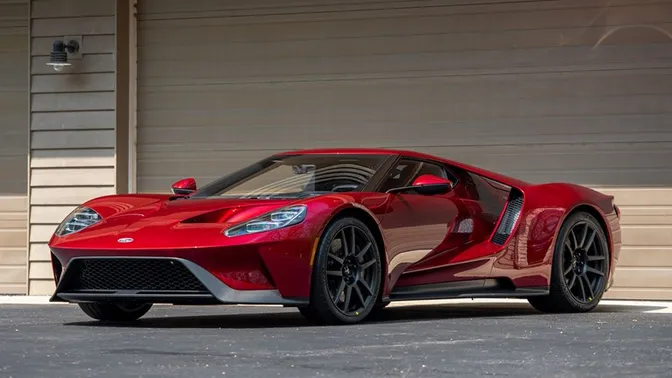
Limited production further strengthened its appeal, as early buyers and collectors recognized its exclusivity from the outset. That scarcity has helped maintain strong long-term demand and value.
Its importance is also tied to its motorsport heritage, directly connecting road-going performance with Ford’s racing success. Alongside its usability and reliability, this blend of heritage and performance makes it both a rewarding driver’s car and a serious collector piece.
Today, it remains a benchmark among modern American performance vehicles, valued for its rarity, design, and lasting cultural impact.
Specifications
- Engine: 5.4L Supercharged V8
- Torque: 500 lb-ft
- Horsepower: 550 hp
- Length/Width: 182.8 in / 76.9 in
Also Read: 10 Cars Built for Texas Hailstorms
