
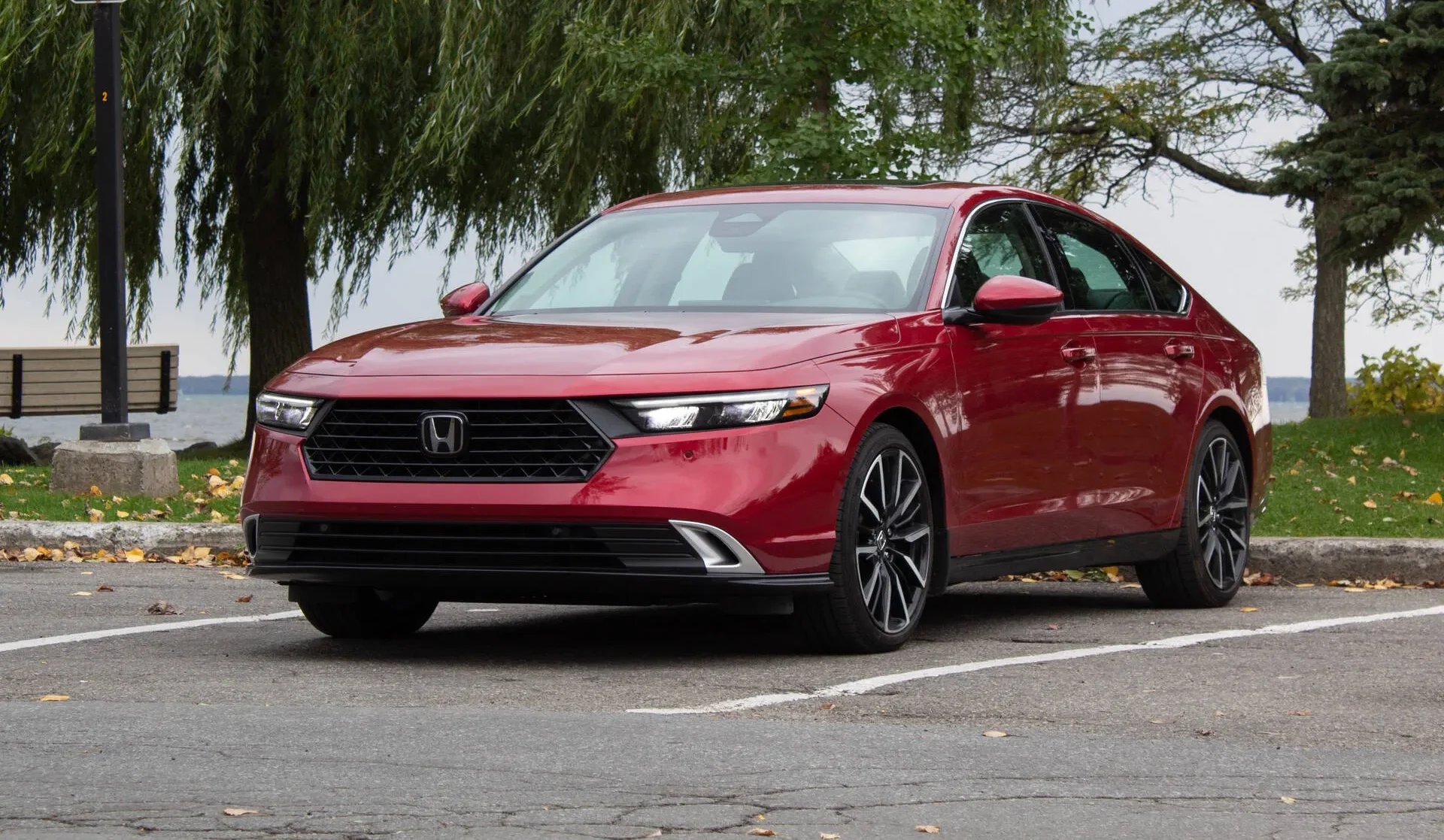
For years, many car buyers assumed that hybrid vehicles were more expensive to own than traditional gasoline-powered models. While hybrids often carry a slightly higher purchase price, the reality of vehicle ownership extends far beyond the sticker price displayed in a dealership showroom.
Fuel costs, maintenance expenses, depreciation, insurance rates, and long-term reliability all combine to determine the true cost of owning a vehicle over time. As fuel prices continue to fluctuate globally and automotive engineering advances rapidly, hybrids have become one of the most practical solutions for reducing long-term transportation expenses.
Modern hybrid vehicles are no longer experimental or niche products. They are now mainstream choices offered by nearly every major automaker.
Improvements in battery technology, powertrain efficiency, and manufacturing scale have made hybrids more affordable, more reliable, and more durable than earlier generations. In many cases, they now match or exceed gasoline vehicles in terms of longevity and dependability, making them attractive for cost-conscious drivers.
Another major factor influencing hybrid ownership cost is fuel efficiency. Hybrid systems combine internal combustion engines with electric motors to reduce fuel consumption, especially in stop-and-go traffic.
This results in significantly lower fuel expenses over the lifetime of the vehicle. For commuters and urban drivers, the savings can be substantial enough to offset the initial price difference compared to gasoline-powered cars.
Maintenance costs are also often lower than expected. Regenerative braking reduces wear on brake pads, and the engine frequently operates under less strain because the electric motor assists during acceleration. This can lead to fewer mechanical issues and longer component life. Combined with strong manufacturer warranties and improved reliability records, hybrids often prove financially advantageous in the long run.
As a result, hybrids have moved from being eco-friendly alternatives to being financially smart choices. The following vehicles demonstrate how hybrid technology can deliver lower total ownership costs compared to their gasoline rivals while still offering comfort, performance, and everyday practicality.
Also Read: 10 SUVs That Are Just Tall Hatchbacks
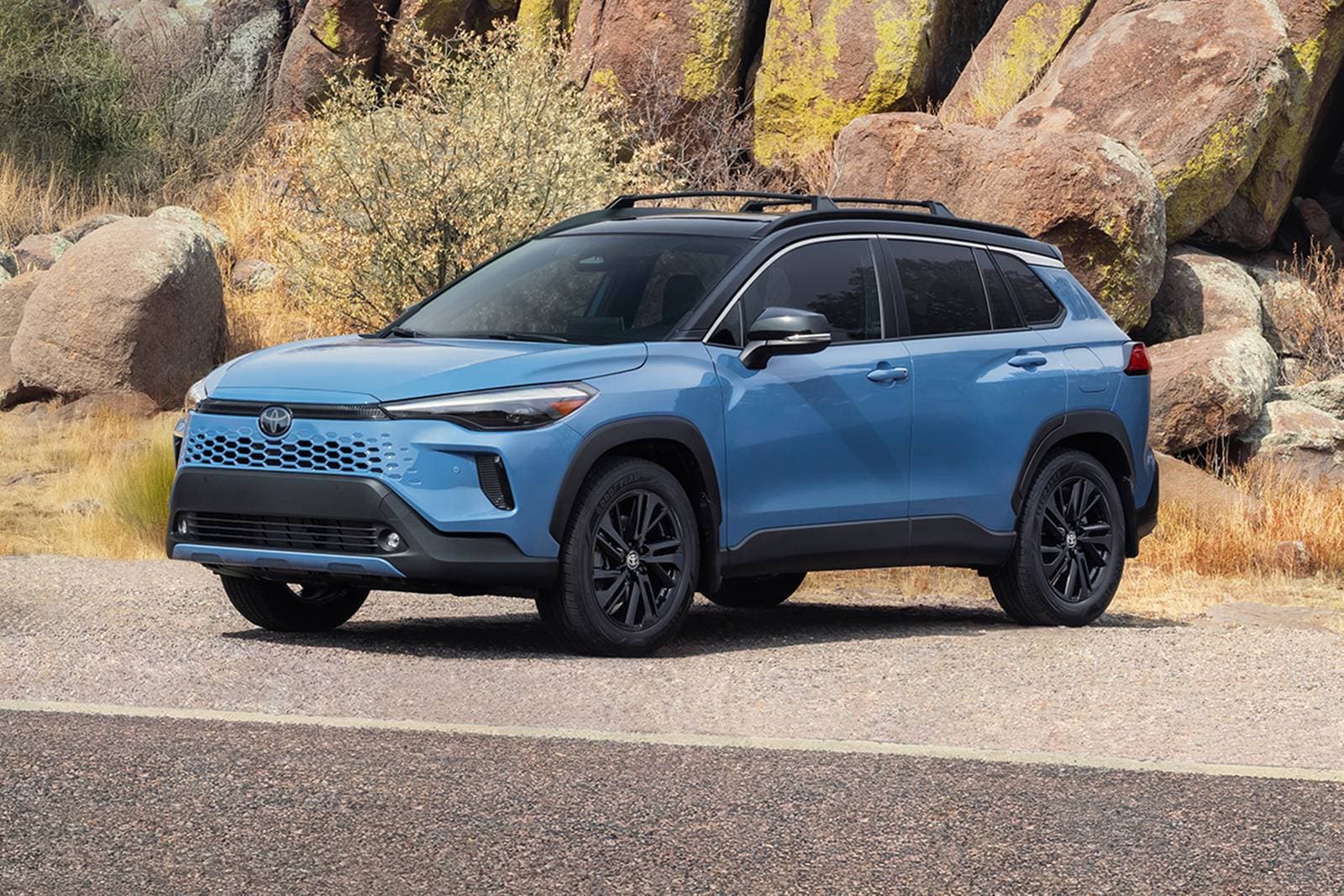
- Engine: 1.8L 4 cylinder hybrid (Atkinson cycle)
- Horsepower: 138 hp (combined system)
- Torque: ~142 Nm (105 lb-ft) engine torque (system torque not officially rated)
- Length: ~4630 mm (182.3 in)
- Width: ~1780 mm (70.1 in)
1. Toyota Corolla Hybrid
The Toyota Corolla Hybrid stands as one of the most affordable entry points into hybrid ownership. It builds on the already proven Corolla platform, known for reliability and low maintenance costs, and enhances it with Toyota’s refined hybrid system. This combination makes it an ideal option for budget-conscious drivers seeking long-term savings.
Fuel efficiency is the Corolla Hybrid’s strongest advantage. It delivers significantly better mileage than most gasoline compact sedans, especially in city driving conditions where hybrid systems perform best. Over time, reduced fuel consumption can translate into thousands of rupees or dollars saved, depending on usage patterns.
Reliability is another key strength. Toyota has decades of experience in hybrid technology, and the Corolla Hybrid benefits from this engineering maturity. Owners typically report minimal mechanical issues, which helps keep repair costs low and ensures predictable ownership expenses over the long term.
Maintenance costs are also generally lower compared to many gasoline-powered competitors. The hybrid system reduces strain on the engine and brakes, meaning fewer replacements and longer service intervals. Even routine servicing tends to be straightforward and widely supported due to Toyota’s global presence.
In terms of resale value, the Corolla Hybrid performs strongly. High demand for fuel-efficient used vehicles ensures that it retains value well, making them financially attractive when it comes time to sell or upgrade.
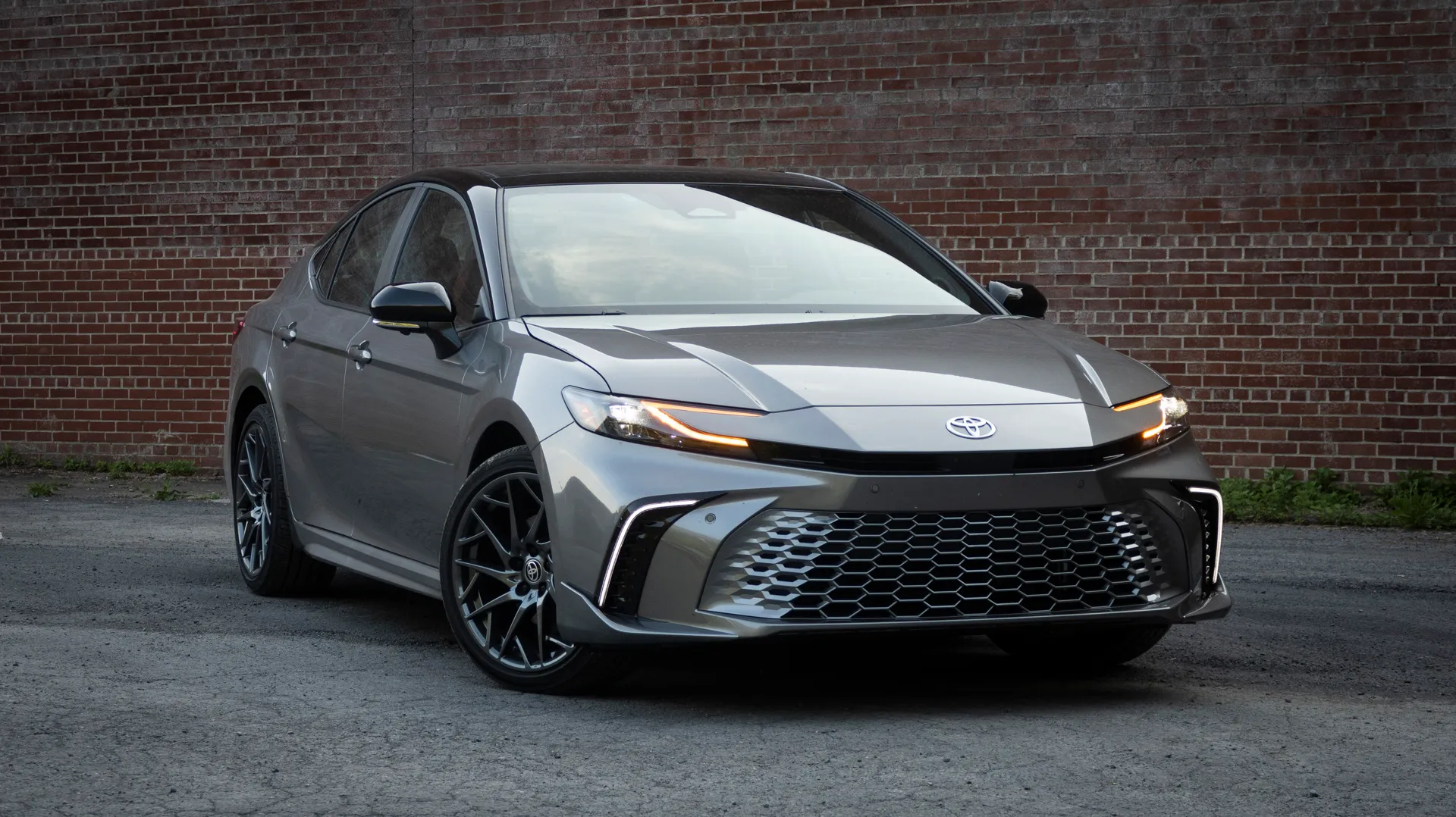
- Engine: 2.5L 4 cylinder hybrid (Dynamic Force engine)
- Horsepower: 208 hp (combined system)
- Torque: ~221 Nm (163 lb-ft) engine torque
- Length: ~4885 mm (192.7 in)
- Width: ~1840 mm (72.4 in)
2. Toyota Camry Hybrid
The Toyota Camry Hybrid brings hybrid efficiency into the midsize sedan category, offering a balance of comfort, space, and low running costs. It is widely chosen by families and professionals who want a reliable daily driver with reduced fuel expenses.
Fuel economy is a major advantage compared to traditional midsize sedans. The Camry Hybrid consistently delivers strong mileage in both city and highway conditions, helping drivers save significantly on fuel over the lifespan of the vehicle.
Toyota’s hybrid technology ensures long-term reliability. The Camry Hybrid is designed to handle high mileage usage with minimal issues, making it a popular choice among commuters and rideshare drivers who prioritize durability and low downtime.
Comfort and refinement also contribute indirectly to cost savings. A well-built interior, smooth ride quality, and advanced features reduce the need for frequent upgrades or replacements, allowing owners to keep the vehicle longer without dissatisfaction.
Strong resale value further strengthens its ownership economics. The Camry Hybrid remains in high demand in used car markets, which helps reduce depreciation losses and improves its cost effectiveness compared to gasoline rivals.
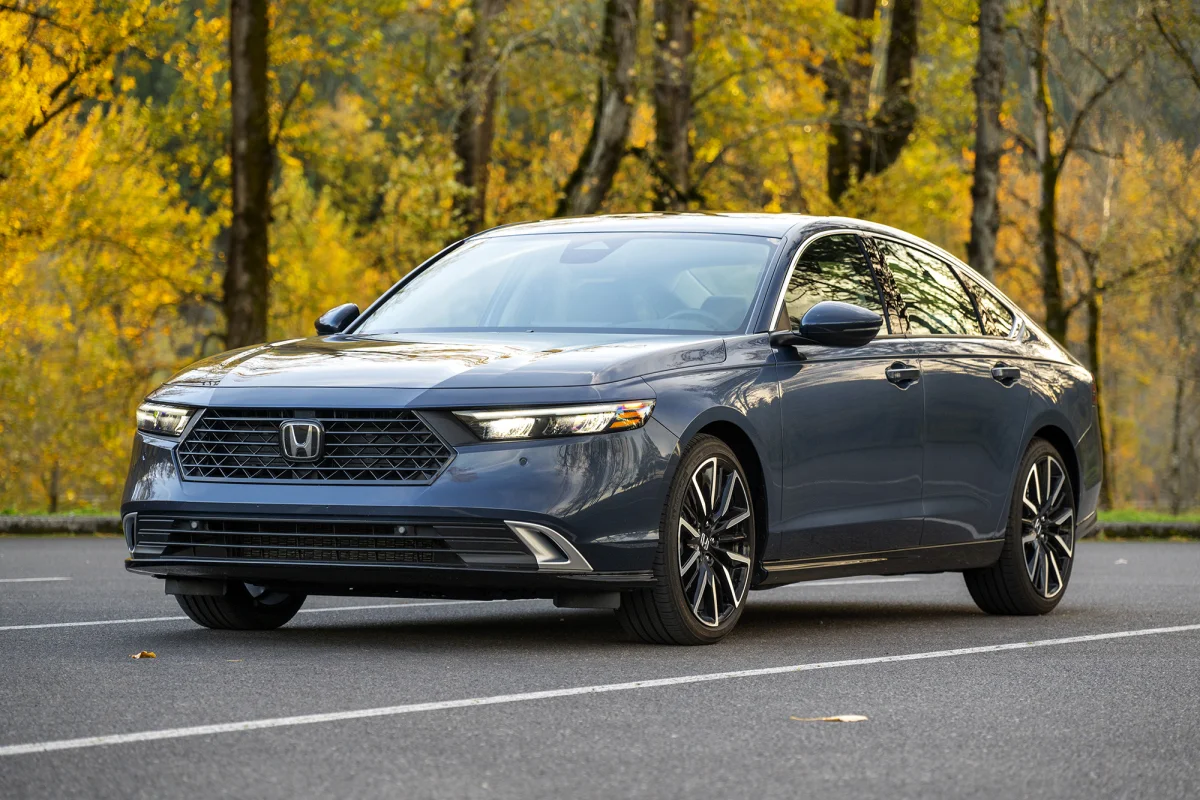
- Engine: 2.0L 4-cylinder hybrid system
- Horsepower: 204 hp (combined system)
- Torque: ~335 Nm (247 lb-ft)
- Length: ~4970 mm (195.7 in)
- Width: ~1860 mm (73.3 in)
3. Honda Accord Hybrid
The Honda Accord Hybrid is one of the strongest competitors in the midsize hybrid sedan segment, offering a combination of efficiency, driving enjoyment, and long-term affordability. It appeals to buyers who want both performance and savings.
Fuel efficiency plays a central role in its cost advantage. The Accord Hybrid delivers excellent mileage, especially in urban environments where hybrid systems operate most efficiently. This can lead to significant fuel savings over time compared to conventional sedans.
Honda’s engineering reliability adds another layer of financial benefit. The Accord Hybrid is known for its durable components and stable performance, which reduces the likelihood of costly repairs and helps maintain predictable ownership expenses.
Driving experience is another strength. Unlike early hybrid models that felt sluggish, the Accord Hybrid provides smooth acceleration and responsive handling, meaning drivers do not sacrifice enjoyment for efficiency.
Resale value remains strong due to high demand for reliable and fuel-efficient sedans. This helps offset initial purchase costs and contributes to lower long-term ownership expenses compared to gasoline-powered alternatives.
- Engine: 1.6L 4 cylinder hybrid
- Horsepower: 139 hp (combined system)
- Torque: ~265 Nm (195 lb-ft)
- Length: ~4650 mm (183.1 in)
- Width: ~1825 mm (71.9 in)
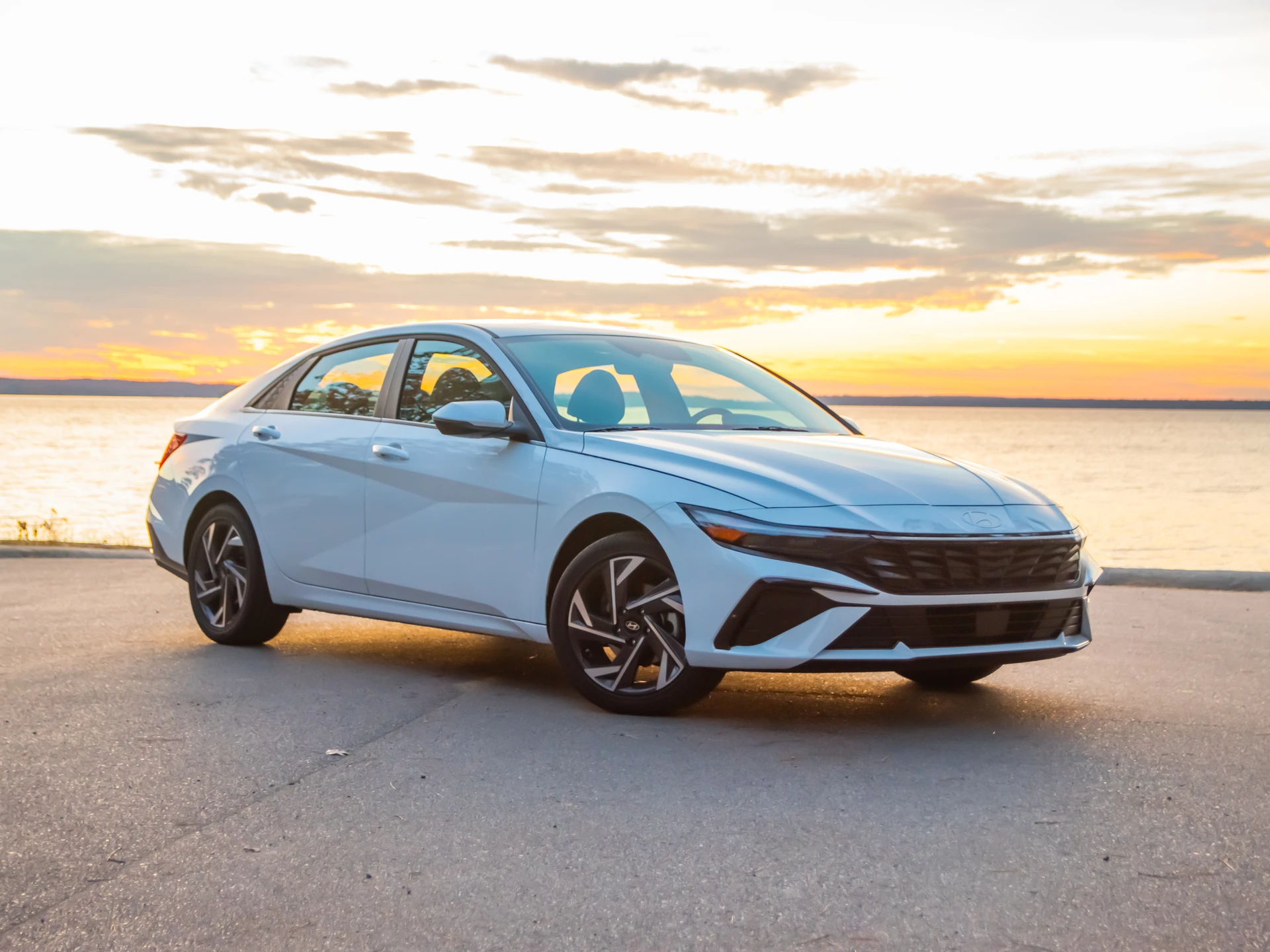
4. Hyundai Elantra Hybrid
The Hyundai Elantra Hybrid is a compact sedan designed for affordability, modern features, and exceptional fuel economy. It is aimed at drivers who want a stylish and efficient vehicle without high ownership costs.
Fuel savings are a major advantage. The Elantra Hybrid achieves impressive mileage figures, making it particularly cost-effective for daily commuting and long-distance travel. This helps reduce monthly fuel expenses significantly.
Hyundai has improved reliability across its lineup, and the Elantra Hybrid benefits from this progress. Fewer mechanical issues and improved build quality contribute to lower repair costs over time.
The vehicle also offers strong value in terms of features. Advanced infotainment systems, digital displays, and driver assistance technologies are often included without requiring expensive upgrades, increasing its cost effectiveness.
Warranty coverage is another financial advantage. Hyundai’s long warranty terms help protect owners from unexpected repair expenses, reducing long-term financial risk and improving ownership value.
Also Read: IIHS Dings BMW i4 for Weak Headlights and AEB System
- Engine: 1.6L 4 cylinder hybrid
- Horsepower: 139 hp (combined system)
- Torque: ~265 Nm (195 lb-ft)
- Length: ~4420 mm (174 in)
- Width: ~1825 mm (71.9 in)
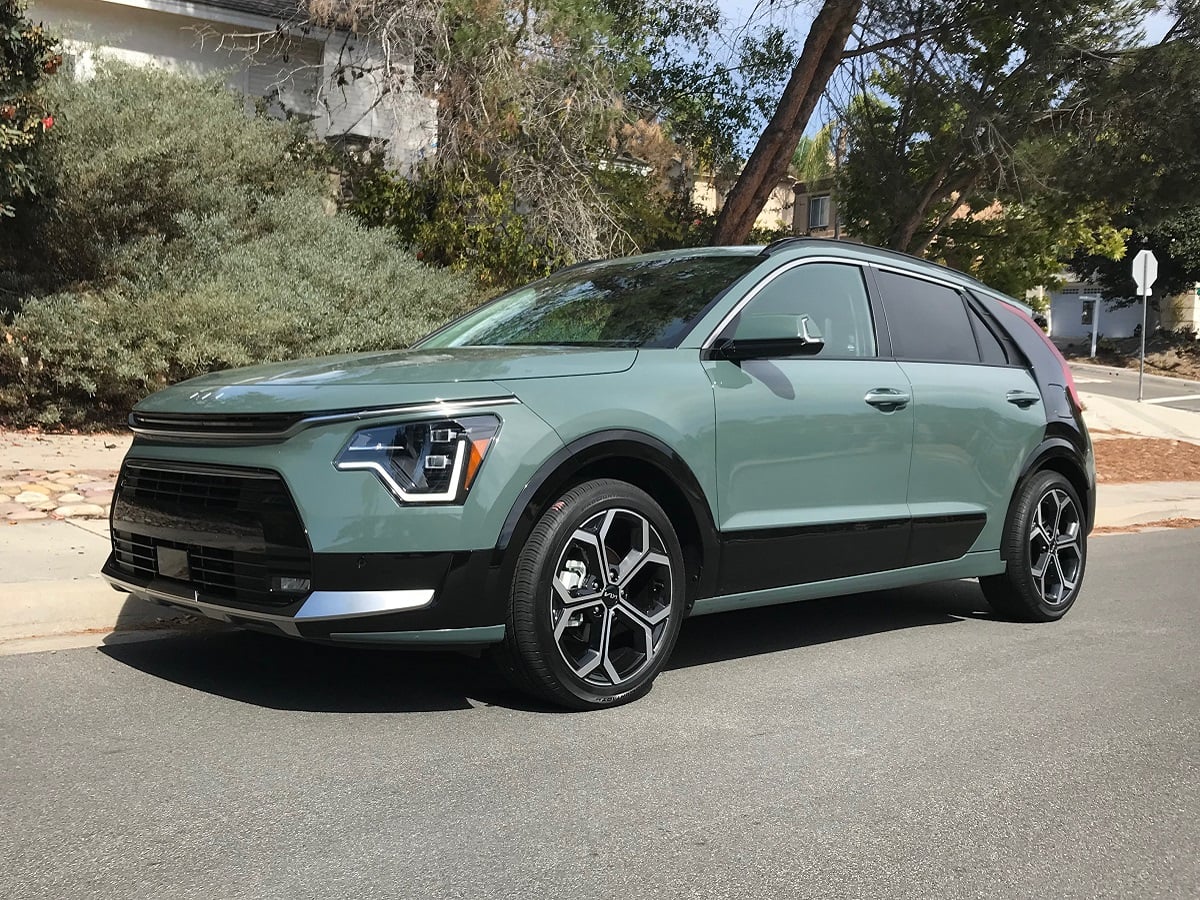
5. Kia Niro Hybrid
The Kia Niro Hybrid is a compact crossover that combines SUV practicality with hybrid efficiency. It is designed for buyers who want space and versatility without high fuel or maintenance costs.
Fuel efficiency is one of its biggest strengths. The Niro Hybrid delivers excellent mileage for a crossover, helping owners save significantly compared to traditional gasoline SUVs.
Practicality enhances its value proposition. With flexible cargo space and comfortable seating, it is suitable for families, travelers, and urban drivers who need utility without excessive running costs.
Reliability has improved significantly in recent Kia models, and the Niro Hybrid benefits from this progress. Fewer mechanical issues help keep long-term maintenance expenses under control.
Combined with strong warranty coverage and competitive pricing, the Niro Hybrid often delivers a lower total cost of ownership than many gasoline-powered crossovers.

- Engine: 2.0L 4 cylinder hybrid (Atkinson cycle)
- Horsepower: 194 hp (FWD) / 196 hp (AWD-e)
- Torque: ~188 Nm (139 lb-ft) engine torque (system torque not officially rated)
- Length: ~4540 mm (178.2 in)
- Width: ~1760 mm (69.3 in)
6. Toyota Prius
The Toyota Prius is widely regarded as the original mainstream hybrid and remains one of the most cost-effective vehicles to own over the long term. It has built its reputation on exceptional fuel efficiency, reliability, and low operating costs, making it a strong choice for drivers focused on minimizing expenses.
Fuel economy is the Prius’s most defining advantage. It consistently delivers outstanding mileage in both city and highway driving, which translates directly into reduced fuel spending. For high-mileage drivers, such as commuters or delivery users, these savings accumulate significantly over time.
Toyota’s hybrid system in the Prius has been refined over multiple generations. This long development history has resulted in a highly reliable and durable powertrain that is known for lasting well beyond typical vehicle lifespans when properly maintained.
Maintenance costs are generally lower than those of many gasoline vehicles. Regenerative braking reduces wear on brake components, and the hybrid system reduces strain on the gasoline engine. This combination helps minimize frequent repairs and replacement expenses.
The Prius also benefits from strong resale value. Demand for fuel-efficient used vehicles remains consistently high, helping owners recover a larger portion of their initial investment and reducing the cost of ownership.
- Engine: 2.5L 4 cylinder hybrid (Atkinson cycle)
- Horsepower: 191 hp (combined system)
- Torque: ~210 Nm (155 lb-ft)
- Length: ~5072 mm (200 in)
- Width: ~1844 mm (72.6 in)
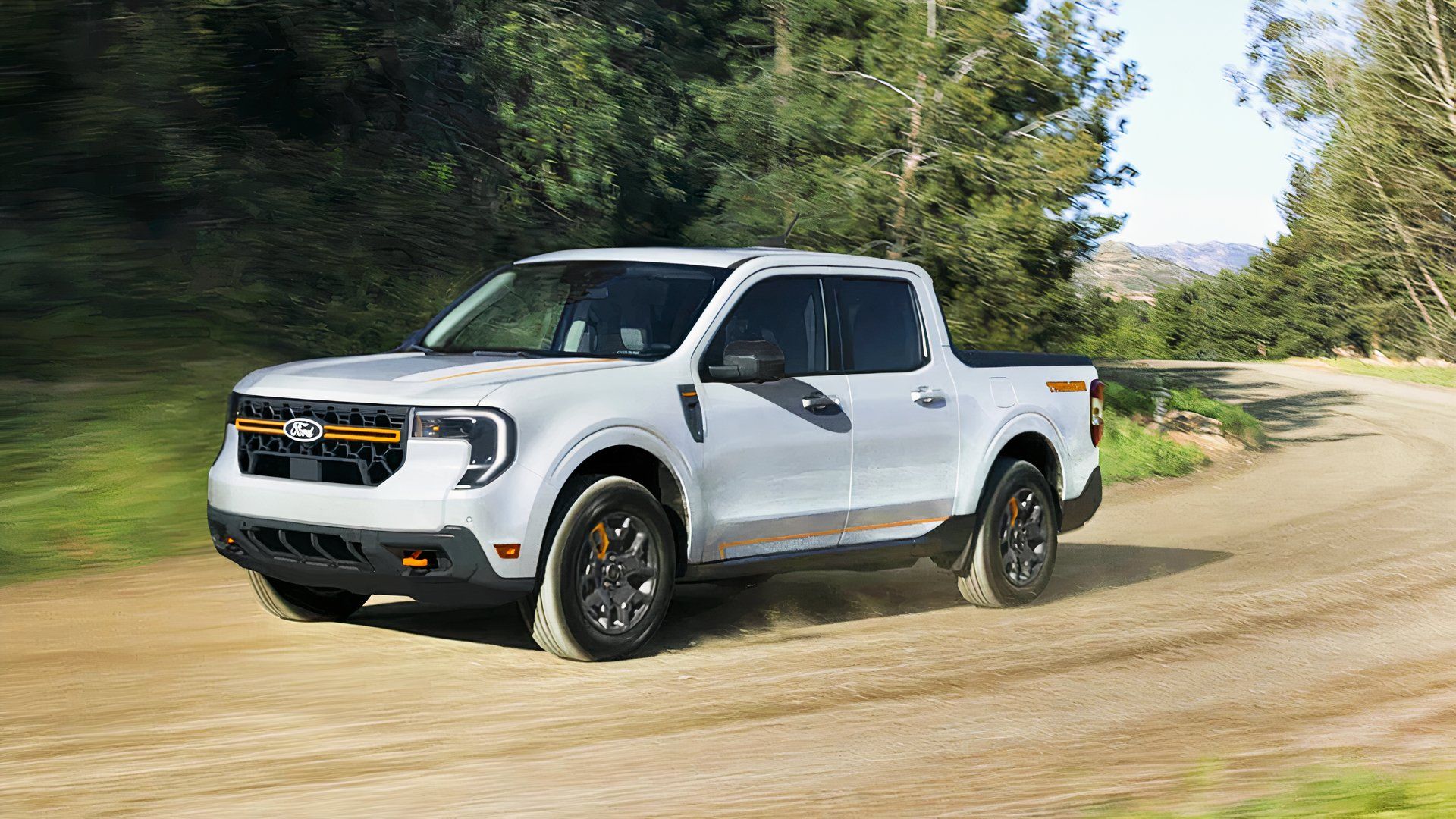
7. Ford Maverick Hybrid
The Ford Maverick Hybrid is a unique entry in the pickup truck segment because it delivers truck utility with the fuel efficiency of a hybrid sedan. This combination makes it one of the most affordable trucks to own in terms of long-term costs.
Fuel savings are one of its biggest advantages. Compared to traditional gasoline-powered trucks, the Maverick Hybrid uses significantly less fuel, especially in urban driving conditions where stop-and-go traffic is common.
Despite its efficiency focus, the Maverick Hybrid still offers practical utility. It includes a functional cargo bed suitable for light hauling, home improvement tasks, and recreational use, making it versatile for everyday needs.
Maintenance costs are generally lower than those of larger trucks. Its smaller engine and hybrid assistance reduce mechanical strain, while Ford’s modern engineering helps improve reliability and reduce unexpected repair expenses.
Resale value has been strong due to growing demand for affordable, fuel-efficient trucks. As a result, the Maverick Hybrid often delivers lower total ownership costs compared to many conventional pickup trucks.
- Engine: 2.5L 4 cylinder hybrid (Dynamic Force engine)
- Horsepower: 219 hp (combined system AWD)
- Torque: ~221 Nm (163 lb-ft) engine torque (system torque not officially rated)
- Length: ~4600 mm (181.5 in)
- Width: ~1855 mm (73.0 in)
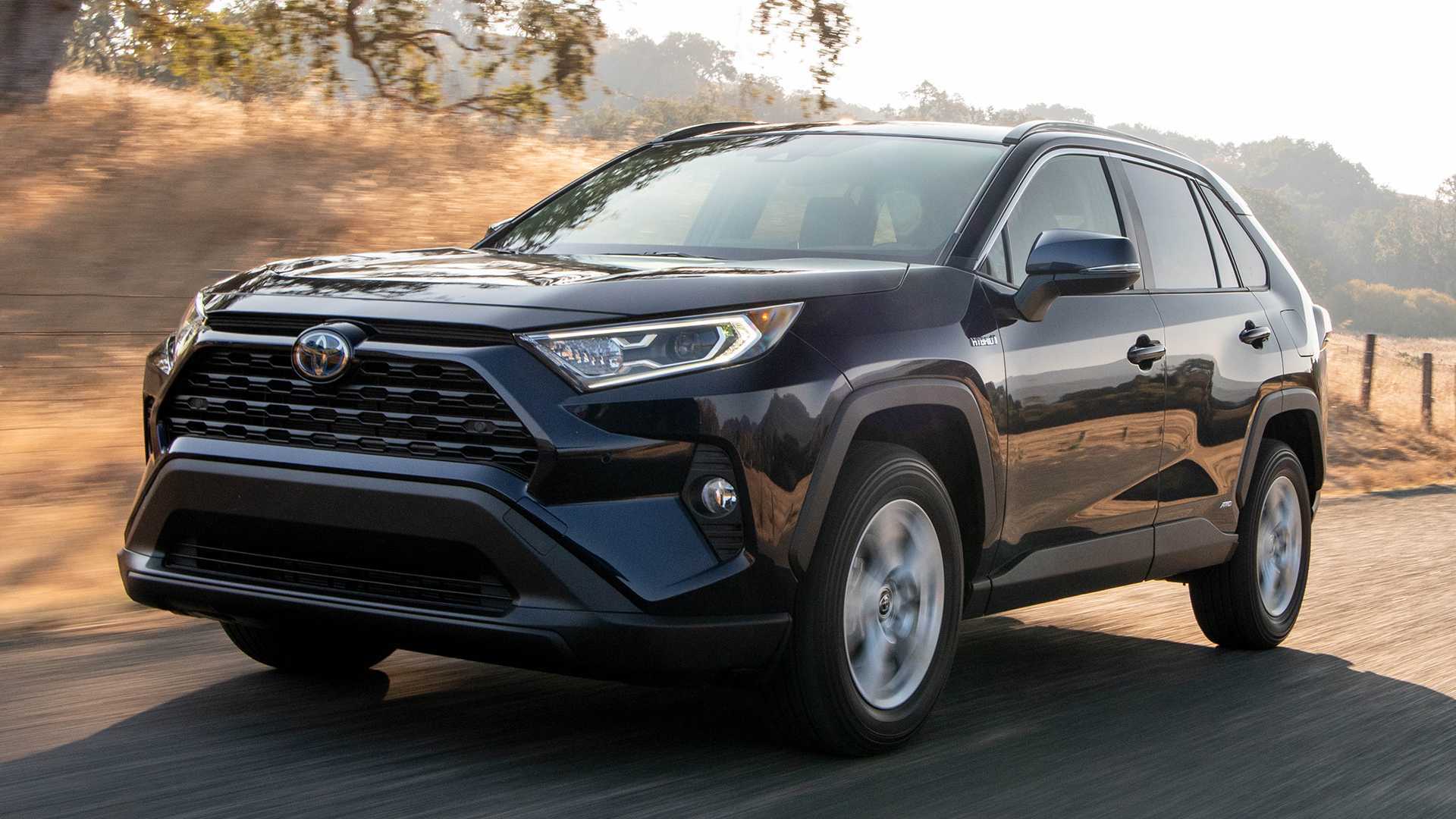
8. Toyota RAV4 Hybrid
The Toyota RAV4 Hybrid is one of the most popular hybrid SUVs in the world, combining practicality, fuel efficiency, and reliability in a highly versatile package. It appeals to families and individuals who need space without high running costs.
Fuel efficiency is a major advantage over traditional compact SUVs. The RAV4 Hybrid delivers significantly better mileage, helping owners save money on fuel while still enjoying SUV capability and performance.
Toyota’s hybrid technology ensures strong long-term reliability. The RAV4 Hybrid is designed for durability, and many owners report minimal issues even after years of heavy daily use, which reduces repair expenses.
Practicality is another strong point. With spacious seating and generous cargo capacity, it serves as a family-friendly vehicle that does not compromise efficiency for utility.
Resale value is consistently high due to strong demand for reliable hybrid SUVs. This helps reduce depreciation costs, making the RAV4 Hybrid one of the most financially sensible choices in its category.
