Luxury badges often create the impression that a vehicle is automatically built to a higher standard than an affordable mainstream model. While premium brands frequently offer advanced technology, expensive materials, and a prestigious image, build quality is not always determined by price.
In many cases, relatively inexpensive cars have earned reputations for superior durability, tighter assembly standards, and long-term reliability that surpass some far more expensive luxury competitors.
Build quality involves far more than soft-touch surfaces or decorative trim. It includes panel fitment, structural integrity, switchgear durability, interior wear resistance, paint quality, and the ability to withstand years of daily use without developing rattles, squeaks, or mechanical issues.
Some budget-friendly vehicles excel in these areas because manufacturers prioritize consistency and dependability over flashy features.
Many mainstream automakers have spent decades refining production processes and quality-control systems. The result is a collection of affordable cars that continue performing reliably long after some luxury vehicles begin showing signs of age.
Owners often discover that lower ownership costs, fewer repairs, and better long-term durability make these cars smarter investments than more prestigious alternatives.
This ranking highlights ten affordable cars that have gained recognition for exceptional build quality. While they may not offer the prestige of luxury badges, they frequently deliver a level of craftsmanship, durability, and reliability that allows them to compete with or even outperform significantly more expensive rivals in the real world.
Also Read: 10 Compact Sedans Ranked By Backseat Space
1. Toyota Corolla
The Toyota Corolla has become one of the best-selling vehicles in automotive history for many reasons, but perhaps its greatest achievement is consistency.
Generation after generation, Toyota has focused on building a car that can withstand years of ownership with minimal drama. That commitment to quality has allowed the Corolla to earn a reputation that rivals many luxury vehicles costing twice as much.
Walk around a modern Corolla, and the attention to detail becomes apparent. Body panels are assembled with impressive precision, paint quality is consistently strong, and doors close with a solid feel that suggests careful engineering.
These characteristics may not generate headlines, but they contribute significantly to the ownership experience.
Inside the cabin, Toyota emphasizes durability over extravagance. The materials may not be as flashy as those found in premium sedans, yet they are designed to resist wear over thousands of miles.
Buttons, switches, and controls maintain their functionality even after years of frequent use. This practical approach often results in interiors that age more gracefully than those found in some luxury competitors.
Mechanical reliability further strengthens the Corolla’s reputation. Owners regularly report trouble-free service for well over 200,000 miles with proper maintenance. That level of dependability reflects not only engineering excellence but also manufacturing discipline.
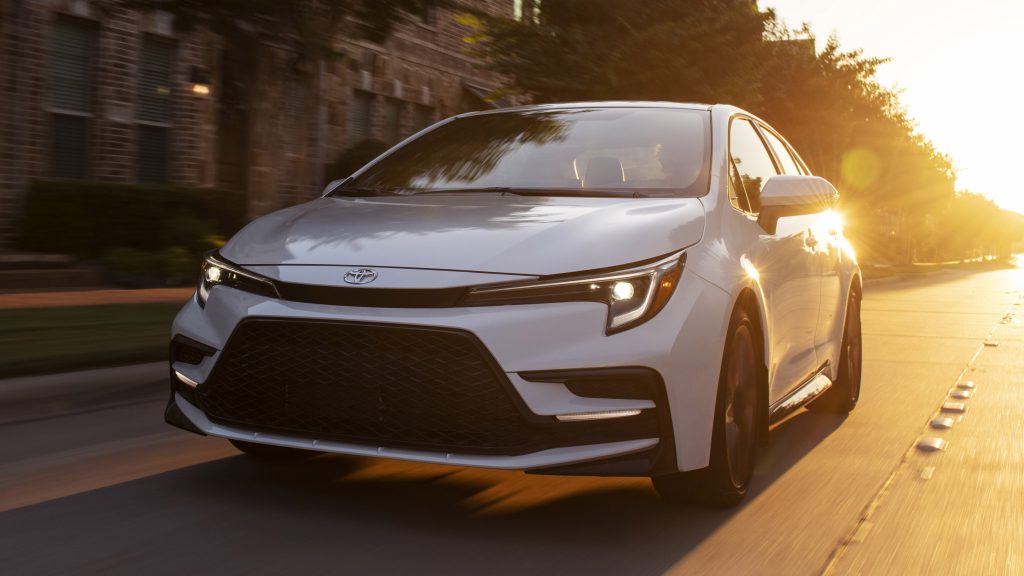
Another advantage is quality consistency. While some luxury brands produce outstanding vehicles alongside problematic ones, the Corolla’s production standards tend to remain remarkably stable across model years. This predictability has become one of its defining strengths.
For buyers who value longevity and solid construction over prestige, the Toyota Corolla remains one of the clearest examples that build quality does not always correlate with price.
Specifications
- Engine: 2.0-liter Naturally Aspirated Inline-Four
- Torque: 151 lb-ft
- Horsepower: 169 hp
- Length/Width: 182.5 in / 70.1 in
2. Honda Civic
The Honda Civic approaches build quality from a slightly different perspective. Rather than focusing solely on durability, Honda combines long-term reliability with an unusually refined driving experience for an affordable compact car. The result is a vehicle that often feels more expensive than its price tag suggests.
One area where the Civic consistently impresses is structural integrity. The chassis feels rigid and well-engineered, contributing not only to safety but also to a sense of solidity that many entry-level vehicles struggle to match.
Even after years of ownership, Civics often remain free from the rattles and vibrations that can develop in less carefully assembled cars.
Honda also places significant emphasis on manufacturing precision. Panel gaps are generally uniform, controls operate with satisfying consistency, and interior components fit together with remarkable accuracy.
These details create a perception of quality that rivals some premium sedans. Unlike certain luxury vehicles that rely heavily on advanced technology, the Civic’s reputation is built on fundamentals.
Its powertrains are proven, maintenance requirements are straightforward, and components are engineered with longevity in mind. This approach frequently results in lower ownership costs and fewer unexpected repairs.
The cabin demonstrates another important aspect of build quality: resilience. Seats, trim pieces, and frequently touched surfaces tend to hold up well over time. Owners often find that their vehicles continue looking and feeling respectable even after years of daily commuting.
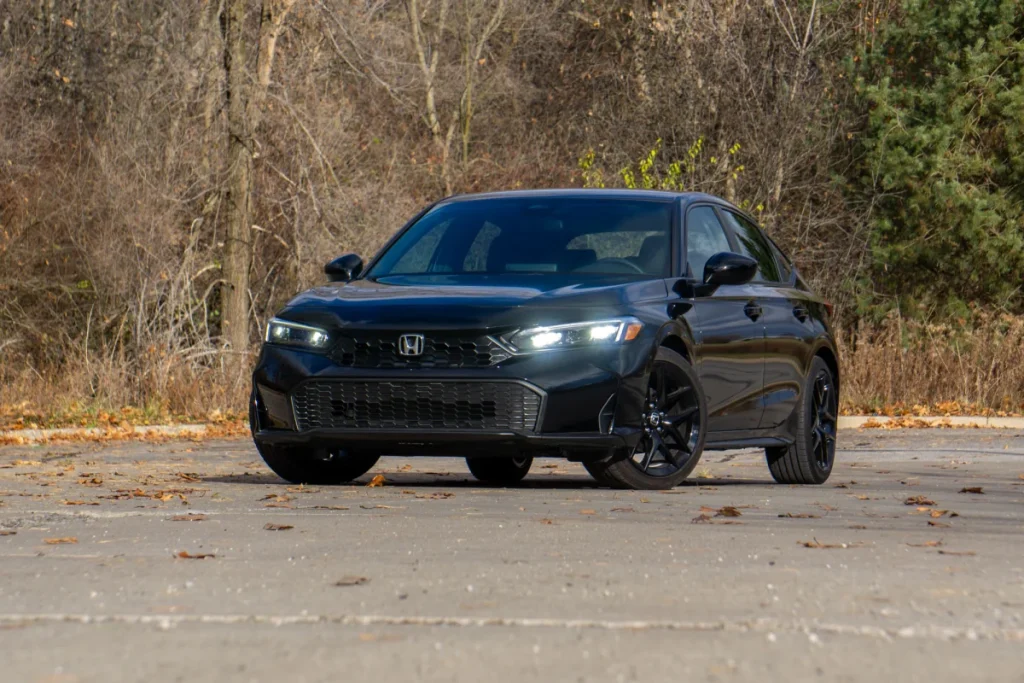
What truly distinguishes the Civic is how complete the package feels. It offers reliability, refinement, efficiency, and durability in a single affordable vehicle. That combination has allowed it to earn the trust of millions of drivers and secure a place among the best-built mainstream cars ever produced.
Specifications
- Engine: 2.0-liter Naturally Aspirated Inline-Four
- Torque: 133 lb-ft
- Horsepower: 150 hp
- Length/Width: 184.0 in / 70.9 in
3. Mazda3
Not every well-built car earns its reputation through sheer longevity alone. The Mazda3 stands out because it combines durability with a level of craftsmanship that often surprises drivers accustomed to mainstream compact cars.
From the moment the door closes, there is a sense of solidity that feels more in line with premium European sedans than an affordable commuter vehicle.
Mazda has spent years refining its manufacturing processes, and the results are evident throughout the car. Panel alignment is typically excellent, exterior paint quality ranks among the best in the segment, and the body structure feels exceptionally rigid.
These attributes contribute to reduced vibrations and a more refined driving experience over the life of the vehicle.
Inside, the Mazda3 presents an entirely different character from many budget-friendly rivals. Rather than filling the cabin with flashy design elements, Mazda focused on fit, finish, and tactile quality.
The controls operate with a precision that feels deliberate, while frequently touched surfaces maintain their appearance well after years of use. Owners often compare the cabin favorably with vehicles wearing luxury badges.
Road manners further reinforce the perception of quality. The vehicle feels tightly assembled, with very few squeaks or rattles even as mileage accumulates. That level of structural integrity reflects careful engineering and strong quality control rather than simply using expensive materials.
Long-term reliability has also become one of the Mazda3’s strengths. While some premium brands can burden owners with costly repairs as they age, the Mazda3 has earned a reputation for dependable operation and manageable maintenance costs.
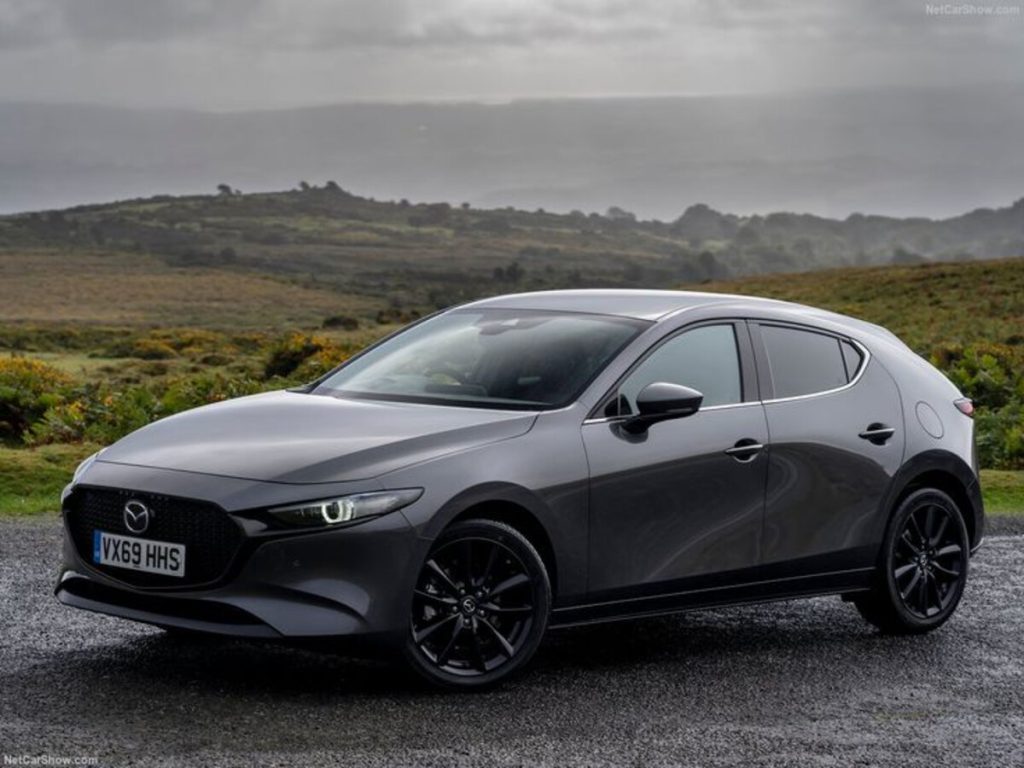
The result is a compact car that punches far above its price category. It may not carry the prestige of a luxury badge, but its construction quality often leaves a stronger lasting impression.
Specifications
- Engine: 2.5-liter Naturally Aspirated Inline-Four
- Torque: 186 lb-ft
- Horsepower: 191 hp
- Length/Width: 183.5 in / 70.7 in
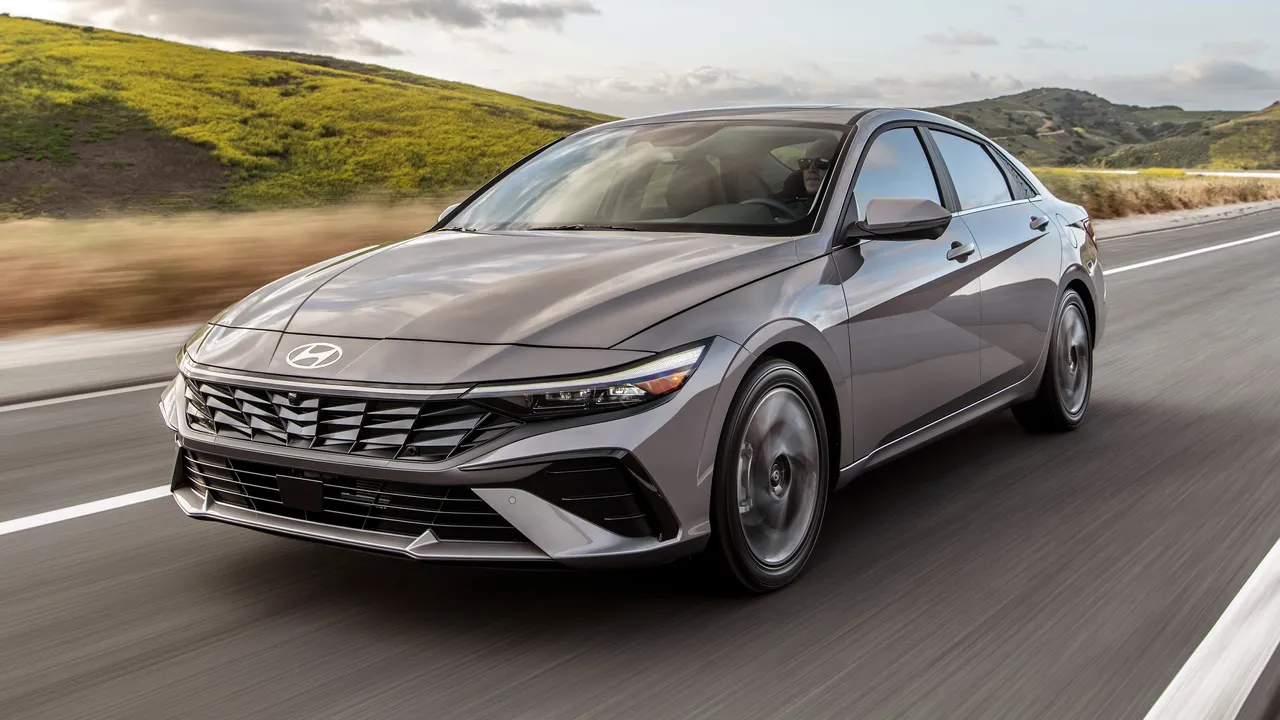
4. Hyundai Elantra
A decade ago, few people would have included a Hyundai in a discussion about class-leading build quality. Today, the Elantra demonstrates just how dramatically the brand has evolved.
Through improved engineering, stricter quality control, and substantial manufacturing investment, Hyundai has transformed the Elantra into a vehicle capable of challenging competitors from much higher price segments.
One of the first things owners notice is consistency. The exterior fit and finish display a level of precision that was once associated primarily with Japanese manufacturers. Door closures feel substantial, paint application is generally excellent, and body panel alignment reflects careful assembly practices.
The cabin reveals another area of progress. Hyundai has developed an impressive ability to create interiors that remain durable despite daily use. Frequently handled controls maintain their functionality, while trim pieces are engineered to resist premature wear.
The design may appear modern and technology-focused, but the underlying construction emphasizes long-term durability.
Another reason the Elantra ranks highly is its ability to age gracefully. Some luxury vehicles feel impressive during the first few years of ownership but begin developing electrical issues, interior noises, or cosmetic deterioration as mileage increases.
The Elantra has demonstrated a stronger tendency to maintain its integrity over time, helping owners avoid many of those frustrations.
Driving the vehicle also highlights the benefits of a well-built platform. The chassis feels composed, the cabin remains relatively quiet, and the structure exhibits the rigidity expected from a carefully engineered product.
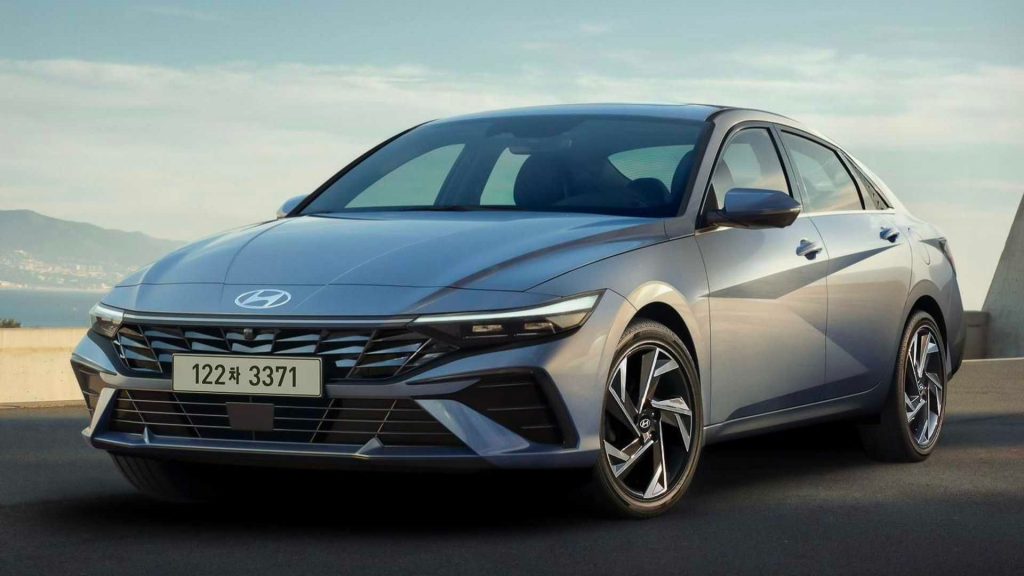
Hyundai’s remarkable rise in quality has not happened by accident. The Elantra represents years of continuous improvement, proving that an affordable compact sedan can deliver a level of build quality that rivals and occasionally surpasses significantly more expensive luxury alternatives.
Specifications
- Engine: 2.0-liter Naturally Aspirated Inline-Four
- Torque: 132 lb-ft
- Horsepower: 147 hp
- Length/Width: 184.1 in / 71.9 in
5. Subaru Impreza
The Subaru Impreza has never relied on luxury appointments or flashy marketing campaigns to attract buyers. Instead, it has built a loyal following through durability, practicality, and a reputation for surviving years of demanding use.
That focus on substance over image has helped the Impreza establish itself as one of the best-built affordable cars available.
A major contributor to its reputation is structural strength. Subaru designs its vehicles with a robust platform that feels solid whether driving on smooth highways or rough secondary roads. This rigidity helps reduce wear on components and minimizes the squeaks and rattles that often develop in less carefully engineered vehicles.
The Impreza’s standard all-wheel-drive system also speaks to Subaru’s commitment to quality. Rather than treating it as a premium feature, Subaru integrates it into the vehicle’s core design. The system has earned a reputation for reliability and durability in a wide variety of climates and road conditions.
Inside the cabin, the emphasis is on longevity. Materials are selected to withstand everyday use rather than simply impress showroom visitors. Controls remain intuitive and durable, while seating surfaces generally hold up well after years of ownership.
The result is an interior that continues feeling functional and well assembled long after many competitors begin showing signs of wear.
Owners frequently report impressive long-term reliability, particularly when routine maintenance is followed. High-mileage examples are common, reinforcing the vehicle’s reputation for lasting durability.
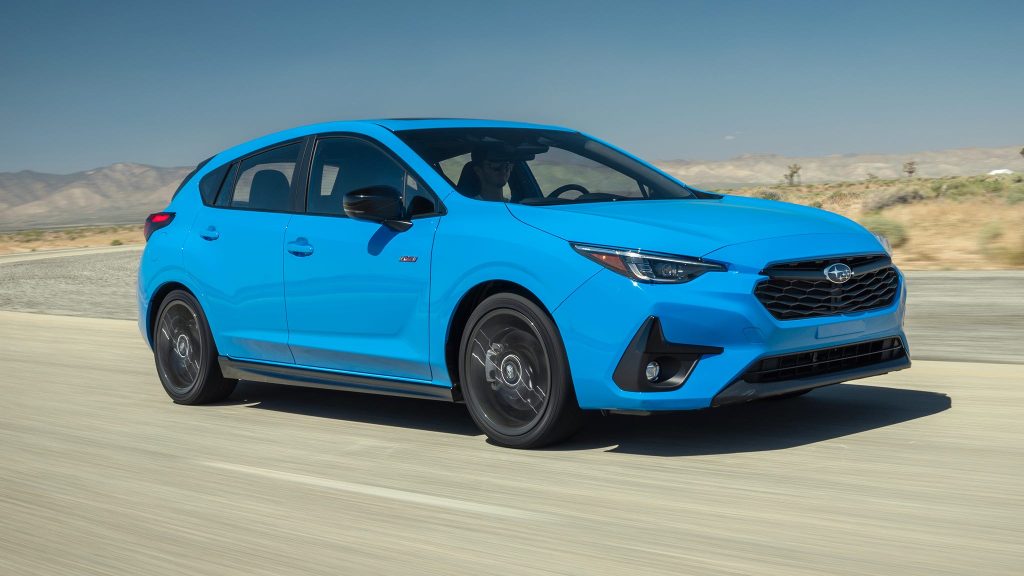
What makes the Impreza particularly noteworthy is that it achieves this level of build quality while remaining accessible to budget-conscious buyers. It may lack the prestige of a luxury badge, but its ability to endure years of real-world use often proves more valuable than upscale branding.
Specifications
- Engine: 2.0-liter Naturally Aspirated Flat-Four
- Torque: 145 lb-ft
- Horsepower: 152 hp
- Length/Width: 176.4 in / 70.1 in
6. Kia Forte
The Kia Forte represents one of the clearest examples of how far mainstream automakers have progressed in recent years. Once viewed primarily as a budget alternative, the Forte now delivers a level of assembly quality and long-term durability that allows it to compete confidently with vehicles from much more expensive segments.
Rather than focusing exclusively on appearance, Kia invested heavily in manufacturing improvements. These efforts are evident in the Forte’s fit and finish. Body panels are aligned with precision, paint quality is consistently strong, and exterior components feel securely attached and well-engineered.
The cabin further reinforces the impression of quality. Switches operate with reassuring consistency, interior panels fit together tightly, and commonly touched surfaces are designed to resist wear. Drivers often notice that the vehicle feels more substantial than expected for its price category.
Another factor contributing to the Forte’s ranking is reliability. Luxury vehicles sometimes introduce complexity that leads to higher repair costs as they age.
The Forte takes a more straightforward approach, emphasizing proven engineering and manageable ownership expenses. This strategy has helped the model earn favorable reliability ratings and strong owner satisfaction.
Road refinement also deserves recognition. The structure feels well assembled, helping the vehicle maintain composure over rough pavement. Even after years of use, many examples remain impressively free of the interior noises that can diminish the ownership experience.
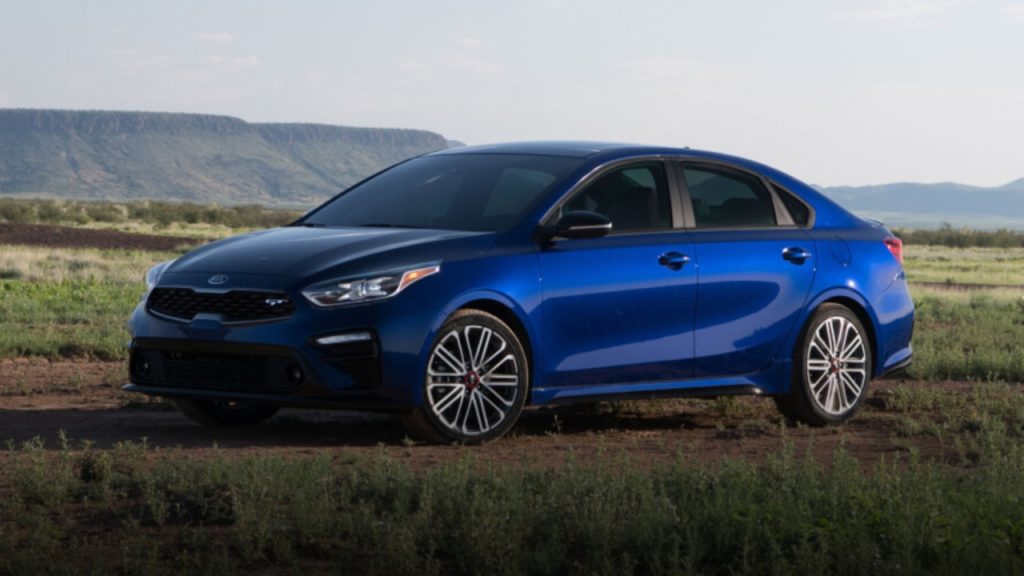
The Forte demonstrates that affordability and quality are no longer mutually exclusive. Through disciplined engineering, careful assembly, and a focus on durability, Kia created a compact sedan that frequently outlasts and outperforms luxury competitors in the areas that matter most to long-term owners.
Specifications
- Engine: 2.0-liter Naturally Aspirated Inline-Four
- Torque: 132 lb-ft
- Horsepower: 147 hp
- Length/Width: 182.7 in / 70.9 in
7. Toyota Camry
The Toyota Camry has spent decades building a reputation that many luxury sedans would envy. While premium brands often compete by introducing increasingly sophisticated technology and expensive materials, Toyota has focused on perfecting the fundamentals.
That philosophy has allowed the Camry to become one of the most respected examples of long-term build quality in the automotive industry.
A key strength lies in manufacturing consistency. Whether examining panel fitment, paint application, or interior assembly, the Camry demonstrates the attention to detail that has become a hallmark of Toyota production. Components fit together with precision, creating a vehicle that feels solid from the first day of ownership.
The interior follows the same philosophy. Rather than relying on delicate decorative elements, Toyota emphasizes durability and functionality.
Buttons, climate controls, and frequently used surfaces are engineered to withstand years of operation. This practical approach helps the cabin maintain its appearance and usability even after accumulating significant mileage.
Another area where the Camry excels is structural integrity. The chassis remains composed over rough pavement, reducing vibrations and helping preserve the vehicle’s tight, well-built feel. Owners frequently report that their cars continue driving with the same confidence and refinement many years after purchase.
Reliability is naturally part of the conversation. The Camry’s powertrains are known for longevity, and maintenance requirements remain relatively straightforward compared with many luxury vehicles. As a result, ownership costs often stay manageable while dependability remains impressively high.
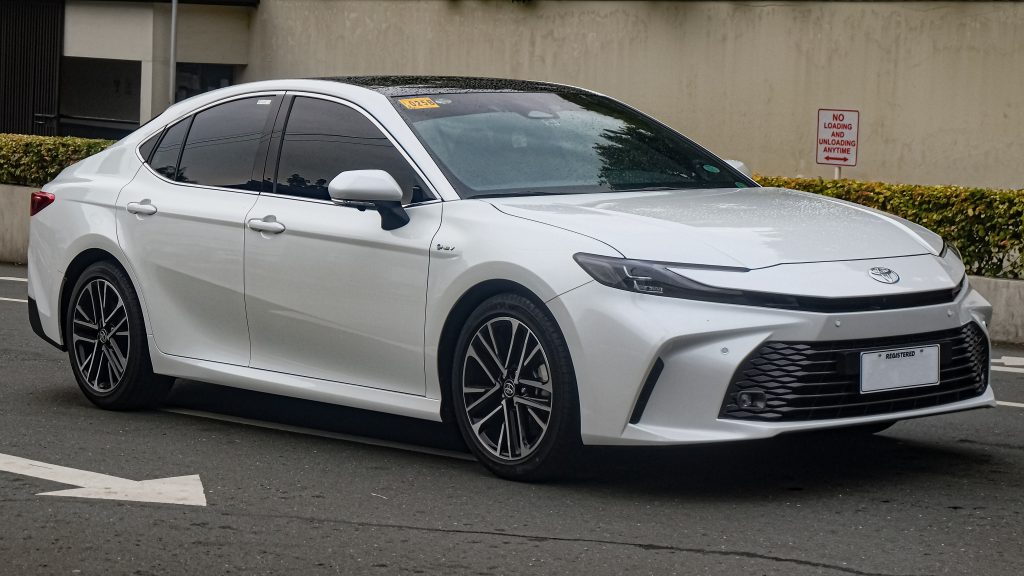
What truly distinguishes the Camry is its ability to age gracefully. While some premium sedans lose their sense of quality as electronic systems and interior components wear, the Camry frequently retains its integrity for hundreds of thousands of miles. That durability earns it a place among the best-built affordable cars available.
Specifications
- Engine: 2.5-liter Naturally Aspirated Inline-Four
- Torque: 184 lb-ft
- Horsepower: 203 hp
- Length/Width: 193.5 in / 72.4 in
8. Honda Accord
The Honda Accord has long occupied a unique position in the automotive market. Although it is priced as a mainstream family sedan, its engineering quality often places it in direct competition with entry-level luxury vehicles.
Throughout multiple generations, the Accord has earned respect for combining refinement, durability, and precision in a package accessible to ordinary buyers.
One reason for its success is Honda’s commitment to quality control. The Accord consistently demonstrates excellent assembly standards, with tight panel gaps, carefully fitted interior components, and a level of finish that feels far more expensive than its price suggests. Small details, often overlooked by consumers, contribute significantly to the vehicle’s premium feel.
The cabin showcases Honda’s practical approach to craftsmanship. Materials are selected not only for appearance but also for longevity. High-touch surfaces resist wear effectively, and controls continue operating smoothly even after years of daily use.
This durability helps maintain a fresh, well-cared-for feel long after the vehicle leaves the showroom.
Driving an Accord also reveals its underlying engineering excellence. The structure feels rigid and composed, minimizing unwanted vibrations and preserving ride quality over time. That solid foundation contributes to the impression that the vehicle was designed to last rather than simply impress during a test drive.
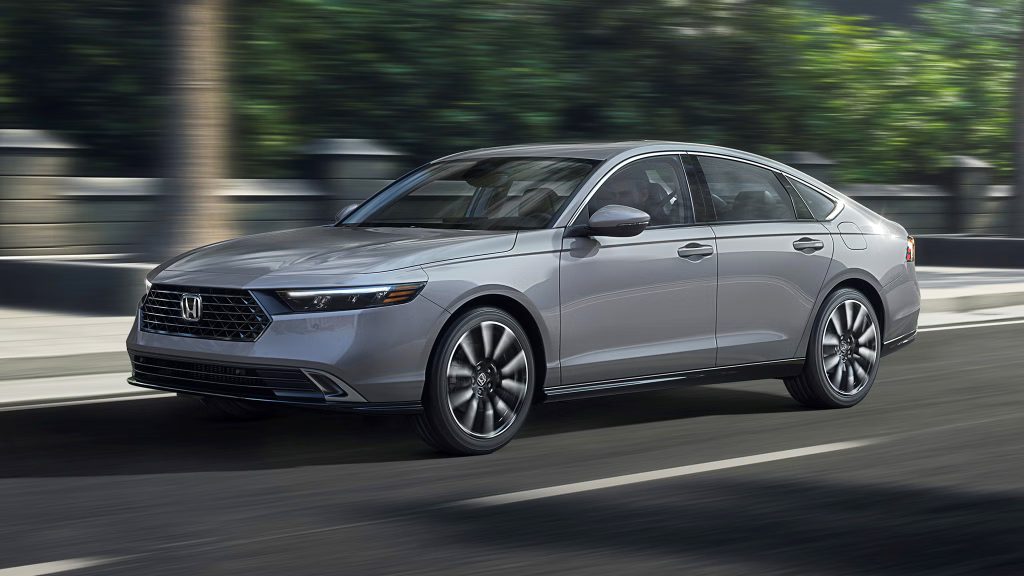
Long-term ownership experiences further strengthen its reputation. Many Accords remain dependable well beyond 200,000 miles when properly maintained. Such longevity reflects careful engineering and disciplined manufacturing rather than marketing promises.
The Accord demonstrates that genuine quality comes from consistency, reliability, and thoughtful design. While luxury competitors may offer more prestige, few can match the Accord’s combination of durability, refinement, and long-term value.
Specifications
- Engine: 1.5-liter Turbocharged Inline-Four
- Torque: 192 lb-ft
- Horsepower: 192 hp
- Length/Width: 195.7 in / 73.3 in
9. Lexus ES 250
Although the Lexus ES carries a luxury badge, its pricing often places it close to well-equipped mainstream sedans, making it one of the most attainable premium vehicles on the market.
More importantly, it demonstrates a level of assembly quality and long-term durability that many significantly more expensive luxury rivals struggle to match.
The ES 250 benefits from Toyota’s manufacturing philosophy, which prioritizes precision and consistency above flashy innovation. Every major component feels carefully engineered, from the doors and switches to the suspension and drivetrain. The result is a sedan that feels exceptionally solid regardless of mileage.
Interior craftsmanship is another highlight. Panels fit together with remarkable accuracy, controls operate smoothly, and materials are selected for durability as much as appearance. Years of ownership often reveal very little deterioration, helping the vehicle maintain a premium atmosphere long after purchase.
Owners frequently praise the ES for its quiet cabin and dependable operation. While some luxury vehicles become costly to maintain as they age, the ES tends to avoid many of those problems through proven engineering and conservative design choices.
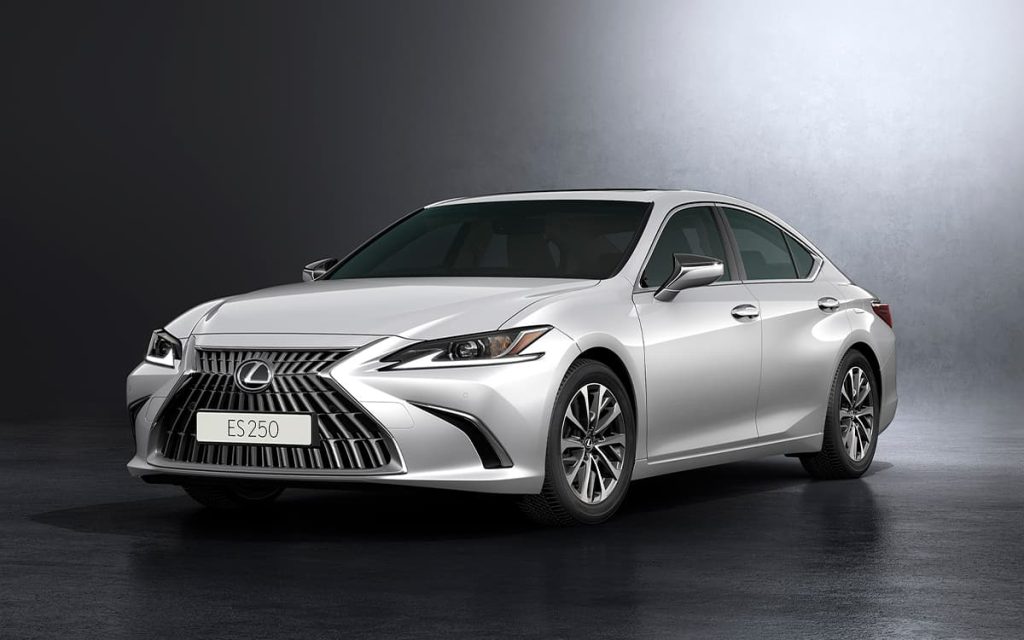
Its ability to combine luxury, reliability, and build quality in one package has made it a benchmark in the segment. The ES 250 may not be the most technologically ambitious luxury sedan, but its durability and craftsmanship often allow it to outlast and outperform rivals that cost considerably more.
Specifications
- Engine: 2.5-liter Naturally Aspirated Inline-Four
- Torque: 184 lb-ft
- Horsepower: 203 hp
- Length/Width: 195.9 in / 73.4 in
10. Toyota Avalon
The Toyota Avalon earns the top position because it consistently delivered a level of quality, durability, and refinement that challenged luxury sedans while remaining far more affordable. Throughout its production life, the Avalon became known as one of the most dependable large sedans available.
What separated the Avalon from many competitors was its attention to fundamentals. The body structure felt exceptionally robust, interior materials aged gracefully, and mechanical components were engineered with longevity in mind. Owners routinely reported years of trouble-free service with minimal unexpected repairs.
The cabin reflected Toyota’s commitment to quality. Seats retained their comfort, controls maintained their functionality, and trim pieces resisted wear remarkably well. Even high-mileage examples often felt tighter and more refined than luxury rivals with similar usage.
The Avalon also benefited from proven powertrains and straightforward engineering. Rather than chasing complicated technology trends, Toyota focused on reliability and durability. This approach helped the vehicle establish an outstanding reputation among long-term owners.
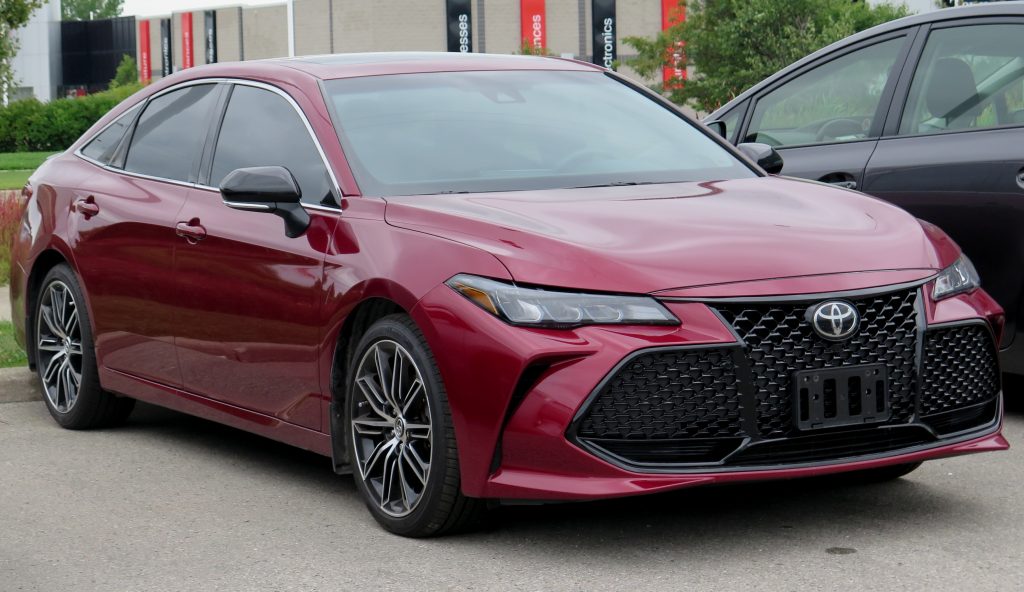
Its combination of comfort, build quality, and dependability created a sedan that frequently exceeded expectations. While luxury competitors often impressed buyers in the showroom, the Avalon proved its value year after year through consistent performance and lasting quality.
For drivers seeking genuine craftsmanship rather than prestige alone, the Toyota Avalon remains one of the strongest examples that excellent build quality does not require an expensive luxury badge.
Specifications
- Engine: 3.5-liter Naturally Aspirated V6
- Torque: 267 lb-ft
- Horsepower: 301 hp
- Length/Width: 195.9 in / 72.8 in
Also Read: 9 Modern Classic Cars From the 2010s That Are Likely to Increase in Value