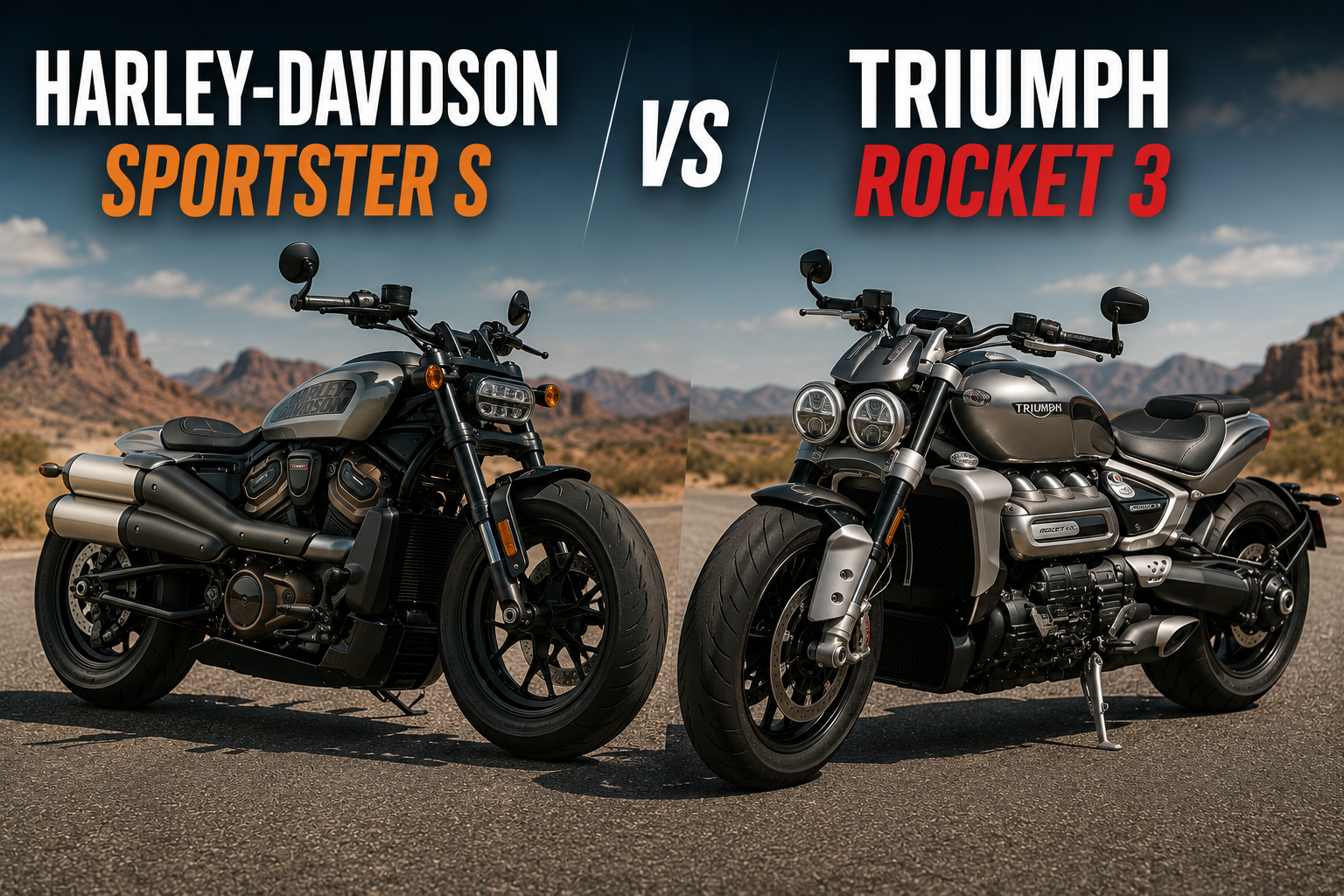
Few motorcycle comparisons are as unusual as the Harley-Davidson Sportster S and the Triumph Rocket 3. While both are classified as performance-focused cruisers, they represent completely different interpretations of what a modern power cruiser should be.
One comes from America’s most iconic motorcycle manufacturer, carrying decades of heritage while embracing a radically modern design philosophy. The other comes from Britain and is powered by the largest production motorcycle engine currently available, delivering performance figures that rival many sportbikes.
The Harley-Davidson Sportster S marked a major shift for Harley when it debuted. Built around the Revolution Max engine platform, the motorcycle abandoned many traditional Sportster traits in favor of modern performance, aggressive styling, and advanced technology.
It was designed to attract a new generation of riders while maintaining enough Harley character to satisfy loyal enthusiasts.
The Triumph Rocket 3 occupies a category almost entirely of its own. With its massive 2.5-liter three-cylinder engine, the Rocket 3 delivers extraordinary torque and acceleration that few motorcycles can match.
Despite its size and power, Triumph has engineered the bike to handle surprisingly well, creating a machine that blends muscle-bike presence with modern performance capabilities.
Both motorcycles prioritize power, style, and rider excitement, but they achieve those goals through entirely different approaches. The Sportster S emphasizes agility, technology, and modern design, while the Rocket 3 focuses on sheer performance, road presence, and unmatched engine character.
For riders considering one of these premium power cruisers, understanding the differences between them is essential. Looking at six critical categories reveals which motorcycle delivers the stronger package and where each one excels.
Also Read: 10 SUVs Ranked By Backseat Space
Styling, Design, And Road Presence
Motorcycles in this segment are rarely purchased for practical reasons alone. Buyers want something that creates an emotional response, and both of these machines accomplish that in dramatically different ways.
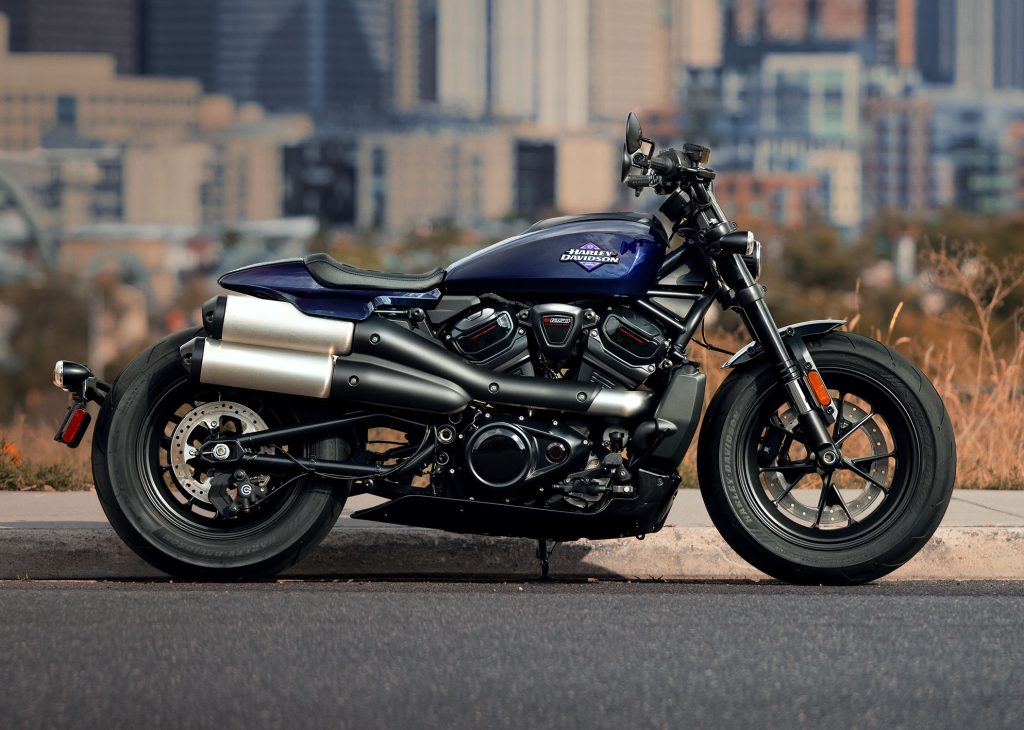
The Harley-Davidson Sportster S is one of the boldest production motorcycles Harley has ever built. The low stance, short tail section, chunky tires, and high-mounted exhaust system create an unmistakably modern appearance.
Unlike traditional Harley cruisers that rely on chrome and retro styling cues, the Sportster S embraces a futuristic design language.
The large front tire and compact proportions give the motorcycle a muscular stance. Every angle reveals something distinctive, whether it is the sculpted fuel tank, the exposed engine components, or the minimalist rear section. It is a motorcycle that immediately stands apart from the rest of Harley-Davidson’s lineup.
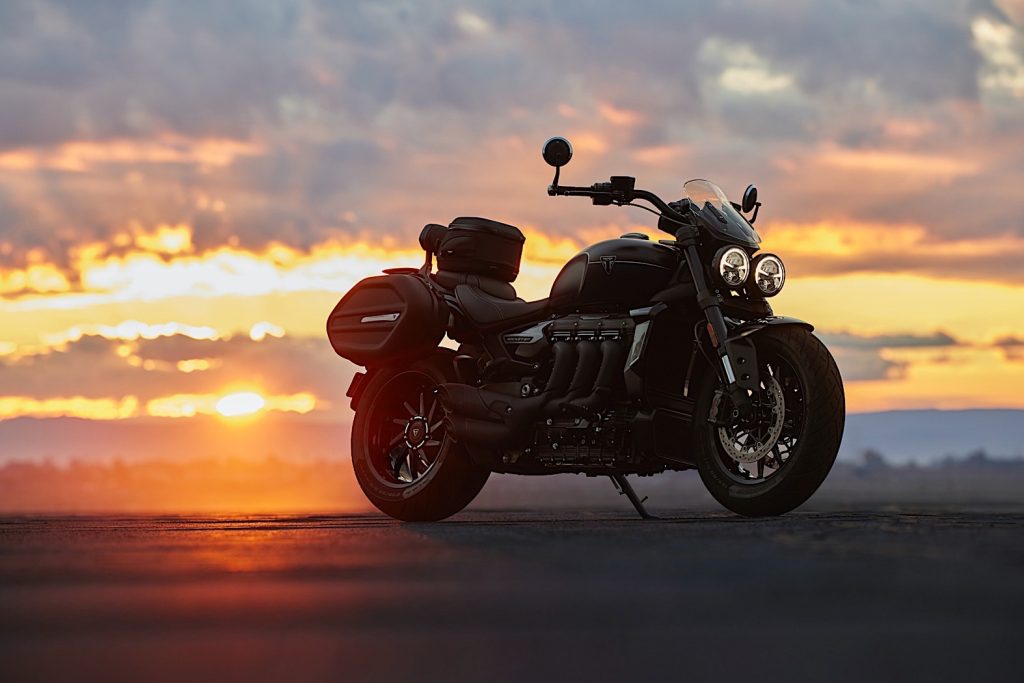
The Triumph Rocket 3 takes a different approach. Rather than emphasizing compactness, it showcases its immense size and mechanical presence. The massive engine dominates the motorcycle’s appearance, becoming the centerpiece of the design.
Wide tires, aggressive bodywork, and premium finishes contribute to an appearance that is both elegant and intimidating.
Unlike many large cruisers, the Rocket 3 manages to look modern without sacrificing its identity. The proportions are dramatic, and the bike commands attention wherever it goes. Even people unfamiliar with motorcycles often recognize that the Rocket 3 is something special.
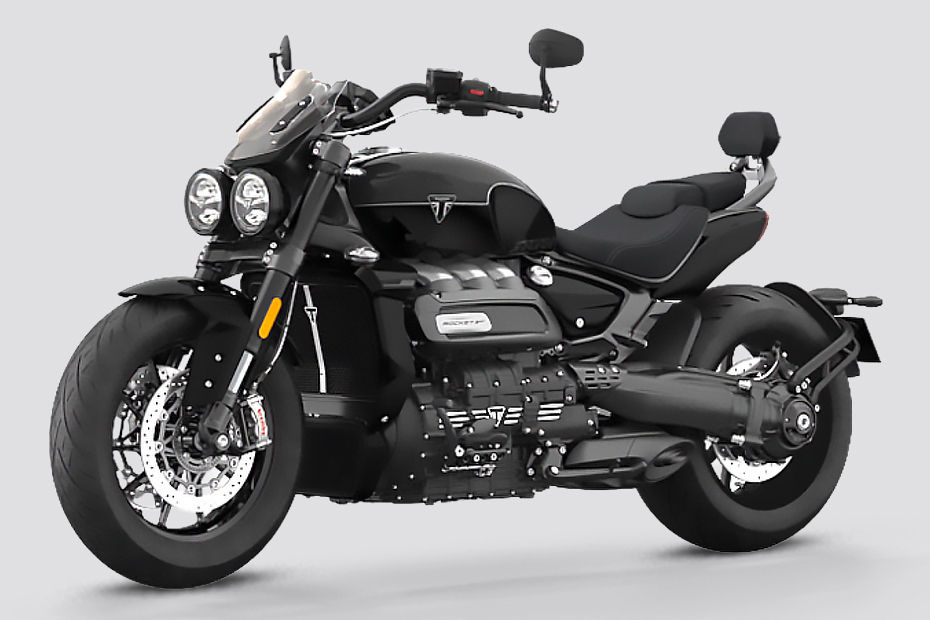
Both motorcycles are visually striking, but the Triumph creates a stronger impression. The sheer scale of the machine and the prominence of its engine make it one of the most recognizable motorcycles on the road today.
Winner: Triumph Rocket 3
Why It Wins: Massive engine presence and unmistakable proportions create an unmatched visual impact.
Engine Performance And Power Delivery
This category represents the heart of the comparison. The Harley-Davidson Sportster S uses the Revolution Max 1250T engine, a liquid-cooled V-twin producing impressive power for a cruiser. The engine revs freely, delivers strong acceleration, and feels dramatically different from Harley’s traditional air-cooled powerplants.
Throttle response is crisp, and the powerband remains accessible across a wide range of rpm. The motorcycle accelerates aggressively and offers a level of performance that would have been unimaginable in a Sportster just a few years ago.
The Triumph Rocket 3 operates on an entirely different level. Its 2,458cc inline-three engine is the largest production motorcycle engine currently available. The torque output is extraordinary, creating effortless acceleration regardless of gear selection.
Opening the throttle on a Rocket 3 produces a sensation unlike almost any other motorcycle. The immense torque arrives immediately, pushing the bike forward with authority. Passing slower traffic requires little more than a twist of the wrist, and highway acceleration remains astonishing.
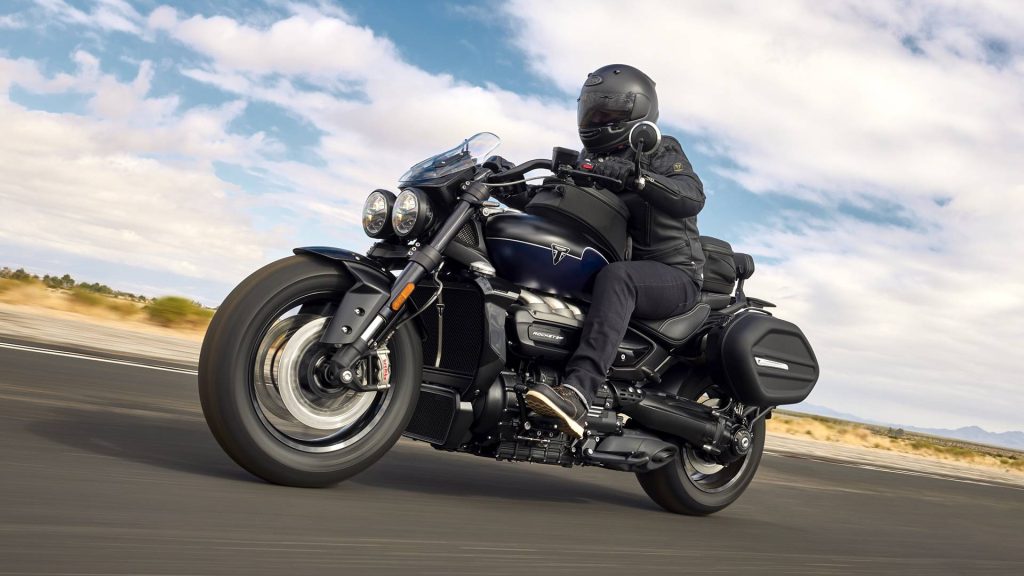
The Triumph’s engine is not simply powerful; it is memorable. The combination of displacement, smoothness, and torque creates an experience that few motorcycles can replicate.
The Harley deserves significant credit for modernizing the Sportster platform, but when discussing engine performance, the Rocket 3 exists in a category of its own.
Winner: Triumph Rocket 3
Why It Wins: Unmatched torque and extraordinary acceleration deliver a truly unique riding experience.
Handling, Chassis Dynamics, And Riding Confidence
Cruisers are not traditionally known for exceptional handling, but both motorcycles challenge that stereotype.
The Sportster S benefits from relatively low weight, modern suspension components, and a rigid chassis. Compared to traditional Harley cruisers, it feels remarkably agile. The motorcycle changes direction quickly and responds confidently to rider inputs.
Urban riding and twisty roads highlight the Sportster’s strengths. The compact dimensions and responsive steering make it surprisingly enjoyable in situations where larger cruisers often feel cumbersome.
The Rocket 3 faces a greater challenge due to its size and weight. Yet Triumph’s engineers have created a motorcycle that handles far better than its specifications suggest. High-quality suspension, advanced chassis design, and careful weight distribution help disguise much of the bike’s mass.
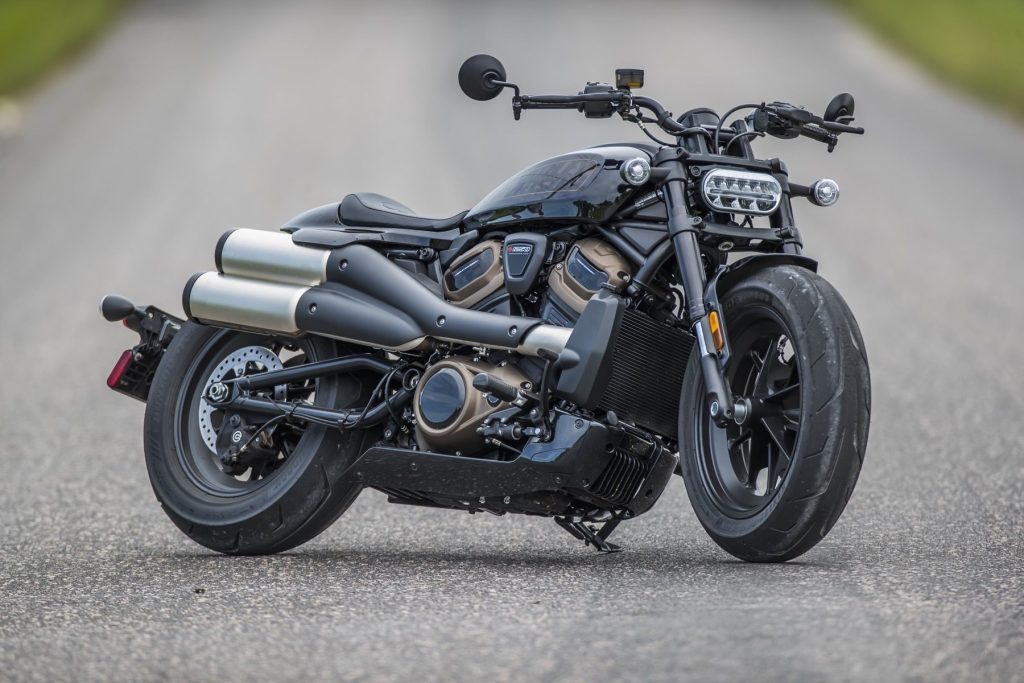
Cornering stability is excellent, and the Rocket remains composed during aggressive riding. However, physics still applies. The larger motorcycle requires more effort to maneuver and feels less nimble than the Harley in tight environments.
While the Triumph’s handling is deeply impressive for a machine of its size, the Sportster S delivers a more approachable and confidence-inspiring experience for a wider range of riders.
Winner: Harley-Davidson Sportster S
Why It Wins: Lighter weight and greater agility improve handling in real-world riding conditions.
Comfort, Ergonomics, And Long-Distance Capability
Comfort can significantly influence ownership satisfaction, particularly for riders who spend long hours in the saddle.
The Sportster S prioritizes style and performance over traditional cruiser comfort. The forward controls and compact riding position work well for shorter rides, but some riders may find the ergonomics less accommodating during extended journeys.
The seat provides adequate support, but long-distance touring is not the motorcycle’s primary mission. Wind protection is minimal, and taller riders may feel somewhat confined.
The Rocket 3 offers a more spacious riding environment. The larger chassis allows for a roomier seating position, and the ergonomics feel more natural for riders of varying sizes. Despite its performance focus, the Triumph remains surprisingly comfortable over long distances.
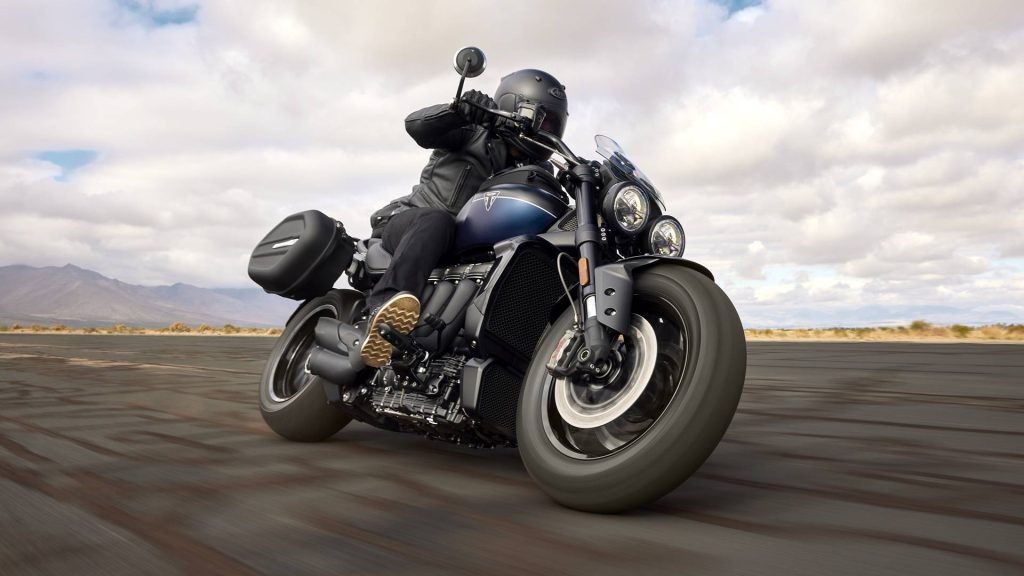
The seat quality is excellent, and the motorcycle’s smooth engine reduces fatigue during highway riding. The massive torque output also means less shifting and fewer engine vibrations during cruising.
Neither motorcycle is a dedicated touring machine, but the Rocket 3’s larger dimensions and more accommodating ergonomics make it the better companion for extended rides.
Winner: Triumph Rocket 3
Why It Wins: More spacious ergonomics and superior long-distance comfort improve touring capability.
Technology, Features, And Modern Equipment
Modern premium motorcycles are expected to deliver advanced technology, and both manufacturers have embraced that expectation.
The Sportster S includes multiple riding modes, cornering ABS, traction control, wheelie mitigation, cruise control, and a modern TFT display. Harley-Davidson has done an excellent job integrating these systems without making the motorcycle feel overly complicated.
The display is easy to read, the menus are intuitive, and the technology genuinely enhances the riding experience. The motorcycle represents one of Harley’s most technologically advanced products.
The Rocket 3 offers a similarly impressive suite of electronic aids. Riders receive multiple riding modes, cornering-sensitive safety systems, cruise control, traction management, and a sophisticated TFT display with smartphone connectivity.
Triumph’s system feels polished and comprehensive. The user interface is intuitive, and the available technology reflects the motorcycle’s premium positioning.
The difference between the two is minimal, but Triumph’s implementation feels slightly more refined and feature-rich, particularly in higher-spec Rocket 3 variants.
Winner: Triumph Rocket 3
Why It Wins: More comprehensive premium features and polished technology integration create a richer ownership experience.
Pricing, Ownership Appeal, And Long-Term Value
Premium motorcycles require significant financial commitments, making value an important factor.
The Harley-Davidson Sportster S benefits from the Harley brand’s strong identity and loyal customer base. Owners gain access to extensive dealer networks, customization options, and a community unlike almost any other in motorcycling.
Maintenance costs remain relatively manageable, and Harley’s reputation helps support strong resale values. The Sportster S also serves as a more accessible entry point into the premium power cruiser category.
The Rocket 3 commands a higher price but delivers a truly unique ownership experience. There are a few direct competitors, and the motorcycle’s extraordinary engine ensures it remains memorable throughout ownership.
Triumph’s build quality is excellent, and the Rocket enjoys strong enthusiast appeal. However, operating costs and purchase prices are generally higher than those associated with the Harley.
When evaluating value, accessibility matters. The Sportster S provides impressive performance, advanced technology, and strong brand appeal at a lower cost. While the Rocket 3 offers greater performance, the Harley delivers a more attainable ownership proposition.
Winner: Harley-Davidson Sportster S
Why It Wins: Lower purchase costs and strong brand support improve full ownership value.
Comparison Scorecard
| Category | Winner | The Edge |
|---|---|---|
| Styling, Design, And Road Presence | Triumph Rocket 3 | A massive engine and unmatched visual presence dominate attention |
| Engine Performance And Power Delivery | Triumph Rocket 3 | Extraordinary torque and acceleration surpass nearly every cruiser |
| Handling, Chassis Dynamics, And Riding Confidence | Harley-Davidson Sportster S | Lighter weight and sharper agility improve maneuverability |
| Comfort, Ergonomics, And Long-Distance Capability | Triumph Rocket 3 | More spacious ergonomics and greater long-distance comfort |
| Technology, Features, And Modern Equipment | Triumph Rocket 3 | Richer technology package and more premium feature integration |
| Pricing, Ownership Appeal, And Long-Term Value | Harley-Davidson Sportster S | Lower cost of entry and stronger value proposition |
Also Read: 10 Compact Sedans Ranked By Backseat Space