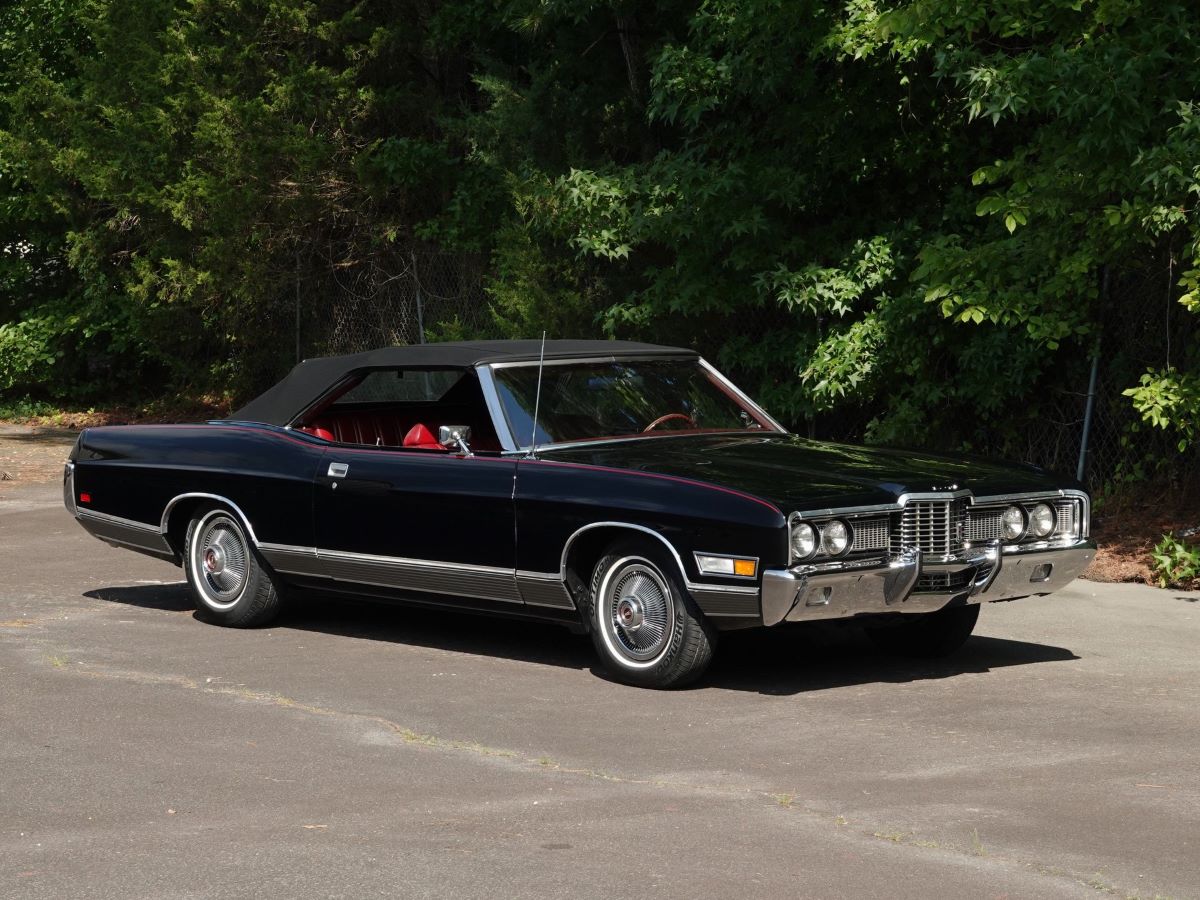
The 1970s were one of the most transformative decades in American automotive history. The era began with the final years of the muscle car boom but quickly encountered new challenges that reshaped the industry.
Rising fuel prices, changing emissions regulations, safety requirements, and shifting consumer priorities forced automakers to rethink the vehicles they produced. Despite these changes, the decade gave America some of its most recognizable and influential cars.
The high-horsepower battles of the late 1960s gave way to a decade defined by adaptation in the 1970s. Large family sedans still filled suburban driveways, compact cars surged in popularity after the oil crisis, and personal luxury coupes rose as nationwide status symbols.
The vehicles Americans drove during this period reflected broader economic and cultural trends, making them more than just transportation.
Many of these cars became household names because they were everywhere. They filled parking lots, lined residential streets, and carried millions of families to work, school, and vacations. Some were admired for their practicality, while others earned fame through style, comfort, or performance.
These vehicles still serve as rolling reminders of a distinctive era in automotive history, with their designs, engineering decisions, and cultural influence shaping American automotive development for years afterward. The eight cars below capture what defined American roads throughout the 1970s.
Also Read: 8 Hidden Features in the Toyota Grand Highlander
1. Chevrolet Impala
Few cars were as deeply woven into American life during the 1970s as the Chevrolet Impala. While its roots stretched back to the late 1950s, the Impala remained one of the most common sights on American roads throughout the decade.
The car appealed to a broad range of buyers because it successfully balanced size, comfort, and affordability. Families appreciated the spacious interior, while fleet operators and government agencies valued its durability and ease of maintenance.
In many communities, it seemed impossible to drive more than a few blocks without spotting an Impala.
The Impala stood out for its broad appeal, designed to suit nearly every type of driver. It functioned as family transportation, a company car, a police cruiser, and a long-distance highway vehicle. This versatility played a major role in making it one of Chevrolet’s most successful models.
Styling evolved throughout the decade as manufacturers adjusted to changing regulations. Larger bumpers, revised lighting, and new safety features became increasingly common. Even as these changes altered the car’s appearance, the Impala maintained the comfortable ride and roomy cabin that buyers expected.
The oil crisis of the 1970s challenged large American sedans, yet the Impala remained popular because many consumers still valued interior space and highway comfort above all else. Its presence on American roads reflected a period when full-size cars remained the default choice for countless households.
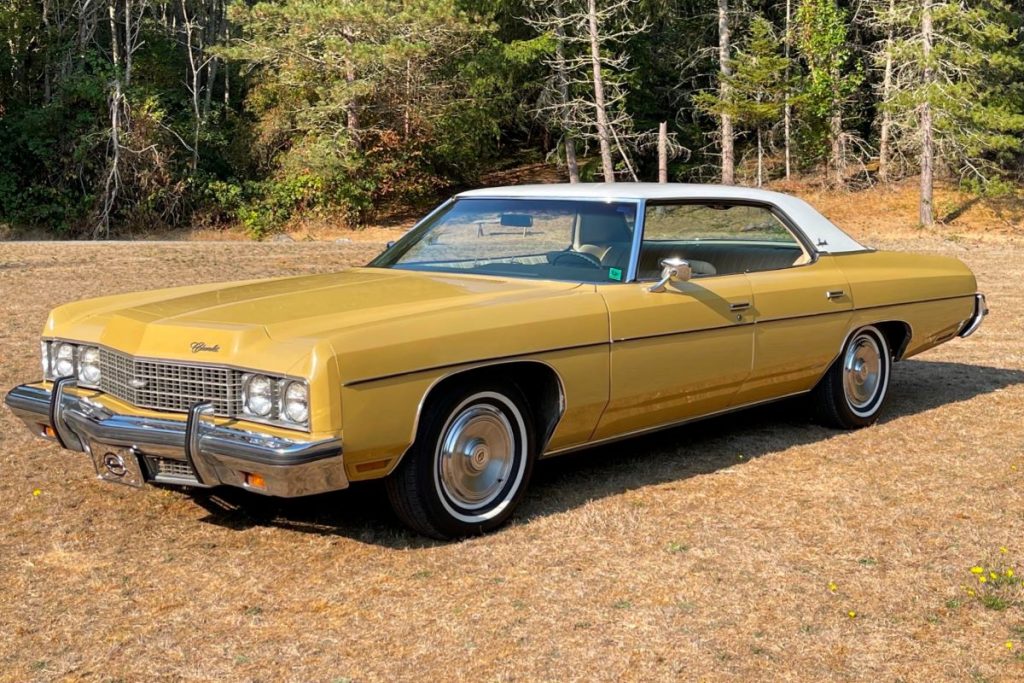
When people think about everyday American transportation during the decade, the Chevrolet Impala frequently comes to mind. It was not the flashiest car of the era, but its widespread popularity ensured that it became one of the defining automobiles of the 1970s.
Specifications
- Engine: 5.7-Liter V8
- Torque: 285 lb-ft
- Horsepower: 165 hp
- Length/Width: 222.9 in / 79.5 in
2. Ford LTD
The Ford LTD represented a distinctly American approach to automotive comfort. Large dimensions, a smooth ride, and an emphasis on quiet cruising helped make it one of the most recognizable vehicles of the 1970s.
Ford marketed the LTD as a premium offering within its mainstream lineup. Buyers who wanted luxury without moving to a dedicated luxury brand often found the LTD attractive. Plush interiors, soft suspension tuning, and generous seating capacity contributed to its popularity.
One of the car’s defining characteristics was its ability to absorb long highway journeys effortlessly. Interstate travel expanded rapidly during this period, and vehicles like the LTD were perfectly suited to covering vast distances. Wide bench seats and ample legroom transformed lengthy road trips into comfortable experiences.
The LTD also reflected changing consumer tastes. While performance remained important to some buyers, many Americans increasingly prioritized comfort and refinement. Ford responded by focusing on ride quality and convenience features rather than outright speed.
Throughout the decade, the LTD appeared in countless driveways, office parking lots, and suburban neighborhoods. Its success helped establish Ford as a major force in the full-size sedan segment.
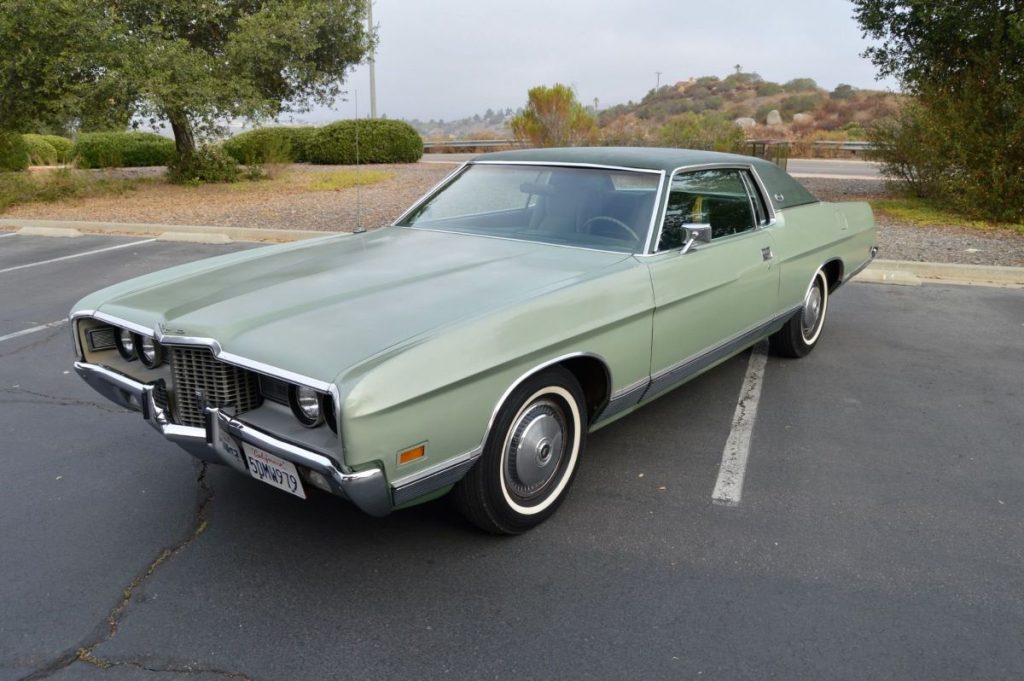
The model’s influence extended beyond private ownership. Many law enforcement agencies and commercial fleets adopted LTD variants because of their durability and straightforward engineering. This widespread use further cemented the car’s place in American culture.
Today, the Ford LTD stands as a symbol of an era when large sedans ruled the roads and comfort often took precedence over performance. Its popularity during the 1970s ensured its status as one of the decade’s most important automobiles.
Specifications
- Engine: 5.8-Liter V8
- Torque: 294 lb-ft
- Horsepower: 161 hp
- Length/Width: 221.0 in / 79.0 in
3. Plymouth Volaré
The 1970s forced American automakers to rethink many of their traditional assumptions, and the Plymouth Volaré became one of the products created in response to those changing conditions.
Introduced in the middle of the decade, it represented Chrysler’s effort to offer a more modern and efficient vehicle while still delivering the comfort American buyers expected.
A shift away from the massive full-size sedans that had dominated earlier years gave the Volaré a more manageable footprint. As fuel economy concerns intensified following the oil crisis, this smaller size became increasingly relevant. Consumers who once associated larger vehicles with success gradually began focusing more on operating costs.
The Volaré was marketed as practical transportation, but Plymouth also attempted to make it stylish. Buyers could choose from a range of body styles and trim levels, allowing the car to appeal to a surprisingly broad audience.
Families appreciated its usability, while younger drivers often found its size less intimidating than larger domestic models.
Its arrival coincided with a period when American manufacturers were facing growing competition from imported vehicles. The Volaré became part of Detroit’s effort to retain buyers who might otherwise have considered foreign alternatives.
What makes the Volaré significant is not simply the number sold but what it represented. It highlighted the industry’s shift toward smaller, more efficient vehicles while retaining many traditional American characteristics such as a comfortable ride and generous interior space.
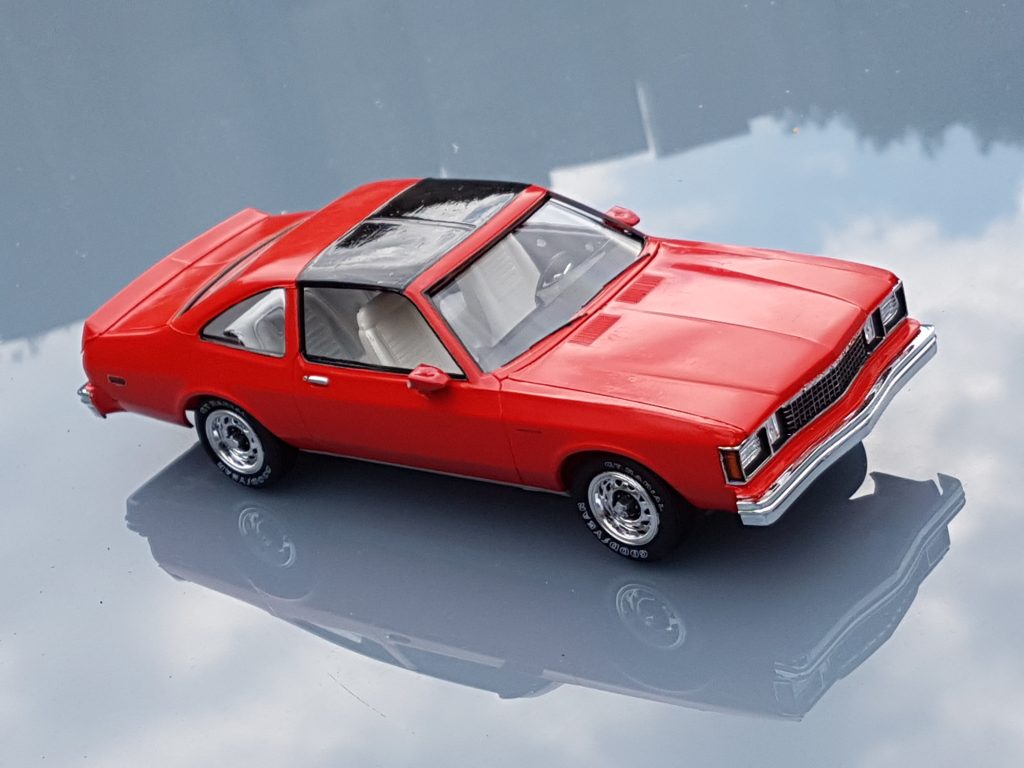
Throughout the late 1970s, the Volaré became a familiar sight in cities, suburbs, and rural communities. It may not have generated the excitement of a muscle car, but its role as dependable everyday transportation ensured its place in automotive history.
For many Americans, the Volaré reflected the practical realities of the decade better than almost any performance-oriented vehicle could.
Specifications
- Engine: 5.2-Liter V8
- Torque: 245 lb-ft
- Horsepower: 145 hp
- Length/Width: 204.8 in / 71.5 in
4. Oldsmobile Cutlass Supreme
If one vehicle perfectly captured the personal luxury trend of the 1970s, it was the Oldsmobile Cutlass Supreme. While many cars focused on family transportation, the Cutlass Supreme appealed to buyers who wanted style, comfort, and a touch of prestige without moving into the premium luxury segment.
Sales figures tell part of the story. The Cutlass became one of the best-selling cars in America during the decade, proving that consumers were eager for something more fashionable than a traditional family sedan.
A long hood, formal roofline, and upscale trim helped it stand out in crowded parking lots. While performance cars of the previous era focused on speed and aggression, the Cutlass Supreme prioritized refinement instead. Plush interiors, comfortable seating, and smooth highway manners made it an appealing option for buyers seeking a relaxed driving experience.
The model also benefited from Oldsmobile’s reputation for offering slightly more sophistication than some other General Motors divisions. Buyers often viewed the Cutlass Supreme as an attainable luxury vehicle, providing premium touches without a premium price tag.
As the decade progressed and fuel economy concerns intensified, Oldsmobile adapted the car to changing market demands. Even with reduced engine outputs compared to earlier years, the Cutlass Supreme maintained its popularity thanks to its styling and comfort.
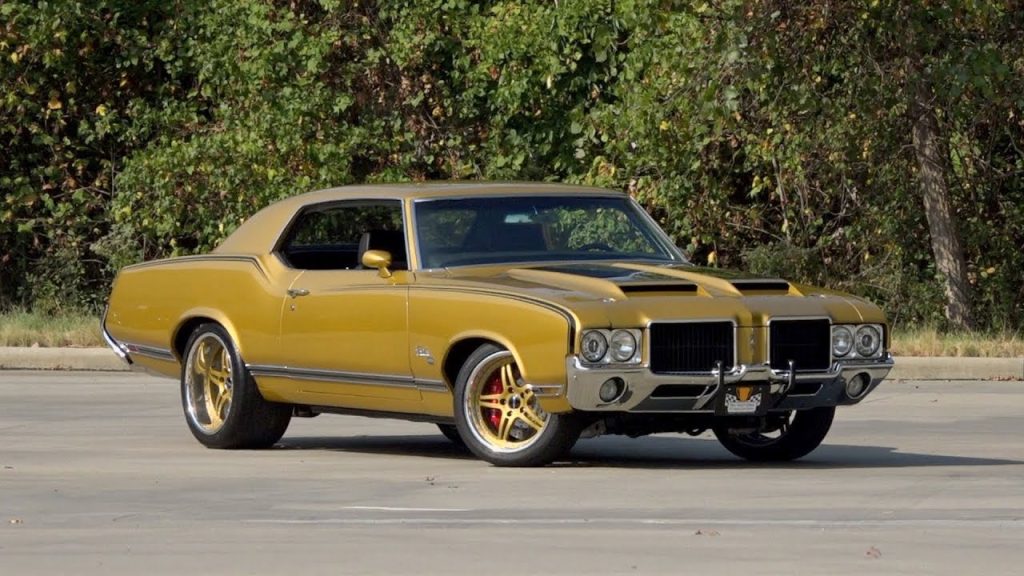
Its influence extended beyond sales numbers. The vehicle helped define the personal luxury coupe segment, a category that became enormously important during the 1970s. Many competing manufacturers developed similar models in response to its success.
The Cutlass Supreme was more than just a popular car. It reflected changing consumer priorities and became one of the decade’s most recognizable automotive success stories.
Specifications
- Engine: 5.7-Liter V8
- Torque: 275 lb-ft
- Horsepower: 180 hp
- Length/Width: 210.8 in / 74.0 in
5. Chevrolet Chevelle Malibu
At the beginning of the 1970s, the Chevrolet Chevelle Malibu stood at the crossroads of two automotive eras. It carried the spirit of the muscle-car years into a decade that would soon be defined by fuel economy concerns, emissions regulations, and changing consumer expectations.
The Chevelle Malibu occupied an important position within Chevrolet’s lineup. It was neither as large as the company’s full-size sedans nor as compact as the smaller cars that gained popularity later in the decade. This balance made it appealing to a wide variety of buyers.
Early 1970s versions benefited from powerful engine options and attractive styling. The car’s broad stance, clean body lines, and versatile body styles helped establish it as one of the most recognizable intermediate cars in America.
Whether configured as a family sedan, coupe, or wagon, the Malibu offered practicality without sacrificing visual appeal.
As the decade went on, major changes reshaped the automotive industry. Chevrolet revised the Malibu to meet new regulations and evolving consumer priorities. Although engine outputs decreased, the model continued to attract buyers by maintaining the comfort and practicality they valued.
The Malibu’s presence extended well beyond suburban neighborhoods. It appeared in small towns, major cities, and highways stretching across the country. Its widespread popularity made it a familiar part of daily life for millions of Americans.
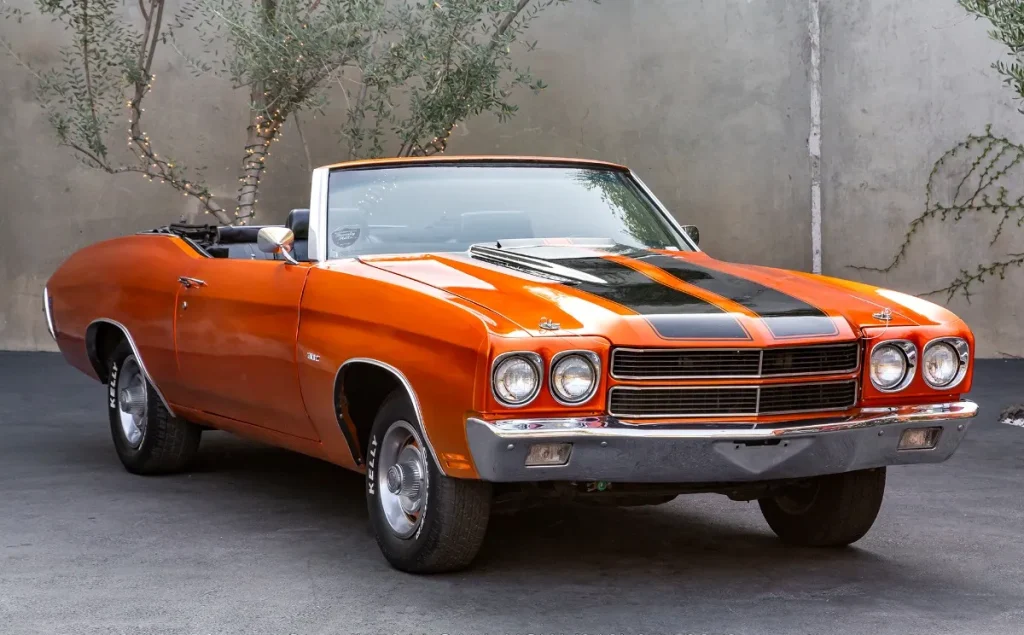
What truly defined the Malibu was its adaptability. Few vehicles transitioned through the changing conditions of the 1970s as effectively. It began the decade with one set of expectations and finished it serving a very different market.
Today, the Chevrolet Chevelle Malibu stands as a symbol of an automotive industry undergoing unprecedented transformation while continuing to provide reliable transportation for countless American families.
Specifications
- Engine: 5.7-Liter V8
- Torque: 300 lb-ft
- Horsepower: 245 hp
- Length/Width: 203.2 in / 76.0 in
6. Ford Mustang II
Among enthusiasts, few vehicles spark as much debate as the Ford Mustang II. It did not match the raw performance of the original Mustang, yet its role in shaping the 1970s automotive era is widely acknowledged.
When Ford introduced the Mustang II for the 1974 model year, the timing was significant. The oil crisis had dramatically altered consumer attitudes toward vehicle size and fuel consumption. Large-displacement engines and heavyweight performance cars suddenly appeared less practical than they had only a few years earlier.
Ford responded by creating a smaller, lighter Mustang. The result was a vehicle that reflected the realities of its era rather than the ambitions of the previous decade. Buyers embraced the change, and sales were surprisingly strong.
Instead of focusing exclusively on horsepower, the Mustang II emphasized affordability, maneuverability, and fuel efficiency. These traits appealed to consumers dealing with uncertain economic conditions and rising fuel prices.
Styling also played an important role in the car’s success. Despite its reduced dimensions, the Mustang II retained recognizable design cues that connected it to the original Mustang lineage. This helped preserve the model’s identity while attracting a new generation of buyers.
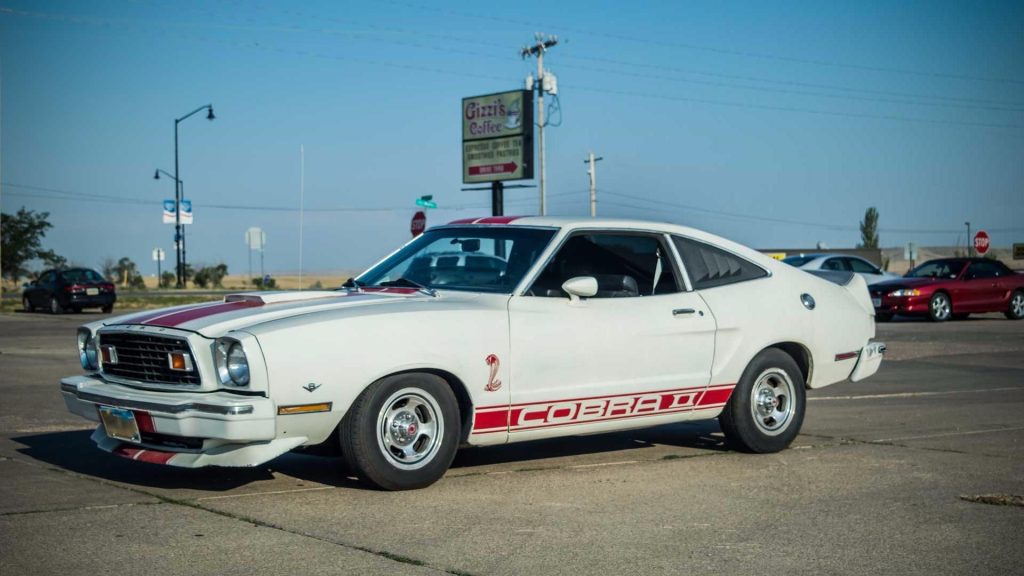
Critics often compare the Mustang II unfavorably to its predecessors, but such comparisons overlook the environment in which it was developed. Ford built the car for a specific moment in history, and it succeeded in meeting the needs of that market.
Without the Mustang II, the Mustang nameplate might not have survived the decade. Its commercial success ensured the continuation of one of America’s most iconic automotive brands, making it an essential part of the 1970s story.
Specifications
- Engine: 4.9-Liter V8
- Torque: 245 lb-ft
- Horsepower: 140 hp
- Length/Width: 175.0 in / 70.0 in
7. Buick Electra 225
By the 1970s, the Buick Electra 225 had already secured its place as one of America’s most prestigious full-size automobiles. During this decade, it came to clearly represent what many buyers wanted from a premium domestic car, including size, comfort, and effortless highway cruising.
The nickname “Deuce and a Quarter” had become widely recognized among enthusiasts and everyday drivers alike.
It referred to the car’s immense length, a characteristic that immediately distinguished the Electra from smaller vehicles appearing throughout the decade. While many manufacturers eventually downsized their products, the Electra remained proudly large for much of the 1970s.
Stepping inside revealed the vehicle’s true appeal. Plush seating, generous passenger room, and a smooth ride transformed ordinary journeys into relaxed experiences. Buick targeted buyers who valued refinement rather than performance, and the Electra delivered exactly that.
The car was particularly popular among professionals, retirees, and families seeking a comfortable long-distance cruiser. Interstate travel remained a major part of American life, and the Electra excelled at covering hundreds of miles with minimal effort.
Road noise was well controlled, ride quality was exceptionally soft, and occupants enjoyed a sense of isolation from the outside world.
As fuel prices rose and consumer priorities shifted, vehicles like the Electra gradually became less common. However, throughout much of the decade, they represented the pinnacle of mainstream American luxury.
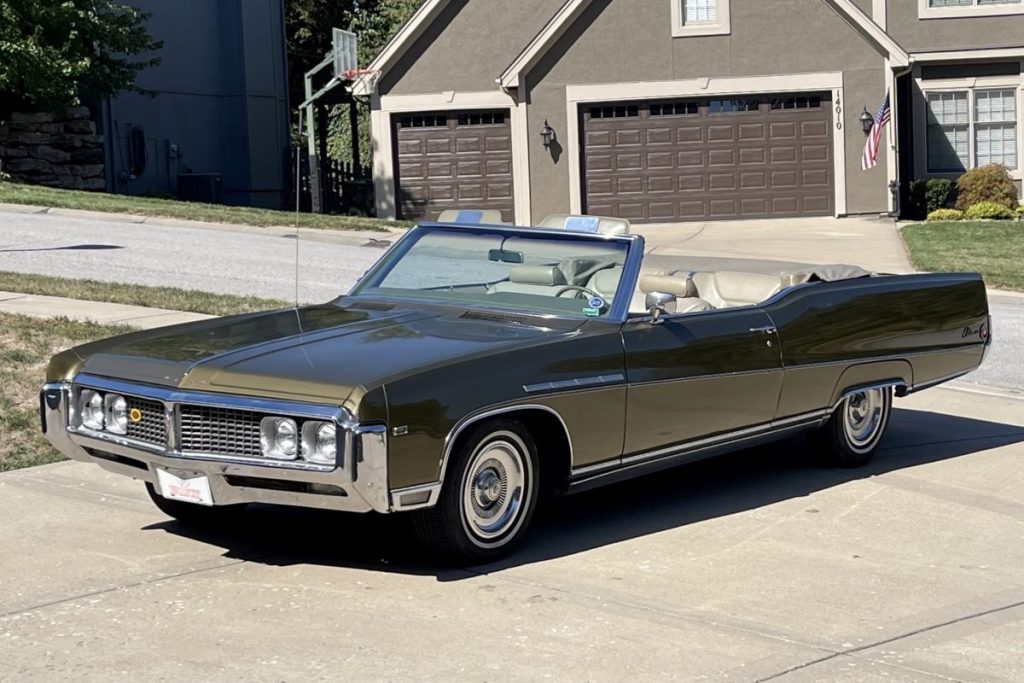
Electra’s influence extended beyond sales figures. It embodied a philosophy that defined an era of automotive design, where spacious interiors and comfort-focused engineering often outweighed concerns about efficiency.
For countless Americans, the Buick Electra 225 symbolized success, comfort, and the freedom of the open road during one of the most fascinating periods in automotive history.
Specifications
- Engine: 7.5-Liter V8
- Torque: 370 lb-ft
- Horsepower: 205 hp
- Length/Width: 233.7 in / 79.8 in
8. AMC Gremlin
No list of defining 1970s American cars would be complete without the AMC Gremlin. Unlike many of the large sedans and luxury coupes that dominated the era, the Gremlin stood out because it embraced a completely different philosophy.
American Motors Corporation lacked the resources of Detroit’s largest manufacturers, so it often relied on unconventional ideas to attract attention.
The Gremlin accomplished exactly that. Its compact dimensions and unusual styling made it instantly recognizable. Some people loved its appearance, while others criticized it, but almost everyone noticed it.
The timing of its arrival proved advantageous. As fuel prices increased and imported compact cars gained popularity, American buyers began looking for smaller and more economical transportation. The Gremlin offered a domestic alternative at a time when demand for efficiency was growing rapidly.
Practicality played a major role in its success. The compact footprint made city driving easier, and operating costs were generally lower than those associated with larger American vehicles. For younger buyers and budget-conscious households, those qualities mattered.
The Gremlin also demonstrated that American manufacturers were capable of adapting to changing market conditions. While traditional full-size cars continued to dominate many roads, compact models like the Gremlin signaled the beginning of a broader shift in consumer preferences.
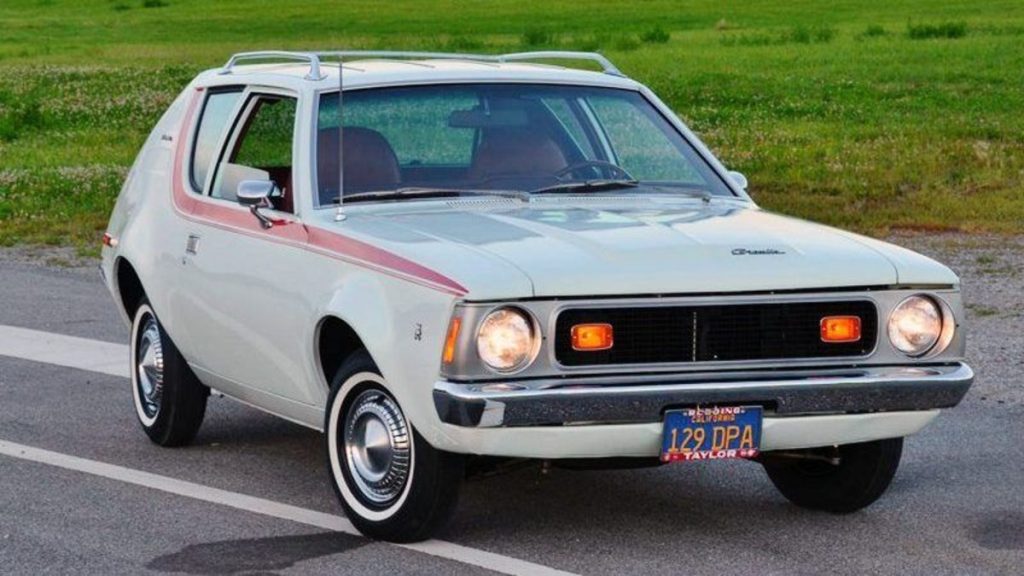
Its cultural impact often exceeded its sales numbers. The car appeared in movies, television programs, and popular discussions about automotive design. Decades later, it remains one of the most recognizable vehicles of the period.
Whether admired or criticized, the AMC Gremlin captured the spirit of a changing decade and earned its place among the automobiles that helped define American roads in the 1970s.
Specifications
- Engine: 4.2-Liter Inline-6
- Torque: 220 lb-ft
- Horsepower: 110 hp
- Length/Width: 161.0 in / 70.0 in
Also Read: 8 Used Hybrids That Save More Than They Cost To Own