
Across its production history, the Honda Pilot has developed a mixed reputation shaped by both highly dependable model years and others that suffer from costly reliability issues. Some versions stand out for their durable V6 engines, spacious three-row layouts, and well-balanced driving characteristics that make them strong choices for families.
Others, however, are known for serious mechanical failures, transmission problems, and electrical system glitches that can lead to expensive repairs and long-term frustration. This comparison highlights both ends of the spectrum to help buyers better understand how much variation exists between different generations and redesign years.
While the strongest versions focus on simplicity, comfort, and proven engineering, the weaker ones often struggle with first-year redesign flaws or unresolved drivetrain defects. By examining these contrasting outcomes, it becomes easier to see how development cycles and design changes directly impact reliability, ownership costs, and everyday usability in a midsize three-row SUV.
The 4 Best Years
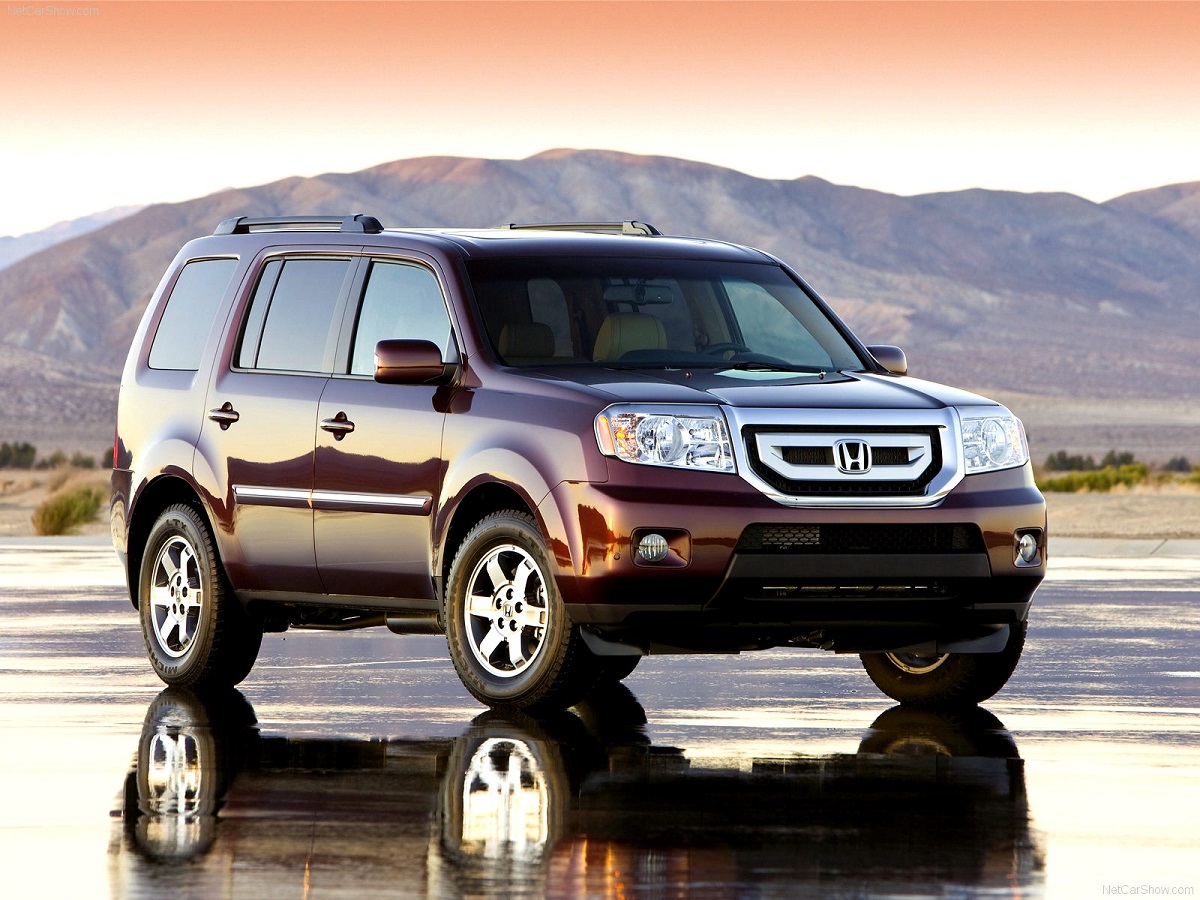
1. 2015 Honda Pilot
Among all second-generation Pilots, this model year is often viewed as the most refined and dependable. It arrived after Honda had resolved many of the issues that affected earlier versions, while avoiding the increased complexity of newer generations. As a result, it offers an appealing combination of reliability, practicality, and value that continues to attract used SUV buyers.
At the heart of its reputation is a proven powertrain. The 3.5-liter V6 engine and five-speed automatic transmission are known for their durability and ability to deliver hundreds of thousands of miles of service with routine maintenance. Owners and mechanics frequently praise this setup for avoiding the major oil consumption and transmission problems seen in some previous models, making it one of Honda’s most dependable SUV configurations.
Practicality is another key strength. Its boxy, traditional SUV design maximizes interior space, providing comfortable seating for up to eight passengers and a genuinely usable third row. The shape also creates a large, versatile cargo area capable of handling bulky items more effectively than many sleeker crossover rivals. Families benefit from the abundance of storage compartments and flexible seating arrangements that make everyday use easier.
The cabin emphasizes simplicity and functionality. Physical buttons and knobs replace many of the touchscreen-heavy controls found in modern vehicles, creating an intuitive driving experience. Standard equipment includes features such as a rearview camera, Bluetooth connectivity, and tri-zone automatic climate control, ensuring a good level of convenience without unnecessary complexity.
Although it excels in reliability and space, the vehicle is not perfect. Its truck-like driving dynamics, modest acceleration, dated interior styling, and lack of advanced driver-assistance technologies make it feel older than many competitors. However, these shortcomings are often outweighed by its strengths.
For drivers seeking a spacious, family-friendly SUV with a proven track record of durability, this model year represents one of the best examples of Honda’s engineering philosophy: prioritizing long-term dependability, practicality, and ease of ownership over flashy features and trends.
- Engine: 3.5L SOHC i-VTEC V6
- Horsepower: 250 hp @ 5,700 rpm
- Torque: 253 lb-ft (343 Nm) @ 4,800 rpm
- Length: 191.4 in (4,862 mm)
- Width: 78.5 in (1,994 mm)
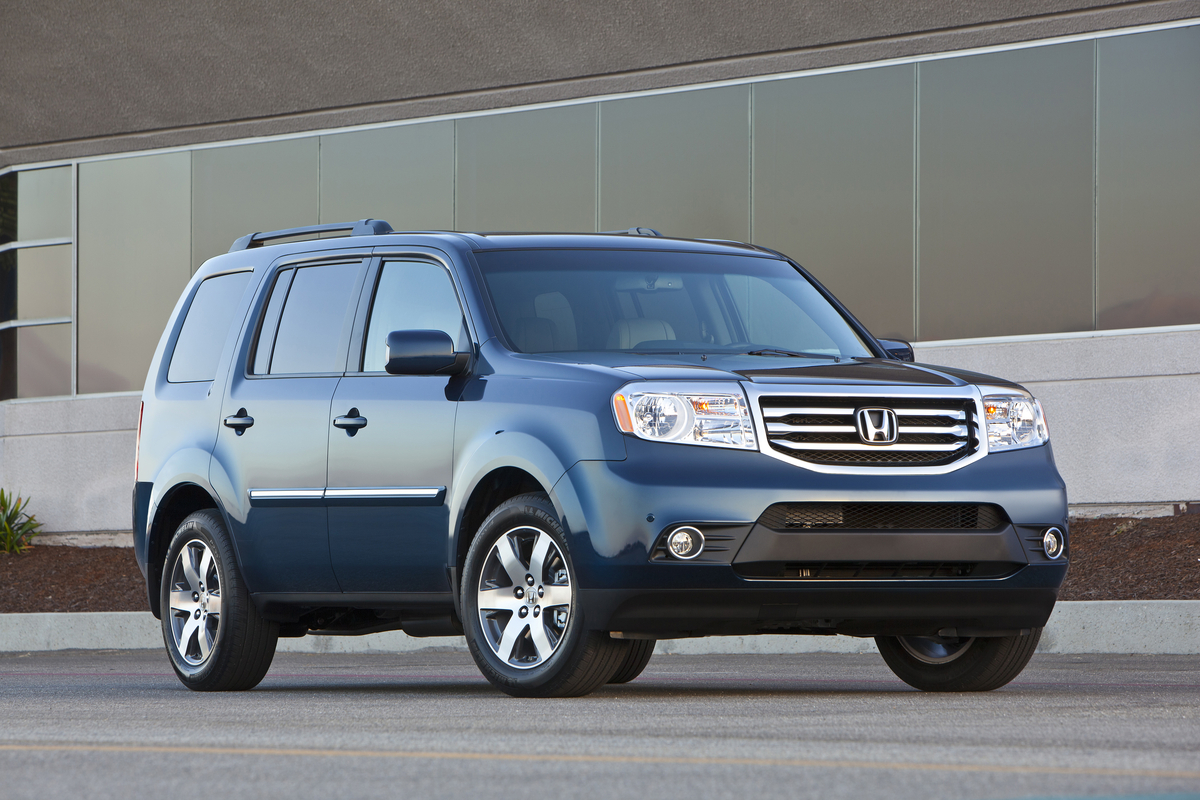
2. 2022 Honda Pilot
By the time this model year arrived, Honda had spent several years refining the third-generation Pilot and correcting many of the issues that affected earlier examples. As the final year before a complete redesign, it represents the most mature and dependable version of the generation, combining proven mechanical components with modern safety and convenience features.
A key reason for its strong reputation is its reliable powertrain. The 3.5-liter naturally aspirated V6 engine produces 280 horsepower and is paired with a refined nine-speed automatic transmission that delivers smooth shifts and confident performance. This combination provides strong highway acceleration, respectable fuel efficiency, and a towing capacity of up to 5,000 pounds when properly equipped. Unlike some rivals that rely on turbocharged engines, the Pilot’s V6 is appreciated for its durability and straightforward maintenance.
Family practicality remains one of its greatest strengths. The cabin offers generous passenger space across three rows, with seating configurations for up to eight occupants. Large windows, excellent outward visibility, and a commanding driving position contribute to a comfortable experience behind the wheel. Cargo capacity is among the best in the segment, and numerous storage compartments, cupholders, and flexible seating arrangements make daily use especially convenient.
The introduction of the TrailSport trim in 2022 added a more adventurous character to the lineup. Featuring rugged styling elements, all-terrain tires, and suspension enhancements, it appealed to buyers seeking light off-road capability while retaining the Pilot’s family-focused nature. The available all-wheel-drive system also performs well in snow, rain, mud, and other challenging road conditions.
Safety is another standout area. Every model comes equipped with Honda Sensing, which includes adaptive cruise control, lane-keeping assist, lane-departure warning, forward-collision warning, and automatic emergency braking. These features help provide a more confident and secure driving experience.
Although the infotainment system can feel dated compared with newer competitors and the engine requires a timing belt replacement at higher mileage, these concerns are relatively minor. For buyers seeking a spacious, reliable, and thoroughly refined three-row SUV, this model year remains one of the safest choices in the used vehicle market.
- Engine: 3.5L 24-valve SOHC i-VTEC V6
- Horsepower: 280 hp @ 6,000 rpm
- Torque: 262 lb-ft (355 Nm) @ 4,700 rpm
- Length: 196.5 in (4,991 mm)
- Width: 78.6 in (1,997 mm)
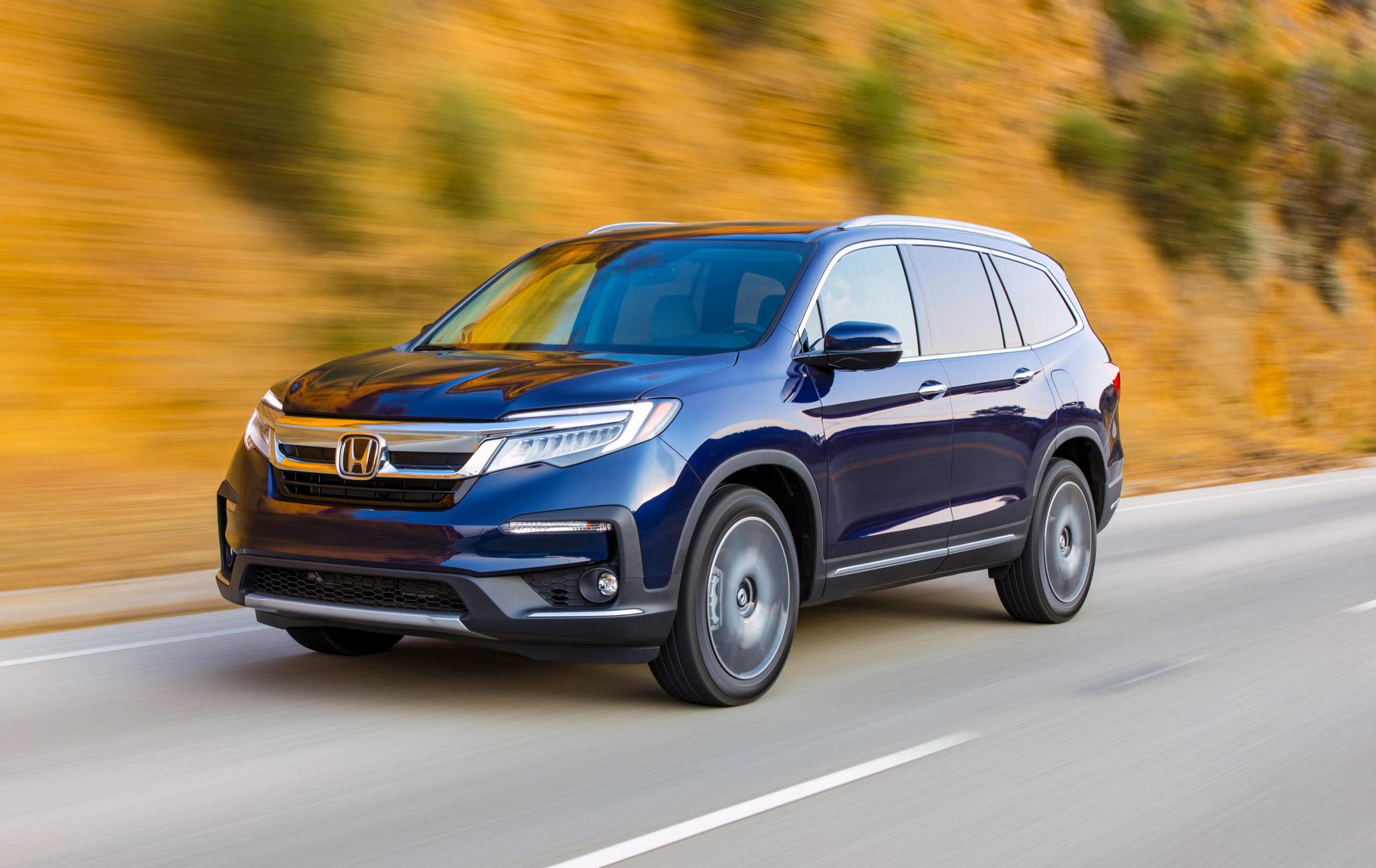
3. 2023 Honda Pilot
The 2023 model year introduces a fully redesigned fourth generation, shifting the SUV toward a more rugged, boxy appearance and a stronger, truck-inspired structure. Unlike many first-year redesigns that feel unfinished, this version arrives with a well-sorted chassis, improved refinement, and a clear focus on family usability combined with modern technology.
Power comes from a 3.5-liter naturally aspirated V6 engine paired with a 10-speed automatic transmission. This setup provides smooth power delivery, confident highway performance, and dependable long-term durability. While it is not tuned for aggressive acceleration, it offers predictable and steady performance that suits daily commuting and long-distance travel.
The interior receives a major upgrade, with higher-quality materials, improved sound insulation through acoustic glass, and a more intuitive infotainment system. A standout feature is the flexible second-row design, which includes a removable middle seat that can be stored under the cargo floor. This improves access to the third row and increases seating flexibility depending on passenger needs.
Interior space is one of the strongest advantages. The cabin accommodates up to eight passengers, with a third row that can comfortably fit adults in many situations. Cargo capacity is generous, and the layout prioritizes practicality with wide door openings, easy child-seat installation, and abundant storage compartments throughout the cabin.
A new TrailSport trim adds a more capable, adventure-ready character. It includes a raised suspension, skid plates, all-terrain tires, and an enhanced all-wheel-drive system designed to improve traction on uneven or slippery terrain. This expands the SUV’s usefulness beyond standard urban and highway driving.
Safety is a key strength, supported by top crash-test ratings and a comprehensive suite of driver-assistance features such as adaptive cruise control, lane-keeping assist, and automatic emergency braking.
Some drawbacks remain, including steering feel that can seem detached and acceleration that may feel modest compared with turbocharged rivals. Even so, the blend of space, comfort, safety technology, and updated design makes this generation a strong option for families seeking a capable and versatile three-row SUV.
- Engine: 3.5L 24-valve Direct Injection DOHC V6
- Horsepower: 285 hp @ 6,100 rpm
- Torque: 262 lb-ft (355 Nm) @ 5,000 rpm
- Length: 199.9–200.2 in (5,077–5,084 mm)
- Width: 78.5 in (1,994 mm)
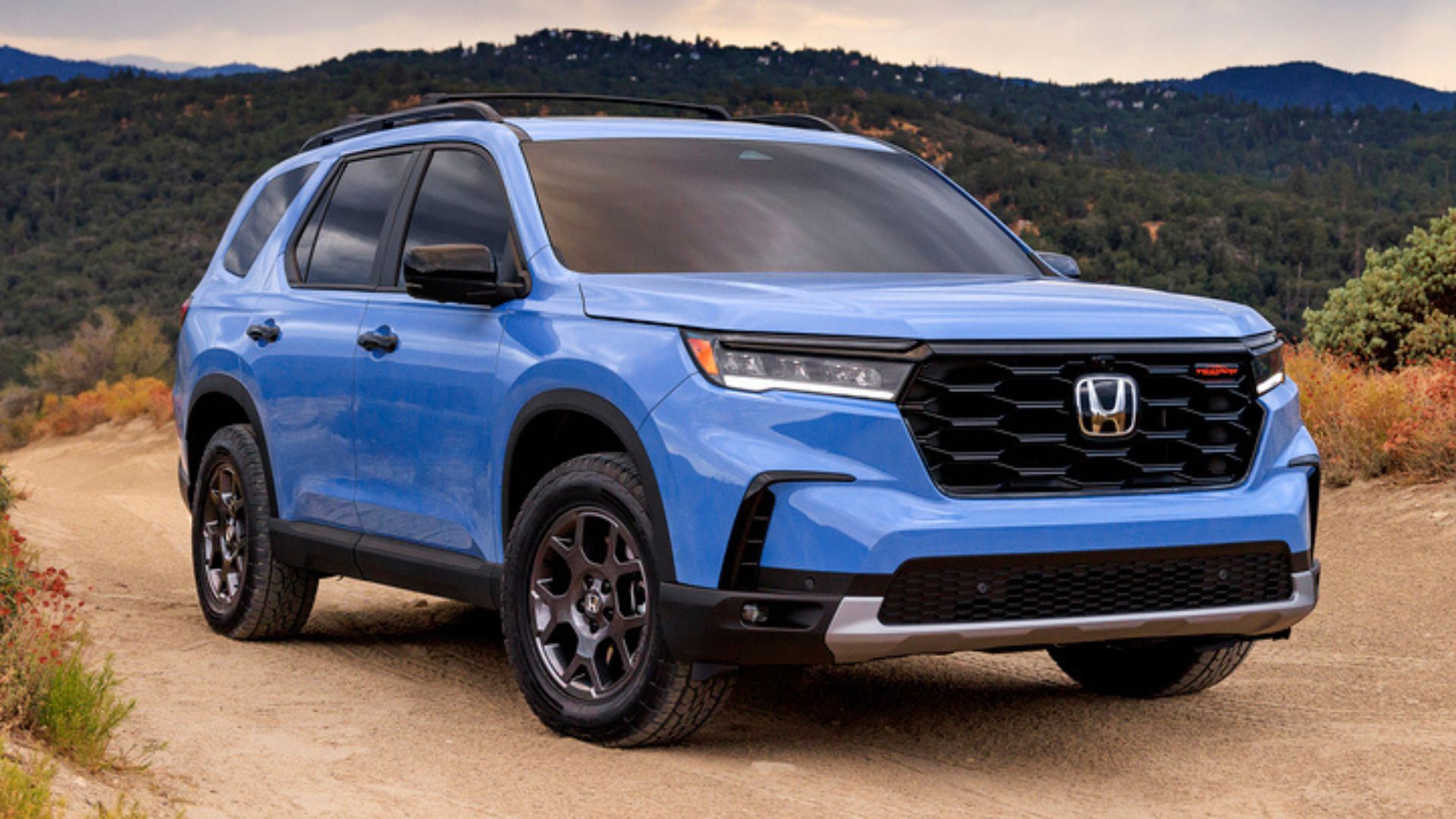
4. 2024 Honda Pilot
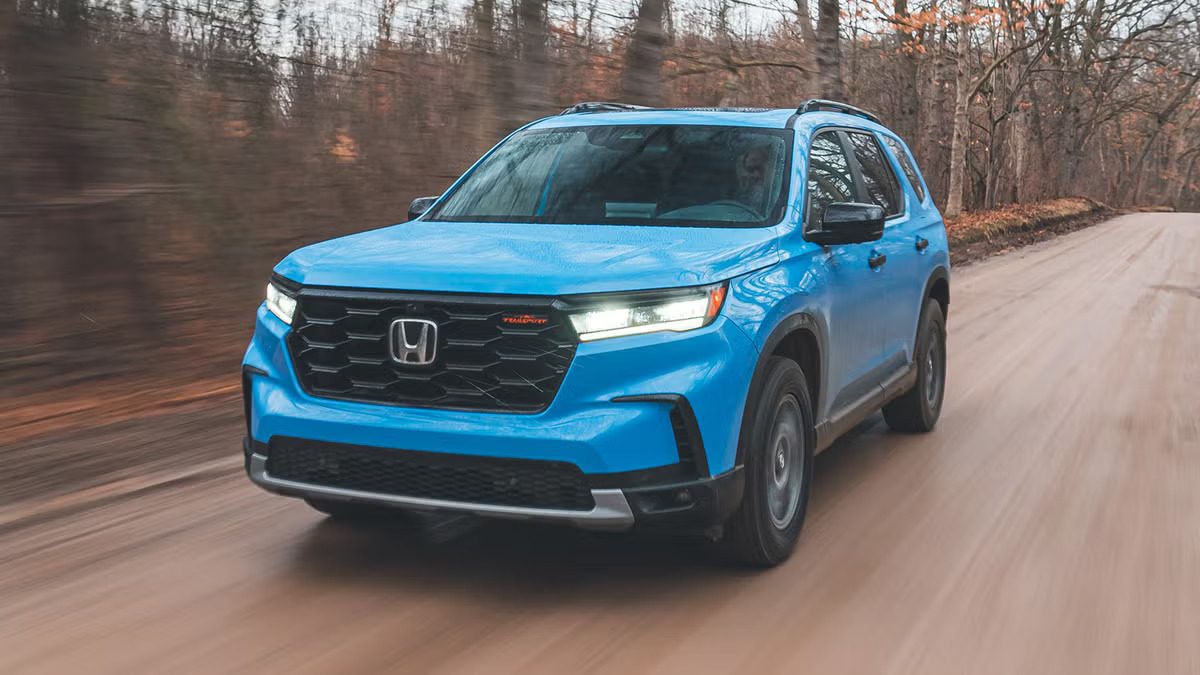
The 2024 model continues the evolution of the fourth-generation redesign, strengthening its blend of rugged design and family-focused utility. Its boxy, truck-inspired exterior gives it a more commanding road presence, while improvements to refinement and usability make it feel more polished in daily driving. It is designed to serve both suburban commuting and light adventure without sacrificing comfort or space.
Power comes from a 3.5-liter naturally aspirated V6 engine paired with a 10-speed automatic transmission. This setup emphasizes smoothness, durability, and predictable performance rather than aggressive acceleration. The driving character is calm and steady, with enough strength for highway merging, passing, and towing needs, supported by a transmission tuned for seamless gear changes.
Inside, the cabin prioritizes flexibility and passenger comfort across all three rows. Seating can accommodate up to eight occupants depending on configuration, and the second-row middle seat can be removed and stored under the cargo floor to improve access or adjust space as needed. The layout balances modern technology with physical controls, making key functions easier to operate while driving.
Capability is further enhanced by an advanced all-wheel-drive system with selectable traction modes for Snow, Mud, Sand, and Normal conditions. This improves stability on varying surfaces and increases confidence in challenging weather. The TrailSport trim adds more rugged hardware, including off-road-tuned suspension, skid plates, all-terrain tires, and increased ground clearance for improved trail performance.
Safety remains a strong focus through the standard Honda Sensing suite, which includes adaptive cruise control, lane-keeping assist, and automatic emergency braking. These systems contribute to strong crash performance ratings and support safer highway driving and urban traffic navigation.
Some compromises remain in areas such as fuel efficiency, infotainment responsiveness, and long-term maintenance needs like timing belt replacement at higher mileage. There are also occasional user concerns regarding seat comfort, air-conditioning effectiveness, and fuel range. Even with these limitations, the combination of space, reliability, capability, and modern features makes it a compelling choice for families seeking a versatile three-row SUV.
- Engine: 3.5L 24-valve Direct Injection DOHC V6
- Horsepower: 285 hp @ 6,100 rpm
- Torque: 262 lb-ft (355 Nm) @ 5,000 rpm
- Length: 199.9–200.2 in (5,077–5,084 mm)
- Width: 78.5 in (1,994 mm)
Also read: 5 Cars Worth Buying for City Living vs 5 Built Wrong for It
The 4 Worst Years
1. 2003 Honda Pilot
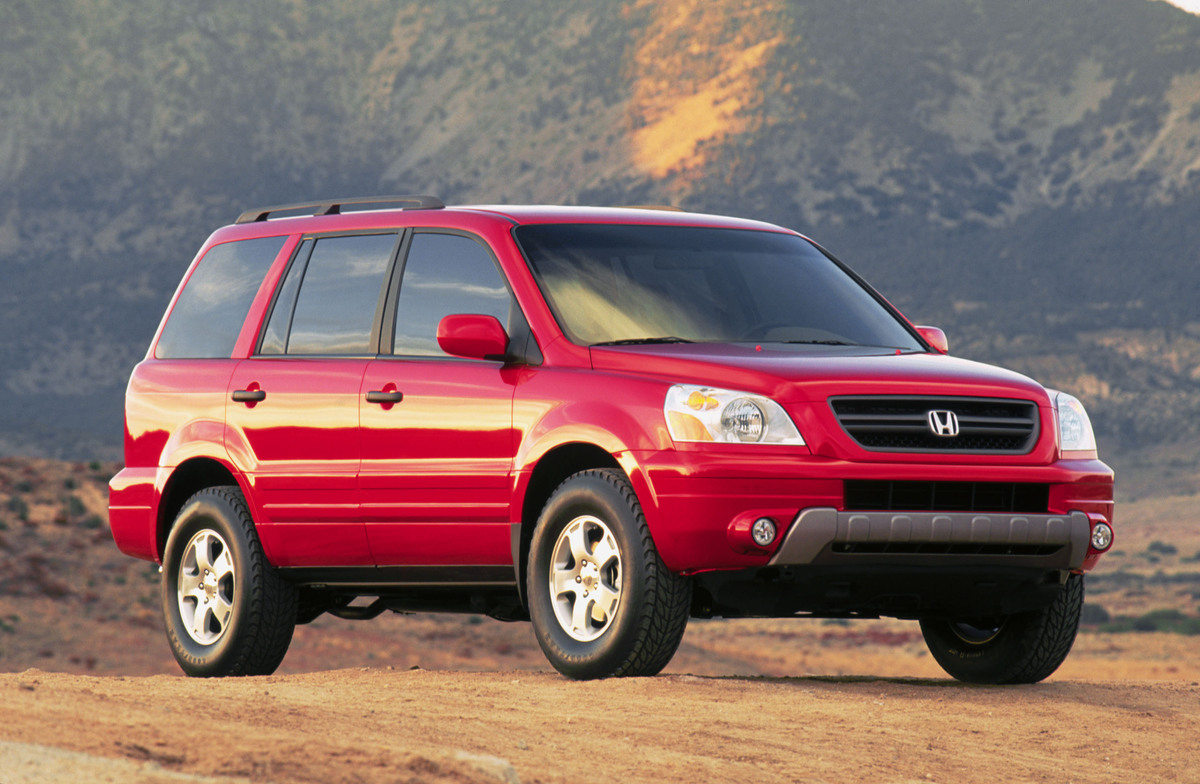
The debut year of this SUV introduced the nameplate to the market, but it quickly developed a reputation for major mechanical and safety issues. As an early production model, it suffered from significant first-year engineering flaws that led to costly repairs and unpredictable reliability, making it a risky option in the used car market.
The most critical problem involves the automatic transmission, which is widely known for premature and catastrophic failure. Many units experience overheating, broken internal components, and complete breakdowns at relatively low mileage, sometimes requiring full replacement. A recall was issued due to second-gear overheating issues that could destroy the transmission entirely, further damaging its reputation for durability.
Another serious defect involves the cooling system, where radiator failures can allow coolant and transmission fluid to mix. This condition, often described by owners as a “strawberry milkshake” contamination, typically results in severe transmission damage. Combined with transmission weaknesses, this creates a high risk of drivetrain failure.
Structural concerns also appear in vehicles exposed to winter road salt, where rear subframe rust can progress enough to compromise structural integrity. Safety issues extend further due to widespread Takata airbag recalls, where defective inflators pose a serious injury risk in a crash.
The engine design adds another maintenance burden, relying on a timing belt that requires replacement at scheduled intervals. If neglected or if components fail, the result can be significant internal engine damage.
Some owners also report ignition switch problems that can prevent the vehicle from starting or cause the key to become stuck. While a small number of well-maintained examples may still serve as budget transportation, the frequency and severity of mechanical issues place this model year among the least recommended choices for long-term ownership.
- Engine: 3.5L 24-valve Direct Injection DOHC V6
- Horsepower: 285 hp @ 6,100 rpm
- Torque: 262 lb-ft (355 Nm) @ 5,000 rpm
- Length: 199.9–200.2 in (5,077–5,084 mm)
- Width: 78.5 in (1,994 mm)
2. 2005 Honda Pilot
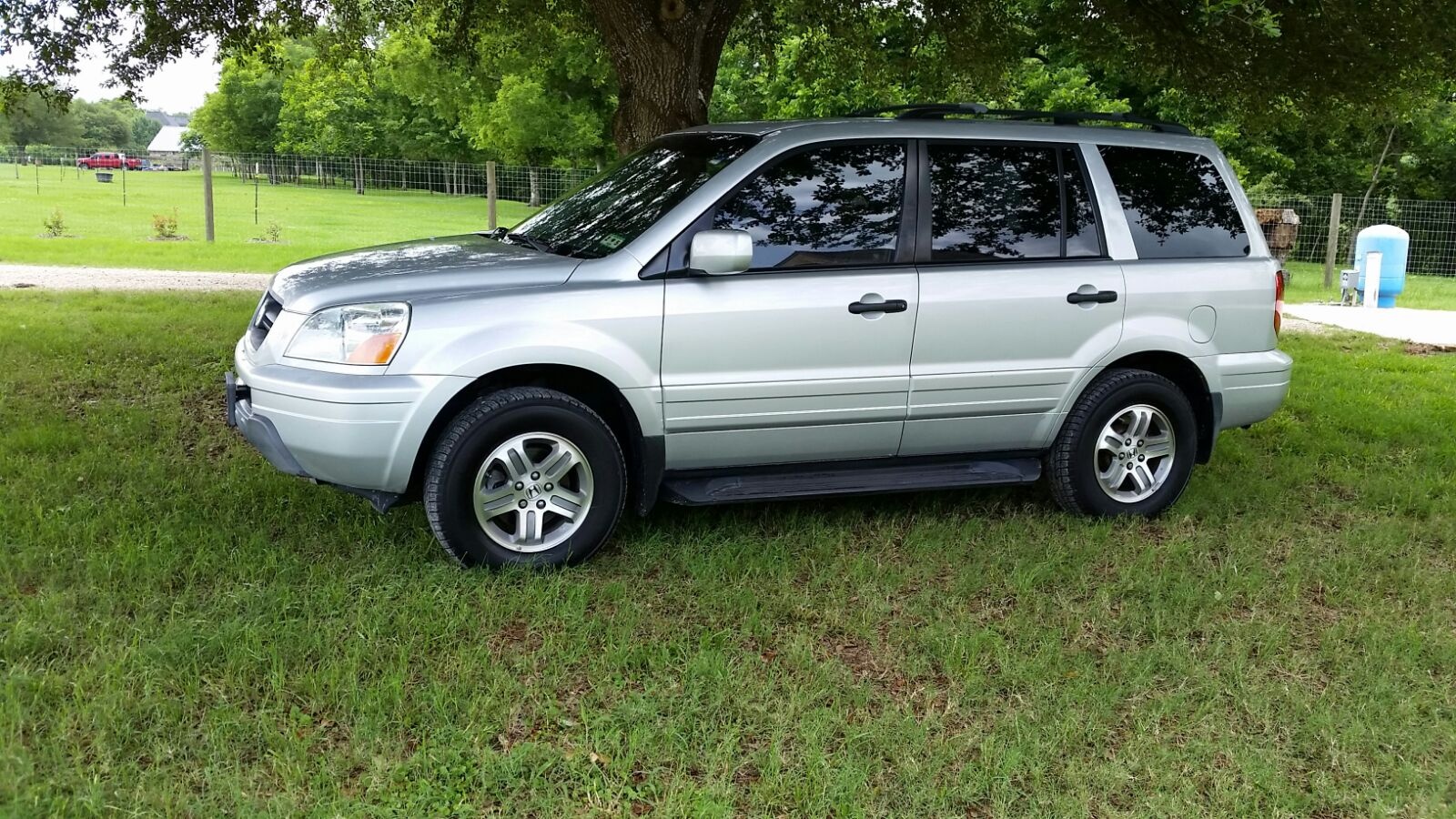
The 2005 model year is widely regarded as a problematic entry in the lineup due to persistent and expensive drivetrain and electrical issues. While it offers a spacious cabin and practical SUV design, its reliability concerns make it a risky choice for used car buyers.
The most serious issue involves the transmission system, which is prone to slipping, rough shifting, and complete failure at relatively moderate mileage. Many owners report full transmission replacements, often occurring around 130,000 miles, with repair costs reaching several thousand dollars. Compounding this problem is a well-documented torque converter defect that can fail even earlier, adding another costly repair burden.
A critical design flaw in the cooling system further worsens reliability. In some cases, the radiator allows coolant to mix with transmission fluid, creating internal contamination that quickly destroys both systems. This failure mode often results in simultaneous radiator and transmission replacement, significantly increasing repair expenses.
Electrical and safety-related concerns also affect this model year. Faulty Vehicle Stability Assist components have been reported to activate unintended braking without warning indicators, increasing the risk of sudden and unexpected vehicle behavior. Engine-related issues such as excessive oil consumption and worn engine mounts contribute to vibration and reduced driving comfort.
Suspension wear is another common complaint, with premature bearing failures and ongoing noise issues affecting ride quality. While the vehicle remains spacious and practical for families, the frequency and severity of mechanical problems lead to high ownership costs.
Because of these recurring and expensive failures, this model year is generally considered a poor option for long-term reliability in the used SUV market.
- Engine: 3.5L 24-valve SOHC VTEC V6
- Horsepower: 255 hp @ 5,600 rpm
- Torque: 250 lb-ft (339 Nm) @ 4,500 rpm
- Length: 188.0 in (4,775 mm)
- Width: 77.3 in (1,963 mm)
3. 2016 Honda Pilot
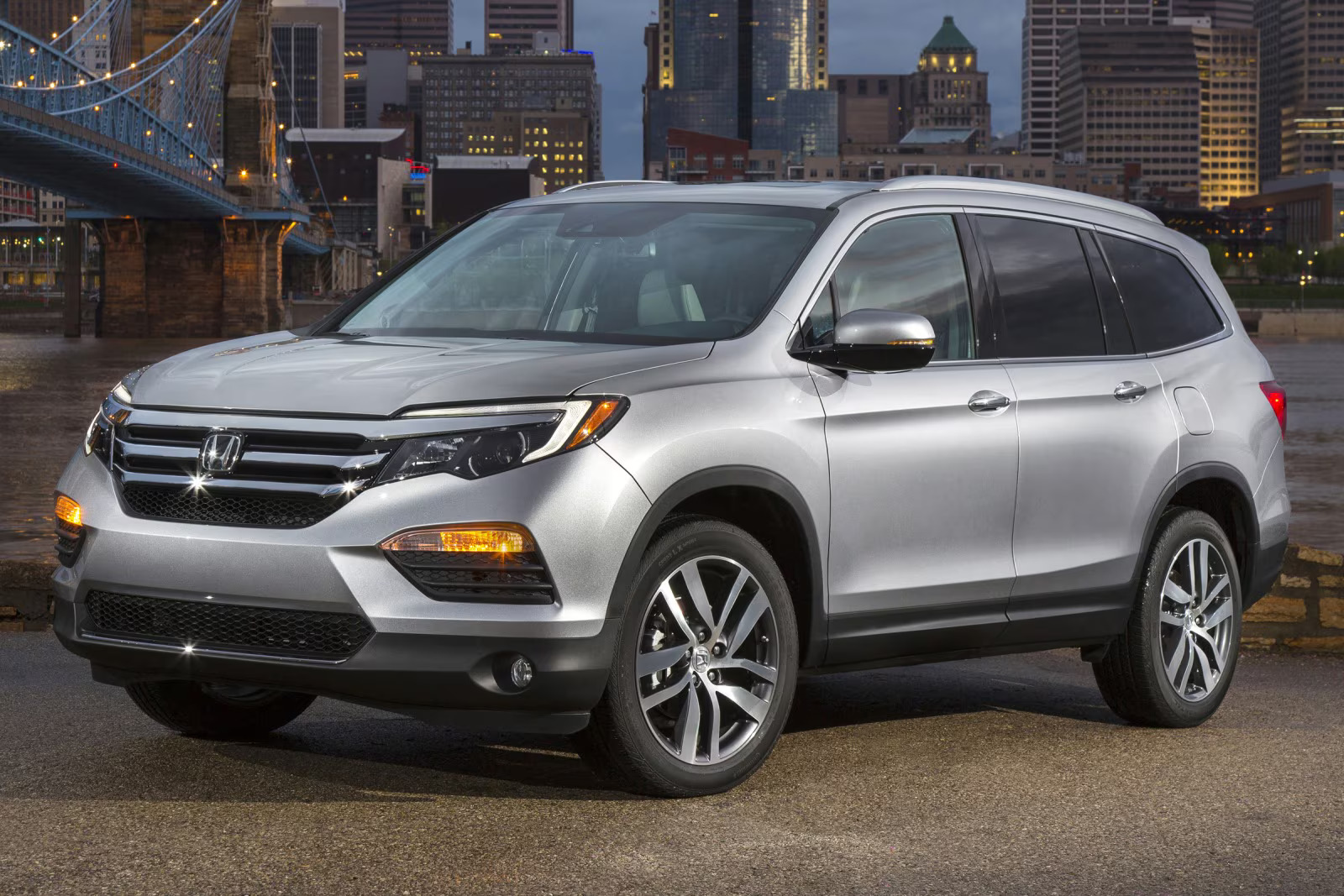
The 2016 model year marks the beginning of the third generation, but it is widely regarded as the most problematic version due to significant first-year engineering issues. Instead of delivering a smooth redesign, it introduced multiple mechanical and electronic faults that heavily impacted reliability and long-term ownership costs.
The most criticized component is the transmission system. Equipped with either a 6-speed or 9-speed automatic, it is known for harsh shifting, hesitation during acceleration, and noticeable shuddering. Many owners report inconsistent performance and, in severe cases, expensive transmission repairs or replacements. These issues significantly affect drivability and confidence behind the wheel.
Engine reliability is another major concern. The 2016 model is linked to serious recall campaigns involving potential connecting rod bearing failure, which can lead to engine seizure. In addition, faulty fuel injectors have been reported, sometimes causing secondary damage to components such as the catalytic converter. Excessive oil consumption has also been noted in long-term ownership reports.
Electronic and infotainment problems further reduce appeal. The system lacks modern smartphone integration like Apple CarPlay and Android Auto, and users frequently report glitches such as radio issues, weak audio output, and complete infotainment screen blackouts. Other electrical complaints include malfunctioning push-start systems, heated seat failures, and inconsistent dashboard warning lights.
Build quality concerns add to the list, with reports of adhesive failures and minor interior component defects. Combined with low initial reliability ratings from consumer reporting agencies, this model year has developed a reputation for unpredictability.
For used buyers, careful inspection is essential, including a full maintenance history review and recall verification. While it offers modern styling and space, the number of mechanical and electronic issues makes it one of the riskiest choices in its generation.
- Engine: 3.5L 24-valve SOHC VTEC V6
- Horsepower: 255 hp @ 5,600 rpm
- Torque: 250 lb-ft (339 Nm) @ 4,500 rpm
- Length: 188.0 in (4,775 mm)
- Width: 77.3 in (1,963 mm)
4. 2017 Honda Pilot
The 2017 model year continued many of the unresolved problems from the previous redesign, resulting in a reputation for inconsistent performance and multiple mechanical and electronic complaints. While it retained the spacious layout and modern styling of the generation, long-term ownership concerns significantly affected its appeal in the used market.
Transmission performance remains one of the most criticized aspects. Depending on the trim, the SUV uses either a 6-speed or a 9-speed automatic transmission, both of which have been widely reported to shift roughly or unpredictably. Owners describe symptoms such as hesitation, clunking during gear changes, and occasional surging or sluggish response. These issues reduce driving smoothness and create concerns about long-term durability.
Engine-related complaints are also common. Fuel injector failures frequently trigger check engine lights, rough idling, and noticeable power loss. In some cases, these issues cascade into further complications with emissions components, increasing repair costs. The Variable Cylinder Management system has also drawn criticism for contributing to oil consumption and spark plug fouling, leading some owners to install aftermarket solutions to mitigate its effects.
Electrical and sensor problems add another layer of frustration. Reports include malfunctioning catalytic and speed sensors, inconsistent dashboard readings, and infotainment system glitches. The touchscreen interface is often criticized for lacking physical controls like a volume knob, making adjustments more distracting while driving. Additionally, the auto start-stop system has been linked to hesitation and inconsistent engine restart behavior, raising drivability concerns.
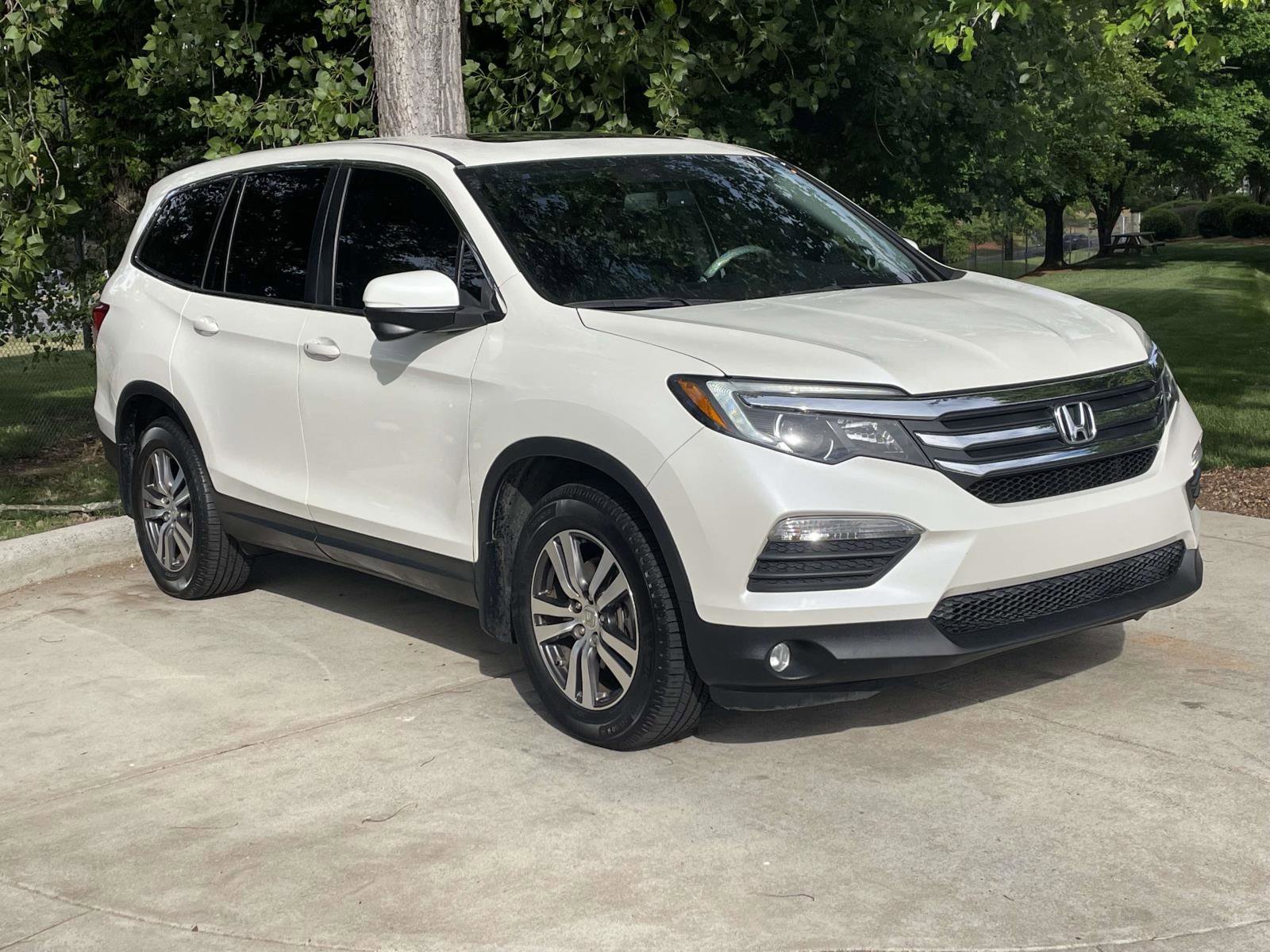
Comfort and convenience issues extend to maintenance requirements as well. The timing belt and water pump require replacement at scheduled intervals, which can be a costly service. Air conditioning compressor failures are also frequently reported, sometimes resulting in loss of cooling performance.
Although the vehicle offers strong interior space and practicality, the combination of drivetrain issues, electrical faults, and recurring maintenance concerns places it among the more troublesome years in the generation.
- Engine: 3.5L 24-valve SOHC VTEC V6
- Horsepower: 255 hp @ 5,600 rpm
- Torque: 250 lb-ft (339 Nm) @ 4,500 rpm
- Length: 188.0 in (4,775 mm)
- Width: 77.3 in (1,963 mm)
Also read: 4 Cars With Cheap Maintenance and 4 That’ll Drain Your Wallet
