
The automotive world is entering one of its most exciting periods in recent memory. After years of focusing heavily on SUVs, crossovers, and electric family vehicles, many manufacturers are once again investing in performance-oriented sports cars that capture the imagination of driving enthusiasts.
The years 2026 and 2027 are expected to bring a remarkable mix of traditional gasoline-powered machines, advanced hybrid supercars, and next-generation electric performance vehicles.
This new wave of sports cars demonstrates that excitement behind the wheel remains a priority for many brands despite changing regulations, electrification, and evolving consumer preferences. Automakers are increasingly blending cutting-edge technology with emotional design, creating vehicles that are faster, smarter, and more capable than ever before.
What makes this upcoming generation especially interesting is the diversity of approaches being taken by manufacturers. Some companies are preserving the spirit of classic sports cars through powerful internal combustion engines, while others are embracing hybrid systems that deliver unprecedented levels of performance.
Meanwhile, several brands are exploring electric sports cars that promise instant torque, impressive acceleration, and entirely new driving experiences. The result is a market that offers something for every enthusiast, whether they prefer the sound of a naturally aspirated engine, the efficiency of hybrid technology, or the futuristic appeal of battery-powered performance.
Many of the vehicles expected for 2026 and 2027 also represent important milestones for their respective brands. Some are revivals of iconic nameplates, while others are entirely new models designed to redefine what a modern sports car can be.
Several of these upcoming vehicles are expected to compete directly with established performance legends from Porsche, Chevrolet, Ferrari, McLaren, and other premium manufacturers. Their arrival will likely intensify competition in the sports car segment and push engineering innovation to new heights.
For both buyers and enthusiasts, these launches offer a clear look at where performance motoring is headed. Advanced aerodynamics, lightweight materials, sophisticated suspension systems, hybrid powertrains, and ever more intelligent software are quickly becoming standard across the segment.
Yet despite these technological advancements, the fundamental goal remains unchanged: delivering thrilling driving experiences that create a strong emotional connection between driver and machine.
The following ten sports cars are among the most anticipated performance vehicles expected to arrive during 2026 and 2027. Each brings a unique personality, engineering philosophy, and vision for the future of sports car performance.
Some have already been officially revealed, while others have been extensively previewed through prototypes, concept vehicles, and manufacturer announcements. Together, they represent the next chapter in the ongoing evolution of high-performance automobiles.
Also Read: What a 10-Year-Old Tacoma Sells For Today?
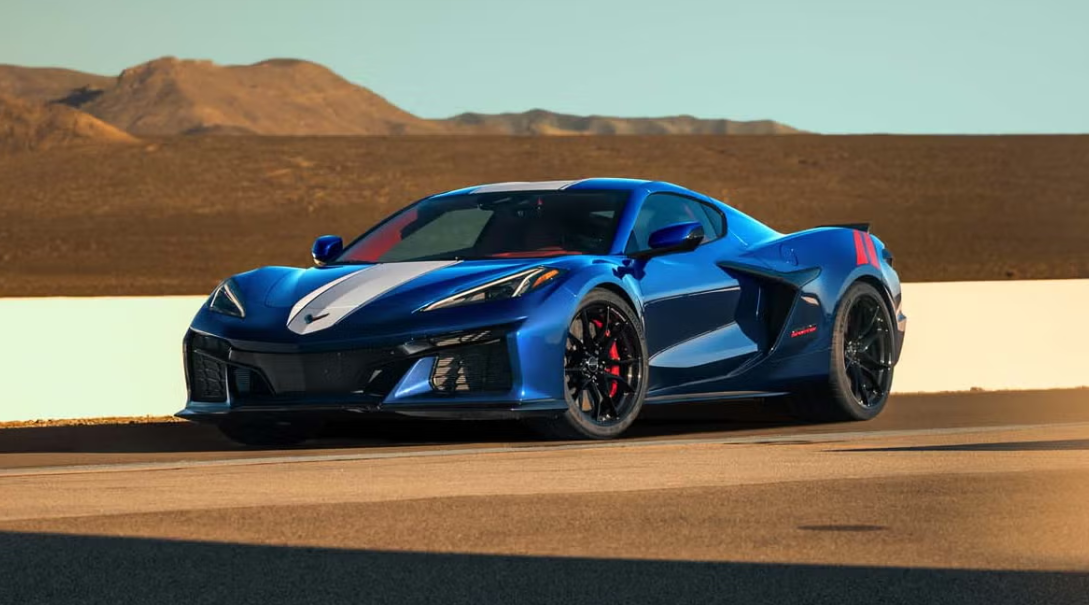
- Engine: 6.7L naturally aspirated V8
- Horsepower: ~535 hp
- Torque: ~623 Nm (estimated)
- Length: ~4,630 mm (approx. based on C8 platform)
- Width: ~2,020 mm
1. Chevrolet Corvette Grand Sport 2027
The return of the Chevrolet Corvette Grand Sport is one of the biggest performance car stories of the decade. Positioned between the Stingray and the more extreme Z06, the Grand Sport has historically been known for combining everyday usability with track-focused capability.
The 2027 model continues that tradition while benefiting from the engineering advancements developed throughout the C8 Corvette program. Chevrolet has designed the new Grand Sport to serve as the ideal balance between comfort, performance, and value.
One of the most significant upgrades is the introduction of a new naturally aspirated 6.7-liter LS6 V8 engine. This powerplant produces 535 horsepower and delivers more torque than any naturally aspirated Corvette engine before it.
The engine is paired with an eight-speed dual clutch transmission that provides rapid gear changes and improved performance on both road and track.
The exterior design borrows several visual elements from the Z06 and ZR1, giving the Grand Sport a wider and more aggressive stance. Larger air intakes, enhanced cooling systems, performance-focused aerodynamics, and wider tires contribute to improved grip and handling. Chevrolet has carefully balanced these upgrades to ensure the car remains practical for everyday driving.
Inside the cabin, drivers will find a modern cockpit featuring updated technology, premium materials, and a driver-centered layout. Advanced performance displays provide real-time information about vehicle dynamics, helping drivers maximize performance during spirited driving sessions.
Perhaps most importantly, the Grand Sport is expected to offer one of the best performance per dollar ratios in the sports car world. By combining supercar-level capability with relatively attainable pricing, it could become one of the most desirable sports cars of 2027.
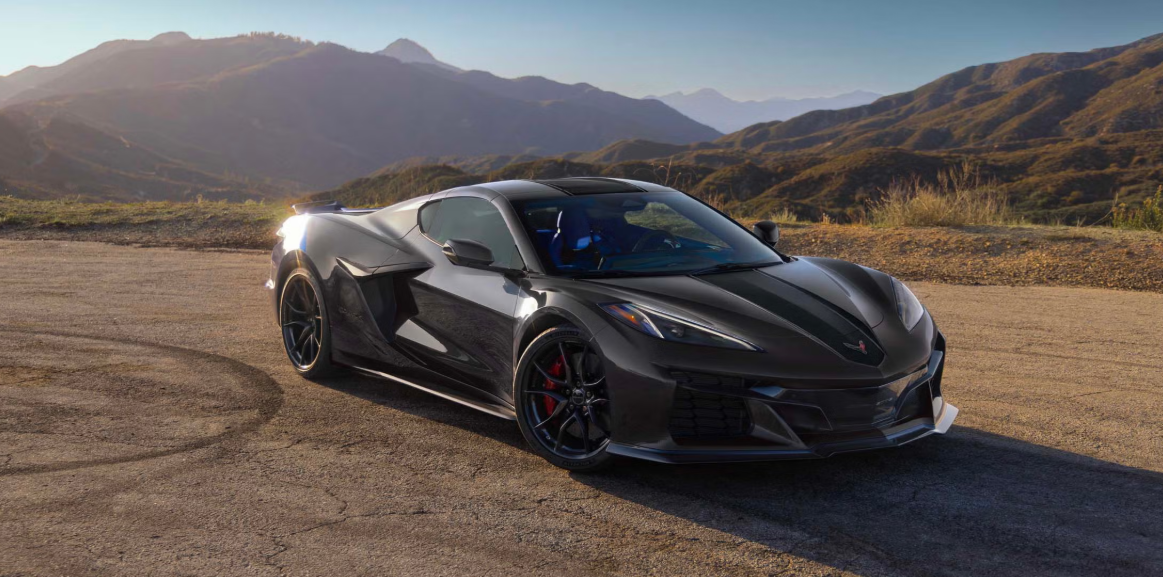
- Engine: 6.7L V8 + front electric motor (hybrid AWD)
- Horsepower: ~700+ hp (combined)
- Torque: ~850+ Nm (combined estimate)
- Length: ~4,630 mm
- Width: ~2,020 mm
2. Chevrolet Corvette Grand Sport X 2027
The Grand Sport X takes the formula of the standard Grand Sport and elevates it significantly through electrified All Wheel Drive technology.
Chevrolet developed this model as a successor to the E Ray, creating a new performance variant that blends traditional V8 power with electric assistance. The result is a sports car capable of delivering astonishing acceleration while maintaining the engaging character Corvette fans expect.
At the heart of the Grand Sport X is the same 6.7-liter LS6 V8 engine found in the standard Grand Sport. However, it is paired with an electric motor driving the front axle. This setup creates a powerful All Wheel Drive system that dramatically improves traction and performance under a wide variety of driving conditions.
The combined output is expected to exceed 700 horsepower, placing the Grand Sport X firmly within supercar territory. Such performance allows the car to challenge significantly more expensive European rivals while maintaining the practicality and usability associated with the Corvette brand.
Another major advantage of the electrified setup is improved launch performance. Instant electric torque helps eliminate traction limitations during hard acceleration, resulting in incredibly quick sprint times. Drivers can enjoy explosive acceleration without sacrificing stability or confidence.
The Grand Sport X also demonstrates how hybrid technology can enhance rather than diminish the sports car experience. Instead of focusing solely on efficiency, Chevrolet has used electrification to improve performance, grip, and driver engagement. This philosophy could influence future performance vehicles across the industry.
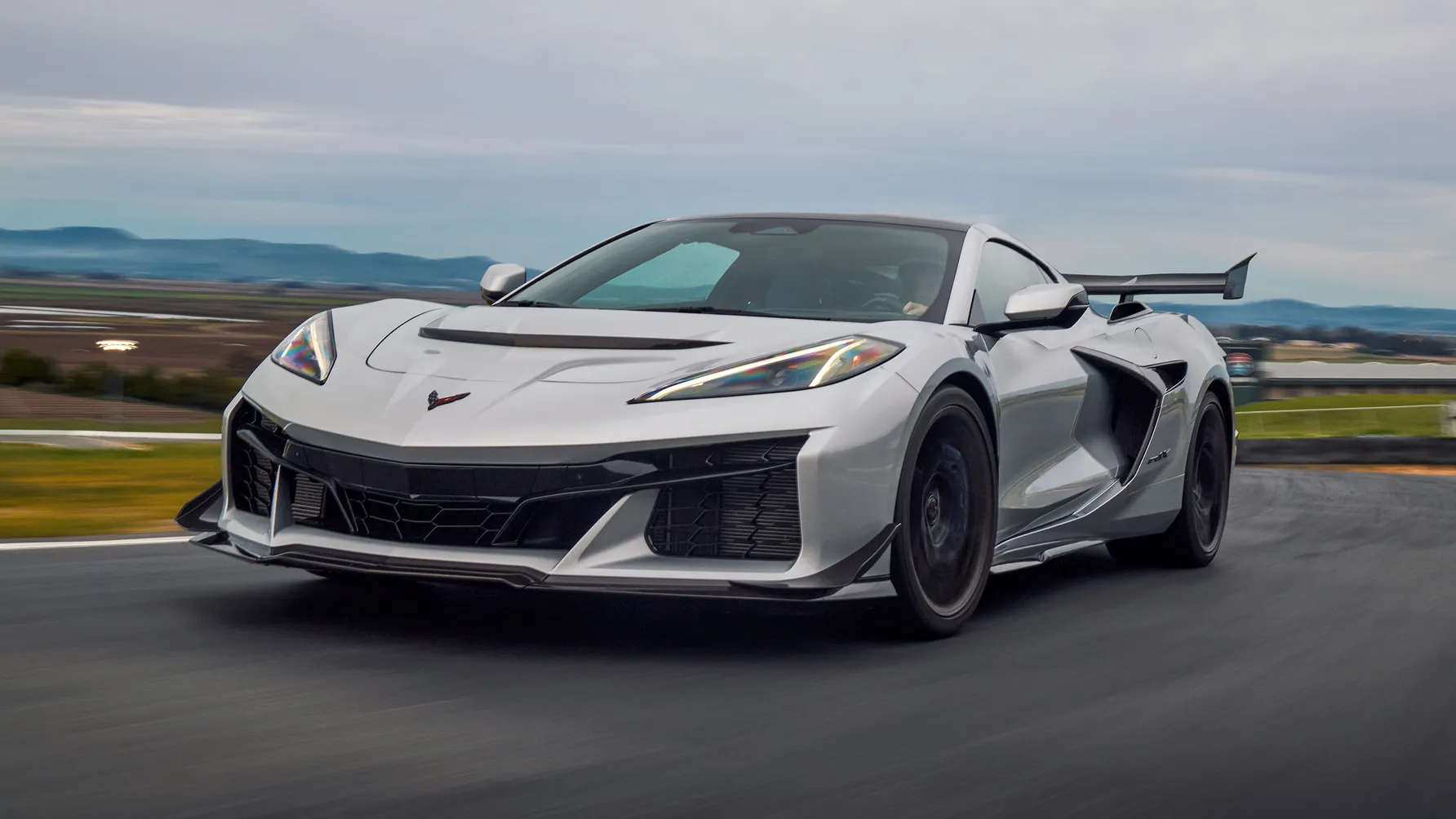
- Engine: Twin turbo V8 + hybrid electric front axle
- Horsepower: ~1,250 hp
- Torque: ~1,400+ Nm (estimated)
- Length: ~4,650 mm
- Width: ~2,030 mm (wider aero body)
3. Chevrolet Corvette ZR1X
The Corvette ZR1X represents the absolute pinnacle of Chevrolet performance engineering. Designed to compete with the world’s most advanced hypercars, this machine pushes the boundaries of what is possible from an American sports car.
With extraordinary power and cutting-edge technology, it has become one of the most talked-about performance vehicles in recent years.
The centerpiece of the ZR1X is a twin-turbocharged V8 engine working alongside an electrified front axle system. Together, these components generate approximately 1,250 horsepower, making it one of the most powerful production performance cars ever developed by an American manufacturer.
Acceleration figures are expected to be breathtaking. The combination of massive horsepower and All Wheel Drive traction allows the car to launch with incredible efficiency. Such performance places it in direct competition with some of the fastest hypercars currently available.
Aerodynamics play a crucial role in the ZR1X package. Advanced wings, diffusers, cooling channels, and aerodynamic surfaces help generate substantial downforce while maintaining high-speed stability. Engineers have focused on maximizing track capability without completely sacrificing road usability.
Beyond raw numbers, the ZR1X serves as a technological showcase for Chevrolet. It demonstrates how hybrid technology can be integrated into a performance platform to achieve unprecedented levels of speed and capability. For enthusiasts seeking Corvette performance, the ZR1X is likely to become the benchmark against which future models are measured.
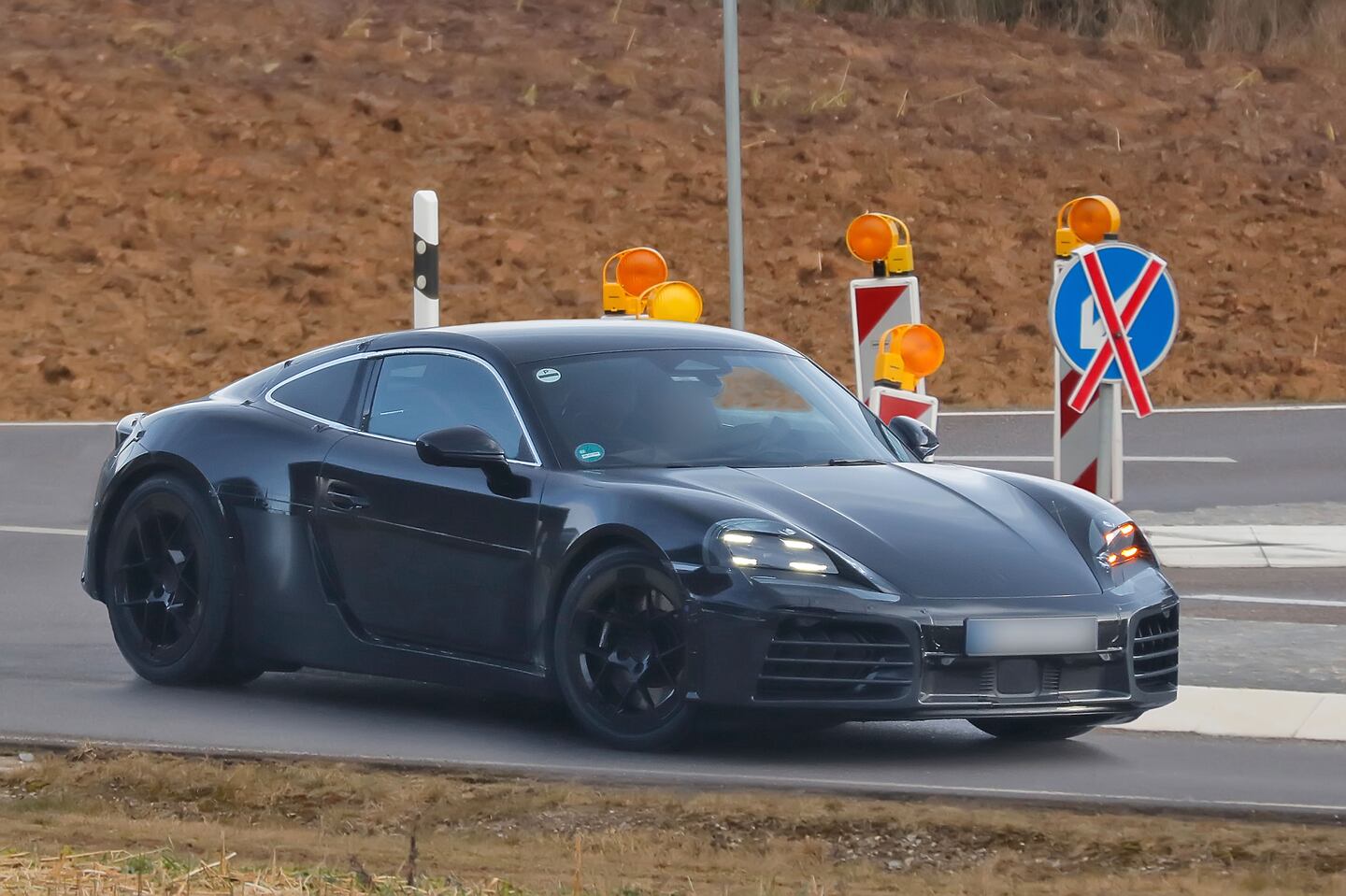
- Engine: Dual electric motors (RWD or AWD variants expected)
- Horsepower: ~400–600 hp (variant dependent)
- Torque: ~500–700 Nm (instant electric torque)
- Length: ~4,350 mm
- Width: ~1,800 mm
4. Porsche 718 Cayman EV
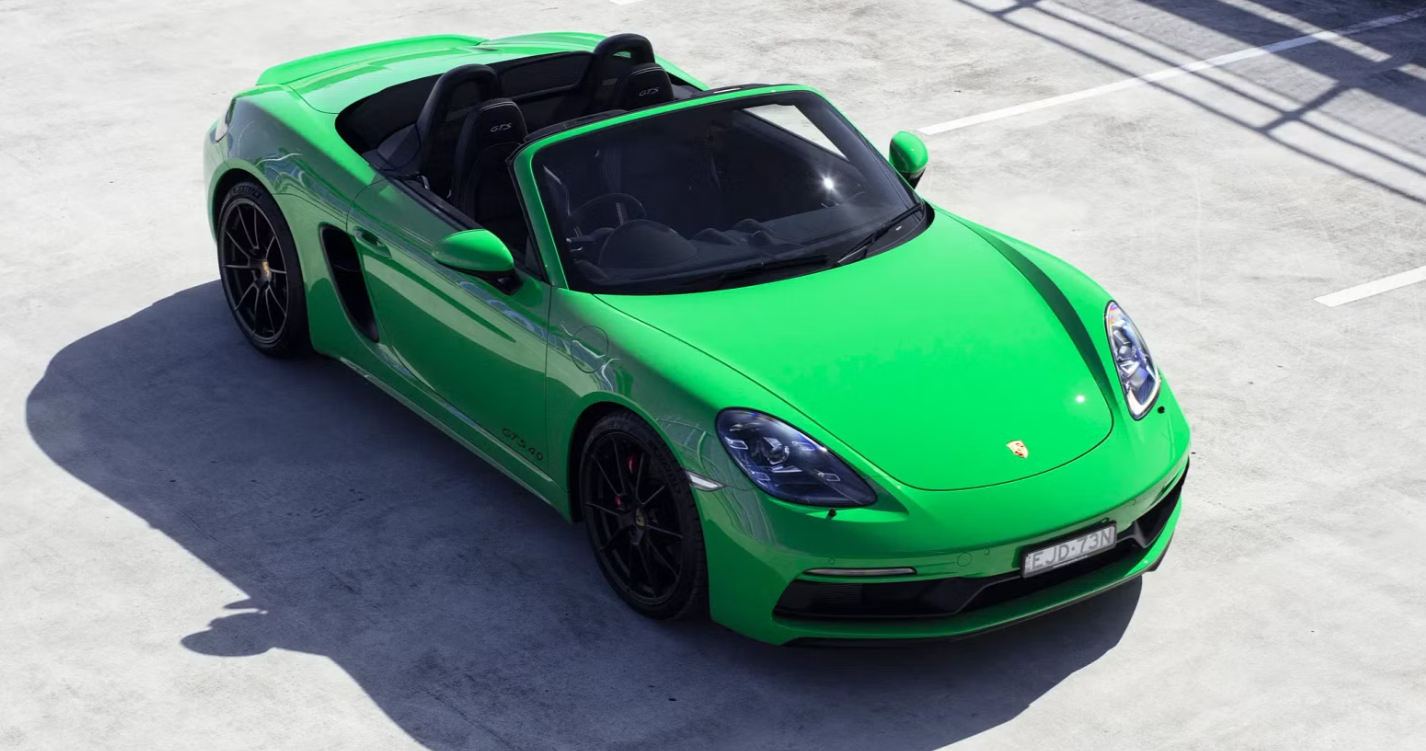
Porsche’s upcoming electric Cayman is among the most significant sports car launches of the decade. The Cayman has long been celebrated for its balance, precision, and driving dynamics. Transforming such an iconic model into an electric vehicle presents both challenges and opportunities for the German manufacturer.
The new Cayman EV is expected to utilize advanced battery and motor technology developed specifically for high-performance applications. Porsche aims to preserve the agility and responsiveness that have made the Cayman a favorite among driving enthusiasts for years.
One of the biggest advantages of electrification is instantaneous torque delivery. Drivers can expect rapid acceleration and immediate throttle response, characteristics that complement the Cayman platform exceptionally well. Engineers are also working to maintain optimal weight distribution and chassis balance.
The design is expected to remain unmistakably Porsche, featuring sleek proportions, athletic styling, and carefully optimized aerodynamics. Although the powertrain will be dramatically different from previous generations, the visual identity should remain familiar to longtime fans.
The Cayman EV represents a critical test for Porsche’s performance future. If successful, it could prove that electric sports cars can deliver the emotional engagement and driving satisfaction traditionally associated with internal combustion engines. Its success may influence the direction of sports car development throughout the industry.
- Engine: Dual electric motors
- Horsepower: ~400–600 hp
- Torque: ~500–700 Nm
- Length: ~4,350 mm
- Width: ~1,800 mm
5. Porsche 718 Boxster EV
Launching alongside the Cayman EV is the all-electric Boxster. While sharing much of its underlying architecture with the coupe, the Boxster offers the unique experience of open-top motoring combined with modern electric performance.
This combination has the potential to attract both traditional Porsche enthusiasts and new buyers entering the brand.
The electric powertrain promises strong acceleration, refined operation, and excellent responsiveness. Engineers are focusing heavily on maintaining the playful character that has always defined the Boxster. Achieving this goal requires careful attention to steering feel, suspension tuning, and chassis dynamics.
Aerodynamics become even more important in an electric roadster because efficiency directly influences driving range. Porsche is expected to incorporate numerous airflow management solutions that improve both performance and energy consumption.
Interior technology will likely reflect Porsche’s latest innovations, including advanced digital displays, connectivity features, and performance monitoring systems. Despite modern technology, the emphasis should remain on creating a driver-focused environment.
The arrival of the Boxster EV signals a new era for one of the world’s most beloved sports cars. If Porsche can successfully combine open-air enjoyment with electric performance excellence, the Boxster EV could become one of the defining sports cars of the late 2020s.
Also Read: How Much It Really Costs to Own a Truck for 5 Years
- Engine: Twin turbo V8 hybrid
- Horsepower: ~900–1,000 hp (estimated)
- Torque: ~1,000–1,100 Nm
- Length: ~4,800 mm
- Width: ~2,050 mm
6. Lexus LFR 2027
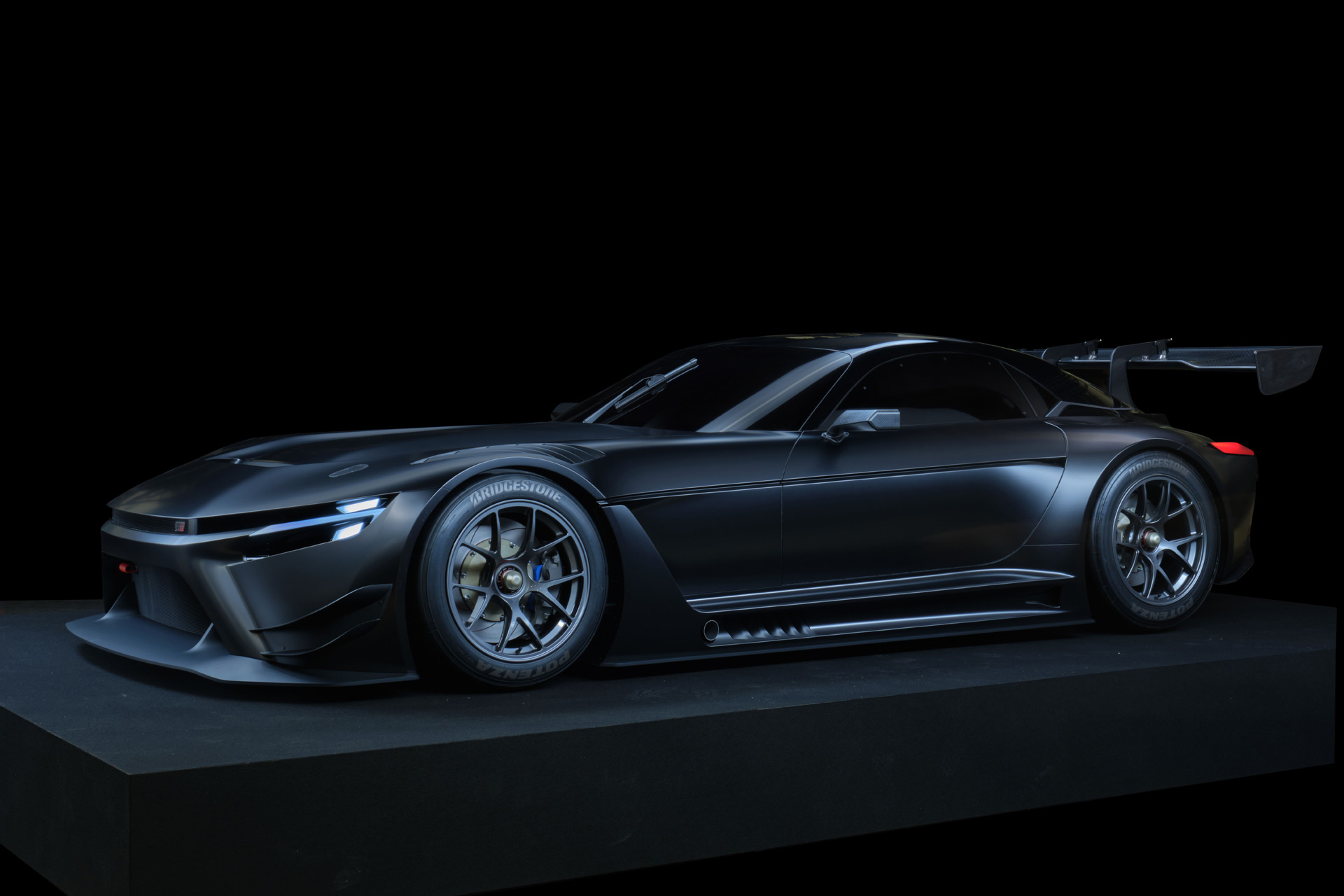
The Lexus LFR is expected to become the spiritual successor to the legendary LFA, a vehicle that remains one of the most respected sports cars ever produced. Enthusiasts have been waiting for years to see how Lexus would follow such an iconic machine, and the LFR appears ready to deliver a compelling answer.
Reports suggest the LFR will feature a twin-turbocharged V8 hybrid powertrain designed to provide exceptional performance while meeting modern efficiency and emissions requirements. This combination could offer both tremendous power and improved drivability across a wide range of conditions.
The styling is expected to be dramatic and purposeful. Long proportions, aggressive aerodynamic elements, and race-inspired details should help distinguish the LFR from other performance vehicles in the Lexus lineup. Every aspect of the design appears focused on maximizing performance while maintaining visual impact.
Lexus is also believed to be developing a GT3 racing version of the car, highlighting its motorsport ambitions. This connection between road and race development often results in improved engineering, durability, and performance.
For many enthusiasts, the LFR represents one of the most exciting upcoming launches because it combines Japanese engineering precision with genuine supercar aspirations. If it lives up to expectations, it could become a worthy successor to the unforgettable LFA.
- Engine: 2.0L hybrid petrol engine
- Horsepower: ~200–220 hp
- Torque: ~300 Nm
- Length: ~4,500 mm (estimated)
- Width: ~1,820 mm
7. Honda Prelude Hybrid
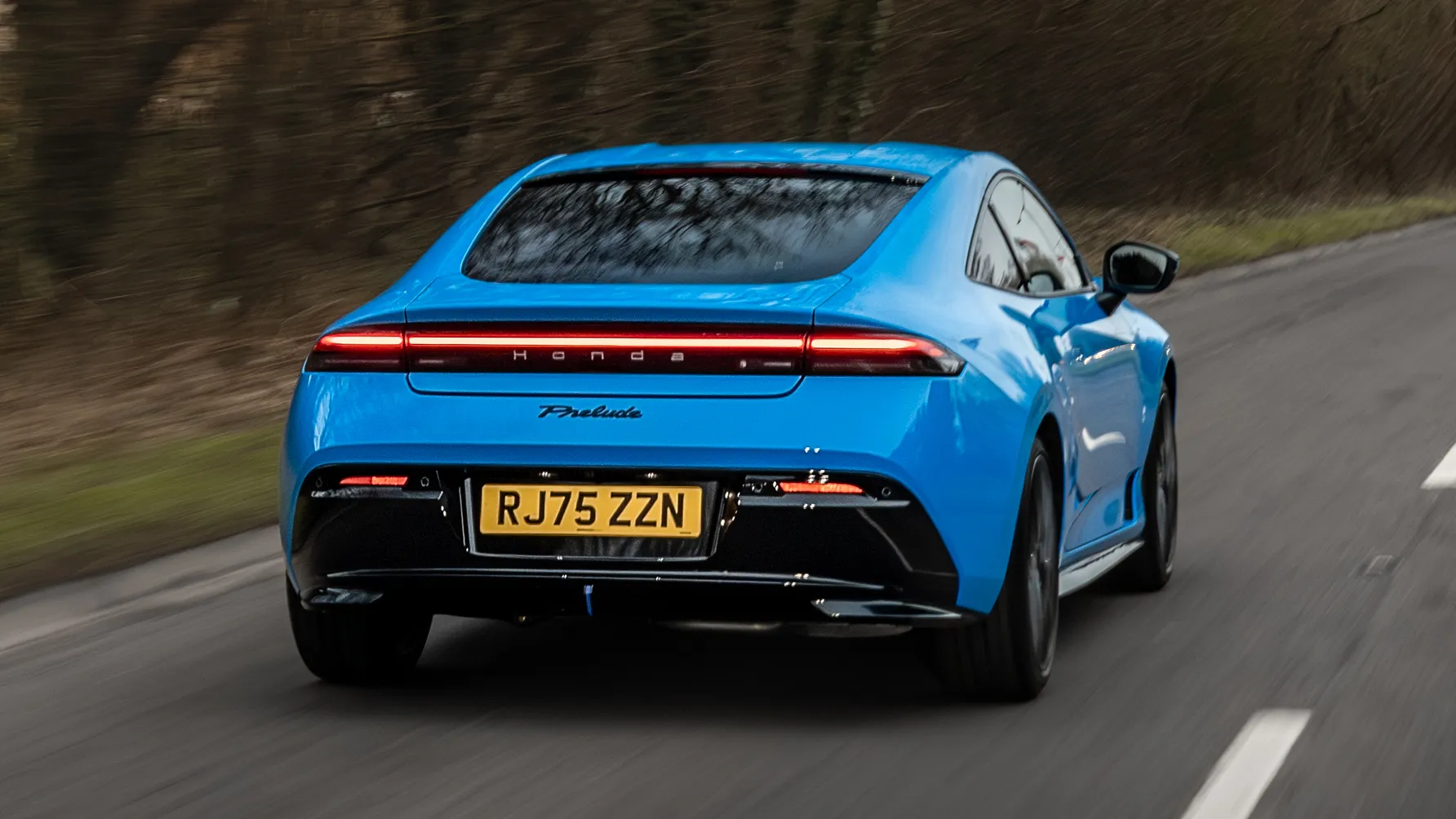
The return of the Honda Prelude is generating significant excitement among sports coupe enthusiasts. Although the new Prelude may not be a hardcore sports car in the traditional sense, it aims to deliver a balanced combination of performance, efficiency, and everyday usability that reflects Honda’s modern engineering philosophy.
Hybrid technology is expected to play a central role in the new model. By combining electric assistance with an efficient gasoline engine, Honda can provide strong acceleration while maintaining excellent fuel economy. This approach aligns with broader industry trends toward electrified performance.
The Prelude name carries substantial historical significance. Previous generations earned a reputation for innovation, reliability, and enjoyable driving dynamics. Honda appears determined to preserve those qualities while introducing modern technology and contemporary styling.
The vehicle is expected to feature a sleek coupe silhouette, aerodynamic design elements, and a driver-focused interior. Advanced safety technologies and connectivity features will likely complement the performance-oriented aspects of the car.
The revival of the Prelude demonstrates that affordable performance vehicles still have a place in the market. For buyers seeking a stylish and engaging sports coupe without entering premium price territory, the new Prelude could be a highly attractive option.
- Engine: 3.0L twin turbo V6 hybrid
- Horsepower: ~690 hp
- Torque: ~720 Nm
- Length: 4,539 mm
- Width: 1,913 mm
8. McLaren Artura 2027
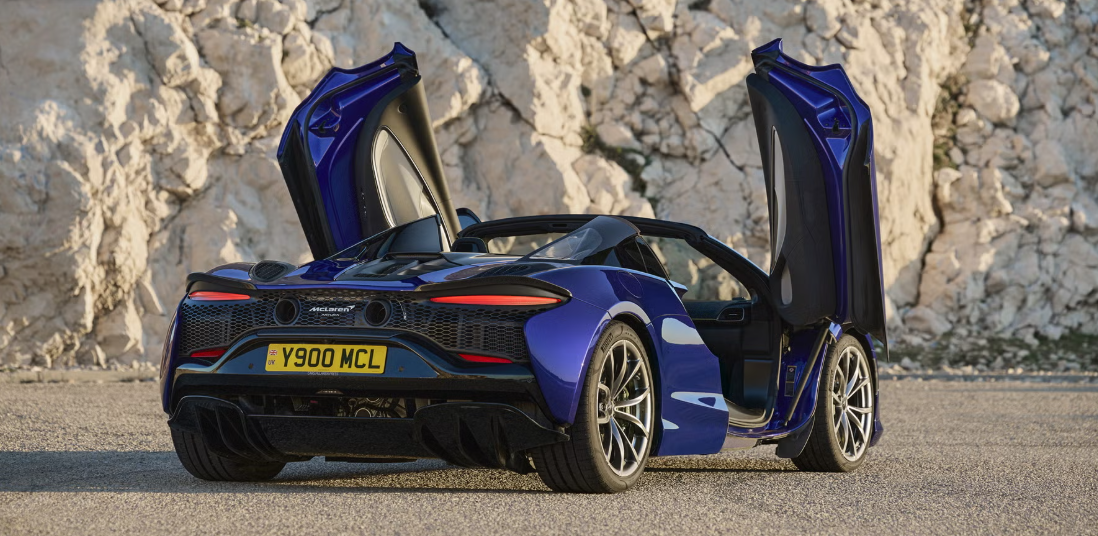
The McLaren Artura continues to evolve as one of the most advanced hybrid supercars available. For the 2027 model year, the vehicle receives refinements that further enhance its performance, technology, and everyday usability. These improvements ensure Artura remains highly competitive in the rapidly evolving supercar segment.
At the core of Artura is a twin-turbocharged V6 engine paired with a plug-in hybrid system. This combination delivers impressive power while also allowing limited electric-only operation. The result is a unique blend of performance and efficiency that few traditional supercars can match.
McLaren’s lightweight carbon fiber architecture remains a defining feature of the vehicle. By minimizing weight, engineers can improve acceleration, handling, braking performance, and responsiveness. This philosophy has long been central to McLaren’s success.
The chassis and suspension systems are carefully tuned to provide exceptional driver feedback. Whether taking on a race circuit or carving through a winding mountain road, the McLaren Artura is designed to deliver a highly engaging experience behind the wheel.
As hybrid technology becomes increasingly common among high-performance vehicles, the Artura serves as an excellent example of how electrification can enhance rather than compromise the supercar experience. Its continued development highlights McLaren’s commitment to innovation and engineering excellence.
- Engine: 3.8L twin turbo flat-6 hybrid assist
- Horsepower: ~650–700 hp
- Torque: ~800–850 Nm
- Length: 4,535 mm
- Width: 1,900 mm
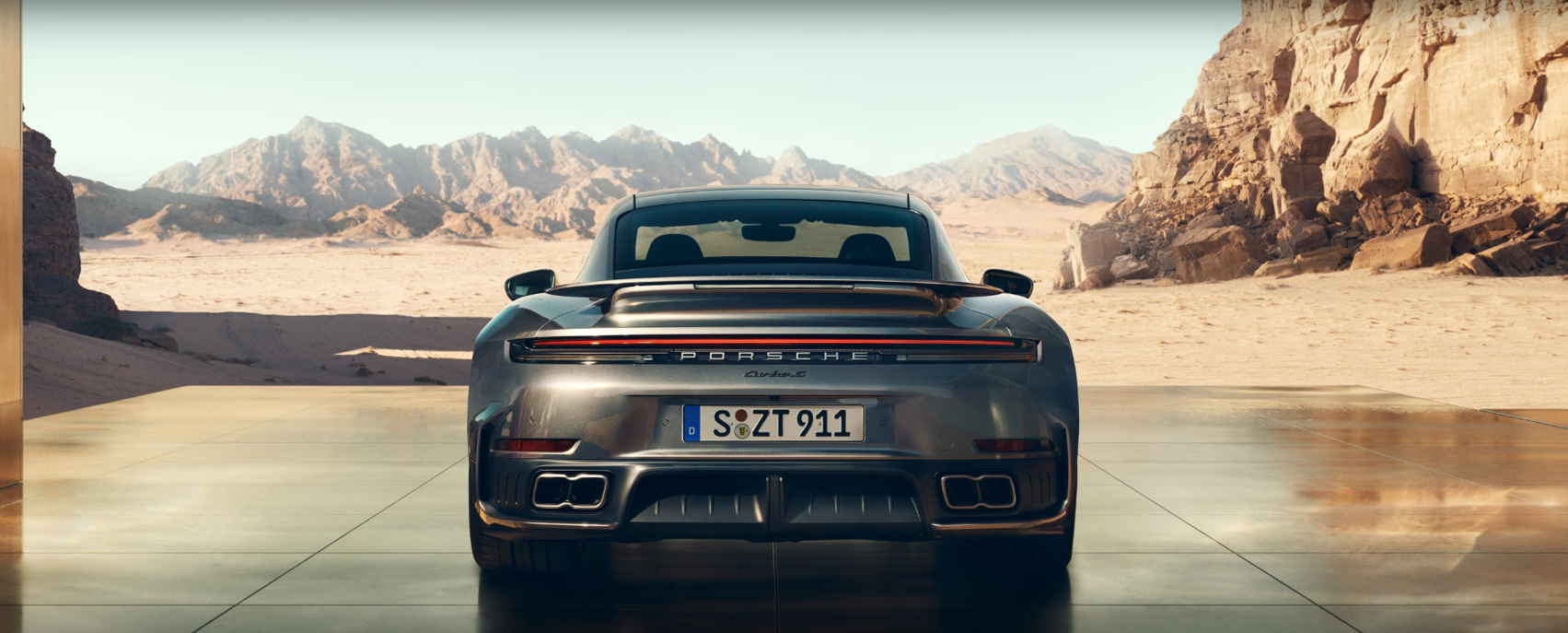
9. Porsche 911 Turbo S 2026
The latest Porsche 911 Turbo S continues the evolution of one of the most iconic sports cars ever created. While maintaining the familiar silhouette that enthusiasts recognize instantly, the newest version introduces significant performance enhancements that push the model closer to hypercar territory.
Hybrid assistance is becoming an increasingly important part of Porsche’s strategy, and the latest Turbo S benefits from advanced electrified technology. This helps improve acceleration, responsiveness, and efficiency without sacrificing the character that defines the 911.
Performance figures are extraordinary. Acceleration capabilities rival many dedicated supercars, yet the vehicle retains the practicality and comfort that have always distinguished the Turbo S from more extreme competitors. This versatility remains one of its greatest strengths.
The chassis, suspension, and All Wheel Drive systems have been refined to maximize grip and driver confidence. Porsche’s relentless focus on engineering detail ensures the car remains composed and predictable even at very high speeds.
Few sports cars possess the legacy, reputation, and all-around capability of the 911 Turbo S. The 2026 model demonstrates that Porsche continues to refine and improve its flagship sports car without abandoning the qualities that made it famous.
- Engine: 5.2L supercharged V8 (Predicted)
- Horsepower: ~760–820 hp
- Torque: ~900–950 Nm
- Length: ~4,800 mm
- Width: ~1,950 mm
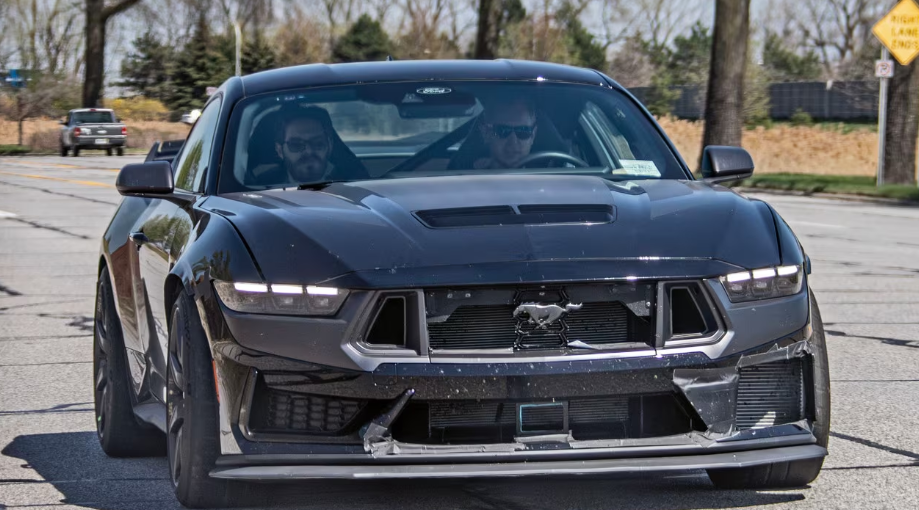
10. Ford Mustang GT500
Although Ford has not fully revealed every detail, the expected return of the Mustang GT500 remains one of the most anticipated performance car stories for 2026 and 2027. Enthusiasts continue to speculate about the specifications, technology, and performance targets of the next-generation model.
Historically, the GT500 has represented the highest performance version of the Mustang lineup. Massive power, aggressive styling, track-focused engineering, and impressive straight-line speed have always defined the badge. Expectations for the upcoming model are therefore extremely high.
Industry observers anticipate a powerful forced induction engine combined with modern chassis technology. Improved aerodynamics, upgraded suspension systems, and enhanced cooling solutions are also expected to play important roles in the vehicle’s development.
The new GT500 will likely compete directly with high-performance variants from Chevrolet, Dodge, and other manufacturers. This competition has historically benefited consumers by encouraging continuous innovation and performance improvements.
If Ford successfully builds upon the strengths of previous generations, the next GT500 could become one of the most exciting American sports cars of the decade. Its combination of heritage, performance, and accessibility ensures it remains firmly on the radar of enthusiasts worldwide.
