
Depreciation is one of the most important but often ignored factors when buying an SUV. While most buyers focus on design, performance, mileage, or comfort, the long-term financial impact of depreciation can be far greater than fuel costs or even maintenance expenses.
In simple terms, depreciation is the loss in a vehicle’s value over time, and for most SUVs, this loss can be dramatic in the first five to ten years of ownership.
On average, many SUVs lose between 50% and 70% of their original value within ten years. Luxury SUVs and electric vehicles often depreciate even faster due to high repair costs, rapid technology changes, and lower long-term demand in the used market.
However, there are a select group of SUVs that consistently break this pattern and retain a significantly higher portion of their value even after a decade of use.
These high-retention SUVs usually share a few important characteristics. First, they are built by manufacturers with strong reputations for reliability and long-lasting engineering. Second, they are designed with durability in mind, often using proven engines and simpler mechanical systems that age well over time.
They also benefit from strong demand in both new and used markets, allowing even older models to sell at premium prices. In addition, lower ownership costs add to their appeal in the second-hand market.
Brands like Toyota, Honda, Subaru, and Lexus dominate this category because they have built decades of trust in global markets. Their SUVs are known to easily cross 200,000 miles with proper maintenance, which directly supports strong resale values even after 10 years.
In contrast, many European luxury SUVs lose value quickly because of expensive parts, complex electronics, and higher long-term maintenance risk.
Understanding which SUVs hold their value best is not just useful for resale planning but also for making smarter purchasing decisions. A vehicle that retains value well reduces your total cost of ownership and can save a significant amount of money when you decide to sell or upgrade.
In this article, we explore the 8 best SUVs that show the least depreciation after 10 years based on long-term market behavior, reliability trends, and real-world resale performance data. These are the SUVs that consistently prove they are not just good to drive, but also smart long-term financial assets.
Also Read: Ford Issues ‘Do Not Drive’ Recall On 4,653 Maverick And Bronco Sport Models
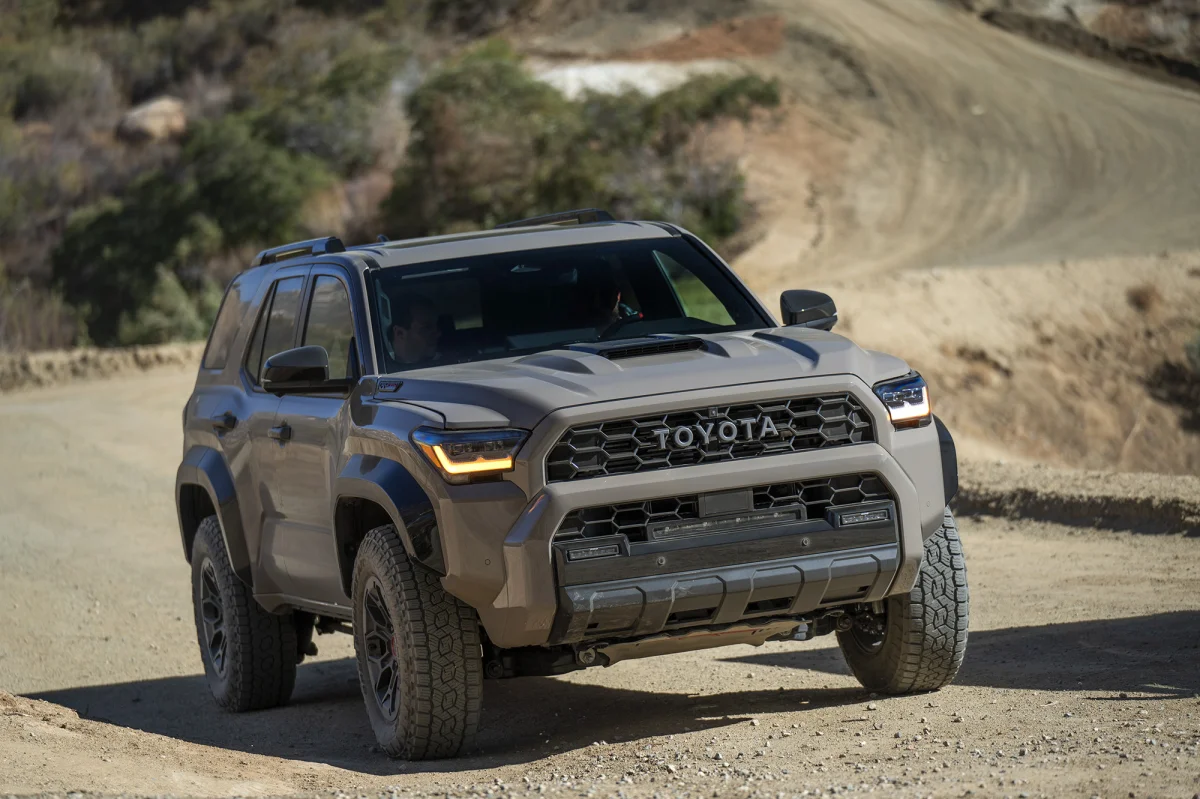
- Engine: 4.0L V6 petrol
- Horsepower: 270 hp
- Torque: 278 lb-ft (377 Nm)
- Length: 190.2 inches (4836 mm)
- Width: 75.8 inches (1925 mm)
1. Toyota 4Runner
The Toyota 4Runner is often considered the benchmark for long-term SUV value retention. Built on a traditional body-on-frame platform, it is engineered more like a truck than a crossover, which significantly contributes to its durability.
This construction method allows it to withstand heavy use, rough terrains, and long-term wear without developing the structural weaknesses commonly seen in unibody SUVs. Because of this, it has earned a reputation as one of the most reliable SUVs ever made, especially in markets like North America and the Middle East, where durability is highly valued.
One of the biggest reasons the 4Runner depreciates slowly is its mechanical simplicity. Unlike modern SUVs filled with complex electronics and turbocharged engines, the 4Runner uses a proven naturally aspirated V6 engine that has been refined over many years.
This reduces the likelihood of expensive breakdowns and makes long-term maintenance more predictable and affordable. Buyers in the used market are well aware of this reliability history, which keeps demand strong even for older models.
Another important factor is the strong enthusiast and lifestyle appeal. The 4Runner is widely used for off-roading, camping, and overlanding activities, which creates a loyal customer base that actively seeks older models.
Even vehicles with high mileage remain attractive because they are viewed as capable adventure machines rather than simple commuter SUVs. This emotional value significantly slows depreciation compared to more generic urban SUVs.
In addition, Toyota’s conservative redesign strategy plays a key role. The 4Runner has not undergone radical generational changes for many years, meaning older models do not look outdated quickly. This design consistency ensures that even a 10-year-old 4Runner still feels relevant in terms of appearance and functionality, helping it retain a high resale value.
The global reputation Toyota has built for producing long-lasting vehicles strongly supports buyer confidence. Many used car shoppers actively look for Toyota SUVs, with the 4Runner often ranking at the top of that list. Steady demand of this kind helps keep depreciation lower than what is typically seen with most competitors.
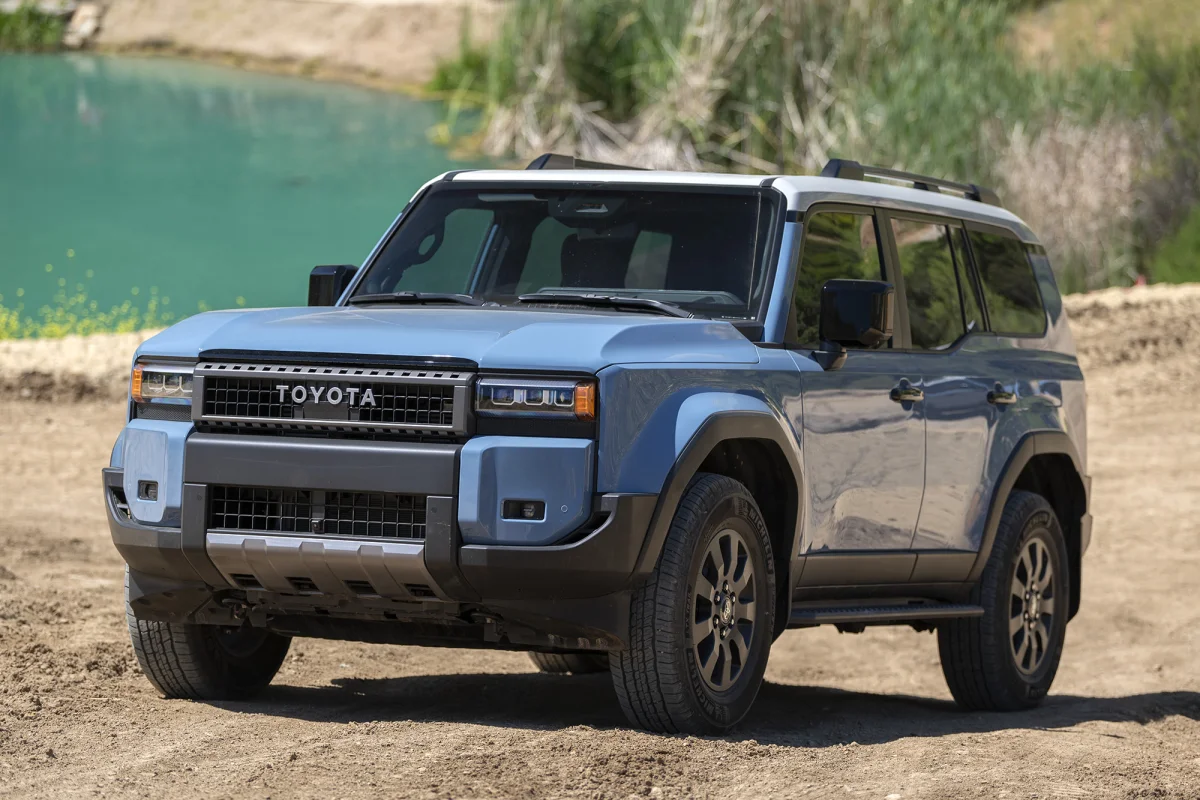
- Engine: 3.5L twin turbo V6 petrol (Land Cruiser 300 series, global spec)
- Horsepower: 409 hp
- Torque: 479 lb-ft (650 Nm)
- Length: approx 194.9 to 196.5 inches (varies by market)
- Width: approx 78 inches (1980 mm)
2. Toyota Land Cruiser
The Toyota Land Cruiser is one of the most iconic SUVs in automotive history, known globally for its unmatched durability and off-road capability. It has been used in extreme environments such as deserts, mountains, and conflict zones, proving its ability to survive where most vehicles fail. This legendary reputation directly translates into exceptionally strong resale value, even after a decade of use.
A major reason for its low depreciation is its engineering philosophy. The Land Cruiser prioritizes reliability over luxury technology. It uses robust engines and drivetrain components designed to operate under extreme stress without failure.
While modern SUVs often rely heavily on complex electronics, the Land Cruiser maintains a balance that favors mechanical strength. This reduces long-term repair risks and increases buyer confidence in the used market.
Another important factor is its global demand. The Land Cruiser is not just popular in one region but is highly sought after across Africa, the Middle East, Australia, and parts of Asia.
In many of these markets, it is considered a premium utility vehicle capable of handling harsh terrains. Because demand often exceeds supply, even older models retain unusually high resale prices compared to other SUVs in the same age category.
The Land Cruiser also benefits from its long lifecycle and slow redesign cycles. Toyota typically keeps the core structure and design consistent over long periods, which means older models still feel mechanically relevant. This reduces the “outdated” effect that causes many SUVs to lose value quickly after new generations are released.
The Land Cruiser is frequently viewed more as a long-term investment than a typical depreciating vehicle. Many owners retain them for decades, and in certain markets, well-maintained used examples can still command premium prices. This unusual market pattern plays a key role in its consistent position among the SUVs with the lowest depreciation worldwide.
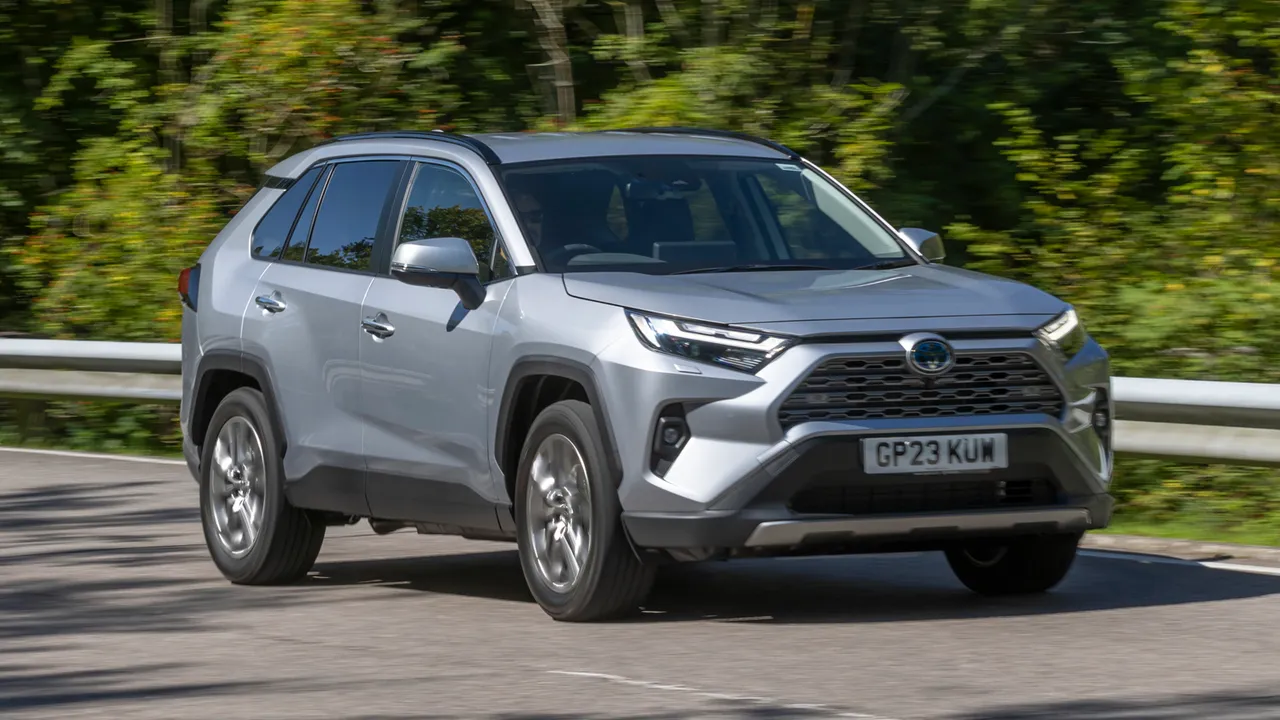
- Engine: 2.5L 4-cylinder petrol (hybrid available)
- Horsepower: 203 hp (219 hp hybrid)
- Torque: 184 lb-ft (249 Nm)
- Length: 180.9 inches (4600 mm)
- Width: 73.0 inches (1855 mm)
3. Toyota RAV4
The Toyota RAV4 is one of the best-selling compact SUVs globally, and its strong resale value is directly linked to its massive popularity. Because it appeals to such a wide audience, including families, first-time buyers, and commuters, it maintains steady demand in both new and used car markets. This broad appeal is one of the strongest drivers of its low depreciation rate.
Another key reason the RAV4 holds value well is its reputation for reliability and low ownership costs. Toyota has designed the RAV4 to be economical to maintain, with widely available spare parts and a strong service network. Even older models are relatively inexpensive to keep on the road, which makes them attractive to budget-conscious buyers in the second-hand market.
Fuel efficiency also plays a major role in its long-term value retention. With hybrid variants becoming increasingly popular, the RAV4 appeals to environmentally conscious buyers and those looking to reduce fuel expenses. As fuel prices fluctuate globally, efficient SUVs like the RAV4 become more desirable, helping it maintain strong resale prices even after many years.
In addition, the RAV4 benefits from Toyota’s consistent reputation for durability. Buyers trust that even a 10-year-old RAV4 can still perform reliably with minimal issues. This trust significantly reduces depreciation because demand remains steady regardless of age.
Its practical design and versatile nature allow it to fit a wide range of lifestyles with ease. From urban streets to suburban roads and rural settings, the RAV4 remains highly relevant, helping older models continue to attract buyers quickly in the used market.
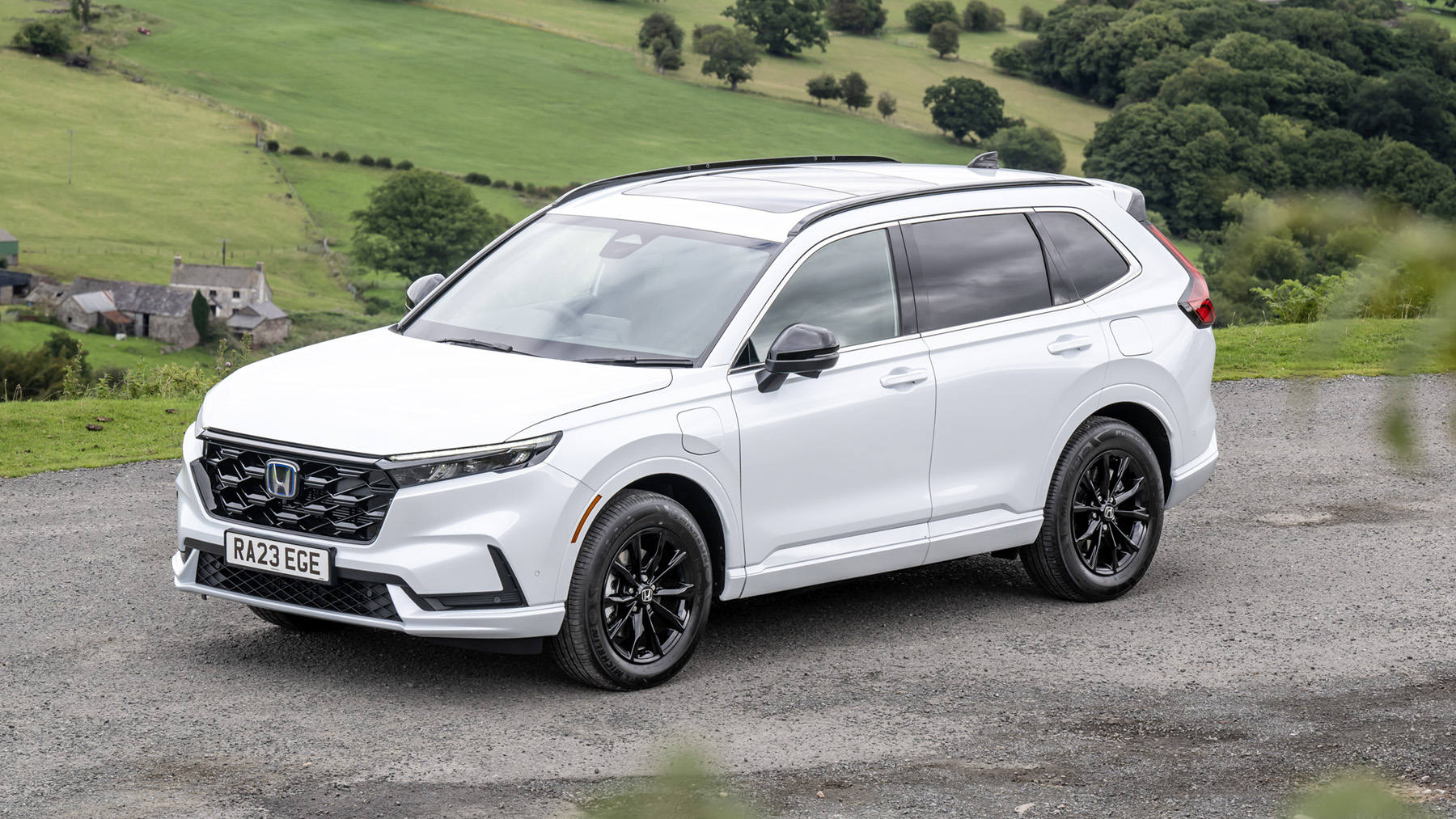
- Engine: 1.5L turbo 4-cylinder (hybrid option available)
- Horsepower: 190 hp (204 hp hybrid)
- Torque: 179 lb-ft (243 Nm)
- Length: 184.8 inches (4694 mm)
- Width: 73.5 inches (1866 mm)
4. Honda CR-V
The Honda CR-V has long been one of the most trusted compact SUVs in the world, known for its practicality, efficiency, and long-lasting mechanical performance. It consistently ranks among the best vehicles for families due to its spacious interior and comfortable driving experience, which helps maintain strong demand in the used car market.
One of the biggest reasons for its low depreciation is Honda’s engineering reliability. The CR-V is designed with long-term usability in mind, using proven engines and transmissions that can easily last over 200,000 miles with proper maintenance. This reliability gives buyers confidence that even older models remain dependable transportation options.
Another important factor is its low cost of ownership. The CR-V is inexpensive to maintain compared to luxury SUVs, and replacement parts are widely available. This makes it especially attractive to second-hand buyers who want a dependable vehicle without high repair costs. As a result, resale demand remains strong even for older models.
The CR-V also benefits from its strong fuel efficiency, especially in newer generations. This makes it appealing during periods of rising fuel costs, further strengthening its resale value. Many buyers specifically look for older CR-V models as affordable, fuel-efficient SUVs.
Honda’s reputation for producing durable, long-lasting vehicles strengthens the CR-V’s standing as a low-depreciation SUV. Decades of consistent performance have helped it remain a leading choice in the used SUV market.
Also Read: 6 Best and Worst Years of the Ford F-150
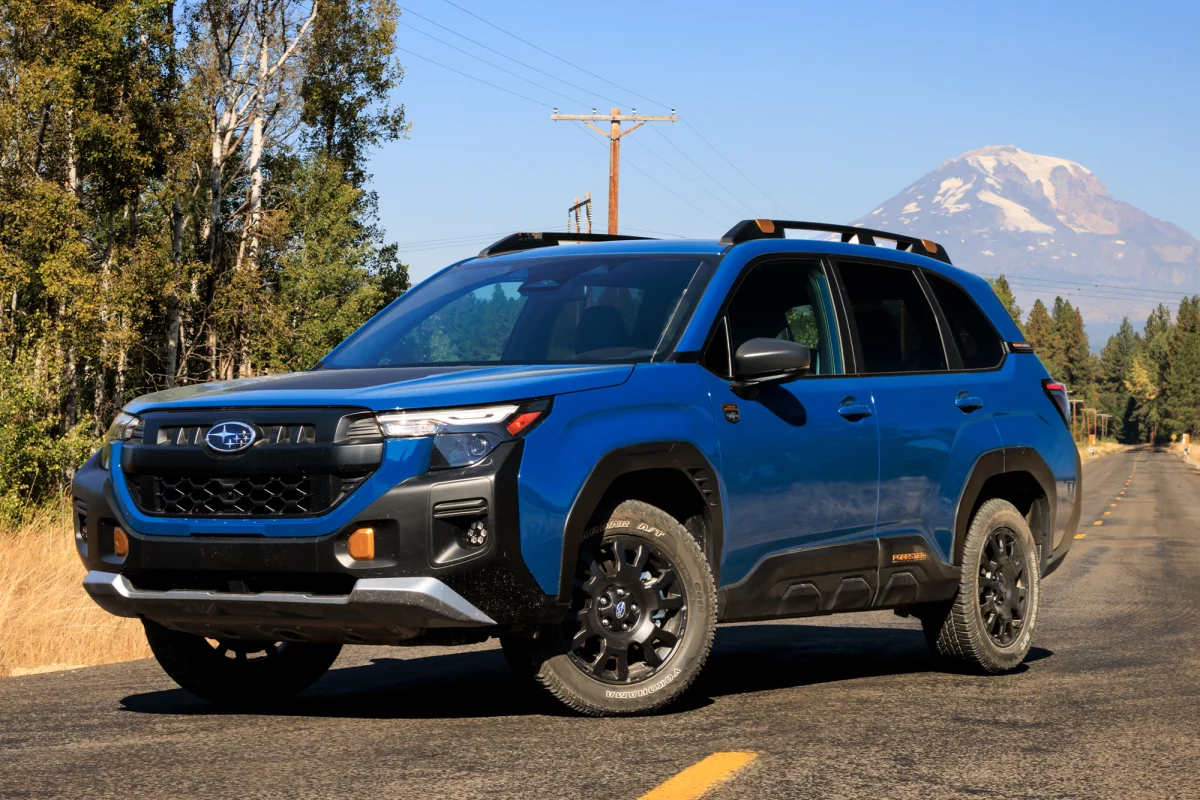
- Engine: 2.5L flat-4 (Boxer engine)
- Horsepower: 180 hp
- Torque: 178 lb-ft (241 Nm)
- Length: 182.7 inches (4640 mm)
- Width: 71.5 inches (1815 mm)
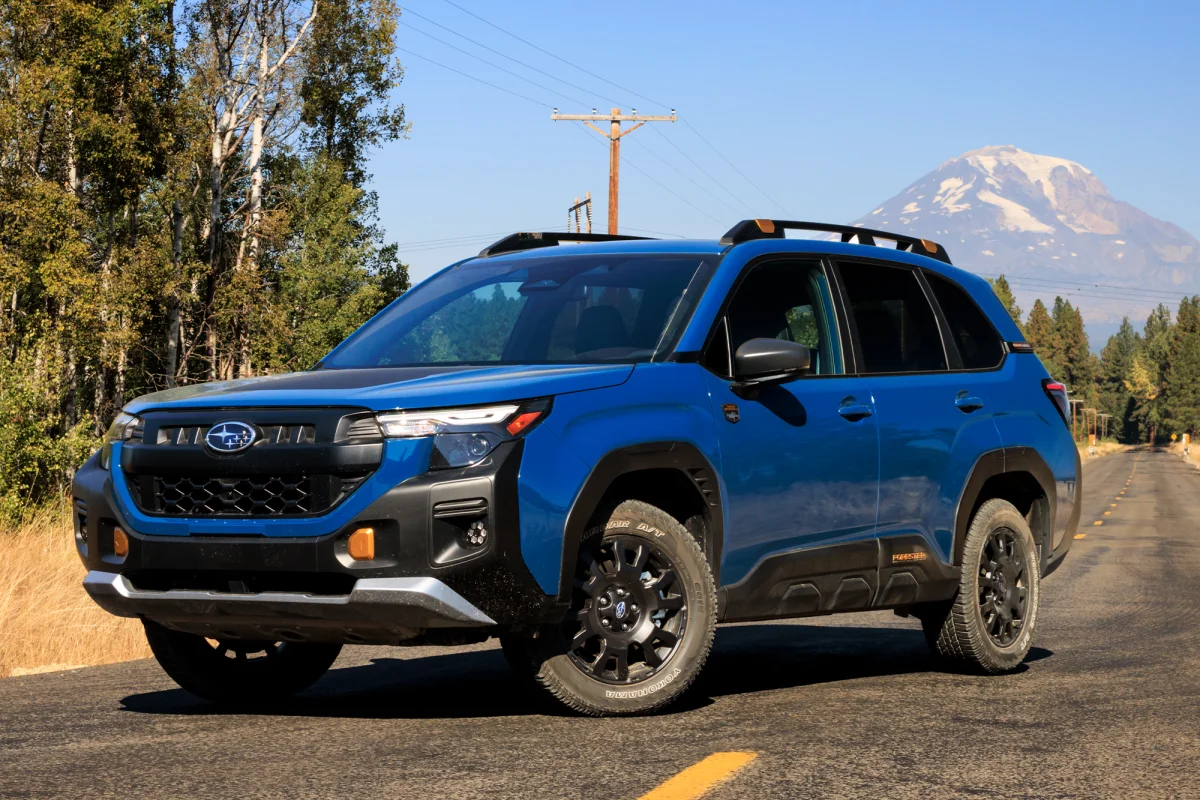
5. Subaru Forester
The Subaru Forester is widely recognized for its standard all-wheel-drive system, which comes built into every model. This feature alone makes it highly desirable in regions with snow, rain, or rough road conditions. Its strong safety reputation and dependable handling make it a preferred choice for families and outdoor enthusiasts.
One of the main reasons it holds value well is its consistent niche appeal. Subaru has built a loyal customer base that specifically seeks out vehicles capable of handling challenging weather conditions. The Forester fits this need perfectly, ensuring steady demand in the used market.
Another important factor is its balanced engineering approach. The Forester is designed for practicality and reliability rather than luxury or high performance. This keeps maintenance costs relatively low and ensures long-term durability, both of which are important for resale value.
Its safety ratings also contribute significantly to its popularity. The Forester consistently performs well in crash tests, which increases buyer confidence in older models. Families, in particular, are willing to pay more for used vehicles with strong safety records.
Subaru’s reputation for durable engines and dependable drivetrains supports the Forester’s ability to hold its value well even after a decade of use, positioning it as one of the stronger performers in the compact SUV segment.
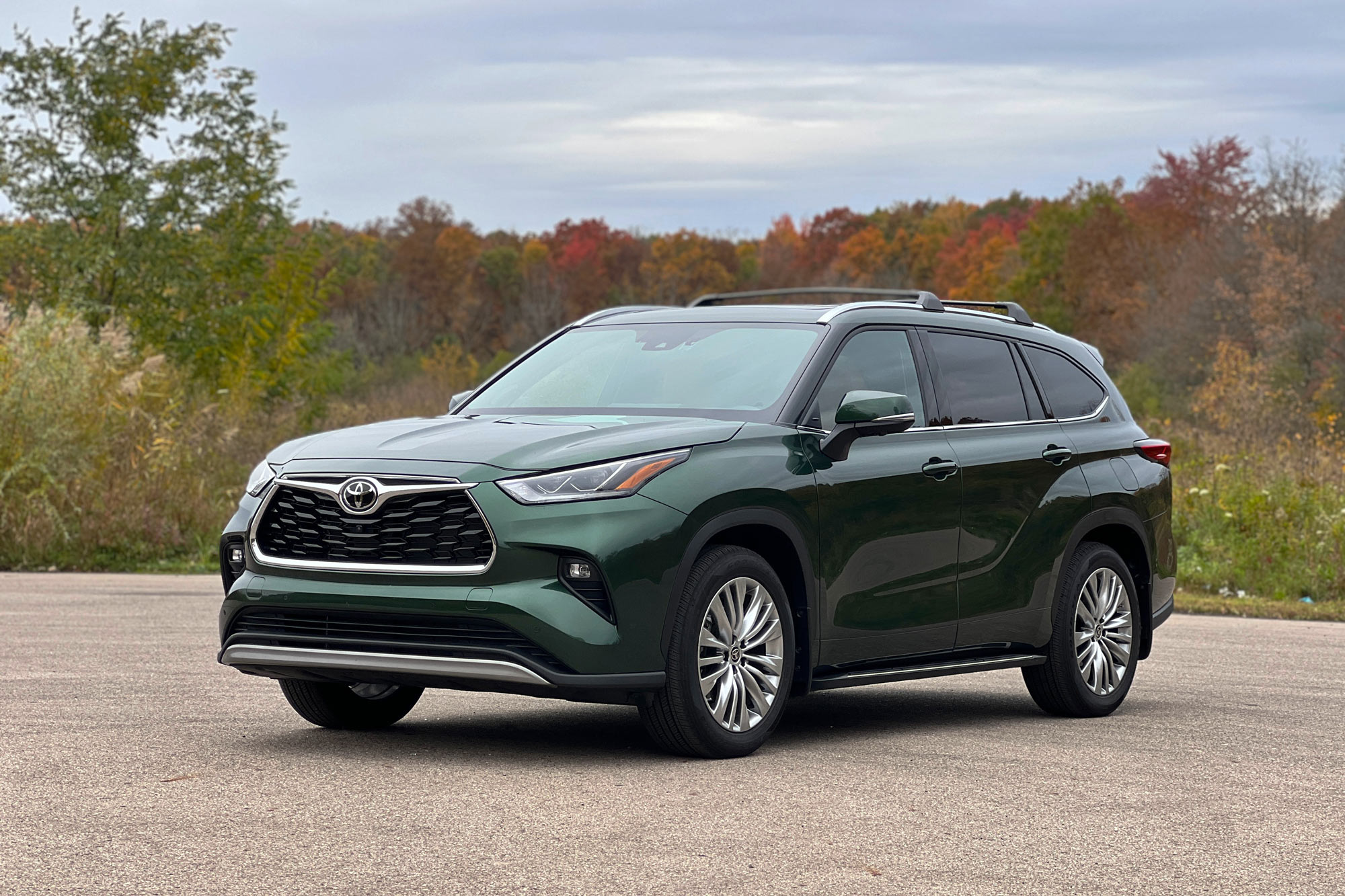
- Engine: 2.4L turbo 4-cylinder (hybrid available)
- Horsepower: 265 hp (243 hp hybrid system)
- Torque: 310 lb-ft (420 Nm)
- Length: 194.9 inches (4950 mm)
- Width: 76.0 inches (1930 mm)
6. Toyota Highlander
The Toyota Highlander is a midsize SUV that combines comfort, reliability, and practicality, making it a popular choice among families worldwide. Its smooth driving experience and spacious interior make it ideal for long trips and daily commuting alike.
A major reason for its low depreciation is its strong reputation for mechanical reliability. Like other Toyota models, the Highlander is built to last, with engines and transmissions that are known for long lifespans. This reliability ensures that even older models remain attractive in the used market.
Another factor is its low maintenance cost compared to European competitors. Repairs are generally affordable, and parts are widely available, which reduces the total cost of ownership. This makes it a preferred option for buyers looking for a dependable family SUV.
The hybrid versions of the Highlander further improve its resale value due to increasing demand for fuel-efficient vehicles. As environmental awareness grows, hybrid SUVs tend to retain value better than traditional petrol-only models.
A balanced blend of comfort and practicality helps the Highlander stay relevant even after 10 years, contributing to its strong performance in long-term value retention.
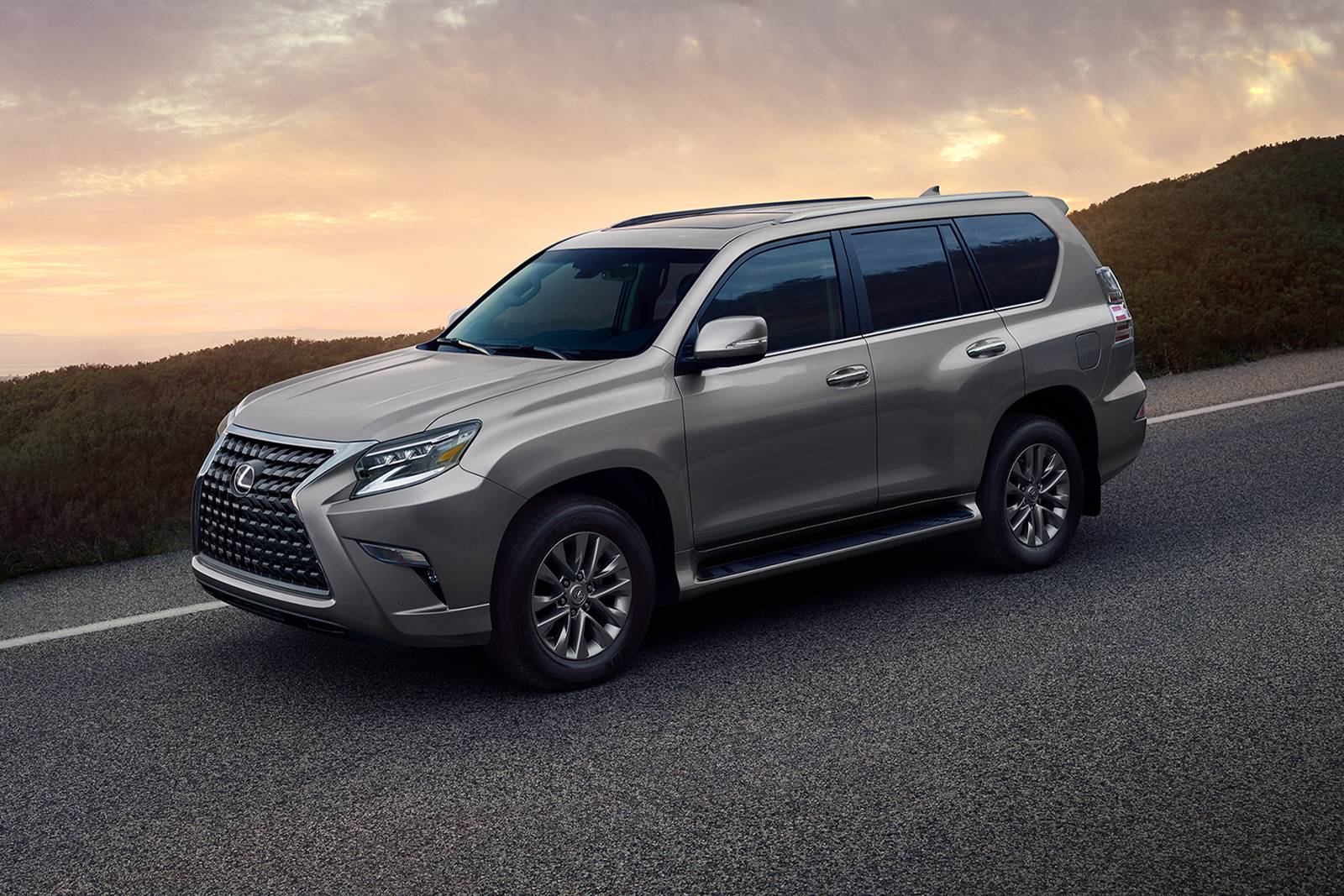
- Engine: 3.4L twin turbo V6 (GX 550)
- Horsepower: 349 hp
- Torque: 479 lb-ft (650 Nm)
- Length: 197.0 inches (5004 mm)
- Width: 78.0 inches (1980 mm)
7. Lexus GX
The Lexus GX stands out in the luxury SUV category because it combines premium comfort with exceptional durability. Built on a rugged body-on-frame platform shared with Toyota’s off-road vehicles, it is significantly more durable than most luxury competitors.
One of the main reasons it holds value so well is Lexus’s reputation for reliability. Unlike many luxury brands that suffer from high maintenance costs, Lexus vehicles are known for long-term dependability. This makes the GX especially attractive in the used luxury SUV market.
Another factor is its off-road capability. Despite being a luxury SUV, the GX performs extremely well in rough terrain, which broadens its appeal beyond urban buyers. This versatility helps maintain steady demand.
Its interior comfort and high-quality materials also age well, meaning older models still feel premium even after many years. This reduces the perception of aging, which helps slow depreciation.
Strong demand in the luxury rugged SUV segment keeps the GX highly desirable, as limited competition helps sustain its appeal and supports consistently strong resale values over time.
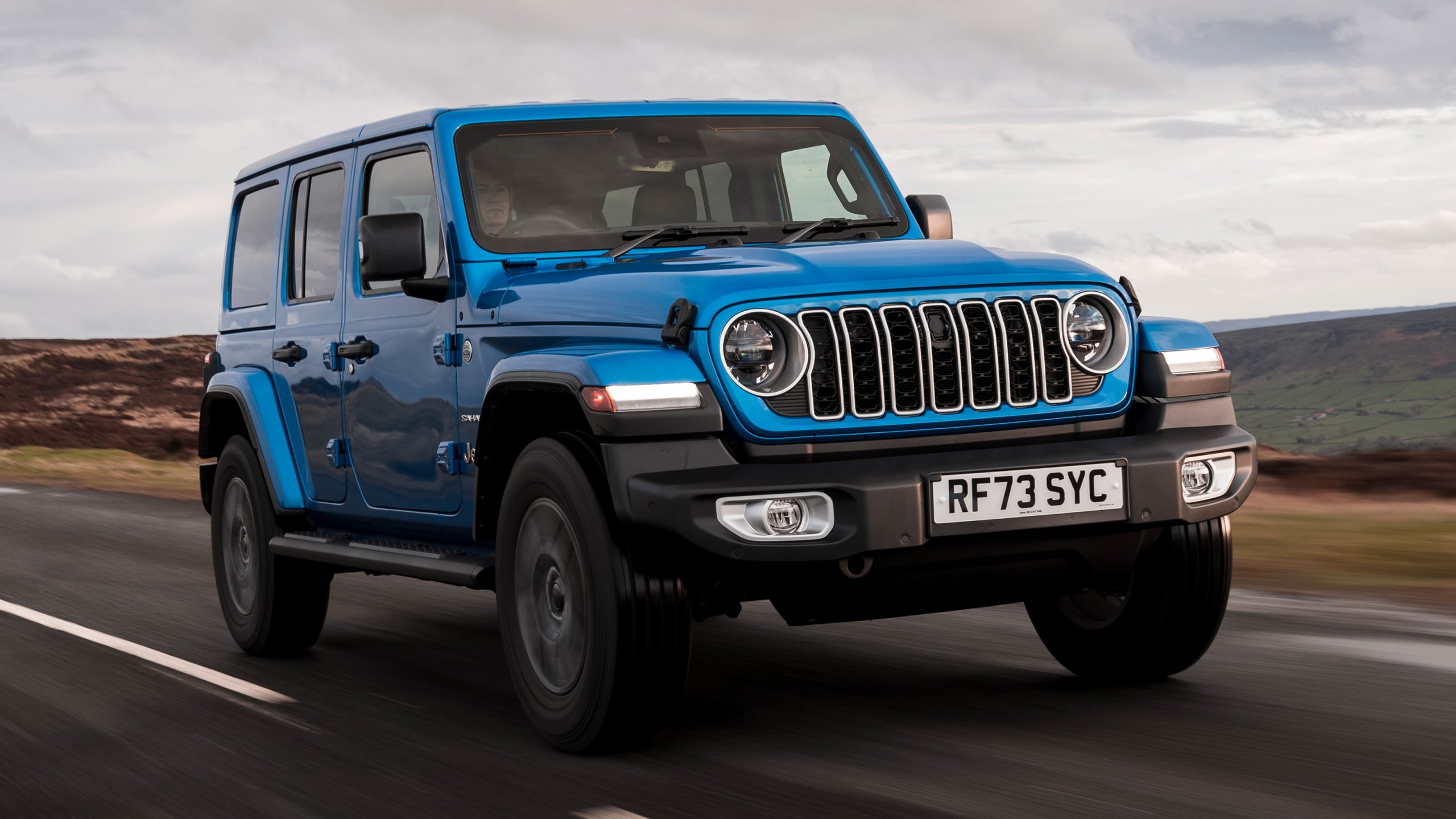
- Engine options:
- 2.0L turbo 4-cylinder: 270 hp, 295 lb-ft
- 3.6L V6: 285 hp, 260 lb-ft
- Length: 166 to 188 inches (depending on 2-door or 4-door Unlimited)
- Width: 73.8 inches (1874 mm)
8. Jeep Wrangler
The Jeep Wrangler is one of the most iconic SUVs ever built, known for its off-road capability and distinctive design. Its unique removable doors and roof make it a lifestyle vehicle rather than just transportation, which creates strong emotional demand.
One of the biggest reasons for its low depreciation is its enthusiast-driven market. Many buyers specifically seek older Wranglers for customization and off-road modifications. This keeps demand high regardless of age or mileage.
Another factor is its simple and durable mechanical design. The Wrangler is built to handle extreme conditions, which contributes to long-term reliability in off-road environments. This ruggedness ensures that older models remain functional and desirable.
Its iconic design also plays a major role. The Wrangler’s appearance has remained largely unchanged over the decades, meaning even older models do not look outdated. This consistency helps maintain strong resale value.
A strong brand identity paired with a loyal customer base helps the Wrangler maintain solid performance in the used SUV market, securing its reputation as one of the best value-retaining American SUVs.
