
Buying a car is only the beginning of the financial commitment. Many shoppers focus heavily on the purchase price while overlooking the long-term expenses that follow. Fuel costs, maintenance, repairs, insurance premiums, depreciation, and replacement parts all contribute to the true cost of ownership.
A vehicle that seems affordable in the showroom can become expensive over time if it consumes excessive fuel or requires frequent repairs. On the other hand, some cars consistently prove that dependable transportation does not have to come with a heavy financial burden.
The most wallet-friendly vehicles share several important characteristics. They are typically reliable, fuel-efficient, inexpensive to maintain, and supported by widely available replacement parts.
Strong resale value can also play a significant role because owners recover more of their investment when it comes time to sell or trade the vehicle. These factors combine to create a driving experience that is not only practical but also financially sensible.
Fortunately, buyers today have access to numerous models that excel in these areas. Whether the priority is daily commuting, family transportation, or simply minimizing ownership costs, there are vehicles designed to keep expenses under control without sacrificing comfort or convenience.
The following cars have earned reputations for affordability beyond the initial purchase price. They demonstrate that smart ownership is about more than finding a low sticker price. It is about choosing a vehicle that continues to save money year after year.
Also Read: 10 Best-Selling Motorcycle Of Every Decade
1. Toyota Corolla
When conversations turn to affordable car ownership, the Toyota Corolla is usually one of the first names mentioned. Its reputation has been built over decades of dependable service, making it a favorite among drivers who prioritize financial stability over flashy features.
One of the Corolla’s greatest strengths is predictability. Owners rarely face unexpected repair bills compared to many competitors. Routine maintenance tends to be straightforward, and replacement parts are widely available in most markets. This combination helps keep service costs manageable throughout the vehicle’s life.
Fuel efficiency also contributes significantly to the Corolla’s appeal. Daily commuters benefit from reduced visits to the gas station, which can add up to substantial savings over several years of ownership. In a time when operating costs matter more than ever, this efficiency remains a major advantage.
The vehicle’s durability has become almost legendary. Many examples remain on the road with high mileage while continuing to provide reliable transportation. This long lifespan allows owners to spread their investment over many years, improving value considerably.
Insurance costs are often reasonable as well. Because the Corolla is viewed as a practical and low-risk vehicle, premiums frequently remain lower than those associated with performance-oriented alternatives.
Another financial advantage appears when it is time to sell. Strong resale values help owners retain a larger percentage of their original investment. Few compact cars hold their value as consistently.
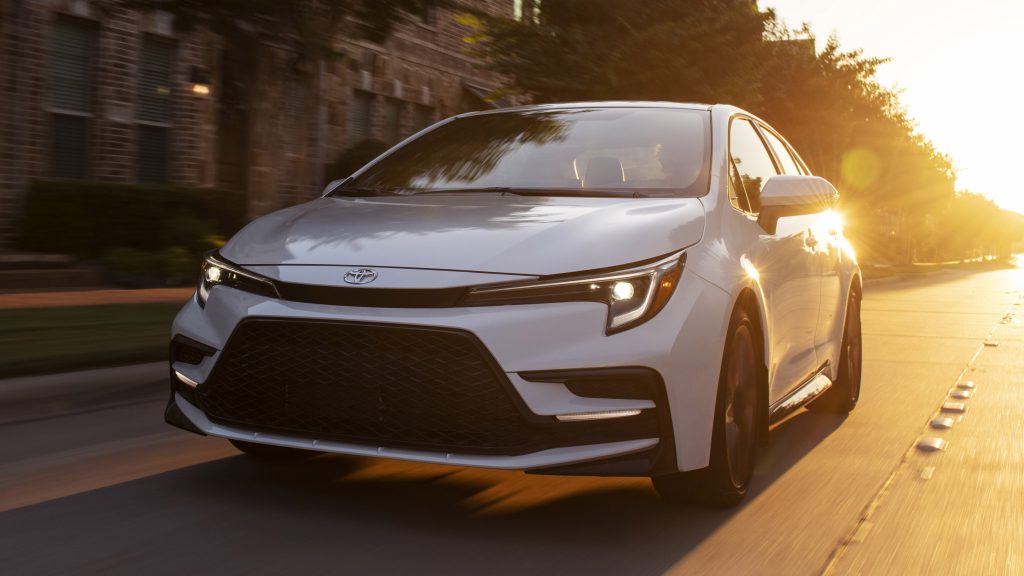
Rather than impressing buyers with extreme horsepower or luxury features, the Corolla succeeds through efficiency, reliability, and low ownership costs. Those qualities have made it one of the safest financial choices in the automotive world for generations.
Specifications
- Engine: 2.0L Inline-4
- Torque: 205 Nm
- Horsepower: 169 hp
- Length/Width: 4630 mm / 1780 mm
2. Honda Civic
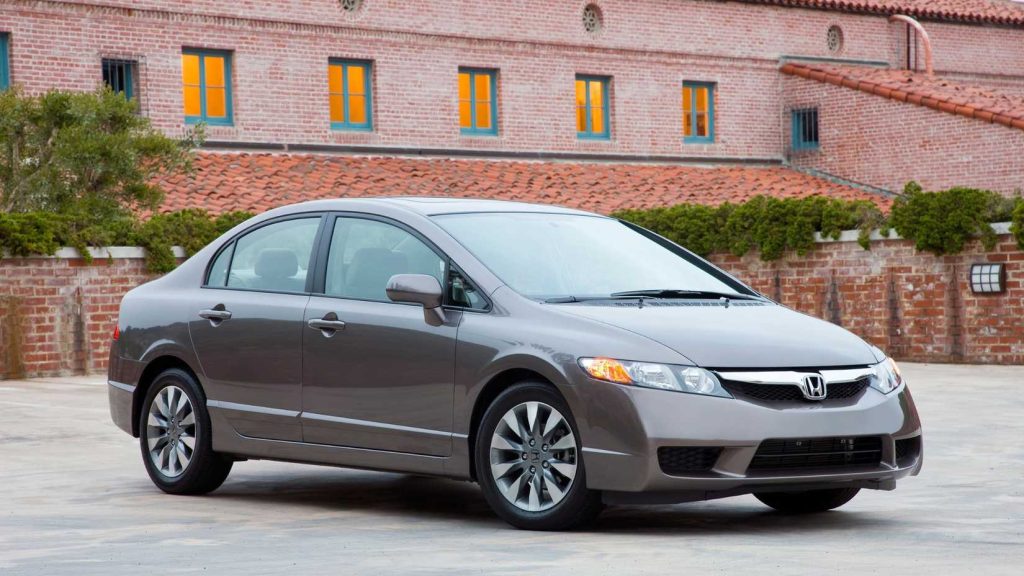
Some cars achieve affordability by being basic. The Honda Civic takes a different approach by offering a well-rounded ownership experience while still keeping expenses under control. This balance has helped it remain one of the most popular compact cars in the world.
The Civic’s appeal begins with reliability. Honda has spent decades refining its engineering, resulting in a vehicle known for long-term durability. Owners often report years of trouble-free driving when routine maintenance schedules are followed. This reliability reduces the likelihood of major repair costs disrupting household budgets.
Driving enjoyment is another area where the Civic distinguishes itself. While many economical cars focus exclusively on efficiency, the Civic manages to provide responsive handling and a refined driving experience. This means owners do not have to sacrifice enjoyment in pursuit of affordability.
Fuel economy remains a strong point. Efficient engines help keep operating expenses low, particularly for commuters who spend significant time on the road. Combined with reasonable maintenance requirements, the Civic consistently ranks among the most cost-effective vehicles to own.
The interior also deserves recognition. Despite its compact classification, the cabin offers impressive space and practicality. Families, students, and professionals can all find value in the vehicle’s versatile layout.
A strong aftermarket network further enhances affordability. Parts are easy to source, and many repair shops are familiar with the model, helping control service expenses.
Perhaps the most important factor is long-term value retention. The Civic typically maintains strong resale demand, reducing depreciation losses compared to many competitors.
For buyers seeking a vehicle that combines practicality, reliability, efficiency, and everyday comfort, the Honda Civic remains one of the smartest choices available.
Specifications
- Engine: 2.0L Inline-4
- Torque: 187 Nm
- Horsepower: 158 hp
- Length/Width: 4674 mm / 1802 mm
3. Mazda3
Not every budget-friendly car feels budget-oriented from behind the wheel. The Mazda3 has built a loyal following by offering an ownership experience that feels more premium than its price tag suggests. For drivers who want affordability without giving up refinement, it stands out as one of the smartest choices on the market.
The first thing many owners notice is the vehicle’s build quality. Mazda has invested heavily in creating interiors that look and feel more expensive than expected. Soft-touch materials, attractive design elements, and solid construction help the cabin maintain its appeal even after years of use.
Financially, the Mazda3 succeeds because it avoids many of the ownership headaches that plague more complicated vehicles. Routine maintenance is generally uncomplicated, and reliability ratings have remained consistently strong. This helps owners spend less time at repair facilities and more time enjoying the car.
Fuel economy also contributes to its wallet-friendly reputation. The efficient powertrain delivers respectable performance while keeping fuel consumption under control. For commuters covering significant distances each week, these savings become increasingly noticeable over time.
Another advantage lies in the vehicle’s longevity. Many Mazda3 owners keep their cars for years because the model ages gracefully both mechanically and cosmetically. Strong durability helps reduce the pressure to upgrade frequently.
While many economy cars prioritize practicality above all else, the Mazda3 brings a more engaging character to the driving experience. Its steering is precise and responsive, and the well-tuned chassis stays composed across a wide range of road conditions.
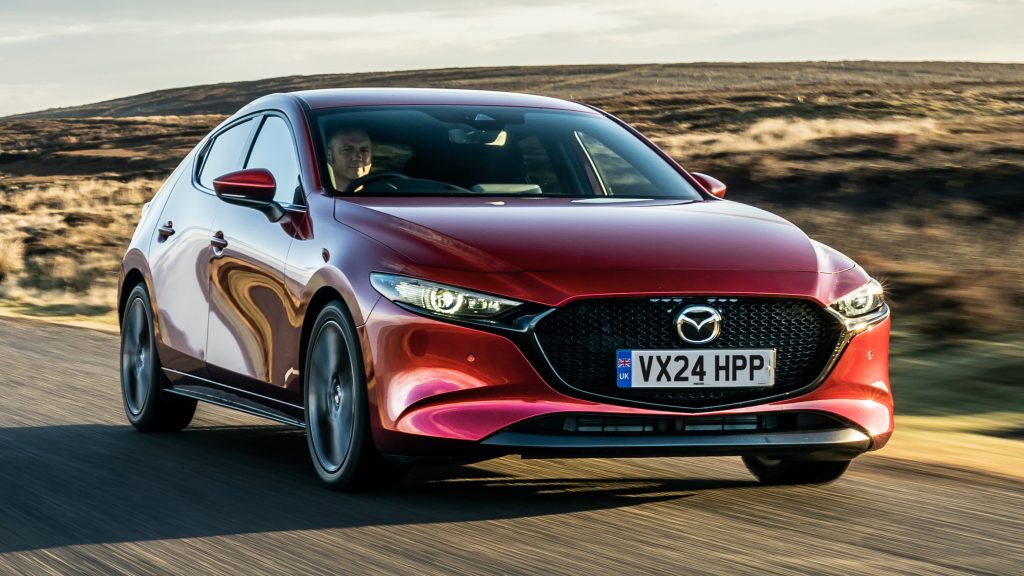
When affordable maintenance, good fuel efficiency, dependable reliability, and strong build quality are combined, the result is a vehicle that remains easy on the wallet long after the initial purchase. The Mazda3 proves that economical ownership does not have to feel boring.
Specifications
- Engine: 2.5L Inline-4
- Torque: 252 Nm
- Horsepower: 191 hp
- Length/Width: 4660 mm / 1795 mm
4. Hyundai Elantra
The Hyundai Elantra demonstrates how much the compact sedan segment has evolved. Years ago, affordable transportation often meant accepting compromises in quality and features. Today’s Elantra challenges that assumption by delivering substantial value while keeping ownership expenses impressively low.
One reason the Elantra performs so well financially is its combination of efficiency and dependability. Modern powertrains provide strong fuel economy, helping drivers reduce one of the most consistent costs associated with vehicle ownership. Lower fuel consumption creates savings every week rather than only during major service intervals.
Hyundai’s approach to warranty coverage has also helped establish confidence among buyers. Even after the warranty period ends, the model’s reputation for reasonable maintenance costs continues to make it attractive in the used-car market.
Technology is another area where the Elantra shines. Many examples include features that were once limited to far more expensive vehicles. Owners benefit from advanced safety systems, modern infotainment technology, and convenient driver-assistance features without paying luxury-car prices.
Depreciation remains relatively manageable compared to many competitors. This helps owners preserve a larger portion of their investment when it comes time to trade or sell the vehicle.
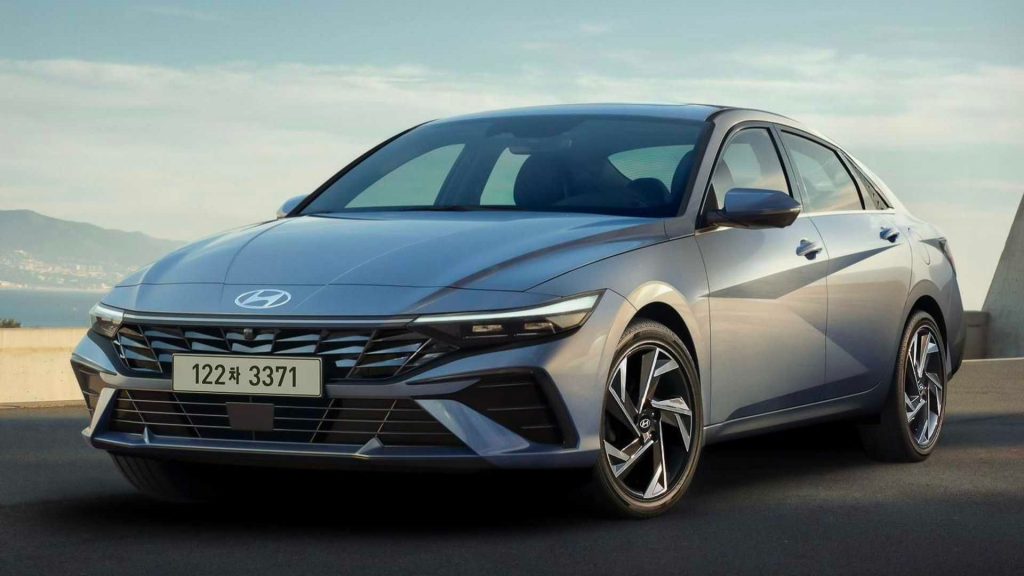
The cabin offers a practical layout that accommodates both passengers and cargo comfortably. Daily commuting, family errands, and road trips can all be handled without difficulty.
What makes the Elantra particularly impressive is the way it balances affordability with modern expectations. Buyers receive a vehicle that feels contemporary, efficient, and comfortable while avoiding the high operating costs often associated with larger or more complex vehicles.
For budget-conscious drivers seeking maximum value from every dollar spent, the Hyundai Elantra remains an excellent long-term ownership choice.
Specifications
- Engine: 2.0L Inline-4
- Torque: 179 Nm
- Horsepower: 147 hp
- Length/Width: 4710 mm / 1825 mm
5. Toyota Prius
For many drivers, the goal of affordable ownership begins and ends with fuel savings. That is precisely why the Toyota Prius has remained one of the most recognized economical vehicles for more than two decades.
While its styling and technology have evolved significantly, its core mission has stayed the same: helping owners spend less money over time.
The Prius achieves this through its highly efficient hybrid powertrain. Instead of relying solely on a gasoline engine, it combines electric assistance with conventional power to reduce fuel consumption dramatically. For commuters who spend hours in traffic or cover long distances each week, the savings can be substantial.
What makes the Prius especially attractive is that efficiency does not come at the expense of reliability. Toyota’s hybrid systems have developed a strong reputation for durability, allowing many owners to accumulate impressive mileage without major mechanical concerns.
Maintenance requirements are also relatively modest. Components such as brakes often last longer because regenerative braking reduces wear during everyday driving. This can lower service expenses throughout the vehicle’s lifespan.
Practicality plays a significant role in the Prius’s value proposition. The hatchback design provides useful cargo capacity, making it more versatile than many traditional sedans. Owners gain efficiency without sacrificing everyday usability.
Another financial advantage comes from resale value. Demand for fuel-efficient vehicles remains strong in many markets, helping the Prius retain value better than numerous competitors.
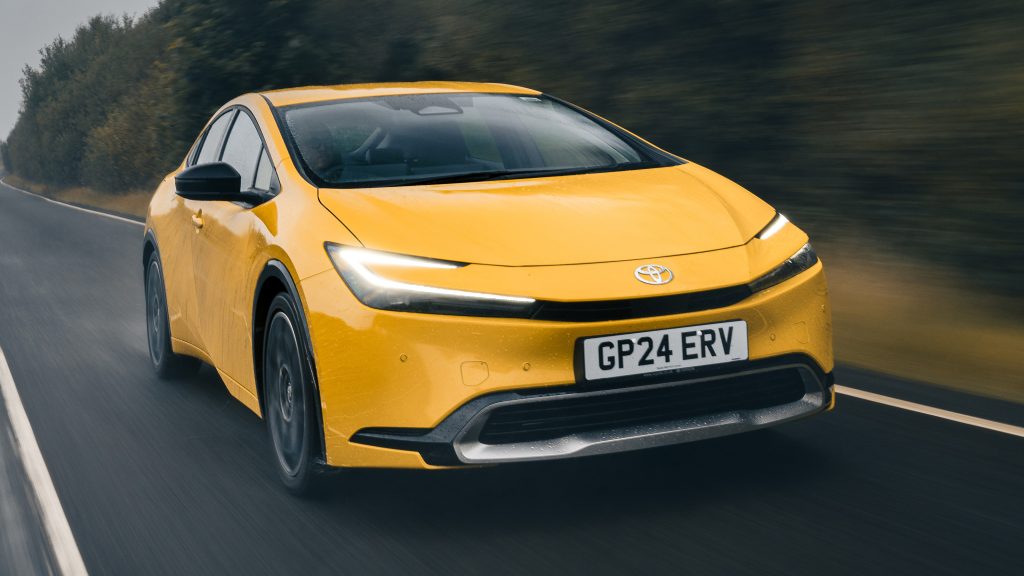
While performance enthusiasts may prefer something more powerful, the Prius excels where it matters most for cost-conscious buyers. It consistently reduces operating expenses while delivering dependable transportation.
For drivers focused on minimizing long-term ownership costs, few vehicles have proven as effective as the Toyota Prius.
Specifications
- Engine: 2.0L Inline-4 Hybrid
- Torque: 188 Nm
- Horsepower: 194 hp
- Length/Width: 4599 mm / 1782 mm
6. Kia Forte
The Kia Forte rarely receives the same attention as some of its more established rivals, yet it has quietly become one of the most financially sensible vehicles available. Its combination of affordability, practicality, and low operating costs makes it particularly attractive for buyers who prioritize value.
Unlike vehicles that rely heavily on reputation, the Forte earns its place through everyday ownership benefits. The purchase price is typically competitive, allowing buyers to enter the market without stretching their budgets unnecessarily. This lower initial investment immediately improves the ownership equation.
Fuel efficiency is another strength. The Forte’s economical engine helps drivers spend less at the pump while still providing adequate performance for commuting and daily transportation needs. The balance between efficiency and usability works well for a wide range of drivers.
Inside, the vehicle offers more comfort and technology than many people expect. Modern infotainment systems, useful safety features, and a thoughtfully designed cabin create an experience that feels more expensive than the price suggests.
Repair and maintenance costs remain manageable as well. Routine service procedures are generally straightforward, and parts availability is rarely an issue. This helps keep long-term expenses predictable.
The Forte also benefits from a reputation for improving quality and dependability. Buyers who may have overlooked Kia in previous decades often find themselves pleasantly surprised by the ownership experience offered by modern models.
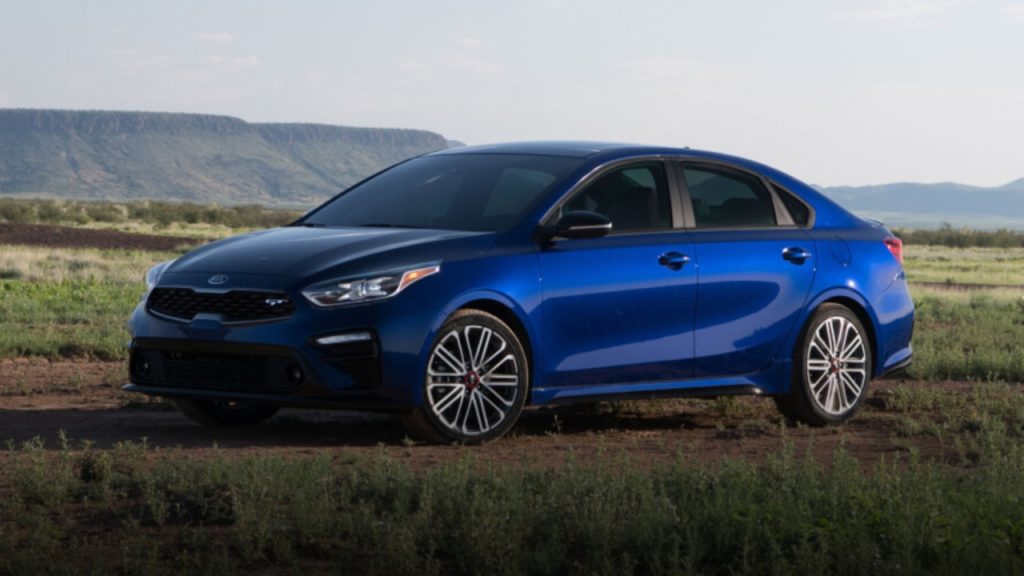
Perhaps the most appealing aspect is the balance it achieves. The Forte does not dominate any single category, but it performs consistently well across the areas that matter most to budget-conscious owners. That consistency makes it one of the easiest cars to own without putting unnecessary pressure on your wallet.
Specifications
- Engine: 2.0L Inline-4
- Torque: 179 Nm
- Horsepower: 147 hp
- Length/Width: 4640 mm / 1798 mm
7. Subaru Impreza
Some vehicles save money through exceptional fuel economy. Others reduce ownership costs by delivering dependable performance in a wide variety of conditions. The Subaru Impreza belongs to the second category, offering a practical ownership experience that helps drivers avoid many expenses associated with less versatile vehicles.
A major advantage is Subaru’s standard all-wheel-drive system. While many competitors charge extra for additional traction, the Impreza includes it as part of the package.
This can eliminate the need for a larger SUV in regions that experience rain, snow, or challenging weather conditions, helping buyers keep both purchase and operating costs under control.
The Impreza’s durability contributes significantly to its wallet-friendly reputation. Many owners keep their vehicles for years because the platform is designed to handle daily use without excessive maintenance requirements. Regular servicing remains important, but the model has earned a reputation for dependable transportation.
Insurance costs are often reasonable as well. Because the vehicle is viewed as practical rather than high-performance, premiums tend to remain manageable for many drivers.
Another benefit comes from versatility. The hatchback configuration available in many versions provides useful cargo space, reducing the need for a larger and more expensive vehicle. This flexibility makes the Impreza suitable for commuters, students, and small families alike.
Fuel economy remains competitive despite the presence of all-wheel drive. Owners gain additional capability without facing the significant fuel-consumption penalties associated with larger vehicles.
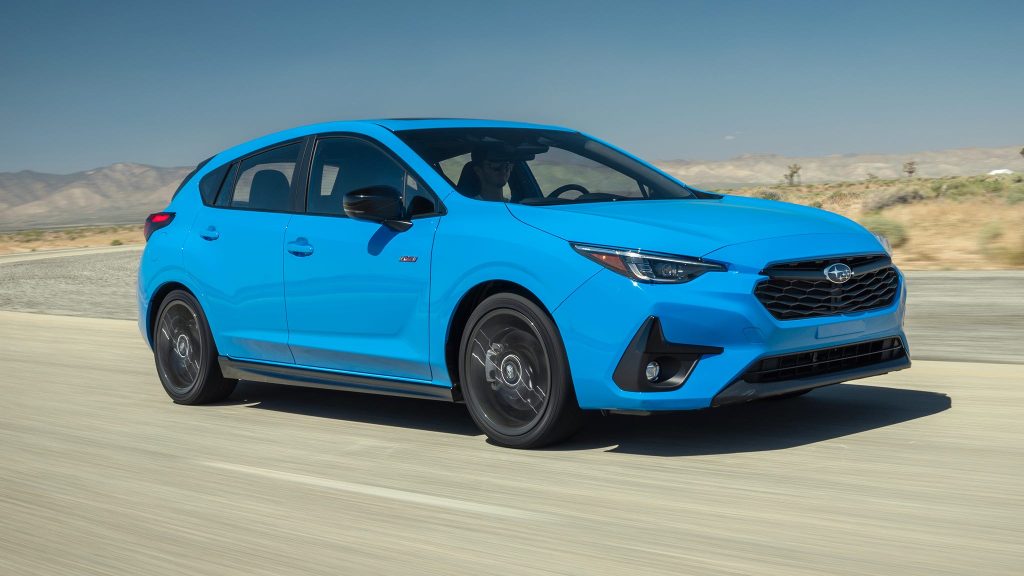
The Impreza may not be the flashiest choice in its segment, but it succeeds where long-term ownership matters most. Reliability, practicality, reasonable maintenance costs, and year-round usability combine to create a vehicle that consistently delivers strong value throughout its life.
Specifications
- Engine: 2.0L Boxer 4-Cylinder
- Torque: 182 Nm
- Horsepower: 152 hp
- Length/Width: 4475 mm / 1780 mm
8. Honda Accord
The Honda Accord has spent decades building a reputation as one of the most sensible midsize sedans available. While some vehicles focus on luxury or performance, the Accord’s greatest strength is its ability to deliver a balanced ownership experience that remains financially friendly year after year.
One reason the Accord stands out is longevity. It is not unusual to see well-maintained examples remain reliable far beyond the mileage at which many vehicles begin to show their age. This durability allows owners to keep the car longer, reducing the frequency and cost of replacement.
The Accord also offers excellent interior space. Passengers enjoy generous legroom, while the trunk provides enough capacity for family travel, shopping trips, and daily errands. Buyers gain practicality without moving into a larger and more expensive vehicle category.
Fuel efficiency plays an important role in ownership savings. Modern Accord models deliver strong economy figures while maintaining enough power for confident highway driving. This balance makes the vehicle appealing to both commuters and families.
Maintenance costs generally remain predictable. Routine service procedures are straightforward, and replacement parts are widely available. Many independent repair shops are familiar with the model, helping control labor expenses when repairs are needed.
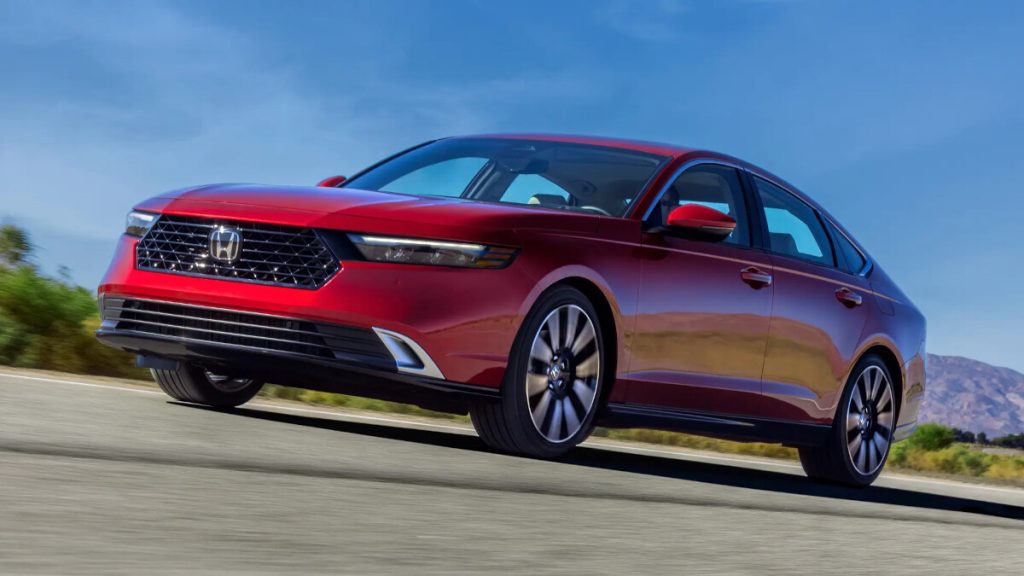
Strong resale value provides another financial advantage. Because demand remains high in the used market, owners often recover a larger portion of their investment compared to many competing sedans.
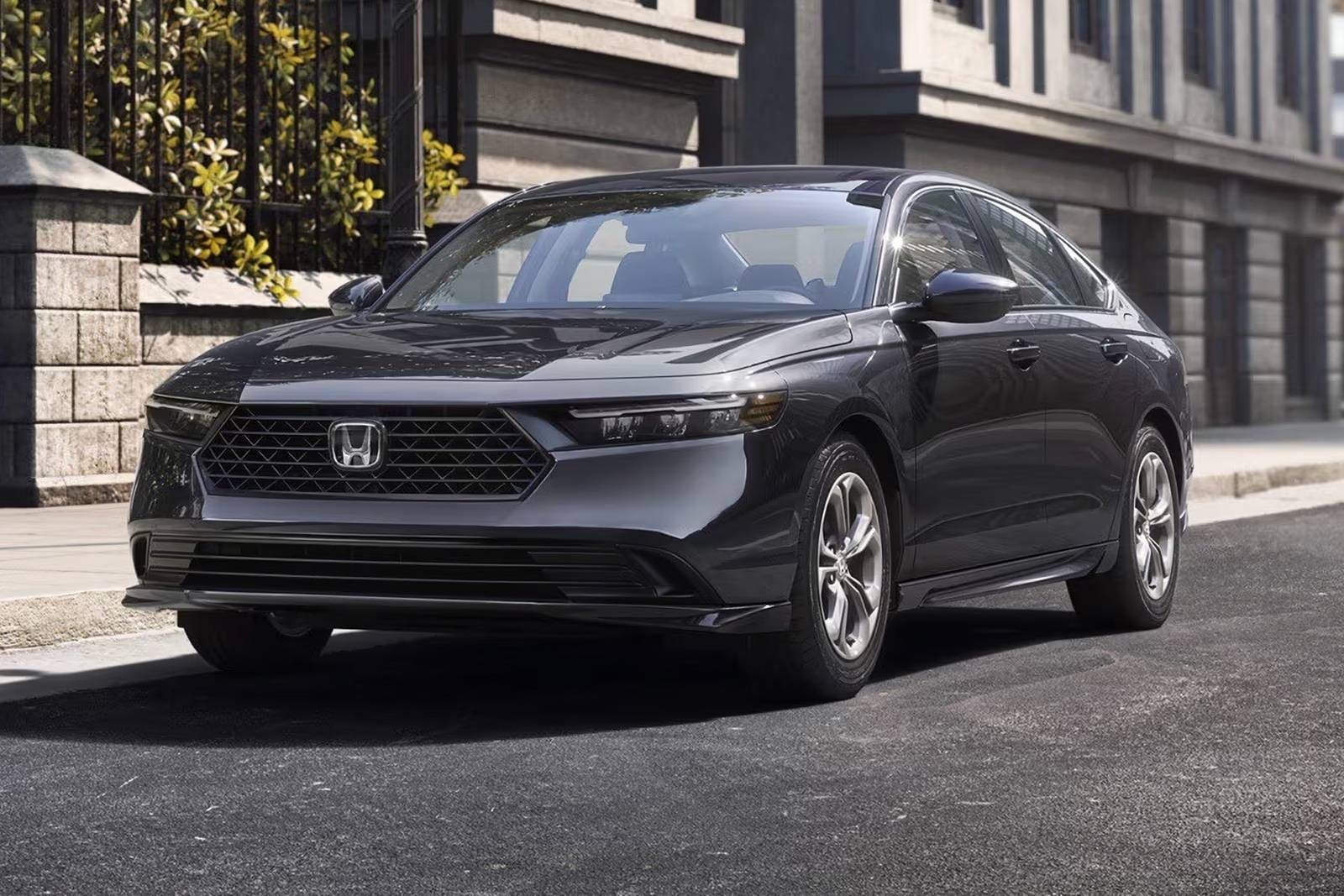
The Accord’s appeal does not come from a single standout feature. Instead, it succeeds by performing consistently well in nearly every category that affects ownership costs. That balanced approach has made it one of the smartest automotive purchases for generations.
Specifications
- Engine: 1.5L Turbocharged Inline-4
- Torque: 260 Nm
- Horsepower: 192 hp
- Length/Width: 4970 mm / 1862 mm
Also Read: 10 Ways To Make A Set Of Tires Last Twice As Long
