
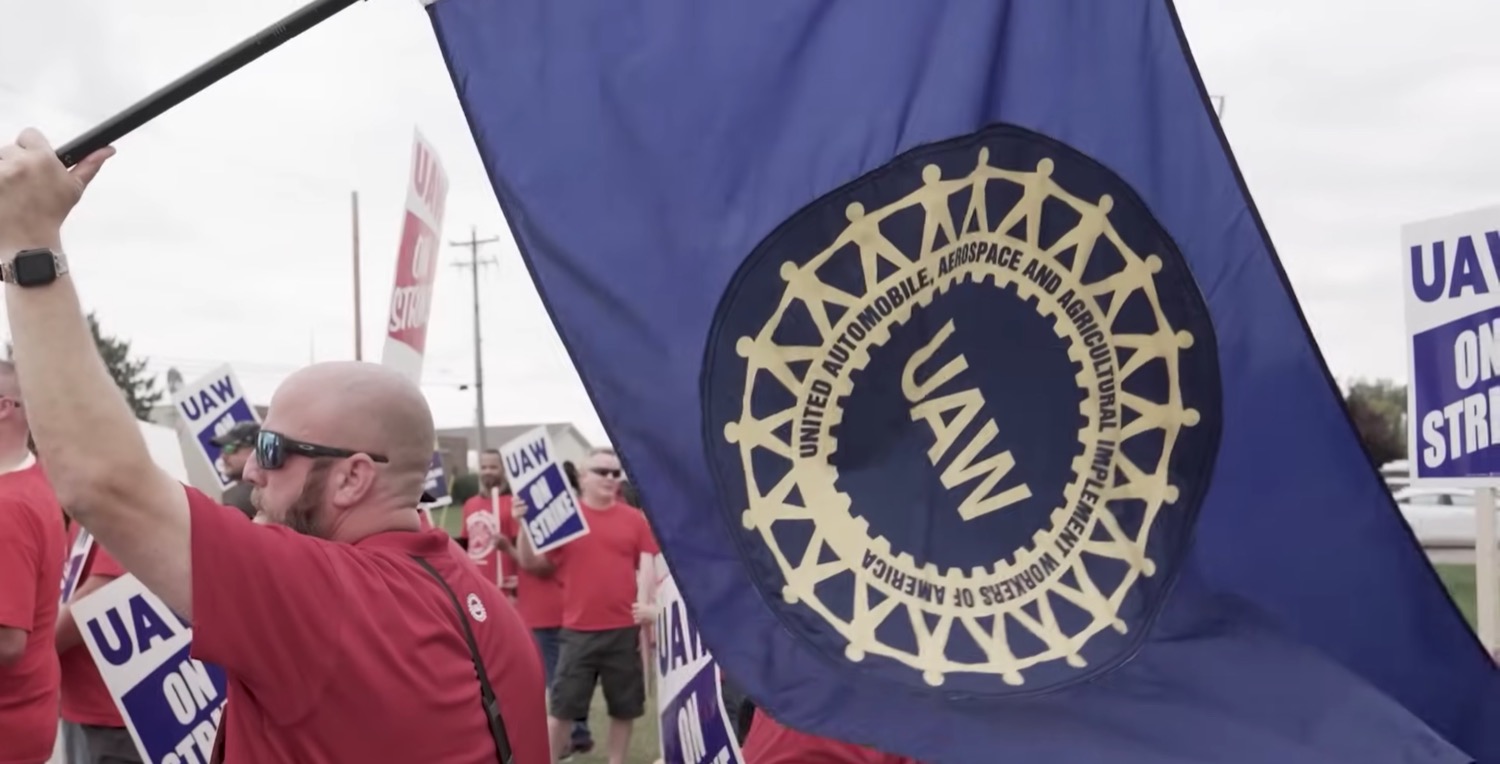
A labor dispute that threatened to disrupt a critical segment of North America’s automotive supply chain has officially come to a close. Members of the United Auto Workers (UAW) have approved a new labor agreement with American Axle & Manufacturing (AAM), ending a strike that had affected multiple facilities and raised concerns across the automotive industry.
The ratification marks a significant victory for both sides. For workers, the agreement delivers wage improvements and contract protections following weeks of negotiations and picket-line activity.
For American Axle, it restores production stability at a time when automakers remain highly sensitive to supply chain disruptions. The resolution also removes another labor-related uncertainty from an industry that has spent the past several years navigating strikes, inflationary pressures, semiconductor shortages, and the costly transition toward electric vehicles.
According to statements released by the UAW following the vote, members approved the tentative agreement after reviewing provisions related to wages, benefits, and working conditions.
The approval allows employees to return to work and enables production to resume at affected facilities, ending a dispute that had drawn attention from automakers, suppliers, and labor analysts alike.
While the strike itself involved a single supplier, its implications extended far beyond American Axle’s factory floors.
Also Read: Honda Recalls About 880,000 Vehicles Over Rear Subframe Issue
Why American Axle Matters to the Auto Industry
American Axle is not a household name for most consumers, but it occupies a critical position within the automotive manufacturing ecosystem.
Founded in 1994 after acquiring several driveline and axle manufacturing operations from General Motors, American Axle has grown into one of North America’s largest automotive suppliers. The company produces axles, driveline systems, metal-forming components, electric drive technologies, and other essential parts used in a wide range of vehicles.
Its customer list includes major automakers such as General Motors, Stellantis, and other global manufacturers. Because of its extensive footprint, any disruption at American Axle has the potential to affect vehicle production far beyond the company’s own facilities.
According to the company’s most recent financial reports, American Axle operates manufacturing facilities across multiple countries and generates billions of dollars in annual revenue.
The supplier’s products are found in pickup trucks, SUVs, passenger cars, and increasingly in electrified vehicles as manufacturers expand their EV portfolios.
That importance explains why industry observers closely monitored the strike from the moment workers walked off the job.
The Issues Behind the Dispute
Like many recent labor negotiations throughout the automotive sector, the dispute centered largely on compensation and economic security.
Workers argued that wage growth needed to better reflect both inflation and the company’s financial performance. The issue has become increasingly common across the manufacturing sector as employees seek to recover purchasing power lost during the inflationary period that followed the pandemic.
The UAW has adopted a more aggressive bargaining strategy in recent years, particularly following its high-profile negotiations with Detroit automakers in 2023.
Those agreements delivered substantial wage increases and established a new benchmark that many union members expect to see reflected in future contracts across the automotive supply chain.
According to UAW communications regarding the American Axle negotiations, members sought stronger wage progression, improved benefits, and contract provisions that would provide greater long-term security.
American Axle, meanwhile, faced the challenge of balancing labor costs against a highly competitive supplier market. Unlike automakers, suppliers often operate with thinner margins and face intense pressure from manufacturers to control costs.
That dynamic has made labor negotiations increasingly complex throughout the supplier sector.
The Broader Context of Labor Activism
The strike did not occur in isolation. Over the past several years, organized labor has experienced renewed momentum across multiple industries in the United States. The automotive sector has been one of the most visible examples.
The UAW’s successful negotiations with General Motors, Ford, and Stellantis significantly strengthened the union’s bargaining position and encouraged workers at other companies to seek similar gains. Labor experts have noted that recent contract victories have raised expectations among union members throughout the automotive supply chain.
According to labor analysts interviewed by major publications, including Reuters and Automotive News, workers increasingly view recent agreements as evidence that meaningful wage gains are achievable even in a challenging economic environment.
That shift has influenced negotiations not only at automakers but also among suppliers such as American Axle.
For many workers, the American Axle contract became another test of whether the gains secured at larger manufacturers could be extended throughout the industry’s broader workforce.
Supply Chain Concerns Loomed Throughout the Strike
One reason the dispute attracted significant attention was the potential impact on vehicle production.
The automotive industry remains deeply interconnected. Modern vehicles require thousands of components sourced from hundreds of suppliers. A disruption at a key supplier can quickly create challenges for manufacturers, even if final assembly plants continue operating normally for a short period.
Industry analysts frequently point out that driveline and axle components are particularly difficult to replace quickly because of specialized manufacturing requirements and long lead times.
Had the strike continued for an extended period, automakers could have faced production slowdowns or temporary shutdowns at certain facilities. Such outcomes would have been especially problematic at a time when manufacturers are working to manage inventory levels and maintain profitability amid fluctuating consumer demand.
The contract ratification eliminates that immediate risk and restores a degree of stability to the supply chain. For automakers, that certainty may be as valuable as the agreement itself.
Financial Implications for American Axle
While the strike has ended, the new contract will likely carry financial consequences for the company.
Higher wages and improved benefits generally translate into increased operating costs. For suppliers already navigating rising material costs, upgraded borrowing expenses, and substantial investments in electrification technologies, those additional obligations can be significant.
However, prolonged labor disputes also carry considerable costs. Production interruptions, lost revenue, delayed shipments, and damaged customer relationships can often exceed the financial impact of negotiated wage increases.
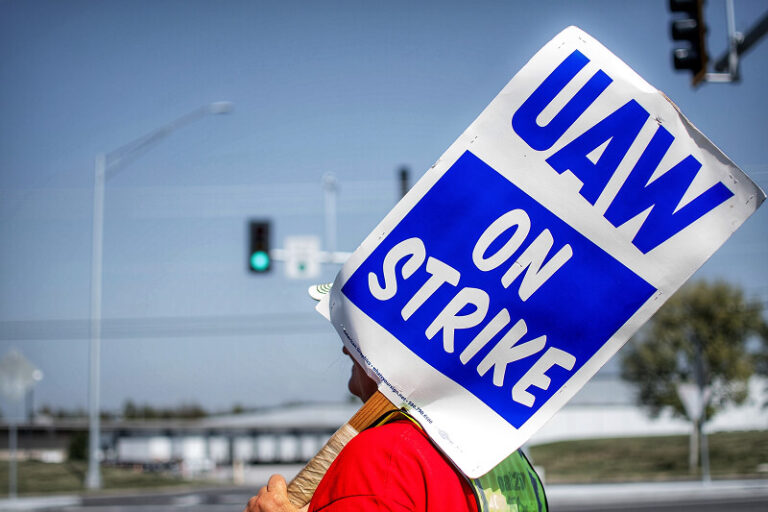
Many analysts argue that reaching a sustainable agreement is ultimately less expensive than enduring an extended strike.
Investors will now focus on how American Axle manages the economic terms of the new contract while maintaining competitiveness within the supplier market.
The company’s ability to improve productivity and secure future business from automakers will remain a critical factor in determining long-term financial performance.
What It Means for the Supplier Industry
The agreement may also influence future negotiations throughout the automotive supplier sector.
Many suppliers are currently preparing for contract discussions with unionized workforces. The outcome at American Axle will likely be studied closely by both labor leaders and corporate executives seeking insight into the current bargaining environment.
Industry experts frequently note that supplier negotiations differ from those involving major automakers because suppliers typically have less financial flexibility. Nevertheless, workers often compare their compensation packages with agreements secured elsewhere in the industry.
The American Axle contract could therefore serve as an important reference point for future bargaining efforts.
If other unions pursue similar demands, suppliers may face increasing pressure to raise compensation while continuing to manage competitive pricing requirements imposed by automakers.
That challenge is expected to become even more significant as the industry invests heavily in electric vehicle production and next-generation technologies.
The EV Transition Remains a Key Factor
Another important backdrop to the negotiations is the automotive industry’s ongoing shift toward electrification.
Suppliers such as American Axle are investing heavily in electric drive units, battery-related technologies, and components designed specifically for EV platforms. These investments require substantial capital at a time when companies are already dealing with economic uncertainty.
Labor agreements increasingly reflect concerns about how the EV transition will affect future employment.
Workers want assurances regarding job security, plant investment, and opportunities to participate in emerging manufacturing programs. Companies, meanwhile, must balance those concerns with the realities of evolving technology and changing market demand.
Although the American Axle agreement primarily focused on traditional labor issues such as wages and benefits, the broader context of industry transformation undoubtedly influenced negotiations.
Both labor and management recognize that the coming decade will bring significant changes to automotive manufacturing.
The ratification of the new contract brings an end to a dispute that had the potential to ripple through North America’s automotive supply chain.
For workers, the agreement delivers improvements they considered worth fighting for. For American Axle, it restores operational stability and allows management to refocus on serving customers and executing long-term business plans.
For automakers, it removes another source of uncertainty from an already complex manufacturing environment.
Most importantly, the resolution highlights the continuing influence of organized labor within the automotive sector. Recent years have demonstrated that unions remain a powerful force in shaping compensation, workplace policies, and the future direction of manufacturing employment.
As production resumes and employees return to work, attention will shift from picket lines back to factory floors. Yet the broader lessons of the dispute will remain relevant.
The agreement reflects an industry still adapting to economic pressures, evolving workforce expectations, and the transformative impact of new technologies.
For now, at least, both sides can claim a measure of success. The strike is over, production can resume, and one of the automotive industry’s latest labor battles has reached its conclusion.
Also Read: Ford Recalls Over 548,400 Expedition SUVs Over Center Console Chrome Plating
