
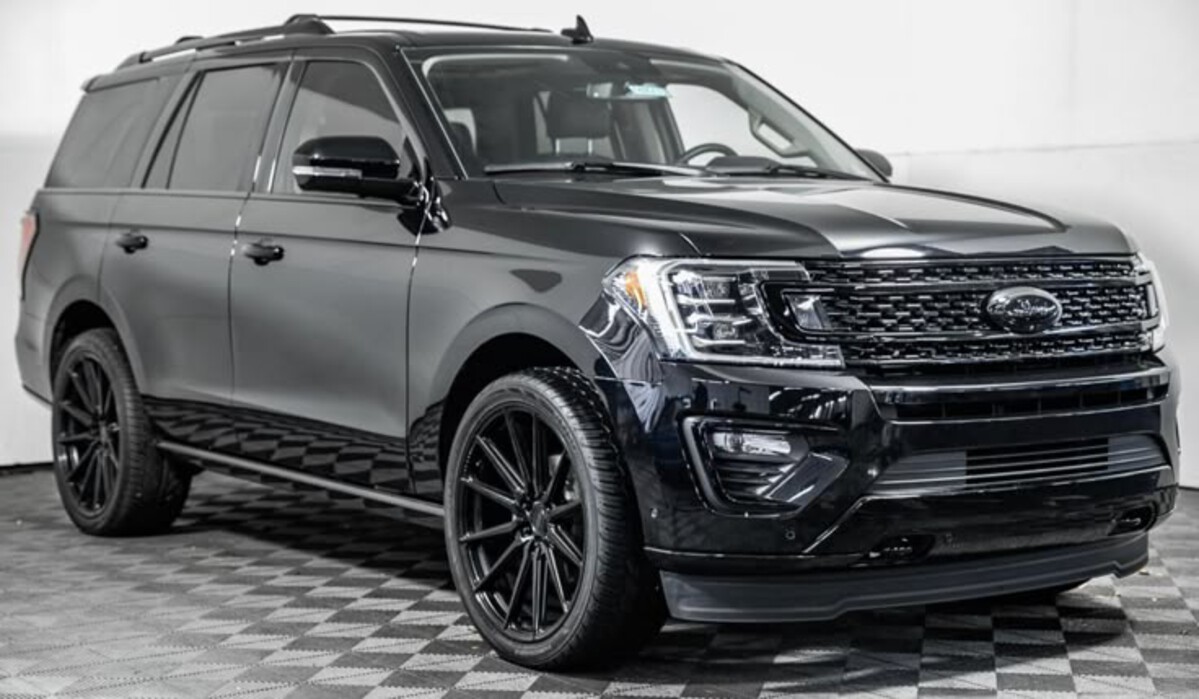
Ford has announced a major safety recall affecting more than half a million Expedition SUVs in the United States after identifying a defect involving chrome trim on the vehicle’s center console.
The issue, which may appear minor at first glance, has raised concerns among regulators and safety experts because it can create sharp edges inside the cabin that could potentially injure drivers or passengers.
The recall, disclosed on June 12, covers 548,463 Ford Expedition SUVs from model years 2018 through 2024. According to documents filed with the National Highway Traffic Safety Administration (NHTSA), chrome plating on the center console may bubble, crack, or peel away from the underlying material over time.
When this occurs, sharp metal edges can become exposed, creating a risk of cuts and lacerations for vehicle occupants.
Although automotive recalls often involve mechanical components, electrical systems, or safety equipment such as airbags and brakes, this case demonstrates how even interior trim pieces can present significant safety concerns when defects emerge.
Also Read: Genesis GV60 Adds Range and a Native Tesla Charging Port for 2026
A Defect Hidden in Plain Sight
The problem centers on decorative chrome trim installed on the center console of affected Ford Expedition models.
Center consoles are among the most frequently touched areas inside modern vehicles. Drivers and passengers regularly rest their hands on these surfaces while adjusting controls, accessing storage compartments, or entering and exiting the vehicle.
According to recall documents, the chrome plating may begin to deteriorate after prolonged exposure to everyday use and environmental conditions. As the material separates from the base component, the edges of the chrome layer can become sharp enough to cause injuries.
Many automotive defects remain hidden within mechanical components or behind interior panels, but this issue develops in a highly visible part of the cabin that drivers interact with frequently. It often begins with bubbling, cracking, peeling, or lifting of the surface material, gradually worsening until sharp edges may become exposed.
Safety regulators determined that the defect creates an unreasonable risk because occupants can accidentally come into contact with the damaged trim during normal vehicle operation.
Which Vehicles Are Included?
The recall affects Ford Expedition SUVs produced between the 2018 and 2024 model years. The Expedition remains one of Ford’s most important SUV products, serving as the brand’s largest mainstream sport utility vehicle.
Built on a truck-based platform, the model competes against rivals such as the Chevrolet Tahoe, GMC Yukon, Toyota Sequoia, Nissan Armada, and Jeep Wagoneer.
Because the affected production period spans several model years, the recall population exceeds 548,000 vehicles in the United States alone. Ford estimates that approximately 12.8% of the recalled vehicles may actually contain the defective trim condition.
Nevertheless, federal safety regulations require manufacturers to address all potentially affected vehicles rather than limiting repairs only to units that have already exhibited symptoms.
Owners of Expedition SUVs built during the specified years are encouraged to verify whether their vehicle is included once official recall notifications are distributed.
Manufacturing Issues Behind the Recall
Ford’s investigation traced the defect to manufacturing processes used by suppliers responsible for producing the chrome trim components.
According to information submitted to federal regulators, the chrome trim may have been manufactured using production parameters that failed to meet Ford’s specifications. This deviation appears to have affected the bonding between the chrome surface and the underlying material, increasing the likelihood of bubbling and peeling over time.
Automotive trim components often undergo extensive durability testing before entering production. These evaluations are intended to simulate years of real-world exposure to sunlight, temperature changes, humidity, and daily use.
In this case, the affected components apparently developed deterioration issues after vehicles entered service, prompting a detailed investigation into supplier manufacturing practices.
The findings ultimately led Ford to conclude that a recall was necessary to eliminate the potential injury risk.
Reports of Injuries Raise Concern
One reason the recall received immediate attention is the number of reports associated with the defect.
According to Ford’s filings, the company is aware of 34 customer call center reports, 150 field reports, and more than 4,600 warranty claims potentially connected to peeling chrome trim on Expedition center consoles. The automaker has also identified one accident and 65 reported injuries that may be related to the issue.
Many of the reported injuries involve cuts or lacerations to hands and fingers. Some complaints indicate that occupants came into contact with exposed edges while operating the vehicle or interacting with the center console.
While most of the injuries appear relatively minor, safety experts note that sharp interior surfaces present risks that manufacturers must address promptly, particularly in vehicles used by families and children.
The number of warranty claims and customer reports also suggests that the issue is not isolated to a small handful of vehicles.
How Ford Identified the Problem
The investigation reportedly gained momentum after Ford began noticing a pattern in customer complaints and reports submitted through federal safety channels.
Several vehicle owners reported bubbling or peeling chrome trim, with some complaints specifically mentioning hand injuries caused by contact with exposed edges.
Engineers reviewed returned components, analyzed manufacturing records, and examined supplier processes to determine whether a broader defect existed.
Automakers routinely monitor customer complaints, warranty claims, dealer reports, and regulatory submissions in search of emerging trends. When enough evidence points toward a recurring problem, formal investigations are launched to determine whether a recall is necessary.
In Ford’s case, the accumulated data eventually led the company and regulators to conclude that corrective action was warranted.
The recall reflects the increasingly proactive approach manufacturers take toward product safety. Rather than waiting for more incidents to occur, companies often initiate recalls once a defect pattern has been established.
The Repair Process
Fortunately for Expedition owners, the repair itself is relatively straightforward. Ford dealers will inspect the center console and determine whether the chrome trim exhibits signs of bubbling, peeling, or other deterioration.
If necessary, the entire center console assembly will be replaced with a revised component that meets Ford’s manufacturing standards. All repairs will be performed at no cost to customers.
Recalls involving major mechanical systems often require extensive disassembly and long service visits, but this repair can typically be completed without significant teardown of the vehicle. Even so, the large volume of affected vehicles means Ford must carefully manage parts availability and coordinate dealership scheduling to avoid delays.
The company has already notified dealers about the campaign and begun preparing replacement components.
Notification Timeline
Ford plans to notify affected owners through a multi-stage process. Interim notification letters are expected to begin reaching customers in late June 2026. These communications will inform owners about the defect and advise them of the potential safety risk.
Because replacement parts may not be immediately available for every vehicle, Ford intends to send additional notifications once full remedy availability is established. Current estimates suggest final repair notifications could continue into early 2027.
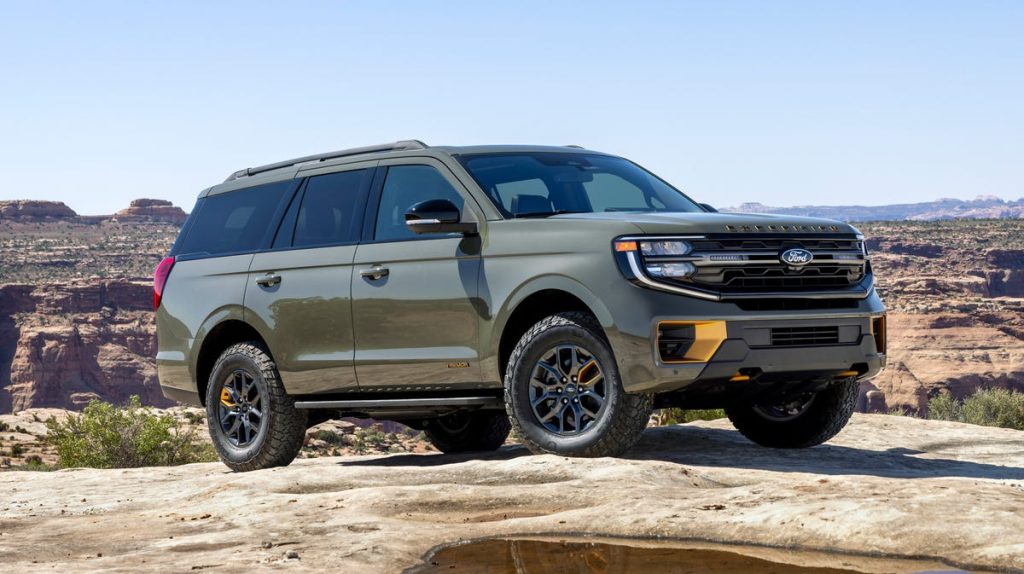
In the meantime, owners are encouraged to inspect their center consoles for visible signs of bubbling, lifting, cracking, or peeling chrome trim. Anyone noticing sharp edges or damaged trim should contact a Ford dealership for guidance.
Another Recall in a Challenging Year for Ford
The Expedition recall adds to a growing list of recall campaigns affecting Ford vehicles in recent years.
Like many large automakers, Ford has faced increasing scrutiny regarding quality control and manufacturing consistency. Modern vehicles contain thousands of components sourced from numerous suppliers across the globe, making quality management an increasingly complex challenge.
Industry analysts note that while recalls can generate negative headlines, they also demonstrate the effectiveness of modern safety monitoring systems. Problems that might once have gone undetected for years are now identified and addressed much more quickly.
For consumers, the most important factor is whether manufacturers respond promptly once defects are discovered.
In this instance, Ford has acknowledged the issue, notified regulators, and developed a repair strategy designed to eliminate the risk.
What Owners Should Do Next
Owners of 2018 through 2024 Ford Expedition SUVs should monitor recall notifications and inspect their vehicles for signs of peeling or bubbling chrome trim around the center console area.
Anyone who notices exposed edges should exercise caution when touching the affected surfaces and contact a Ford dealership to discuss repair options. Since the recall repair will be performed free of charge, affected owners should take advantage of the program once their vehicle becomes eligible for service.
Although the defect may not affect vehicle performance, towing capability, or drivability, the risk of injury is real enough that federal regulators and Ford determined action was necessary.
For the more than 548,000 Expedition owners included in the recall, the campaign serves as another reminder that automotive safety extends far beyond engines, brakes, and airbags. Sometimes, even a decorative trim piece can become a serious concern when manufacturing defects enter the equation.
Also Read: Hyundai Confirms No Standard Ioniq 6 for the 2026 Model Year
