
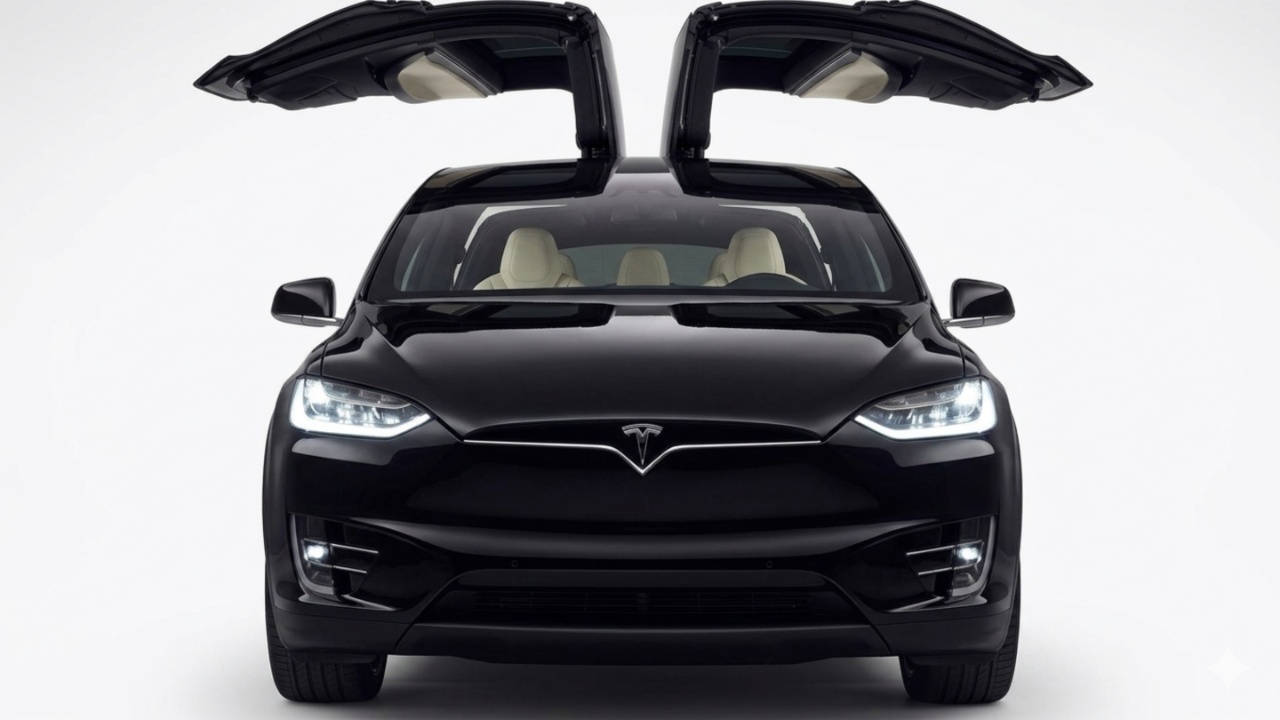
The U.S. electric vehicle market entered a new phase in April as registrations declined sharply, highlighting how dependent recent growth had become on government incentives.
After years of rapid expansion supported by federal tax credits, state rebates, and aggressive automaker investments, the market is now adjusting to a more challenging environment.
Recent industry data shows that U.S. EV registrations fell 9.8% in April compared with the same month a year earlier, marking one of the most notable pullbacks since the modern EV boom began.
The decline comes amid the expiration of key federal incentives, persistent affordability concerns, upgraded interest rates, and growing uncertainty surrounding the pace of America’s transition toward electrification.
While the slowdown does not necessarily signal a collapse in EV demand, it does suggest the market is moving beyond the incentive-driven surge that characterized much of the past several years.
Also Read: 10 Best-Selling Motorcycles of Every Decade
The End of a Major Growth Catalyst
For much of the EV industry’s recent expansion, government incentives played a crucial role in encouraging consumers to switch from gasoline-powered vehicles.
The federal EV tax credit, which provided up to $7,500 for qualifying vehicles, helped narrow the price gap between electric and conventional models. Combined with state-level rebates and manufacturer incentives, many consumers found EV ownership more financially attractive than ever before.
That changed when federal incentives expired, eliminating one of the industry’s strongest demand drivers.
According to Reuters, North American EV registrations fell 28% year over year in April, with analysts citing the end of the U.S. tax credit program as one of the primary reasons for weakening demand.
Benchmark Mineral Intelligence (BMI), which tracks global EV registrations, noted that the elimination of tax incentives significantly altered purchasing behavior across the region.
The effect was not entirely unexpected. Industry analysts had warned for months that some consumers were accelerating purchases to qualify for incentives before they disappeared. Once those credits expired, demand naturally softened as the market adjusted to higher effective vehicle prices.
This phenomenon is often referred to as demand pull-forward, where incentives temporarily boost sales that would have otherwise occurred later.
Affordability Remains a Major Challenge
Even as battery costs have declined over the past decade, EV affordability remains a significant issue for many American households.
The average transaction price of a new electric vehicle remains higher than that of many comparable gasoline-powered models. While premium EV buyers may be less sensitive to pricing changes, mainstream consumers are far more affected by monthly payment calculations.
The disappearance of a $7,500 tax credit can dramatically alter those calculations. According to Reuters, analysts continue to point to high vehicle prices and financing costs as key factors weighing on EV demand throughout North America.
Upgraded interest rates have increased monthly loan payments across the automotive market, making affordability a challenge even for buyers interested in adopting electric transportation.
For many consumers, the total ownership savings associated with EVs remain attractive over the long term. Lower fuel costs and reduced maintenance expenses continue to support the value proposition. However, the higher upfront purchase price remains a significant hurdle.
Without government assistance, that hurdle becomes more difficult to overcome.
Tesla’s Slowdown Reflects Broader Market Conditions
No discussion of the U.S. EV market is complete without examining Tesla’s performance. As the dominant EV manufacturer in America, Tesla often serves as a barometer for broader industry trends. The company’s recent registration figures suggest that challenges extend beyond smaller automakers.
According to data cited by Reuters and the California New Car Dealers Association, Tesla registrations in California fell 24.3% during the first quarter of 2026. California remains the nation’s largest EV market, making the decline particularly noteworthy.
Reuters reported that the drop coincided with the expiration of federal tax credits, persistent affordability concerns, and slowing momentum across the broader EV sector.
Tesla’s situation is complicated by additional factors, including an aging product lineup and intensifying competition from both established automakers and newer entrants. While the Model Y and Model 3 remain among the country’s best-selling EVs, consumers now have significantly more choices than they did just a few years ago.
The company’s recent struggles underscore a larger reality: even market leaders are not immune to changing economic conditions.
Automakers Are Reassessing Their Strategies
The slowdown in EV registrations is also influencing automaker planning. During the past several years, manufacturers announced ambitious electrification programs based on expectations of sustained demand growth and supportive regulatory policies.
Billions of dollars were invested in battery factories, dedicated EV platforms, and new production facilities. Today’s market environment looks considerably different.
Reuters reported that some manufacturers are shifting greater attention toward hybrid vehicles and traditional internal-combustion models as EV demand moderates. Benchmark Mineral Intelligence noted that the North American market has become more challenging following policy changes and the expiration of incentive programs.
This does not mean automakers are abandoning electrification. Rather, many are adopting a more measured approach.
Several manufacturers have already delayed factory expansions, adjusted production targets, or postponed future EV launches. The industry increasingly appears focused on balancing electric vehicle investments with consumer demand realities. In many cases, hybrids are emerging as a practical middle ground.
The Contrast With Europe Is Striking
One of the most revealing aspects of the current market is how differently various regions are performing.
While North America experienced a significant decline in EV registrations, Europe continued to post growth. According to Reuters, European EV registrations increased 27% in April despite broader economic challenges.
Analysts attributed much of that growth to ongoing government support programs, high fuel prices, and continued investment in charging infrastructure. The comparison highlights the important role policy plays in shaping consumer behavior.
In regions where incentives remain available and charging networks continue expanding, EV adoption has generally remained more resilient. In markets where support has been reduced or eliminated, demand growth has slowed considerably.
This divergence is likely to become an important topic for policymakers evaluating future transportation strategies.
Charging Infrastructure Still Matters
Although financial incentives often receive the most attention, infrastructure remains another critical factor influencing EV adoption.
Many potential buyers continue to express concerns about charging availability, particularly those who do not have access to home charging. Public charging networks have expanded significantly in recent years, but coverage remains uneven across many parts of the United States.
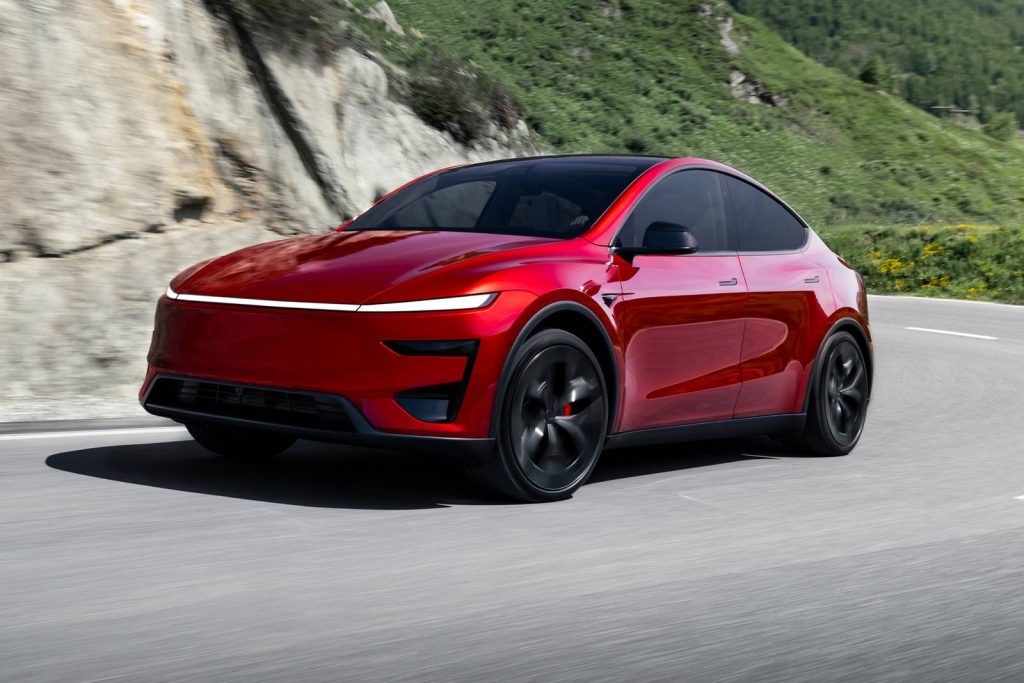
For consumers considering their first EV purchase, convenience often matters as much as price.
Industry surveys consistently show that charging access remains one of the leading concerns among prospective buyers. While infrastructure investment continues, progress has not always matched the pace of vehicle adoption envisioned by policymakers and manufacturers.
As the market transitions beyond incentive-driven growth, infrastructure quality may become even more important in influencing purchasing decisions.
Is This a Temporary Correction or a Long-Term Shift?
The key question facing the industry is whether the April decline represents a temporary adjustment or the beginning of a longer trend. There are arguments supporting both perspectives.
Optimists note that EV technology continues to improve. Battery costs are gradually declining, charging networks are expanding, and more affordable models are entering the market. These developments could eventually restore growth even without major government incentives.
Skeptics, however, point to slowing consumer demand, affordability challenges, and policy uncertainty as evidence that the industry’s growth trajectory may moderate significantly.
Reuters reported that North American EV sales have faced multiple consecutive months of pressure following the expiration of tax credits and regulatory changes. At the same time, some automakers have become more cautious about their electrification timelines. The reality likely lies somewhere between those extremes.
The Road Ahead
The 9.8% decline in U.S. EV registrations during April serves as an important reminder that market transitions are rarely linear.
For years, incentives helped accelerate adoption and encouraged manufacturers to invest heavily in electrification. As those incentives fade, the industry is discovering how much demand exists on its own merits.
Electric vehicles remain a central part of the automotive industry’s future. Automakers continue investing billions in new products, battery production, and charging infrastructure. Consumer awareness is higher than ever, and technological improvements continue to strengthen the case for electrification.
However, the April registration decline demonstrates that the next stage of EV adoption may depend less on government support and more on fundamental market factors such as affordability, convenience, product quality, and consumer confidence.
The era of incentive-driven growth is fading. What comes next will determine how quickly the United States reaches the next chapter of its electric vehicle transition.
Also Read: Honda Recalls About 880,000 Vehicles Over Rear Subframe Issue
