
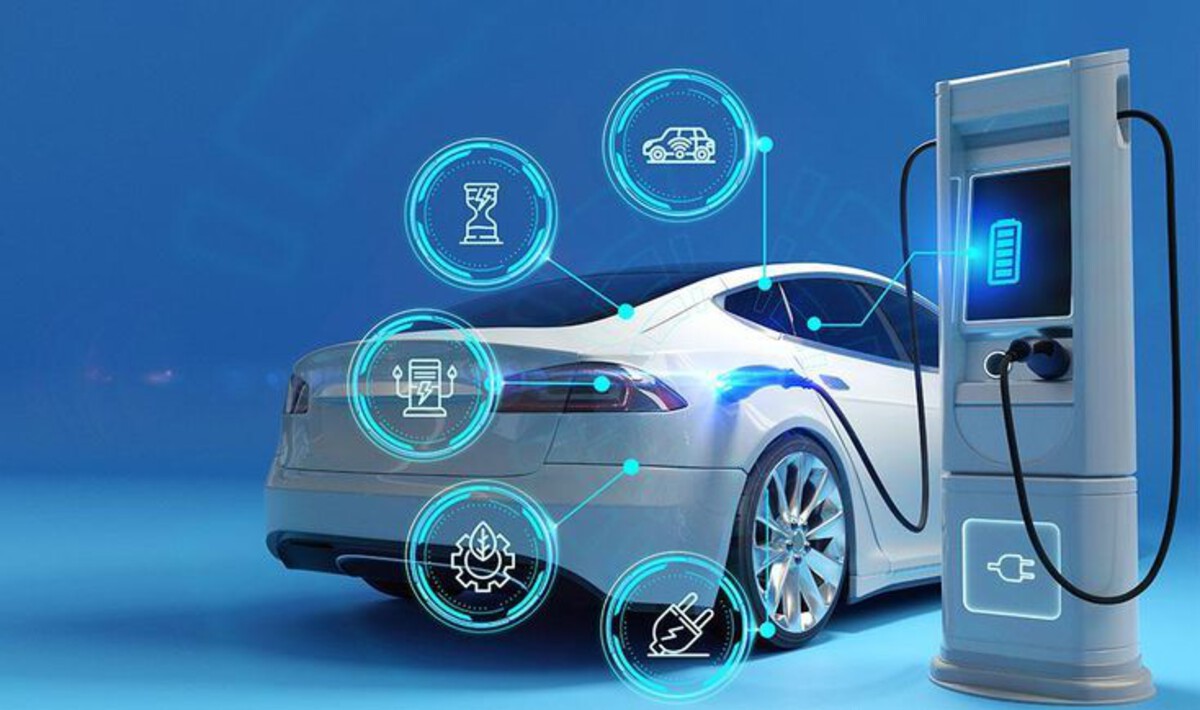
Buying a used electric vehicle can be one of the smartest financial decisions in today’s automotive market, especially as prices of new EVs remain relatively high and technology continues to improve rapidly.
However, unlike traditional petrol or diesel cars, where engine wear is often easier to understand through mileage and service history, electric vehicles depend heavily on the condition of their battery pack.
The battery is the most expensive and critical component in an EV, often accounting for a significant portion of the vehicle’s total value. This makes understanding battery health essential before committing to a purchase.
When evaluating a used EV, buyers often focus on exterior condition, interior features, infotainment systems, and driving comfort. While these factors are important, they do not reveal the true long-term usability of the vehicle. A degraded battery can drastically reduce driving range, increase charging frequency, and lower performance.
Even popular models such as the Tesla Model 3 or the Nissan Leaf can vary significantly in real-world range depending on how the previous owner treated the battery. Factors like fast charging habits, climate exposure, and charging cycles all influence battery degradation over time.
Battery health in electric vehicles is usually measured through a metric called State of Health, often abbreviated as SoH. This percentage indicates how much usable capacity remains compared to when the battery was new. For example, a battery at 90 percent SoH has lost 10 percent of its original capacity.
While that may sound minor, it can translate into noticeable range reduction, especially for older EVs or those used for long commutes. Understanding how to interpret SoH readings and real-world performance is critical for making an informed decision.
The growing popularity of EVs like the Chevrolet Bolt EV and Hyundai Ioniq 5 has also led to an expanding used EV market. Unfortunately, not all sellers provide transparent battery data, and some buyers rely solely on dashboard range estimates, which can be misleading.
Environmental conditions, driving style, and software calibration can all affect the displayed range without reflecting true battery degradation. This makes independent verification or diagnostic checks extremely valuable.
In this guide, we will explore how to accurately read and interpret used EV battery health before buying. You will learn how battery degradation works, what tools and diagnostics can reveal hidden issues, and how to perform real-world range tests.
We will also look at common warning signs that indicate a weak or aging battery, and how to avoid marketing tricks used by some sellers. By the end, you will have a practical understanding of EV battery evaluation that helps you make a confident and informed purchase.
Also Read: 8 Used Car Scams And How To Avoid Them
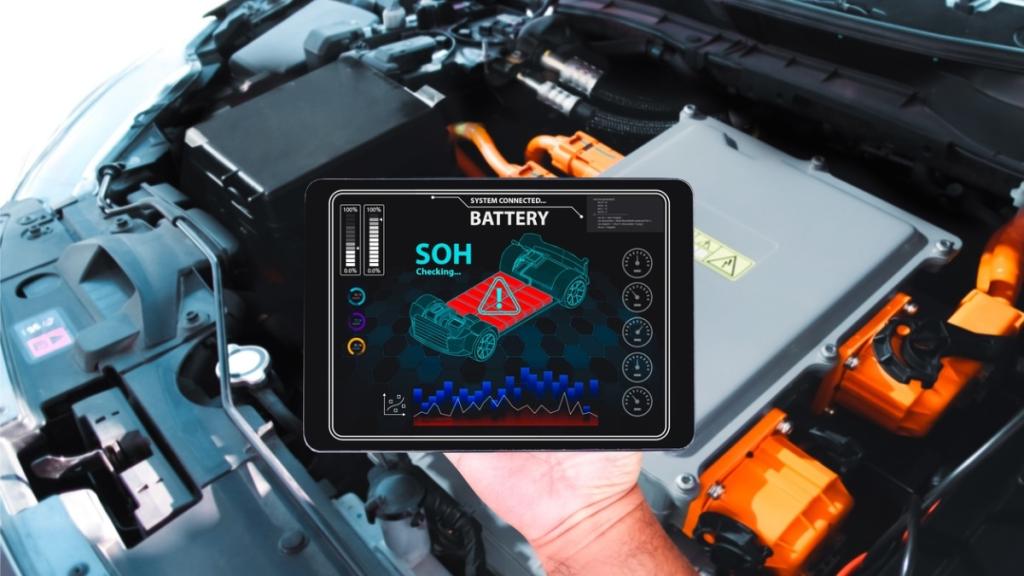
Understanding EV Battery Health and State of Health (SoH)
The concept of State of Health is the foundation of EV battery evaluation. SoH represents the current maximum energy capacity of the battery compared to its original factory capacity.
When a vehicle is new, its SoH is 100 percent. Over time, due to chemical aging, charge cycles, and heat exposure, the capacity gradually declines. This is a natural process in lithium-ion batteries, which are used in nearly all modern EVs, including the BYD electric lineup and many global EV models.
Battery degradation does not happen at a uniform rate. In most EVs, the first few years may show a slightly faster drop in capacity, followed by a slower and more stable decline. This pattern is influenced by how the battery chemistry stabilizes after initial use.
For example, vehicles like the Tesla Model 3 are known for relatively slow degradation when properly maintained, especially when owners avoid frequent fast charging and keep the battery within moderate charge levels.
Temperature plays a major role in battery health. High heat accelerates chemical breakdown inside the battery cells, while extremely cold temperatures can temporarily reduce efficiency and range. This is why EVs in hotter climates often show faster degradation compared to those in moderate environments.
Vehicles such as the Nissan Leaf, which historically had limited thermal management in older models, demonstrated how environmental factors can strongly influence long-term battery performance.
Charging habits also directly affect SoH. Frequent use of fast chargers, especially DC fast charging, can generate additional heat and stress on battery cells.
On the other hand, regular slow charging using home chargers tends to be gentler on the battery. However, modern EVs like the Hyundai Ioniq 5 include advanced thermal management systems that help reduce damage from fast charging, making them more resilient compared to early generation EVs.
Understanding SoH is not just about a number, but about context. A battery with 85 percent SoH might still be excellent if the vehicle has strong range efficiency and good energy management software. However, the same percentage in a less efficient vehicle could mean significantly reduced driving range. This is why SoH must always be interpreted alongside real-world range and usage history.
Also Read: The V8 Sports Sedan With Toyota Reliability And M-Car Pace
How to Check Battery Health Data Before Buying a Used EV
The most reliable way to assess EV battery condition is through onboard diagnostics and manufacturer-provided data. Many modern electric vehicles display battery health metrics within their infotainment systems or service menus. For example, the Tesla Model 3 allows users to access detailed energy usage information and estimated range calculations, which can help infer battery condition indirectly.
In addition to built-in systems, third-party diagnostic tools and apps can provide deeper insights. These tools connect to the vehicle’s onboard diagnostic port or use software integration to extract battery data such as remaining capacity, charge cycles, and voltage consistency across cells.
In vehicles like the Chevrolet Bolt EV, such tools can reveal early signs of imbalance between battery modules that may not be visible on the dashboard.
Another important method is requesting a battery health report from an authorized service center. Many manufacturers now offer battery inspection services that provide a certified report of battery condition.
This is particularly useful when buying used EVs from private sellers, as it adds a layer of verified credibility. Some models from BYD also support detailed service diagnostics through their connected vehicle platforms.
It is also important to analyze charging history, where available. Vehicles that have consistently relied on fast charging stations may show different degradation patterns compared to those charged at home.
The Hyundai Ioniq 5, for instance, can handle high-speed charging well, but long-term battery health still depends on how often the feature is used and under what temperature conditions.
Finally, the software estimated range should never be taken at face value without cross-checking. Many EVs adjust displayed range based on recent driving behavior, which can temporarily inflate or reduce estimates.
A more reliable approach is to compare the rated range when fully charged with real-world consumption data over multiple trips. This helps identify whether the battery is performing consistently or showing signs of hidden degradation.
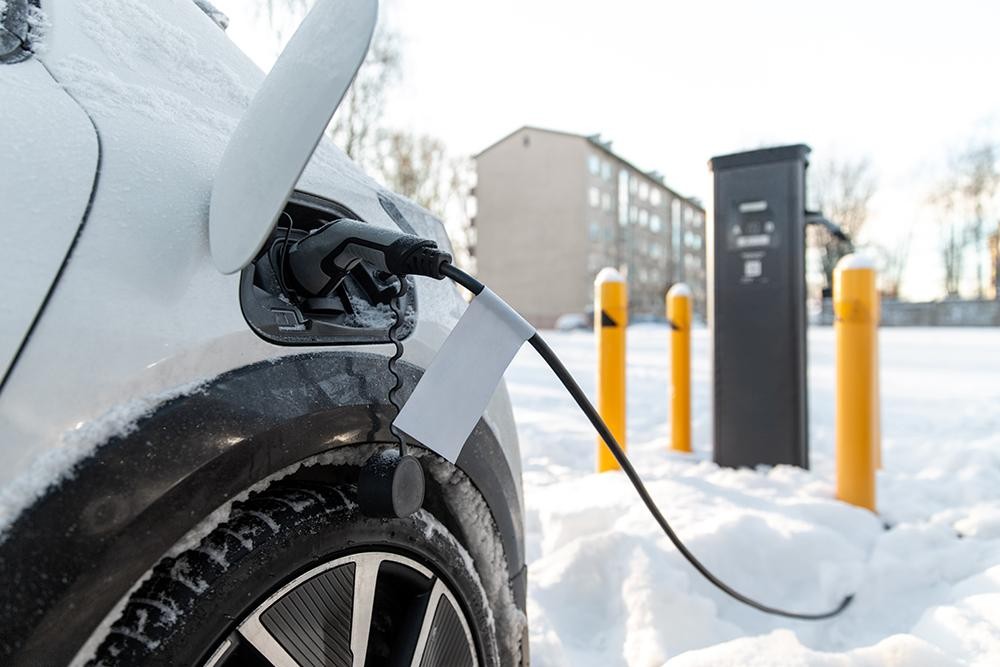
Red Flags, Real-World Range Tests, and Dealer Tricks
One of the biggest warning signs when inspecting a used EV is inconsistent range behavior. If a vehicle shows a full charge but loses range unusually quickly during normal driving, it may indicate significant battery degradation. This is often more noticeable in older models like early versions of the Nissan Leaf, where battery wear becomes more apparent after several years of use.
Another red flag is uneven battery cell performance. Some EVs may develop weak cells within the battery pack, causing sudden drops in percentage or unpredictable range estimates.
Diagnostic scans can sometimes detect this issue, but in other cases, it only becomes visible during extended driving tests. Vehicles such as the Chevrolet Bolt EV have experienced documented cases of battery module replacements due to such inconsistencies.
Real-world range testing is one of the most practical methods for evaluating battery health. This involves fully charging the EV, driving under normal conditions, and measuring how far the vehicle travels before reaching a low battery threshold.
It is important to test under consistent conditions, including similar speeds, climate settings, and terrain, to avoid misleading results. Even efficient EVs like the Tesla Model 3 can show reduced range if driven aggressively or in extreme weather.
Dealer manipulation is another concern in the used EV market. Some sellers may reset trip data or present optimized range figures based on ideal driving conditions rather than real usage. Others may rely on recently reset software estimates that temporarily display higher range values. This is why independent verification through diagnostic tools or test drives is essential before making a purchase decision.
Finally, buyers should be cautious of EVs that have undergone frequent fast charging without proper thermal management. While vehicles like the Hyundai Ioniq 5 are designed to handle high-speed charging efficiently, repeated stress over time can still contribute to gradual battery wear.
A thorough inspection combining diagnostics, real-world testing, and service history review is the most reliable way to avoid costly mistakes when buying a used EV.
