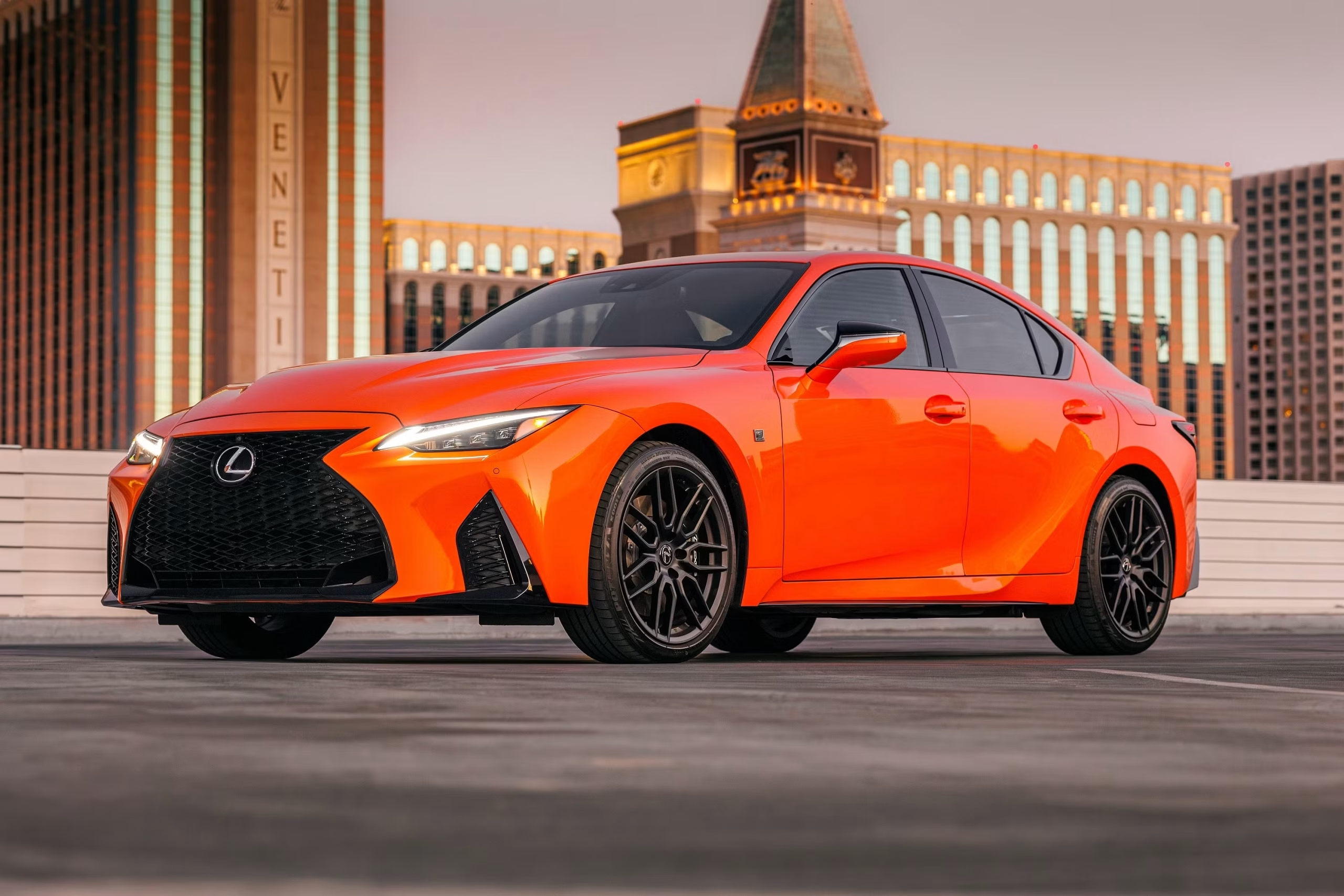
For decades, the high-performance sports sedan segment was dominated by German manufacturers. If buyers wanted a four-door car capable of delivering thrilling performance while maintaining everyday practicality, they usually ended up considering vehicles such as the BMW M3, Mercedes-Benz C63 AMG, or Audi RS4.
These cars combined luxury, sharp handling, and powerful engines into packages that became benchmarks for the entire industry. Lexus spent years building a reputation for something different.
The Japanese luxury brand became famous for exceptional reliability, outstanding build quality, and comfortable driving experiences. While Lexus produced quick cars and luxurious sedans, it was rarely mentioned in the same breath as BMW’s M division or Mercedes-AMG when the conversation turned to hardcore performance.
That changed in 2007. The arrival of the Lexus IS F marked a turning point for the brand. Rather than simply creating a sportier version of an existing sedan, Lexus developed a genuine performance machine capable of challenging Europe’s best sports sedans.
At its heart sat a naturally aspirated V8 engine producing serious power, while extensive chassis upgrades transformed the compact IS into a legitimate rival for the BMW M3.
What made the IS F special was not just its speed. It offered something many competitors struggled to match: long-term durability. Buyers could enjoy performance approaching that of German performance icons while benefiting from the reliability and ownership experience that had become synonymous with Lexus.
More than fifteen years after its debut, the IS F remains one of the most underrated performance sedans ever built and one of the clearest examples of how Lexus successfully combined Toyota reliability with genuine M-car pace.
Also Read: 10 Cars Ranked By How Cheap They Are To Insure
Lexus Finally Decided To Challenge Germany
By the mid-2000s, Lexus had established itself as a serious luxury brand. The company had already proven it could compete with Mercedes-Benz and BMW in terms of refinement, quality, and customer satisfaction. What it lacked was a true halo performance model capable of attracting enthusiasts.
Executives understood the challenge. BMW’s M division had spent decades building credibility among driving enthusiasts. Mercedes-AMG was producing increasingly powerful performance cars. Audi’s RS lineup continued expanding its influence.
Lexus needed something bold. The answer became the IS F, the first production vehicle developed under what would eventually become Lexus’s high-performance F division. The letter “F” was derived from Fuji Speedway, the famous Japanese racing circuit where much of the vehicle’s development took place.
Unlike some performance models that rely primarily on cosmetic enhancements, the IS F received extensive engineering attention.
The goal was clear: create a sports sedan capable of competing directly with the best vehicles Germany had to offer. It was an ambitious project, but Lexus approached it with characteristic thoroughness.
The Heart Of The Car Was A Masterpiece V8
The defining feature of the IS F was undoubtedly its engine. Under the hood sat a naturally aspirated 5.0-liter V8 known internally as the 2UR-GSE. Developed with input from Yamaha, the engine quickly earned a reputation as one of the finest naturally aspirated powerplants of its era.
Output was rated at 416 horsepower and 371 lb-ft of torque. Those numbers placed the Lexus squarely in competition with the E90-generation BMW M3 and other performance sedans of the period. More importantly, the engine delivered its power with remarkable character.
Turbocharged engines are common in modern performance cars, but the IS F’s naturally aspirated V8 was designed to be driven into the upper end of its rev range. It was capable of exceeding 6,800 rpm, delivering a loud, aggressive exhaust note that set it apart from the smoother and quieter Lexus models most buyers expected.
Automotive journalists frequently praised the powerplant for its responsiveness. Throttle inputs produced immediate reactions, and the engine’s willingness to rev created an engaging driving experience.
It felt special every time the driver pushed deeper into the accelerator. Years later, the V8 remains one of the IS F’s most celebrated features.
Performance Was Serious Business
The IS F was not simply a luxury sedan with a large engine. Lexus engineered the entire vehicle to handle the demands of high-performance driving.
Power was sent to the rear wheels through an eight-speed automatic transmission, an advanced unit for its time. The transmission offered rapid shifts and helped the sedan achieve impressive acceleration figures. The results spoke for themselves.
The IS F could sprint from 0 to 60 mph in approximately 4.6 seconds, placing it firmly within the territory occupied by established European performance sedans. Top speed was electronically limited, but the car possessed more than enough performance to satisfy enthusiasts.
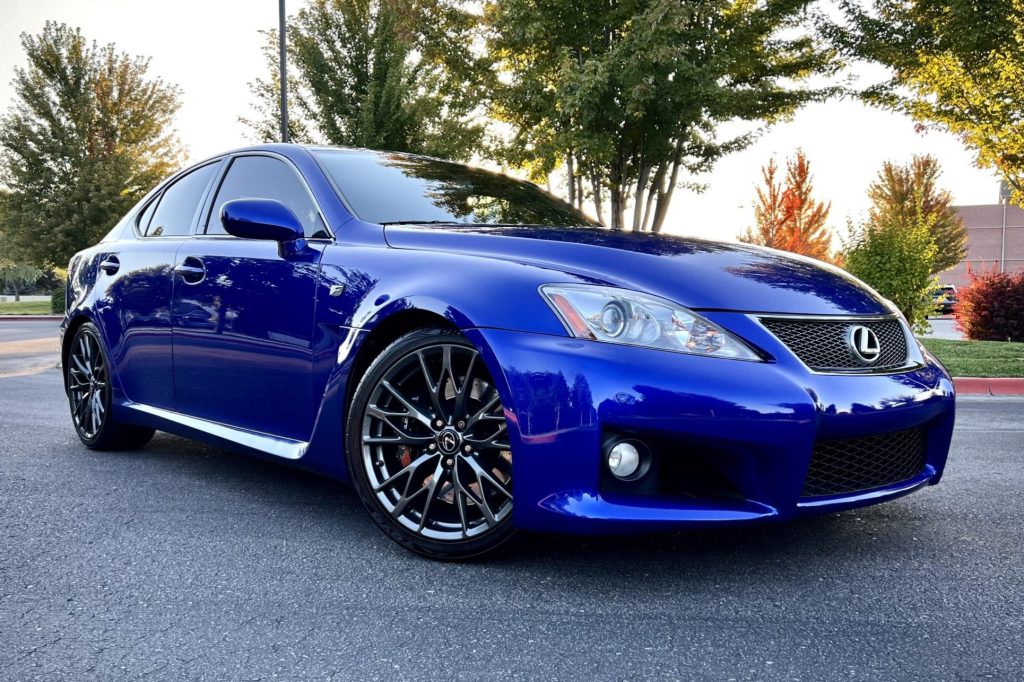
The chassis received significant upgrades as well. Suspension revisions, larger brakes, strengthened structural components, and unique tuning transformed the standard IS platform into something far more capable. Lexus engineers focused on achieving a balance between track capability and daily usability.
That balance became one of the car’s greatest strengths. It was fast enough to compete with serious performance machinery while remaining comfortable enough for everyday commuting.
It Offered A Different Personality Than The M3
Comparisons between the IS F and BMW’s M3 were inevitable. Both cars featured naturally aspirated engines, rear-wheel drive, and compact luxury sedan dimensions. Yet their personalities differed significantly.
The BMW often received praise for its razor-sharp handling and track-focused character. The Lexus approached performance from a slightly different direction. Reviewers frequently described the IS F as more refined and approachable.
While it remained capable of impressive performance, it also delivered a level of comfort that reflected Lexus’s luxury heritage. Road noise was well controlled, interior quality was exceptional, and long-distance driving remained effortless. Some enthusiasts initially viewed this as a weakness. Others saw it as an advantage.
The IS F managed to combine serious performance with everyday livability in a way that appealed to buyers who wanted excitement without sacrificing comfort. It was less aggressive than some competitors but arguably easier to live with over the long term. That unique character helped the car carve out its own identity within the segment.
Reliability Became One Of Its Biggest Advantages
Performance attracted buyers to the IS F, but reliability often kept them loyal. The German performance sedans of the era delivered exceptional driving experiences, but long-term ownership could become expensive. Complex electronics, high maintenance costs, and occasional mechanical issues created concerns for many buyers.
The Lexus offered a compelling alternative. Built upon Toyota’s reputation for durability, the IS F developed a strong reliability record. Owners frequently reported high-mileage examples continuing to operate with minimal major issues.
Consumer Reports and various reliability studies consistently ranked Lexus among the industry’s most dependable luxury brands during the period. While the IS F was undeniably more specialized than a standard Lexus sedan, it benefited from the same engineering philosophy that emphasized durability and quality control.
The naturally aspirated V8 also contributed to the car’s reputation. Without turbochargers and some of the additional complexity found in competing powertrains, the engine proved remarkably robust when maintained properly.
For buyers planning to keep a performance sedan beyond its warranty period, this reliability advantage became increasingly attractive.
The Design Was Subtle Yet Purposeful
Some high-performance sedans rely on bold, aggressive styling to signal their capabilities, but the IS F took a more understated approach with a relatively restrained exterior design.
There were certainly visual clues. The car received unique front and rear fascias, distinctive wheels, enlarged fenders, and the now-famous stacked quad exhaust outlets. A subtle hood bulge hinted at the V8 beneath.
Yet compared with many competitors, the design remained understated. This approach appealed to buyers who preferred performance without excessive attention. The IS F looked purposeful rather than theatrical.
The interior followed the same design approach, combining luxury and performance in a balanced layout. Supportive sport seats, performance-oriented gauges, and premium materials came together to create a driver-focused yet refined cabin, showcasing Lexus’s strong attention to interior craftsmanship.
Even today, many enthusiasts appreciate how well the design has aged. The car avoids many of the styling trends that quickly date performance vehicles from the late 2000s.
The IS F Became A Future Classic
Production of the IS F ended in 2014, but appreciation for the car has continued growing. Several factors contribute to its rising status among enthusiasts.
First, naturally aspirated V8 sports sedans are becoming increasingly rare. Modern emissions regulations and efficiency requirements have pushed manufacturers toward turbocharged engines and electrification.
Second, the IS F represents the beginning of Lexus’s modern performance journey. Without it, later models such as the RC F, GS F, and other F-branded vehicles might never have existed.
Most importantly, the car delivered on its promise. It successfully challenged established European competitors while offering a unique combination of performance, luxury, and reliability.
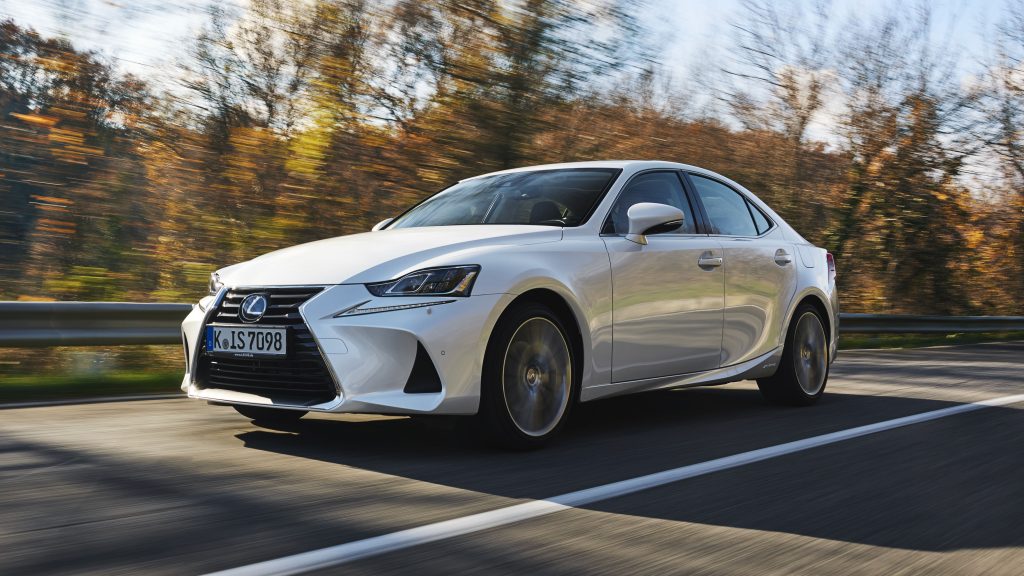
Owners discovered they could enjoy serious performance without necessarily accepting the ownership headaches sometimes associated with rival vehicles.
As enthusiasts continue seeking analog performance cars from the pre-electrification era, the IS F’s appeal only grows stronger.
A Sports Sedan That Deserved More Recognition
The Lexus IS F arrived at a difficult time. It entered a segment dominated by legendary competitors with decades of performance heritage. Convincing enthusiasts to choose a Lexus over a BMW M3 or Mercedes-AMG product was never going to be easy.
Yet the car succeeded in establishing credibility. Its powerful, naturally aspirated V8, impressive performance, refined driving experience, and outstanding reliability created a package unlike anything else in the segment.
Rather than simply copying the German formula, Lexus developed a sports sedan with its own distinct personality. Today, the IS F stands as one of the most underrated performance cars of its generation.
It proved that Lexus could build a genuine enthusiast’s car without abandoning the qualities that made the brand successful in the first place. Buyers received exhilarating performance, exceptional build quality, and long-term durability in a single package.
For enthusiasts seeking a V8 sports sedan capable of delivering M-car pace while offering Toyota-like reliability, the Lexus IS F remains one of the best answers ever produced.
Its combination of speed, character, and dependability is as compelling today as it was when the car first appeared, and that is precisely why it has become a modern performance icon.