
Electric vehicles have rapidly moved from niche innovation to mainstream transportation, reshaping how people think about performance, efficiency, and maintenance. Unlike traditional internal combustion engine cars that rely heavily on mechanical systems, electric vehicles depend on a tightly integrated combination of battery hardware, power electronics, sensors, and advanced software systems.
This shift has introduced a new category of vehicle behavior that many drivers are still learning to understand. In particular, software-driven behavior in electric vehicles is often misinterpreted as battery malfunction, leading to unnecessary concern and confusion among owners.
Modern EVs use complex battery management systems that continuously monitor temperature, voltage, charging cycles, and energy distribution. These systems are designed to protect the battery pack and ensure long term durability.
However, because most of these processes are invisible to the driver, sudden changes in range estimation, charging speed, or power delivery can feel alarming. In reality, many of these changes are intentional software responses rather than signs of battery failure.
For example, an EV may temporarily limit charging speed due to temperature conditions or adjust displayed range based on recent driving patterns. These adjustments are normal and often reversible.
Another factor contributing to confusion is over reliance on dashboard estimates. Range indicators and battery percentage displays are not fixed measurements of chemical energy alone.
They are calculated predictions influenced by driving style, terrain, climate control usage, and software calibration updates. When these estimates fluctuate, drivers may assume that the battery itself is degrading or malfunctioning. In many cases, however, the battery remains healthy while the software simply recalibrates expectations.
As EV adoption grows, understanding the distinction between software behavior and true battery issues becomes increasingly important. Misinterpretation can lead to unnecessary service visits or anxiety about vehicle reliability. This article explores seven well known electric vehicles where software quirks are often mistaken for battery faults.
These examples highlight how modern EV systems operate and why apparent battery problems are frequently rooted in software logic rather than hardware failure.
By examining these cases, drivers can develop a clearer understanding of how intelligent battery systems manage performance and protect long-term health, leading to a more informed and confident ownership experience.
Also Read: 8 Used Car Scams And How To Avoid Them
- Engine (Electric motor): Single motor or dual motor setup, depending on variant
- Horsepower: ~283 hp (RWD Long Range varies by version)
- Torque: ~420 Nm (estimated, Tesla, does not always publish official torque)
- Length: 4,720 mm
- Width: 1,850 mm
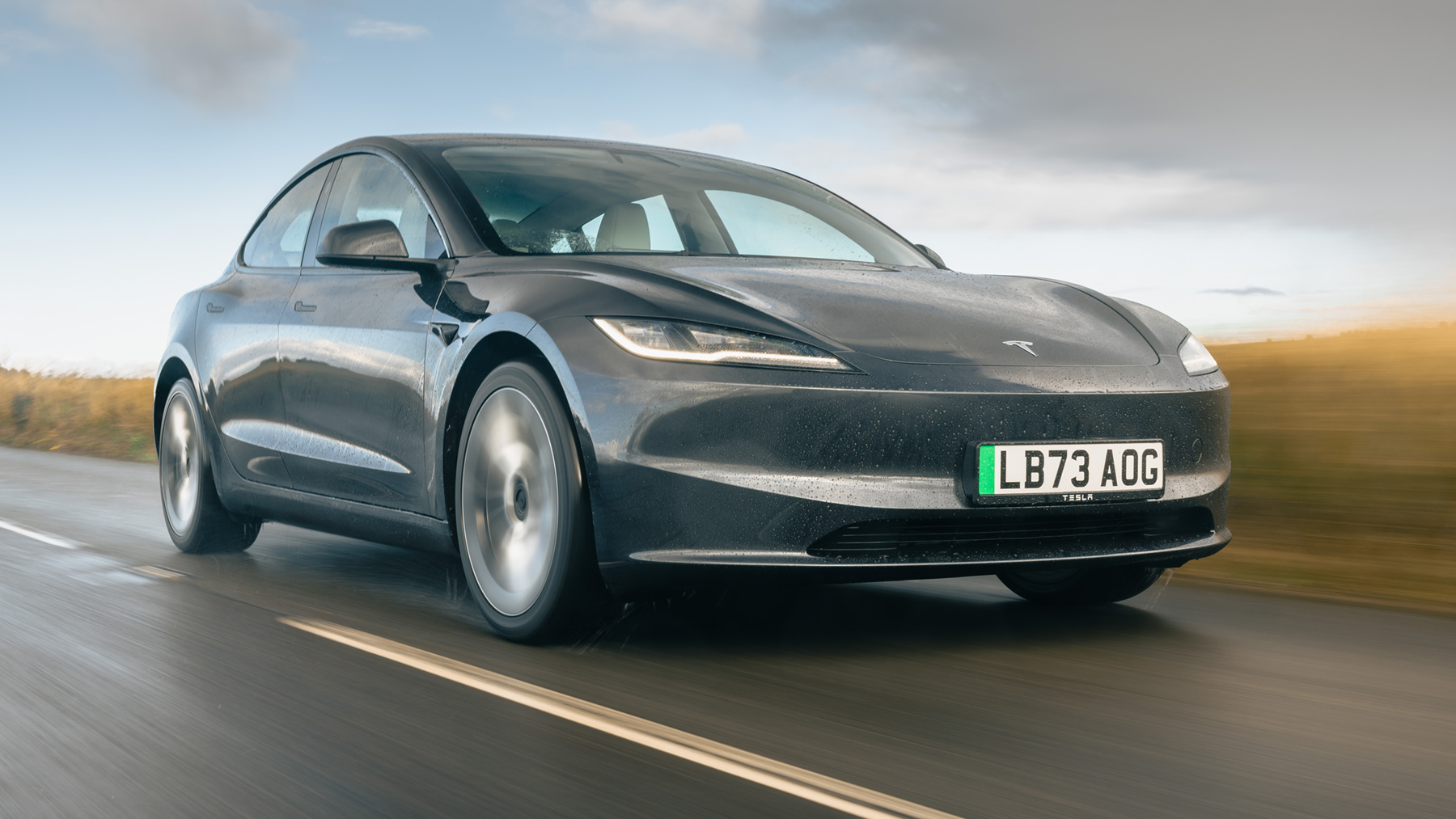
1. Tesla Model 3
The Tesla Model 3 is one of the most software-defined electric vehicles on the road today, and it is also one of the most frequently misunderstood when it comes to battery behavior. A major reason for this confusion is that almost every aspect of energy usage in the vehicle is mediated through software rather than being presented as raw battery data.
One of the most commonly reported concerns among drivers is sudden drops in displayed range after software updates or after changes in driving patterns. These drops are rarely related to actual battery degradation. Instead, they are caused by recalibration of the energy prediction algorithm.
The Model 3 learns from recent consumption data, so if a driver has spent a few days driving in cold weather, using heated seats, or frequently accelerating at higher speeds, the system adjusts its expectations downward.
This adjustment can appear abrupt on the display, leading many users to assume something has gone wrong with the battery pack when in reality the battery chemistry has not changed at all.
Thermal management also plays a major role in shaping perceived battery behavior. The Model 3 actively controls battery temperature through heating and cooling systems that operate silently in the background. These systems are designed to preserve long-term battery health and ensure optimal performance.
However, they can temporarily reduce charging speed or limit power output when the battery is outside ideal temperature ranges. For example, on a cold morning, the car may restrict regenerative braking or slow down fast charging until the battery warms up. To the driver, this can feel like a malfunction, but it is actually a deliberate protective software function.
Another factor that contributes to misunderstanding is regenerative braking and its variability. The Model 3 adjusts regenerative braking strength based on battery temperature, state of charge, and software updates. When regeneration is reduced, drivers may notice that the car behaves differently during deceleration, which can also affect energy efficiency readings.
Since regenerative braking directly impacts how much energy is recovered during driving, any variation can influence perceived range stability. Over time, this creates the impression that the battery is inconsistent, even though the changes are entirely software-controlled and reversible.
- Engine (Electric motor): Dual motor All Wheel Drive system
- Horsepower: ~384 hp (Long Range variant)
- Torque: ~510 Nm
- Length: 4,751 mm
- Width: 1,921 mm
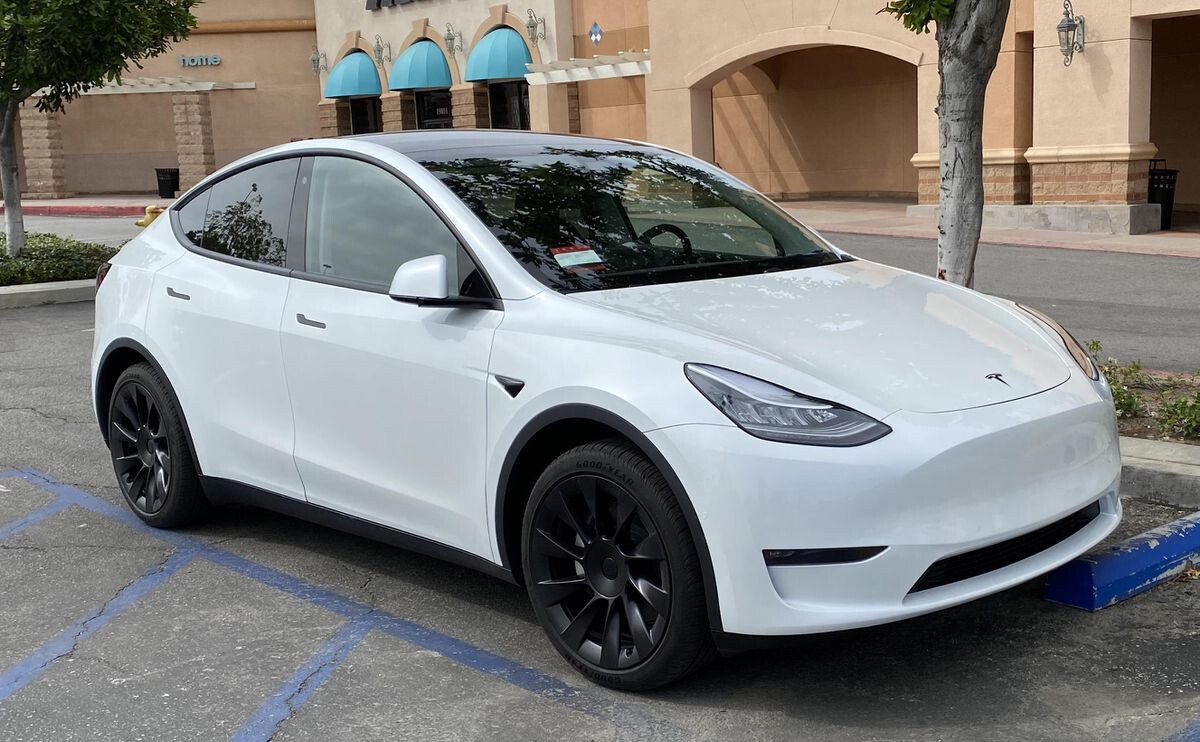
2. Tesla Model Y
The Tesla Model Y shares much of its underlying architecture with the Model 3, but because it is a larger and heavier vehicle, its energy consumption patterns are even more sensitive to software interpretation. This makes it one of the EVs where drivers most frequently misinterpret software adjustments as battery-related problems.
The vehicle does not rely on a static range chart but instead uses a dynamic prediction model that constantly adapts to driving conditions. This model takes into account elevation changes, traffic behavior, air resistance, payload weight, and climate control usage, all of which can significantly alter energy consumption even within a single trip.
One of the most common sources of confusion is the sudden change in estimated range after driving in different environments. For example, a driver may see a high range estimate after city driving and then notice a sharp decrease after a highway trip.
This is not a sign of battery degradation but a recalibration of expected efficiency based on recent consumption patterns. Because highway driving typically consumes more energy due to sustained high speeds and aerodynamic drag, the system adjusts its prediction model accordingly. This recalibration can feel abrupt, especially to new owners who expect the range to decrease in a linear fashion.
Another important factor is the role of cabin conditioning systems, which are far more influential in the Model Y due to its larger interior space. Heating or cooling the cabin requires significant energy, especially in extreme weather conditions. When the vehicle preconditions the cabin before driving or while charging, it draws directly from the battery, which can temporarily reduce the displayed charge level.
Many drivers interpret this as unexpected battery drain, but it is actually a controlled energy use process designed to improve comfort and efficiency during driving. The software ensures that energy is used strategically rather than uniformly, which can create visible fluctuations that are not immediately intuitive.
Software updates also play a major role in shaping driver perception. Tesla frequently updates energy calculation algorithms to improve accuracy and reflect real-world driving data. When these updates are installed, the displayed range or consumption figures may shift without any physical change in the battery.
This is often misinterpreted as battery inconsistency. In reality, the vehicle is simply adopting a more refined model of energy prediction. Over time, these updates aim to make the system more accurate, but in the short term, they can create confusion for users who are not aware of the underlying recalibration process.
- Engine (Electric motor): Front-mounted single motor
- Horsepower: ~148 hp (40 kWh version)
- Torque: ~320 Nm
- Length: 4,480 mm
- Width: 1,790 mm
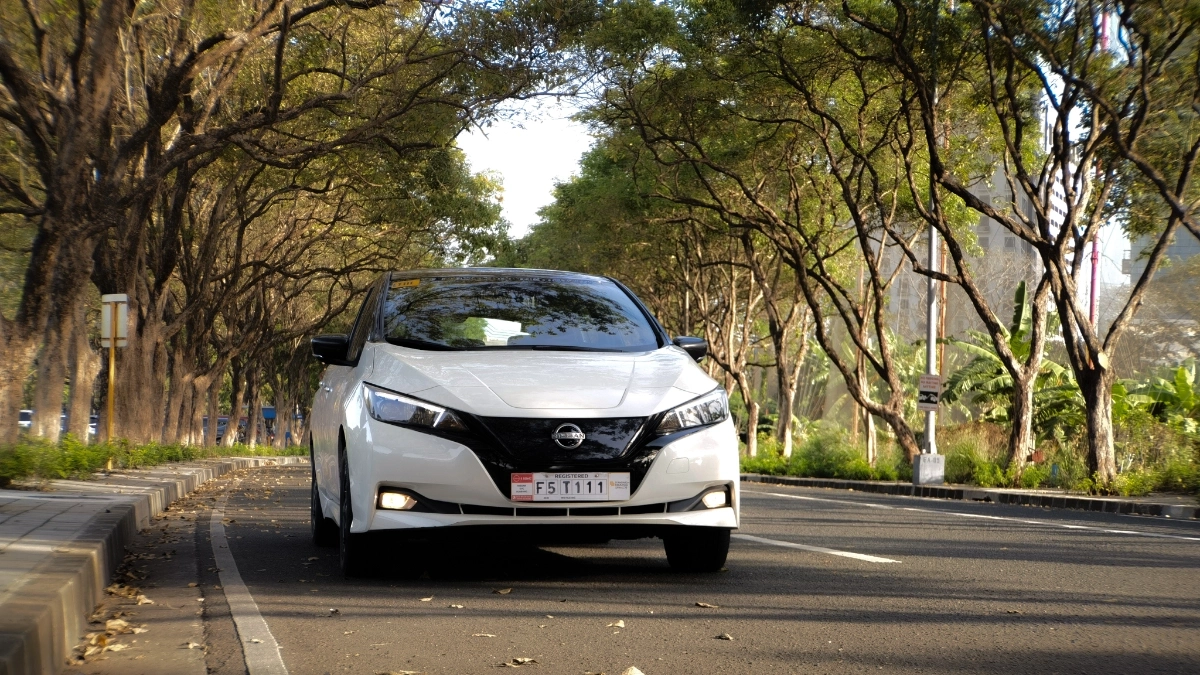
3. Nissan Leaf
The Nissan Leaf is one of the earliest mass-market electric vehicles and has played a crucial role in popularizing EV technology globally. Because it was designed during an earlier phase of electric vehicle development, its software systems are less predictive and less adaptive compared to modern EVs.
This makes its behavior more transparent in some ways but also more prone to being misunderstood. Drivers often notice fluctuations in range and battery performance and assume that the battery is degrading when in fact the vehicle is simply operating within the limits of a more basic estimation system.
One of the key characteristics of the Leaf is its reliance on recent driving history to estimate range. Unlike newer vehicles that use highly complex machine learning-based prediction models, the Leaf uses a simpler algorithm that weighs recent energy consumption more heavily.
This means that if a driver has recently driven at higher speeds on highways or used air conditioning extensively, the estimated range can drop significantly within a short period. This change can feel dramatic, especially when compared to earlier optimistic estimates shown after fully charging the battery. However, this fluctuation does not necessarily indicate any change in battery health.
Temperature sensitivity is another major factor that influences how the Leaf behaves. The battery management system adjusts power delivery and charging speed based on ambient temperature conditions. In colder climates, the system may limit regenerative braking and reduce charging efficiency to protect the battery cells from stress.
These protective measures are essential for long-term battery health, but they are often misinterpreted by drivers as signs of battery weakness. Similarly, in very hot conditions, the system may restrict charging speed to prevent overheating, which again can appear as reduced performance even though it is a safety mechanism.
Charging behavior in the Nissan Leaf also contributes to misunderstanding. The vehicle may slow charging rates when the battery reaches certain temperature thresholds or when it approaches higher states of charge. This tapering effect is standard in EVs, but because it is more noticeable in earlier-generation systems, drivers may assume there is a fault.
Over time, improvements in software have made these transitions smoother, but older models still exhibit more visible variations, which can be mistaken for battery inconsistency rather than intentional software control.
Also Read: The V8 Sports Sedan With Toyota Reliability And M-Car Pace
- Engine (Electric motor): Front wheel drive single motor
- Horsepower: ~201 hp (64 kWh version)
- Torque: ~395 Nm
- Length: 4,200 mm
- Width: 1,800 mm
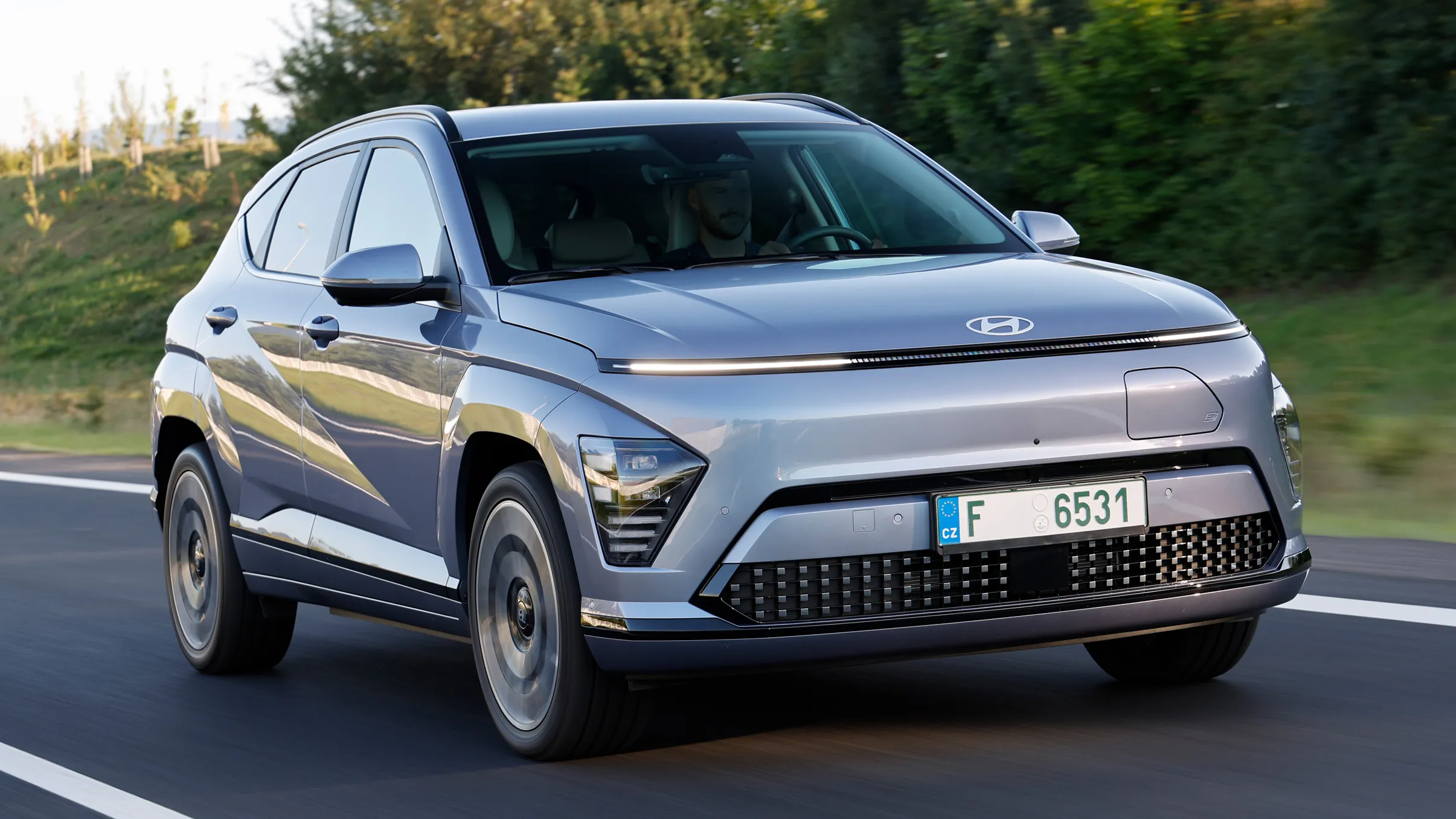
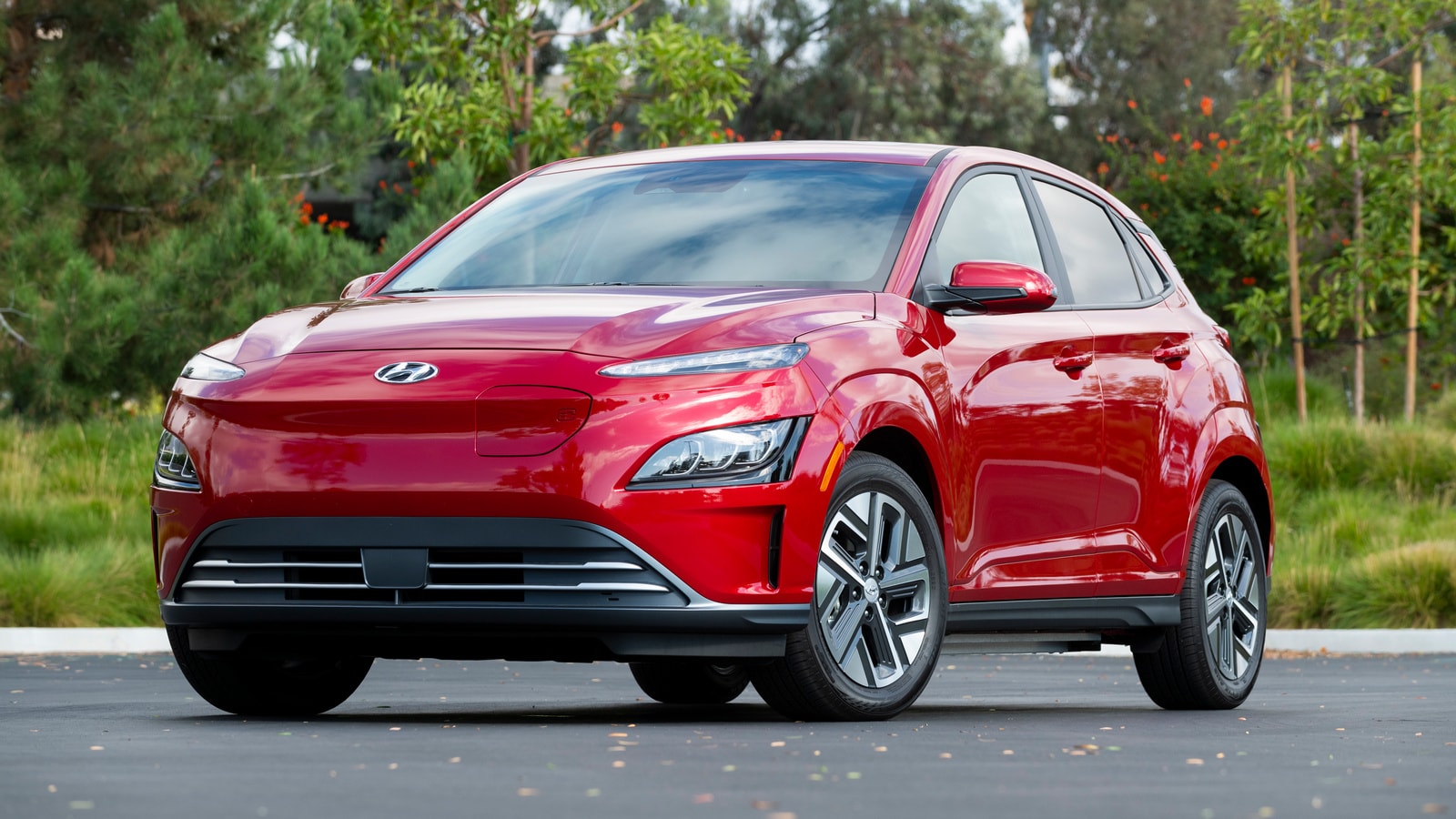
4. Hyundai Kona Electric
The Hyundai Kona Electric is widely appreciated for its efficiency and practicality, but it also demonstrates how modern EV software can create misunderstandings about battery condition. One of the most common issues reported by drivers is sudden or noticeable changes in estimated range after driving in different conditions.
These changes are not random but are instead driven by adaptive software that recalculates efficiency based on recent energy consumption patterns. Because this recalculation happens quickly and sometimes dramatically, it can give the impression that the battery itself is unstable or deteriorating when in fact the system is simply updating its predictive model.
The Kona Electric uses a dynamic energy estimation system that takes into account multiple variables, including speed, elevation, climate control usage, and driving style. If a driver switches from efficient city driving to high-speed highway driving, the system adjusts the projected range downward almost immediately.
This adjustment is meant to improve accuracy, but it can feel unsettling for users who expect a stable range figure. The reality is that electric vehicles consume energy very differently depending on conditions, and the software is designed to reflect that variability rather than mask it.
Thermal management is another significant contributor to perceived battery issues. The Kona Electric actively regulates battery temperature to maintain performance and extend battery life. When the system detects that the battery is too cold or too hot, it may limit power output or reduce charging speed.
These limitations are temporary and will resolve once the battery returns to optimal temperature ranges. However, because the driver experiences reduced performance directly, it is often interpreted as a battery fault rather than a protective software response.
Charging behavior also plays a role in user perception. Depending on the type of charger used and the condition of the battery, the Kona Electric may adjust charging speed dynamically.
Fast charging sessions, in particular, can show variable speeds as the system balances efficiency and battery health. These variations are expected and part of normal operation, but they are frequently misunderstood as charging problems.
- Engine (Electric motor): RWD or AWD dual motor setup, depending on variant
- Horsepower: ~225 hp (RWD standard range)
- Torque: ~350 Nm
- Length: 4,695 mm
- Width: 1,880 mm
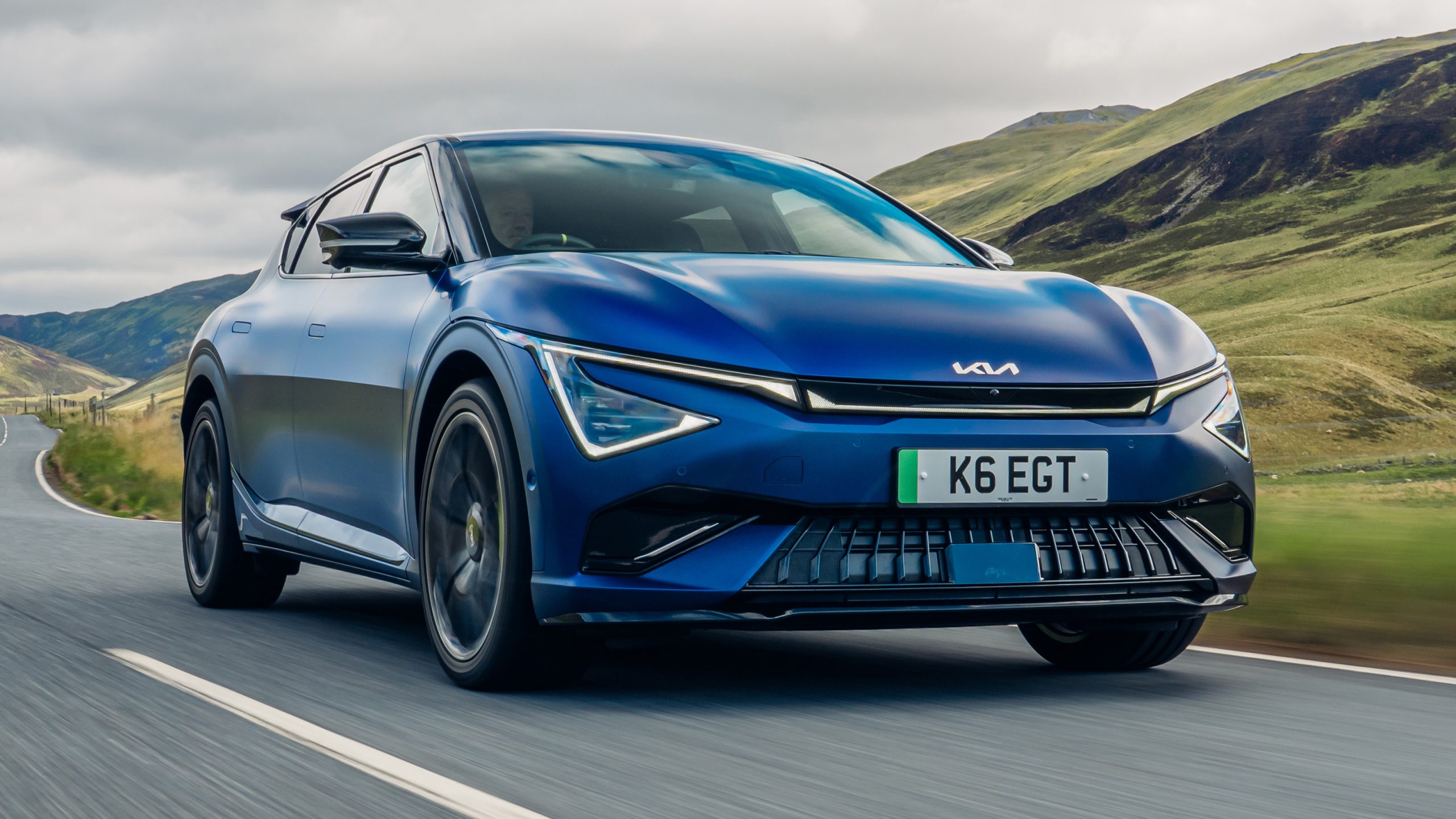
5. Kia EV6
The Kia EV6 represents a more advanced generation of electric vehicles with highly integrated software systems that manage nearly every aspect of energy usage and performance. Because of this deep integration, even small changes in driving conditions or software configuration can lead to noticeable differences in displayed range or efficiency.
Many drivers initially interpret these changes as battery issues, but in most cases, they are the result of adaptive software behavior designed to optimize performance and battery longevity.
The EV6 uses a highly responsive energy prediction system that continuously learns from driving behavior. If a driver alternates between calm city driving and aggressive highway driving, the system recalibrates its range estimates accordingly.
This recalibration can sometimes appear sudden, especially after long highway trips, where energy consumption is significantly higher. The system does not smooth these changes artificially because doing so would reduce accuracy. Instead, it prioritizes real-time reflection of driving conditions, which can create visible fluctuations that are often mistaken for battery inconsistency.
Battery conditioning is another important factor in the EV6. Before fast charging sessions, the vehicle may preheat or precondition the battery to ensure optimal charging speed and efficiency.
This process consumes energy directly from the battery, which can temporarily reduce the displayed charge level. While this may seem like an unexpected drain, it is actually a necessary step to protect battery health and improve charging performance. Without this conditioning, charging speeds would be less consistent and potentially less efficient.
Software updates also influence how the EV6 reports energy usage and range. As the manufacturer refines its algorithms, the way energy consumption is calculated and displayed may change slightly.
These updates do not affect the physical battery but can change user perception of performance. Over time, these refinements are intended to improve accuracy, but in the short term they can create confusion among drivers who are not aware of the recalibration process.
- Engine (Electric motor): Rear wheel drive or AWD dual motor variants
- Horsepower: ~201 hp (standard RWD version)
- Torque: ~310 Nm
- Length: 4,584 mm
- Width: 1,852 mm
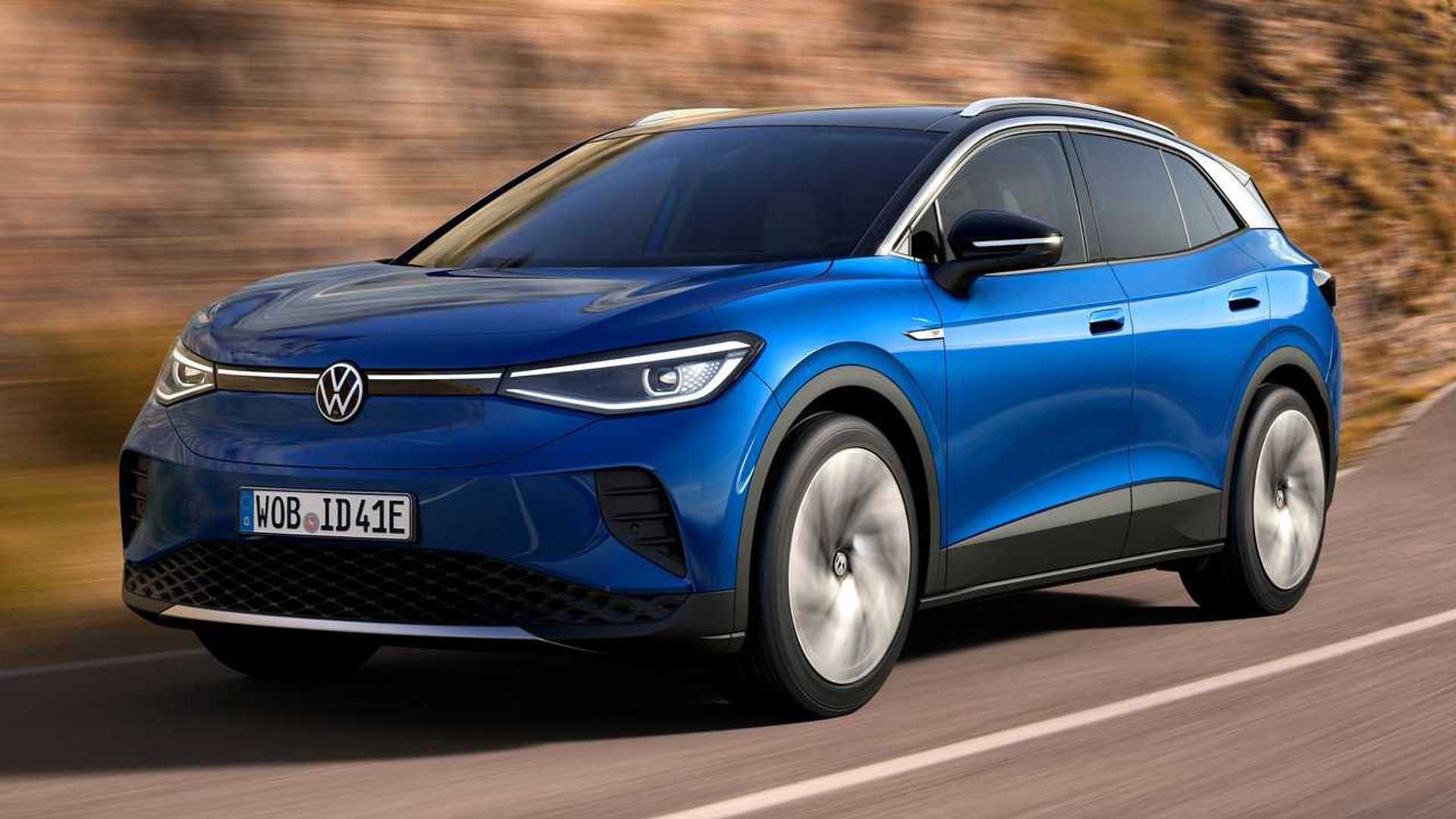
6. Volkswagen ID.4
The Volkswagen ID.4 sits in a very interesting position in the EV market because it is designed to feel familiar to drivers coming from traditional internal combustion vehicles, yet underneath that familiar driving experience, it relies heavily on software-driven energy management.
This combination often leads to confusion when drivers notice fluctuations in range or charging behavior. Many users assume these changes indicate battery wear or malfunction, but in reality, they are usually the result of conservative software logic that prioritizes accuracy and battery longevity over optimistic display figures.
Unlike some EVs that show more aspirational range estimates, the ID.4 tends to present a more cautious and real-world aligned calculation, which can feel inconsistent to drivers who are not aware of how dynamic the system is.
A key reason for perceived battery issues in the ID.4 is its strong dependence on recent driving behavior when calculating range. The vehicle does not simply rely on a fixed battery-to-distance conversion. Instead, it continuously analyzes how efficiently the car has been driven over recent trips and uses that data to predict future performance.
If a driver has been traveling at higher highway speeds, using frequent acceleration, or driving in hilly terrain, the system immediately adjusts the estimated range downward.
This adjustment is not a reflection of battery health but rather an attempt to provide a more realistic forecast. However, because these changes can happen suddenly, drivers often interpret them as battery instability rather than predictive recalibration.
Thermal management also plays a significant role in shaping how the ID.4 behaves in different environments. The vehicle’s battery management system actively monitors temperature and adjusts power output and charging speed to protect long-term cell health. In colder weather, the system may limit regenerative braking and reduce acceleration responsiveness until the battery reaches an optimal operating temperature.
Similarly, during fast charging, the system may slow charging speeds as the battery fills or if temperatures rise beyond safe thresholds. These behaviors are completely normal and expected in modern EVs, but because they directly affect driving experience and charging time, they are often mistaken for hardware problems.
Another layer of confusion comes from software updates that refine energy reporting and efficiency calculations. When Volkswagen releases updates, the way the vehicle interprets and displays range data may change slightly.
These updates are intended to improve accuracy based on broader fleet data, but they can result in noticeable differences in displayed range even when the battery itself has not changed.
Drivers may see a sudden improvement or reduction in estimated range after an update, which can easily be misinterpreted as a battery issue. In reality, the vehicle is simply using a more refined model to reflect real-world usage patterns more accurately.

- Engine (Electric motor): Front wheel drive single motor
- Horsepower: ~174 hp (updated long-range version)
- Torque: ~280 Nm
- Length: 4,323 mm
- Width: 1,809 mm
7. MG ZS EV
The MG ZS EV is one of the most popular budget electric SUVs in many global markets, and its affordability has made it a common entry point into electric vehicle ownership. However, because it uses a relatively straightforward software system compared to more premium EVs, its energy estimation and battery behavior can appear less stable to users who are unfamiliar with EV dynamics.
Many drivers report sudden drops or increases in displayed range, which are often assumed to be battery-related issues. In most cases, these fluctuations are simply the result of simpler predictive algorithms that react quickly to recent driving conditions without extensive smoothing or long-term averaging.
One of the main reasons for perceived battery inconsistency in the MG ZS EV is its reliance on short-term driving history to estimate range. If the vehicle has recently been driven in a more demanding environment, such as highway speeds or stop-and-go traffic with frequent acceleration, the system recalculates range based on that recent energy consumption.
Because the algorithm is not heavily filtered or smoothed, these recalculations can appear abrupt. For example, a driver may fully charge the vehicle and see a high estimated range, only to notice a significant reduction after a single longer trip. This is not a battery fault but a direct reflection of how quickly the software adapts to observed efficiency.
Temperature management is another important factor that influences user perception. The MG ZS EV battery management system protects the battery by adjusting performance under extreme temperatures. In colder conditions, the system may limit power output and reduce regenerative braking efficiency until the battery warms up.
In hotter conditions, it may reduce charging speeds to prevent overheating and maintain long-term cell stability. These protective actions are essential for battery durability, but they can feel like sudden performance drops to the driver, especially if they are not aware that the system is actively managing battery health in real time.
Charging behavior also contributes to confusion in the MG ZS EV. Depending on the charger type, battery temperature, and current state of charge, the vehicle may adjust charging speed dynamically throughout a charging session.
This means that charging may start quickly and then slow down significantly as the battery approaches higher charge levels or as thermal limits are reached.
While this tapering is standard across most EVs, it is often more noticeable in entry-level models because the transitions are not heavily masked by advanced software smoothing. As a result, drivers may interpret these changes as charging problems or battery inefficiency when they are actually normal operational behavior.
