

In the global automotive industry, reliability is one of the most important factors that determines long-term success, customer loyalty, and brand reputation. Over the decades, very few manufacturers have managed to maintain consistent excellence in reliability across different markets, vehicle types, and evolving technologies.
Among them, Toyota Motor Corporation has often been recognized as a benchmark for durability and long-term dependability. Its reputation has not been built overnight, nor has it remained untouched by challenges. Instead, it is the result of decades of engineering discipline, manufacturing consistency, and a deeply embedded corporate philosophy that prioritizes long-term value over short-term gains.
Toyota’s rise back to the top of the reliability rankings in recent years is especially significant given the increasing complexity of modern vehicles. Cars today are no longer just mechanical systems. They are highly integrated machines combining electronics, software, hybrid systems, sensors, and advanced safety technologies.
Many manufacturers have struggled to balance innovation with reliability, often introducing features faster than they can be perfected. Toyota, however, has taken a more measured approach, refining systems before scaling them globally.
Another key factor behind Toyota’s reliability success is its disciplined production system. Instead of focusing solely on innovation for its own sake, the company emphasizes refinement, testing, and gradual improvement.
This approach has helped it avoid many of the common pitfalls seen in rapidly evolving automotive segments, such as premature technology deployment or inconsistent manufacturing standards across regions.
At the same time, Toyota’s global presence has allowed it to collect vast amounts of real-world performance data. This data is not only used to fix problems but also to anticipate them before they become widespread. By combining engineering precision with real-world feedback loops, the company continues to strengthen its reliability performance year after year.
Toyota’s return to the top of the reliability rankings is not the result of a single breakthrough. It is the outcome of multiple interconnected strategies working together across design, manufacturing, supply chain management, and customer experience. The following sections break down the ten key reasons behind this achievement in detail.
Also Read: 8 Used Car Scams And How To Avoid Them
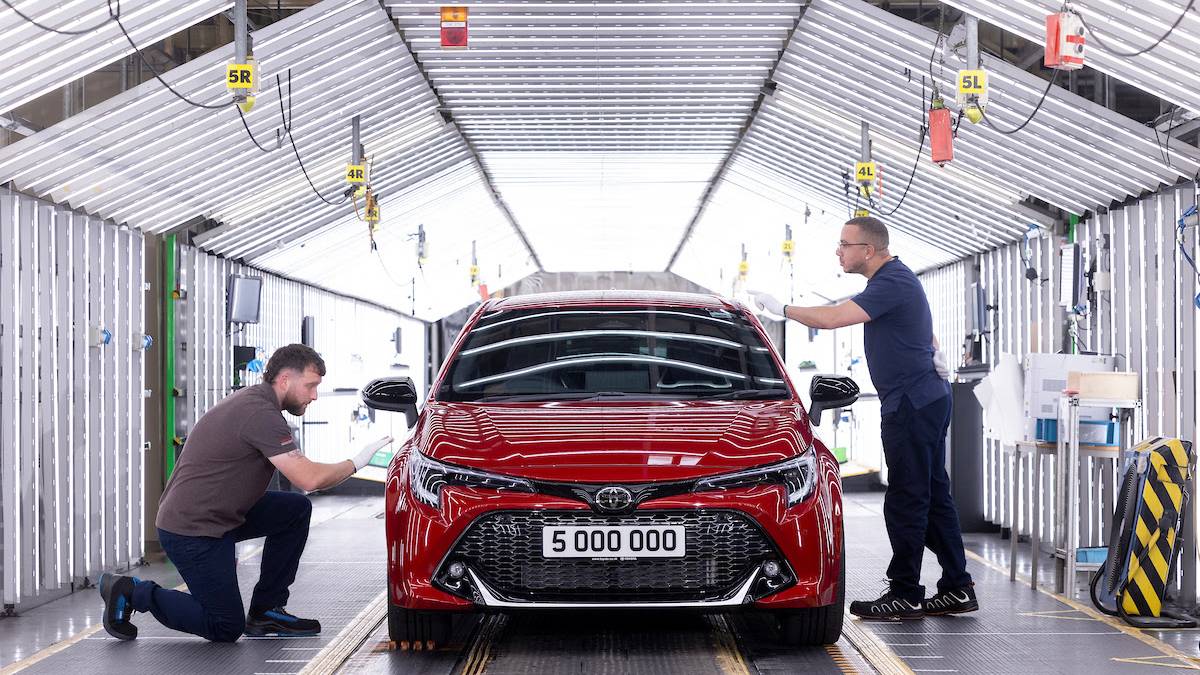
1. World Class Manufacturing, Precision and Quality Control
Toyota’s manufacturing system is widely regarded as one of the most efficient and reliable production frameworks in the world. Every vehicle that leaves its factories goes through a highly standardized process that minimizes variation and ensures consistency. This precision is one of the strongest pillars of its reliability reputation.
At the core of this system is a deep commitment to eliminating defects at the source rather than correcting them after production. Workers are trained to identify irregularities immediately and stop production lines if necessary. This prevents small issues from becoming larger structural problems that could affect long-term reliability.
Another important aspect is the integration of automation with human oversight. While machines handle repetitive precision tasks, human workers are empowered to monitor quality and intervene when something deviates from the standard. This balance reduces errors while maintaining flexibility in production.
Toyota also applies strict supplier quality requirements. Components sourced from external suppliers must meet the same standards as in-house parts. This ensures that every element of a vehicle, from engine components to electronic modules, meets uniform reliability expectations.
Finally, the company continuously audits its manufacturing processes across global plants. Whether a vehicle is produced in Japan, North America, or Asia, the standards remain consistent. This global uniformity plays a crucial role in maintaining long-term reliability across all markets.

2. Conservative Engineering Philosophy That Prioritizes Stability
One of the defining characteristics of Toyota’s success is its conservative approach to engineering. Instead of rushing new technologies into production, the company often takes time to refine and validate them thoroughly. This reduces the likelihood of early-stage failures that can damage long-term reliability.
This philosophy is especially important in modern vehicles, where complexity has increased significantly. By carefully evaluating each new feature before large-scale implementation, Toyota avoids unnecessary risk. This ensures that customers receive technologies that are stable and well tested.
Another element of this approach is incremental innovation. Rather than redesigning entire systems frequently, Toyota often improves existing platforms. This allows engineers to build on proven foundations rather than starting from scratch, reducing uncertainty and potential failure points.
The company also avoids overcomplicating vehicle systems. While competitors may introduce highly advanced but complex features, Toyota tends to prioritize functionality and durability. This simplicity often translates into fewer mechanical and electronic issues over time.
As a result, Toyota’s engineering philosophy creates vehicles that may not always be the most cutting-edge in appearance, but consistently rank among the most dependable in real-world usage.
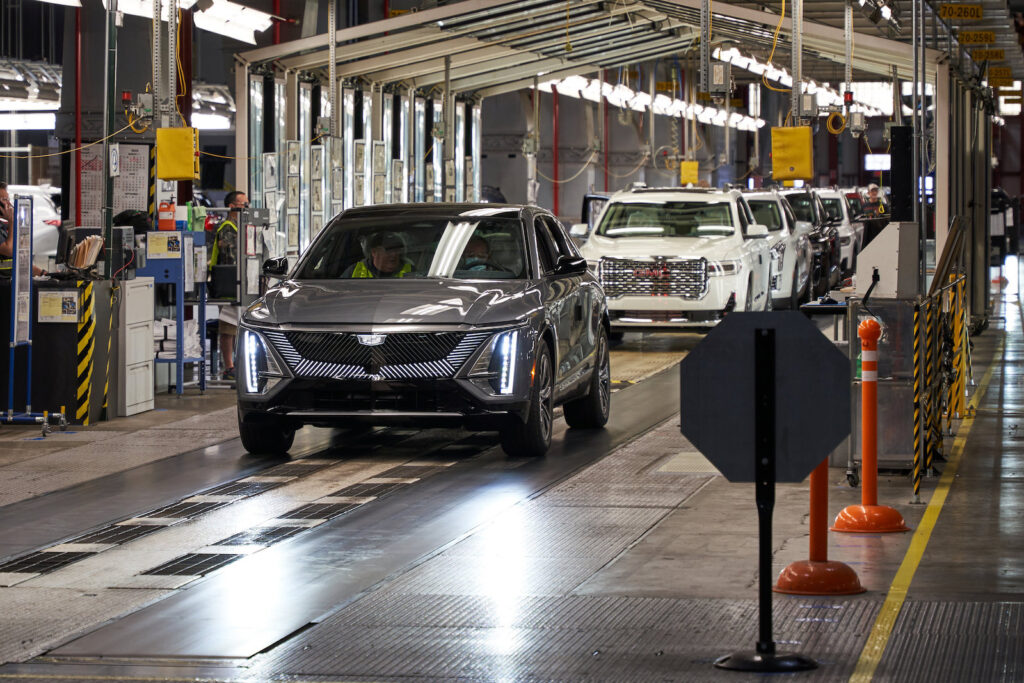
3. Continuous Improvement Culture and Kaizen Principles
Toyota’s commitment to continuous improvement is deeply rooted in its corporate culture. Every employee, from factory worker to senior engineer, is encouraged to identify inefficiencies and suggest improvements. This system ensures that reliability is constantly being refined at every level.
Small incremental improvements accumulate over time, leading to significant long-term gains in quality and durability. Instead of relying on occasional major redesigns, Toyota uses a steady stream of refinements to enhance performance and reduce potential failures.
This culture also promotes accountability. Workers on production lines are not simply carrying out tasks, they take active responsibility for maintaining quality. This fosters a sense of ownership that directly improves product reliability.
In addition, feedback from dealerships and customers is integrated into this improvement cycle. Issues reported in the field are analyzed and used to adjust future production processes. This helps prevent recurring problems across different model years.
This philosophy ensures that Toyota never remains static. Even highly reliable systems are continuously reviewed and improved, which contributes significantly to its strong reliability rankings.

4. Highly Stable Global Supply Chain Management
A stable supply chain is essential for building reliable vehicles, and Toyota has one of the most resilient systems in the industry. The company works closely with suppliers over long periods, building relationships based on trust, consistency, and shared quality standards.
Unlike manufacturers that frequently switch suppliers based on cost, Toyota prioritizes long-term partnerships. This allows suppliers to invest in better tooling, training, and quality control, which directly improves component reliability.
The company also maintains diversified sourcing strategies. Critical components are often sourced from multiple suppliers across different regions, reducing the risk of disruptions. This ensures that production quality remains consistent even during global supply challenges.
Another strength is Toyota’s just-in-time production system, which reduces excess inventory while maintaining efficient flow. Although this system requires precision, it also encourages tight coordination between suppliers and manufacturing plants.
Finally, Toyota actively supports supplier development programs. These initiatives help smaller suppliers improve their quality systems, ensuring that even secondary components meet strict reliability standards.

5. Rigorous Long-Term Testing and Validation Processes
Toyota invests heavily in testing vehicles under extreme and varied conditions before they reach the market. This includes testing in hot climates, cold environments, rough terrains, and high-humidity regions to ensure durability across global markets.
Each new model undergoes extensive endurance testing that simulates years of usage in a compressed timeframe. This allows engineers to identify potential weak points early and make necessary adjustments before mass production begins.
The company also conducts real-world fleet testing. Prototype vehicles are driven in actual customer-like conditions to gather performance data. This helps uncover issues that laboratory testing alone may not reveal.
In addition, Toyota continuously monitors vehicles even after they are released. Data collected from service centers and connected systems helps engineers detect patterns that could indicate emerging reliability concerns.
This combination of controlled testing and real-world validation ensures that vehicles are not only theoretically sound but also practically reliable under everyday conditions.
Also Read: The V8 Sports Sedan With Toyota Reliability And M-Car Pace
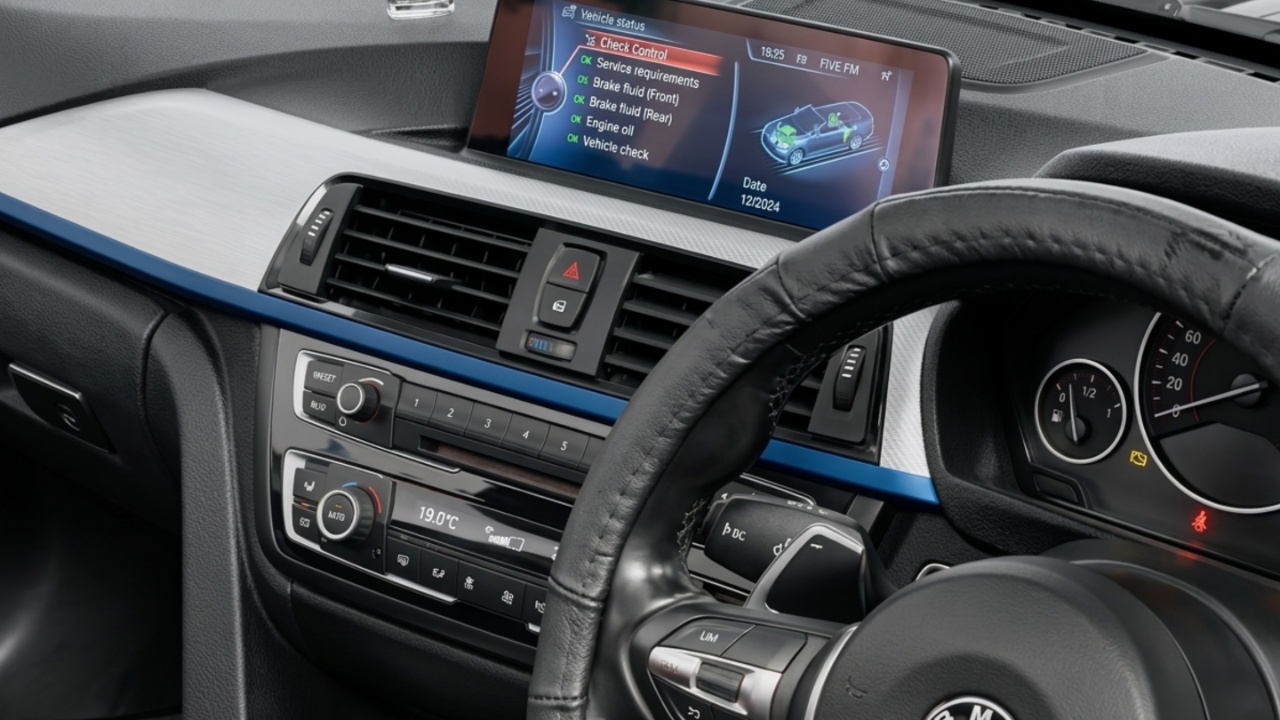
6. Simplified Electronics Architecture and System Integration
Modern vehicles rely heavily on electronics, which can often become a major source of reliability issues. Toyota addresses this by maintaining relatively simplified electronic architectures compared to many competitors.
Instead of overloading vehicles with complex, interdependent systems, Toyota focuses on integration efficiency. Systems are designed to work independently where possible, reducing the risk of cascading failures.
The company also prioritizes proven electronic components over experimental technologies. This reduces the likelihood of software bugs, sensor failures, or compatibility issues between systems.
Another important factor is software stability. Toyota tends to refine software systems extensively before release, ensuring that infotainment, safety, and control systems operate smoothly over long periods.
This careful approach to electronics significantly contributes to reducing long-term maintenance issues and improving reliability ratings.

7. Durable Powertrain Design and Mechanical Simplicity
Toyota’s engines and transmissions are widely known for their durability. A major reason for this is the company’s emphasis on mechanical simplicity and proven design principles.
Rather than constantly introducing radically new engine architectures, Toyota often evolves existing designs. This ensures that each generation benefits from years of accumulated reliability data.
The company also avoids overstressing components. Engines are typically tuned for balanced performance rather than maximum output, which reduces wear and extends lifespan.
Hybrid systems are another example where Toyota has achieved exceptional reliability. By refining hybrid technology over decades, the company has created systems that are both efficient and long-lasting.
This focus on mechanical resilience ensures that Toyota vehicles often remain operational well beyond average industry lifespans.

8. Strong Dealer Network and Maintenance Ecosystem
A reliable vehicle is not only about manufacturing quality but also about how well it is supported after the sale. Toyota has built one of the strongest global dealer and service networks in the automotive industry.
This network ensures that customers can access genuine parts and trained technicians easily. Proper maintenance plays a crucial role in extending vehicle lifespan and preserving reliability.
Toyota also standardizes maintenance procedures across regions. This ensures that vehicles receive consistent care regardless of location.
In addition, the availability of parts is generally high due to Toyota’s large production scale. This reduces downtime and helps maintain vehicle reliability over time.
This strong after-sales ecosystem supports long-term dependability and enhances customer satisfaction.

9. Data Driven Feedback and Real World Performance Monitoring
Toyota uses extensive data collection systems to monitor vehicle performance in real-world conditions. This data is analyzed to detect patterns, identify weaknesses, and improve future designs.
Service centers, dealerships, and connected vehicle systems all contribute to this data ecosystem. This allows Toyota to understand how vehicles perform across different environments and usage patterns.
When recurring issues are detected, engineering teams respond with targeted improvements. These changes are then implemented in future production cycles.
This feedback loop ensures that reliability is not static but continuously improving based on real-world evidence.
It also helps Toyota anticipate potential failures before they become widespread issues, further strengthening its reliability reputation.

10. Long-Term Corporate Philosophy Focused on Customer Value
At the foundation of Toyota’s reliability success is its long-term corporate philosophy. The company prioritizes customer value over short-term profits, which influences every aspect of its decision-making.
This philosophy encourages patience in development cycles. Instead of rushing products to market, Toyota focuses on ensuring they meet strict reliability standards.
It also influences investment decisions. The company consistently invests in manufacturing quality, training, and research rather than cutting corners to reduce costs.
Employees across the organization are trained to think long-term. This mindset creates consistency in decision-making and reduces variability in product quality.
This philosophy is what binds all other factors together, creating a unified approach to reliability that has helped Toyota regain and maintain its top position in global rankings.
