
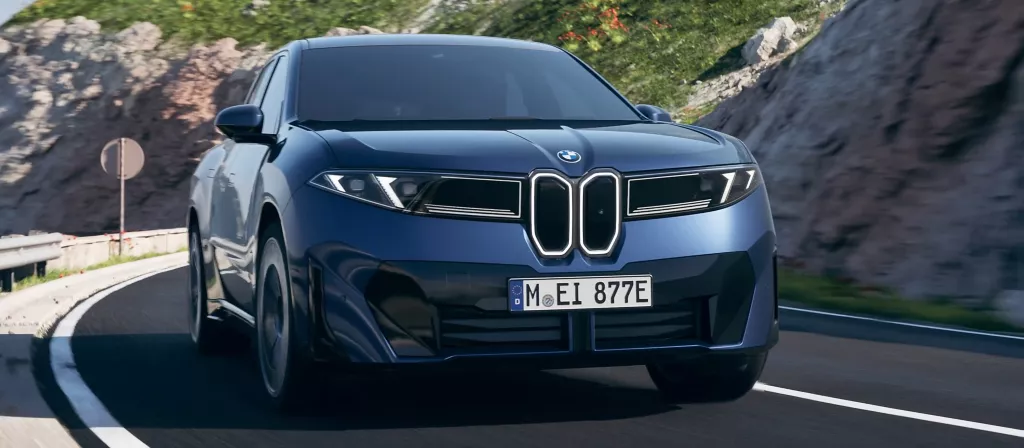
The automotive industry is undergoing a significant transformation as manufacturers prepare a new generation of vehicles for the 2027 model year. Advances in electrification, digital technology, connectivity, and vehicle design are reshaping consumer expectations across multiple market segments, from compact cars and family SUVs to luxury sedans and full-size pickup trucks.
Leading automakers such as Kia, Chevrolet, BMW, Toyota, Hyundai, and Mercedes-Benz are introducing redesigned models that emphasize improved efficiency, enhanced performance, greater comfort, and advanced driver-assistance technologies. Hybrid and electric powertrains are becoming increasingly prominent, reflecting the industry’s shift toward sustainability while maintaining practicality and driving enjoyment.
At the same time, modern interiors featuring panoramic displays, artificial intelligence integration, and over-the-air software updates are redefining the driving experience. This article explores several highly anticipated 2027 vehicles, highlighting their key design changes, technological innovations, powertrain developments, and safety features, while examining how these models represent the future direction of the global automotive market.
1. Kia Telluride
After skipping the 2026 model year, the Kia Telluride returns for 2027 with a complete redesign that transforms nearly every aspect of the SUV. The new generation adopts a bolder, more upright design characterized by a boxier profile, a larger front fascia, and distinctive triple-stacked lighting elements. A longer wheelbase also contributes to a roomier cabin, giving third-row passengers more space than before.
Perhaps the most notable change comes from the powertrain lineup. Kia has moved away from the naturally aspirated V6 that powered previous Telluride models. In its place is a turbocharged 2.5-liter four-cylinder engine producing 274 horsepower and paired with an eight-speed automatic transmission. For buyers prioritizing efficiency, Kia now offers a hybrid model that generates 329 horsepower while targeting approximately 35 mpg combined.
Technology takes center stage inside the redesigned SUV. A panoramic digital display stretches across the dashboard, integrating key vehicle information and infotainment functions into a single modern interface. Wireless smartphone connectivity, available premium audio upgrades, and dual wireless charging pads help create a more contemporary driving environment.
Practicality remains a major focus. The Telluride offers increased passenger room, additional cargo capacity, and flexible seating configurations that can accommodate either a second-row bench or captain’s chairs. Enhanced noise insulation, including thicker glass and improved sealing, also helps create a quieter ride for occupants.
Buyers looking for added capability can choose the X-Pro trim, which is engineered for more demanding conditions. The package includes increased ground clearance, all-terrain tires, upgraded all-wheel-drive components, and standard towing equipment. Combined with a maximum towing capacity of 5,000 pounds, the Telluride continues to balance family-friendly comfort with everyday utility.
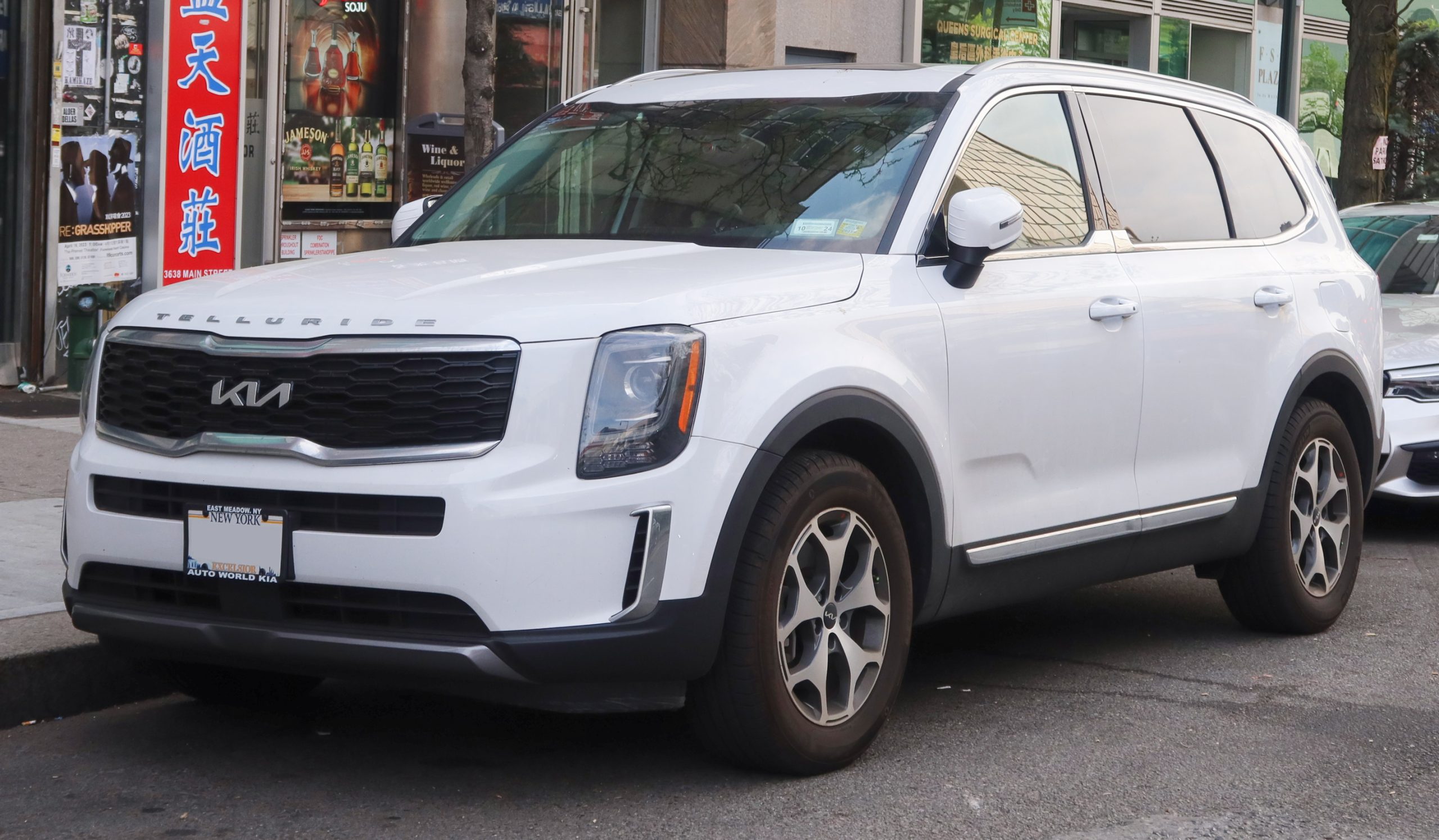
Rounding out the package is a comprehensive suite of standard safety technologies, including automated emergency braking, lane-keeping assistance, blind-spot monitoring, and adaptive cruise control. Kia also continues to back the Telluride with its class-leading warranty coverage, including a 10-year/100,000-mile powertrain warranty.
- Engine: 2.5L Turbocharged Inline-4 (274 hp) or 2.5L Turbo Hybrid system (329 hp combined)
- Horsepower: 274–329 hp
- Torque: 311–339 lb-ft (422–459 Nm)
- Length: 199.2 in
- Width: 78.3 in
2. Chevrolet Silverado 1500
Chevrolet’s bestselling light-duty pickup receives one of its most significant updates in years for 2027. While the Silverado retains its familiar full-size truck formula, nearly every major area has been revised. The truck features a bolder exterior design with a more upright front end, updated lighting signatures, and cleaner body details that improve both appearance and aerodynamics.
A major focus of the redesign is the powertrain lineup. Chevrolet replaces its long-serving 5.3-liter and 6.2-liter V8 engines with new 5.7-liter and 6.6-liter naturally aspirated V8s built on the latest generation of GM’s small-block architecture. The updated 2.7-liter TurboMax four-cylinder remains available and now comes paired with a 10-speed automatic transmission, while the popular 3.0-liter Duramax diesel continues to serve buyers seeking strong torque and fuel efficiency.
The Silverado’s cabin receives a significant technological upgrade for 2027. Standard across the lineup are a 16.3-inch central touchscreen and a 12.2-inch digital instrument display, bringing advanced features even to entry-level trims. Premium variants go a step further with an available passenger-side screen, creating a more sophisticated and connected interior experience.
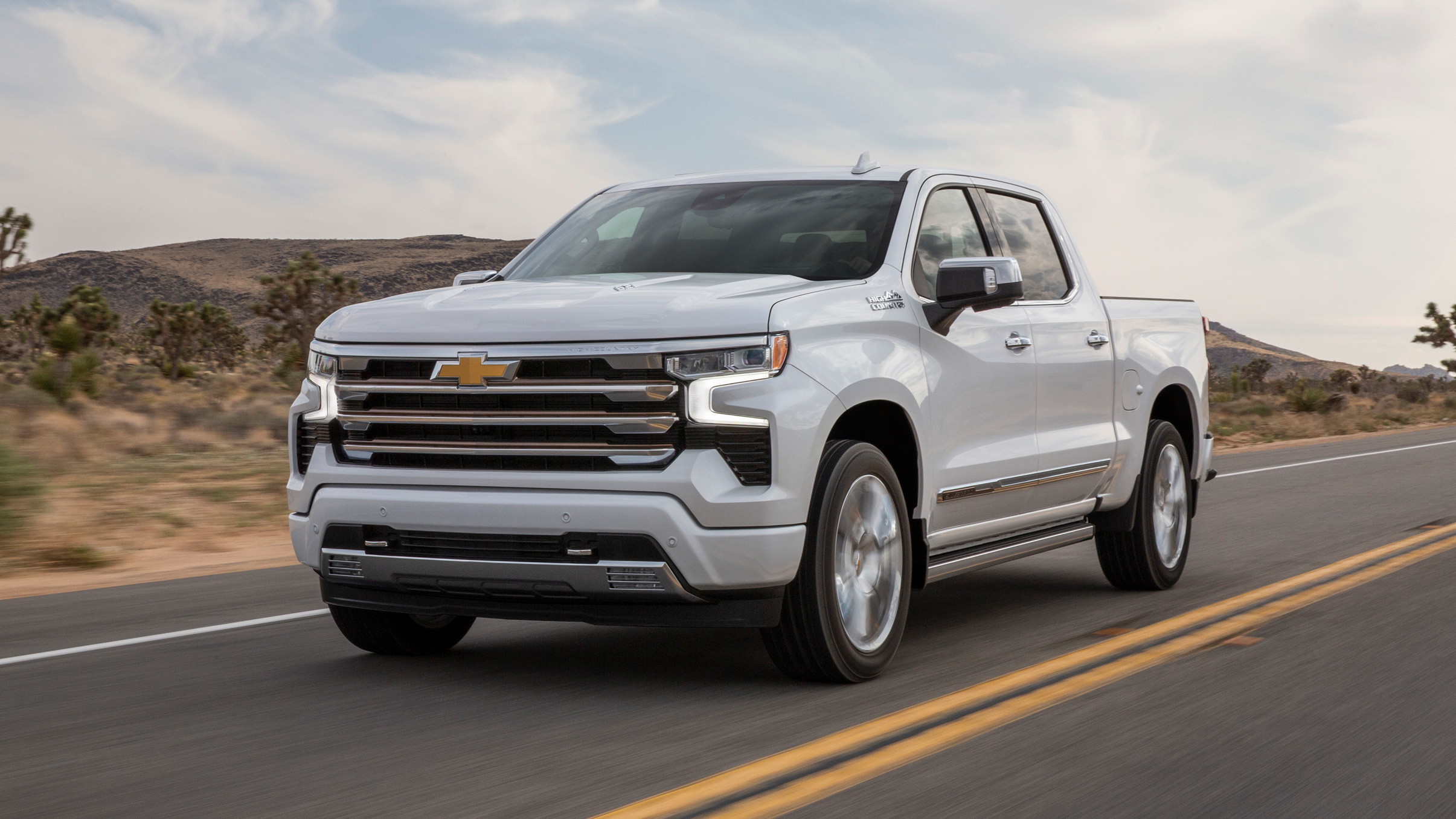
Beyond the displays, the truck introduces several practical improvements. Redesigned seats offer greater comfort, while a new Multi-Flex center console doubles as a storage solution and mobile workstation. Upper trims also gain a panoramic sunroof, addressing a feature that many Silverado buyers had long requested.
Capability remains central to the Silverado’s appeal. The ZR2 trim receives a factory lift, larger off-road tires, and upgraded suspension hardware for enhanced trail performance. Chevrolet also continues to offer advanced driver-assistance technologies, including Super Cruise hands-free driving with trailer-towing capability, helping the 2027 Silverado combine traditional truck strength with modern technology.
- Engine: 2.7L Turbo I4 (310 hp), 3.0L Duramax Turbo-Diesel I6 (305 hp), 5.7L V8 (400 hp), or 6.6L V8 (475–500 hp)
- Horsepower: 305–500 hp (depending on engine)
- Torque: 420–500 lb-ft (569–678 Nm)
- Length: 210.9–229.7 in
- Width: 81.1 in
3. BMW X5
Set to debut in 2027, the fifth-generation BMW X5 will introduce a significant evolution of the luxury SUV. Drawing inspiration from BMW’s Neue Klasse design language, the new model adopts a more streamlined and futuristic look, highlighted by slimmer lighting units, an illuminated kidney grille, flush door handles, and increased dimensions. A stretched wheelbase is also expected to enhance rear passenger space and comfort, reinforcing the X5’s status as a premium contender in the midsize luxury SUV market..
One of the most notable developments is the expanded range of powertrains. The new X5 is designed to accommodate multiple propulsion systems, including mild-hybrid gasoline, plug-in hybrid, fully electric, diesel, and hydrogen fuel-cell variants, depending on the market. In the United States, buyers will primarily see electrified gasoline models and the all-electric iX5. Updated versions of BMW’s turbocharged inline-six engine remain available, while plug-in hybrid models offer increased power and extended electric-only driving capability.
The interior undergoes an equally dramatic evolution. BMW adopts a minimalist approach centered around advanced digital technology, replacing the traditional instrument cluster with a panoramic display projected across the base of the windshield. A large central touchscreen running BMW’s latest operating system serves as the hub for vehicle controls, while physical buttons are significantly reduced to create a cleaner, more modern cabin environment.
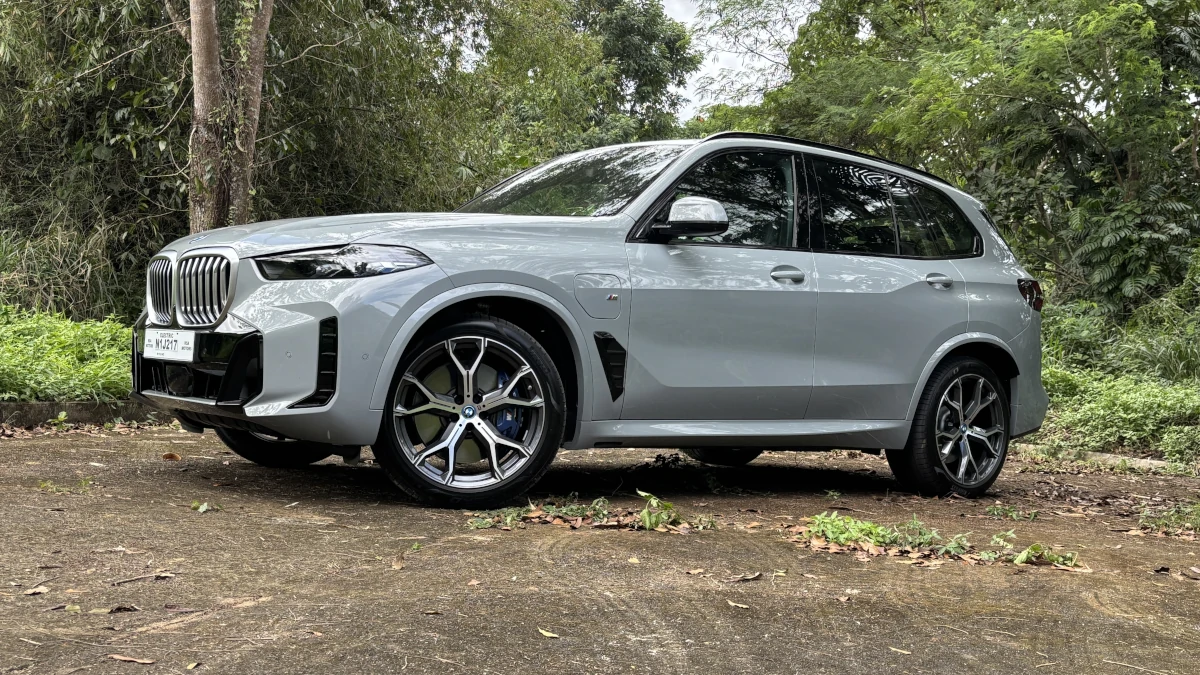
Beyond styling and technology, BMW has also focused on refinement and driving dynamics. Adaptive suspension systems, available air springs, and optional all-wheel steering aim to improve both ride comfort and handling. Standard staggered wheel setups further enhance the SUV’s road presence and driving character.
Safety and driver-assistance technology also receive upgrades, with features such as adaptive cruise control, blind-spot monitoring, lane-keeping assistance, and advanced hands-free driving systems available across the lineup. Together, these changes position the 2027 X5 as one of BMW’s most technologically advanced SUVs to date.
- Engine: Dual electric motors (all-wheel drive EV)
- Horsepower: 402–650 hp (depending on trim)
- Torque: 516–811 lb-ft (700–1,015 Nm)
- Length: 195.5 in (4,965 mm)
- Width: 77.6 in (1,970 mm) (without mirrors) / 87.8 in (2,230 mm) (with mirrors)
4. Toyota Corolla
Toyota is set to introduce a completely redesigned Corolla for 2027, bringing major changes to one of the world’s best-selling compact cars. The new generation adopts a more aggressive and modern appearance inspired by the latest Prius and Camry, featuring a distinctive “hammerhead” front fascia, slimmer lighting elements, and a lower, wider stance. The updated design aims to give the Corolla a sportier and more youthful character while maintaining its reputation for practicality.
Electrification is expected to play a much larger role in the lineup. Toyota is reportedly moving away from traditional gasoline-only models in North America, making hybrid technology the foundation of the Corolla range. Next-generation hybrid systems are expected to deliver more than 50 mpg, while plug-in hybrid variants could offer greater efficiency and limited electric-only driving capability. Fully electric versions are also anticipated in some markets as Toyota expands its EV offerings.
Inside, the Corolla is expected to receive a cleaner and more technology-focused cabin. A minimalist dashboard design, floating center console, and upgraded digital displays will modernize the interior experience. Wireless smartphone connectivity, enhanced infotainment features, and improved driver-assistance systems are likely to remain key selling points for the compact sedan and hatchback.
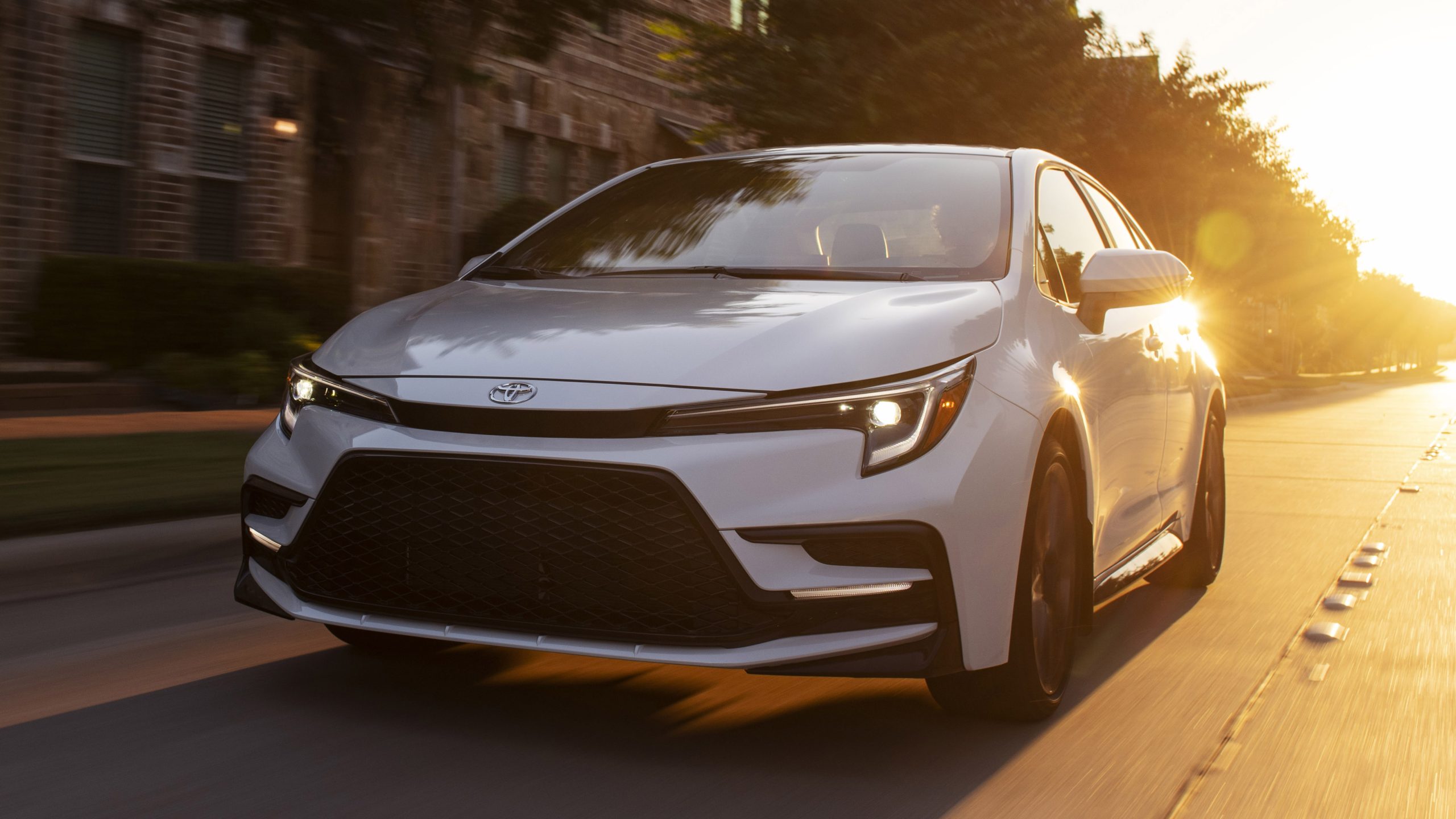
Toyota is also expected to refine the vehicle’s driving dynamics through updates to the TNGA-C platform. While comfort and fuel economy remain priorities, improved handling and ride quality should help the Corolla remain competitive against rivals such as the Honda Civic and Hyundai Elantra.
Performance enthusiasts may also have something to look forward to, as reports suggest the GR Corolla could receive a more advanced powertrain, potentially including an upgraded turbocharged engine or an electrified performance setup. Together, these changes position the 2027 Corolla as a more efficient, technologically advanced, and visually striking compact car.
- Engine: 2.0L I4 (169 hp), 1.8L I4 (139 hp), 1.8L hybrid (121–138 hp), 2.0L hybrid (193–196 hp), or 1.6L turbo GR (300 hp)
- Horsepower: 121–300 hp (depending on variant)
- Torque: 105–295 lb-ft (142–400 Nm)
- Length: 182.3–182.5 in (4,630–4,636 mm)
- Width: 70.1 in (1,780 mm)
5. Hyundai Tucson
Hyundai is preparing a full generational overhaul of the 2027 Tucson, marking a clear shift away from its previous design language. The compact SUV abandons the complex “parametric jewel” styling in favor of a cleaner, wider, and more upright stance that gives it a stronger road presence. Inside, the cabin adopts a more premium layout with a dual-screen panoramic display stretching across the dashboard, while the gear selector is moved to the steering column to free up additional center console space and improve practicality.
In its new generation form, the Tucson embraces a more rugged and SUV-like character inspired by larger models such as the Santa Fe. The exterior becomes boxier and more structured, with sharper proportions replacing the softer curves of the outgoing model. This redesign is paired with upgraded technology and an increased focus on electrified powertrains, signaling a broader shift in Hyundai’s compact SUV strategy.
Design changes extend across both exterior and interior elements. The front end now features a flatter grille, vertical LED daytime running lights, and stacked headlight units, while the rear receives simplified taillights and a repositioned license plate. Aerodynamic touches such as flush door handles and a clamshell hood add a modern edge, while inside, Hyundai’s new Pleos OS brings an advanced digital interface with customizable widgets and over-the-air updates, complemented by a large central display and retained physical controls for key functions.
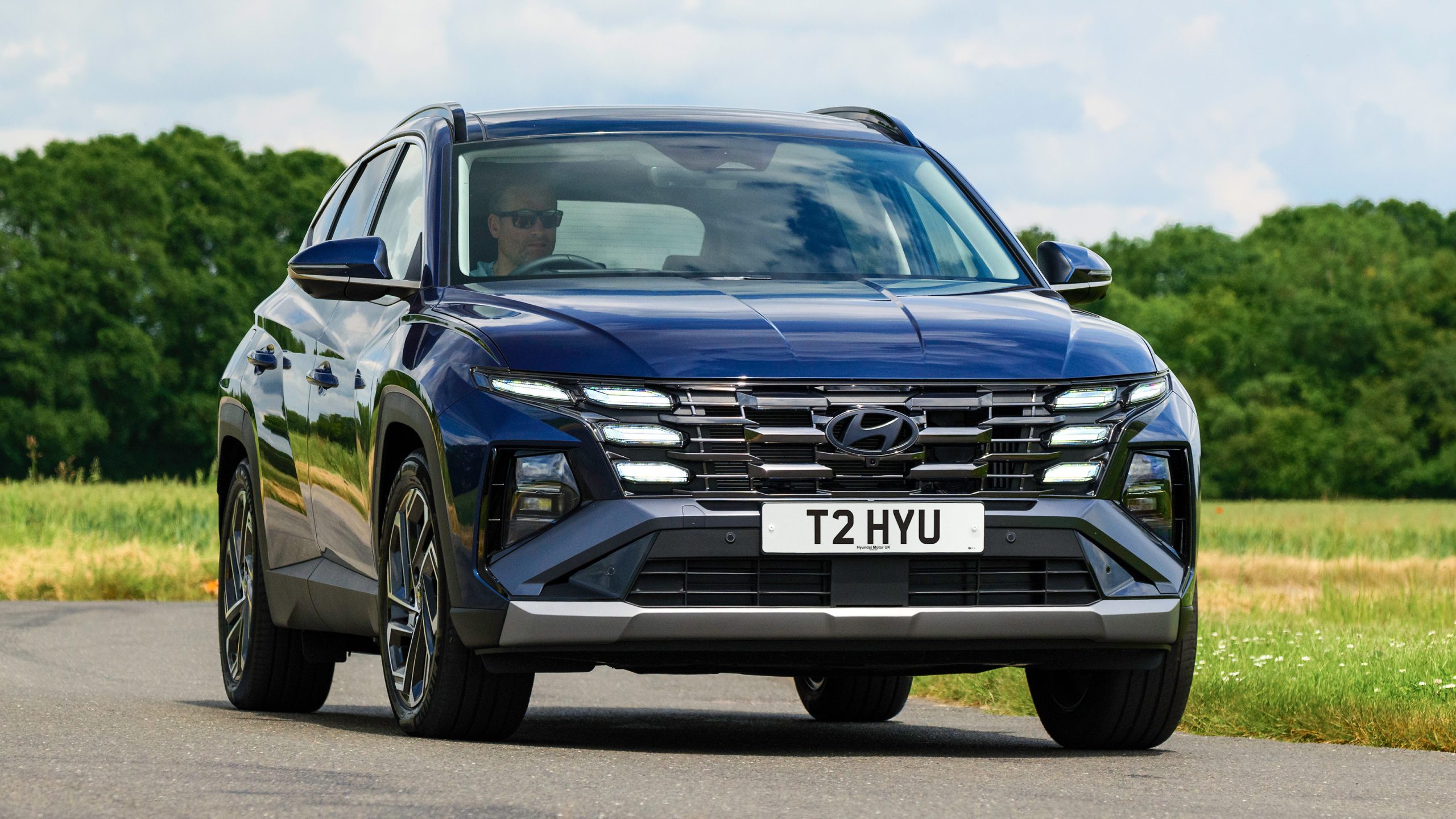
Hyundai is steering the 2027 Tucson toward a more electrified future, where hybrid technology becomes the backbone of the lineup. Conventional gasoline-only engines may be reduced or removed in certain markets, as hybrid and plug-in hybrid systems take center stage. The main setup is expected to evolve around a revised 1.6-liter turbocharged engine paired with electric motors to improve both fuel efficiency and responsiveness. Meanwhile, plug-in hybrid variants will continue to play an important role, offering a usable electric-only range for everyday driving before relying on the gasoline engine for extended trips.
A performance-oriented Tucson N variant is also rumored, potentially delivering close to 300 horsepower through a hybrid all-wheel-drive system. Combined with improved interior space and technology, the 2027 Tucson is positioned as a more advanced, efficient, and versatile compact SUV.
- Engine: 2.5L I4 (187 hp), 1.6L turbo hybrid (231–232 hp), or 1.6L turbo plug-in hybrid (268 hp)
- Horsepower: 187–268 hp
- Torque: 178–271 lb-ft (241–367 Nm)
- Length: 182.7 in (4,640 mm)
- Width: 73.4 in (1,865 mm)
Also read: 10 Cars Worth More Used Today Than Their Original MSRP
6. Kia Seltos
The 2027 Kia Seltos marks the arrival of an all-new second-generation model, bringing significant changes to styling, technology, and efficiency. The redesigned crossover adopts a more rugged and upright appearance inspired by Kia’s larger SUVs, including the Telluride and EV9. Its larger footprint, longer wheelbase, and wider stance also contribute to increased passenger space and improved cargo capacity.
One of the most important updates is the addition of a hybrid powertrain. For the first time, Seltos buyers can choose an electrified option designed to deliver stronger fuel economy without sacrificing everyday usability. Kia will continue offering its familiar gasoline engines, including a naturally aspirated 2.0-liter four-cylinder and a turbocharged 1.6-liter unit for drivers seeking more performance.
The cabin receives a substantial modernization effort. A standard 12.3-inch infotainment screen, available digital instrument cluster, wireless Apple CarPlay and Android Auto, AI-powered voice assistance, and over-the-air software updates help bring the Seltos in line with newer Kia products. Physical climate controls remain in place, providing easier access to frequently used functions.
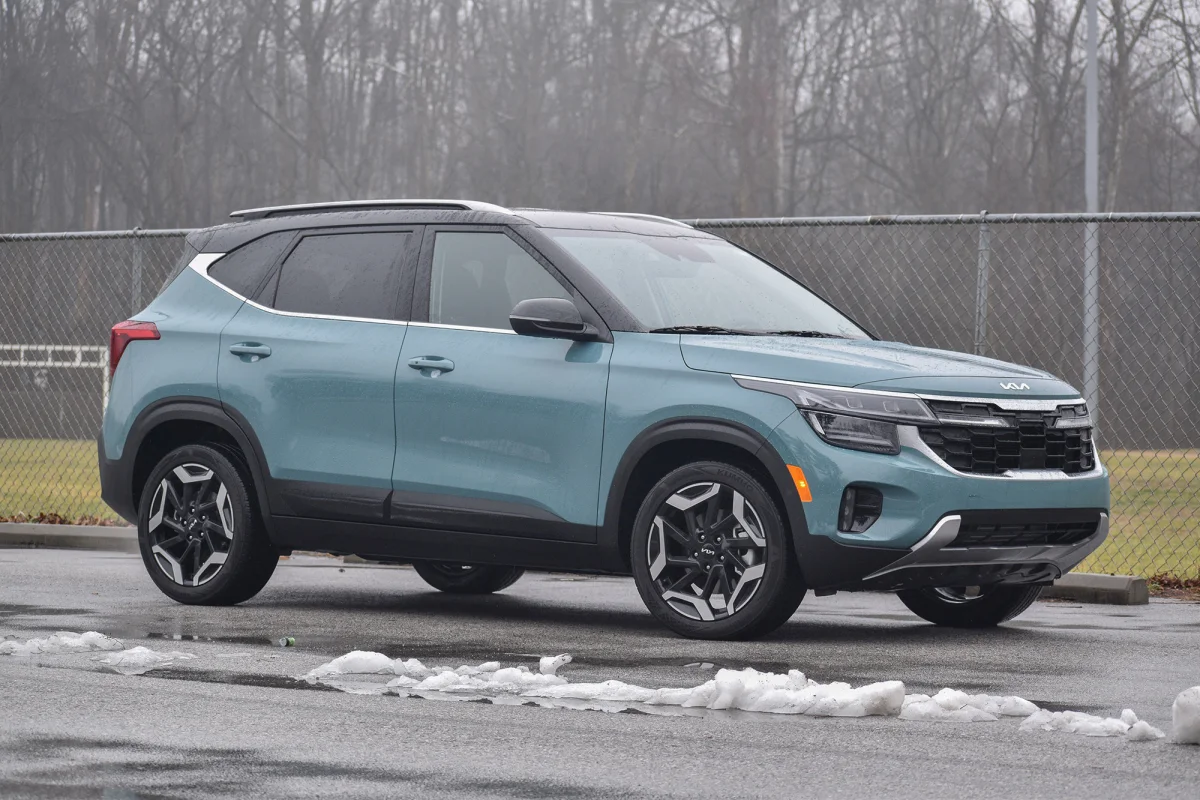
Safety and convenience equipment continue to be major selling points. Standard features include automatic emergency braking, adaptive cruise control, lane keeping assistance, and automatic high beams. Higher trims add technologies such as blind spot monitoring, cross-traffic alerts, a 360-degree camera, premium audio, ventilated seats, and wireless charging.
With improved efficiency, expanded interior space, modern technology, and Kia’s reputation for value, the 2027 Seltos is positioned to remain a strong contender against competitors such as the Honda HR-V, Toyota Corolla Cross, Nissan Kicks, and Subaru Crosstrek.
- Engine: 2.0L Naturally Aspirated I4 (147 hp), 1.6L Turbocharged I4 (190 hp), or 1.6L Hybrid (181–190 hp)
- Horsepower: 147–190 hp
- Torque: 132–240 lb-ft (179–325 Nm)
- Length: 174.4 in (4,430–4,460 mm)
- Width: 72.0 in (1,830 mm)
7. BMW 3 Series/i3
BMW’s 2027 3 Series lineup introduces a major generational shift driven by the Neue Klasse platform strategy. The range is split into two directions, with updated internal combustion and hybrid 3 Series models continuing alongside a fully electric i3 sedan developed on a dedicated EV architecture designed for long-term electrification.
Design changes are central to this transition. The i3 replaces the traditional kidney grille with a modern illuminated surface element and adopts a cleaner, more aerodynamic silhouette. Flush door handles, frameless glass, and a longer wheelbase further refine the exterior, giving the sedan a more futuristic and streamlined presence.
BMW is taking a radically different approach to the cabin design of the new i3, placing digital technology at the center of the driving experience. Traditional gauges are replaced by the Panoramic Vision display, which projects essential information along the lower section of the windshield. A large touchscreen running BMW Operating System X serves as the primary control hub, handling infotainment, climate functions, and vehicle settings through a streamlined interface designed to reduce complexity.
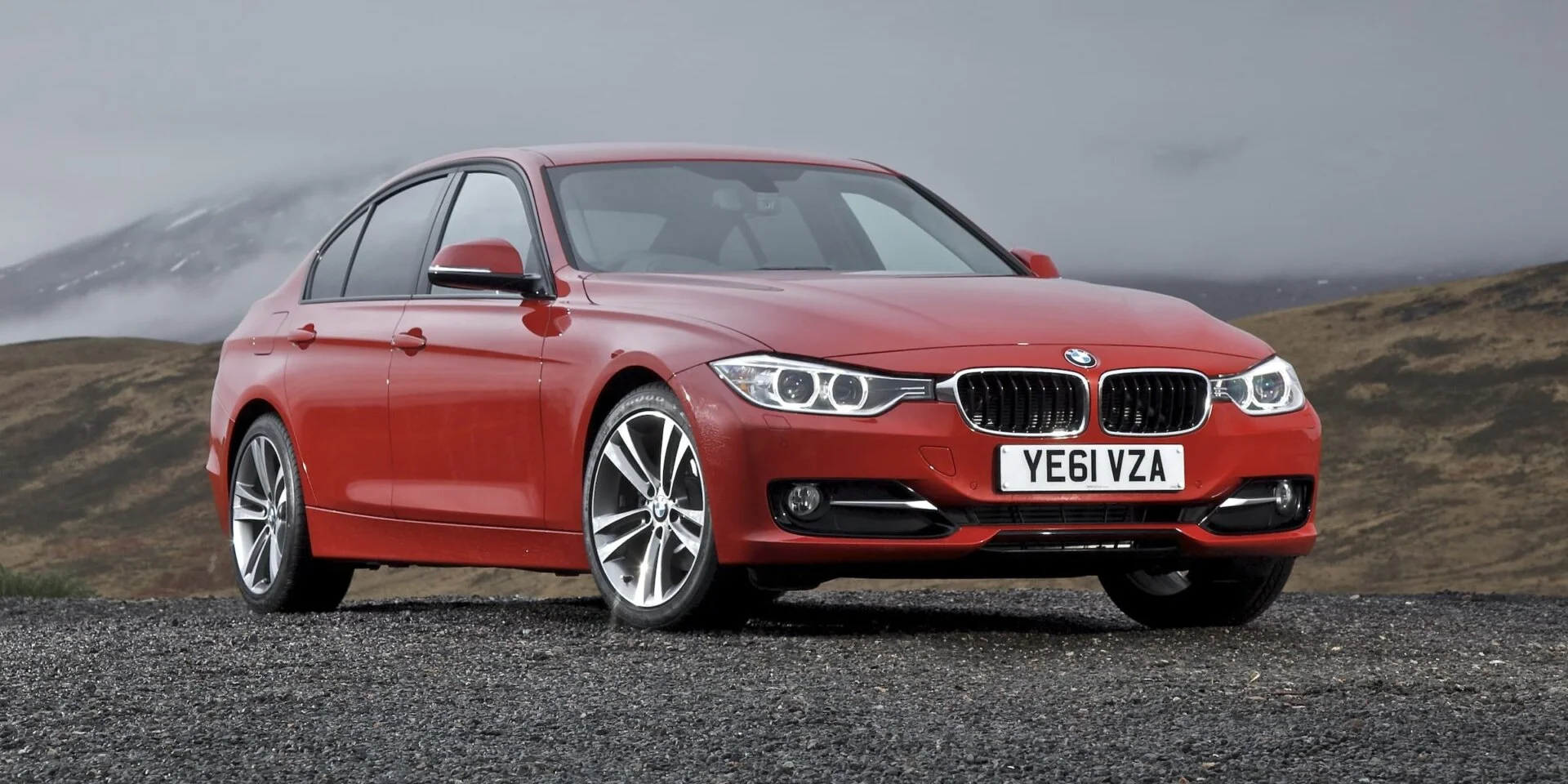
While technology takes a larger role than ever before, BMW continues to prioritize driving engagement. The initial i3 model is expected to feature a dual-motor all-wheel-drive setup producing roughly 460 horsepower. Sophisticated software and computing systems work behind the scenes to optimize traction, sharpen responses, and improve cornering stability, helping the sedan maintain the brand’s reputation for dynamic performance.
Beyond performance, the new platform delivers significant gains in efficiency and everyday usability. An 800-volt architecture enables ultra-fast charging and supports a driving range of more than 400 miles. Enhanced suspension calibration, a roomier interior, and next-generation digital features further distinguish the model, making the 2027 BMW 3 Series and i3 a comprehensive redesign of BMW’s compact luxury sedan range.
MW i3 (EV)
- Engine: Dual-motor all-wheel-drive electric powertrain (asynchronous front motor + synchronous rear motor)
- Horsepower: 463–469 hp
- Torque: 476 lb-ft (645 Nm)
- Length: 187.4 in (4,760 mm)
- Width: 73.4 in (1,864 mm)
BMW 3 Series (Gas / Mild-Hybrid)
- Engine: 2.0L turbocharged inline-4 (B48) or 3.0L turbocharged inline-6 (B58), mild-hybrid assisted
- Horsepower: ~154–420 hp (depending on trim; up to ~420 hp for M350 estimate)
- Torque: 184–398 lb-ft (249–540 Nm)
- Length: Similar to previous generation (slightly smaller than i3 EV)
- Width: Slightly narrower than i3 EV (exact figures not yet finalized)
8. Mercedes-Benz S-Class
Mercedes-Benz has given its flagship S-Class a substantial update for 2027, reworking thousands of components while preserving the sedan’s familiar luxury-focused character. The exterior receives a refreshed appearance through a larger illuminated grille, updated lighting elements, and new wheel designs, creating a more modern presence without departing from the model’s traditional elegance.
One of the most noticeable changes is found inside the cabin. The new MBUX Superscreen stretches across the dashboard, combining multiple digital displays into a seamless layout that includes a dedicated screen for the front passenger. Mercedes also reintroduces physical buttons on the steering wheel, a move intended to improve ease of use after criticism of touch-sensitive controls in previous models.
The refreshed S-Class serves as a showcase for MB.OS, the company’s latest software architecture. This new operating system manages everything from infotainment to driver-assistance technologies while supporting over-the-air updates. It also enables a more advanced MBUX Virtual Assistant that uses generative AI to provide conversational responses and enhanced voice-control functionality.
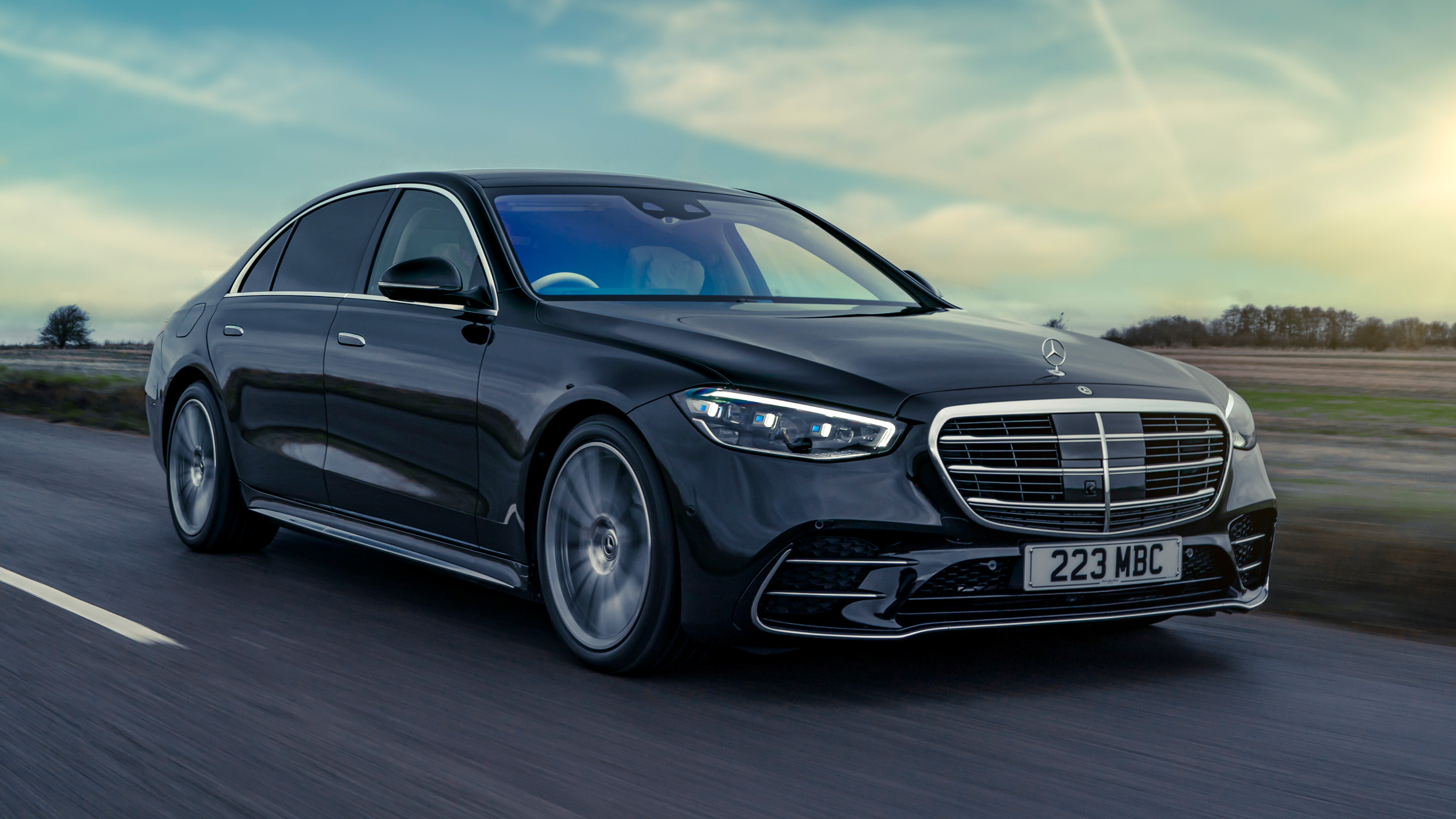
Mechanical improvements are just as notable. In the Mercedes-Benz S-Class (W223) lineup, the S580 is expected to adopt a newly engineered 4.0-liter twin-turbo V8 featuring a flat-plane crankshaft, producing around 530 horsepower while also improving emissions efficiency.
The plug-in hybrid S580e variant is also set to be refined, with its updated powertrain delivering a combined output of about 576 horsepower. This upgrade is aimed at providing sharper acceleration and a stronger sense of performance across the range.
Mercedes continues to prioritize ride quality and passenger comfort. Enhanced suspension systems can use cloud-sourced road data to anticipate bumps and adjust damping before the vehicle encounters them. Combined with rear-wheel steering and other chassis improvements, the result is a luxury sedan that offers a smoother ride, greater refinement, and more confidence-inspiring handling despite its substantial size.
- Engine: 3.0L twin-turbo inline-6 mild-hybrid (S 500), 4.0L twin-turbo V8 (S 580), or 3.0L inline-6 plug-in hybrid (S 580e)
- Horsepower: 442 hp (S 500) / 530 hp (S 580) / 576 hp (S 580e)
- Torque: 443–553 lb-ft (600–750 Nm, depending on model; up to ~472 lb-ft temporary overboost on S 500)
- Length: 208.8 in (5,309 mm)
- Width: 75.6 in (1,920 mm)
9. BMW iX3
BMW utilizes its revolutionary Neue Klasse platform to build the 2027 iX3 from the ground up, completely reimagining traditional EV design. Its minimalist exterior honors heritage with vertical kidney grilles while achieving a sleek, highly aerodynamic silhouette with a 0.24 drag coefficient. Inside, the spacious cabin leans heavily into sustainability through modern, eco-friendly materials, offering plenty of cargo room and a convenient front trunk.
The futuristic interior is anchored by an asymmetric 17.9-inch central infotainment touchscreen running Operating System X, seamlessly integrated with wireless Apple CarPlay and Android Auto. Elevating the digital experience is a massive 43.0-inch “Panoramic Vision” display that projects crucial driving data across the lower windshield, complemented by a premium 13-speaker Harman/Kardon sound system and adaptive driver-assist safety features.
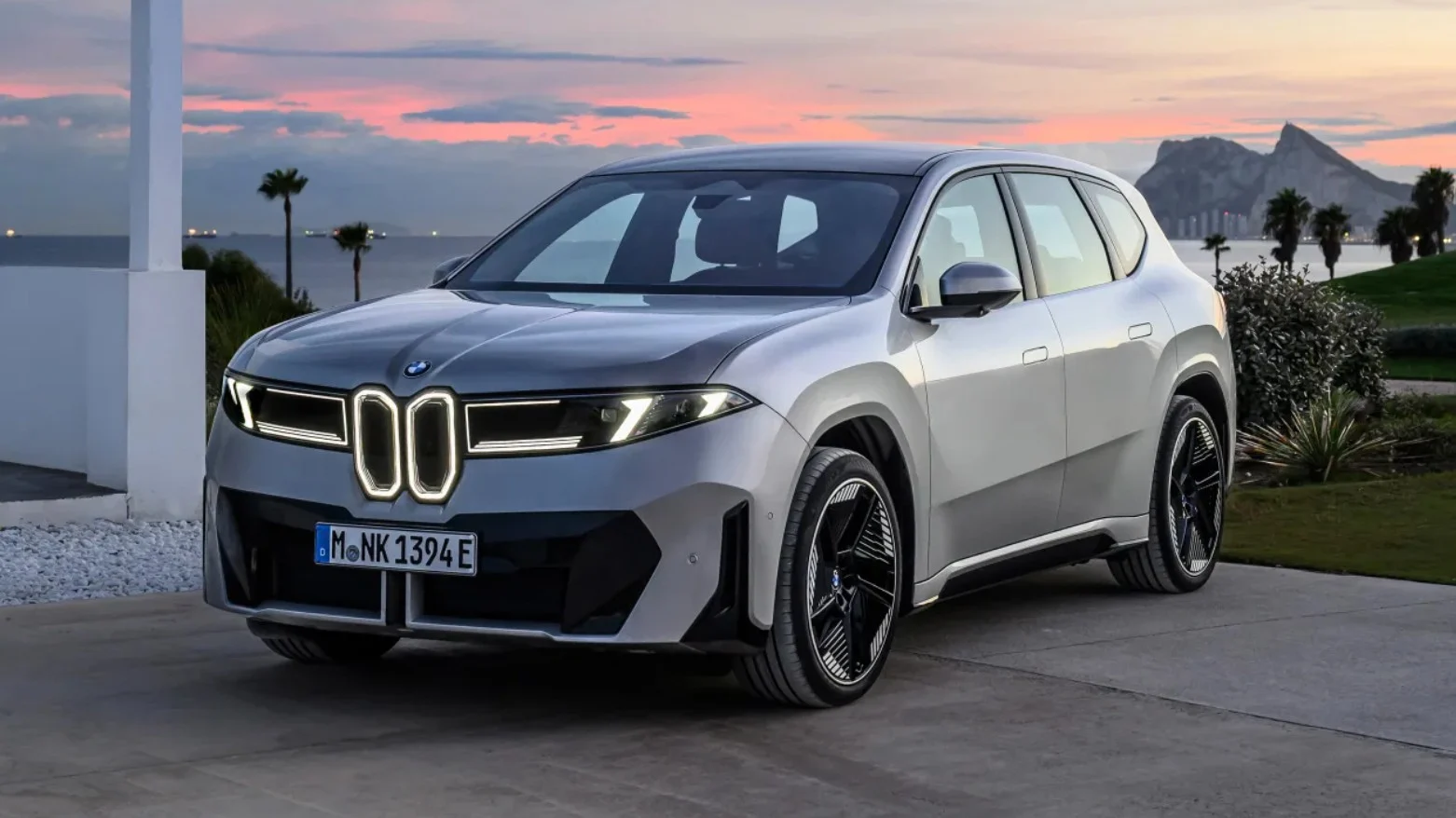
By engineering the 2027 iX3 from the ground up on its new Neue Klasse platform, BMW has completely rewritten its electric vehicle design language. The exterior trades conventional styling for a bold, minimalist look, utilizing vertical kidney grilles as a nod to retro heritage while carving out a highly efficient 0.24 drag coefficient. This forward-thinking approach extends to the spacious interior, where a focus on sustainability brings eco-friendly materials together with practical storage solutions like a front trunk and ample rear cargo space.
- Engine: Dual-motor all-wheel-drive electric powertrain
- Horsepower: 463 hp
- Torque: 476 lb-ft (645 Nm)
- Length: 188.3 in (4,783 mm)
- Width: 74.6 in (1,895 mm)
10. Hyundai Kona
The upcoming 2027 Hyundai Kona is bypassing its traditional mid-cycle facelift to undergo a complete, next-generation architectural overhaul. Moving away from its previous curved, pixelated appearance, the third-generation subcompact vehicle shifts toward a boxier, more chiseled silhouette heavily inspired by Hyundai’s “Crater” design concept. This rugged, miniature-SUV frame features straight A-pillars, a vertical front fascia, and prominent wheel arches, all engineered to maximize interior passenger headroom and cargo space.
Premium materials and a massive 12.3-inch dual-panoramic display (combining the instrument cluster and an AI infotainment system) anchor the new interior layout. However, Hyundai balances this tech overhaul by keeping physical buttons and dials for primary audio and climate settings.
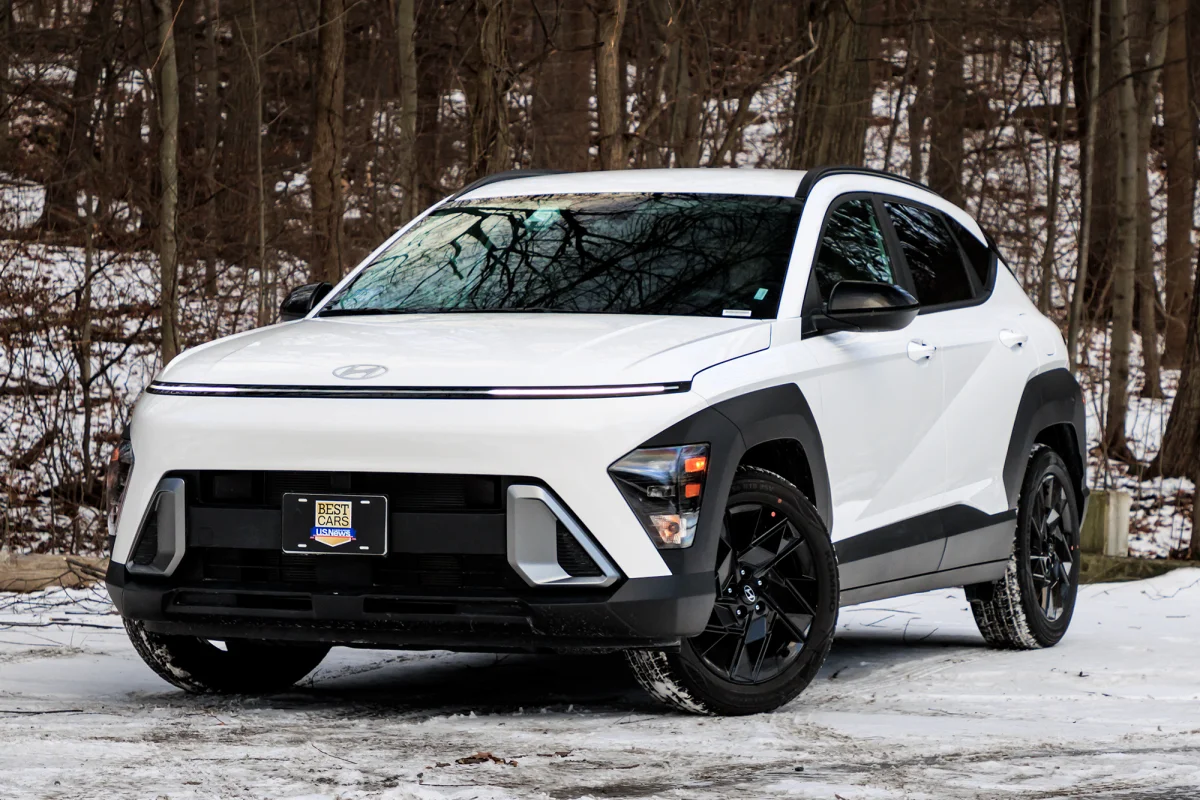
The Kona continues its flexible multi-powertrain strategy on an updated K3 platform, focusing on advanced efficiency and active safety suites. The lineup includes standard gasoline engines, a high-efficiency hybrid variant pushing 140 to 180 horsepower with up to 48 mpg, and potentially an extended-range electric vehicle (EREV) setup. Additionally, the all-electric Kona EV returns, boasting an expected 200 horsepower, a driving range up to 310 miles, and fast-charging capabilities that reach 80% in under 30 minutes.
- Engine: 2.0L naturally aspirated I4 (147 hp), 1.6L turbocharged I4 (190 hp), or 1.6L hybrid I4 with electric motor (139 hp combined)
- Horsepower: 139–190 hp
- Torque: 132–195 lb-ft (179–265 Nm)
- Length: 164.0–171.3 in (4,165–4,350 mm)
- Width: 70.9–71.9 in (1,800–1,825 mm)
Also read: 5 Cars Worth Buying for City Living vs 5 Built Wrong for It
